Bokong Nature Reserve
Bokong Nature Reserve, Lesotho
Bokong is a high Lesotho reserve of wetlands, grassland and walking trails, where a waterfall freezes into a column of ice in winter.
The place
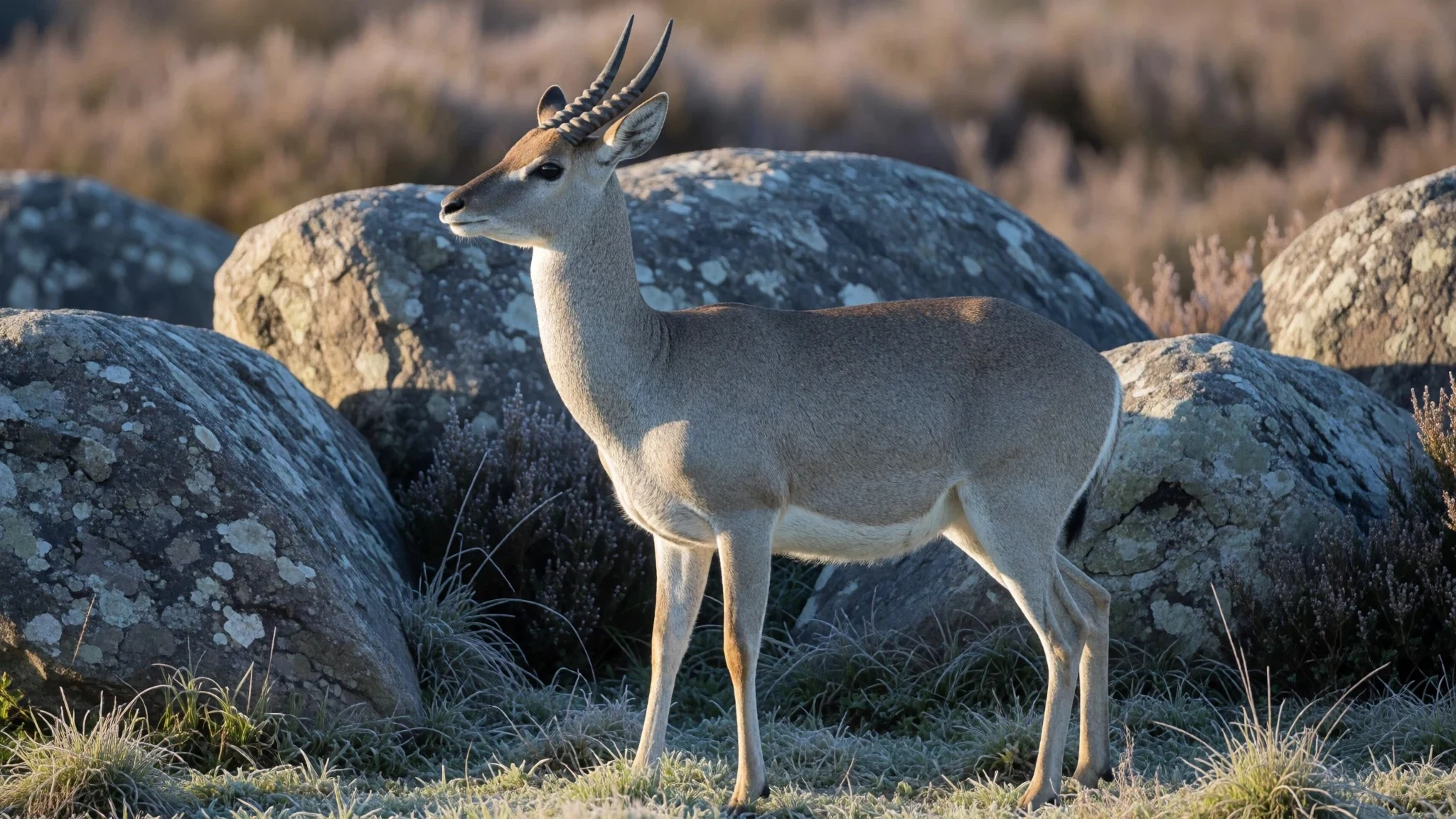
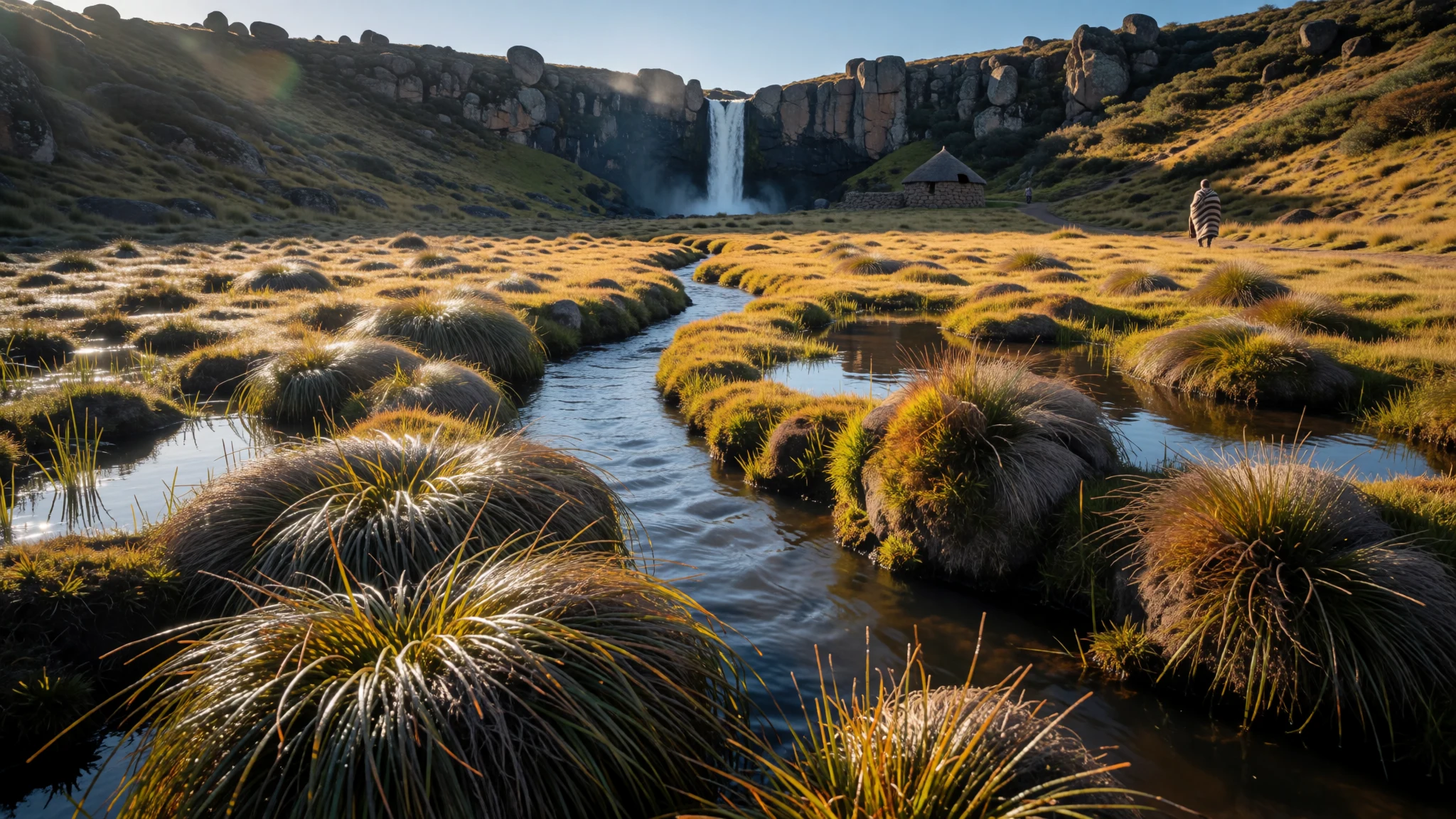
Bokong Nature Reserve sits high in the mountains of Lesotho, in country of open grassland, wet ground and bare rock rather than trees. The air is cold for much of the year and the horizon is long. The reserve protects Afro-alpine wetlands where the Bokong and Lepaqoa rivers begin, so much of the ground is spongy turf, pools and seeps that feed the streams below. Around them lie montane grassland and patches of heath among boulder beds, the kind of terrain where the Vaal rhebuck, a shy antelope, is regularly seen. The entrance is beside the visitors' centre, signposted to the left off the main road after the Mafika Lisiu Pass. The centre stands on the edge of a cliff above the Lepaqoa Valley, and from there an interpretive trail leads to the top of the Lepaqoa Falls. Guides and horses can be hired on site, and there is a picnic area. The reserve is also the starting point for a walk along the alpine plateau to Ts'ehlanyane National Park in the north, which takes two to three days. Camping is possible throughout, and two stone-and-thatch rondavels stand close to the falls for those who want a roof. This is a reserve for walkers and riders rather than drivers: the best of it is reached on foot or by pony, and facilities are modest. Weather decides most things here, from how pleasant a trail feels to whether the falls are frozen.
Its story
Bokong Nature Reserve belongs to the story of Lesotho's highlands, a country of mountains where water, grazing and weather shape daily life. Herders have long moved livestock across these slopes, travelled by pony and built round stone-and-thatch houses suited to the cold. The reserve sets aside a piece of that landscape for its wetlands and wildlife rather than for farming. The wetlands do quiet, important work. They soak up rain and snowmelt like a sponge and release it slowly, so that the Bokong and Lepaqoa rivers begin as gentle trickles before gathering pace. At Lepaqoa the water meets a cliff and plunges into the valley below. Winter gives that fall its reputation. As temperatures drop, the spray and flow slow, ice builds layer on layer, and the waterfall hardens into a standing column. It is a seasonal show that depends on a cold snap, so some visits find a pillar of ice and others a half-frozen curtain. When the thaw comes, the ice weakens and the water returns to full voice. One honest gap: the written sources used for this reading say little about how and when the reserve was established. The visitors' centre and local guides are the better route to that history, and to the names and stories attached to particular ridges, passes and pastures.
What to see
- Lepaqoa Falls — Lepaqoa Valley, near the visitors' centre
The falls are the reserve's centrepiece, a drop over a cliff into the Lepaqoa Valley, reached by the interpretive trail from the visitors' centre. In deep winter the water freezes into a column of ice, though how solid it looks depends on recent cold. In other months it is a plain, loud waterfall. Keep well back from the edge.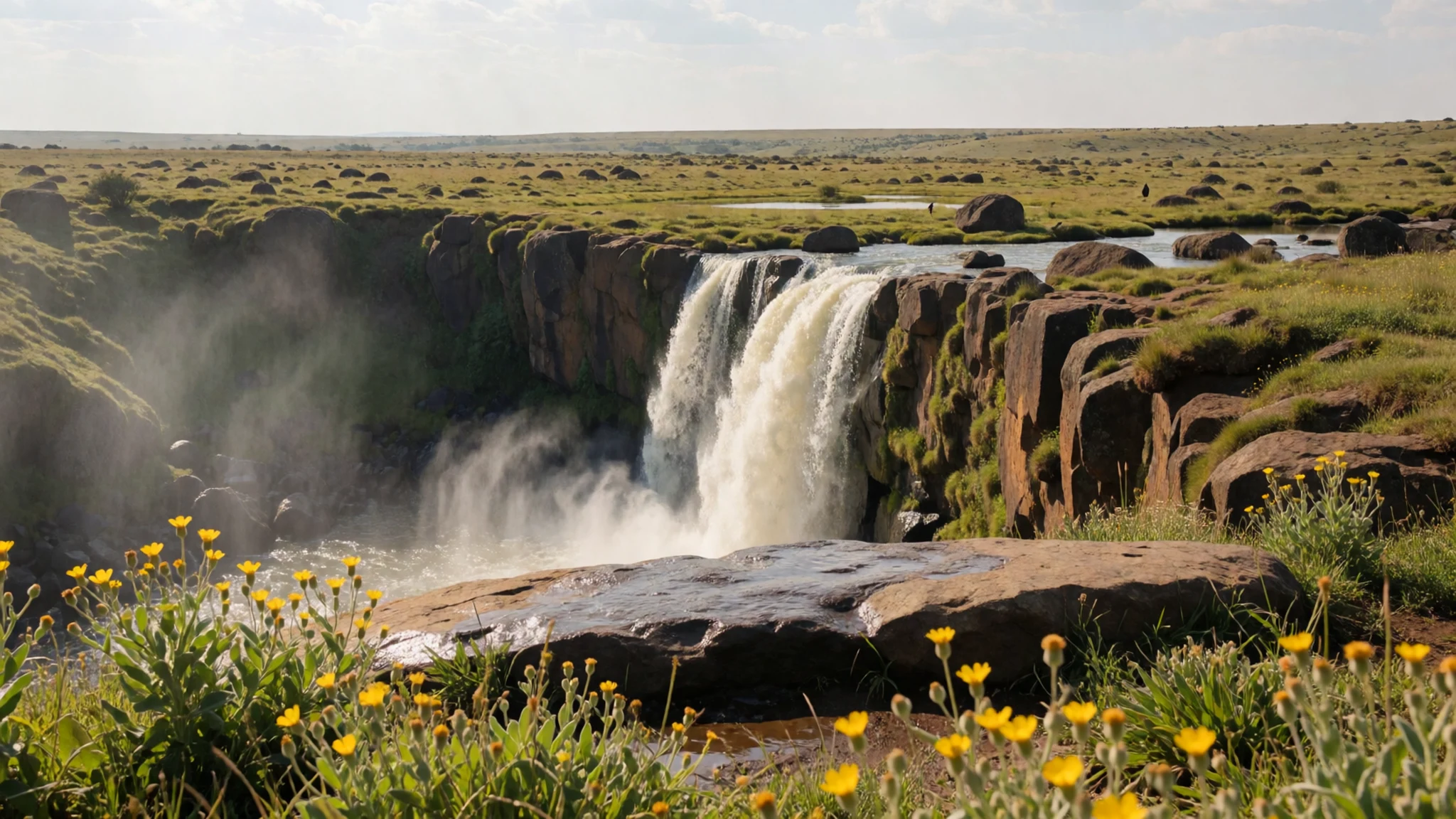
- Visitors' centre viewpoint — Reserve entrance, off the main road beyond Mafika Lisiu Pass
Bokong's visitors' centre is perched on the lip of a cliff above the Lepaqoa Valley, which makes it a viewpoint as much as an office. It has a picnic site and is where guides and horses are hired. A few minutes here before setting out helps in reading the weather coming over the ridges.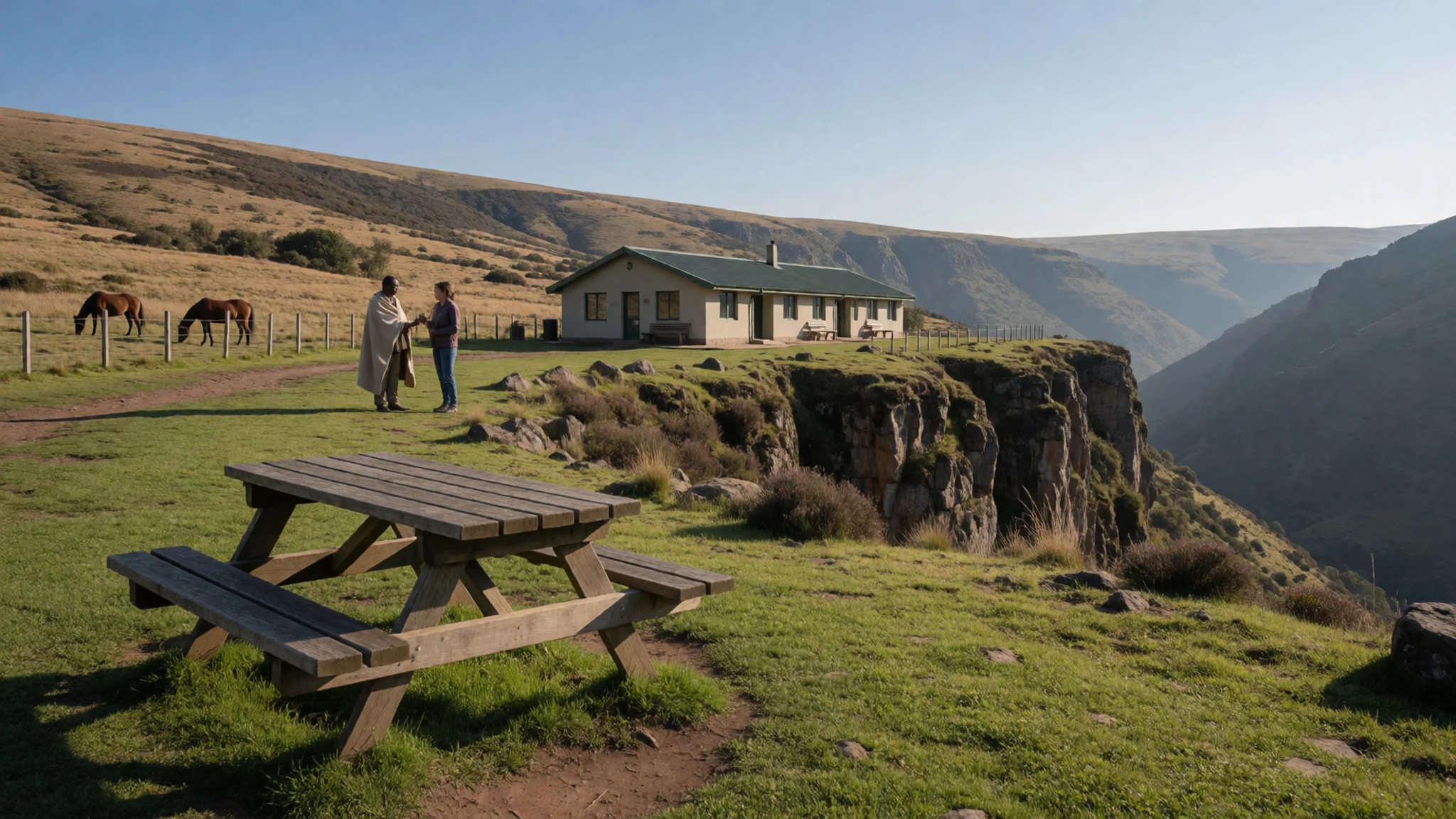
- Afro-alpine wetlands — Headwaters of the Bokong and Lepaqoa rivers
The wetlands at the sources of the Bokong and Lepaqoa rivers are cushions of wet turf, small pools and trickling channels. They are slow to cross and easy to damage, so staying on paths matters. In flat light they look sparse, but close looking turns up small plants and insects. Boots will get wet.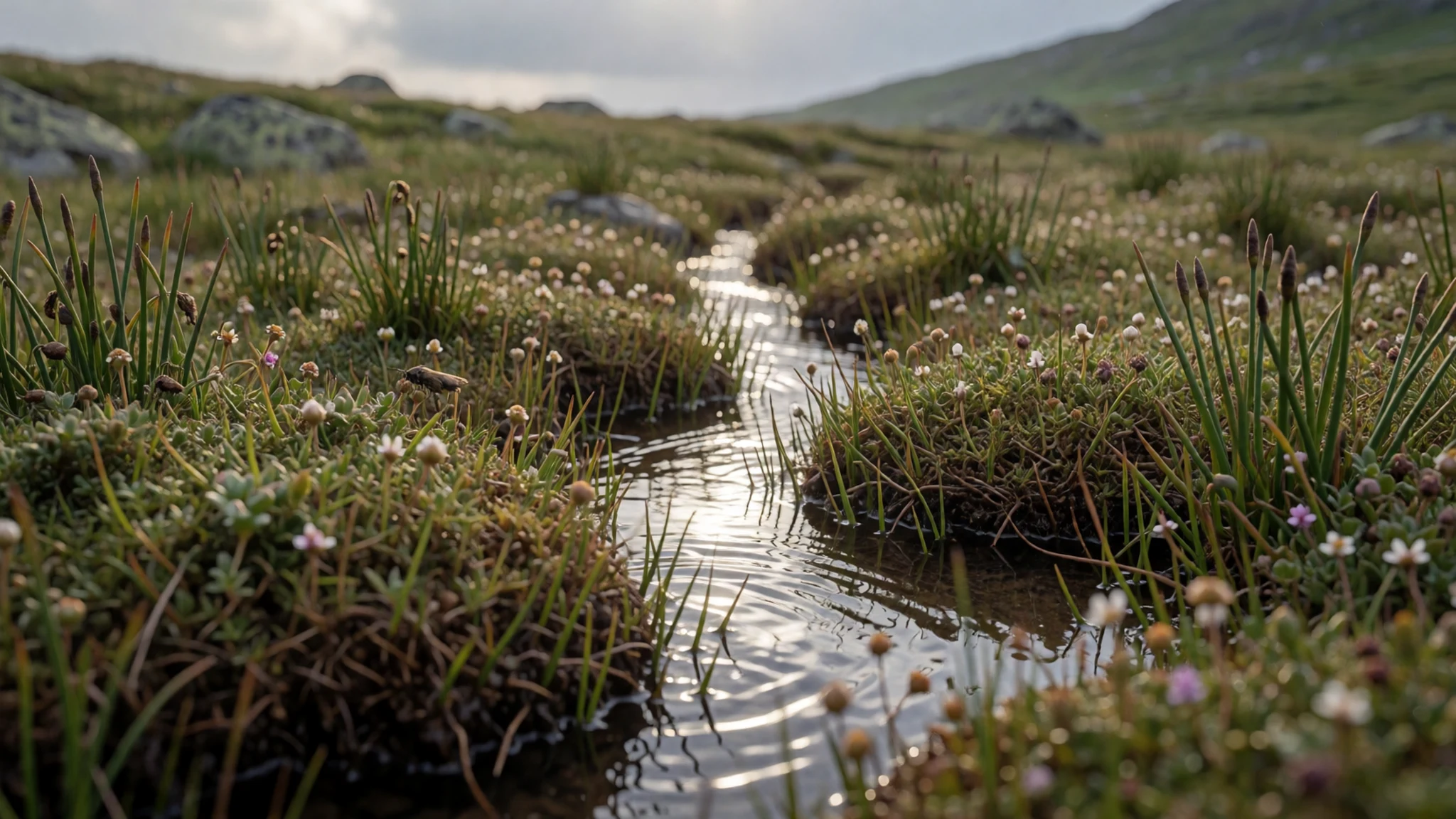
- Grassland and boulder heath — Plateau slopes within the reserve
Away from the water, the reserve opens into montane grassland broken by boulder beds with low heath. This is regular ground for the Vaal rhebuck, which tends to freeze and watch before bounding away. Binoculars help. Early morning and late afternoon give the best odds of a sighting, though nothing is guaranteed.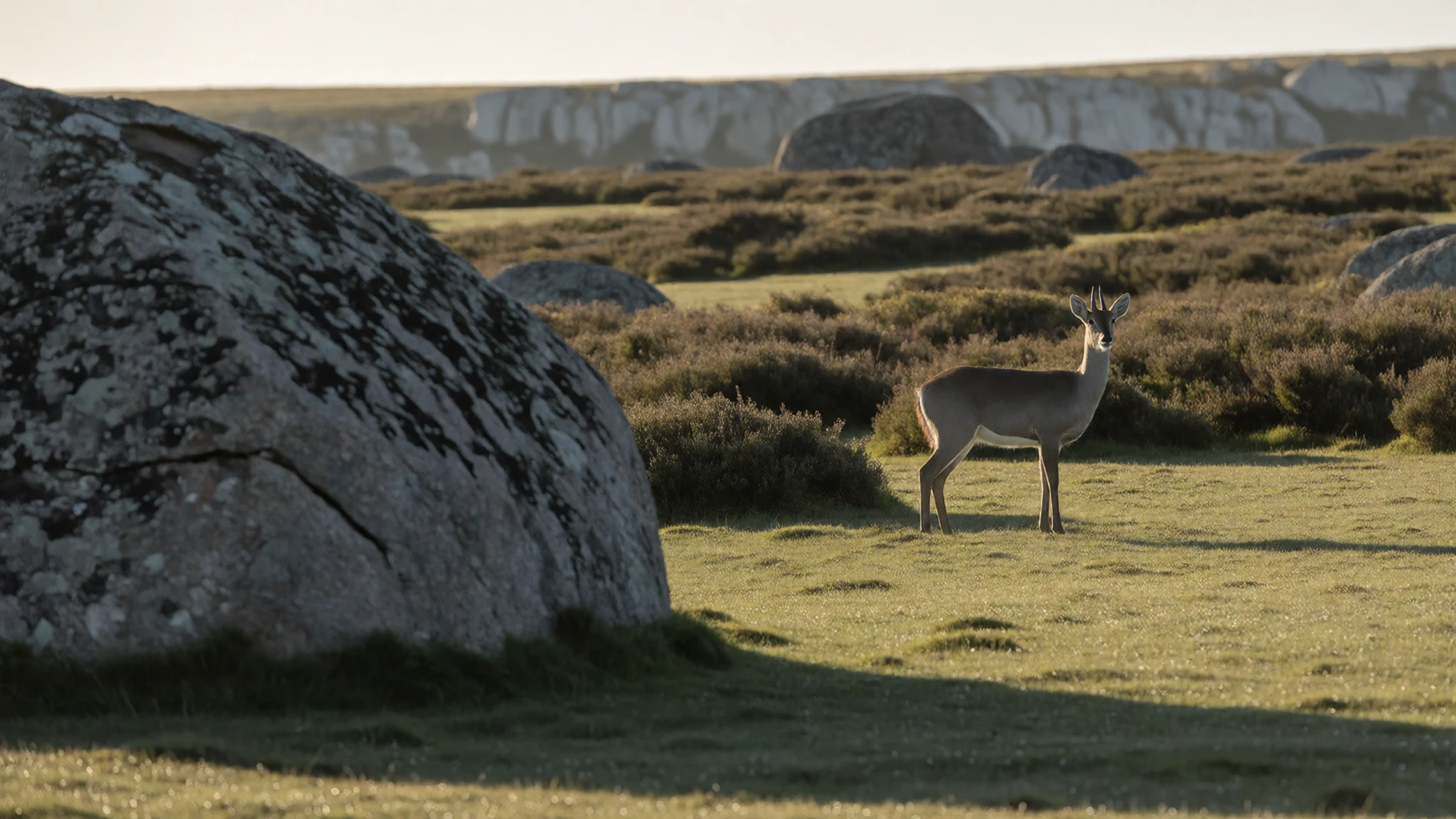
- Plateau walk towards Ts'ehlanyane — Alpine plateau, northwards from the reserve
A multi-day route runs from Bokong along the alpine plateau to Ts'ehlanyane National Park to the north, taking two to three days. It suits experienced, self-sufficient walkers with proper kit and a guide or good navigation. Camping is possible along the way. Weather can turn quickly, so check conditions and tell someone the plan.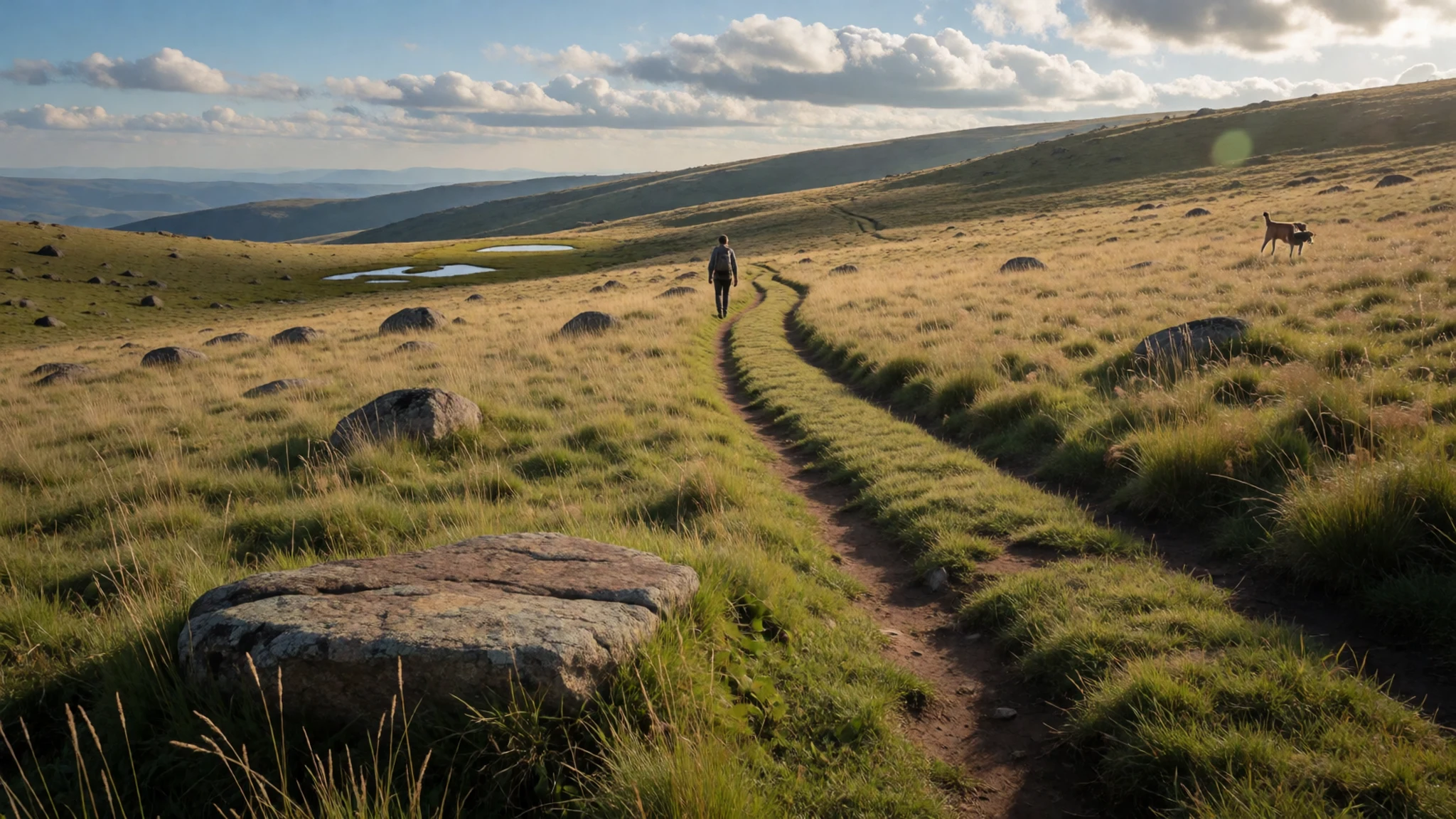
Culture
Bokong Nature Reserve lies in Basotho country, and the culture around it is that of highland herders and small villages. Livestock, especially sheep, goats, cattle and ponies, are central to life here, and it is common to meet young herders on the slopes wrapped in blankets and watching their flocks. The pony is both transport and a point of pride, which is why horse hire at the reserve feels natural rather than touristy. Homes are often round stone-and-thatch rondavels, built to hold warmth through long cold nights, and the two near the falls follow that tradition. The language is Sesotho, and a simple greeting, Lumela, goes a long way. Greetings matter more here than speed: people tend to stop, say hello and ask where you are heading before anything else. Distances between settlements are large and services are thin, so hospitality is practical rather than performative. Expect quiet roads, wide silences and slow conversations. The reserve is managed for conservation, which means walkers share the land with grazing animals, wildlife and people who rely on the same pastures. Greet herders and anyone you pass on the trail with a friendly Lumela, and always ask before photographing a person or their animals.
What to wear
Bokong Nature Reserve is in Basotho country, where the best-known traditional dress is the Basotho blanket, a thick woollen-style wrap, often with bold geometric patterns, worn pinned over the shoulder against the cold. The conical straw hat, the mokorotlo, is the other national emblem, woven from grass and worn for ceremonies and as a symbol of identity. Blankets are given at milestones such as weddings and initiation and are worn daily by many herders in the highlands. What people wear now is a practical mix. Herders and villagers combine blankets with gumboots, balaclavas or woolly hats, and jackets or overalls, all chosen for wind, rain and cold rather than style. In towns, western-style clothing is common, with blankets reserved for events or cold days. For visitors, think layers. Mornings and nights are cold for much of the year, and sun at altitude is strong, so bring a warm mid-layer, a waterproof shell, a hat, gloves in winter, sunglasses and sun cream. Footwear should be sturdy, ankle-supporting walking boots with good grip for wet turf, rock and ice. Modest, practical clothing suits village encounters; there are no religious sites on the reserve trails, but covered shoulders and knees show respect when passing homesteads.
What to eat
- Papa and moroho — Roadside eateries and village homes along the highland road
Papa is stiff maize porridge, the staple of Lesotho, eaten with moroho, cooked leafy greens. It is filling, cheap in spirit and well suited to cold highland days. Look for it at roadside eateries and in village homes when invited to eat.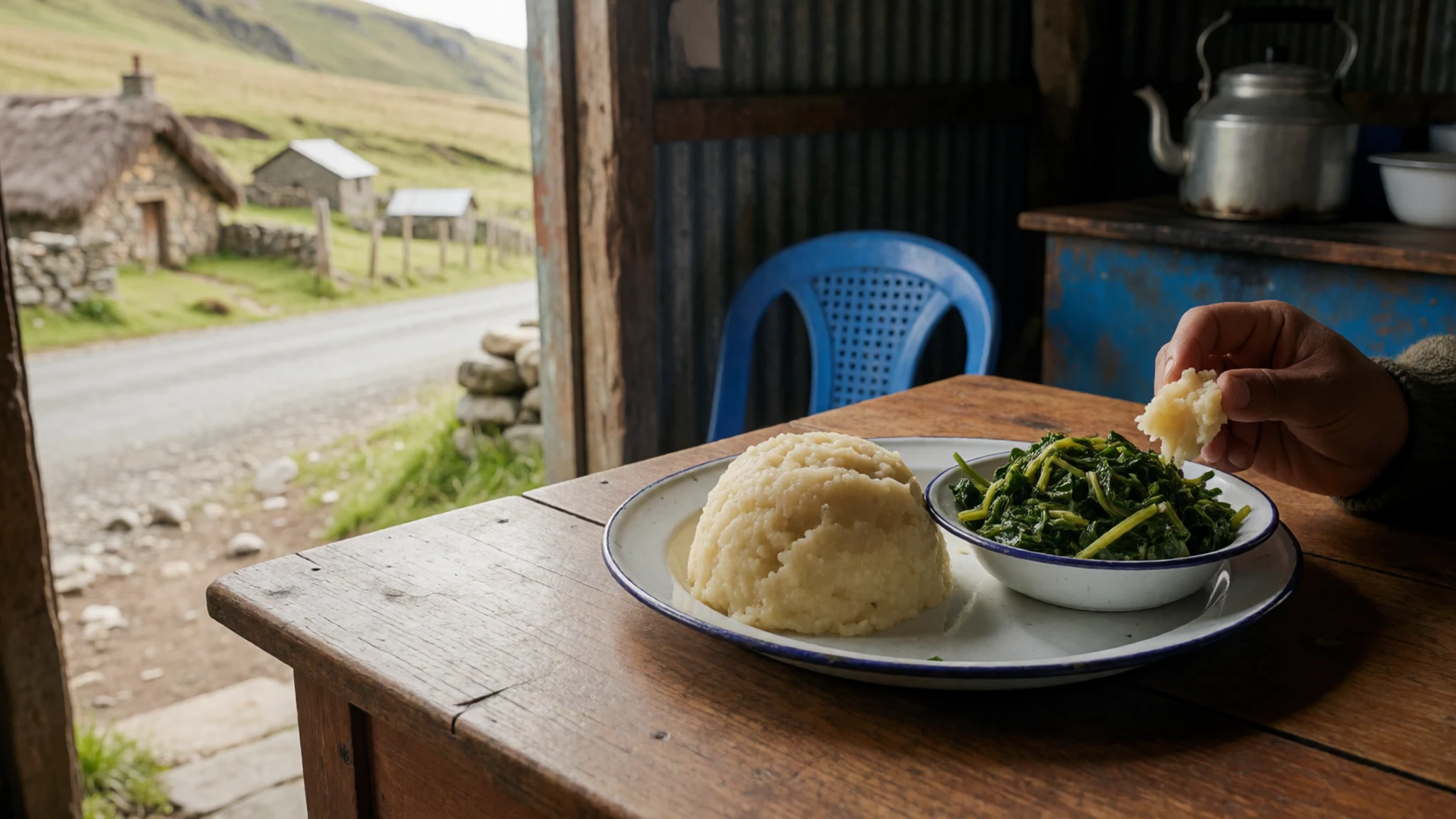
- Motoho — Village homes and small tuck shops
Motoho is a sour, fermented porridge made from sorghum or maize meal, often served as a drink or a thin breakfast. It has a tang a little like yoghurt and is considered a comfort food. It is usually made at home, so ask a guide or local host.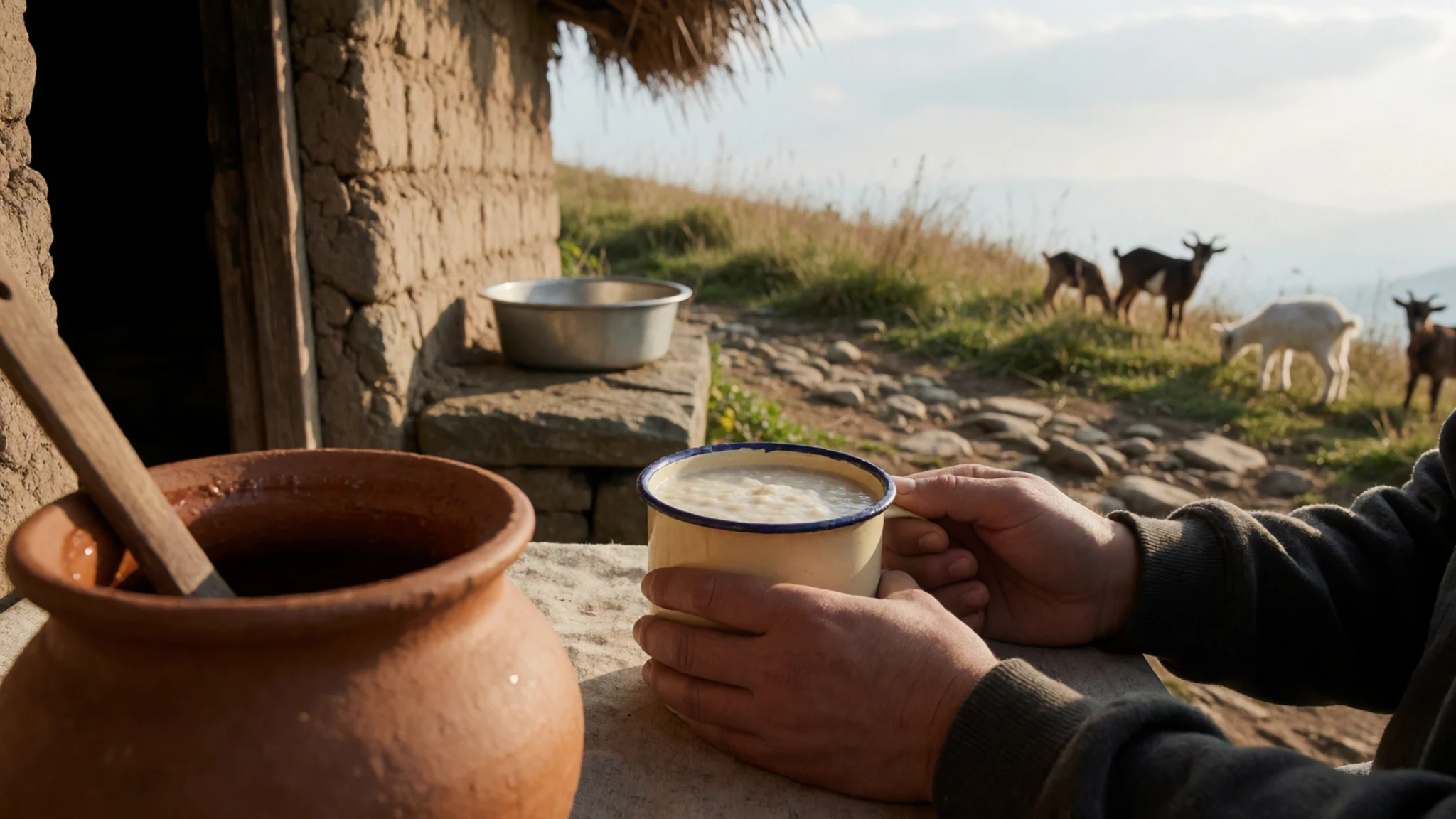
- Steamed bread — Village kitchens and small local eateries
Steamed bread, a soft, dense loaf cooked over steam rather than baked, is a familiar side with stew or tea in Basotho households. It is satisfying after a cold walk. Availability varies, so treat it as something to try if offered. - Likhobe — Homes and local eateries in the highlands
Likhobe is a hearty mix of boiled maize kernels and beans, simple and filling. It is a traditional home dish that suits long hours outdoors. It rarely appears on formal menus, so a guide or host may be the way to taste it. - Mutton stew — Small local eateries and guesthouses on the road to the reserve
Sheep are everywhere in the highlands, and mutton stew with potatoes or maize meal is a common warming meal. It is slow-cooked and plain, built for cold evenings. Expect modest portions and simple seasoning rather than fine dining.
Plan it
Best time. May–September for clear, cold walking, with June–August the best chance of the frozen Lepaqoa Falls; expect ice and possible snow. Summer from November is greener but brings afternoon storms and mist.
How long. 1–2
Getting there. Fly to Moshoeshoe I International Airport near Maseru, then travel by road into the highlands, over the Mafika Lisiu Pass; the reserve entrance is signposted to the left beyond the pass. The mountain road can be icy in winter, so check conditions before setting out.
Budget. mid
Tips
- Check the reserve's current fees, opening times and guide or horse booking with the visitors' centre or local tourism office before travelling
- Carry cash, as card facilities in the highlands cannot be assumed
- Start walks early and pack layers, a waterproof shell and plenty of water; weather changes fast at altitude
- Fill the fuel tank before the climb, as stations are few in the mountains
- For the plateau walk to Ts'ehlanyane, arrange a guide or reliable navigation and tell someone your route
Etiquette
- Greet herders and villagers with a friendly Lumela
- Ask before photographing people or their animals
- Stay on paths across the wetlands and take all rubbish with you
Nearby
Sources
- Wikidata Q4938808 (CC0)
- Wikipedia: Bokong Nature Reserve (rev 1339878186) (CC BY-SA 4.0)
- Wikivoyage: Bokong Nature Reserve (CC BY-SA 4.0)
Wildlife
- Vaal rhebuck (animal)
The Vaal rhebuck is a shy antelope, an animal that would rather watch you than meet you. In Bokong Nature Reserve, look for it where high mountain grassland gives way to heathy patches and tumbled boulders, terrain where it is regularly seen. Ask your guide about the best time to search. Keep a respectful distance, stay quiet and still, and let your guide lead the way. Never feed it; a wild antelope should stay wild.