Afriski
Afriski, Lesotho
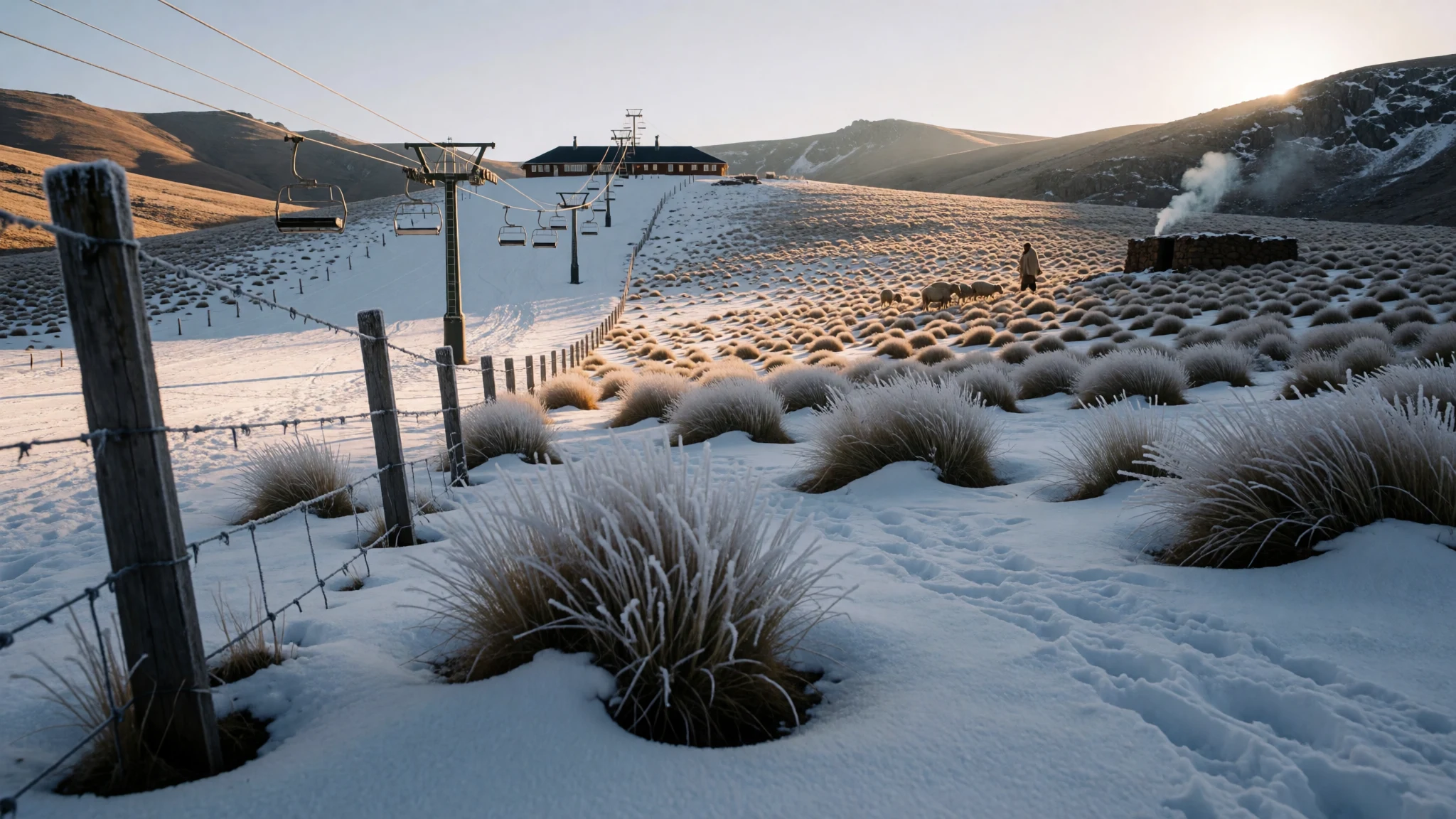
A small, quirky ski resort on a bare African plateau, where snow, Basotho blankets and thin air make an unlikely and uncrowded mountain break.
The place
Afriski is a small ski resort in the Maluti Mountains of northern Lesotho, a short drive from the South African border, at an elevation of about 3,000 m. It is the only ski resort in the country, and it looks nothing like the Alps. There are no pine forests or chalet villages here, only open grassland, rock and sky, closer in feel to a Himalayan pass than to a European winter town. The approach roads climb slowly past herders' stone huts and grazing flocks, and parts of the route are gravel.
Winter brings cold, dry, bright days, and snowmaking tops up whatever nature supplies. Summer turns the place over to walking, mountain biking and a lot of quiet. Lesotho is sunny through much of the year, and the wet season runs from October to April, when afternoon thunderstorms are the main weather risk.
Altitude shapes everything. The air is thin, the sun is strong even on cold days, and nights can fall well below freezing while afternoons feel mild. Visitors who fly in from sea level often feel it in their first day's sleep and breathing.
The resort is compact, so it suits people who want something odd and uncrowded rather than a big-name ski holiday. Beyond it lies a country made almost entirely of high mountains, where villages, ponies and long views are the main attractions, and where skiing is just one more way of using the highlands.
Its story
Afriski is recent, but the mountains around it carry a much older story. Before European settlers arrived, Sotho-Tswana farming communities lived on the plains of what is now South Africa's Free State. Zulu raids, and then the push of Dutch-speaking Voortrekkers onto their land, drove many families up into the Lesotho highlands, where steep ground made defence easier.
The pressure of those attacks pushed separate groups to band together. By 1824 Moshoeshoe had emerged as their king, with Thaba Bosiu, a flat-topped mountain, as his fortress. Under him the scattered communities became a single nation, the Basotho, and it was shaped more by diplomacy and shelter than by conquest.
The Boers continued to press in, so Moshoeshoe looked for an ally and turned to the British Cape Colony. After much fighting and negotiation, the territory, then called Basutoland, became a British protectorate in 1868. It later gained independence within the Commonwealth as the Kingdom of Lesotho, and many older Basotho still speak warmly of that protection.
That history explains why Lesotho is a mountain kingdom surrounded entirely by South Africa, and why highland villages remain central to national identity. A ski resort on the roof of the country is a modern addition to a landscape that was first valued as a refuge, and visitors who read a little of this history will understand what the open slopes meant to the people who first climbed them.
What to see
- The Afriski slopes — Maluti Mountains, northern Lesotho
The resort's runs lie on open, treeless slopes near the top of a pass, so views stretch for miles in every direction. Winter skiing and snowboarding are the draw, but the same terrain is used in summer for walking and biking. Check the official site for opening dates and conditions.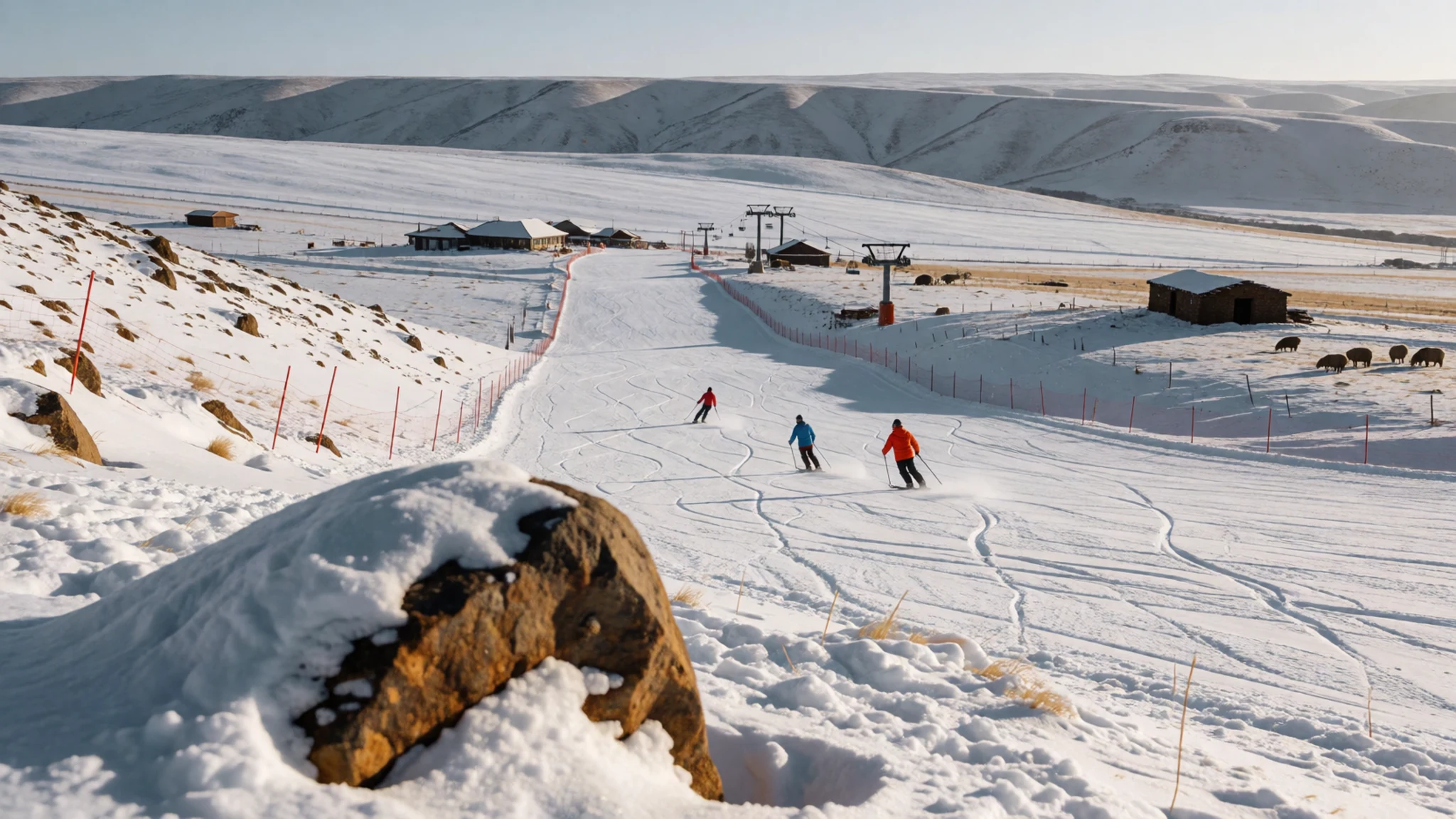
- Oxbow and the Mapholaneng road — Oxbow, northern Lesotho
The road through Oxbow and on towards Mapholaneng is the usual way in, and it is a sight in itself. It crosses high ridges, river valleys and stone-built farming hamlets. Drive slowly, stop where the verge allows, and expect weather changes within an hour, especially in the rainy months.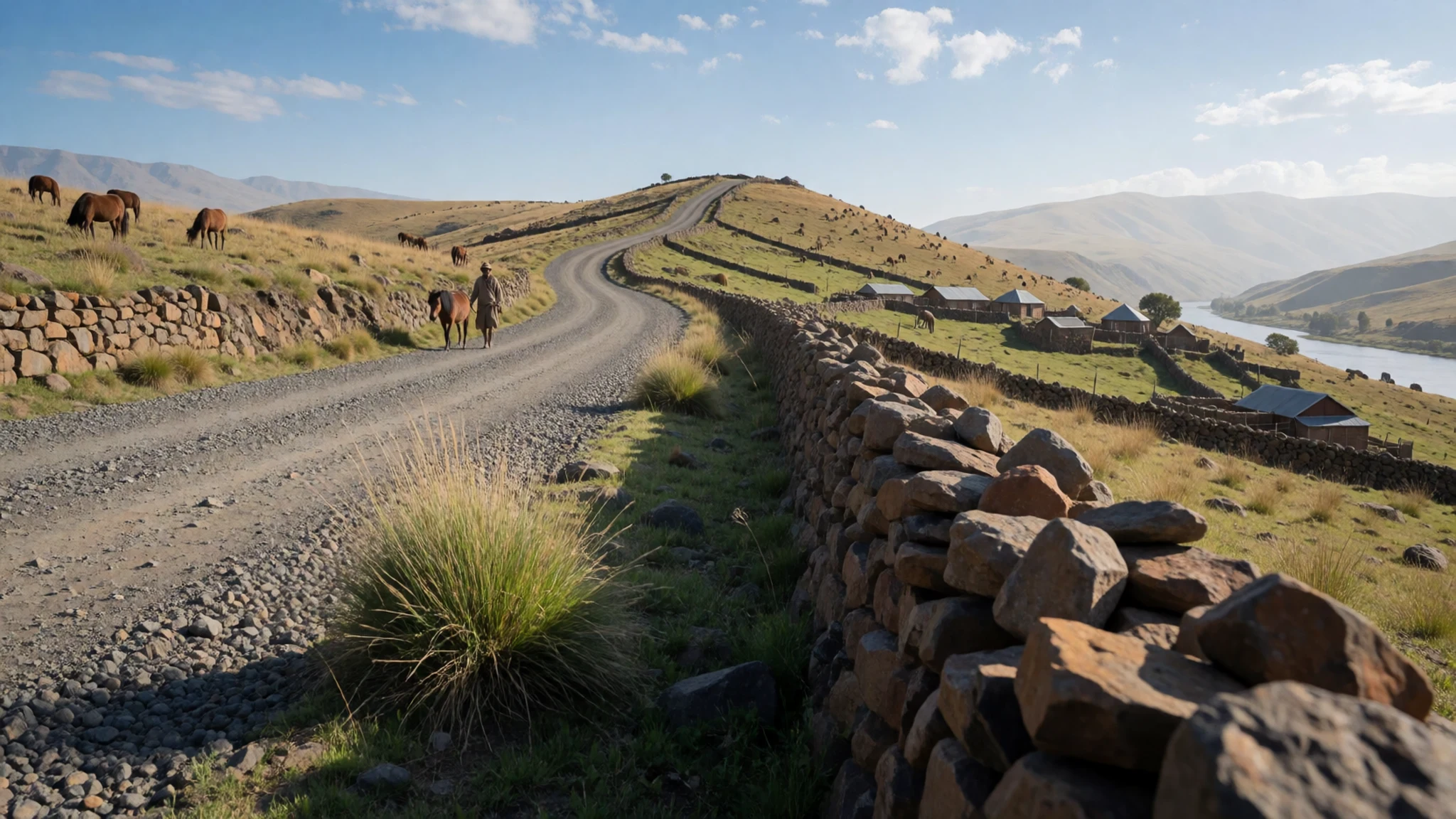
- Semonkong Falls — Near Semonkong, central Lesotho
Far to the south-west, near the village of Semonkong, a river drops in a single plunge into a deep gorge. In summer the pool below is used for swimming, and in the cold months it can freeze, with ice forming around the falls. It is a long day trip, better as part of a wider journey.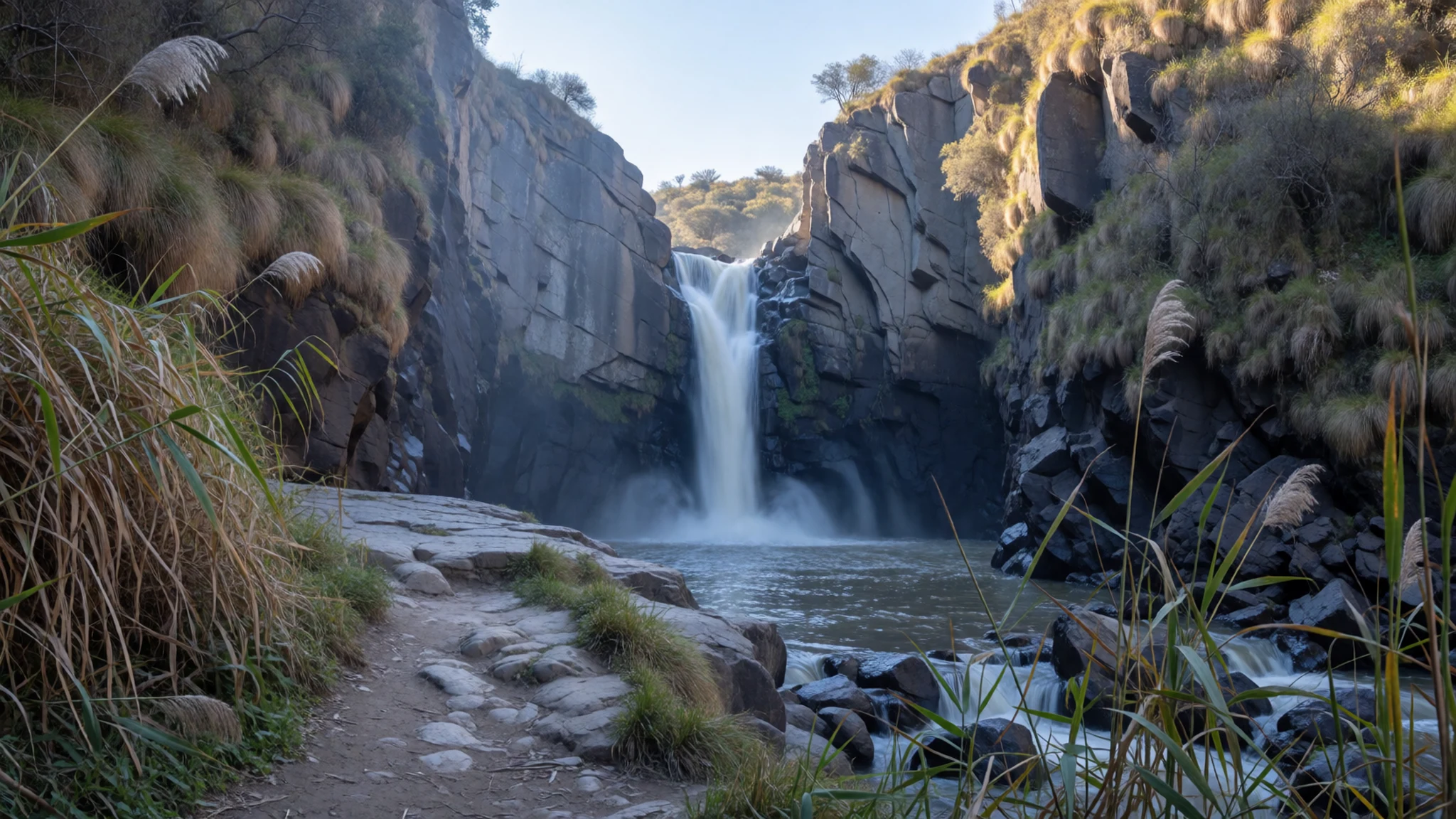
- Pony trekking — Malealea, Semonkong and other highland bases
Sure-footed Basotho ponies carry riders into villages and up passes that cars cannot reach. Operators work from places such as Malealea and Semonkong, and treks suit beginners as well as experienced riders. It is among the most direct ways to see how highland farming communities live.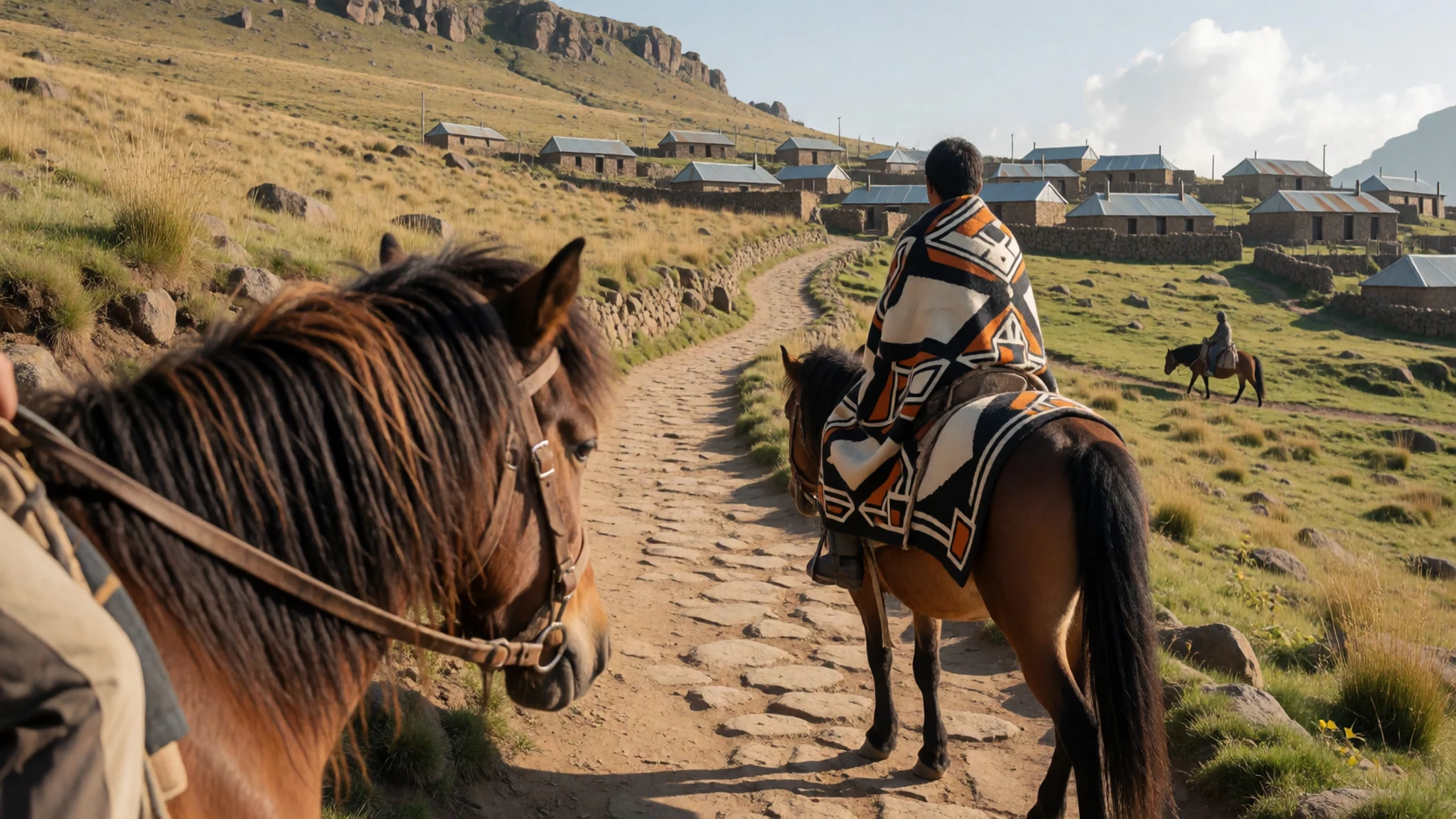
- Rock art at Liphofung Cave — Liphofung Cave, northern Lesotho
Lesotho has painted rock shelters in many places, and the paintings in Liphofung Cave are among those singled out for visits. They are the work of the area's earlier inhabitants and sit in a sheltered overhang. Go with a local guide who can explain what the figures show and how to approach the site.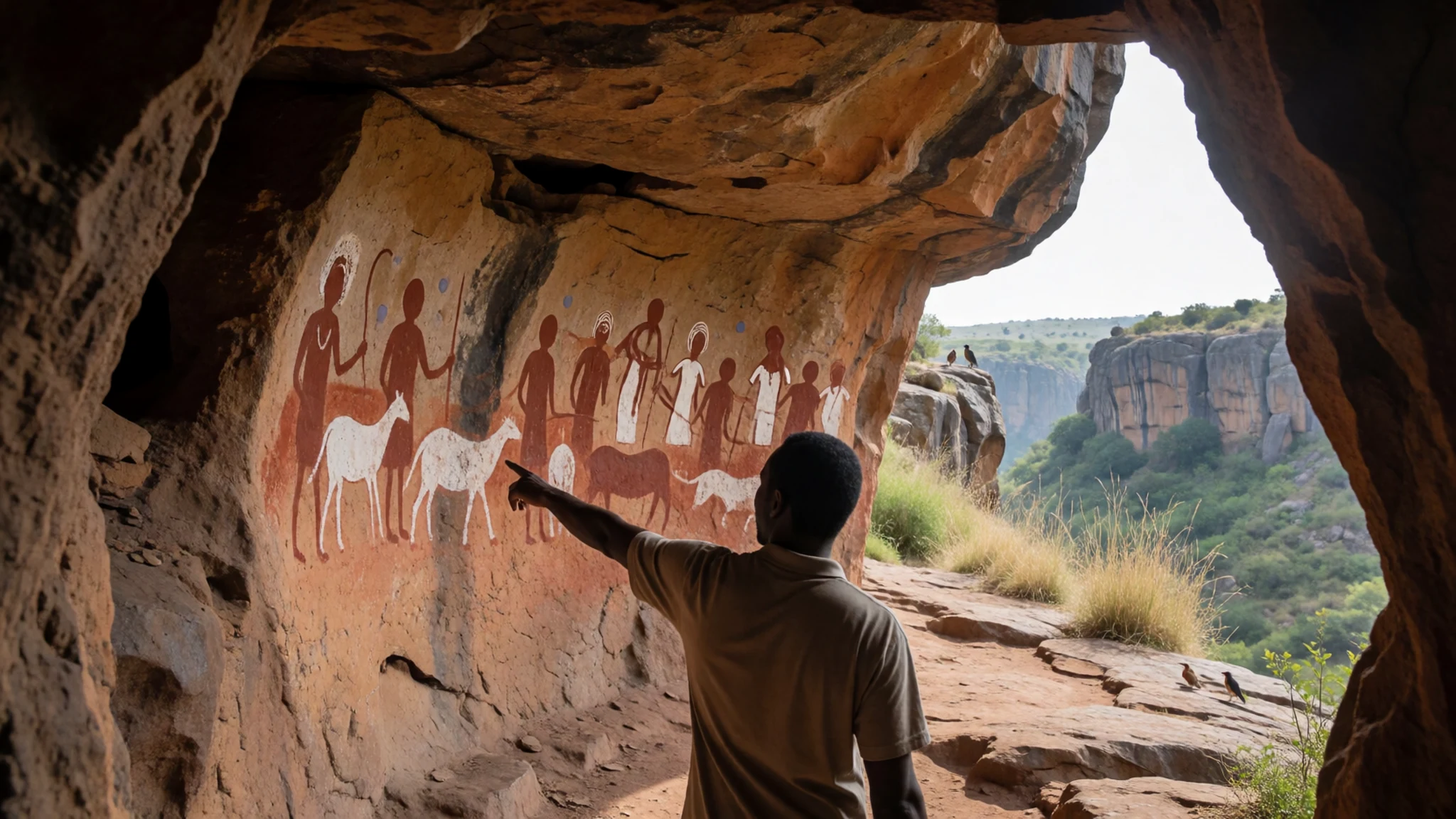
Culture
Afriski sits in a country where courtesy is the first rule of travel. The Basotho are known as friendly and welcoming, and the kingdom was built on seeking peace rather than conflict, a trait that still colours daily manners. Greetings matter a great deal. Ignoring someone who says hello is considered very rude, and strangers are usually keen to chat and ask what a visitor is doing in their country.
Learning a few words of Sesotho is welcomed. Dumela is hello, said as Dumela Ntate to a man and Dumela 'Me to a woman; those two titles are used for elders and for anyone of higher standing. Kea leboha means thank you. U phela joang asks how someone is, and the reply is Ke phela hantle, or simply hantle, meaning well. At parting, the person leaving says Tsamaea hantle to those staying, and those staying say Sala hantle to the one going.
Self-control is part of good manners. Open anger is rarely shown in Basotho culture, and frustration directed at someone can offend deeply. Dealing with officialdom can test that, so patience pays. Highland life is shaped by herding, weather and church, and a simple greeting on a path often leads to a friendly exchange. Friendly chats may sometimes turn into veiled requests for money, and visitors who wish to give are better off supporting registered charities.
Greet everyone you pass with Dumela, use Ntate or 'Me for elders, and keep your temper however slow things get.
What to wear
The most recognisable traditional garment in Lesotho is the Basotho blanket, a thick wool or wool-blend wrap with bold geometric patterns, usually pinned at the shoulder and worn over everyday clothes. It marks weddings, initiation, funerals and chieftaincy, and it is also simply the warmest thing a herder can put on in winter. Its companion is the mokorotlo, a conical straw hat woven from grass that has become a national emblem and appears on the flag. Women also wear the seshoeshoe, a long, full dress in printed cotton, often indigo or other bold dyes, for church, festivals and family occasions.
Day to day, most people in towns wear jeans, shirts, jackets and trainers, much as elsewhere in southern Africa. In the highlands the blanket remains an everyday garment among shepherds and farmers, often with gumboots, a woollen cap and a stick, because the weather changes quickly and the ground is rough.
Visitors should dress for altitude rather than for show. In winter that means thermal layers, a windproof shell, gloves, a hat and sunglasses, since glare off snow is strong. In summer, bring a rain jacket for thunderstorms, a sun hat, high-factor sun cream and sturdy boots for stony paths. Shoulders and knees covered is a courteous choice when visiting villages. Check with the resort about what equipment can be rented.
What to eat
- Papa and moroho — Village homes, small roadside eateries and lodge kitchens
Papa is stiff maize porridge, the staple of Lesotho, eaten with moroho, a dish of cooked leafy greens. Often a stew of meat or beans sits alongside. It is simple, filling food that suits cold mountain days and long walks.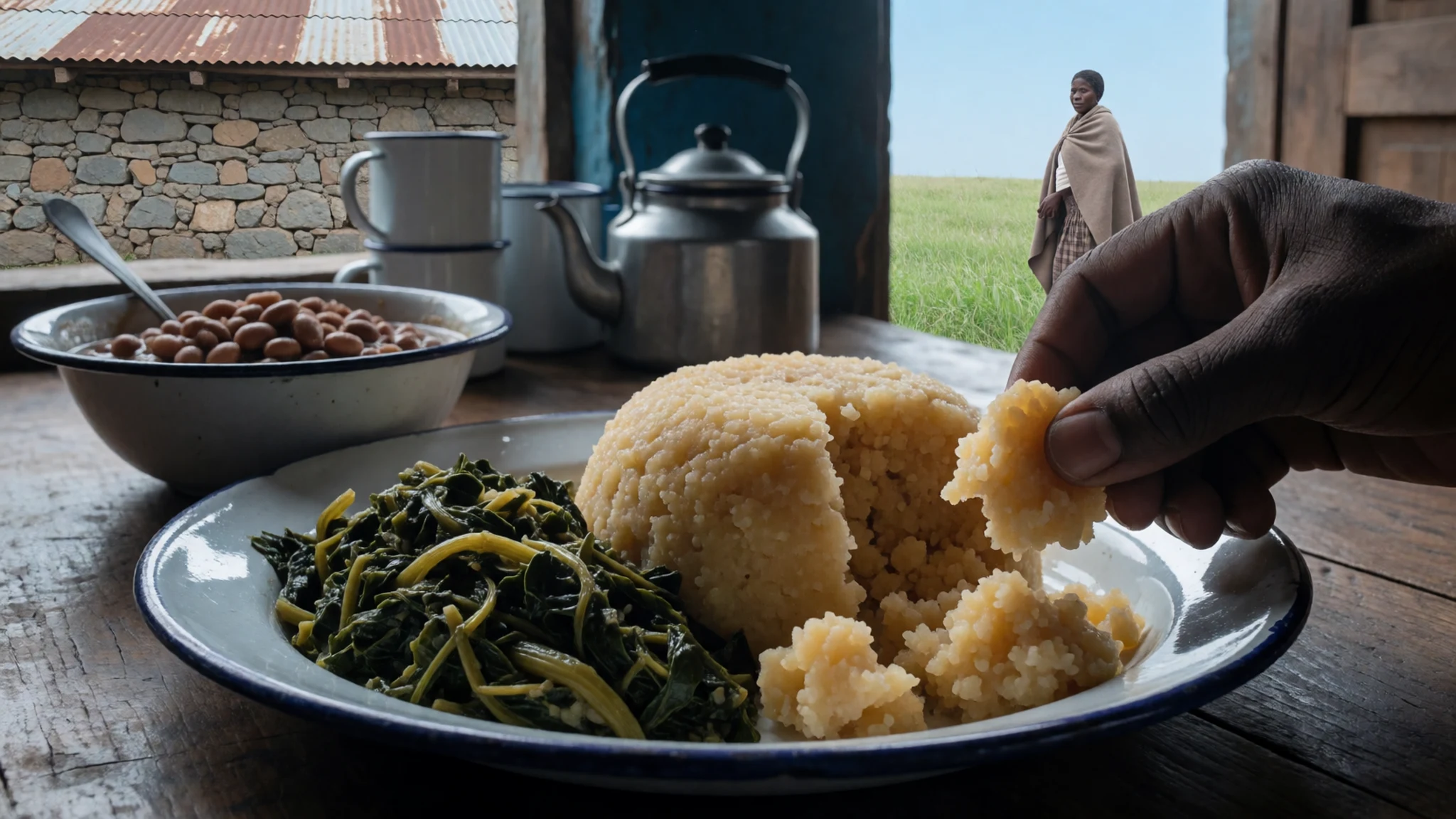
- Motoho — Village households and small shops in the highlands
Motoho is a lightly sour, fermented porridge made from sorghum or maize meal, drunk thin or eaten thick. It is a traditional everyday food in the highlands, valued for being filling and cooling, and its tang takes a little getting used to.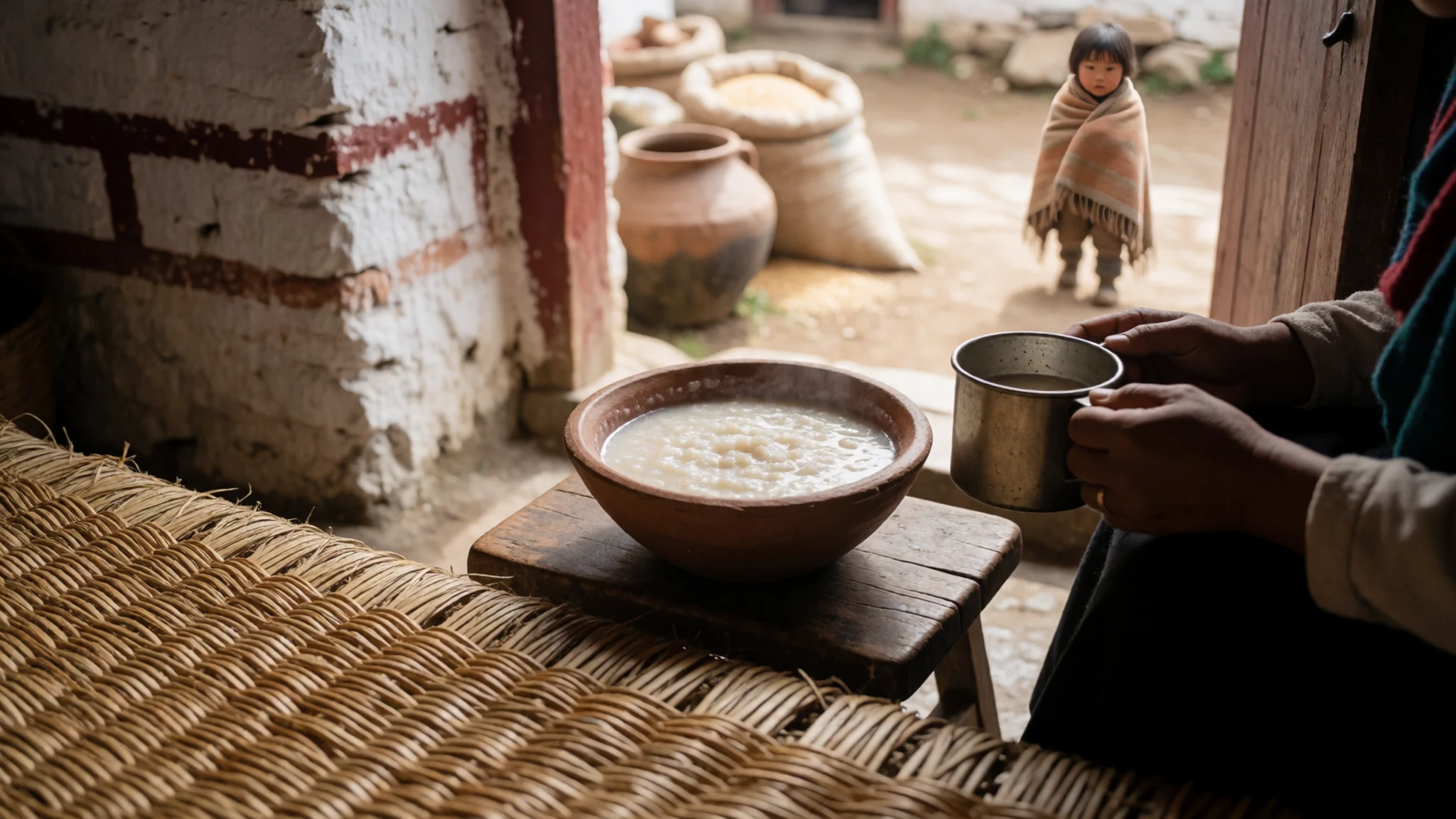
- Steamed bread with stew — Village kitchens and simple eateries along the main roads
Dense, soft steamed bread is a favourite across Lesotho, torn and used to mop up a mutton or vegetable stew. It reflects how much of the country's food is built around slow cooking and shared pots. - Grilled mutton — Family gatherings, local eateries and lodges
Sheep and goats are central to highland life, and mutton cooked over an open fire is a common celebration dish. It is salted lightly, served with papa or bread, and best eaten when invited by a local family. - Maluti beer — Bars and lodges, including the pubs near the resort
Maluti is Lesotho's well-known lager, and Wikivoyage's contributors praise it. It is the usual drink after a cold day on the slopes, and it appears on most bar menus, from the capital to mountain lodges.
Plan it
Best time. June to August for snow, when it is the southern winter and the days are cold, dry and bright. October to April is the rainy season with afternoon thunderstorms, though it suits walking and quiet stays. The slopes are only open when conditions allow, so check the official site first.
How long. 2–3
Getting there. Fly to Johannesburg or Bloemfontein, or to Maseru, Lesotho's capital, then drive north through the Free State or highlands towards Oxbow. The final leg is a mountain road with gravel stretches, so allow extra time, and ask about conditions before snowfall. Check afriski.net for access advice.
Budget. mid
Tips
- Check the official site at http://www.afriski.net for opening dates, snow reports and access advice before you leave
- Take it easy on the first day, drink plenty of water and sleep well to cope with the altitude
- Carry cash, because cards may not work in villages and small shops
- Bring layers and sun protection in every season, as weather changes quickly
- Book accommodation early for winter weekends, which are the busiest periods
Etiquette
- Greet everyone you meet with Dumela and use Ntate or 'Me for elders
- Keep calm and polite when things go slowly, as showing anger is considered offensive
- Ask before photographing people, and give only to registered charities when asked for money
Nearby
Sources
- Wikidata Q383744 (CC0)
- Wikipedia: Afriski (rev 1384423597) (CC BY-SA 4.0)
- Wikivoyage: Lesotho (rev 5430848) (CC BY-SA 4.0)
- 3000m above sea level — tadpolefarm (CC BY 3.0)
- Afriski in Summer, bring on the winter! — Graham Maclachlan (CC BY 3.0)
- Oxbow - Mapholaneng Rd, Lesotho (1) — Graham Maclachlan (CC BY 3.0)
- Oxbow - Mapholaneng Rd, Lesotho (3) — Graham Maclachlan (CC BY 3.0)
- Oxbow - Mapholaneng Rd, Lesotho (4) — Graham Maclachlan (CC BY 3.0)
- Oxbow - Mapholaneng Rd, Lesotho — Graham Maclachlan (CC BY 3.0)
- Unnamed Road, Lesotho (47) — Graham Maclachlan (CC BY 3.0)
- Unnamed Road, Lesotho (48) — Graham Maclachlan (CC BY 3.0)


