Maletsunyane Falls
Maletsunyane Falls, Lesotho
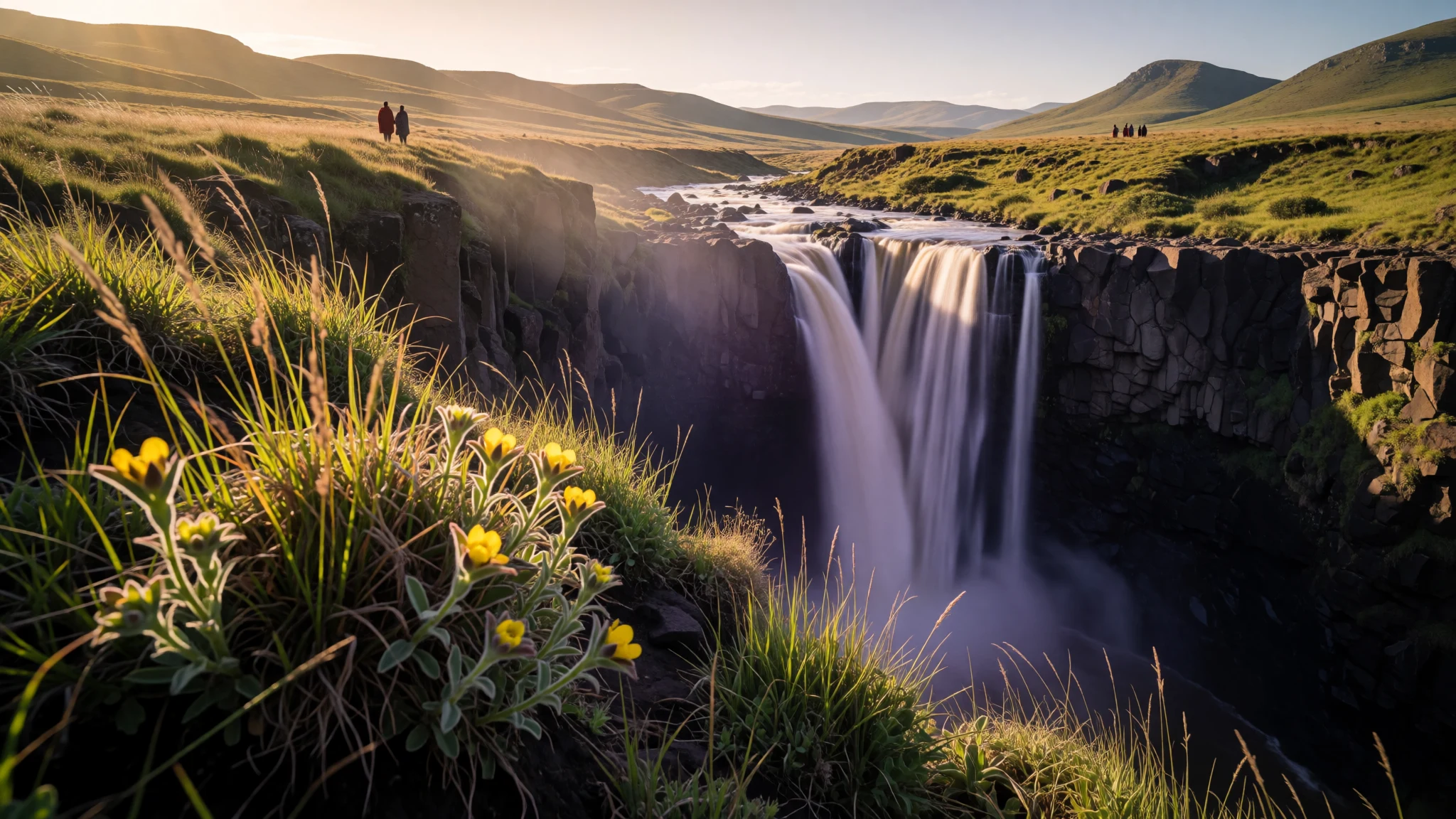
Maletsunyane Falls is a huge basalt plunge with real mountain atmosphere—easy to reach for the region and unforgettable once you hear the echo.
The place
Maletsunyane Falls sits in Lesotho near the settlement of Semonkong (literally “Site of smoke”), where the sound and mist from the falls travel far beyond the river gorge. The river drops from a ledge of Triassic–Jurassic basalt, creating a steady, weighty roar and the kind of echo that makes the landscape feel bigger than the map. From the viewing areas, the water looks powerful and continuous rather than “spray and drama only”, and the surrounding highland terrain frames the fall in a way that feels distinctly Southern African.
The falls are part of the Maletsunyane River system, so depending on the season the volume can look very different—high-flow water carries more spray and a colder feel in the air, while drier periods can make the ledge line and rock texture more obvious. The area is also connected to activities that centre on the gorge (with guided operators in Semonkong), so the falls aren’t just a quick stop: they anchor the local visitor experience.
A useful mindset here is to plan for “weather + effort” rather than “crowd sightseeing”. Even in busy periods, the experience is spread across viewpoints, footpaths and lodge areas, but strong winds and mist are real. Bring layers that can handle cool air and sudden dampness, especially when you’re close to the water. The falls’ scale is the headline, but it’s the sound—reverberating off the basin—and the rugged, basalt-led cliff that stay with travellers after the photos are done.
Its story
Maletsunyane Falls has become more than a local landmark—it’s a stage. The setting near Semonkong is dramatic on its own: a steep ledge of basalt, water plunging into a basin, and an echo that sounds almost theatrical in the throat of the gorge. That “smoke” name makes sense once the mist rises and drifts.
People also remember the falls through the records attempted there. In December 2017, an Australian YouTube channel associated with the site broke a world record for the highest basketball shot, using the waterfall backdrop and the drop for height and visibility. The story didn’t end there: by May 2023, Dude Perfect set a new record with a shot taken from a longer distance, again pointing attention back to Maletsunyane Falls as a place where distance and spectacle can be measured.
Before the basketball headlines, the falls area was already linked to Guinness records through commercial abseiling. One Guinness record credited the “world’s longest commercially operated abseil”, run by Semonkong Lodge, with the abseil height described as 204 m. Even if abseiling isn’t on anyone’s agenda, knowing that the gorge has been used for organised, safety-led adventures helps explain why Semonkong feels built around this waterfall—viewpoints, guides, and visitor infrastructure all orbit the same vertical drop.
So the falls’ story is layered: geology and sound, local place-names, and modern records that keep returning cameras to this basalt ledge.
What to see
- Maletsunyane Falls viewing points — Semonkong area
Maletsunyane Falls is the centre of Semonkong. Focus on where the water meets the basin and how mist hangs in the air; the sound echo can feel delayed as it rebounds off rock. If you’re sensitive to spray, keep a little distance and plan for damp clothes.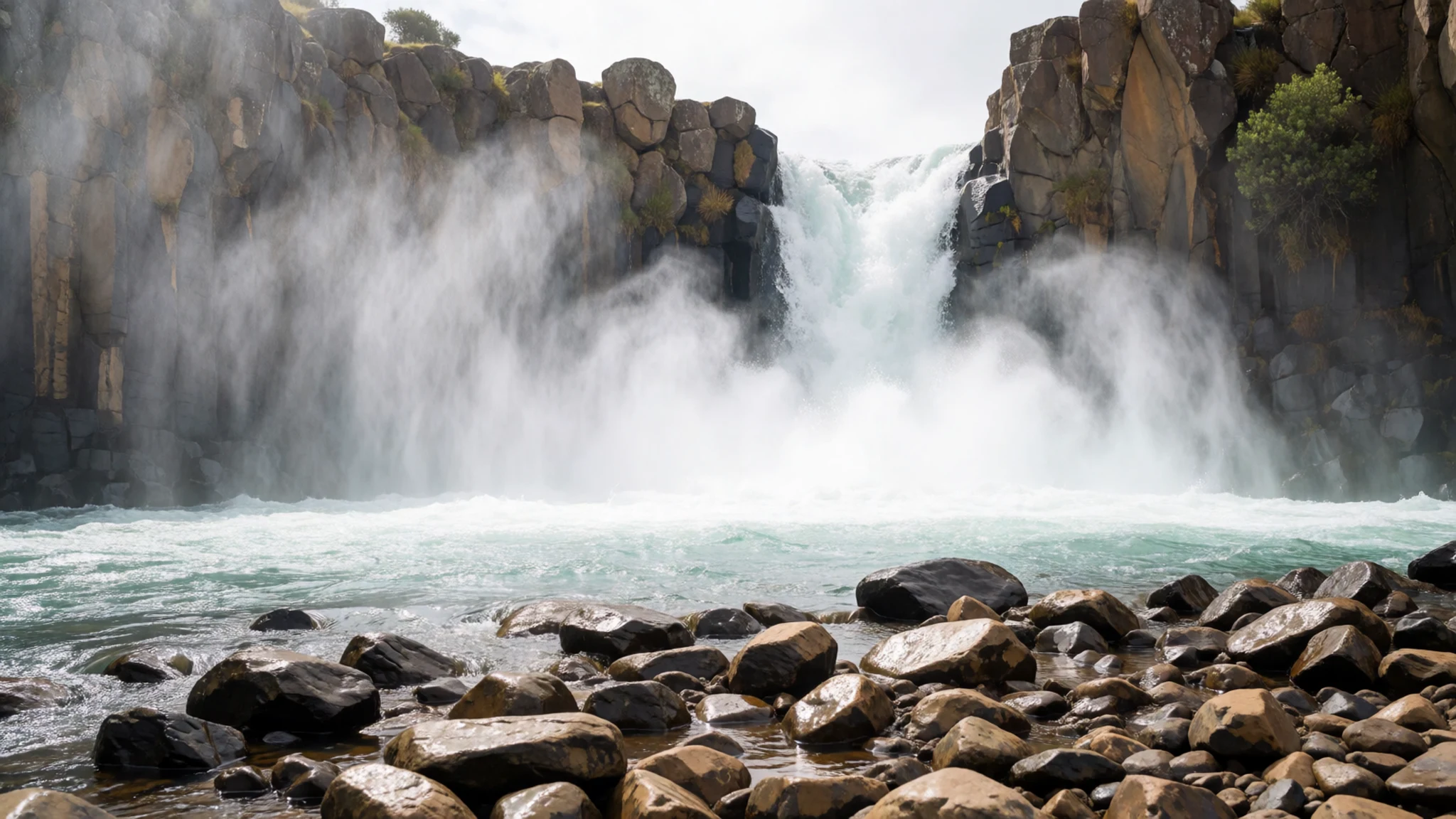
- The basalt ledge and river drop — Maletsunyane River gorge
The waterfall is described as dropping from a ledge of Triassic–Jurassic basalt. Look for the darker, column-like rock texture and the way water hugs cracks before plunging. This is where geology becomes visible, not just background.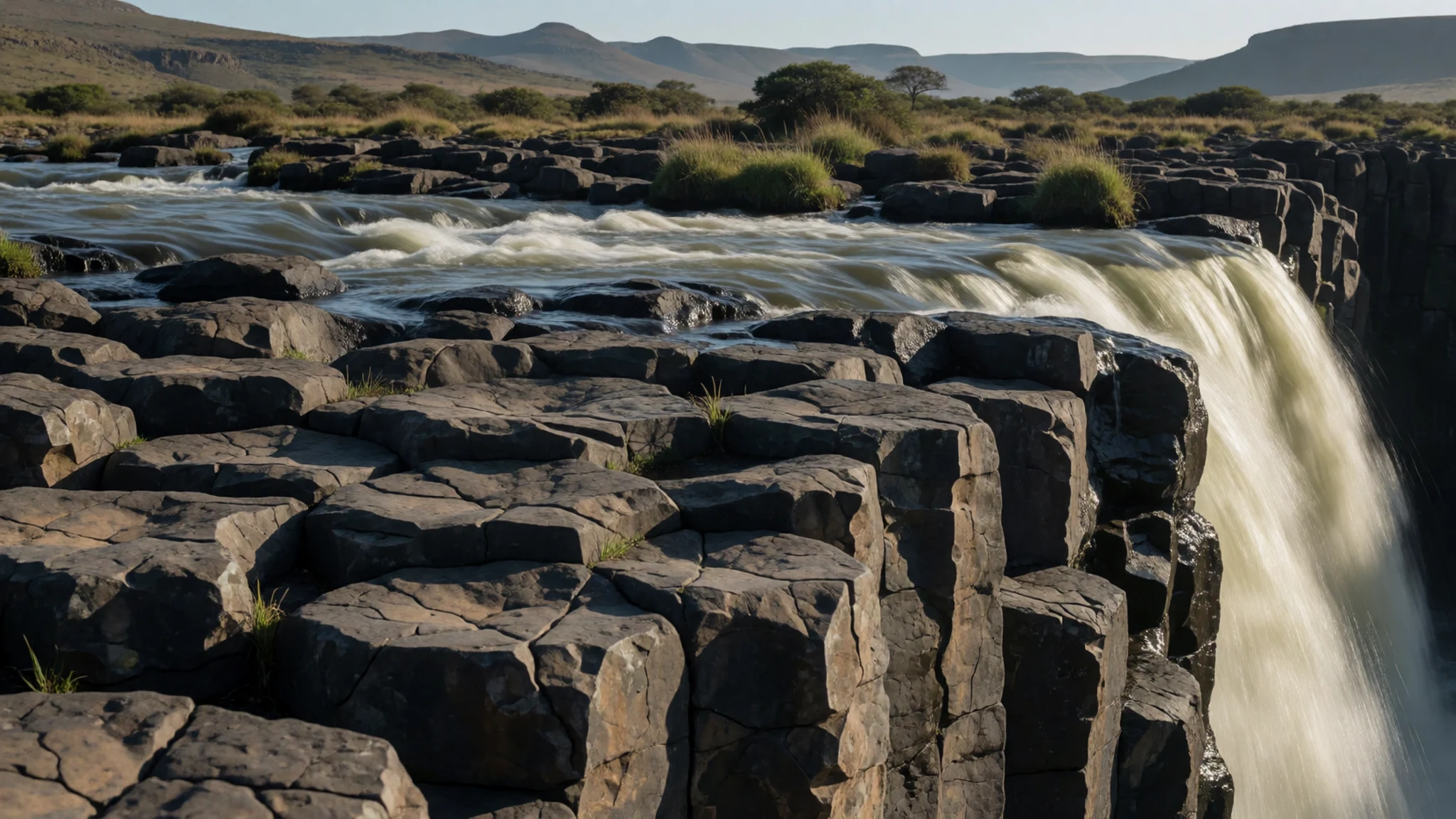
- Guided abseil experience (seasonal operations) — Semonkong Lodge area
Semonkong Lodge is associated with a Guinness record for a commercially operated abseil, so the gorge is designed for guided vertical adventures. If abseiling is available when you visit, expect staff-led safety steps and a short approach to the drop.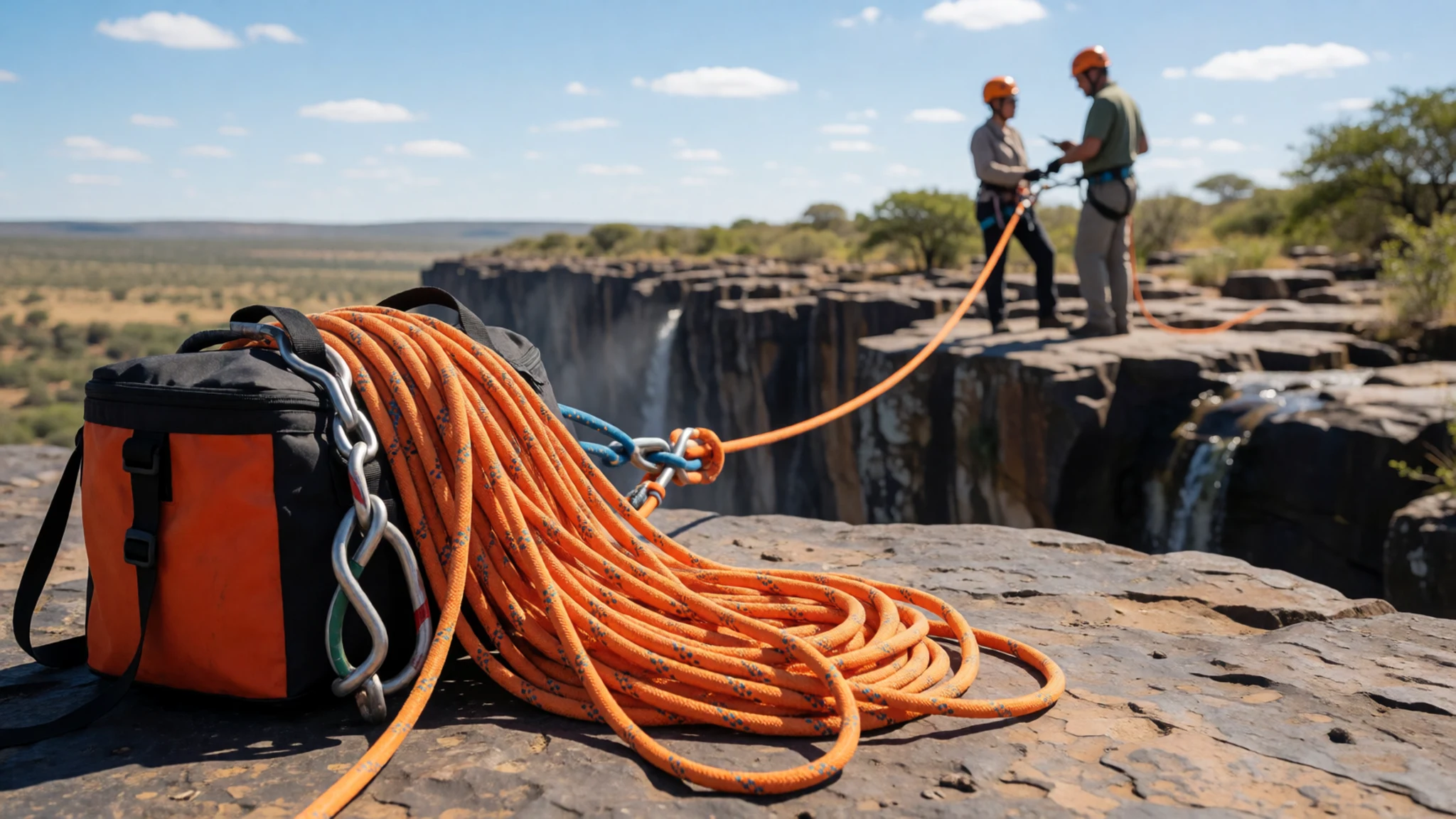
- Echo-and-mist moments in the gorge — Near the main basin view
Maletsunyane Falls produces a reverberating echo when water contacts the basin. Stand still for a minute and listen—the roar doesn’t just “happen”, it bounces. In windy conditions, the mist can change what you see within seconds.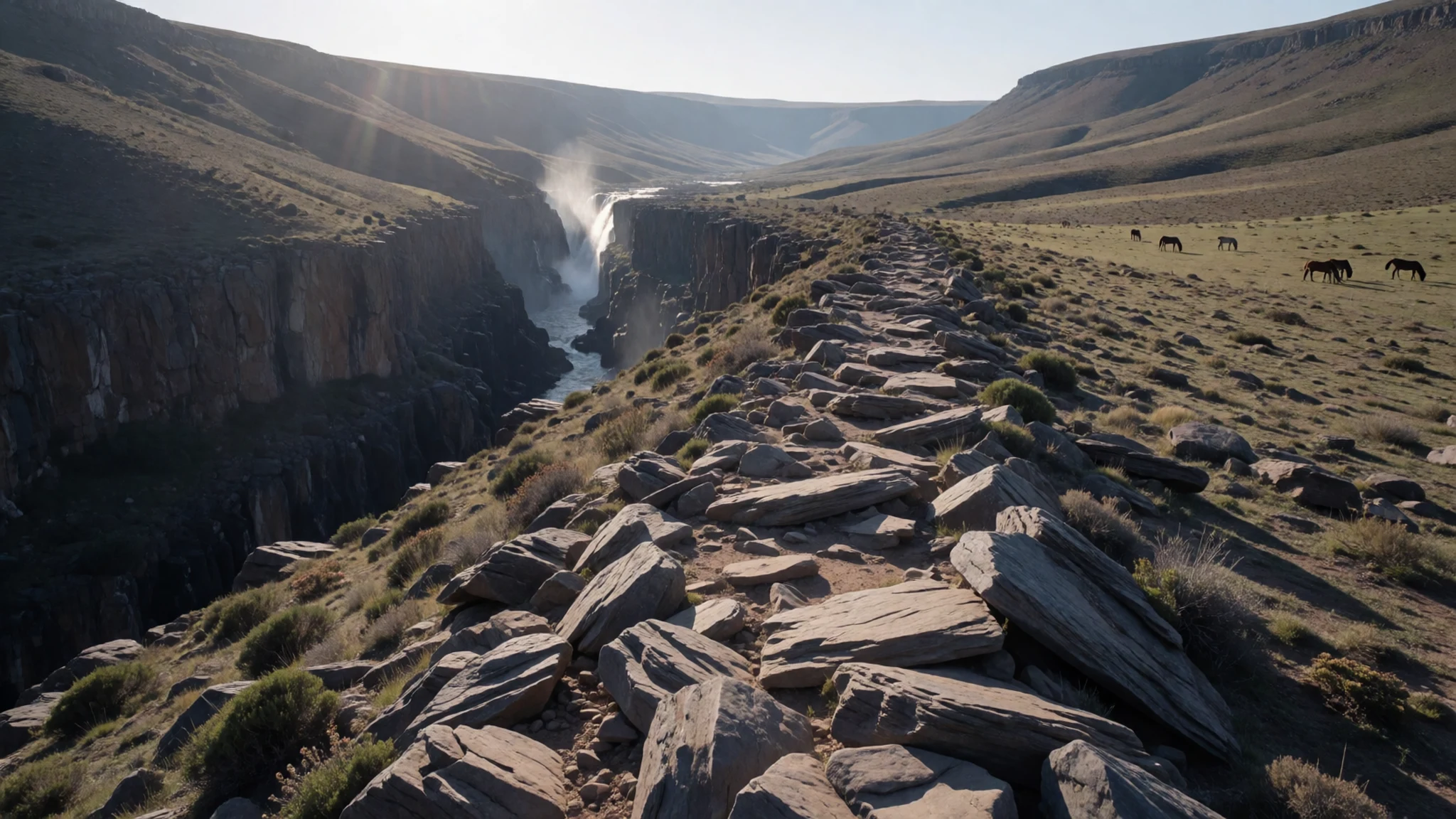
Culture
Maletsunyane Falls (near Semonkong in Lesotho) is tied to local storytelling through sound and presence. The falls’ constant roar and the way it echoes in the gorge have inspired a legend that links the echo to the wailing of people who drowned in the falls. Whether or not visitors want to follow the story, it’s worth treating it respectfully—this place isn’t only a photo spot; it’s part of how the community explains risk, water, and the power of the landscape.
Practical culture here is about how people move around slippery ground and mist. The terrain near waterfalls can be slick even when the weather looks calm, so walking slowly matters more than speed. If the area is busy with guided groups, follow the spacing between parties and wait your turn at the most exposed viewpoints.
Photography is another etiquette area: avoid blocking paths for others who are trying to reach their own viewpoint or who are waiting for guides to finish safety checks. And if you’re hearing the falls “talk back” with echo, take it as a reminder that sound carries in the gorge—speak normally and keep noise down so the atmosphere stays intact.
Visitor etiquette: keep to marked paths, watch your footing in spray, and avoid standing where you block other groups at viewpoints.
What to wear
In Semonkong around Maletsunyane Falls, most visitors are moving through wet, windy highland conditions rather than dressing for a city. Lesotho has traditional dress, and you may see Basotho blankets and layered, warm outerwear in the wider area—often worn in cooler weather for comfort and identity. Look for thick, wool-like textiles and bright patterns that suit the climate. Those traditional layers are also practical: they insulate against chill and damp.
What people wear now around the falls is typically straightforward travel gear: a warm top under a waterproof layer, sturdy walking shoes with grip, and a hat or headband for wind. Even in drier periods, waterfall mist can leave clothes damp quickly, so quick-dry fabrics are a help.
For visitors, dress for two changes: one from sun to spray, and another from warm to cool. Bring a waterproof jacket (or poncho you can manage), a spare dry layer for after you get close to the water, and gloves if you run cold. Skirts or sandals are a risky choice on slippery ground—choose trousers or long shorts, and shoes you trust on rocky paths.
What to eat
- Pap (maize porridge) — Semonkong village eateries and lodge dining
Pap is a common staple in Lesotho-style meals, typically served hot and filling alongside whatever protein is available. Look for it at community eateries and lodge meals in and around Semonkong.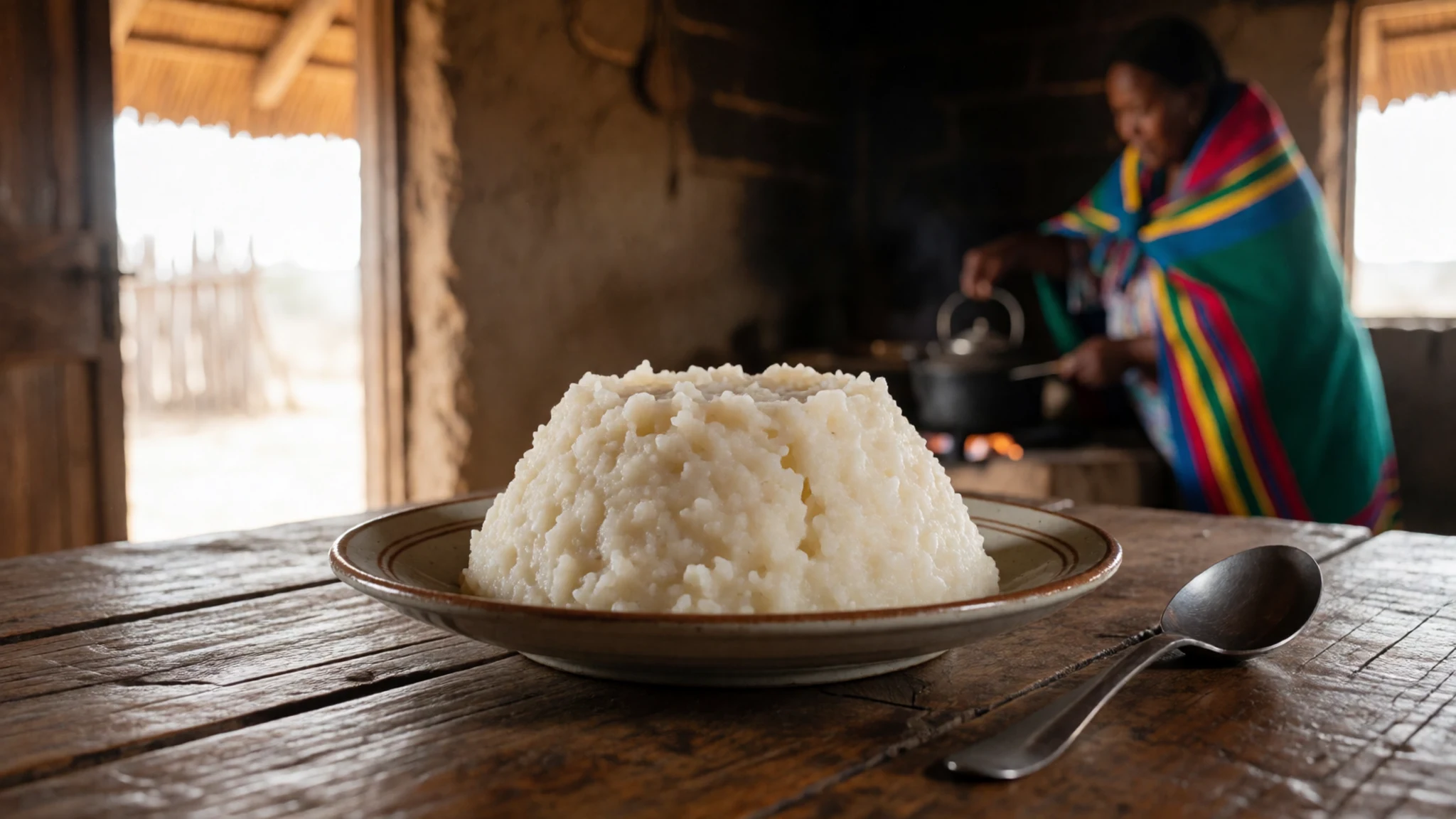
- Moutloa-style stews — Restaurant and lodge kitchens around Semonkong
Hearty stews are often built around local ingredients and served with pap or bread. The menu varies by day, but you’ll usually find slow-cooked flavours at local restaurants and lodge kitchens.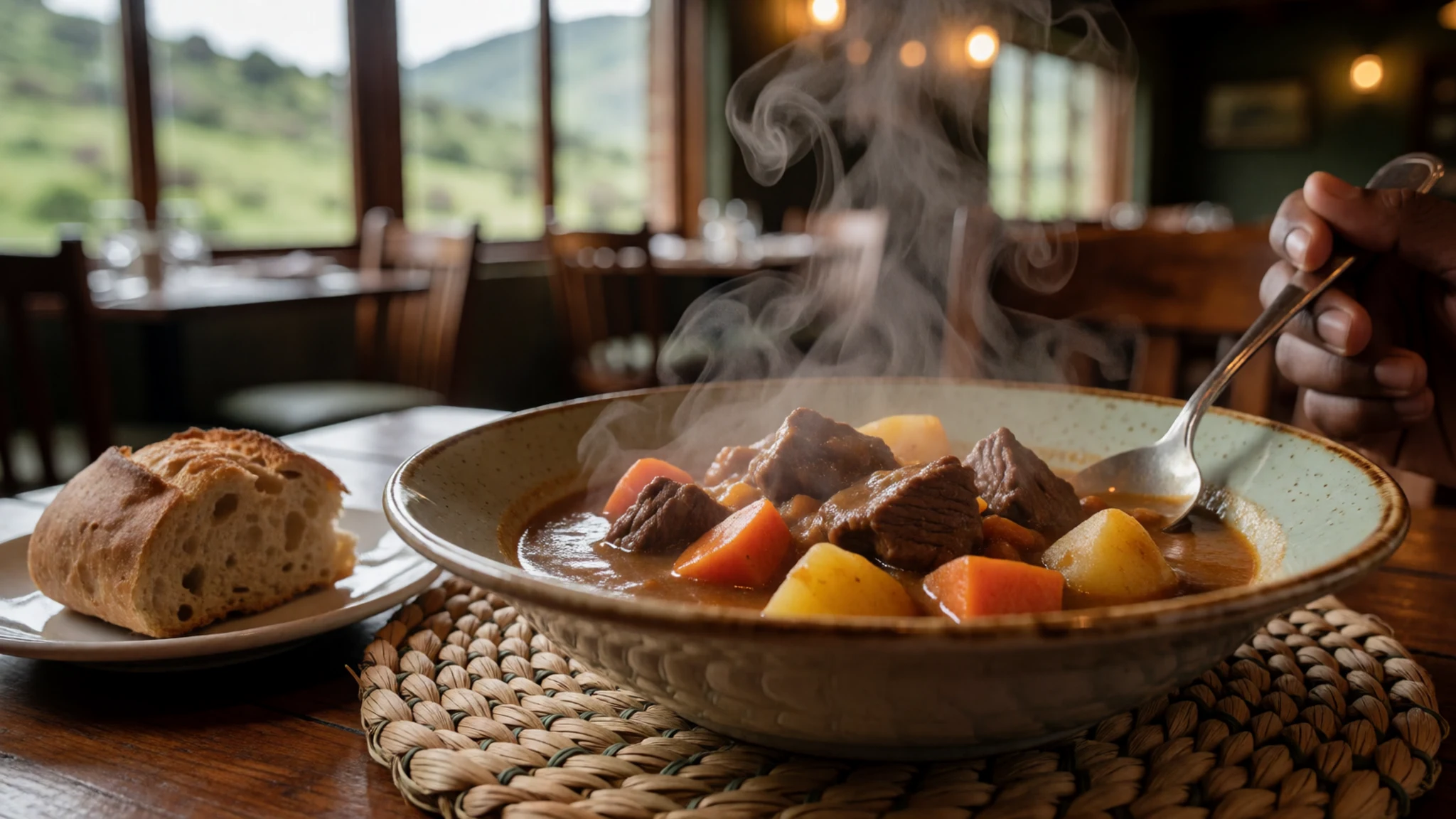
- Grilled meat plates — Town-centre eateries in Semonkong
When the area has visitors, grilled meat plates are a common, practical option—easy to share after a hike by the falls. Check local restaurants for “grill” nights or daily braai-style offerings. - Seasonal vegetable sides — Most local restaurants with changing daily menus
Simple vegetable sides—greens and other seasonal produce—show up as accompaniments to main meals. Expect them to be lightly cooked and best eaten straight from the plate at local dining spots. - Tea and small sweet breads — Cafés/counters near main visitor areas
Many travellers end up with tea plus a small baked item as a calm break after waterfall time. Ask what’s on that day at cafés or lodge counters near the main visitor areas.
Plan it
Best time. August–October for the most comfortable highland conditions, when daytime highs are mildest and the lows aren’t as severe; December is also warm enough to feel easier on the body. The wettest months are January and December, while the drier stretch is May to August.
How long. 2–3
Getting there. Fly into Maseru (Moshoeshoe I International Airport) and travel by road to Semonkong; the last leg is typically a long drive with mountain roads, so allow extra time for stops and changing conditions.
Budget. mid
Tips
- Start your waterfall time early to get calmer light and fewer groups at the main viewpoints
- Pack a proper waterproof layer—mist can wet clothes even when rain isn’t falling
- Wear shoes with grip for rocky, damp ground near the basin
- If you’re interested in abseiling, book through the local operator in Semonkong ahead of your visit
Etiquette
- Keep to marked paths and don’t step into wet areas just for a photo angle
- Follow any guide instructions for safe viewing or activities in the gorge
- Be mindful with photography near walkways—avoid blocking others
Nearby
Sources
- Wikidata Q37683 (CC0)
- Wikipedia (rev 1362223741) (CC BY-SA 4.0)
- Photo photos/01-maletsunyanefalls.jpg (Public domain)
- Photo photos/02-lesotho-maletsunyane-falls.jpg (CC BY 3.0)
- Photo photos/03-lessouto-le-maletsunyane.jpg (Public domain)
- Photo photos/04-sesotho-phrasebook-banner-maletsunyane-falls.jpg (Public domain)
- Wikivoyage (CC BY-SA 4.0)


