Letseng
Letseng, Lesotho
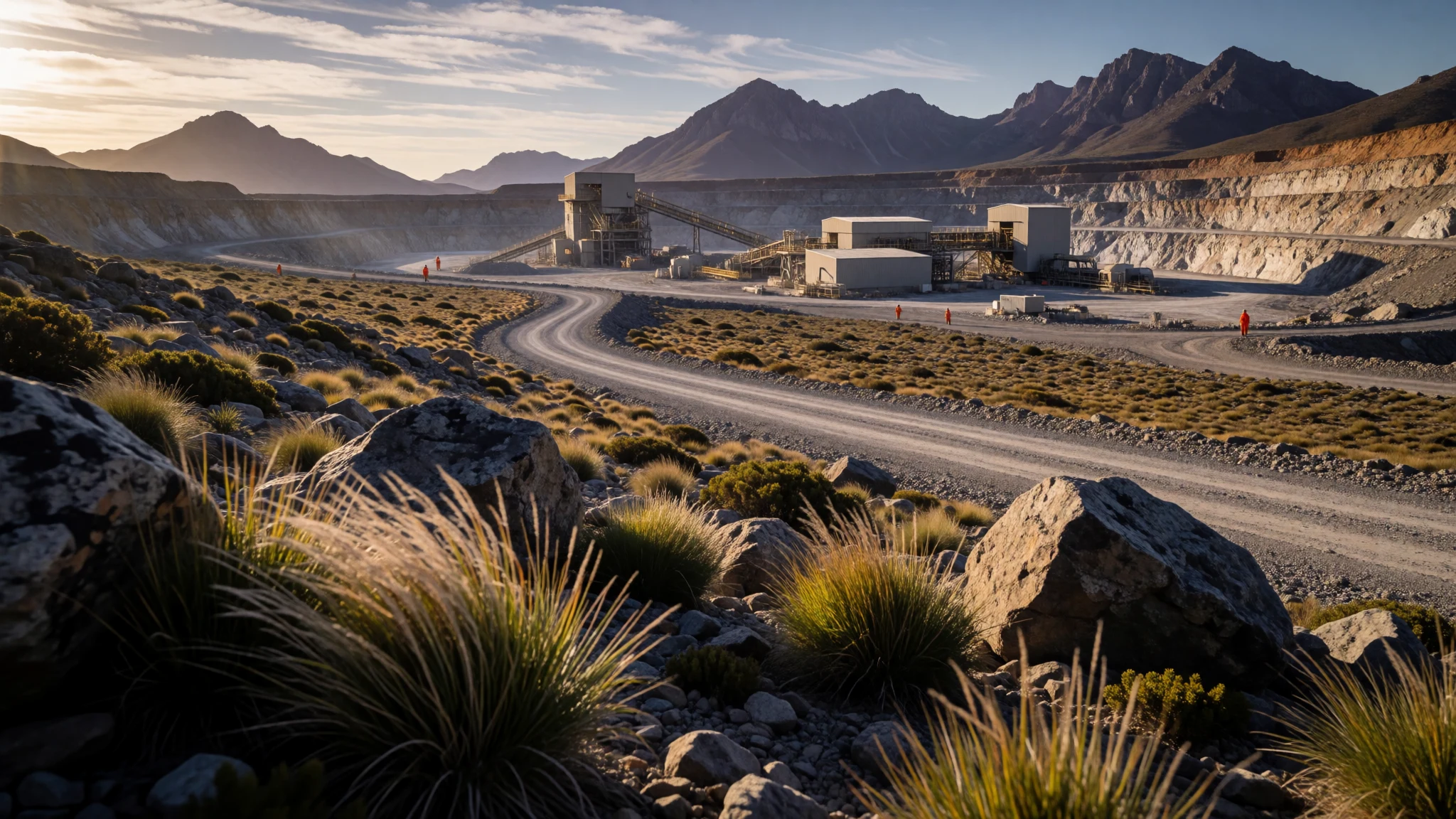
Letseng is worth the long drive for its high-altitude diamond story and cold, snow-capable mountain weather.
The place
Letšeng Diamond Mine sits at about 3,100 m in Lesotho, near Mokhotlong District. It’s a place you visit for one reason: the Letšeng Diamond Mine, which is owned by Gem Diamonds, Ltd. and the government of Lesotho. The mine is set at an elevation of 3,100 m, so even in the daytime the air can feel sharp and thin.
What makes Letšeng different isn’t just the industry—it’s the setting and the climate that shape everything around it. The area has a cold subtropical highland climate, bordering on a drier-winter subarctic pattern. In plain terms: temperatures stay cool all year, and snowfalls are possible. Winters are the hardest, with July among the coldest months.
Rain and cloud come and go in seasons. From October to March, there’s a wetter spell with more rainfall, while May to August is drier, with the coldest time of year landing in that dry period. April and October act as transition months.
As a visitor, the diamond mine isn’t the kind of sight you stroll through like a city attraction; it’s an industrial operation in a remote mountain landscape. The best experience tends to be practical and focused—arrive prepared for cold, plan around weather and daylight, and lean into the sense of scale that comes from being high up in Lesotho’s hills. Even if the mine itself is not always open to walk-in viewing, the wider Letšeng area delivers the feel of a place shaped by altitude.
Its story
Letšeng’s story is the kind you only really understand once you feel the elevation. At 3,100 m, it doesn’t take much imagination to see why conditions here matter: the landscape is cold, the weather shifts through the year, and the mountain air changes how everything—clothing, timing, driving, even your appetite—feels on the day.
The mine sits in this remote setting, run by Gem Diamonds and the government of Lesotho. The whole place reads like a working edge of the Maluti Mountains: not a postcard settlement, but a base for a specific trade. That’s also why days in Letšeng tend to be about logistics. You go when you can manage cold snaps, cloud cover and the possibility of snow, and you build your schedule around daylight.
Seasonal rhythm shapes the experience. The wet season runs from October to March, and the air can feel even colder when the weather is damp. The drier, colder months from May to August are different—cleaner skies can appear, but the cold is the trade-off, especially in July.
The diamond story is fascinating, but Letšeng is ultimately a mountain place. When the clouds roll in low, it feels like the world narrows to the road, the mine area, and the next warm layer. When the sky clears, the contrast is just as strong: wide views, quiet distances, and the comfort of planning well—because in high mountains, weather doesn’t negotiate.
What to see
- Letšeng Diamond Mine area — Mokhotlong District
The core point of a trip to Letšeng is the mine site tied to Letšeng Diamond Mine. Even if access is limited to specific arrangements, the landscape around the operation helps you grasp how mining looks in a high-altitude mountain setting.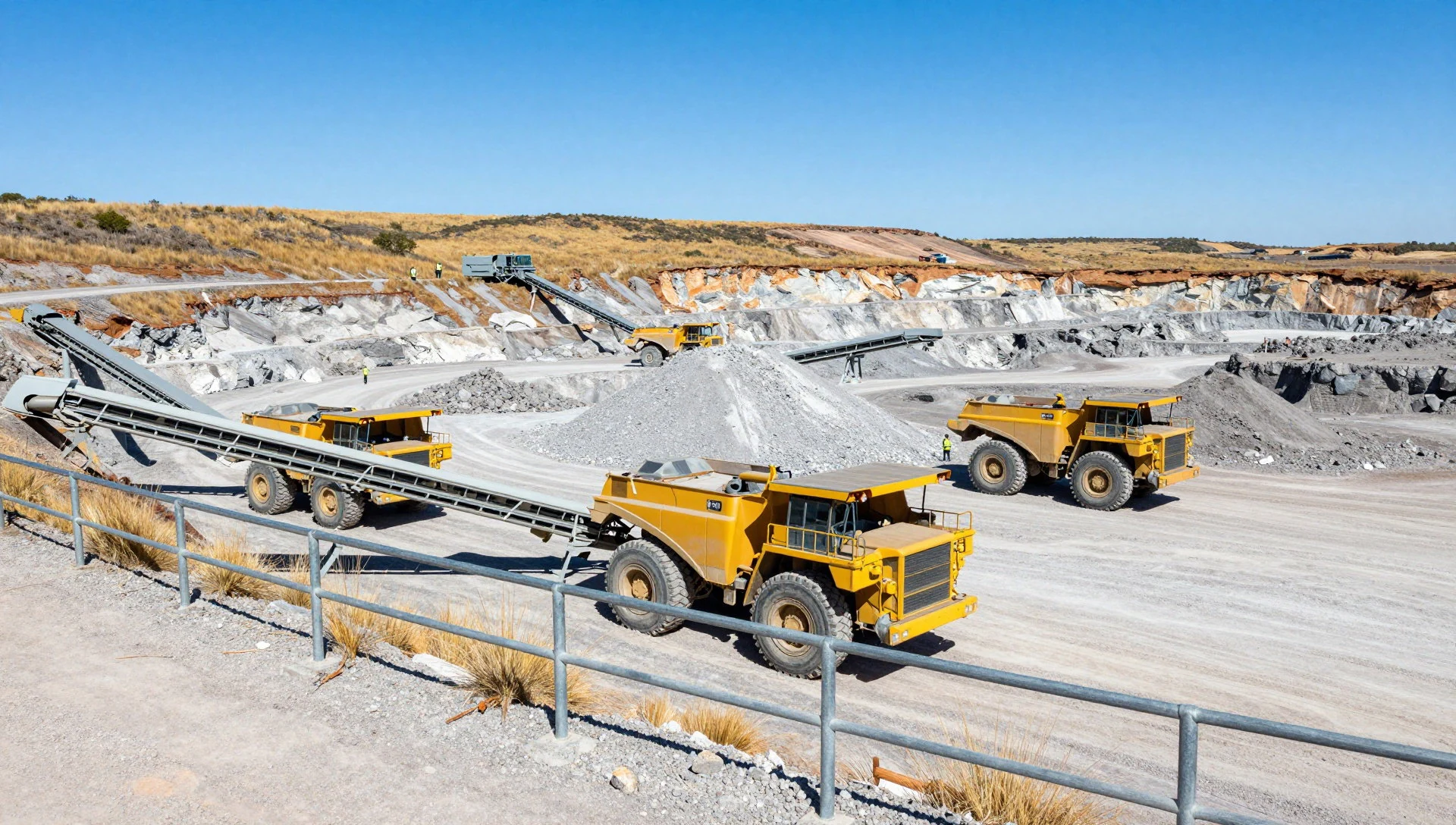
- Letseng-la-Terae surroundings — Letseng-la-Terae
Travellers often base their day around the wider Letseng-la-Terae area, where the mountain terrain and weather changes are part of the attraction. Short drives between viewpoints and access points can feel like an adventure when fog rolls in.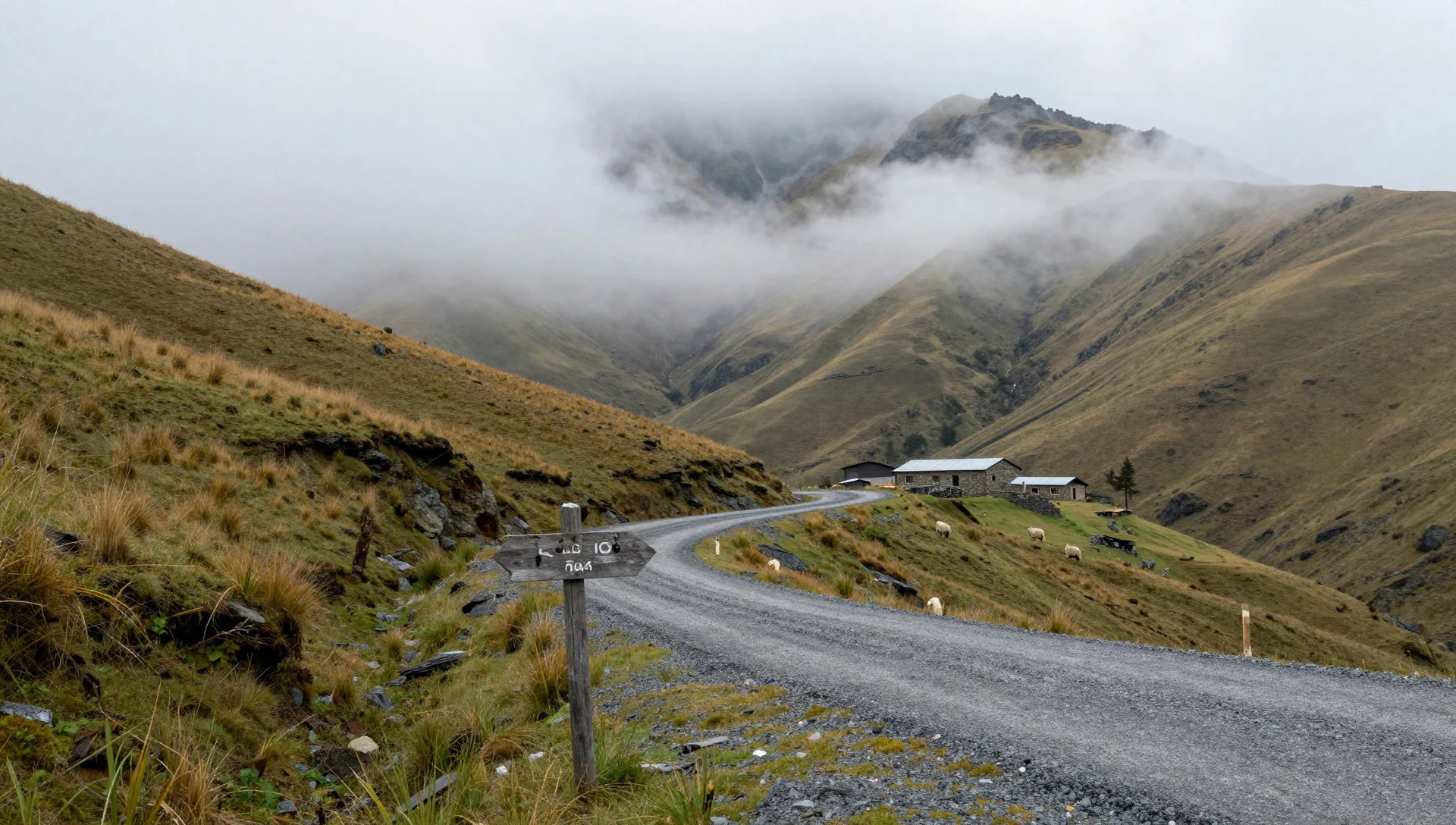
- Cold-weather mountain viewpoints — Highlands around Letšeng
When conditions are clear, the Maluti Mountains offer open, quiet vistas that make the elevation feel real. In wetter months, expect low cloud; in drier months, the air can be crisp enough to reward early starts with better visibility.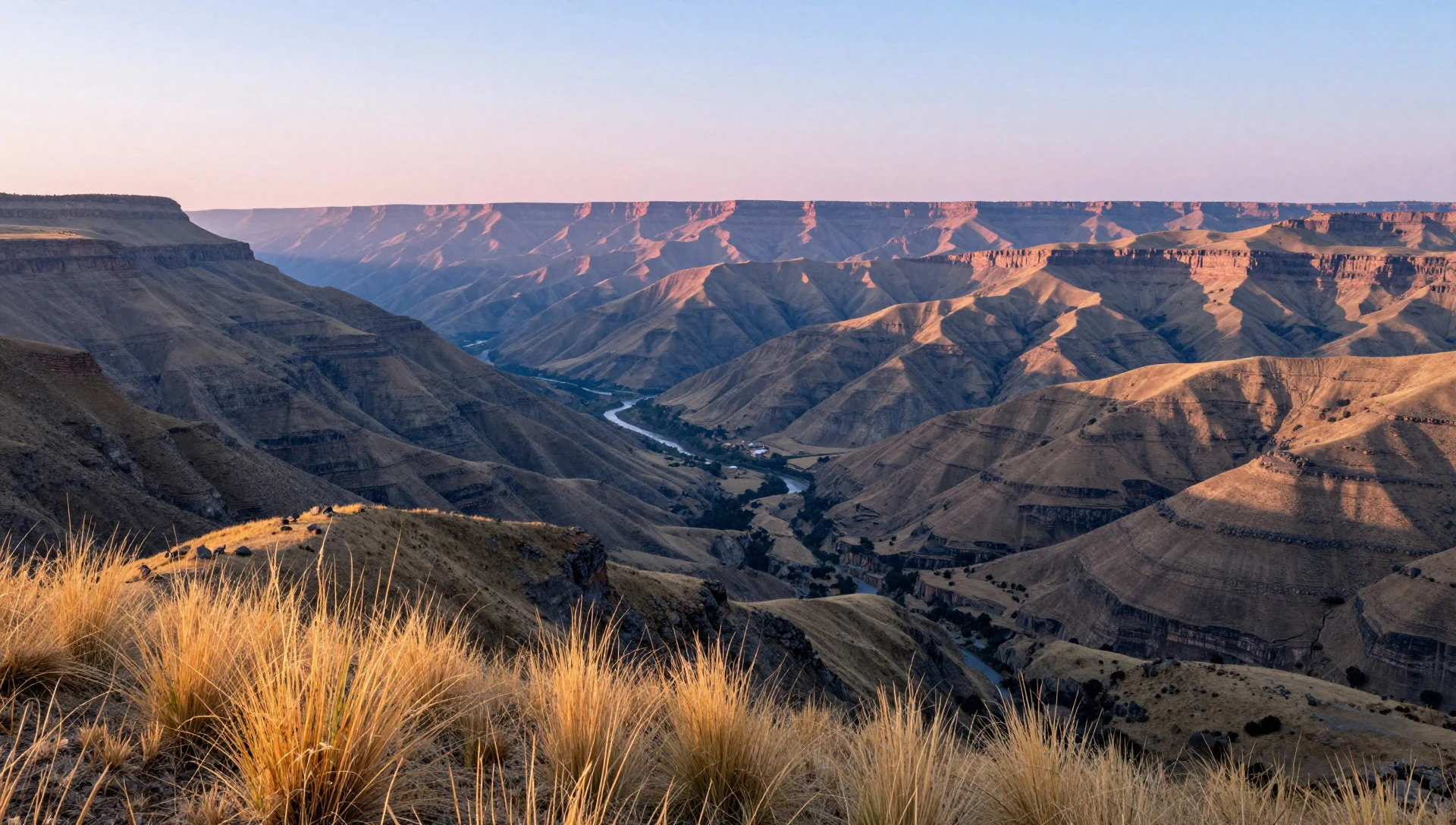
- Seasonal sky and cloud patterns — Letšeng highlands
Letšeng’s climate is a constant visual feature: wetter, cloudier stretches from October to March versus drier, sharper air from May to August. Watching how light changes across the hills is often more memorable than trying to ‘find’ a single viewpoint.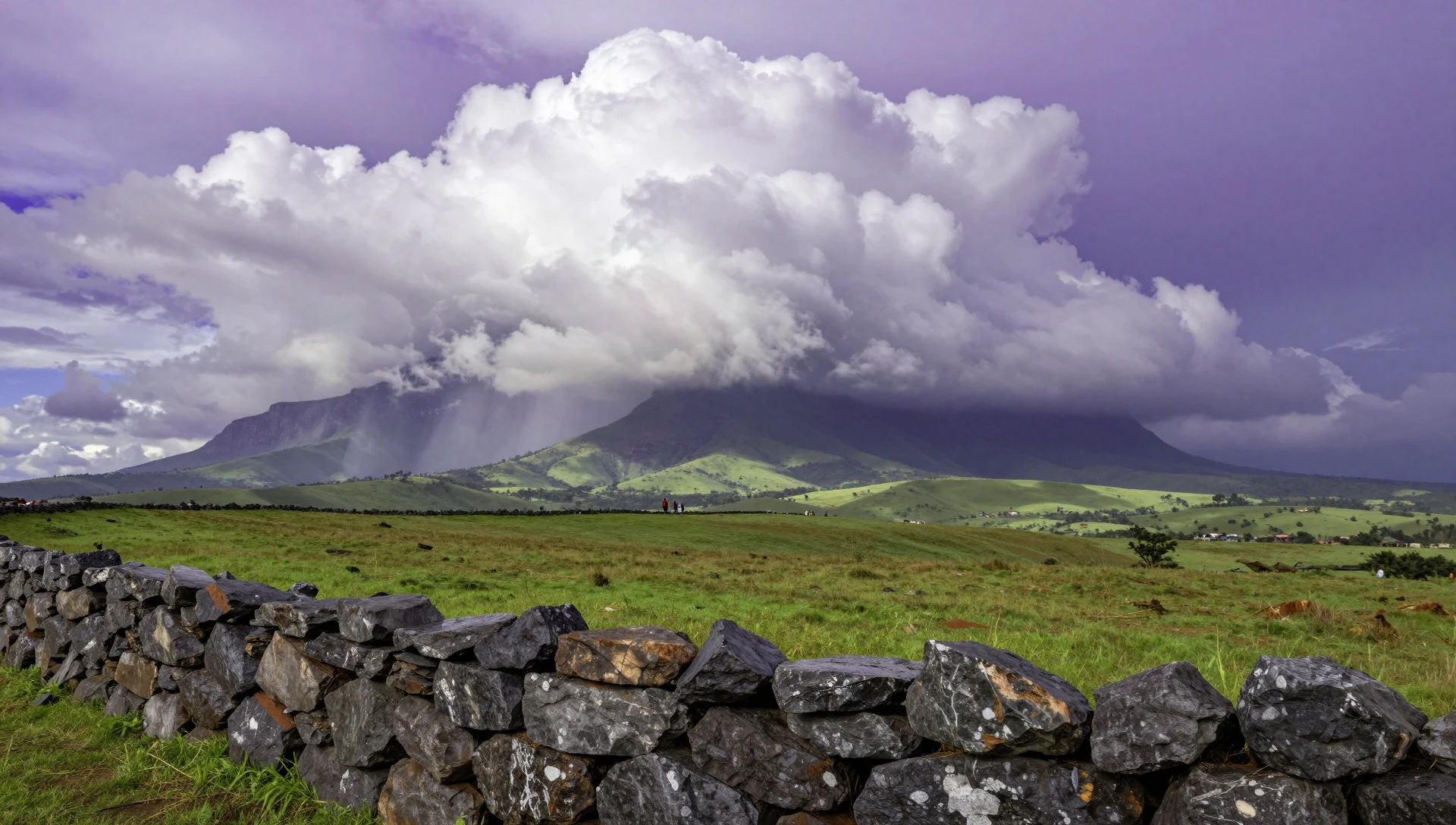
Culture
Letšeng doesn’t have the kind of built-up visitor culture you’d find in major towns—this is a remote mountain mining area in Lesotho’s Maluti uplands. People’s day-to-day life is shaped by altitude and by the rhythm of wet and dry seasons, from the wetter months of October to March to the drier spell from May to August.
Because the mine is a working site, the most important cultural “rules” here are practical ones: respect boundaries, follow whatever local guidance you’re given about access, and keep voices low and behaviour calm around operational areas. The cold is also a real factor in local routines—temperatures can feel severe in winter, and conditions can include snowfall.
If you’re visiting during wetter months, you may meet muddy ground, slippery edges and sudden cloud. That’s when patience matters most: people get things done under conditions that can shift quickly. If you’re visiting in the drier, colder season, dress for the cold and expect that the day may feel longer only if you plan for it—warm breaks and layered clothing are the difference between “adventure” and “regret”.
Visitor etiquette: keep to marked paths and follow all instructions around the mine perimeter, staying quiet and avoiding photos of workers at close range without permission.
What to wear
At Letšeng, clothing is mostly about the cold and the altitude. The mine sits at 3,100 m, and the climate stays chilly across the year, with winter months among the coldest. Traditional dress in Lesotho is often layered and textured, with blankets and warm fabrics used for warmth in mountain weather; you’ll see people dressing for wind and temperature swings rather than just for style.
What many locals and visitors wear now is practical layering: a warm base layer, a thick mid-layer (fleece or knit), and a proper outer shell that blocks wind. In wetter months (October to March), choose water-resistant outer layers and boots with grip; mud and wet ground can make traction the priority. In drier, colder months (May to August), go warmer—thermal layers and a hat or neck warmer make a big difference.
For visitors: wear gloves and closed footwear with solid soles for uneven ground, and bring an extra warm layer even if the forecast looks mild. If you’re being taken near operational areas, dress so nothing drags or dangles around vehicles or machinery—simple, zipped-up layers are safer and more comfortable in gusty, high-altitude weather.
What to eat
- Warm mountain stew — Local eateries in Mokhotlong District
Look for hearty, warming dishes that suit cold weather—stews and slow-cooked meals tend to be the kind of comfort food that fits winter temperatures and long days in the mountains.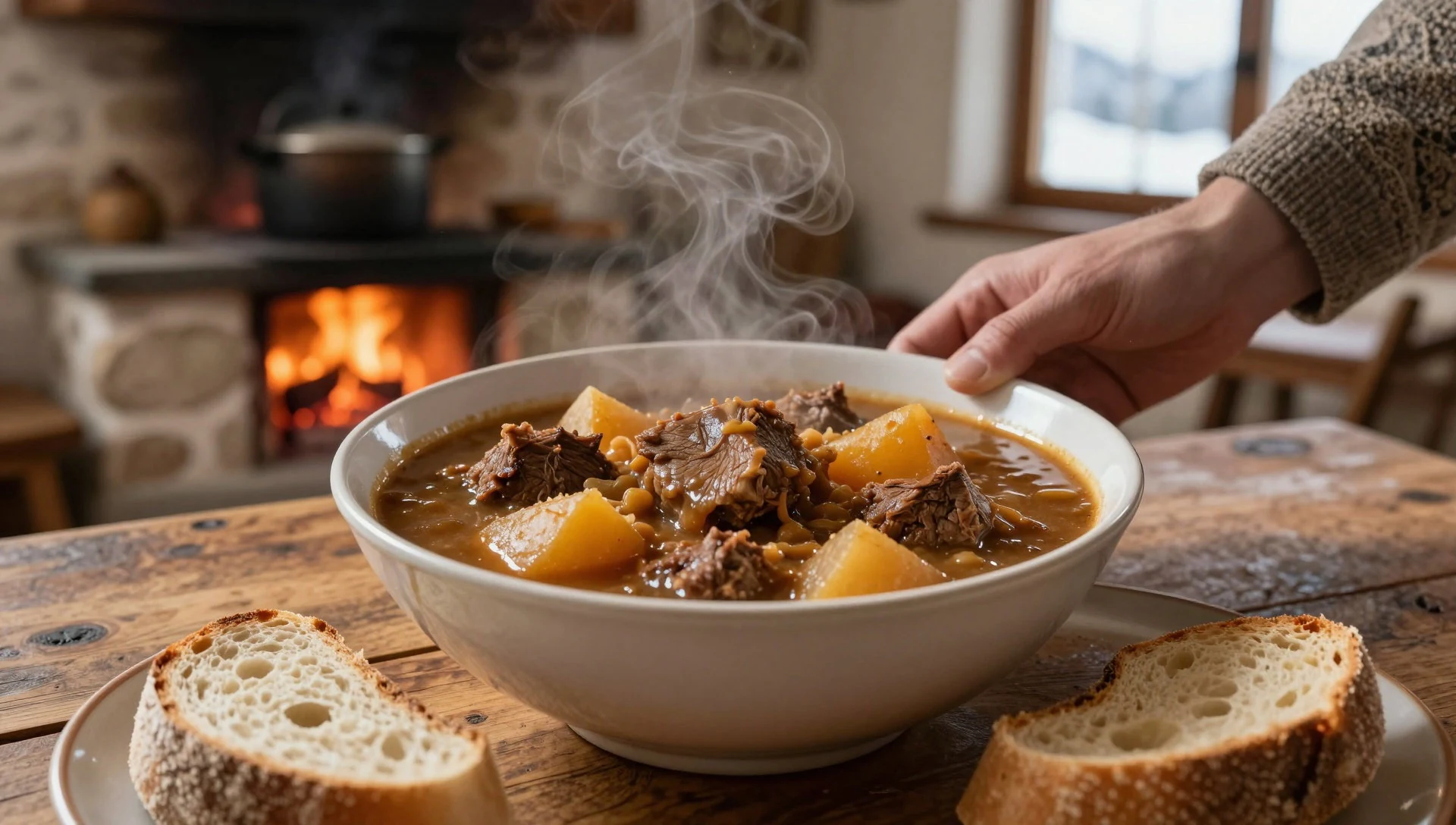
- Maize-based porridge (pap) — Village eateries and local service points
In Lesotho, maize dishes often show up as filling staples. Pap-style porridge is commonly served with stews or savoury sides and is a reliable choice when the air stays cold.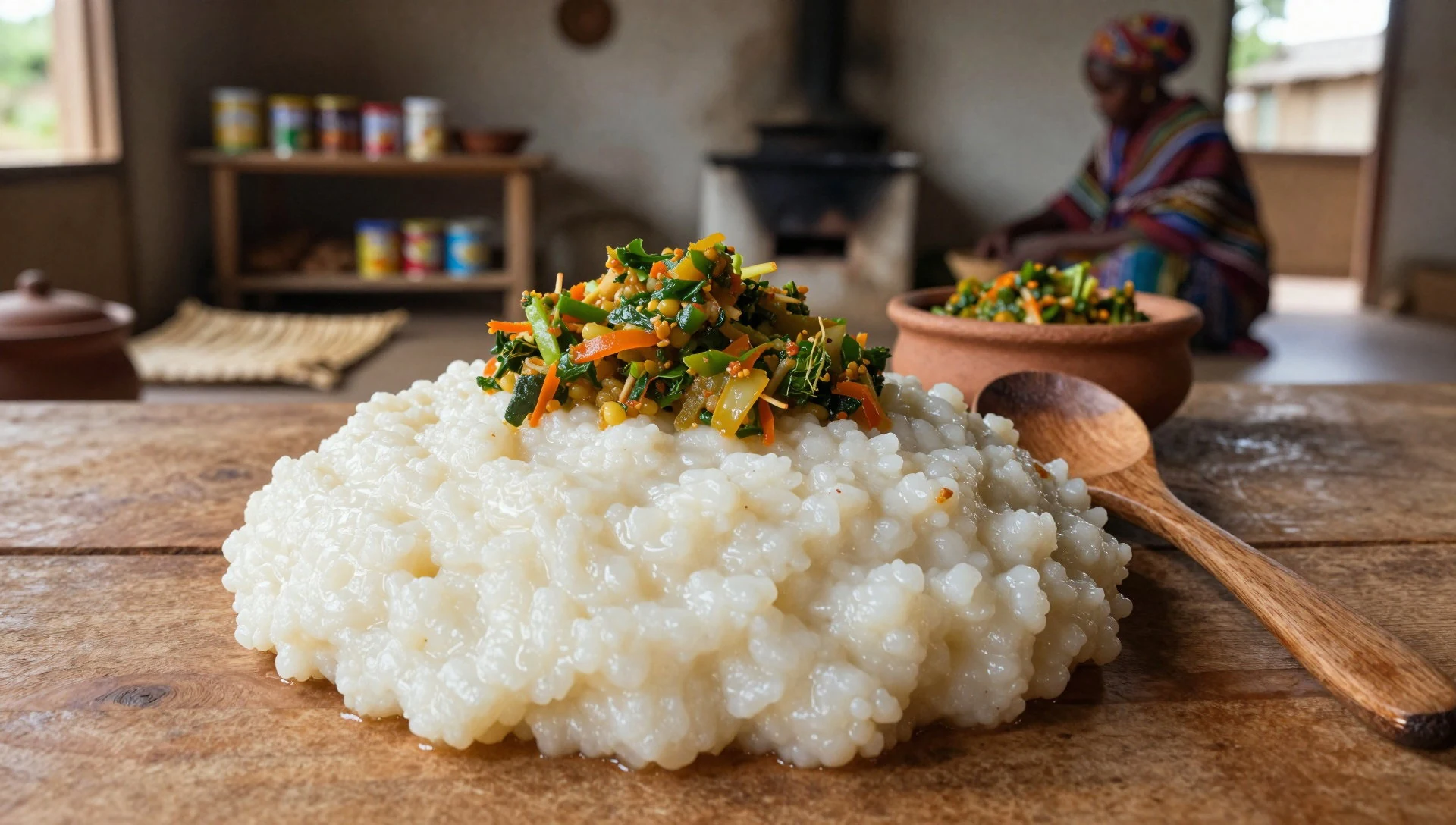
- Bread and cheese snacks — Local shops and small eateries
In remote regions, simple snacks work well: fresh bread with local cheese or dairy sides can be an easy way to keep energy up between drives and any scheduled visits. - Seasonal vegetables with main dishes — Basic restaurants serving traditional-style meals
During clearer stretches, you’ll often find vegetables served as sides with main meals. Think simple, filling accompaniments that don’t depend on elaborate menus to taste good in cool mountain air. - Hot tea or other warm drinks — Any café-style stop en route
A warm drink is the everyday fix in cold highlands. Ask locally what’s served—tea and other hot beverages are ideal after time outside when wind and cold sneak in.
Plan it
Best time. May–August for the drier, coldest months, and October–November as the wetter period begins—just be ready for mountain cloud.
How long. 2–3
Getting there. Fly into Lesotho via the nearest practical regional airport, then continue by road to Mokhotlong District and the Letšeng area; the last leg is by road because it’s remote mountain terrain.
Budget. mid
Tips
- Pack for cold even in shoulder seasons; elevation at 3,100 m can feel colder than expected.
- Plan around weather: wet months (October to March) can mean low visibility, while winter brings dry but very cold conditions.
- Start early and keep buffers for road conditions—mountain travel isn’t a ‘rush and rush back’ kind of day.
- Carry warm layers and a thermos for breaks; heating up outside can be difficult in remote areas.
- Confirm access logistics for any mine-area visits ahead of time, since operations and permissions can limit what’s possible.
Etiquette
- Follow all instructions and stay within allowed areas near the mine perimeter.
- Be mindful with photography around staff and vehicles—ask first if you’re unsure.
- Keep quiet in operational zones and don’t block paths or entrances.
Nearby
Sources
- Wikidata Q3642234 (CC0)
- Wikipedia (rev 1365716057) — Letšeng diamond mine (CC BY-SA 4.0)
- Photo photos/01-let-eng-diamond-mine.jpg (CC BY-SA 4.0)
- Photo photos/02-letsotho-legend.jpg (CC BY-SA 4.0)
- Wikivoyage (CC BY-SA 4.0)

