Yaghnob Valley
Yaghnob Valley, Tajikistan
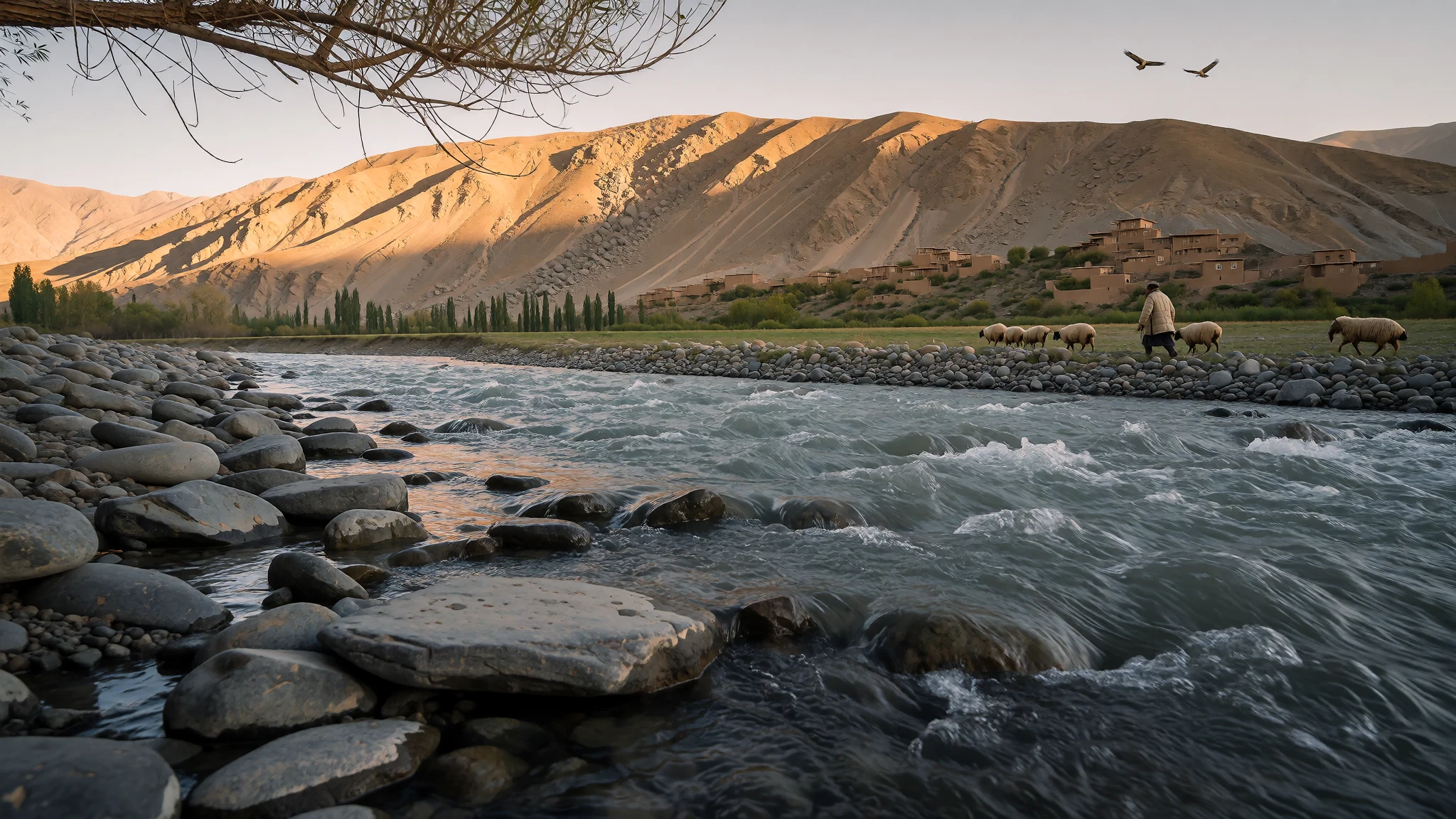
Yaghnob Valley is a high Tajik side-valley where an Eastern Iranian language still lives in the villages along the river.
The place
Yaghnob Valley cuts through the mountains of Ayni District, in Sogd Region of Tajikistan, with the Zarafshan massif to the north and the Hisor massif to the south. The Yaghnob River runs the length of the valley and feeds the wider Zeravshan system, so this is a side corridor rather than a road to somewhere else. The highway towards Khujand stays out on the main Zeravshan route; the villages stand on the road between Margib and Khishortob, later extended toward Bedef and the heart of the valley. Lower down, around Khishirtop, the floor is greener and the houses sit closer together. Higher up, the slopes open into bare ridge and scree, a high-mountainous basin with a thin band of fields beside the water. Settlement in Yaghnob Valley is a string of small villages, not a town. Poplar, willow and vegetable plots hold the flat ground by the river; pasture thins quickly into rock above them. Bearded vultures work the ridges, and white wagtails forage along the streams and the field edges. There is no promenade and no quarter built for visitors. The built landscape is working land: houses, animal pens, a few bridges, and the track that is the way in and out. The people of the valley are Yaghnobis, Tajik citizens whose language is Yaghnobi, an Eastern Iranian speech that linguists link to the old Sogdian. Tajik is the language of school, of the district office and of trade in Ayni. The year follows the mountain: stock moved up when the grass comes, firewood and dried food stored before snow closes the track, guests received in the guest room. Winters isolate the villages. Summers are short, bright and full of outdoor work. The thaw roughens the track with meltwater, and autumn is a last open window before the cold returns.
Its story
Yaghnob Valley held on to a way of speaking that the oasis towns of Sogdiana let go. Sogdian was once the language of merchants and cities along this stretch of the Silk Road. Over generations the lowlands moved to Persian and then to Tajik, while families in this high side-valley kept an Eastern Iranian tongue of their own. That is the history the place carries. It is not carved on a palace wall. It lives in home conversation, in the names of fields and hamlets, and in the ease with which older people move between Yaghnobi indoors and Tajik with a guest from outside. The Soviet years nearly severed that thread. The state judged Yaghnob Valley too remote and too exposed to hazard, and it shifted the Yaghnobi villages down onto the hot cotton plain, a landscape of irrigation and heat far from their river. Houses stood empty. Orchards went unpicked. A mountain community was told to farm country that matched neither its habits nor its skills. Some households stayed in the lowland districts and built a life there. Others, in the years after, came back up the same track, reopened the villages and put animals on the slopes again. It was not a planned revival. It was people choosing the valley again, with fewer households than before and with Tajik by then the firm language of school and office. What remains in Yaghnob Valley is that returned life. Children hear Yaghnobi at the table and study in Tajik. Weddings and funerals still pull in relatives who live down on the plain. Researchers and trekkers appear in the warm months and then leave. The story is a small community that was moved away, that in part came home, and that still speaks its own language at the table.
What to see
- Yaghnob River — Ayni District, along the valley floor
The Yaghnob River is the spine of Yaghnob Valley, a clear mountain stream that the villages follow from the upper basin down towards the Zeravshan. In the lower valley the water runs beside fields, poplars and the houses of Khishirtop; higher up it cuts a thinner line under bare slopes. Crossings are local bridges and fords rather than a built walkway.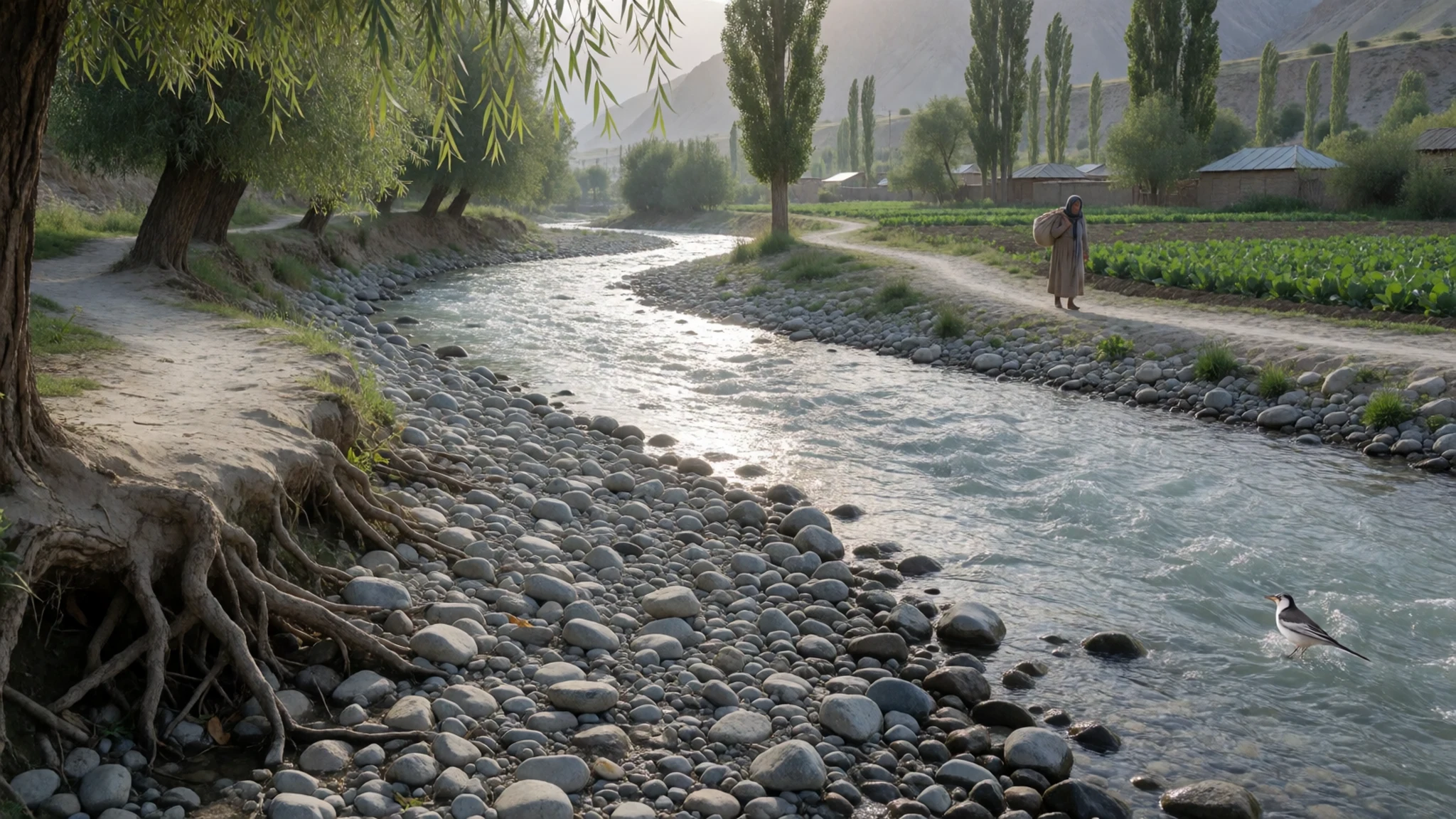
- Khishirtop — lower Yaghnob Valley, Ayni District
Khishirtop sits in the lower part of Yaghnob Valley, where the floor widens enough for houses, trees and small fields. The pattern of the valley shows here in miniature: houses, animal pens, a rough track and the river close by. There is no bazaar and no ticket office; the interest is the working village, seen on foot.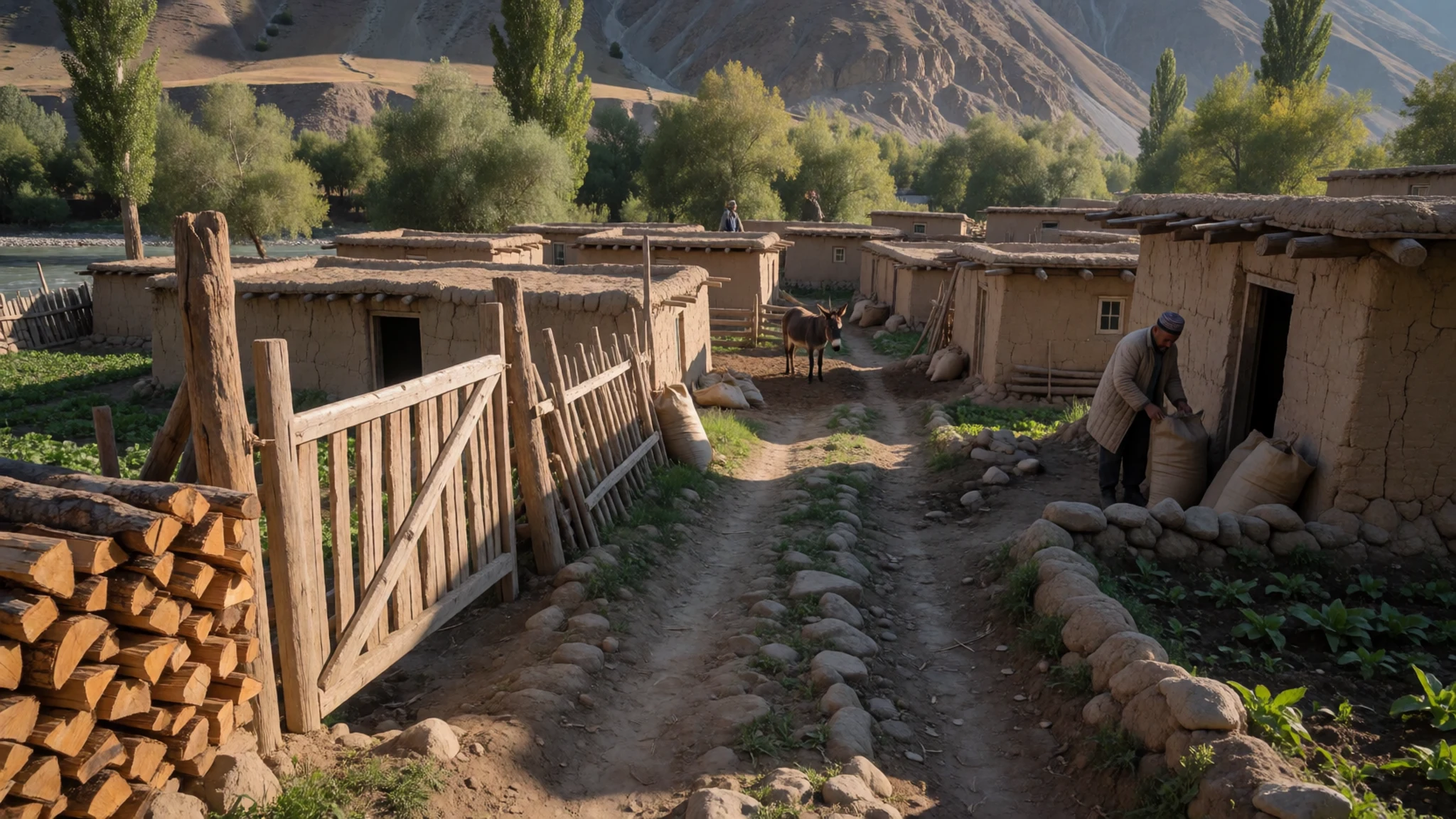
- Upper valley — upper Yaghnob Valley, Ayni District
The upper reach of Yaghnob Valley is high, open country: bare ridges, thin pasture and a narrowing ribbon of green along the water. Villages grow smaller and farther apart, and the track becomes the sort of route that a sturdy vehicle or a walker takes slowly. This is the landscape of the high-mountain photographs, with long views and little shade.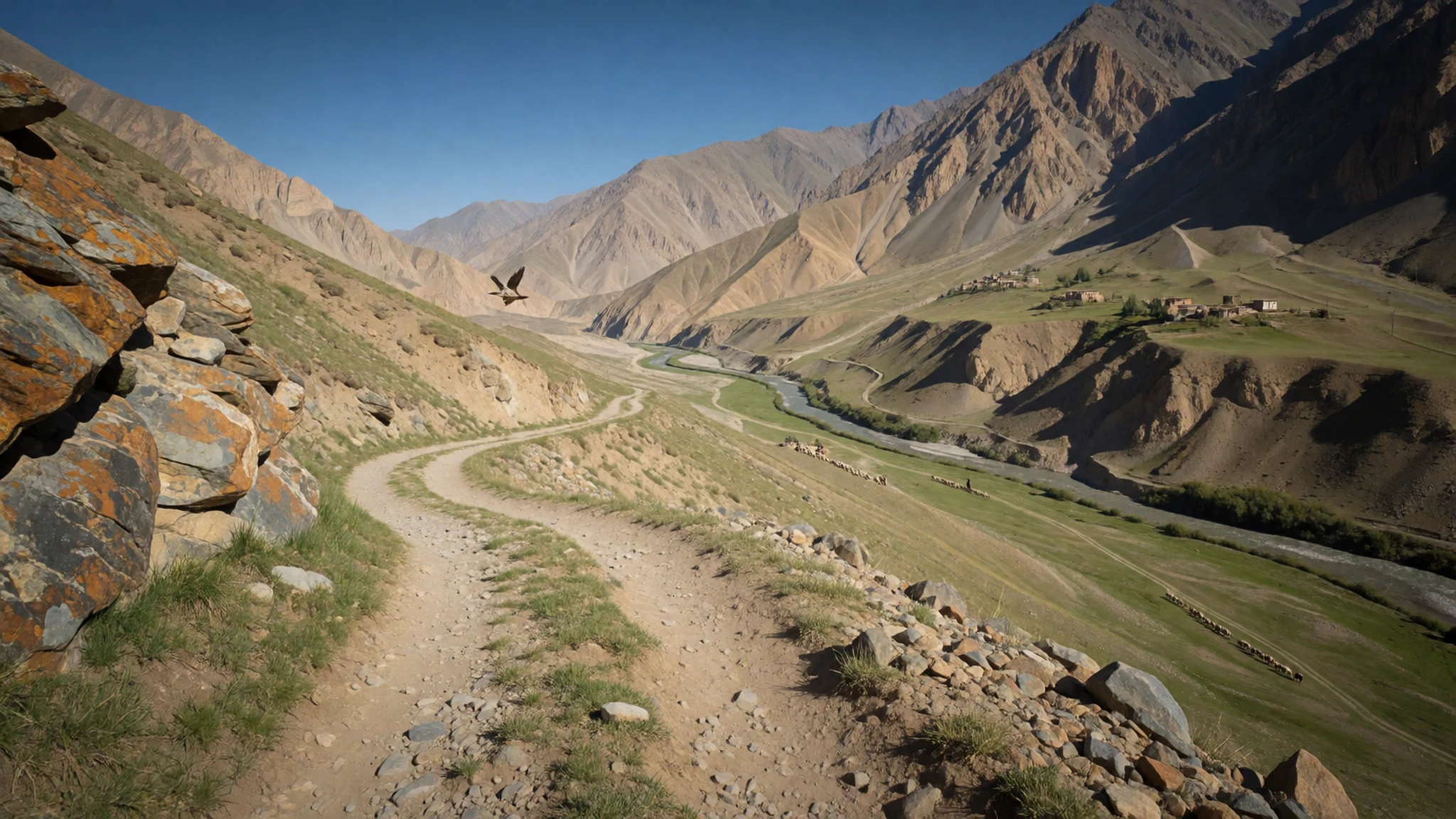
- Bearded vultures and white wagtails — ridges and streams of Yaghnob Valley
Bearded vultures patrol the ridges above Yaghnob Valley, broad wings against the rock, often in pairs. White wagtails work the lower ground, bobbing along streams, field edges and the village track. Neither bird is a managed attraction; there is no hide and no guide post. Seeing them means being out early: skyline for the vultures, water margins for the wagtails.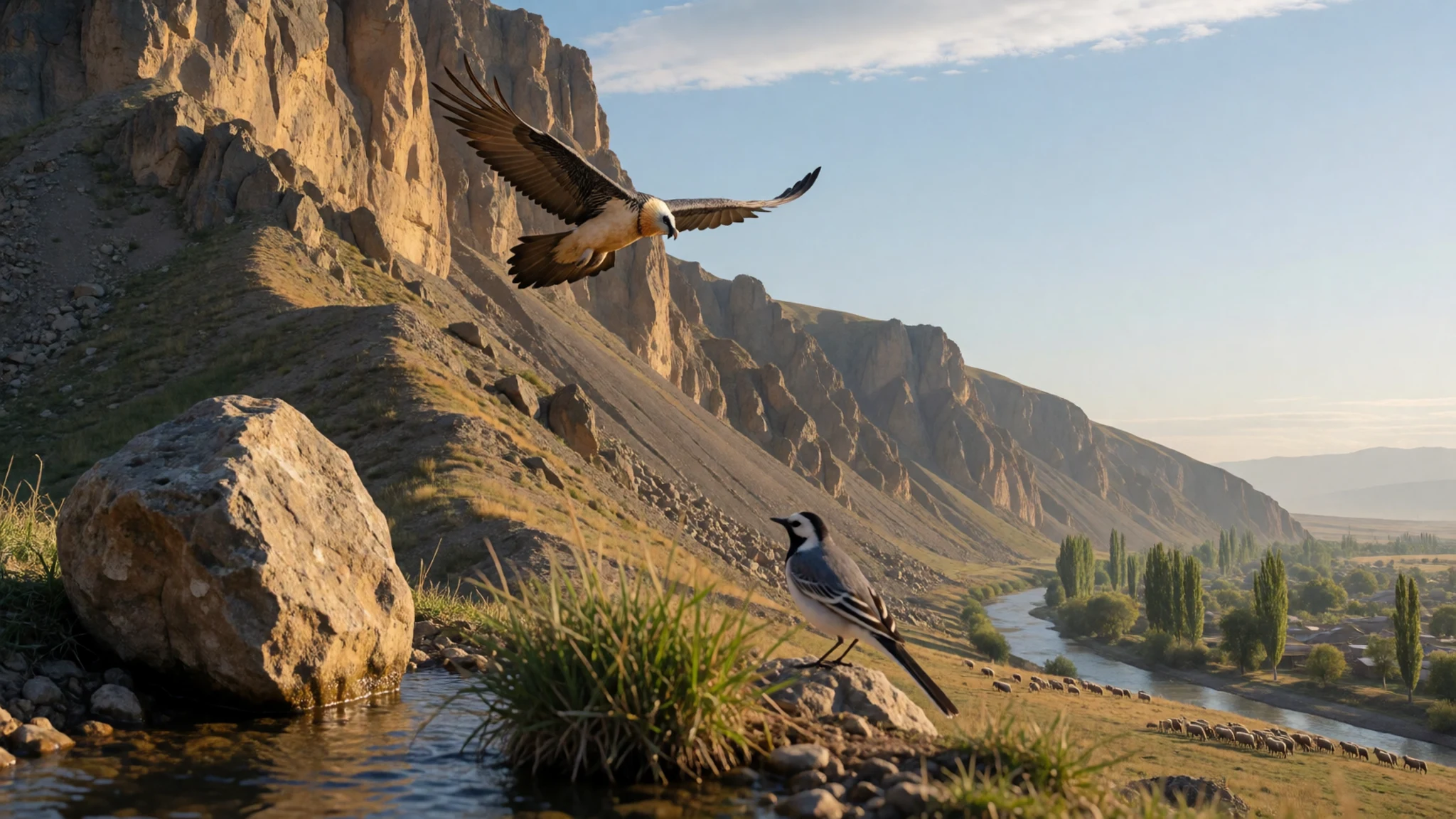
- Track from Ayni — Ayni to the valley
The road between Margib and Khishortob, later extended toward Bedef and the heart of the valley, is itself something to see, a rough way climbing towards the villages. Dust, mud and loose stone take turns with the season. It is not a marked circuit with lay-bys.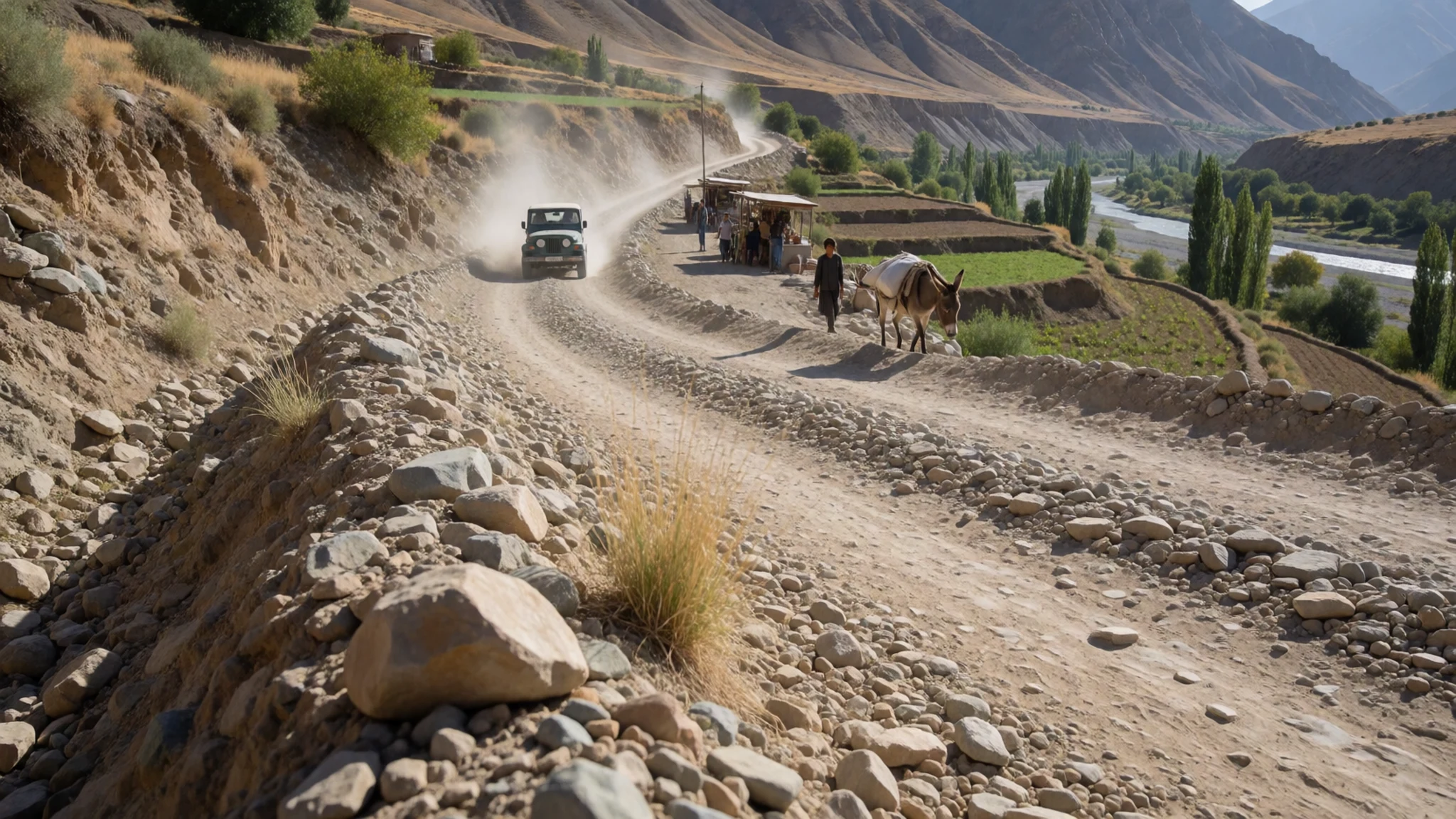
Culture
Yaghnob Valley's culture sits in the house: the guest, the shared meal, the language used indoors, and Islam as it is lived in a Tajik mountain village. People are Sunni. Prayer, the fasting month and the feast days shape the calendar, beside an older habit of visiting small hillside shrines and of treating bread and tea as things that are not tossed aside or set down carelessly. Hospitality is how that life meets a stranger. Someone brought inside is seated, given tea, and usually offered bread before anyone asks why they have come. Elders are greeted first. As a gathering grows, men and women often sit in partly separate company, though a foreign guest is generally placed wherever the host thinks right. Yaghnobi is the intimate language of Yaghnob Valley, spoken at home and between neighbours, while Tajik carries school, the clinic, the market at Ayni and any talk with people from outside. Songs, jokes and the names of plots stay in the home language. Official life does not. Making is practical rather than showy: wool for the cold, embroidery on caps, and the long robe brought out for a wedding or a Friday. Little of this is arranged as a performance. People notice when a camera treats a funeral, a prayer or a face as scenery. Take your shoes off when you enter a home in Yaghnob Valley, and ask before you photograph anyone.
What to wear
Dress in Yaghnob Valley still carries the Tajik mountain wardrobe, even on days when a worn jacket does the work. For men, the formal layer is a long quilted coat, called a chapan or a joma, worn over a shirt and loose trousers, often with a sash, and an embroidered skullcap, the toqi, on the head. Women wear a long dress over trousers and a scarf over the hair. For a wedding or a feast the dress may be atlas, silk woven in the ikat pattern associated with Tajik looms, with a finer scarf or cap and a little jewellery. Wool, padded cotton and thick socks matter more in this valley than in the cities, because nights are cold and the ground is stony. Embroidery on caps, and on the borders of robes, is the decorative textile work that still comes out for celebrations. An ordinary day in Yaghnob Valley is dressed for mud, animals and a walk to a neighbour: coats already mended, rubber boots, headscarves, knit layers, and a good deal of plain modern clothing mixed through. The skullcap on a man and the scarf on a woman are the pieces that still read as local inside that mix. A visitor has no need of ceremonial atlas. The useful kit is modest and warm: long trousers, covered shoulders, a scarf for a house or a shrine, a sun hat, a light waterproof and boots with a grip. Clean, plain, covering clothes are the right form of respect.
What to eat
- Non — village tandyrs and tea houses in Ayni
Non in Yaghnob Valley is round tandyr bread, the food that appears at every meal. Households bake it in a clay oven, and tea houses in Ayni sell it by the piece to people heading up the track. It is eaten torn, with tea or soup.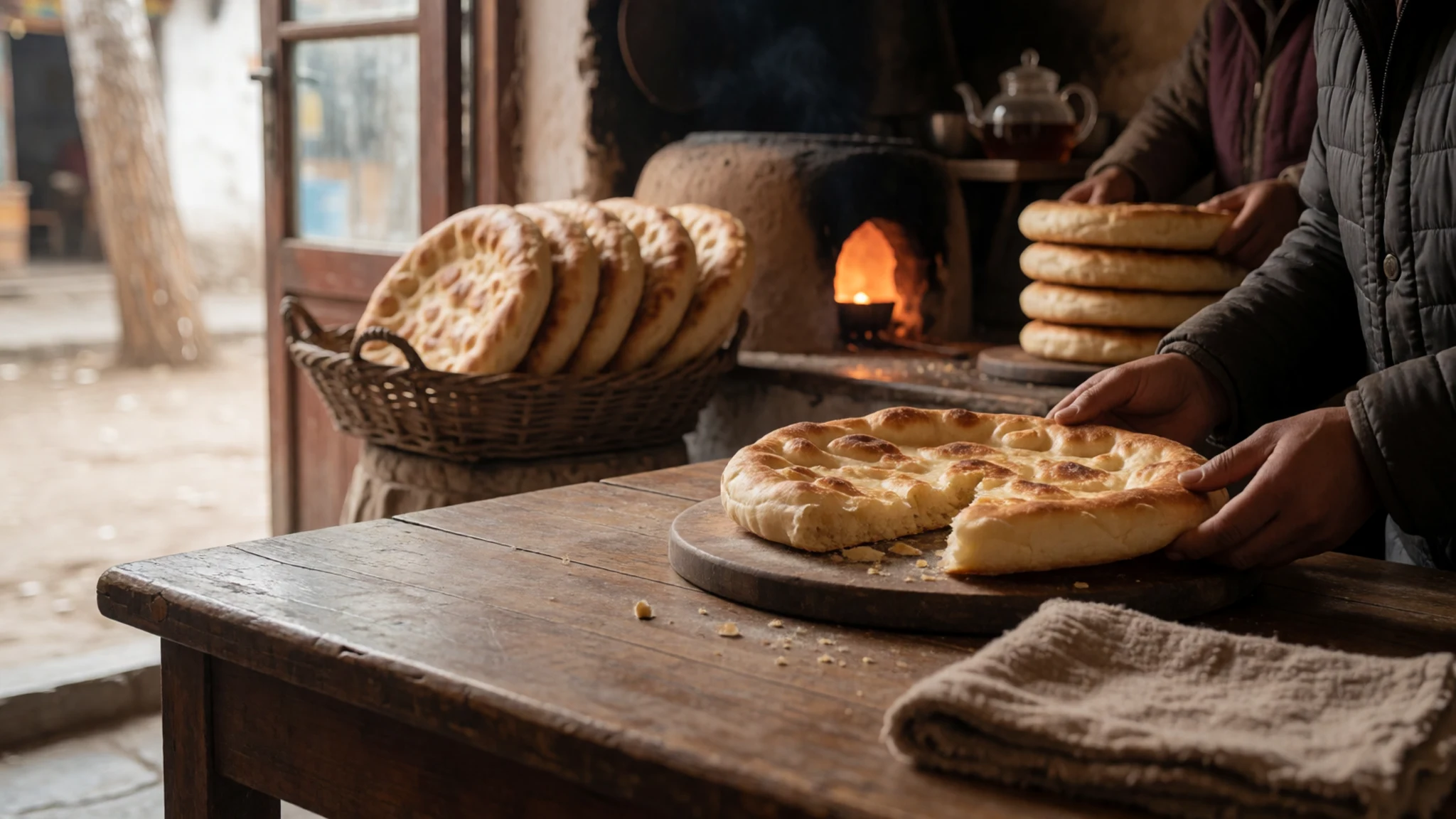
- Osh — tea houses in Ayni and village guest meals
Osh, also called plov, is the celebration rice of Yaghnob Valley, cooked with carrot and meat when guests justify the pot. On an ordinary day bread and tea are more common. It turns up in an Ayni tea house or on a host's platter in the valley.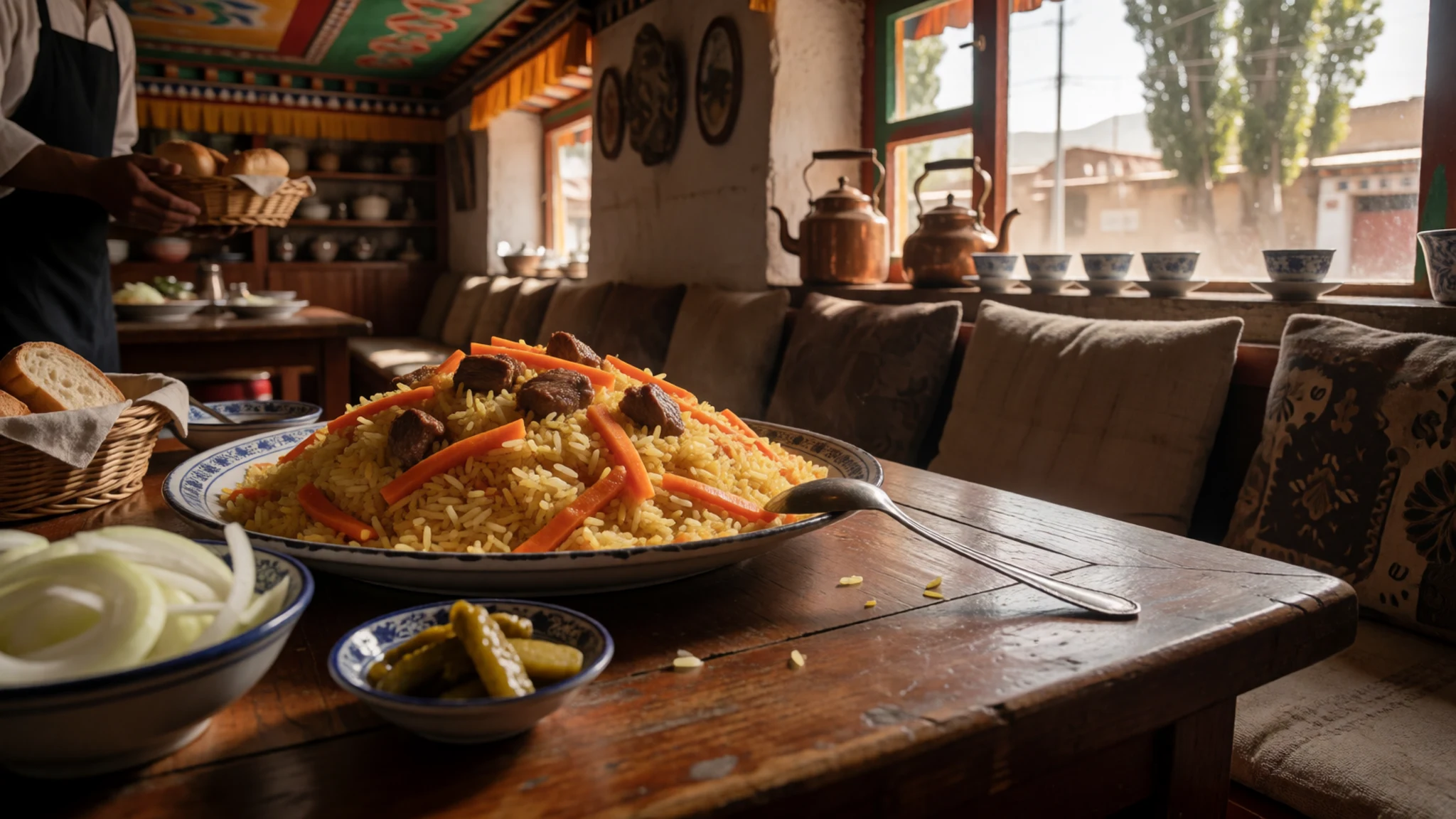
- Qurutob — home kitchens in the valley and tea houses on the Zeravshan road
Qurutob is the Tajik dish Yaghnob Valley households can make without a market run: fatir or other flatbread torn into a sauce of dried yoghurt, qurut, loosened with water and oil, then finished with onion, tomato and herbs. It is everyday food, not banquet food. - Shurbo — village homes and simple eateries in Ayni
Shurbo in Yaghnob Valley is a boiled meat soup with potato, carrot and onion, the hot meal of a cold evening. Bread is eaten with it. Village homes serve it to guests, and simple eateries in Ayni keep a pot for drivers on the mountain road. - Sambusa — bakeries and roadside stalls in Ayni
Sambusa are baked pastries of meat or pumpkin folded in a thin dough, the portable food of Yaghnob Valley journeys. Bakeries and roadside stalls in Ayni sell them in the morning, still warm, to people about to spend hours on the track.
Plan it
Best time. Yaghnob Valley is most comfortable in July, when the days are hottest and the nights finally rise above freezing, once the main melt has eased. Winter closes the valley. The thaw and the wettest weeks, in March and April, turn the track to mud.
How long. 3-4
Getting there. Fly into Dushanbe, the usual international gateway, then take the mountain road north through Anzob towards Ayni on the Zeravshan. A road between Margib and Khishortob, later extended toward Bedef, enters Yaghnob Valley. There is no station in the valley. The last leg needs a high-clearance vehicle or a walk, arranged with drivers in Ayni.
Budget. mid
Tips
- Arrange a driver in Ayni who already uses the valley track.
- Carry cash; card payment is not a reliable plan in the villages.
- Bring drinking water and a warm layer for the evening.
- Set off in the morning so the track is not driven in the dark.
- Confirm the same morning that rain or a slide has not closed the road.
Etiquette
- Remove your shoes when you enter a house.
- Ask before photographing people, especially women and children.
- Accept tea when it is offered, and do not waste bread.
- Greet older people first, and dress so shoulders and legs are covered.
Nearby
Sources
- Wikidata (CC0)
- Wikipedia (CC BY-SA 4.0)
- Wikivoyage (CC BY-SA 4.0)
Wildlife
- Bearded vulture (animal)
The bearded vulture is a huge bird of prey with a taste for bones, which most animals leave behind. Watch the ridges above Yaghnob Valley, where it patrols on broad wings against the rock, often in a pair. Stay well back, keep your voice low, and let binoculars do the work. Going with a guide helps you choose a good viewpoint. Never feed wild birds, however tempting it seems.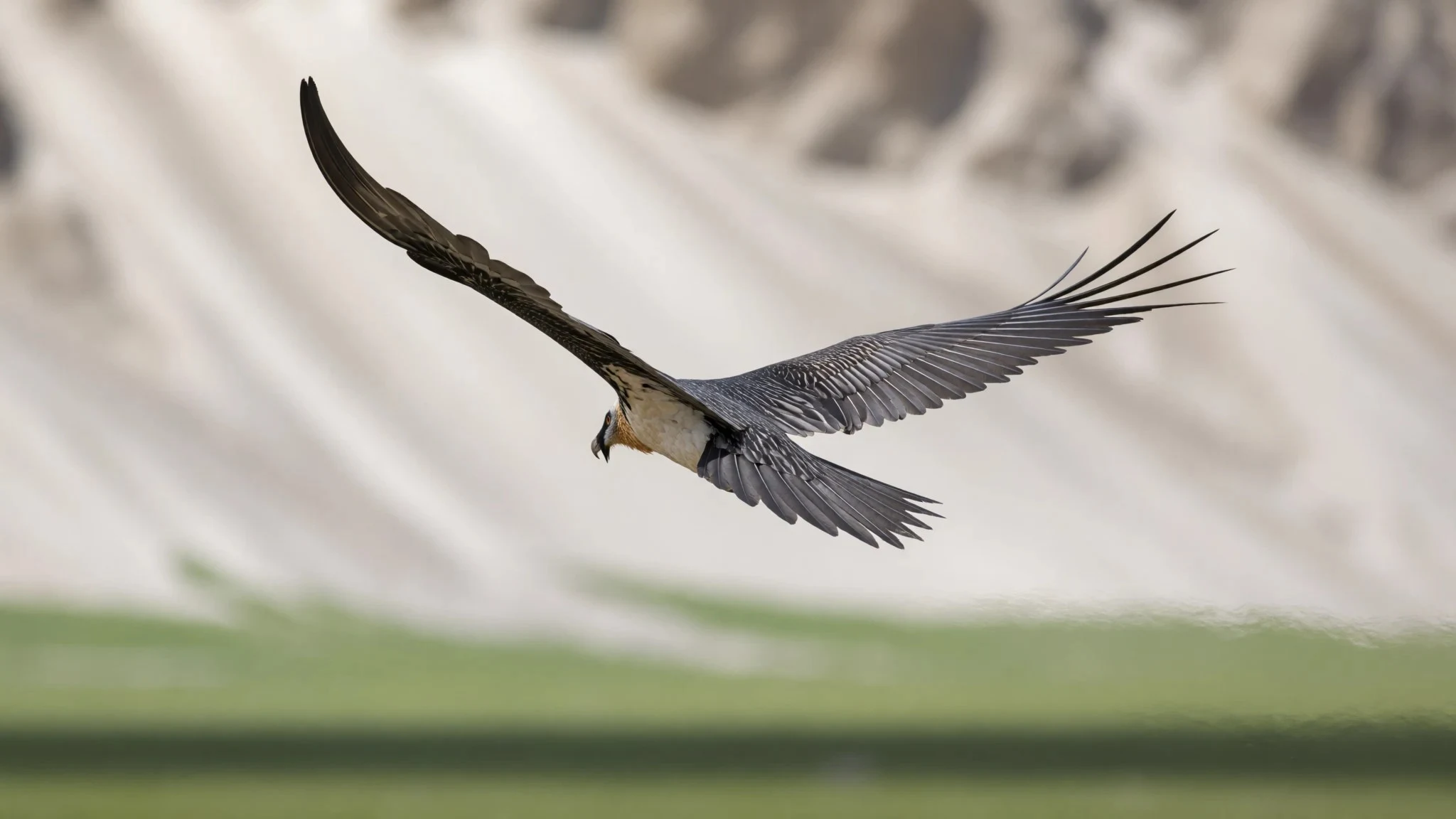
- Bearded vulture (bird)
The bearded vulture is a huge bird of prey with a taste for bones, which most animals leave behind. Watch the ridges above Yaghnob Valley, where it patrols on broad wings against the rock, often in a pair. Stay well back, keep your voice low, and let binoculars do the work. Going with a guide helps you choose a good viewpoint. Never feed wild birds, however tempting it seems. - White wagtail (animal)
The white wagtail is a small, lively bird that bobs its tail as it walks. In Yaghnob Valley it works the lower ground, so look along streams, at the edges of fields and on the village track. Move gently, keep your distance and stay quiet, and the bird will go on foraging undisturbed. A guide can show you favourite spots. Never feed it; it finds its own meals. - White wagtail (bird)
The white wagtail is a small, lively bird that bobs its tail as it walks. In Yaghnob Valley it works the lower ground, so look along streams, at the edges of fields and on the village track. Move gently, keep your distance and stay quiet, and the bird will go on foraging undisturbed. A guide can show you favourite spots. Never feed it; it finds its own meals.