Iskanderkul
Iskanderkul, Tajikistan
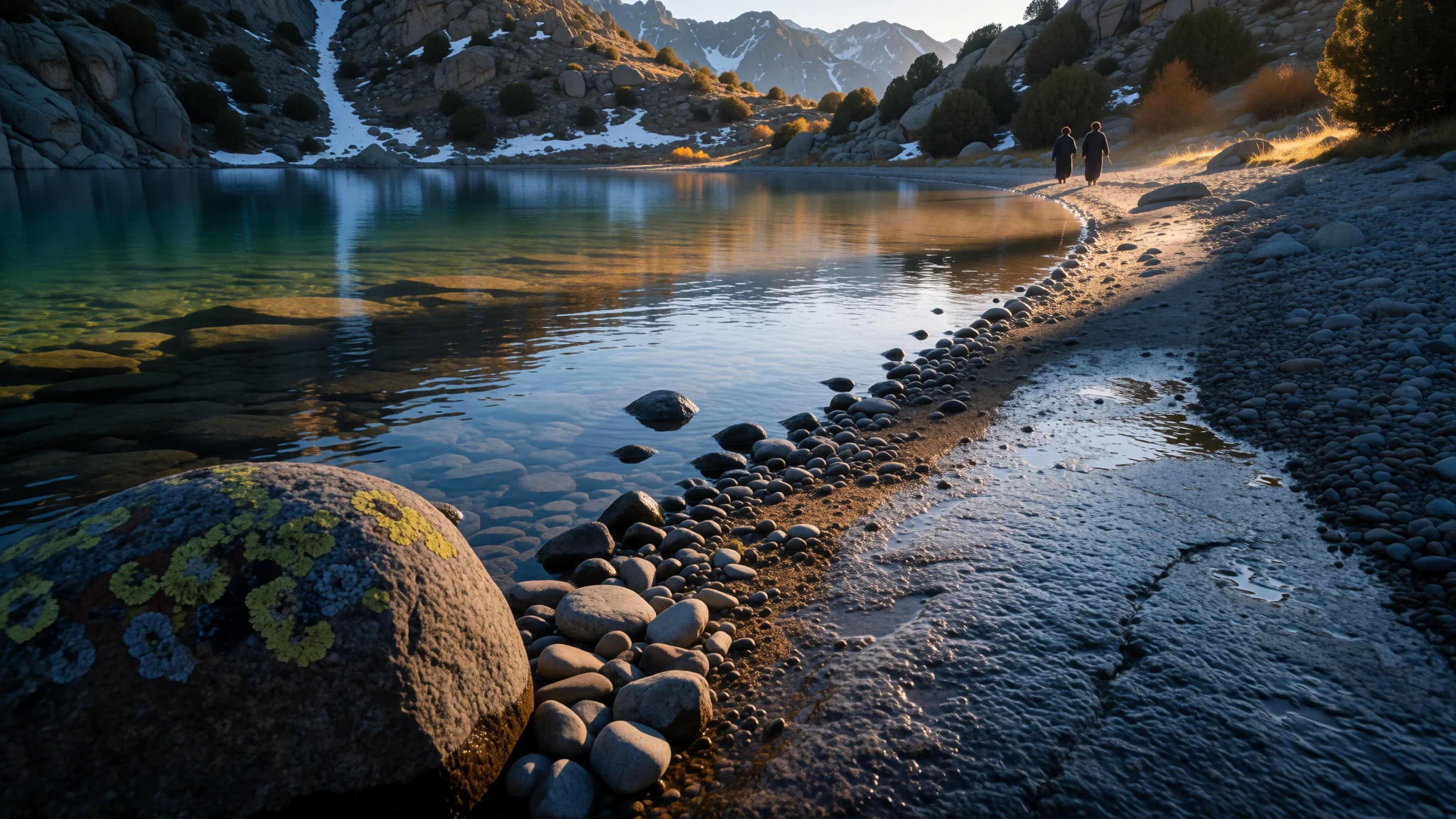
Iskanderkul is a glacial lake high in Tajikistan's Fann Mountains, reachable from Dushanbe in a day, with a waterfall, trekking trails and old Alexander legends.
The place
Iskanderkul sits in Tajikistan's Sughd Province, on the northern slopes of the Gissar Range, part of the Fann Mountains. At 2,195 m above sea level, the air is thin and cool even when the valleys below are baking. The lake is glacial in origin and roughly triangular, held in place by a landslide that dammed the Saratogh river long ago. Its water is a cold, changeable blue-green, and steep, bare slopes drop straight into it, so the colours shift with every passing cloud.
The outflow is called the Iskander Darya. It runs down the valley and meets the Yaghnob River, and together they become the Fan Darya, which feeds the Zeravshan. That is why the lake matters beyond the view: it is one small source in a much larger Central Asian river system.
The setting is quiet and spare. There is a small lakeside cluster of guesthouses and a few basic places to eat, and little else. Most visitors come from Dushanbe, a long day's drive away, and many stay overnight to see the lake at dawn and dusk, when day-trippers have gone. Spellings vary widely: Iskandarkul, Iskander-Kul and Iskenderkul all turn up on maps and signs, and the Russian form is Искандеркуль. Nights are cold at this height even in summer, and the weather can turn quickly, so the place rewards a slow stay rather than a quick photo stop.
Its story
Iskanderkul takes its name from Alexander the Great, whose campaign reached this part of Central Asia. Iskander is the Persian form of Alexander, and the second half of the name is a word for lake used across many Turkic languages. So the title simply means Alexander's Lake.
Two legends tie the water to him. In one, the valley held people who refused his rule. Furious, the king ordered a river diverted so that it drowned them, and the lake is what remained. In the other, his famous horse Bucephalus drowned here, which makes the lake a sort of grave for a legendary animal.
Neither story has solid evidence behind it, and the geology tells a different tale: a landslide blocked the Saratogh river and the glacial meltwater pooled behind it. Yet the legends have lasted because they fit the landscape. A lake this dark and deep, hemmed in by cliffs, invites a dramatic origin.
The name also reflects Tajikistan's layered history. Persian, Turkic and Russian influences are all visible in the spellings, and in Soviet times the lake was a recreation spot, even appearing on a postage stamp issued in 1959. Today it is part of the country's push to welcome walkers and independent travellers, with the Fann Mountains promoted as an easier-to-reach alternative to the remote Pamirs.
What to see
- The lake shore — Lake shore, Sughd Province
Iskanderkul's main sight is the lake itself. A path follows part of the shore, giving views of the triangular outline and the steep slopes behind. Go early or late, when the light is soft and the water is stillest. The depth is up to 72 m, so swimming is for the brave: the water is very cold.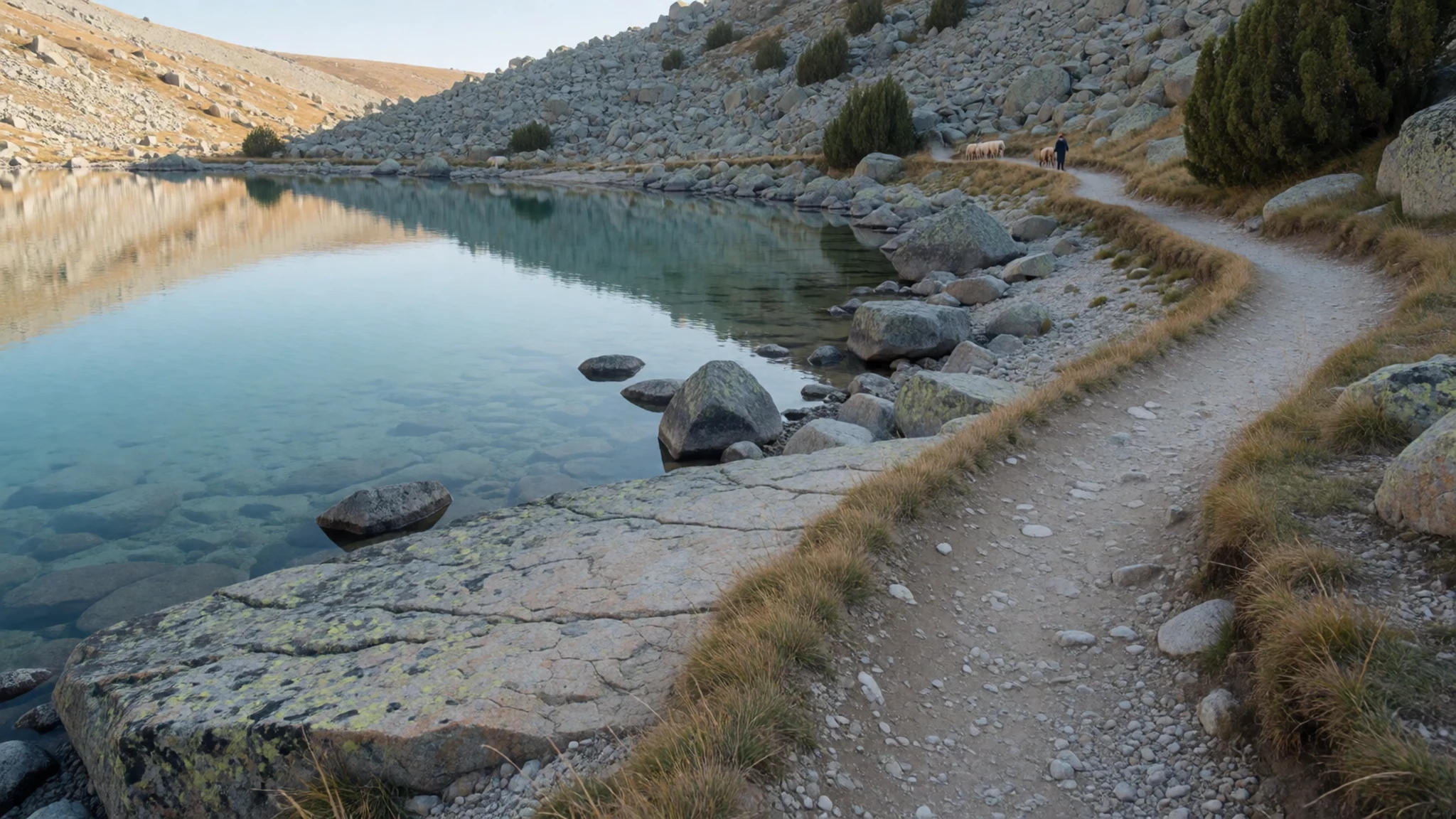
- Fann Mountains panorama — Slopes around the lake
The Fann Mountains rise in ridges around the lake, and the best wide views come from a short climb above the shore. Even a modest walk gives a sense of the scale. Haze and cloud can hide the peaks, so allow time and watch for clear spells in the morning.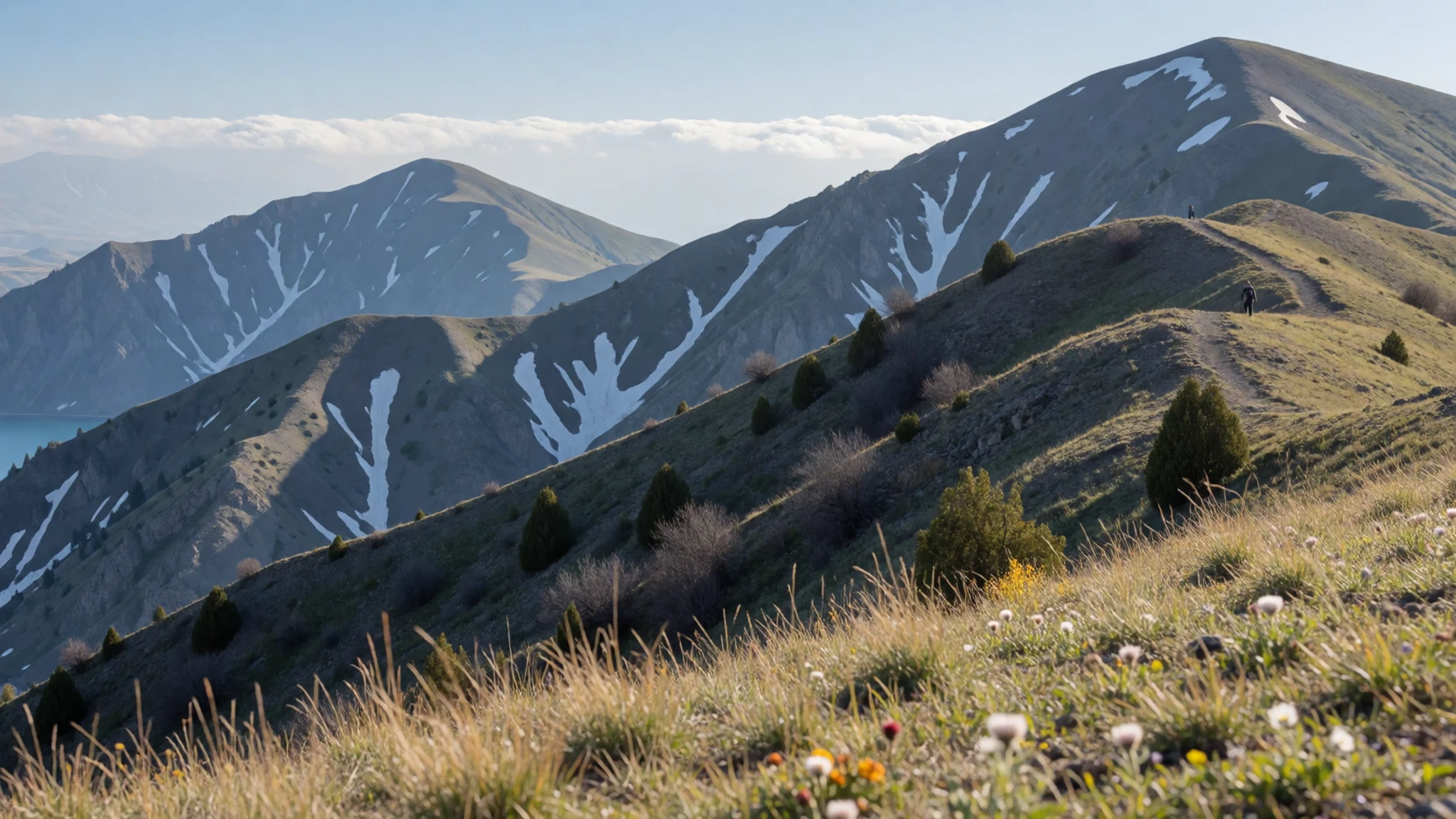
- Iskander Darya outflow — Lake outlet, Iskander Darya valley
Where the lake spills out, the Iskander Darya starts its run down the valley towards the Yaghnob and the Fan Darya. The landslide dam and the rushing water are worth a look, and the sound carries a long way. Keep back from slippery edges, especially after rain.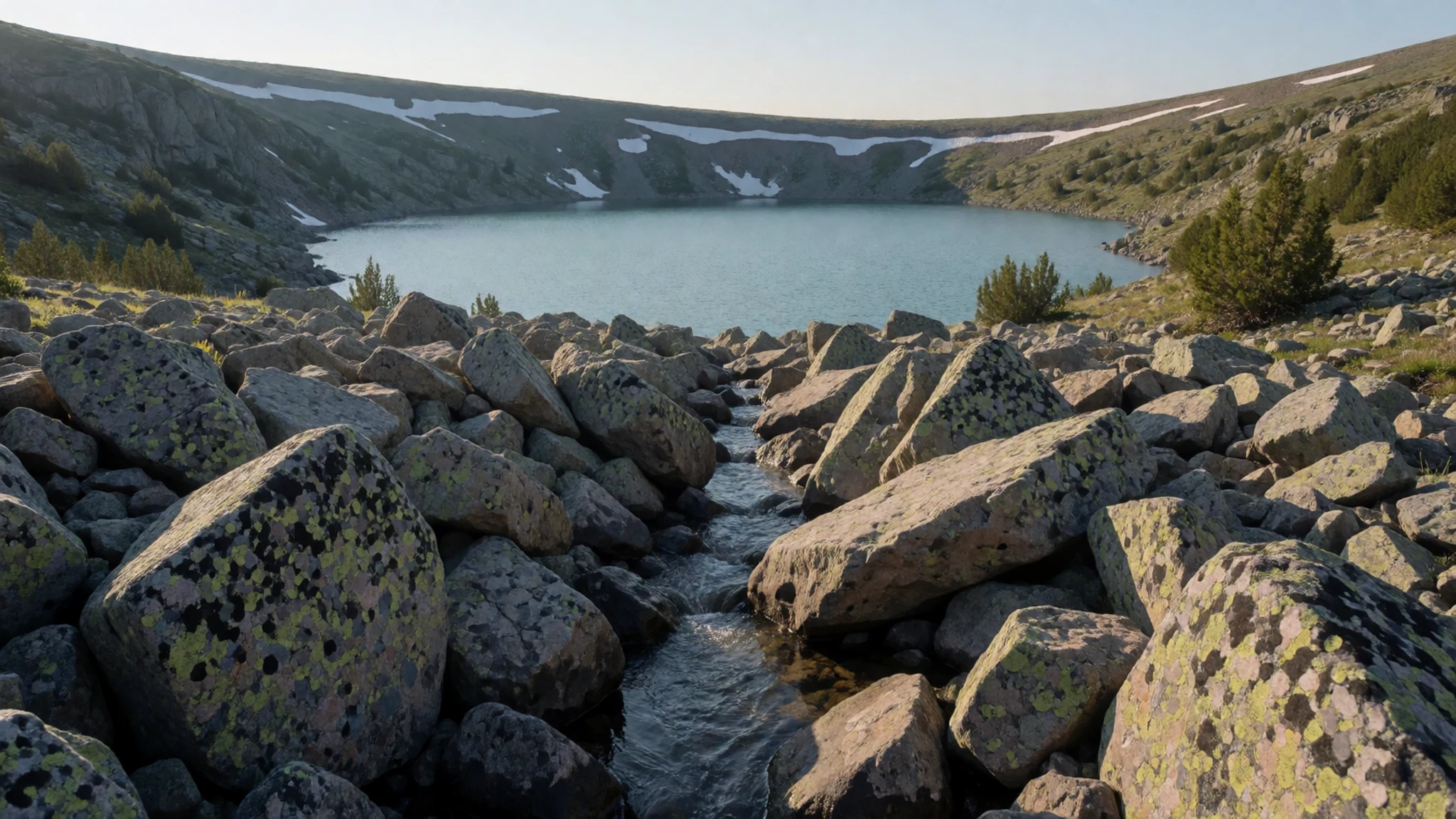
- Trekking routes in the Fann Mountains — Fann Mountains, Sughd Province
The Fann Mountains offer treks of varying length, and Iskanderkul is a common starting or finishing point. Walks range from easy day outings to multi-day routes over high passes. Weather and altitude matter, so check conditions locally and consider a guide for longer routes.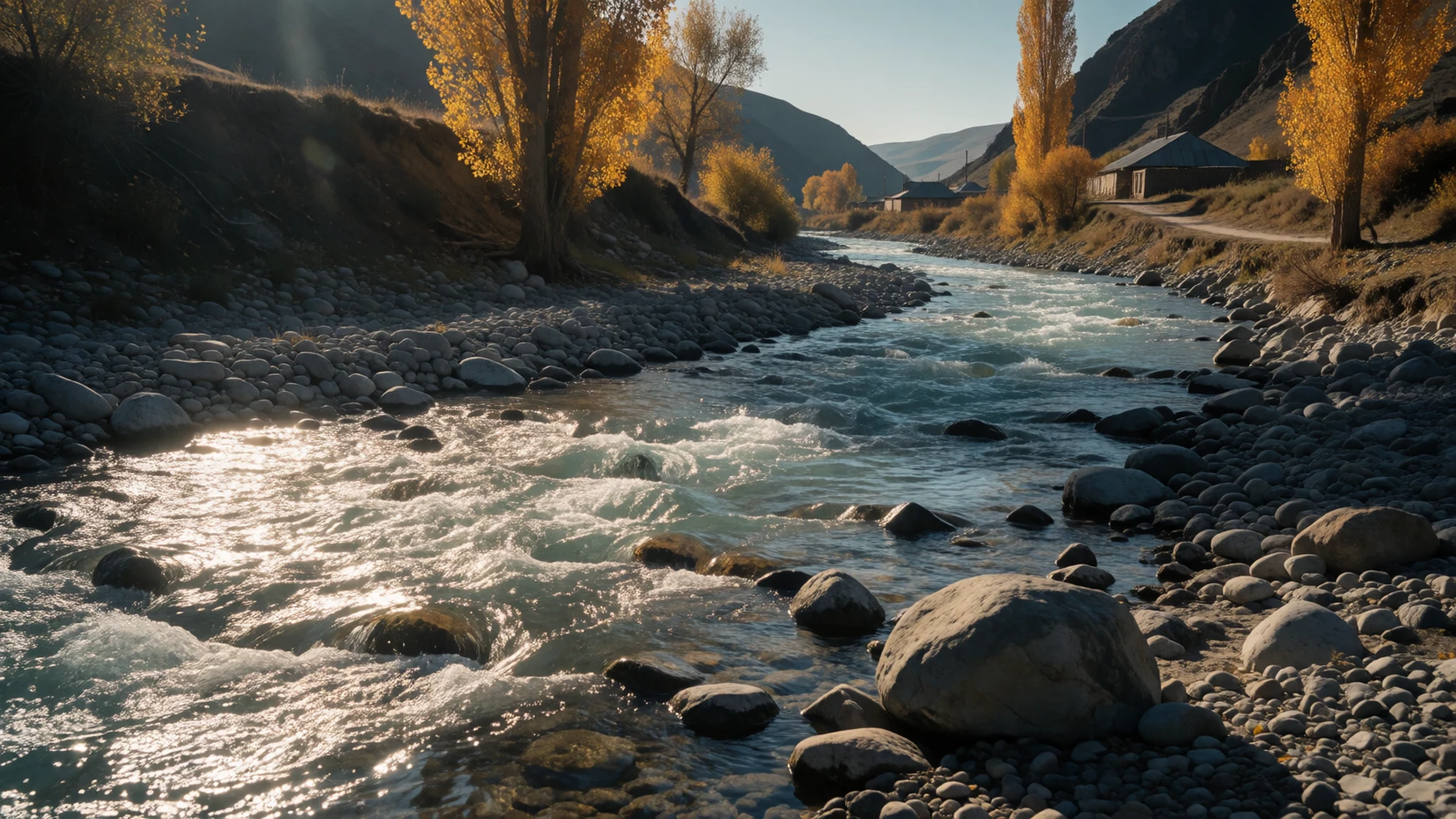
- Zeravshan Valley and Panjakent — Zeravshan Valley
Further along the valley lies the Zeravshan region, which includes the ancient site of Panjakent and the proto-urban site of Sarazm, both on the UNESCO list for Tajikistan. They make a natural add-on for anyone with a few extra days.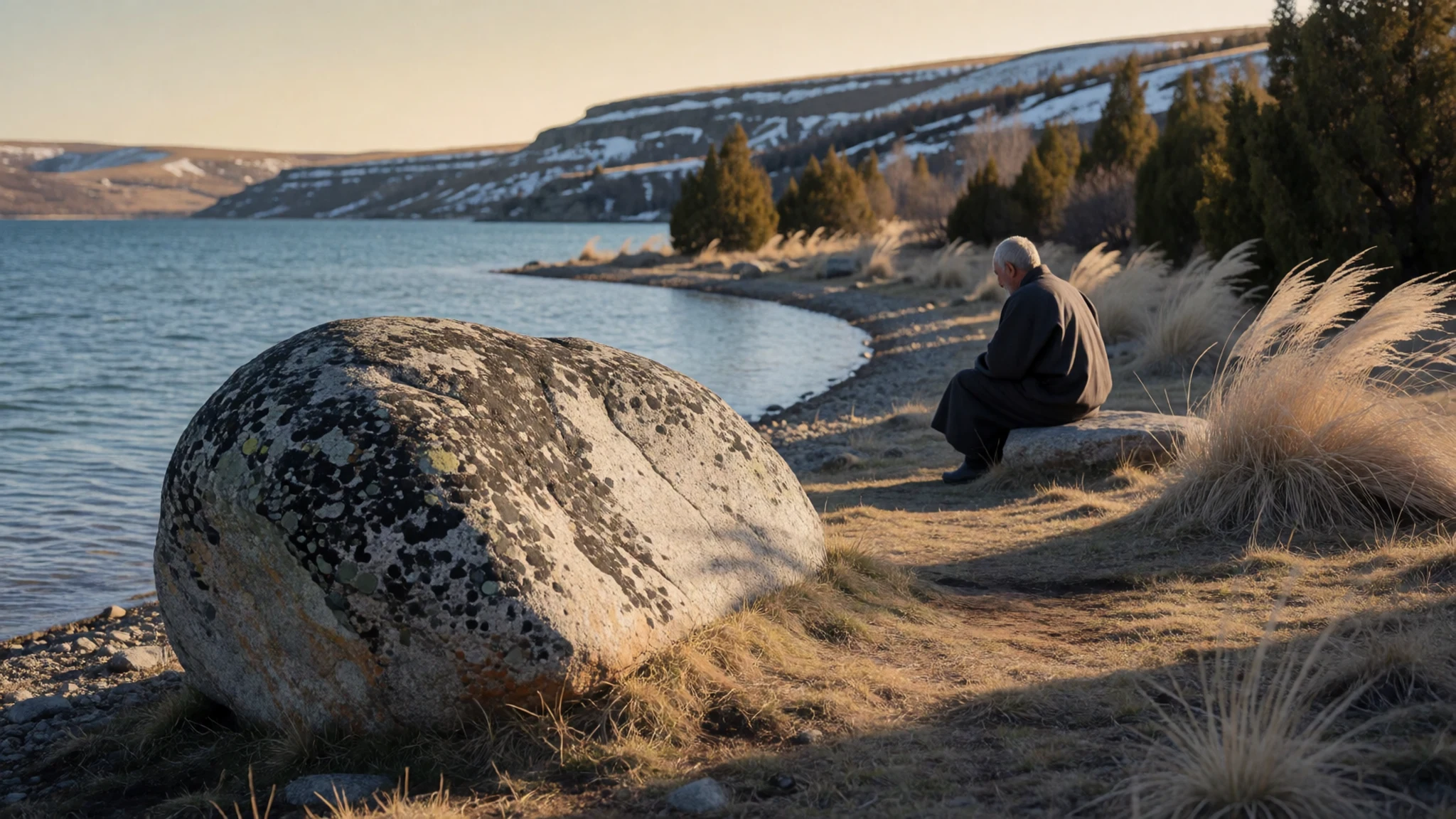
Culture
Iskanderkul lies in a conservative, mostly rural part of Tajikistan, and daily life around the lake is simple and hospitable. Tajiks in general are welcoming to visitors, and young people may approach to say hello and practise English. Do not be alarmed by this; it is usually friendly curiosity.
Tea is central to hospitality. Green tea, sweetened or not, is offered through the day, and refusing the first cup can seem abrupt, so accept at least a sip. Meals are often eaten communally from a shared plate, and bread is treated with respect.
Modesty matters. Women are expected to dress fairly modestly in public, and men in shorts tend to draw disapproving stares, even in Dushanbe. Headscarves are not the norm, but covered shoulders and knees are sensible everywhere outside the immediate lake edge.
The Soviet period left its mark: Russian is widely understood, and Russian-style spellings still appear on maps and signs. Tajik identity is increasingly asserted in place names, so expect both versions. Mosques are generally for men only, and Muslim women visiting are expected to pray privately, though some city mosques admit female tourist groups for tours.
When greeting an older person, place your right hand over your heart as a sign of respect, and ask before photographing people.
What to wear
Traditional Tajik dress is colourful. Women wear long, loose dresses, often in bright printed fabrics, and many still favour atlas and adras, silk and silk-cotton cloths with bold, blurred patterns that come from ikat dyeing. Embroidered skullcaps, known as tubeteika, are worn by men and women, especially on festive days and at weddings, and headscarves are tied in local styles.
In daily life around the lake, people dress practically. Men often wear trousers and plain shirts or jackets, and women wear long dresses over trousers with a scarf. In towns, western-style clothes mix with traditional ones, and on holidays the older styles reappear.
Visitors should dress for altitude and modesty. At 2,195 m, mornings and evenings are cold even in summer, so pack a warm fleece, a windproof layer and a hat. Days can be sunny and strong, so bring sun cream and sunglasses. Sturdy walking shoes or boots are needed for the shore paths and trails, which can be rocky and wet.
For modesty, women should cover shoulders and knees, and men should avoid shorts when in villages or on the road to the lake. A light scarf is handy for both sun and respect. Waterproofs are wise, as mountain weather changes fast.
What to eat
- Osh (plov) — Roadside eateries and guesthouses on the Dushanbe road
Rice, carrots and beef or mutton fried together in a qazan over an open flame. It is the everyday celebration dish, usually served on one large plate to share. Look for it in roadside eateries on the way from Dushanbe and in guesthouse dinners.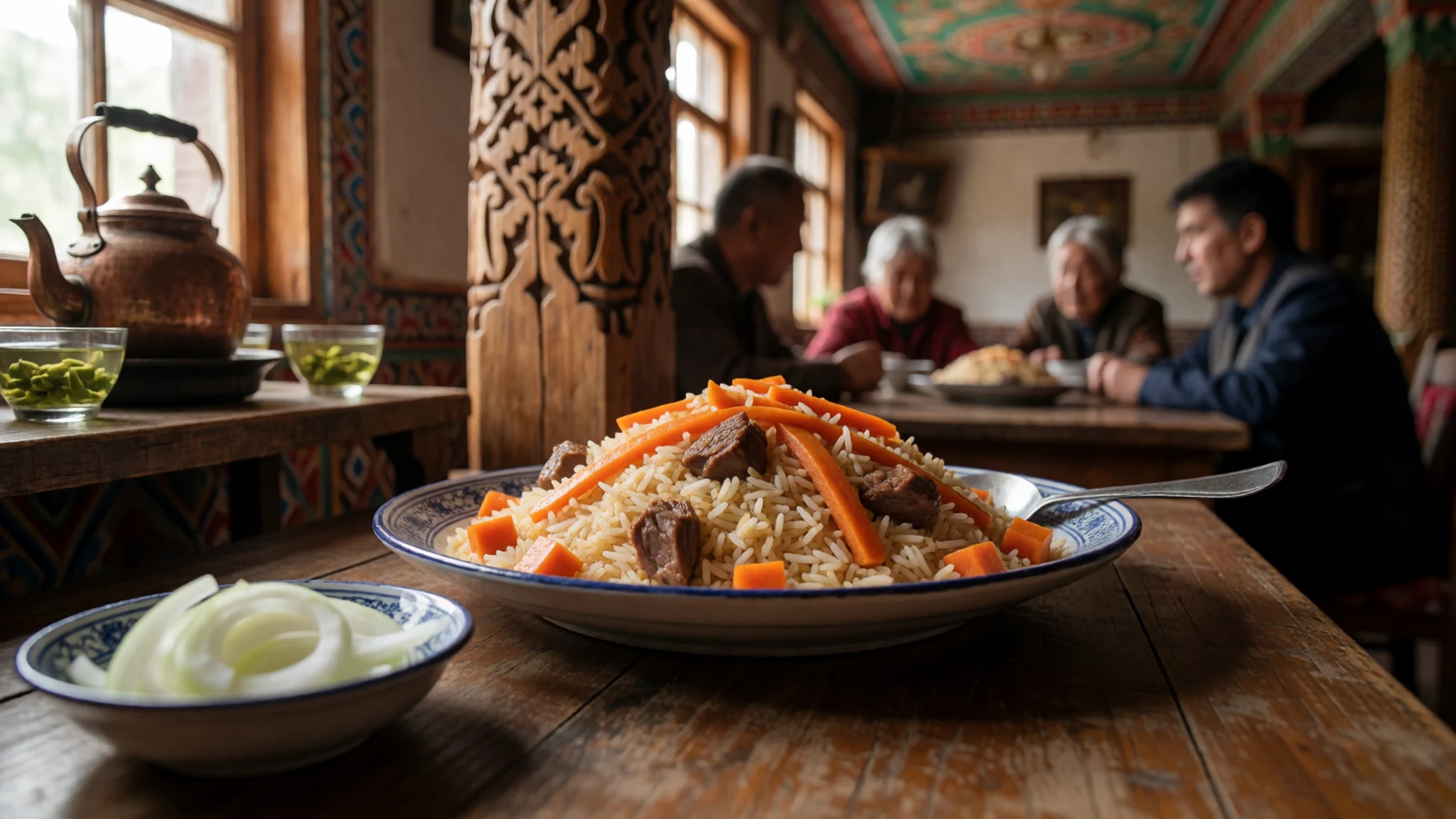
- Qurutob — Family guesthouses and village homes
Often called the national dish, qurutob layers flaky bread and vegetables in a sauce of sour dried cheese, topped with fried onions. It has no meat and is eaten with the hands. It appears less often on menus than plov, so ask locally.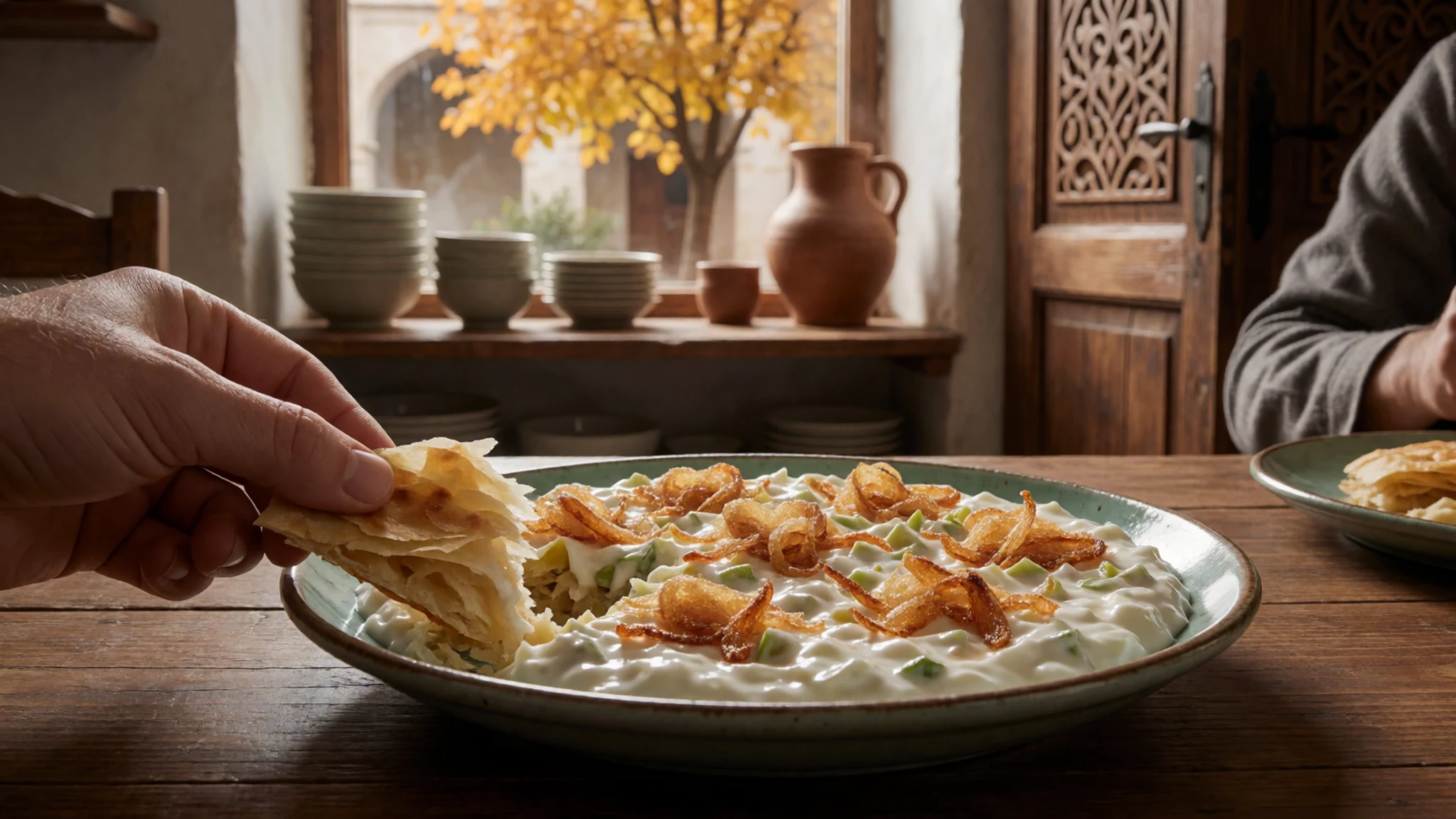
- Laghman — Roadside restaurants and town cafés
A warming noodle soup with vegetables and lamb or beef, ideal after a cold day by the lake. Portions are generous and the broth is hearty. It is a common order in simple roadside restaurants. - Green tea — Guesthouses, tea houses and village homes
Tea is poured all day, sweetened or plain, and offered to guests on arrival. Expect it with bread, dried fruit and sweets at nearly every stop. It is the country's national drink and a good way to warm up. - Compote — Guesthouse dining rooms and cafés
A fruit drink made from stewed or boiled fruit, served cold or at room temperature. It is refreshing after a long walk or drive. Try it with meals in lakeside guesthouses and local cafés, and check that it is made with safe water.
Plan it
Best time. June to September, when the road and trails are open and days are warmest. Nights stay cold at this height even in summer, and winter brings snow that can close access.
How long. 2–3
Getting there. Fly to Dushanbe, then travel by road to Iskanderkul, about 134 km away, leaving the Dushanbe–Khujand road for the last 23 km up the valley. Shared taxis or a hired car with driver are the usual options.
Budget. mid
Tips
- Stay at least one night to see the lake at dawn and dusk
- Bring warm layers, even in summer, as nights are cold at 2,195 m
- Carry cash, as cards are unlikely to work near the lake
- Drink bottled water and avoid ice, since tap water is not safe
- Check visa rules and apply for an e-visa before travelling, and print it out
Etiquette
- Dress modestly, covering shoulders and knees
- Ask before photographing people
- Accept tea when it is offered
Nearby
Sources
- Wikidata Q2478596 (CC0)
- Wikipedia: Iskanderkul (rev 1382280814) (CC BY-SA 4.0)
- Wikivoyage: Tajikistan (rev 5424872) (CC BY-SA 4.0)
- Iskander-kul lake, Tajikistan — Rjruiziii (CC BY 3.0)
- Марка СССР — Post of USSR (Public domain)
- Fann Mountains lake — Oleg Brovko (CC BY-SA 2.0)
- Iskanderkul and Fann Mountains — Adam Harangozó (CC BY-SA 4.0)
- iskenderkul — Emad Nemati (CC BY-SA 4.0)
- Iskander-Kul — Dan Lundberg (CC BY-SA 2.0)
- Zeravshan Valley banner Iskanderkul — Emad Nemati (CC BY-SA 4.0)
- Озеро Искандеркуль — Muhamadtj (CC BY 4.0)


