Saint Kitts
Saint Kitts, Saint Kitts and Nevis
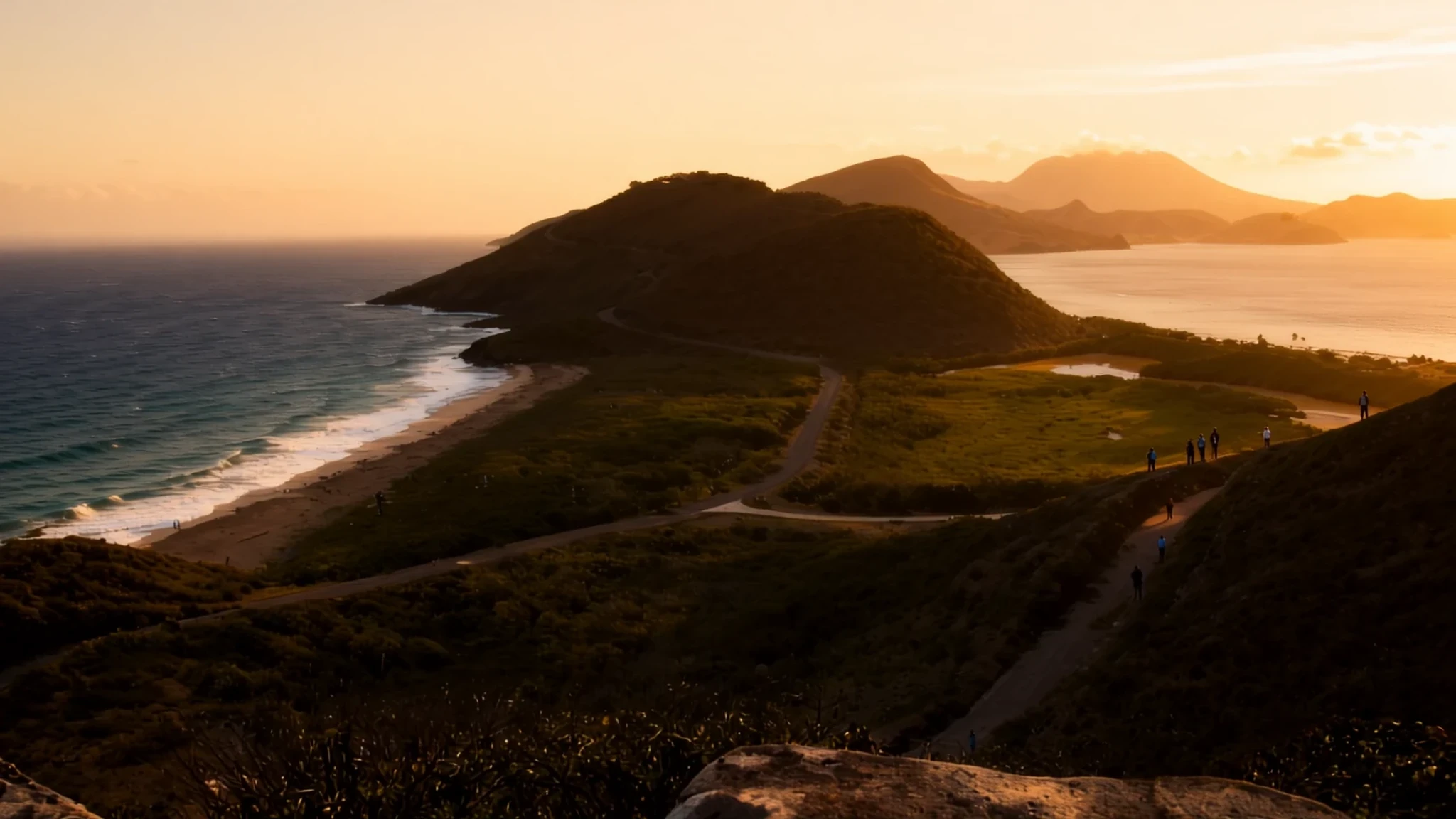
Saint Kitts is a narrow volcanic island of green ridges between the Atlantic and the Caribbean, with a fortress hill on the western flank.
The place
Saint Kitts is a small volcanic island in the northern Leewards, paired politically with Nevis across a narrow channel. The high ground stands in the Middle and Verchilds ranges and on Mount Liamuiga, while the south-east peninsula narrows at Sir Timothy's Hill, where the Atlantic shows on one side and the Caribbean on the other. Basseterre, the capital, curves around a harbour on the leeward shore. Ships entering at dawn meet the town first, then the dark slopes behind it, with the mountain often still holding cloud. Inland, forest covers the higher ground, cut by ghauts — the steep seasonal ravines that carry rain off the peak — and by old estate paths. The windward coast is rougher, with lava shelves and fewer sheltered bays; the leeward side is calmer and holds most of the beaches and the capital. South of Basseterre the island thins into a peninsula of ponds, coves and scrub, a different landscape from the cane valleys of the north. Sugar once organised the countryside, and stone windmill towers still stand in the fields even though the crop no longer defines the economy. Villages sit along the coastal road rather than high on the mountain, each with a church, a playing field and a rum shop. Nevis is almost always in sight from the southern hills, close enough that the two islands share weather and a horizon. Saint Kitts is easy to cross in a day and still full of texture: fortress stone, reef water, and a capital that still works as a market town.
Its story
Saint Kitts was home to Kalinago communities long before European ships put the island on their charts under a saint's name. English and French settlers both took hold, massacring the Kalinago and then partitioning the island, English in the middle and French at either end. Sugar cane then remade the slopes: mills, estate houses and a plantation economy built on the labour of enslaved Africans, whose descendants are the heart of Kittitian society today. Brimstone Hill, above the leeward coast, grew into a great stone fortress, its bastions raised over the western slopes and the sea. In January 1782 a naval battle off the island set the French fleet under the comte de Grasse against the British under Hood; the fortress was besieged and the island changed hands, only to be restored to Britain when the wider peace was settled. After slavery ended, the estates and the church calendar remained the frame of rural life. Later came trade unions, a move away from crown-colony rule, and a political union with Nevis that still defines the state. Independence made Basseterre a national capital. Sugar, the old monoculture, has closed, and the island has turned to tourism, offshore services and small farming, while the fortress, the mills and the place names keep the older past in plain sight. The story of Saint Kitts is that sequence, readable in one drive: a mountain the first people farmed, a coast the empires fortified, and a small capital living with both.
What to see
- Brimstone Hill Fortress — Leeward coast, north-west of Basseterre
Saint Kitts holds a major monument at Brimstone Hill Fortress, where bastions, barracks and cisterns stack up a steep hill. The Prince of Wales Bastion still looks over the slopes and the sea. The ramparts were laid out to watch the western sea, not to decorate a town, and the stone is weathered and uneven underfoot. The climb from the lower works is part of the visit.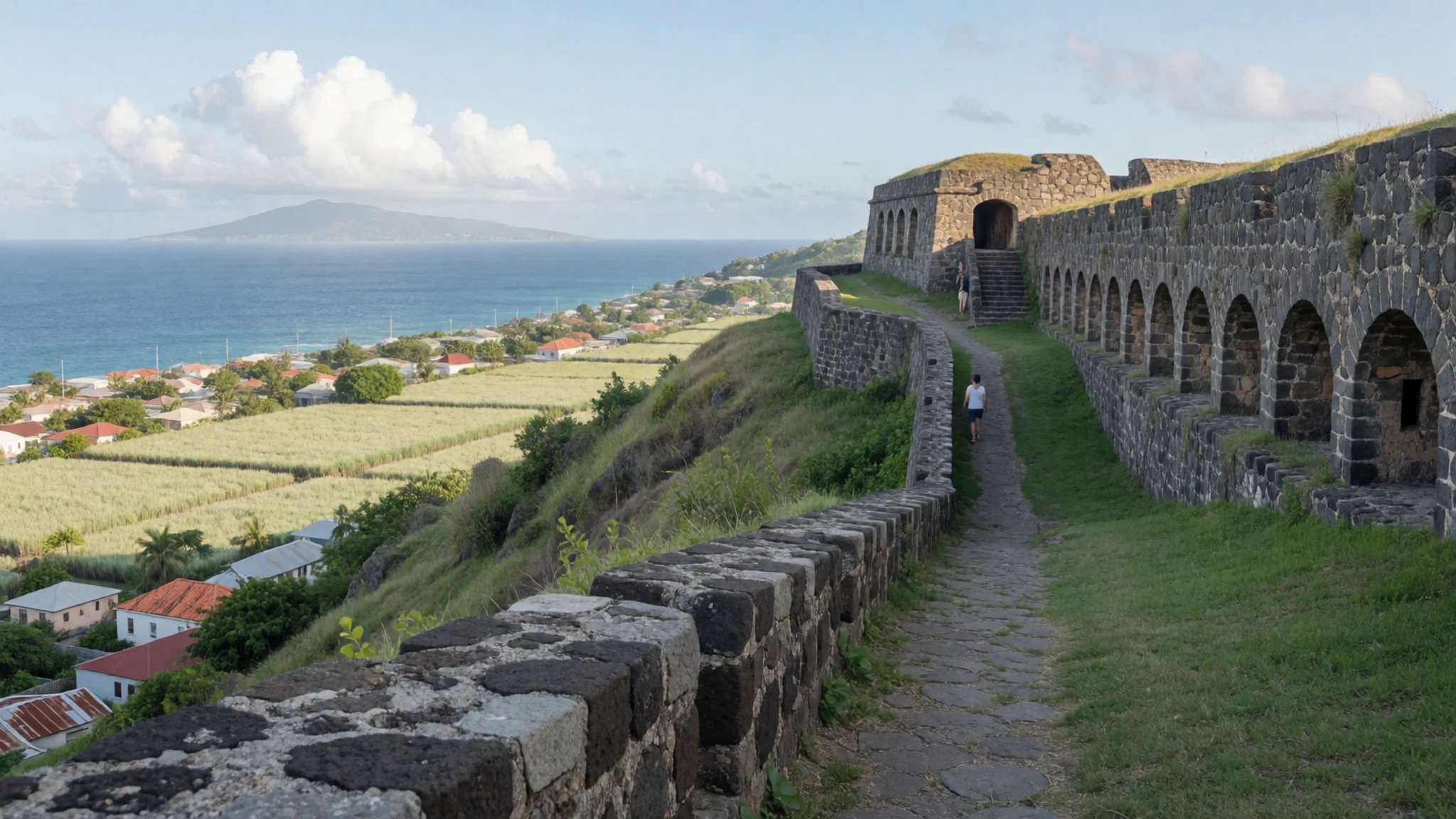
- Sir Timothy's Hill — Central ridge
Saint Kitts narrows underfoot at Sir Timothy's Hill, a roadside height where the Atlantic lies to one side and the Caribbean to the other. That double outlook is the reason to stop: the island's width is the sight, not a town below. It is a short pause rather than a museum site, and the wind is stronger than the shade. On a clear day the southern horizon carries toward Nevis.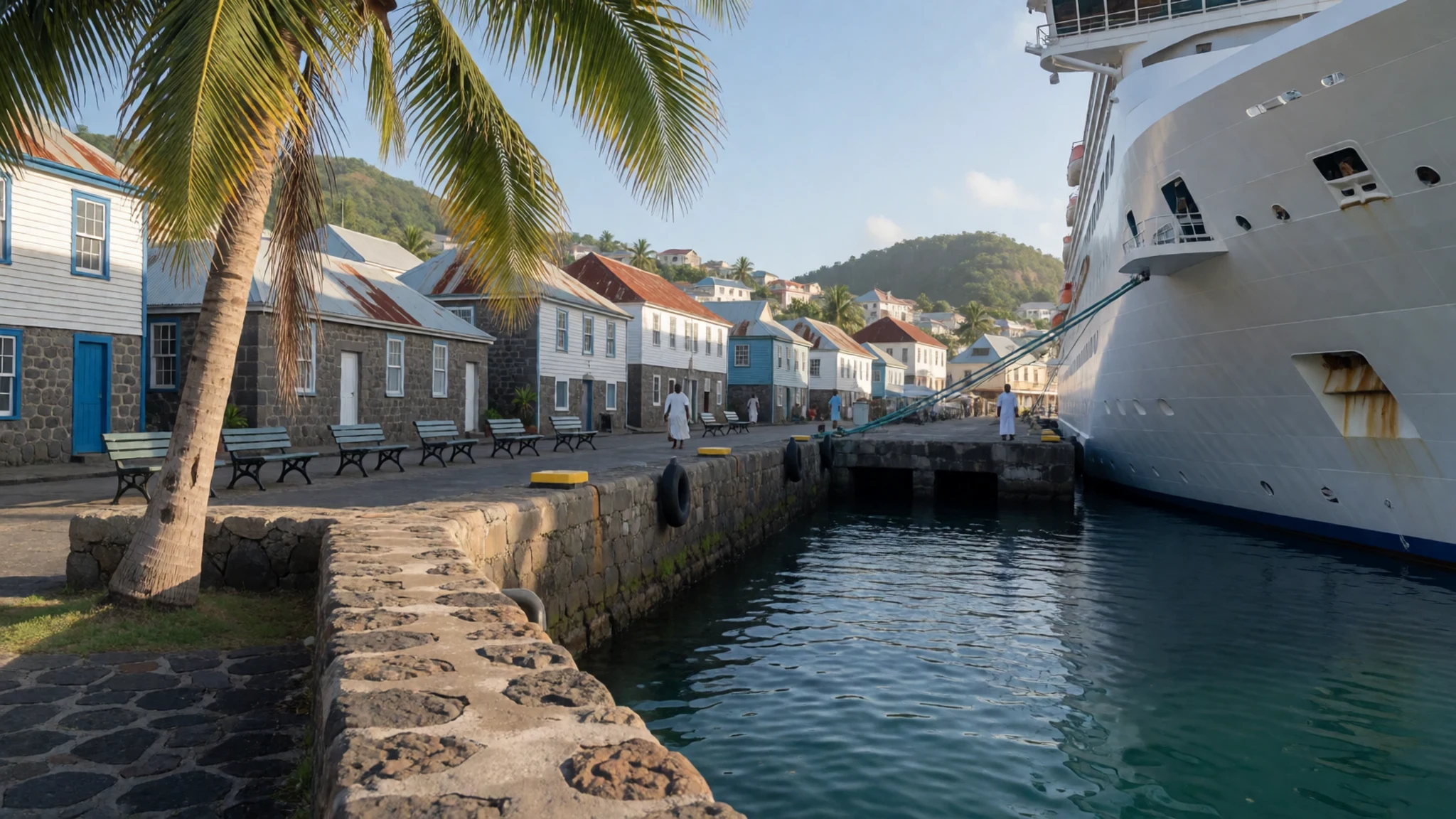
- Basseterre — Basseterre
Saint Kitts meets many visitors first at Basseterre, the capital on the Caribbean shore. At dawn, from the water, the town sits low against dark hills, the way ships approach the port. The centre is small: a waterfront, a circus with a clock, shop streets, and the ferry side toward Nevis. It is a working capital, not a resort strip. On cruise days the pavements fill, then empty again.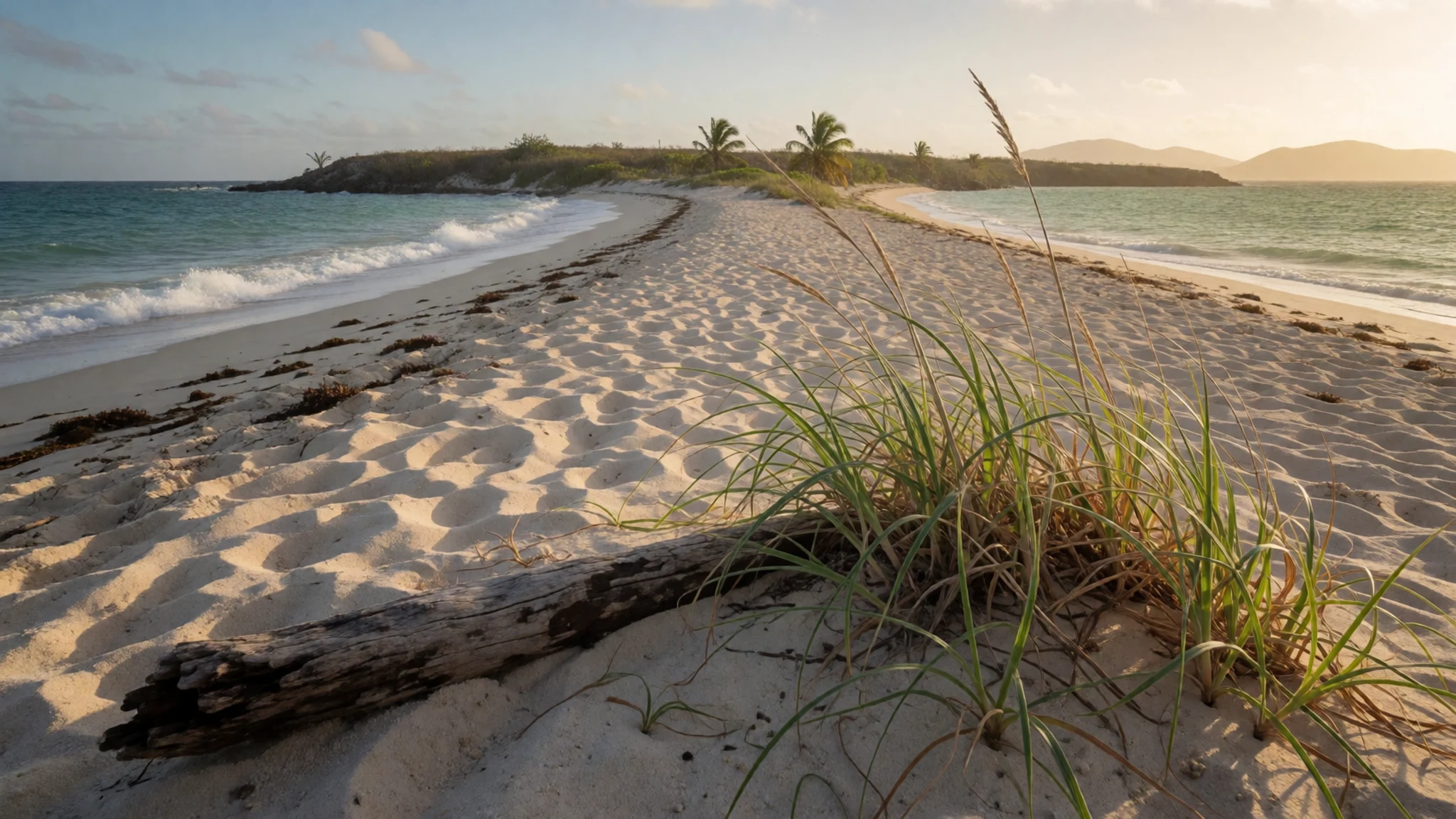
- South-east peninsula — South-east peninsula
Saint Kitts changes character on the south-east peninsula, the thin tail of land beyond Basseterre. Ponds and low hills replace cane valleys, and beaches face both seas within a short walk. Frigate Bay is the busier resort shore; farther out, coves such as Cockleshell Beach feel quieter and more exposed. The road itself is the sight, a loop of scrub, water and salt pond.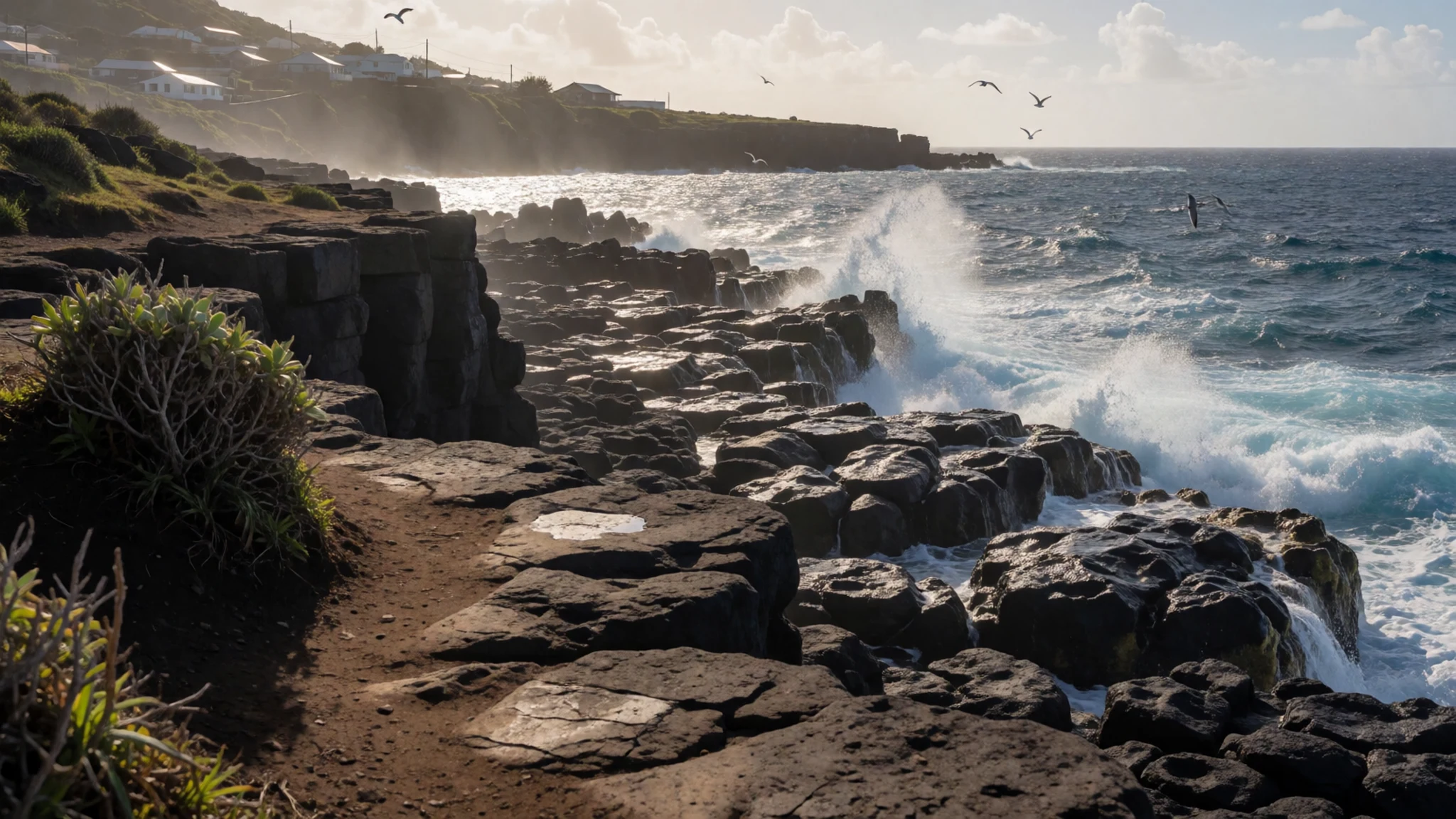
- Black Rocks — North windward coast
Saint Kitts shows its volcanic make-up at Black Rocks, on the windward coast, where lava meets the Atlantic in dark shelves. The sea is rarely gentle here, and the stopping places are about the rock more than about swimming. Above this shore the land climbs into forested high ground, capped in cloud. From the air the pattern is a green cone, a ring of villages, and a peninsula trailing south.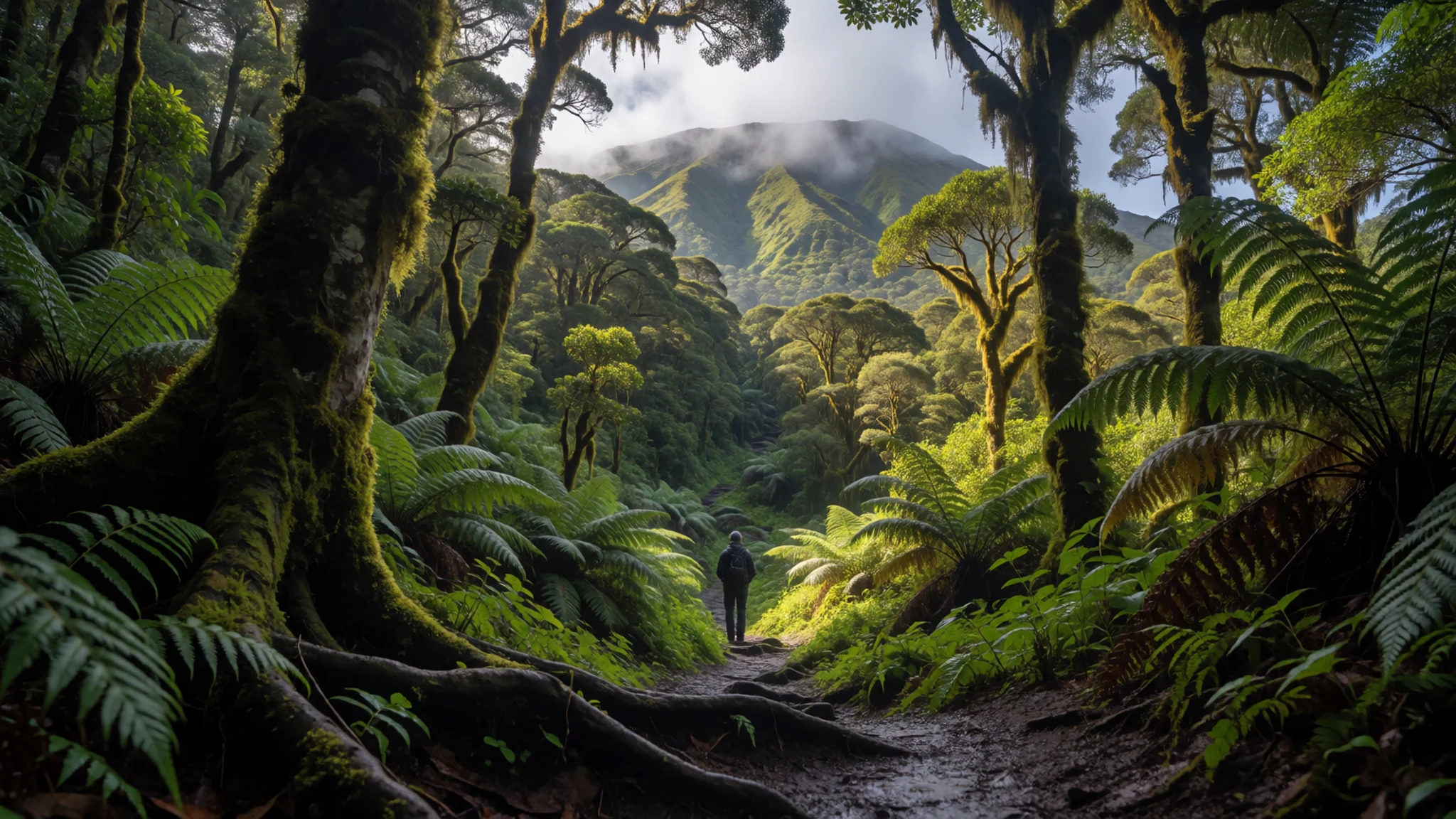
Culture
Saint Kitts runs on a Kittitian Creole culture that sits beside standard English: the official voice of school and government, and the home voice of proverb, tease and nickname. Church still structures the week, especially in the villages, with Sunday clothes and choir days that stay quite separate from the beach. Carnival, in the Christmas season, is the large public release — masquerade, calypso, steelpan and clown troupes in the streets of Basseterre — while cricket and the rum shop carry ordinary evenings. Music moves among soca, reggae and gospel. Family land and estate names still mark who people are, and Nevis is spoken of as kin and as rival, sometimes in the same breath. National events bring out madras cloth and the flag, but daily life is practical: a greeting at the shop door and a conversation before business. Visitors are noticed, and warmth follows anyone who returns that greeting. On Saint Kitts, keep beachwear on the beach, cover shoulders in churches and town offices, and ask before you photograph people.
What to wear
Saint Kitts still brings out a national costume for Carnival, independence events and the stage: women in a full madras skirt and headtie, often with a white blouse, and men in light trousers with a madras shirt or sash. The cloth is the point: a checked cotton linked with the French Caribbean trade, worn for celebration rather than as everyday dress. Lace and white cotton belong to the formal version; street mas mixes the same plaid with sequins and newer carnival costume. Day to day, people on Saint Kitts dress for heat and for town. Cotton and linen, neat shorts or trousers, are the usual choice; schoolchildren wear uniform, and offices in Basseterre stay smarter than the beach. Swimwear stays on the peninsula and at resort pools. A visitor is best in breathable clothes, a hat and shoes that can take fortress stone as well as sand. Shoulders and knees should be covered for churches, government buildings and some shops in the capital. A light layer helps in chilled rooms and when a shower blows through. Swimwear belongs on the sand, not in the Basseterre market.
What to eat
- Goat water — Village cookshops and weekend stalls
Goat water is the stew Saint Kitts claims as its own: goat meat simmered with breadfruit and a clove-and-pepper heat, served as a bowl rather than a roast. It turns up at weekends more than at breakfast. A village cookshop is the place to ask.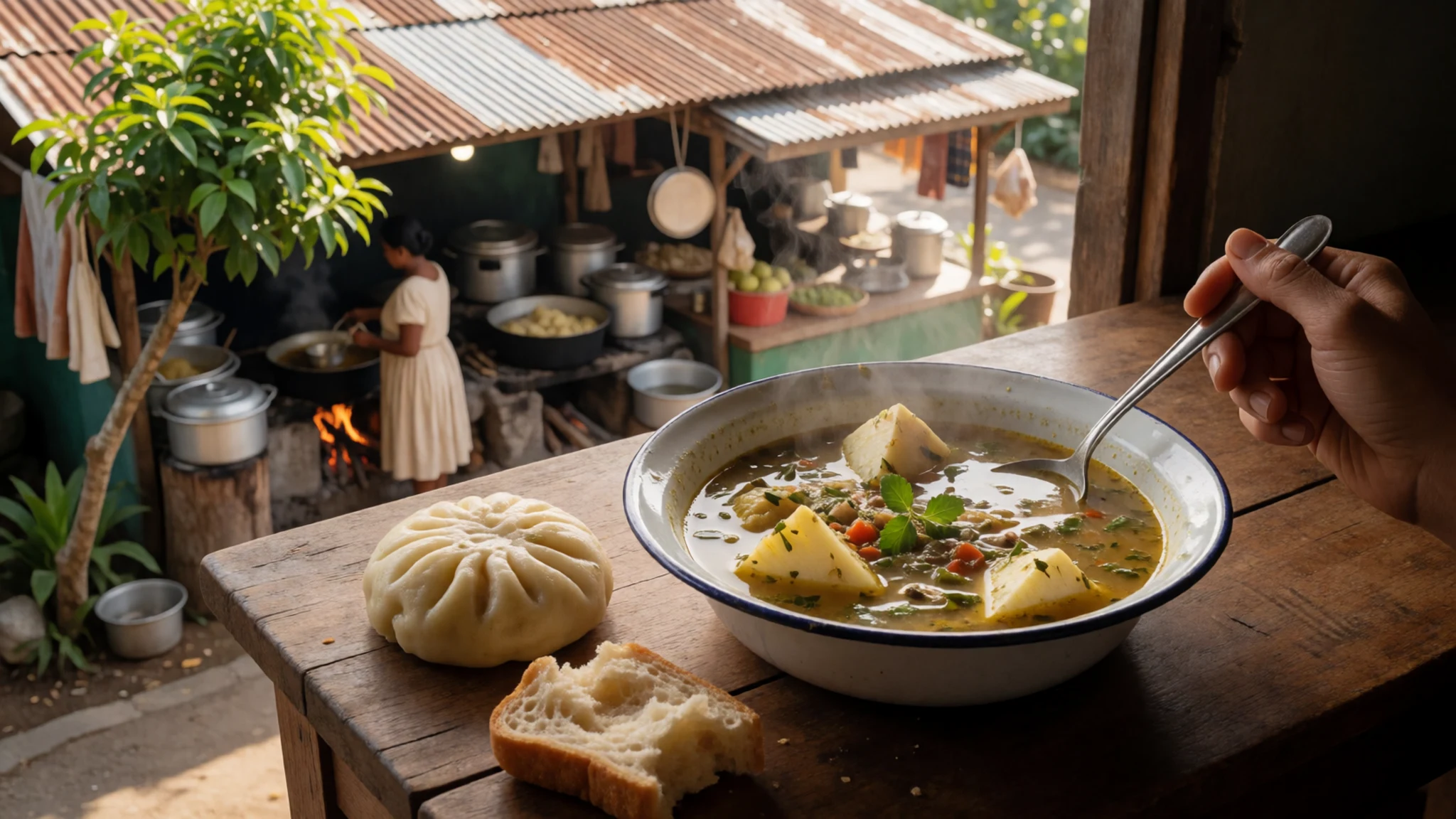
- Stewed saltfish — Lunch counters in Basseterre and the villages
Stewed saltfish is the everyday plate on Saint Kitts: salted cod cooked down with onion, pepper, tomato and thyme, beside dumplings or plantain. It works as breakfast or lunch, and the balance changes from kitchen to kitchen. Small lunch counters in Basseterre send it out without ceremony.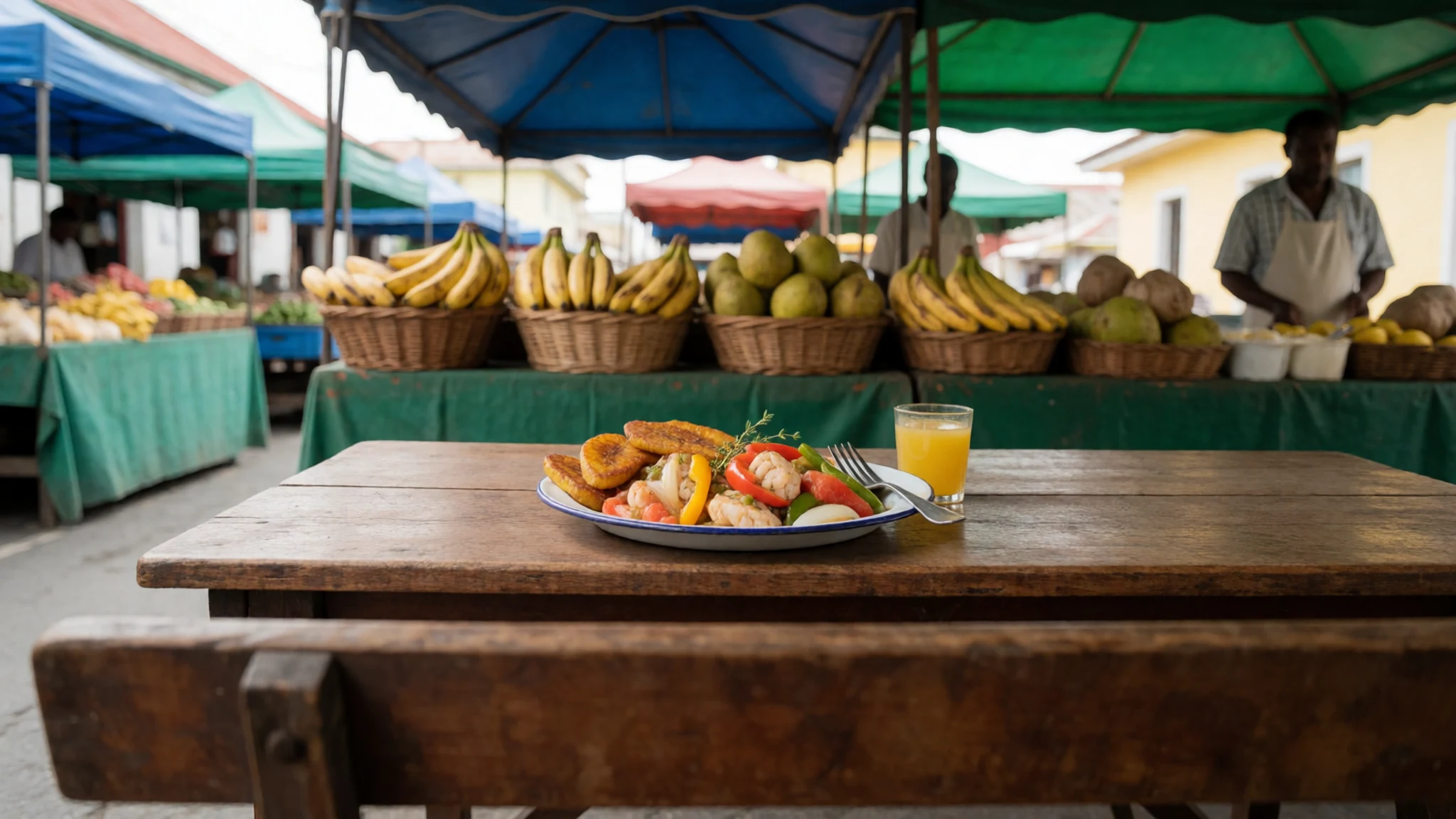
- Conch — Seaside stalls on the peninsula and the leeward coast
Conch, often called lambi, is a Saint Kitts shore food: the meat pounded, then fried or stewed with lime, garlic and hot pepper. Fritters come as a snack; a stew comes with ground provisions. Seaside stalls and weekend fry-ups, especially on the peninsula, are where to look. - Roti — Lunch counters in Basseterre
Roti on Saint Kitts is a folded flatbread around a curry of chicken, goat or vegetables, potato in the gravy. It is lunch that travels, eaten between errands in Basseterre. Lunch counters and takeaway windows in town sell it. - Sugar cake — Public market and waterfront vendors in Basseterre
Sugar cake is the coconut sweet of Saint Kitts: grated coconut cooked with sugar until it sets, in squares or drops. In season, soursop, guava, mango and tamarind sit beside it, fresh or as a drink. The public market in Basseterre and waterfront vendors are where they turn up.
Plan it
Best time. December to April is the more settled stretch on Saint Kitts, with steadier trade winds and shorter showers. From June into November the rain is heavier and hurricanes can disrupt sailings and flights. The island stays warm in every month, hottest in September, wettest in October and most comfortable in February, so the real choice is storms and crowds rather than cold.
How long. 3–4
Getting there. Fly into Robert L. Bradshaw International Airport beside Basseterre, or come in by cruise ship at the capital's port. The last leg is a short drive along the coast road or a taxi into town. Nevis is a ferry ride from Basseterre.
Budget. mid
Tips
- Walk Brimstone Hill early, before tour groups and the full heat of the day.
- Use a car or a driver for the coast road, and do not rely on frequent buses.
- Carry cash for rum shops, markets and small stalls; cards are easier in Basseterre and at resorts.
- Keep drinking water with you, and expect a heavy shower even on a bright morning.
- In the wetter months, choose flights you can change and watch the storm forecasts.
Etiquette
- Offer a greeting before asking for something in a shop or a village.
- Keep beachwear for the sand, and cover shoulders in churches and in town.
- Ask before photographing people, and do not climb on the fortress walls.
Nearby
Sources
- Wikidata (CC0)
- Wikipedia, Saint Kitts (CC BY-SA 4.0)
- Wikivoyage, Saint Kitts (CC BY-SA 4.0)