Cockleshell Bay
Cockleshell Bay, Saint Kitts and Nevis
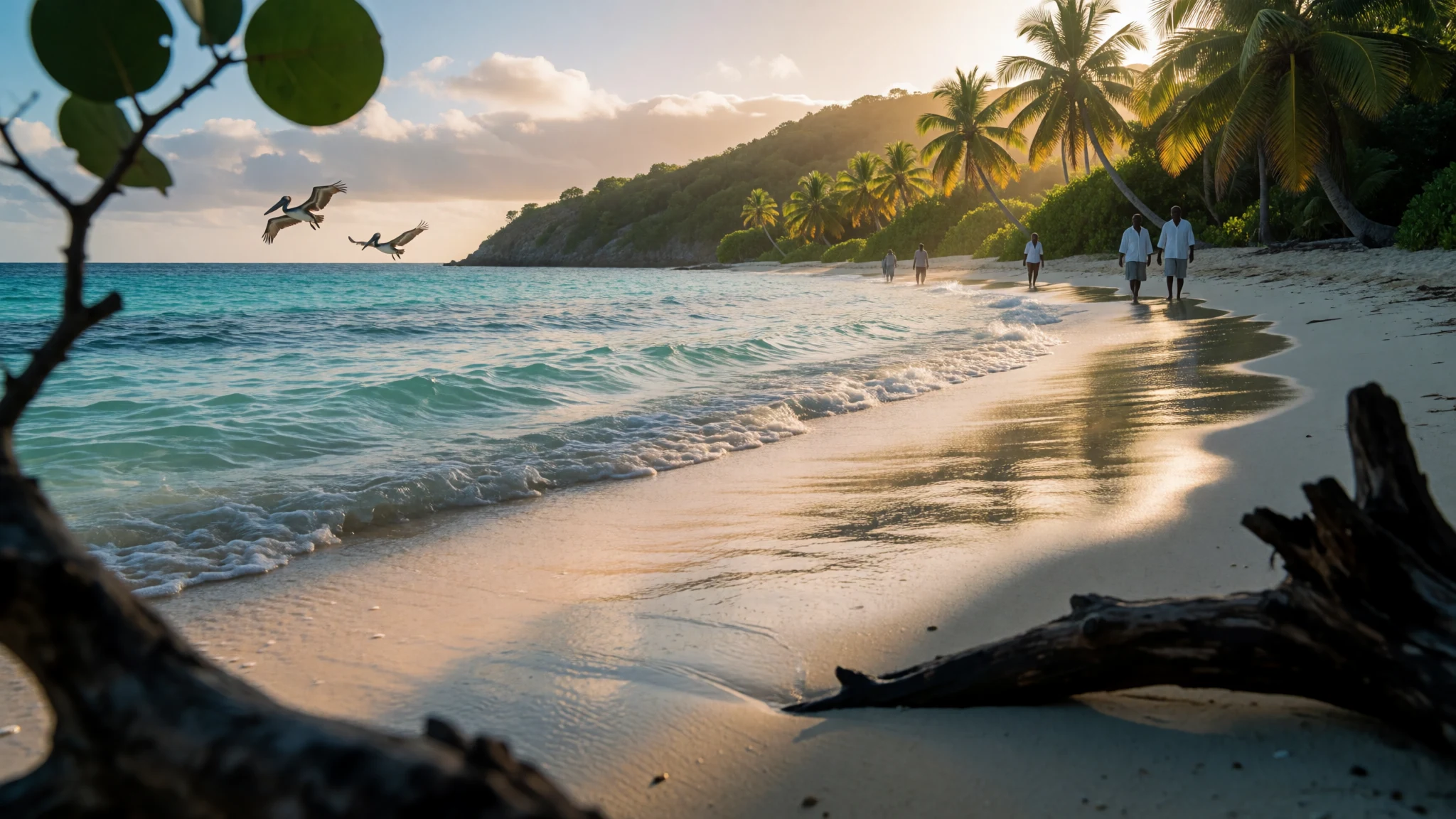
Cockleshell Bay is a quiet curve of sand at the far southeastern end of St Kitts, facing Nevis across a narrow channel.
The place
Cockleshell Bay sits on the southeastern peninsula of St Kitts, in Saint George Basseterre Parish, in the twin-island nation of Saint Kitts and Nevis. It is a small bay with a beach that locals and visitors call Cockleshell Beach. The setting is simple: sand, sea-grape and palm shade, a handful of beach bars, and the green bulk of Nevis sitting just across the water. On a clear day the neighbouring island looks close enough to reach by a long swim, though the currents in the channel make that a poor idea.
The peninsula is the quieter, drier end of St Kitts. The main island is a ridge of volcanic mountains covered in forest, and the road runs out towards the south as the land flattens into scrub, salt ponds and hills with sea views on both sides. The Caribbean side is calmer; the Atlantic side is windier and rougher. Cockleshell Bay is on the calmer side, so the water is usually gentle enough for paddling and floating.
It is not a place with a long list of attractions. The appeal is a day on the beach, a cold local drink, grilled fish and a slow afternoon. Facilities are modest and informal, mostly small beach bars and shacks. Weekends and days when cruise ships are in port can be busier, while weekday mornings are often almost empty.
One note on names: searches for "Cockleshell Bay" also turn up a children's television series from the 1980s, which has nothing to do with this beach.
Its story
The story of Cockleshell Bay is the story of St Kitts and Nevis. The islands passed between English and French hands many times over the centuries, and the legacy shows in place names from both languages. The architecture of the towns is British colonial in style, and traffic keeps to the left. Plantation agriculture shaped the landscape, and old estates, some now turned into inns, still stand in the countryside.
The road to the southeastern peninsula is relatively new. For a long time this end of St Kitts was remote and thinly settled, reached by rough tracks. Once the road went in, the beaches on the peninsula became easy to reach, and small beach bars grew up behind the sand. Cockleshell Bay was part of that change, and the bar scene there is still modest and mostly locally run.
In 1967, the islands took on a political status that kept them tied to Britain while giving them complete authority over their domestic affairs. They became fully independent as Saint Kitts and Nevis in 1983. Nevis later held a referendum on separating from St Kitts, in 1998, but the vote fell short of the two-thirds majority required.
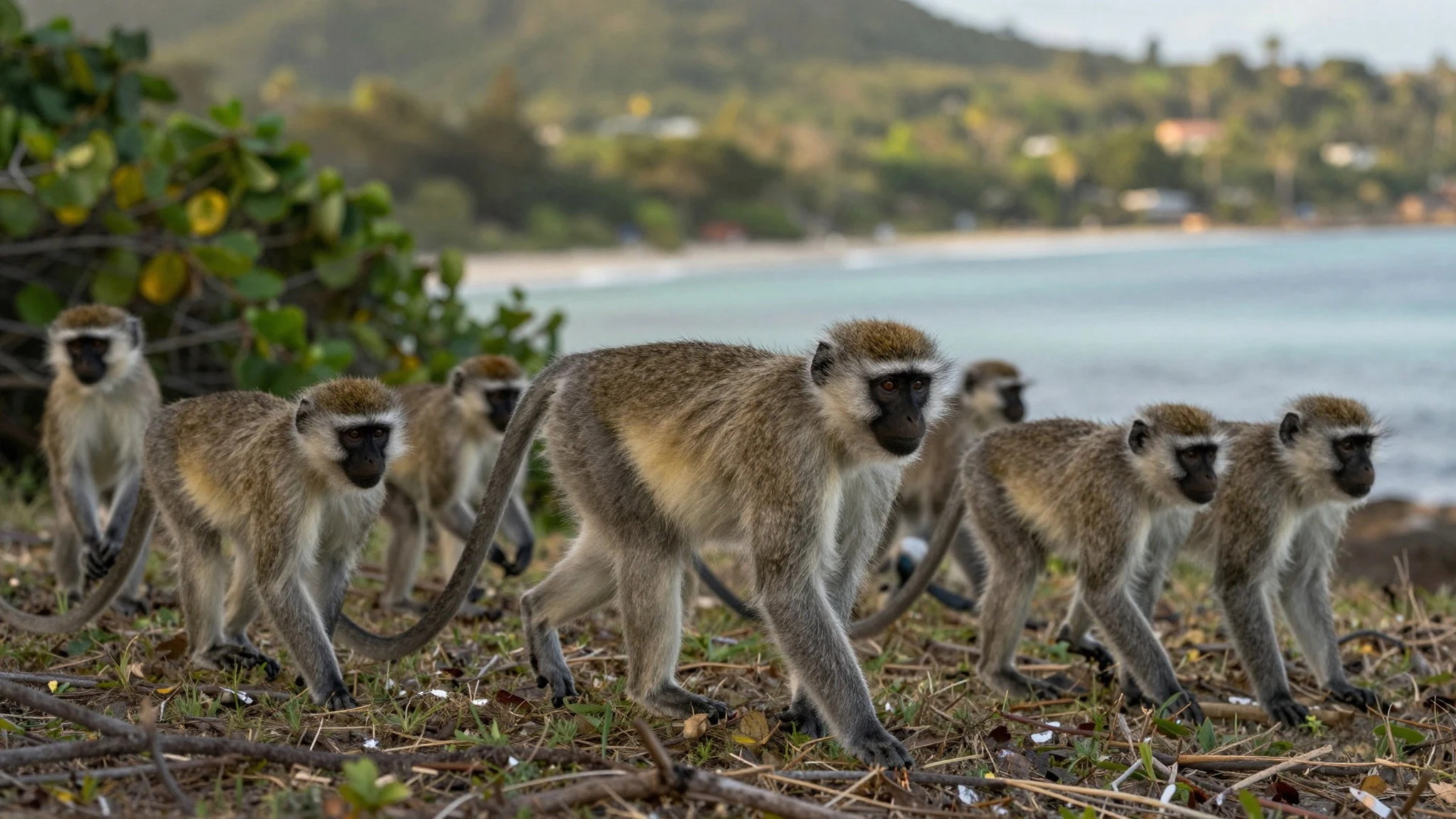
The peninsula also has a wildlife story. African green vervet monkeys live on St Kitts, and local tradition says pirates brought them. They now range widely in the scrub and forest, and farmers do not welcome them, because they raid crops. Visitors who feed them are encouraging a habit that causes real trouble for the people who live here.
What to see
- Cockleshell Beach — Southeastern peninsula, St Kitts
The bay itself is the main event: pale sand, shallow water and a view of Nevis across the channel. Arrive early for quiet swimming, then settle under shade near the beach bars. Sunshine is strong, so bring a hat, and keep valuables out of sight when swimming.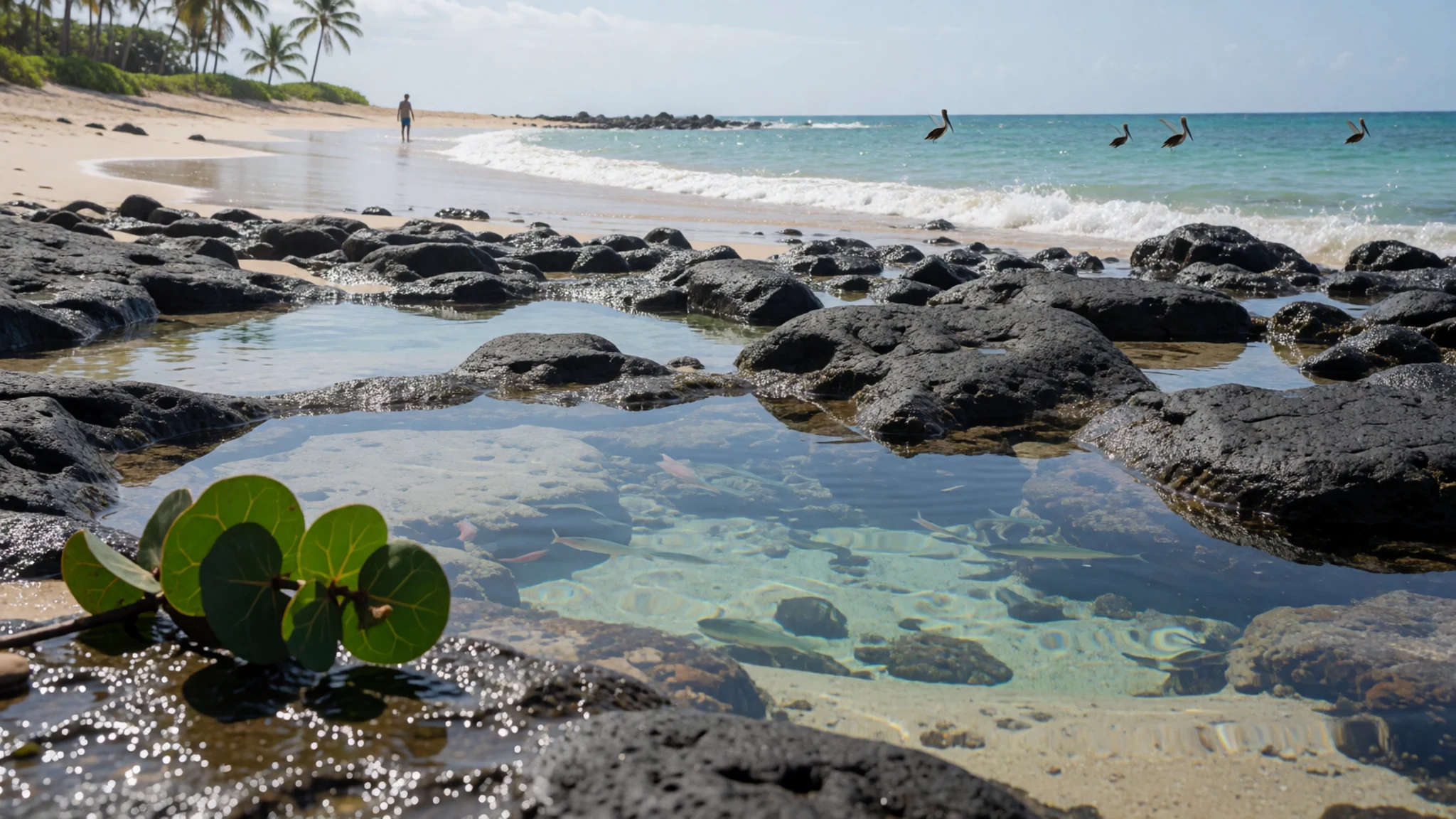
- The channel and Nevis views — Southeastern peninsula, St Kitts
From the beach, the water between St Kitts and Nevis is a constant backdrop, with the sister island rising green on the horizon. It is a good place for photographs at morning or late afternoon. The ferry crossing from the peninsula to Nevis makes an easy half-day or full-day excursion.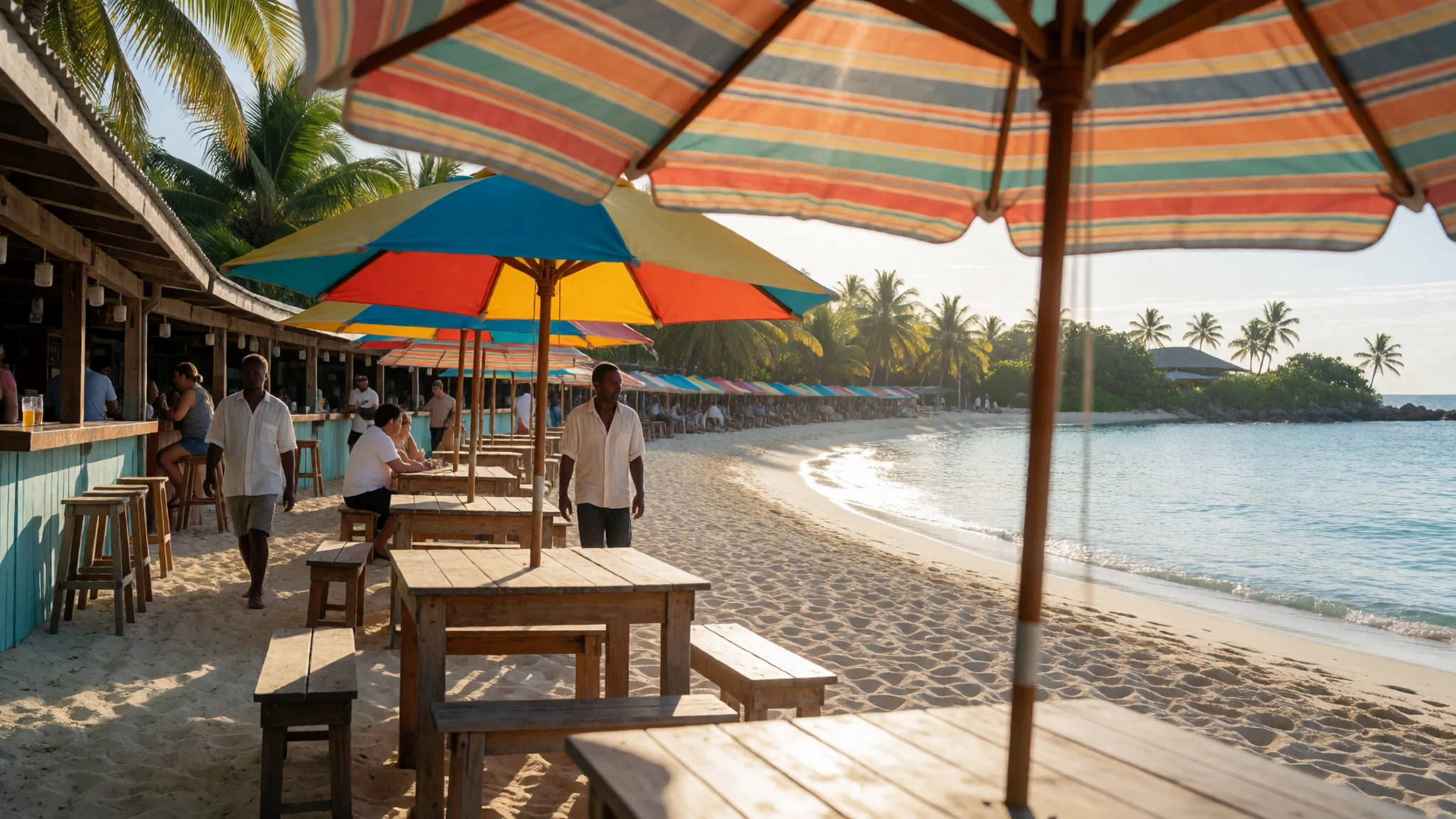
- Brimstone Hill Fortress — Western St Kitts
A large British fortification on a hill above the western coast, once nicknamed the Gibraltar of the Caribbean. The stone ramparts, restored batteries and sea views explain why the British wanted this island. It is a drive from Cockleshell Bay, so plan it as a separate outing, and check the official site for opening details.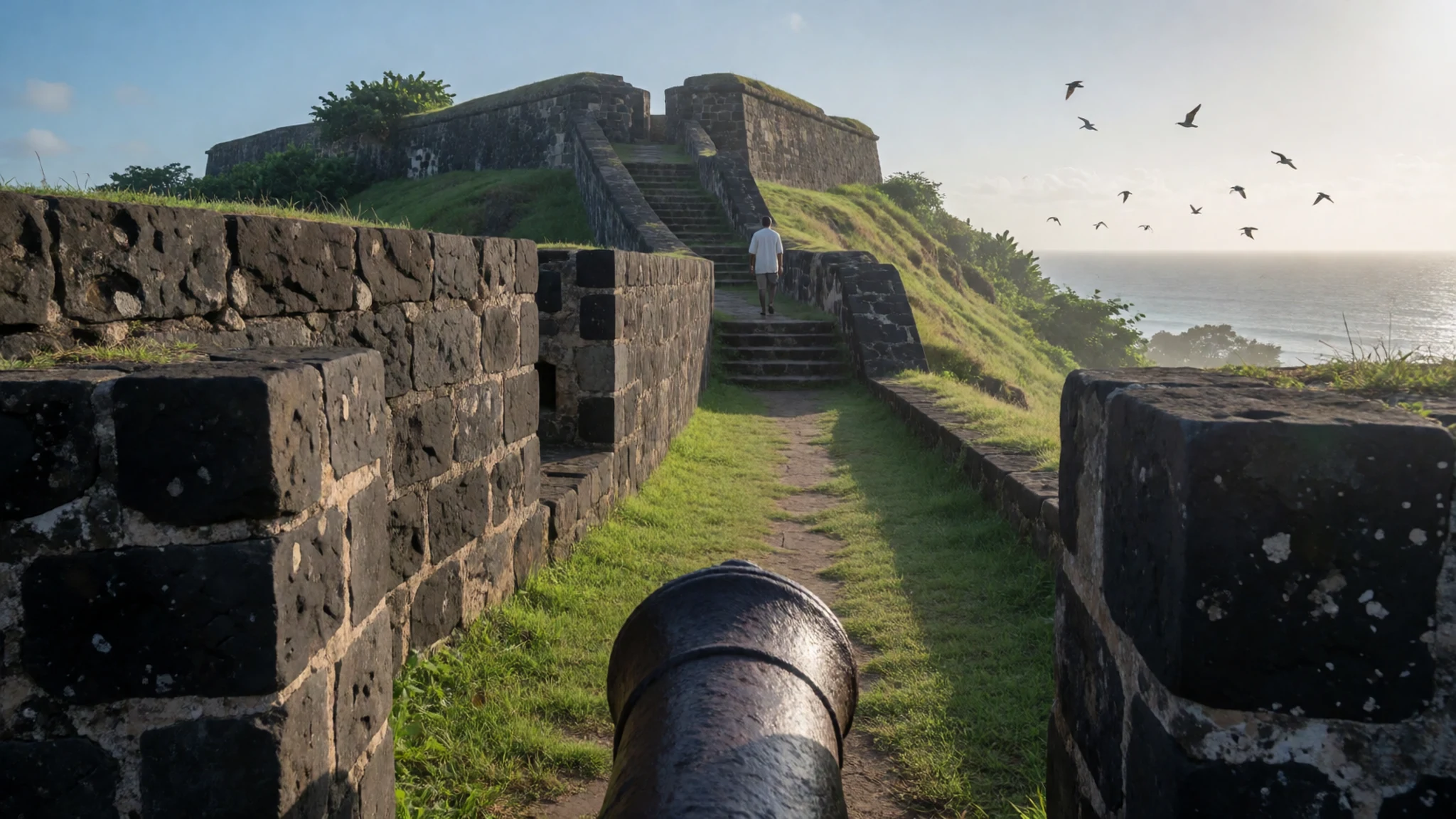
- Mount Liamuiga — Northern St Kitts
The island's volcano has a wide crater at its summit, reached on a trail through rainforest from the trailhead. It is well-trodden and easy to follow, though steeper towards the top, and suits people of moderate fitness. Go early, carry water, and expect mud after rain. Cloud can hide the views.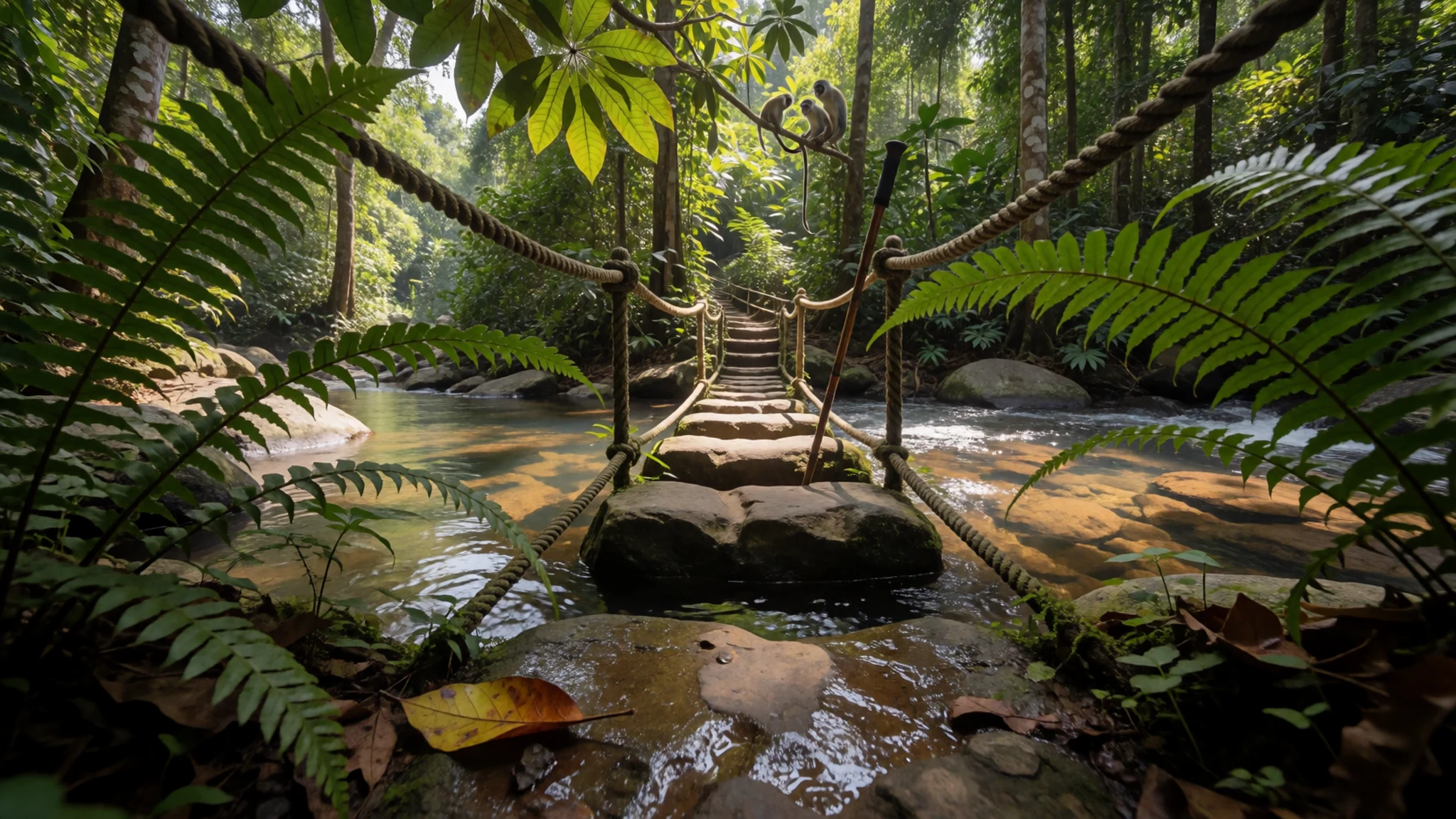
- Basseterre — Basseterre, capital of St Kitts
The capital is worth a short walk for its British colonial buildings and the Circus, a roundabout with a reproduction of the Berkeley Memorial Clock. Remember that traffic drives on the left. Cruise ships dock here, so the centre is busiest on port days; mornings are calmer.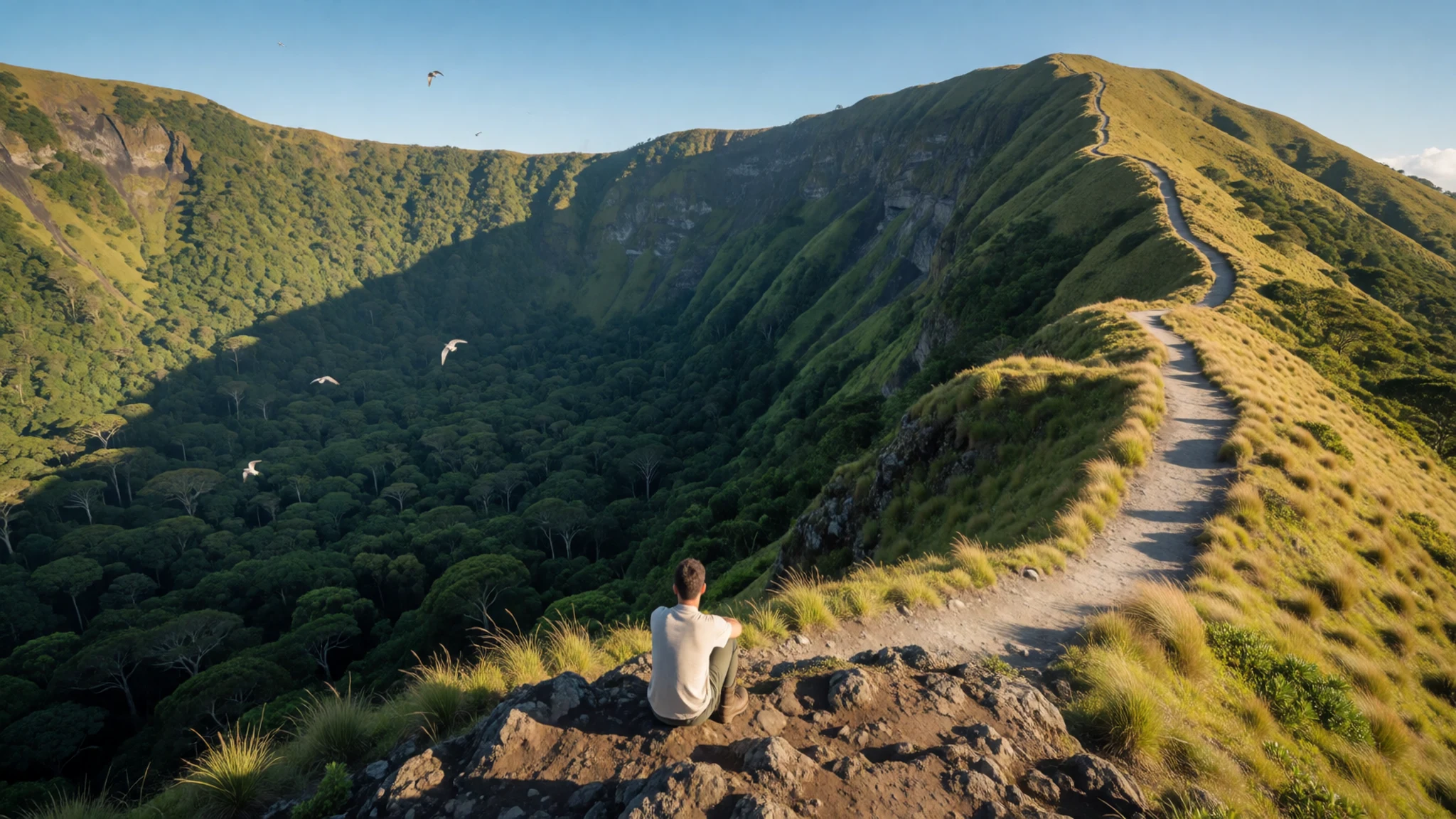
Culture
Culture at Cockleshell Bay is relaxed and local. Saint Kitts and Nevis is an English-speaking country with a British colonial inheritance, and some of that survives in daily life: driving on the left, cricket, churches in the towns, and a courteous, formal manner of greeting. People expect a "good morning" or "good afternoon" before a question or an order, and this small politeness makes interactions much warmer.
The islands also carry a French and African inheritance. Place names come from both European languages, while music, food and festival life draw on Afro-Caribbean traditions. Reggae and soca drift from beach bars, and weekends on the peninsula can feel like a local social occasion, with families, friends and visitors sharing the same sand.
The beach bars at Cockleshell are small, often family-run businesses, and they are the heart of the bay's life. Ordering a drink or a meal is part of using the beach, since loungers and shade are usually tied to the bars. Service can be unhurried; it is part of the rhythm, not a fault.
Wildlife is part of local culture too. Vervet monkeys are a familiar sight, and islanders have mixed feelings about them because they damage crops. Locals generally see them as pests rather than pets.
Visitors should not feed the monkeys or leave food unattended on the sand, and should greet people with a friendly "good morning" before asking for anything.
What to wear
Cockleshell Bay has no single traditional costume worn day to day, and the clothing story is mostly about the Caribbean as a whole. Historically, working clothes were made from cotton and linen, and the islands' festivals, above all the Christmas-season carnival known locally as Sugar Mas, bring out elaborate costumes with feathers, sequins, beads and bright fabrics. Madras, a checked cotton, is a common Caribbean textile and appears in national and festive dress across the region. These costumes are worn for parades and performances, not on ordinary days.
What people wear now is simple and suited to the heat. In the towns, locals wear light cotton shirts, dresses, shorts and sandals for daily errands, and business dress tends to be neat and modest. On the beach at Cockleshell, swimwear, sarongs and sun hats are the norm, and the atmosphere is casual.
For visitors, the priorities are sun and comfort. Bring light, breathable clothes, a wide-brimmed hat, sunglasses and strong reef-safe sunscreen, because the sun is intense and there is limited natural shade away from the palms. Footwear can be sandals or flip-flops for the beach, with closed shoes for hiking on Mount Liamuiga, where trails are muddy and slippery. A light rain jacket helps in the rainforest. Away from the beach, in Basseterre or in churches, cover up a little more: swimwear in town streets is considered inappropriate, so pack a shirt and shorts or a light wrap for the walk to a restaurant or shop.
What to eat
- Grilled fresh fish — Beach bars at Cockleshell Bay
Whole or filleted fish grilled over a flame and served with rice, salad and local sides is the classic beach lunch. The catch of the day depends on the boats. Look for it at the small beach bars along the sand.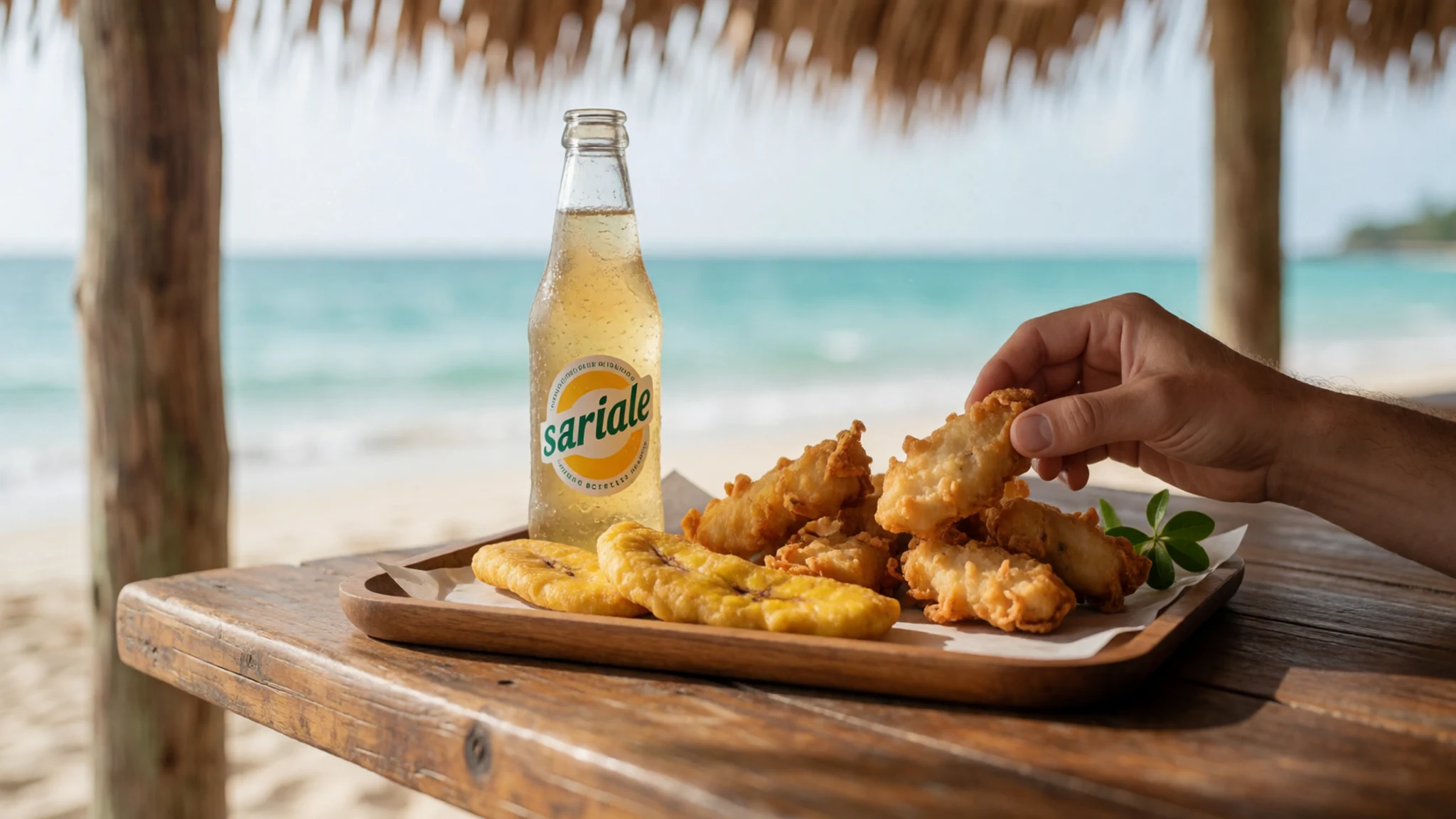
- Caribbean lobster — Beach bars and seafood restaurants on the southeastern peninsula
Spiny lobster is a seasonal treat on the islands, often grilled with garlic butter or a spicy sauce. Ask what is available when you order, as supply varies. It is usually a more expensive dish than the fish.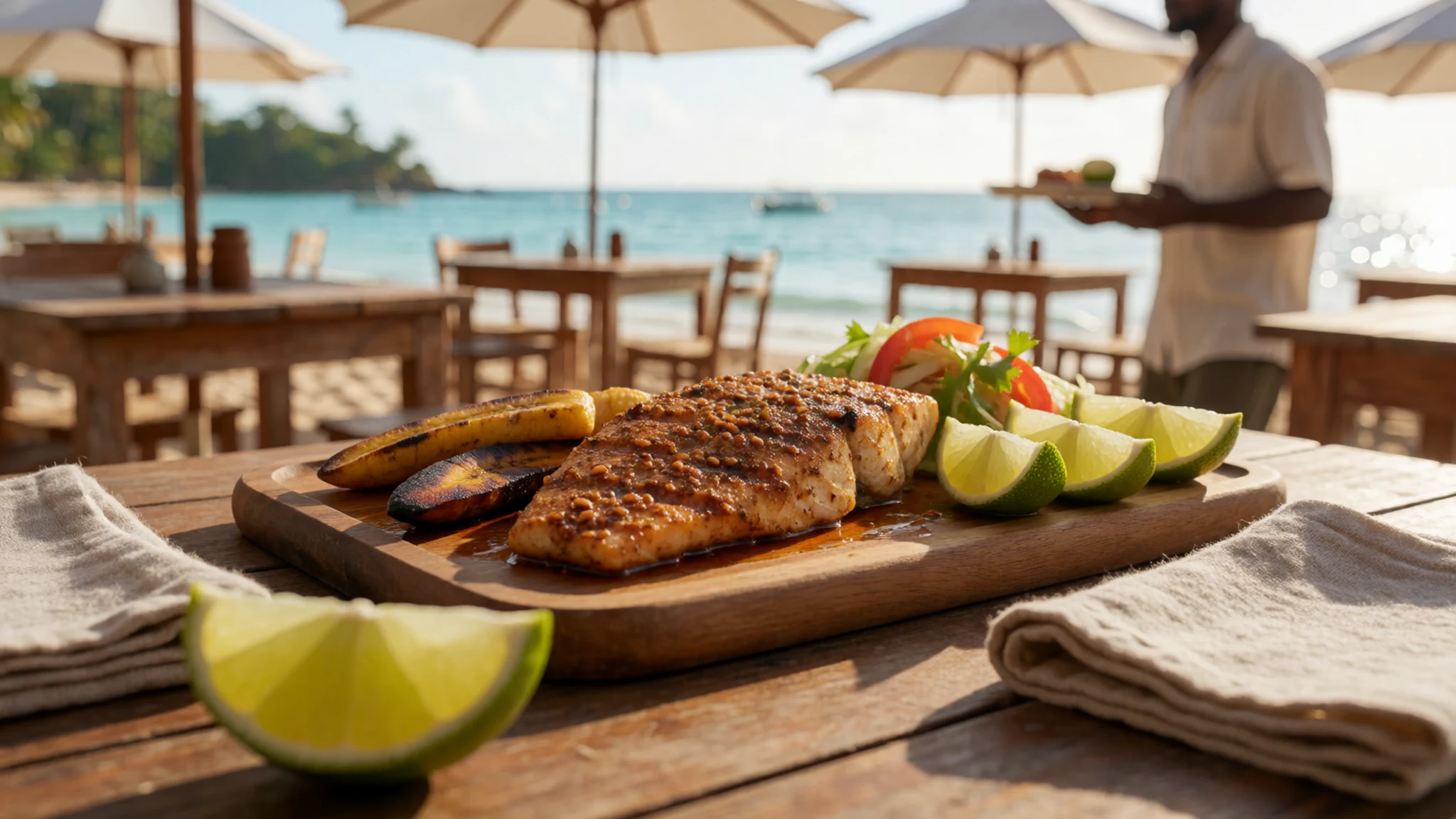
- Saltfish and johnnycakes — Local eateries and roadside stalls in Basseterre
Salted cod, cooked with onions, peppers and herbs, is a staple across the Caribbean. Johnnycakes are small fried or baked breads that go with it. A hearty, filling breakfast or lunch with a long local history. - Goat water — Local eateries around Basseterre
A thick, spiced goat stew flavoured with local seasoning and often served with bread. It is a comforting home-style dish more than a restaurant showpiece, so ask locals where it is made. Expect warmth and a little chilli. - Local beer, soda and rum punch — Roadside bars by the ferry pier and beach bars on the peninsula
Locally bottled soda and beer are sold at roadside bars and beach shacks, along with rum punch. They are the usual way to cool down in the afternoon heat. Drink plenty of water as well, especially if you have been in the sun all day.
Plan it
Best time. The drier, cooler months from December to April are the most comfortable for beach days, with less rain and lower humidity. Summer and early autumn are hotter and wetter, and the Atlantic hurricane season runs through that period, so check forecasts and travel insurance if you go then.
How long. 2–3
Getting there. Fly into Robert L. Bradshaw International Airport (SKB) near Basseterre, with flights from several cities in the USA and Canada. From there Cockleshell Bay is a drive south-east across the island by taxi or hire car. Ferries link St Kitts and Nevis, and cruise ships dock at Basseterre.
Budget. mid
Tips
- Go early on weekdays for quiet sand, and expect more people on cruise-ship days and weekends.
- Bring sun protection and water, as shade away from the bars is limited.
- Carry some cash for small beach bars and roadside stalls, and check whether cards are accepted.
- If you hire a car, remember driving is on the left, and the island's roads can be narrow and winding.
- Combine the beach with a ferry day trip to Nevis; check the ferry operators for current timetables.
Etiquette
- Greet people with a friendly good morning or good afternoon before asking for anything.
- Do not feed the vervet monkeys or leave food unattended.
- Cover up when you leave the beach for towns, shops and churches.
Nearby
Sources
- Wikidata Q27224555 (CC0)
- Wikipedia (rev 1382621115) (CC BY-SA 4.0)
- Wikivoyage (rev 5300897) (CC BY-SA 4.0)
Wildlife
- African green vervet monkey (animal)
The vervet monkey is a grey-furred, black-faced animal that looks like a small, thoughtful neighbour. Its family comes from Africa, yet around Cockleshell Bay people speak of living right beside it as part of everyday life. Look for it with a local guide, who will know the likely spots. Keep a respectful distance, stay quiet and calm, and never feed it; wild monkeys should find their own meals, mostly plants, and stay wild.