Frigate Bay
Frigate Bay, Saint Kitts and Nevis
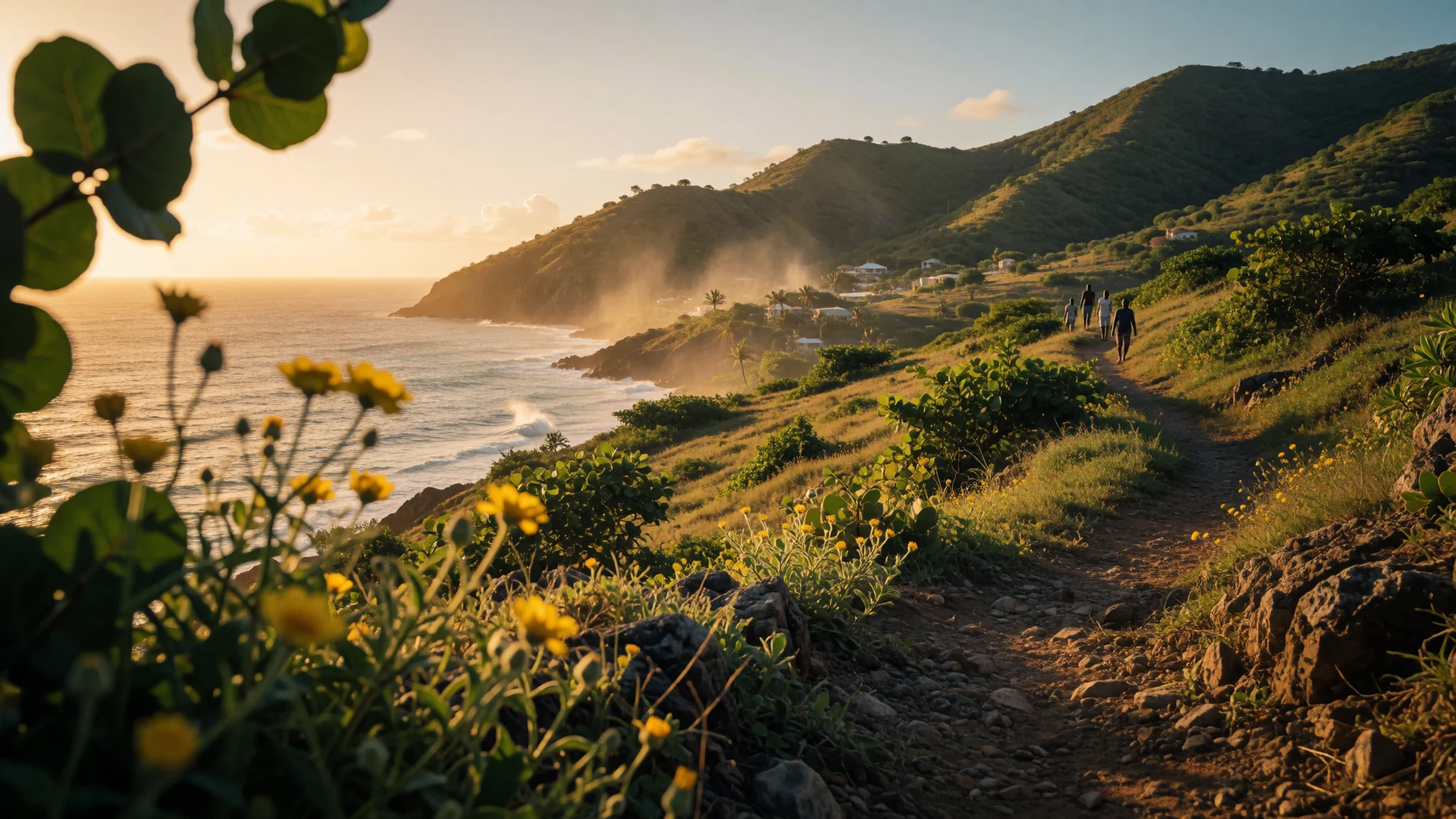
Frigate Bay mixes easy beach time with a proper slice of St Kitts’ tropical nature and laid-back resort life.
The place
Frigate Bay is the name used for two close-set bays on the island of Saint Kitts—Frigate Bay North and Frigate Bay Beach to the south. They sit southeast of the capital, Basseterre, near the northern end of the isthmus that links the Southeast Peninsula to the rest of the island. In practice, it’s a simple destination: arrive, choose whether the day’s vibe is “busy resort and calmer water” or “more rugged coastline,” and then build a loop around the beaches, the nearby roads and the islands’ wildlife.
Frigate Bay North is the more developed side and faces the rougher Atlantic coast. Expect hotels and resorts to cluster here, and the air often feels a touch more open and breezy because of the Atlantic exposure. On the calmer south coast you’ll find Frigate Bay Beach, a spot locals use too—meaning it’s not just for visitors. That’s where the energy is more strip-like: bars and restaurants, and a beach day that can stretch from swimming to sunset.
Beyond the water, St Kitts brings a layered heritage you’ll notice when you drive into Basseterre: architecture with British colonial styling, French and English influence in the names, and driving on the left. If you’re curious about history as you travel, it adds texture to a trip that otherwise feels sun-and-sand. And if wildlife is what brings people to the island, Frigate Bay works as a base: the nature around St Kitts is a big part of the experience, with tropical birds and the island’s well-known vervet monkeys turning up in and around roads and undergrowth.
Its story
Frigate Bay is the sort of place where the day starts quietly, then becomes surprisingly alive. On the developed side of the bays, the resorts are close enough that you can hear the rhythm of the island—shaded verandas, people getting ready for a beach swim, and that gentle sense that everyone’s switched from city schedules to island time.
A good way to understand the area is to split it mentally in two. Frigate Bay North leans into the Atlantic: rougher edges, more wind feel, and a coastline that looks a little sharper in the distance. South Frigate Bay feels more like a community beach—somewhere you can imagine Basseterre locals coming in for a swim and a quick bite. When the tide and the light cooperate, the contrast between the bays makes the same shoreline region feel like two different moods.
Then there’s the wildlife, which can turn a simple walk into a little comedy. St Kitts’ vervet monkeys are known for approaching gently (and, depending on the fruit or snack in hand, for taking an interest). It’s entertaining for visitors—right up to the moment it becomes obvious they’re not always treated as a “nice to see” surprise. The island’s nature doesn’t stay in one dramatic viewpoint; it’s part of everyday movement, from the roads to small undergrowth moments.
And because Frigate Bay sits not far from Basseterre, the trip doesn’t have to stay entirely coastal. The British colonial styling in the downtown streets, and the left-hand driving reality, makes the island feel like a blend rather than a single postcard. In a place like this, the best days often aren’t one big “tour”—they’re a collection of short beach moments, a nature wander, and then dinner on the strip.
What to see
- Frigate Bay Beach (South Frigate Bay beach)
Frigate Bay Beach sits on the calmer south coast and is popular with Basseterre locals as well as visitors. Spend time on the sand, then drift toward the bars and restaurants along the strip for an easy, beach-to-dinner rhythm.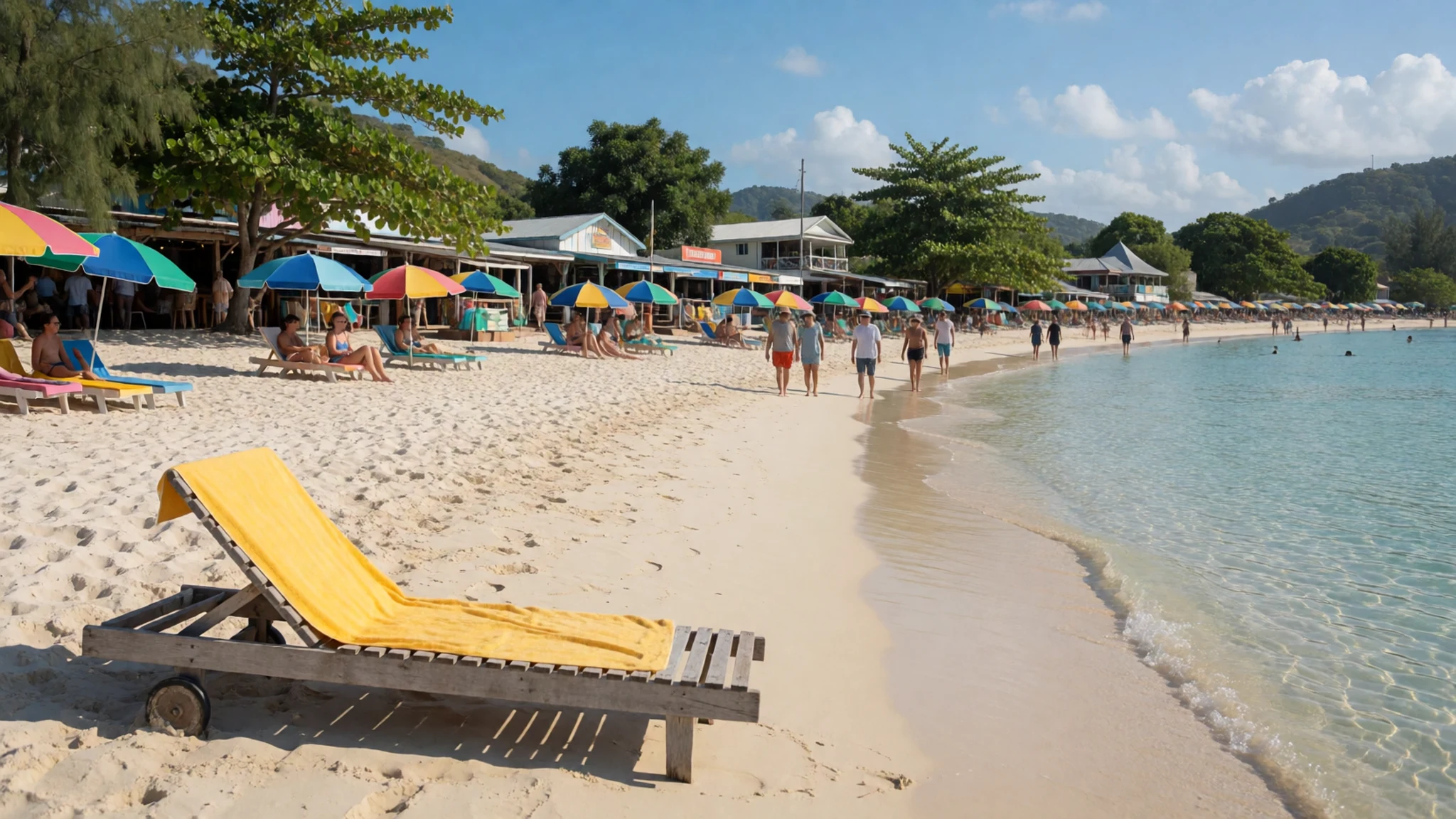
- Frigate Bay North coastline
Frigate Bay North is the more developed bay, set against the rougher Atlantic coast. It’s a good area for that “resort meets wind” feel—walk the area, look out over the water, and use it as a base for day trips around the island.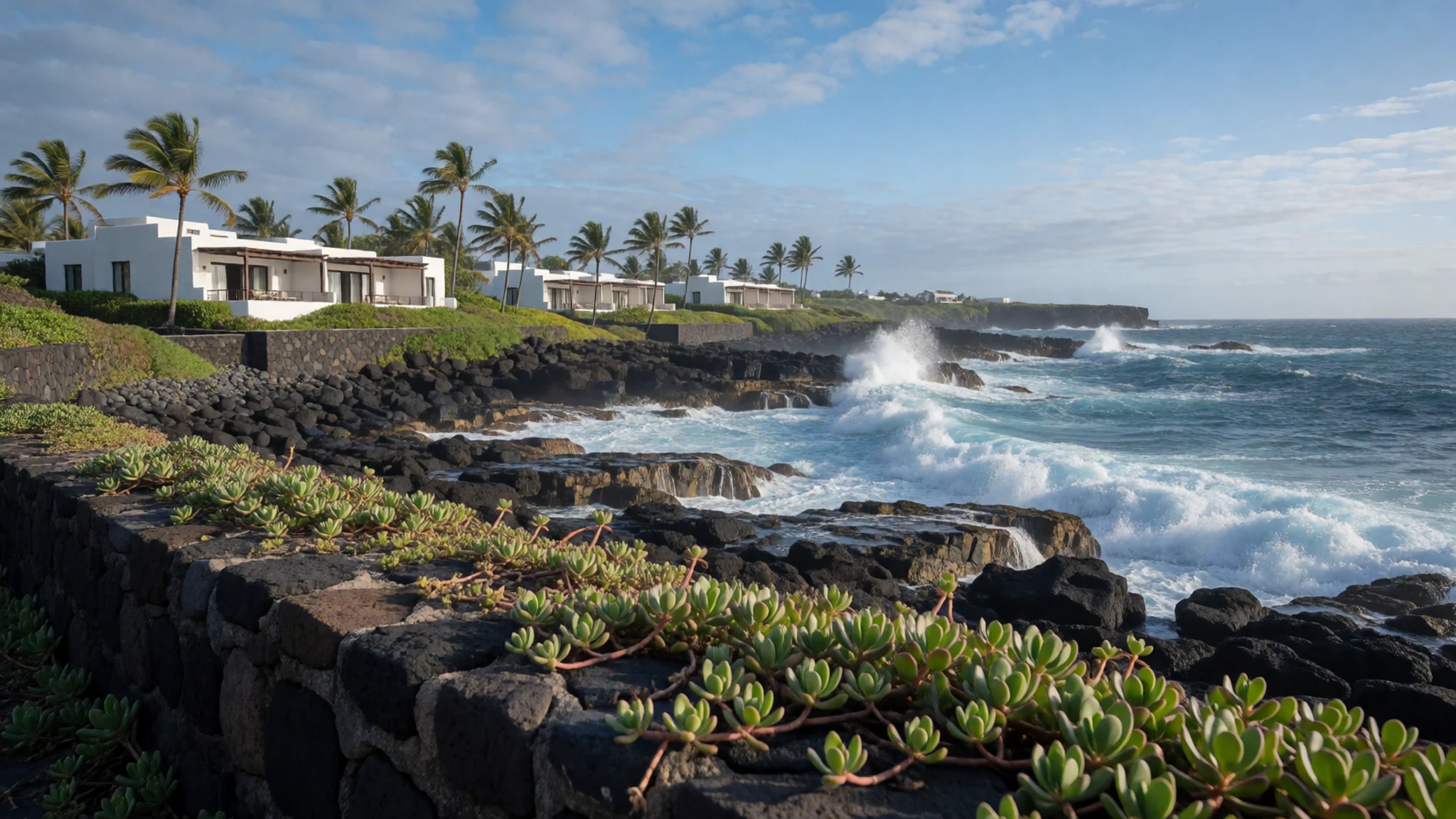
- Timothy Hill Overlook area
Timothy Hill Overlook gives a broad view back over Frigate Bay. It helps you orient yourself to where the bays sit and how the coastline changes from one side to the other, and it’s also a simple place to pause with a drink.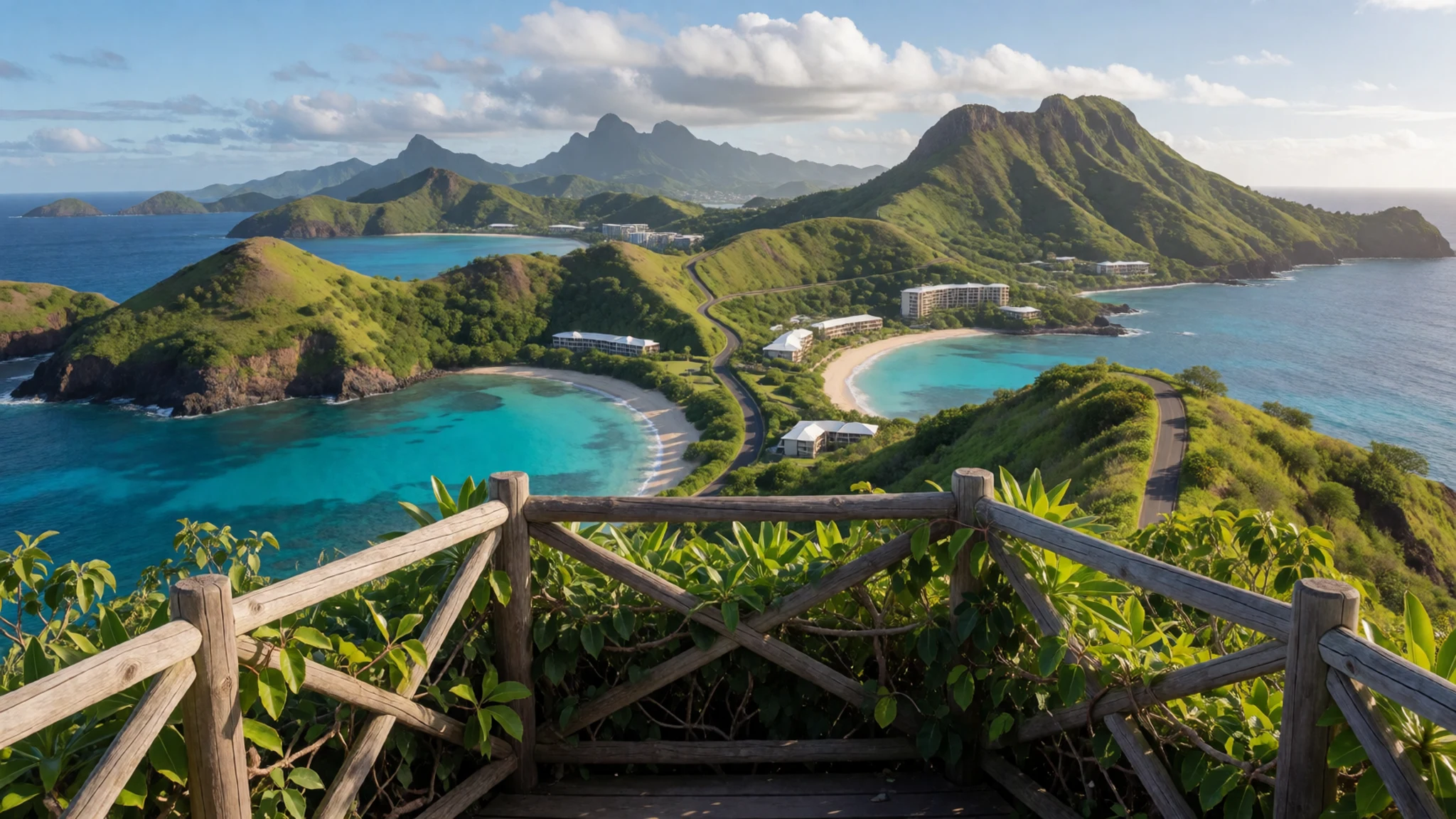
- Brimstone Hill Fortress National Park (day trip)
Brimstone Hill Fortress National Park is a major restored fortification associated with British colonial history. It’s often chosen as the day’s “serious history” piece, and the setting makes it feel like you’re stepping into the island’s military past from a high viewpoint.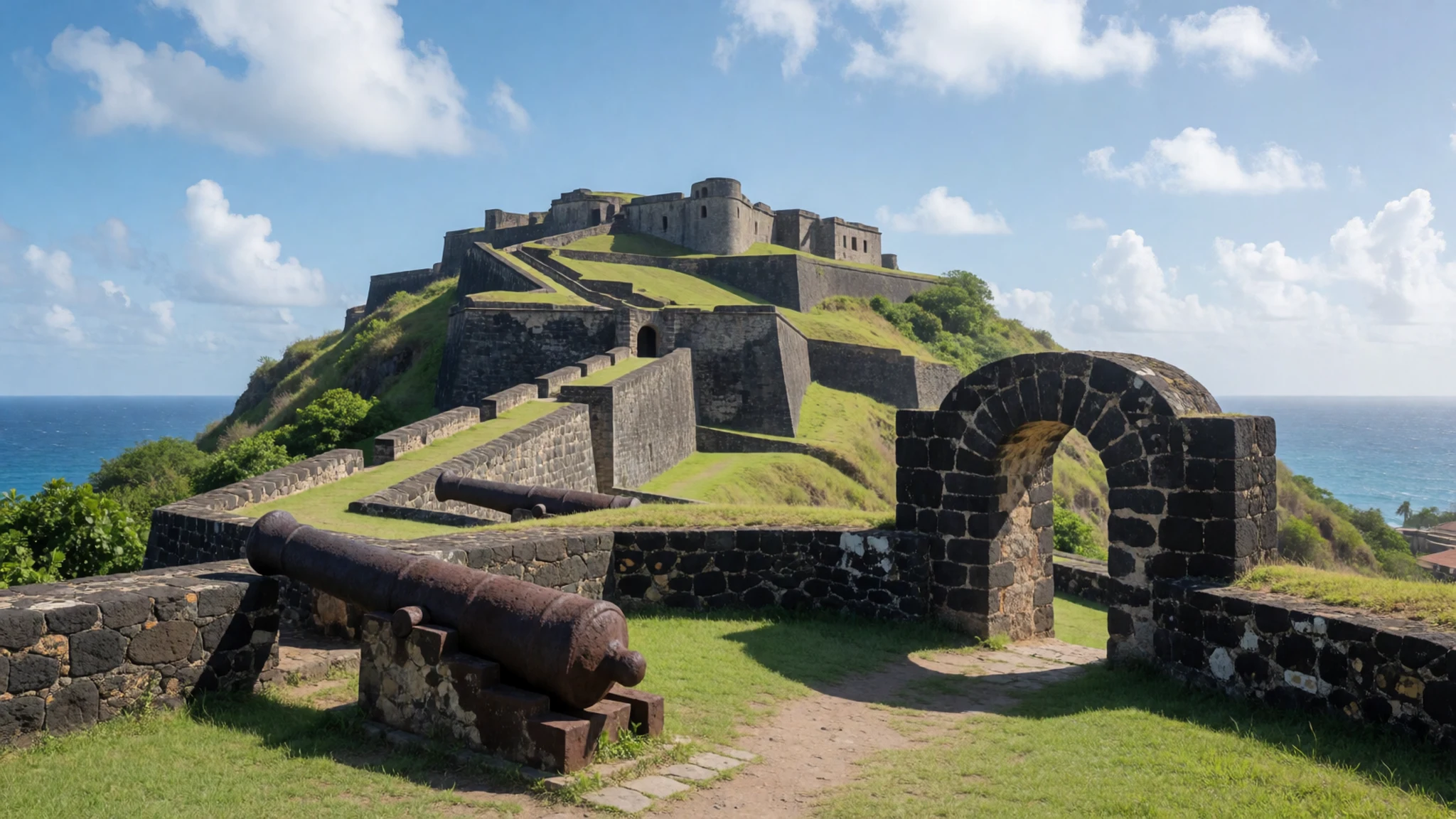
- Rainforest hikes around the island
St Kitts has mountain terrain that suits hiking, including shorter rainforest walks and longer outings. A guided tour can help if trails aren’t easy to follow, while the more established routes along river crossings offer a satisfying mix of shade, steps and jungle atmosphere.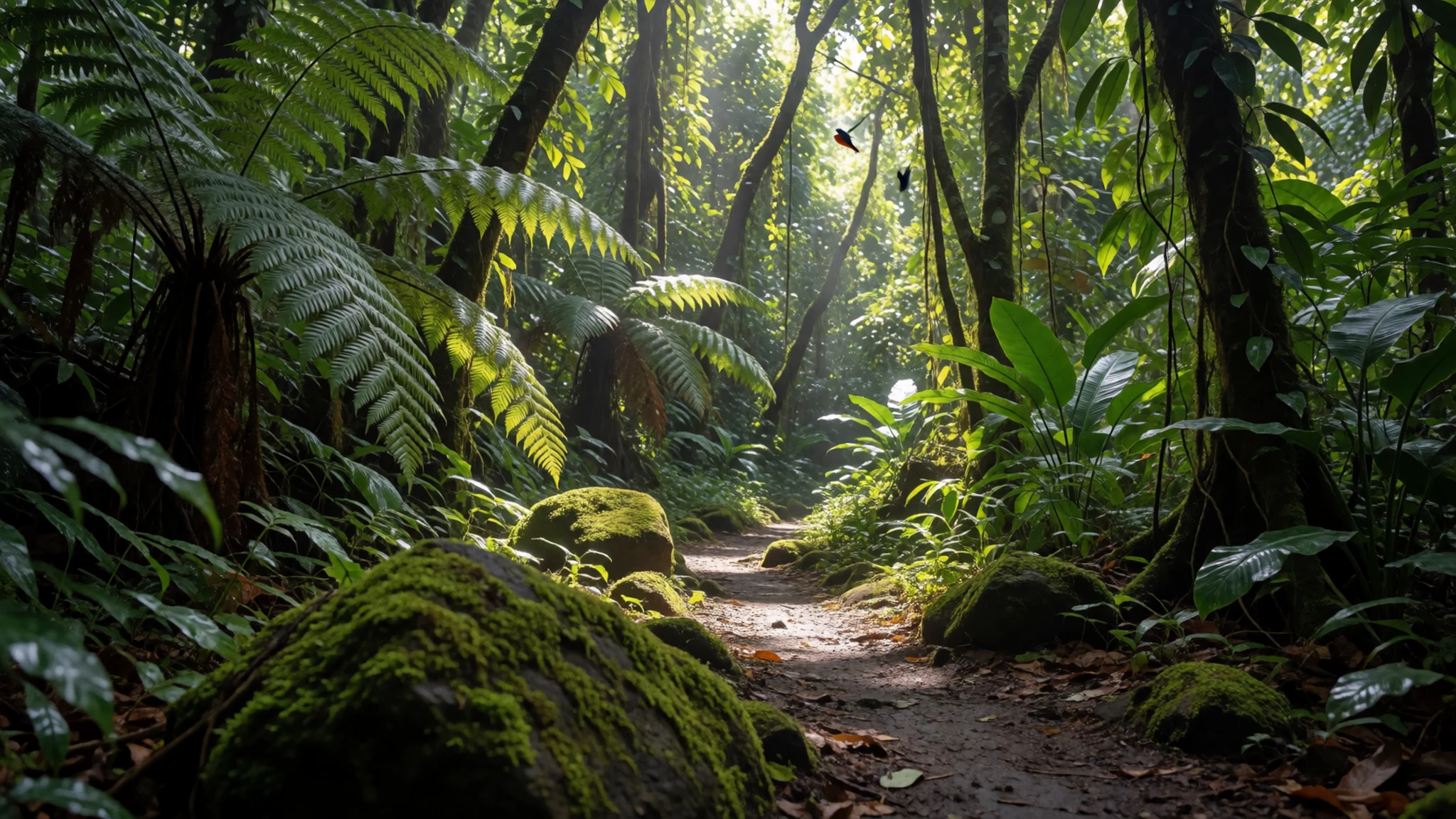
Culture
Frigate Bay sits on St Kitts, where a mix of English and French history shows up in the feel of the island. Downtown Basseterre reflects British colonial influence—names often echo both countries, and the driving is on the left, which catches first-time visitors. It’s not about wearing history like a costume; it’s more that the island’s layout and streets remind people that control changed hands many times.
In the background of daily life, there’s also the island’s strong nature presence. Tropical birds can be seen in good numbers, and vervet monkeys are part of the scenery in ways that can be surprising—especially near roads and undergrowth. The key is to treat wildlife and local routines as “shared space,” not a performance for tourists.
Food and drink culture is casual around Frigate Bay: the beach strip and “shack” style beach bars make it easy to keep plans informal, and you’ll find both bar-and-restaurant meals as well as relaxed snacks. If you’re exploring beyond the bay, the island’s heritage forts and hiking routes give structure to days that otherwise feel like a long beach break.
Visitor etiquette: Keep food and open snacks secure around vervet monkeys, and don’t encourage them by hand-feeding or crowding them for photos.
What to wear
Frigate Bay is a warm, beach-first destination, so clothing tends to be light and practical. There isn’t one single “required” traditional outfit here in day-to-day resort life, but local Caribbean fashion norms still lean toward modesty when you move away from the sand and into churches, historic areas or any place with a more formal atmosphere.
What people wear now around Frigate Bay is typically swimwear for the beach, cover-ups for walking between hotels and the strip, and casual tops and shorts or linen trousers for evenings. Footwear is usually sandals, since temperatures feel tropical and the ground can be sandy and dusty.
For visitors, bring swimwear, breathable cotton or linen for daytime, and a light cover-up for getting to restaurants or walking in town. If you’re doing hikes, also pack trainers or hiking shoes with grip—rainforest trails and steps can get slippery. For historic fort areas and breezier spots on the Atlantic-facing side, a thin layer can help when the wind picks up.
At any modest or religious stops, choose tops that cover shoulders and bottoms that aren’t too short, and keep hats or sunglasses on when you’re in strong sun to protect yourself for long beach afternoons.
What to eat
- Beach bar snacks and meals — South Frigate Bay beach strip
On the strip around South Frigate Bay, beach bar shacks often serve casual meals alongside drinks. It’s an easy option for lunch or an early dinner when the day is still beach-focused.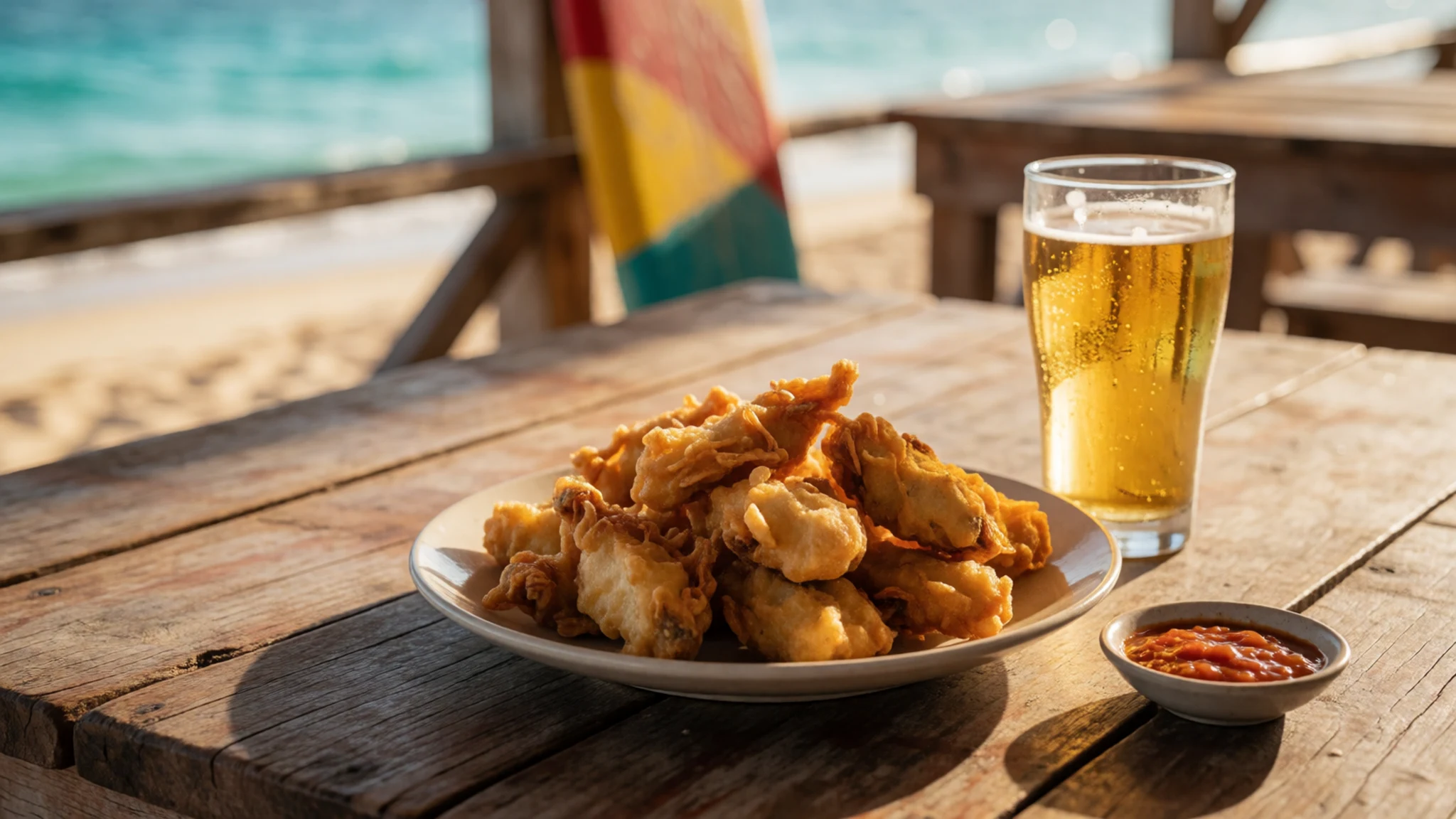
- Seafood at casual beach spots — Cockleshell and nearby beach bar areas
For a relaxed seafood meal, look to the casual restaurants clustered around the beach areas—good for something lighter after swimming. The vibe is informal, with the sea close by.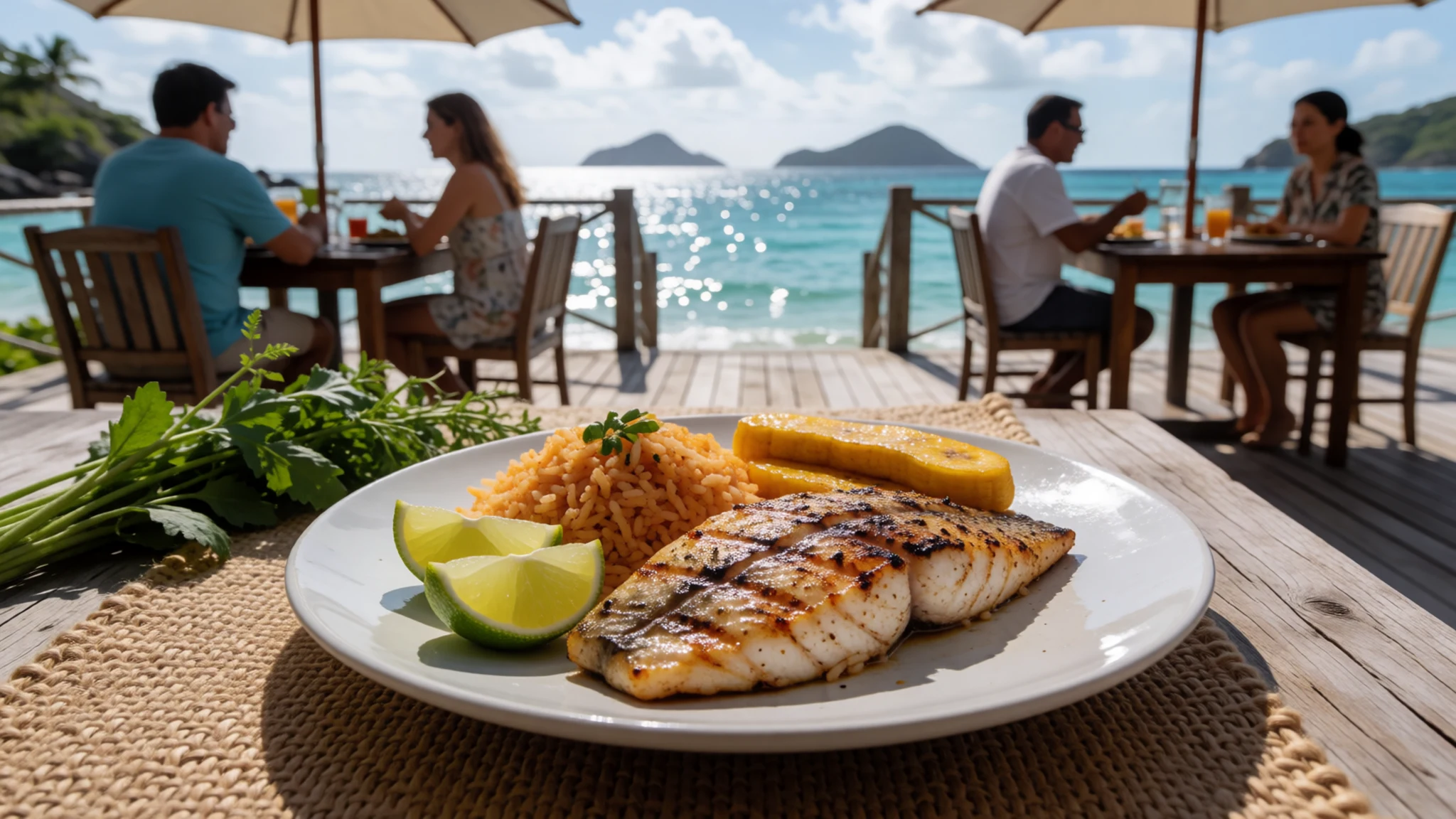
- Spanish-Caribbean tapas style — On/near the Frigate Bay strip
If the mood shifts from beach casual to something more “treat-yourself,” Frigate Bay has options offering tapas-style meals with Spanish-Caribbean flavours. It suits an evening where you want to slow down. - Coffee and breakfast/lunch — Near the Frigate Bay strip (Island Roasters Coffee area)
A simple breakfast or lunch can be made around the coffee roasters near the strip. It’s handy for starting the day before beach time, especially when the best light means earlier plans. - Italian-style pasta and mains — North Frigate Bay restaurant area
For straightforward comfort food, North Frigate Bay has western-style restaurants including Italian options. Pasta and other familiar mains make it an easy choice when the day’s been active.
Plan it
Best time. March–April and September for the most comfortable stretch—temperatures run slightly cooler than mid-year—while November and April are also among the drier months. The warmest stretch is June through September, and the wettest months are October through December, with August–October particularly rainy.
How long. 3–4
Getting there. Fly into Robert L Bradshaw International Airport (SKB), then take onward transport to Frigate Bay. Many visitors use Basseterre as the nearby hub, and the final leg to the bays is by car or local transfer.
Budget. mid
Tips
- Plan hikes for the morning when it feels cooler and carry water
- Spend one day splitting North and South Frigate Bay to compare coastlines and beach vibes
- If visiting attractions around the island, allow extra buffer time for road conditions and stops
- If cruise ships are in, expect more footfall on the beaches and at popular viewpoints—go early for quieter pockets
Etiquette
- Avoid getting too close to vervet monkeys or leaving food where they can grab it
- If you’re out around beaches and bars, keep conversations at a respectful volume when people are enjoying the sunset
Nearby
Sources
- Wikidata Q5504478 (CC0)
- Wikipedia (rev 1380950549) (CC BY-SA 4.0)
- Wikivoyage (rev 5300897) (CC BY-SA 4.0)
- Photo photos/01-st-kitts-basseterre-frigate-bay.jpg (CC BY-SA 4.0)
