Brimstone Hill
Brimstone Hill, Saint Kitts and Nevis
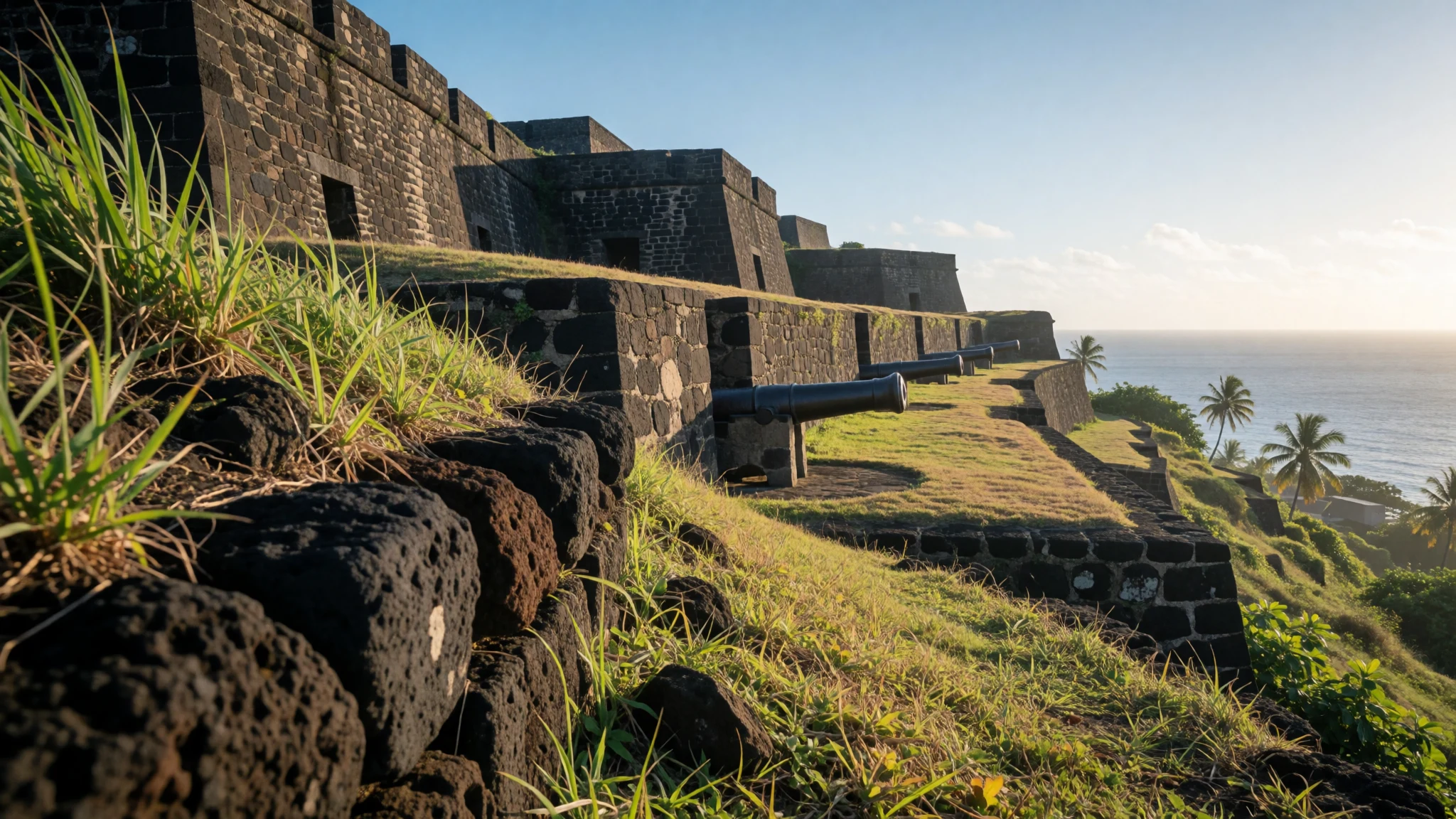
Brimstone Hill Fortress National Park turns a steep coastal hill into a layered slice of Caribbean military history.
The place
Brimstone Hill Fortress National Park sits on a very steeply sloping hill close to the sea on the western (Caribbean) side of St. Kitts. It’s the kind of place where the landscape is part of the defence: the fortifications climb and switch back up the hill, so the views keep shifting between the stone work and the water beyond.
The park is also a UNESCO World Heritage Site, and that status shows in how carefully the complex is preserved. This isn’t a single monument you “tick off” quickly; it’s a whole system of walls and positions built to control approaches around the coastline. British military engineers designed the fortress, and the work was built and maintained by enslaved Africans—so as you walk the ramparts, it’s worth keeping that human cost in view rather than treating it as pure scenery.
On St. Kitts, colonial-era fortifications exist in several places, but Brimstone Hill is the big one in most itineraries because of how intact the layout feels. Expect humidity on many days, and expect that the steep paths will slow you down—good shoes matter. Crowds depend a lot on cruise schedules: quiet moments are common if you arrive early or go when tour groups have moved on, but on busy days you’ll share the hill with a lot of camera-hungry visitors.
Plan the visit as both a history walk and a practical exercise in stamina, with time for the sea views and for reading the explanations around the fortifications.
Its story
Brimstone Hill Fortress National Park is a story of control—over land, over sea, and over people. British military engineers designed the fortifications, aiming to make the steep hill an advantage rather than an obstacle. From below, the place looks like it has grown out of the rock; up close, you can see how the structure steps through the terrain, using slope, sightlines, and defensive positions.
The human story is heavier. The fortress was built and maintained by enslaved Africans, meaning that behind the neat geometry of a military design there were coerced lives and forced labour. It’s the sort of site where it helps to move a little slower than the photo-taking pace—pause at viewpoints, then read what the complex represents.
St. Kitts and Nevis swapped control back and forth between English and French influence over the centuries, leaving a mixed heritage on the islands. Even so, the fortress itself reads strongly as British colonial in style. That blend of influences shows up elsewhere on the island, but Brimstone Hill keeps the focus: this is an instrument of colonial-era strategy laid directly onto a Caribbean landscape.
If you visit with a bit of context, the fortress stops being “just a fort”. It becomes a map of power—how engineers translated military thinking into stone, how geography shaped decisions, and how later generations chose to preserve the site as a UNESCO World Heritage place.
What to see
- Brimstone Hill Fortress National Park (UNESCO fortifications) — Brimstone Hill (hilltop complex)
Walk the fortification lines on the steep hill and keep an eye on how the sea-facing positions connect to the inland walls. The layout reads like a designed route rather than scattered viewpoints.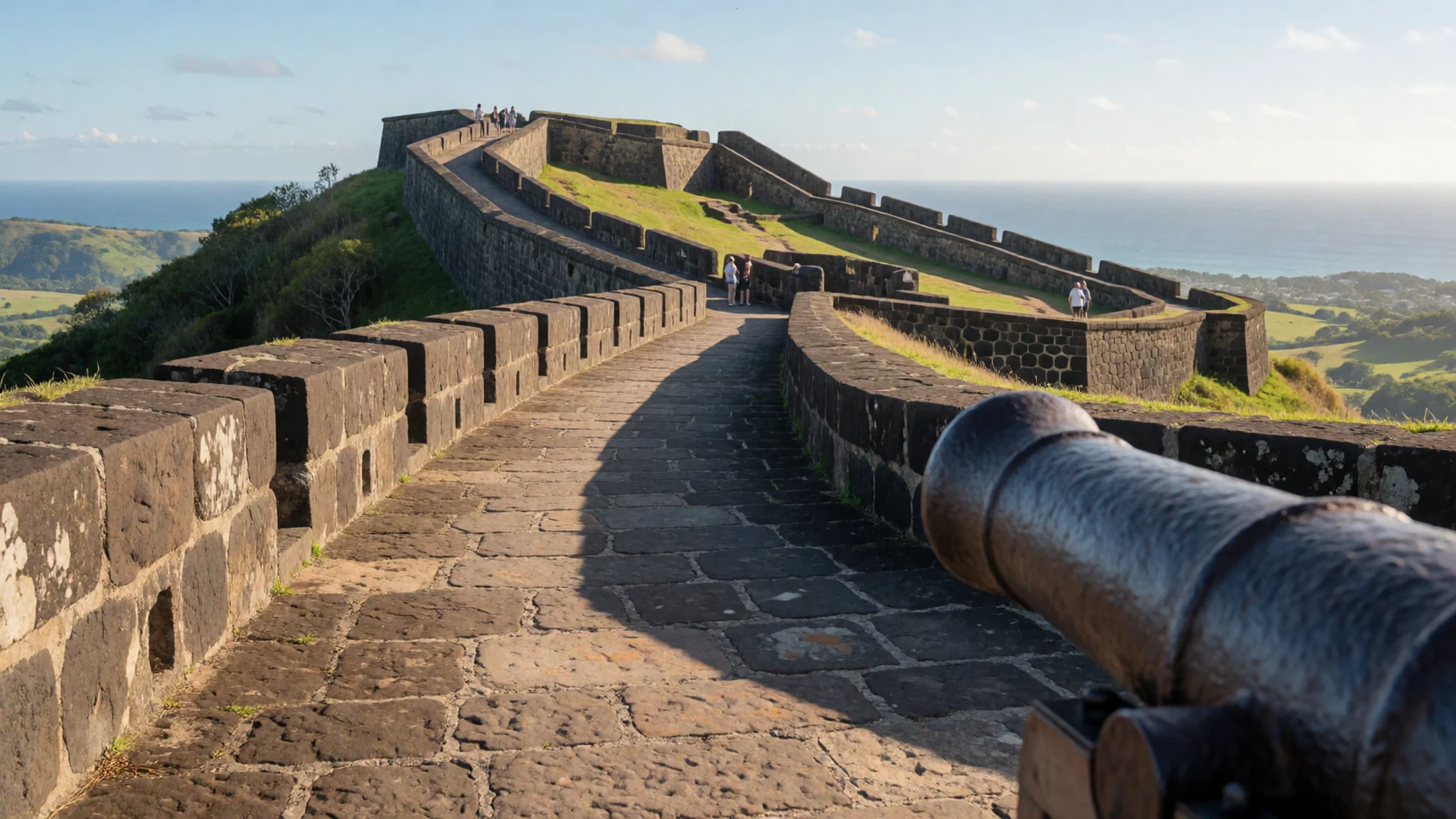
- Coastal outlooks from the ramparts — Western coast viewpoints
Brimstone Hill’s closeness to the water means the views are part of the experience. After climbing, give yourself time to look out across the Caribbean coastline before heading back down.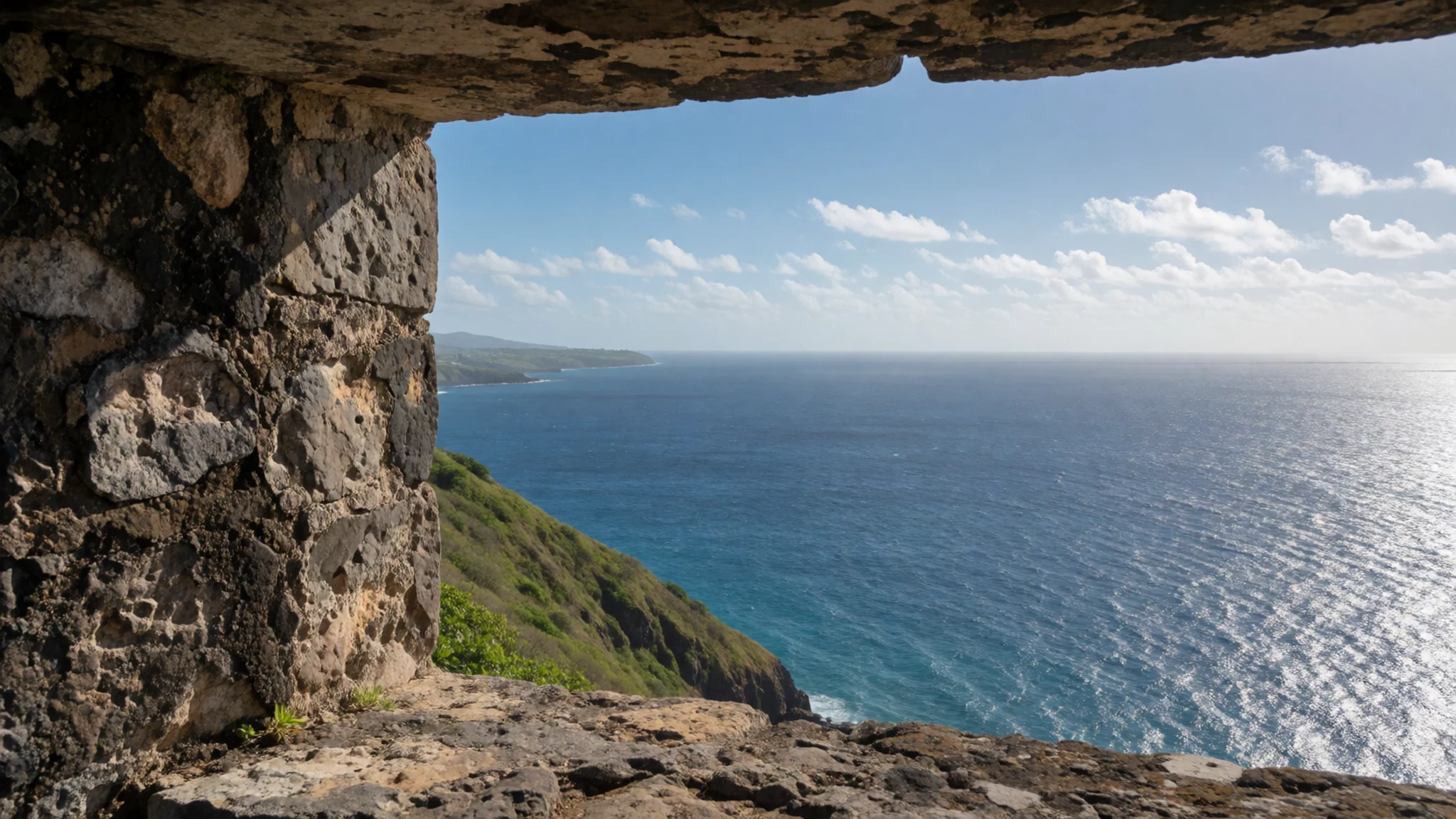
- Orientation points and interpretive details — Main visitor walking routes
Take a few minutes to read the signage around key areas so the defensive purpose clicks. The fortress is complex; stopping for context helps you see the “why” behind the stonework.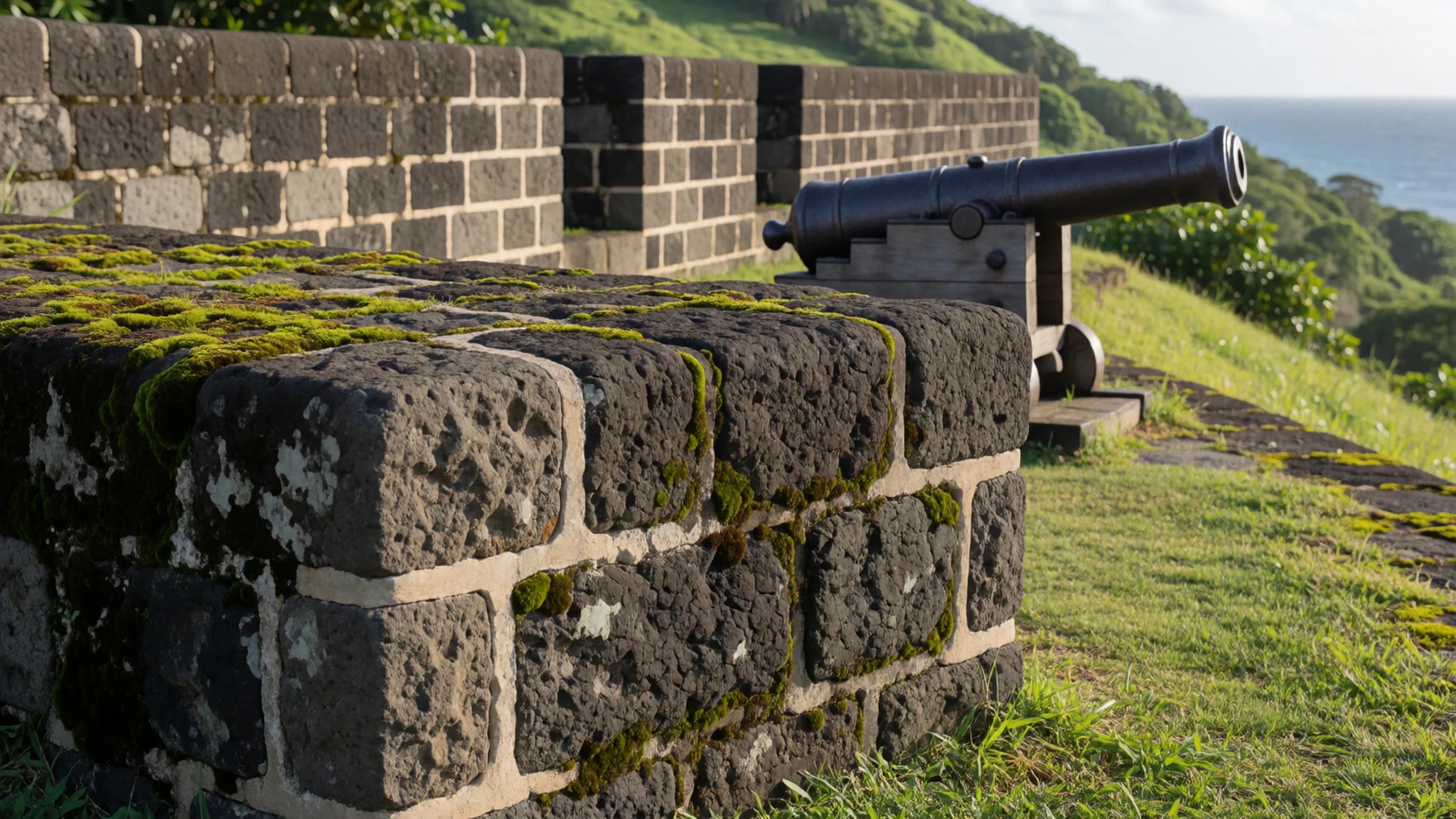
- Guided routes and easier rain-forest walks nearby — Brimstone Hill vicinity (rain-forest trails)
If trails feel confusing, a guided tour can help because parts of the island’s paths aren’t clearly marked. There are also shorter forest walks that suit visitors who want nature without a long climb.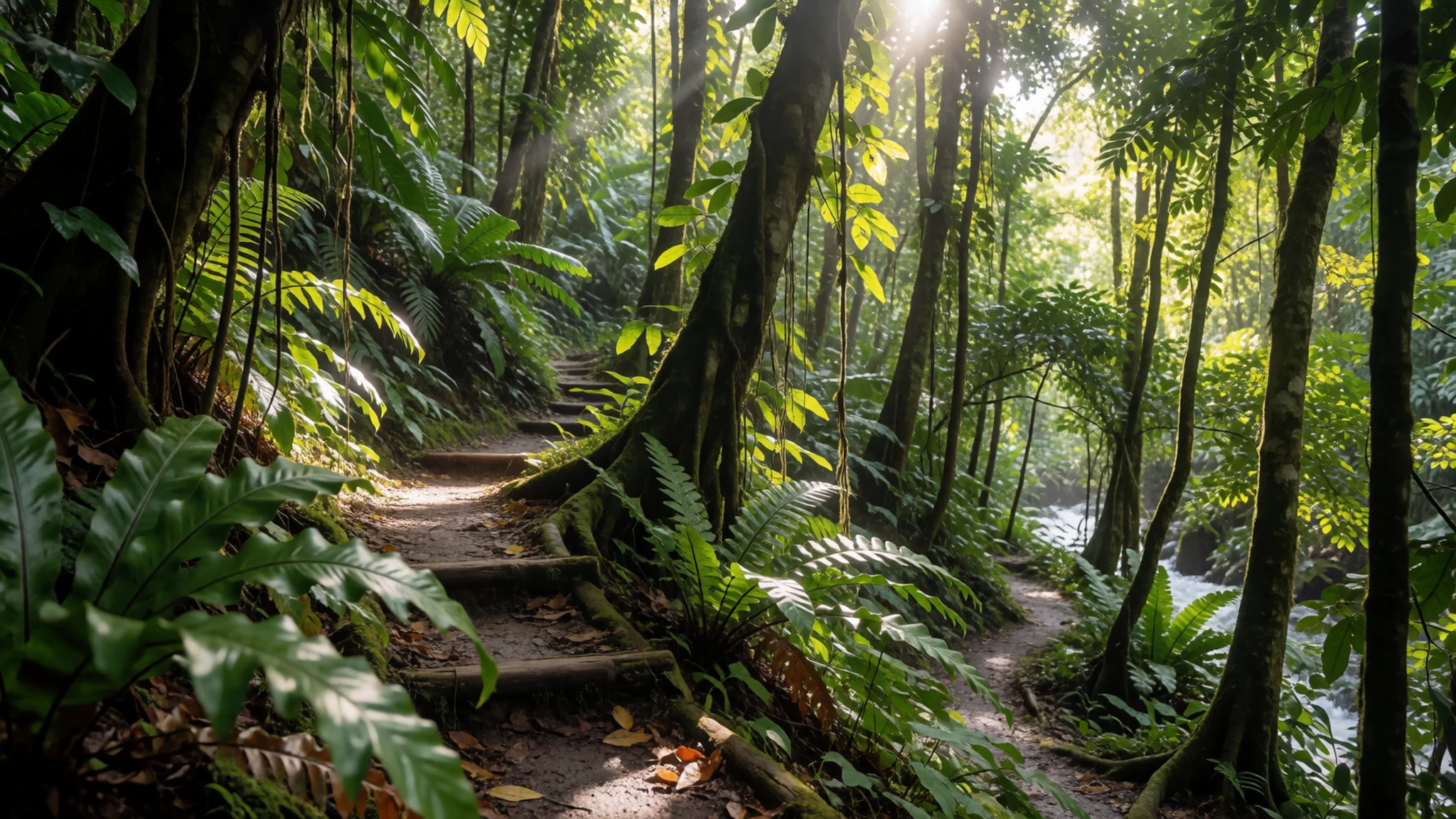
- Hike option: Mt Liamuiga rim views (day walk) — Mt Liamuiga area
For a bigger effort, consider the hike toward the crater rim of Mt Liamuiga. The route is well-trodden and easier to follow, with the steeper feel increasing nearer the top.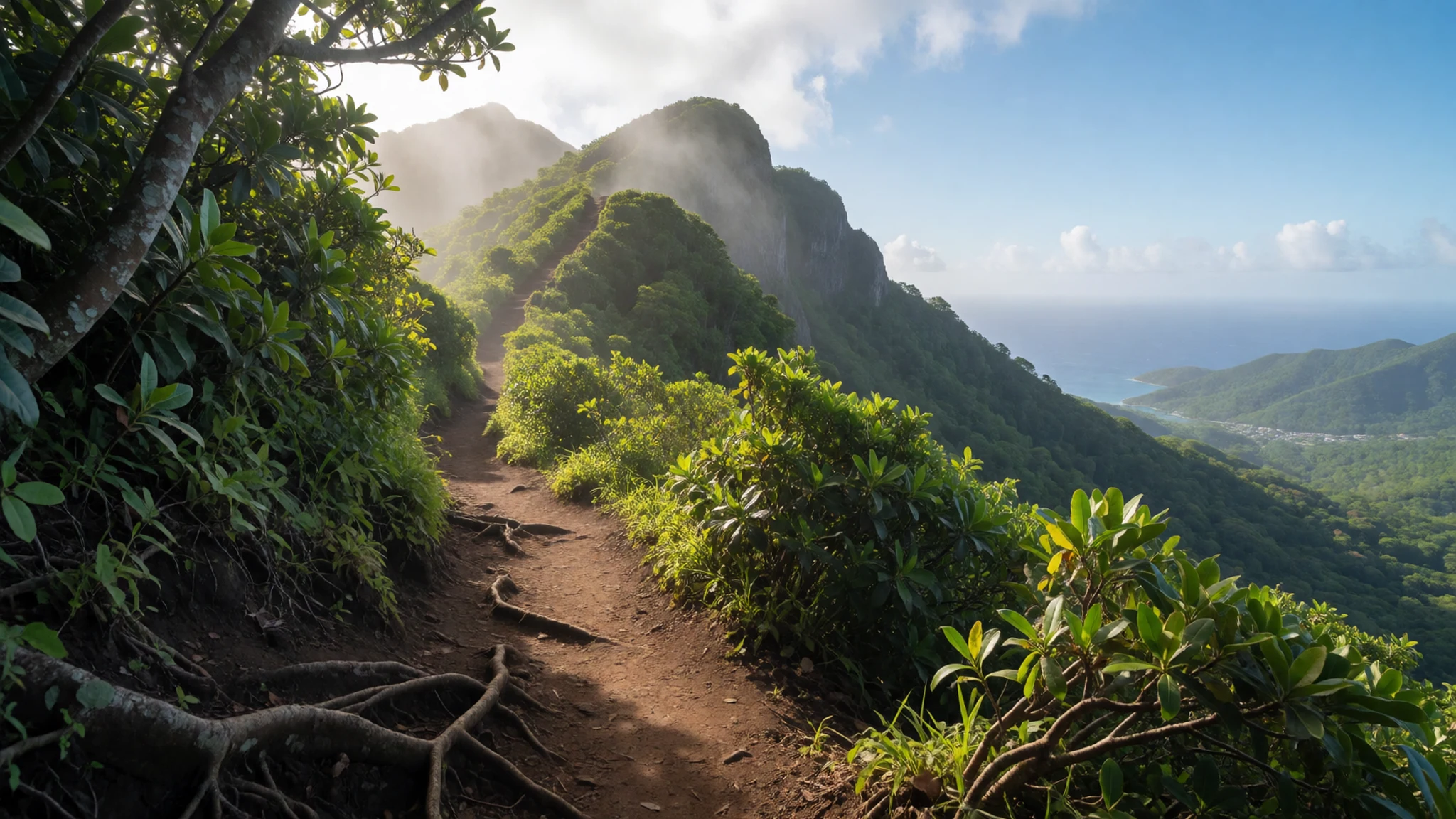
Culture
Brimstone Hill Fortress National Park sits in Saint Kitts and Nevis, where colonial history is woven into what you see today—and what you’re asked to remember. Visiting can feel like a calm heritage walk, but the park’s story includes forced labour tied to slavery, so it’s worth approaching the site with a quiet, reflective mindset rather than treating it as backdrop.
The islands’ mixed English-and-French heritage shows up in everyday life, but at Brimstone Hill the architecture is distinctly British colonial in style. That can make the fortress feel orderly and “engineered”, but it’s still a place on a working Caribbean island: expect heat, sun and humidity, and expect that the steep climbs will challenge anyone not used to uneven ground.
Crowds matter here more than you might think. Cruise-ship days can bring a surge of visitors, and everyone wants the same viewpoints. The best way to handle it is to move with the flow, then take small breaks off the busiest angles.
Respect the effort involved in maintaining a protected national park and UNESCO site: stay on marked routes, don’t rush through signage, and keep your voice low where others are reading. Visitor etiquette: be mindful on steep steps, keep to the path, and avoid loud voices around interpretive areas.
What to wear
On Brimstone Hill, comfort beats style because the terrain is steep and often damp with tropical humidity. Traditional clothing isn’t really the focus on-site—most visitors wear everyday holiday clothes—but modesty is still a good rule for heritage places.
What people may wear now: in St. Kitts you’ll commonly see lightweight shirts or tops, shorts or breathable trousers, and sandals or trainers, especially around beaches and towns. That’s because the climate can feel hot and sticky, and you’ll be moving between sun and shade.
What visitors should wear: sturdy walking shoes with grip are the main must-have for uneven steps and slopes. Choose breathable layers so you can handle sudden rain or stronger sun. A cap and sunscreen help, and bring a light cover-up for any time you’re in hotter exposed sections.
If you’re also spending time around churches or heritage buildings off the hill, consider a top that covers shoulders and knees, and keep a small scarf or light shawl handy. Even without a formal dress code, looking respectful goes a long way on a site that asks visitors to reflect on history.
What to eat
- Beach bar meals along Frigate Bay’s strip — Frigate Bay (South Frigate Bay beach and the strip area)
Frigate Bay’s “strip” is where a lot of casual eating happens—grilled plates, easygoing beach snacks, and simple meals that fit a day of sightseeing. It’s relaxed and good for lunch after a climb.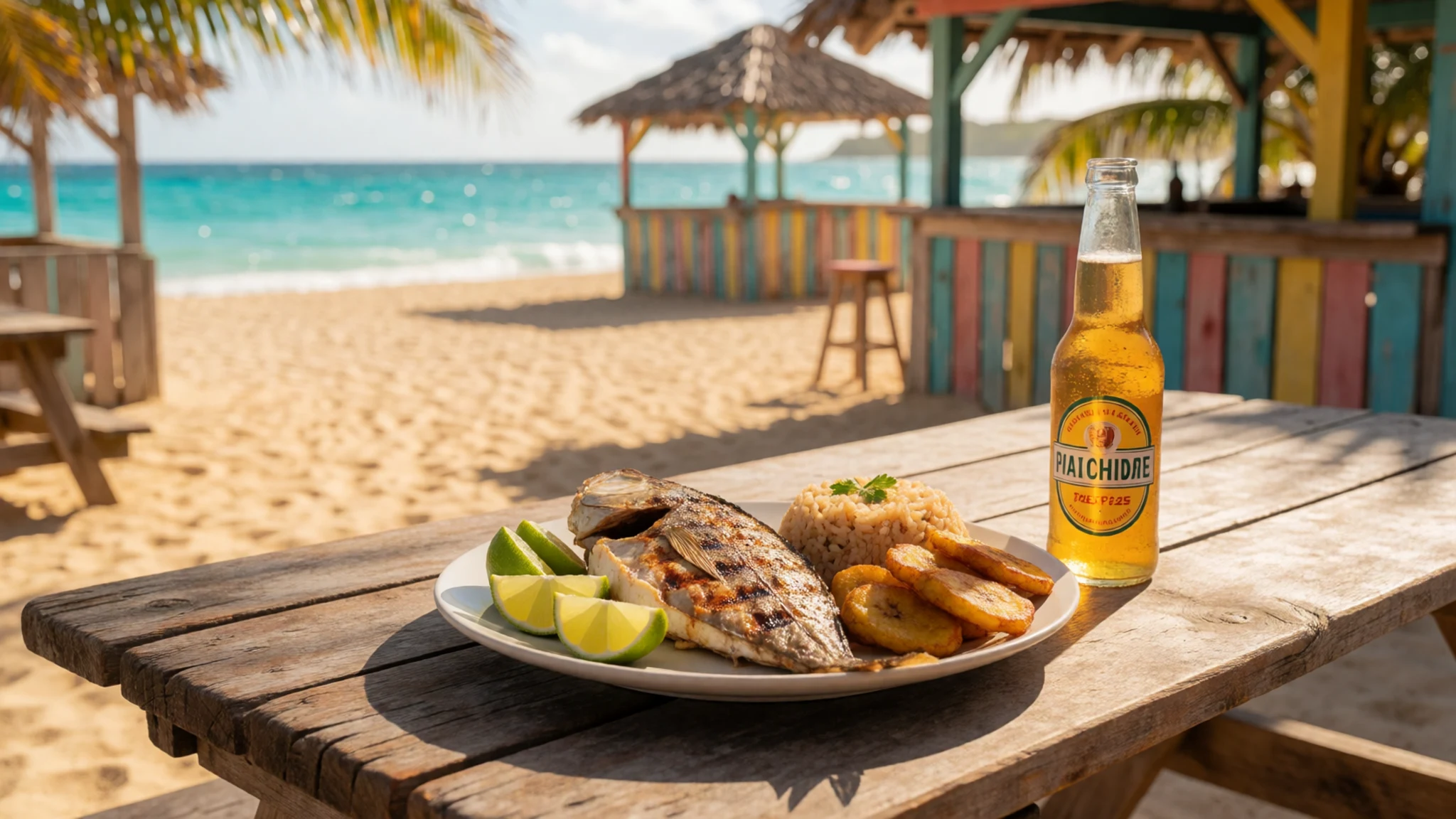
- Coffee and breakfast/lunch at Island Roasters — Near the Frigate Bay strip (Island Roasters area)
If mornings start early (and they often do on a cruise schedule), coffee and proper breakfast or lunch can save the day. It’s a straightforward option before you head out for the fort or trails.
- Seafood and international-style options on North Frigate Bay — North Frigate Bay
North Frigate Bay has western-style restaurants alongside Caribbean flavours, with seafood being a common theme. It’s a good dinner strategy if the group energy is split and you want variety. - Local drinks and roadside bars — Towns and near the ferry pier area
For something easy between viewpoints, look for small bars along the side of the road, especially near ferries and towns. Locally bottled soda and beer are typical, and it’s a low-pressure way to cool down. - Casual beach-shack food on South Friar’s Bay and South Frigate Bay — South Friar’s Bay beach and South Frigate Bay beach
Beach bar ‘shacks’ along the sand offer drinks and sometimes simple food, making them ideal for a quick bite when you’re wrapping up a day outdoors. It’s informal and flexible.
Plan it
Best time. March–April and late October–November tend to be the most comfortable for walking; these months fit better with a packed itinerary than the wetter, hotter stretches of the year.
How long. 3–4
Getting there. Fly into Robert L. Bradshaw International (SKB). From there, get to the port/area where you’re staying, then use local transport for the drive up to Brimstone Hill and the last legs to any trailheads. Cruise ships also dock at Basseterre, and many shore-day plans revolve around that connection.
Budget. mid
Tips
- Start the fortress walk earlier in the day to beat the busiest tour batches.
- Wear grippy shoes: the paths up and down Brimstone Hill are part of the experience, not a detail.
- If hiking matters, consider guided support for lesser-marked trails and build in extra buffer time.
- Carry water and a bit of cash for smaller places away from the main strip.
Etiquette
- Stay on marked routes around fortifications and interpretive areas.
- Keep voices down while reading signage.
- Be prepared for a slow pace on steep sections; don’t rush others around tight viewpoints.
Nearby
Sources
- Wikidata Q200521 (CC0)
- Wikipedia (rev 1367732734) (CC BY-SA 4.0)
- Wikivoyage (rev 5300897) (CC BY-SA 4.0)
- Photo photos/01-brimstonehill01.jpg (CC BY 3.0)
- Photo photos/02-prise-des-iles-de-saint-christophe-et-de-nevis-13-janvier-17.jpg (Public domain)
- Photo photos/03-brimstone-hill-from-the-sea-st-kitts.jpg (CC BY 3.0)
- Photo photos/04-saint-kitts-brimstone-hill-fortress-01.jpg (CC BY-SA 4.0)
- Photo photos/05-saint-kitts-brimstone-hill-fortress-03.jpg (CC BY-SA 4.0)
- Photo photos/06-saint-kitts-brimstone-hill-fortress-04.jpg (CC BY-SA 4.0)
- Photo photos/07-saint-kitts-brimstone-hill-fortress-05.jpg (CC BY-SA 4.0)
- Photo photos/08-2016-02-frd-caribbean-cruise-brimstone-hill-fortress-s098654.jpg (CC BY 3.0)


