Rosalie Bay
Rosalie Bay, Dominica
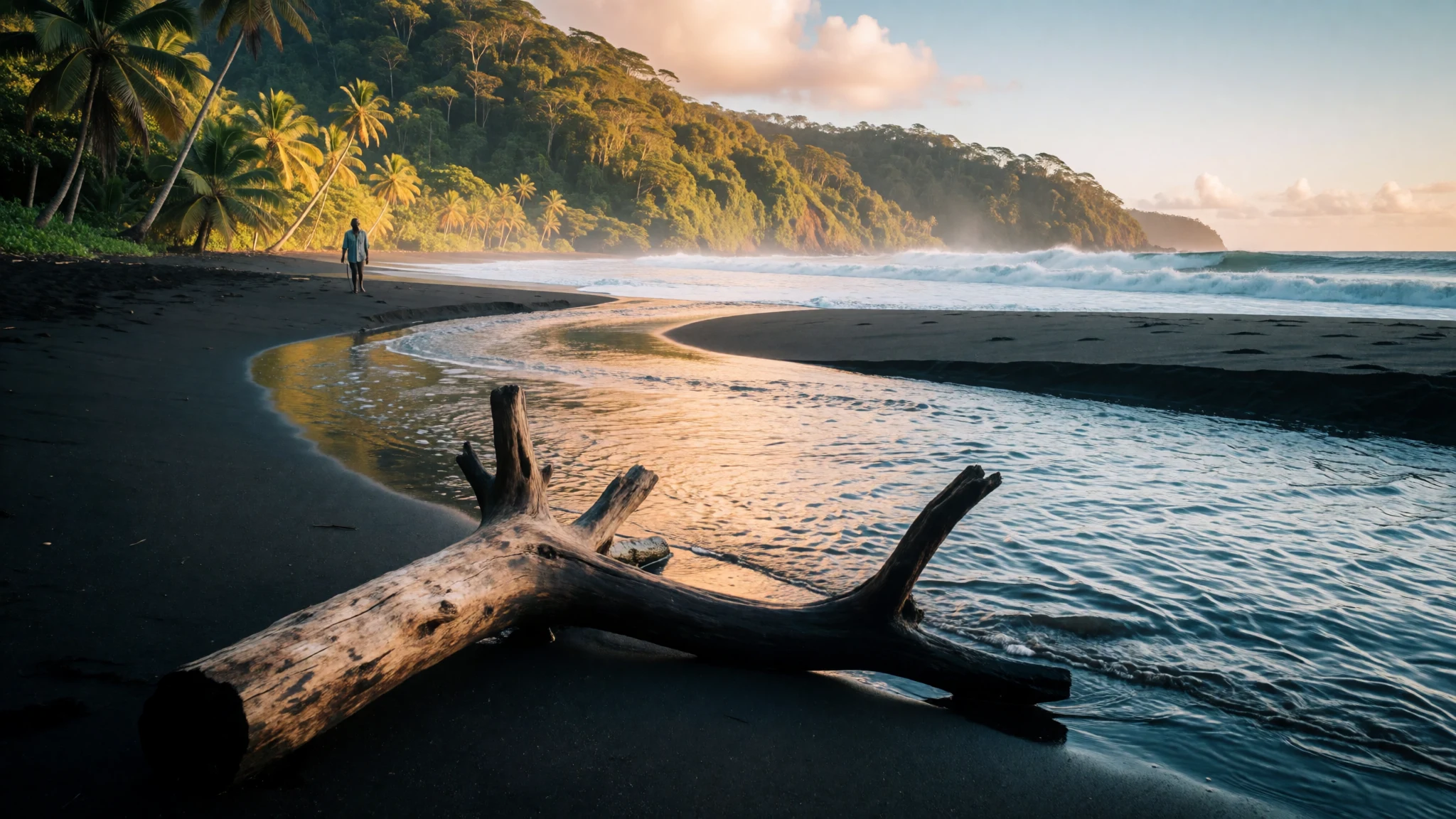
Rosalie Bay is where a river meets a dark-sand Caribbean shore on Dominica, the island that trades beach resorts for rainforest.
The place
Rosalie Bay lies on the eastern side of Dominica, where the Rosalie River leaves the green interior and runs out into the sea. The shoreline follows the island's pattern: dark volcanic sand rather than the pale, palm-fringed strips most people picture in the Caribbean. The photographs show a broad curve of bay, a river mouth cutting across the sand, and forested hills close behind. It is a landscape of rivers and slopes more than of sunbeds and resorts. Dominica calls itself the nature island, and the claim holds up. Most of the land is rainforest on rugged volcanic mountains, and the rivers are so many that the island carries the nickname Land of 365 Rivers. Rosalie Bay is one small example of how those rivers reach the coast. The climate is tropical, softened by the trade winds, and rain is heavy and frequent. Flash floods are a real hazard, so river mouths and trails deserve respect after downpours. Late summer and autumn bring the hurricane season, which shapes when the island is easiest to visit. Expect a quiet, working island rather than a polished beach destination. Many places to stay sit outside the towns, and the capital, Roseau, is a long way round on the other side of the island. The sources say little about the bay itself, so the best picture comes from the island around it: black sand, river water, steep green hills and a sea that arrives with its own weather.
Its story
Rosalie Bay has little written about it as a place, so its story is really the story of Dominica, the island around it. Columbus sighted the island on a Sunday, and the Latin word for that day became its name. Europeans were slower to settle here than on neighbouring islands, largely because the Kalinago, the island's Indigenous people, defended their land fiercely. Europeans called them Caribs, and that name survives in the Carib Territory, where Kalinago families still live today. The steep, forested interior that gave them cover also made the island hard to control, and it kept much of the coast lightly built. In time France ceded the island and Britain took charge, and it became a British colony in the early nineteenth century. Independence arrived in the late 1970s. In 1980, after a difficult period of government, Mary Eugenia Charles became prime minister, the first woman to hold that office in the Caribbean, and she remained in the post for fifteen years. Today the Kalinago are a living thread through the island's story rather than a chapter that closed. Their cultural village is the clearest place for a visitor to meet that history, and the rivers that reach the sea at bays like Rosalie belong to the same landscape that shaped it. The island's reputation now rests on forests, volcanic peaks, waterfalls and hot springs.
What to see
- Rosalie Bay shoreline — Rosalie, east coast
The bay is a wide curve of dark volcanic sand backed by green slopes, and it rewards slow visiting: a long walk along the tideline, a look north up the coast, and time to watch weather cross the water. Wear shoes for wet sand, and ask locally about sea conditions before swimming.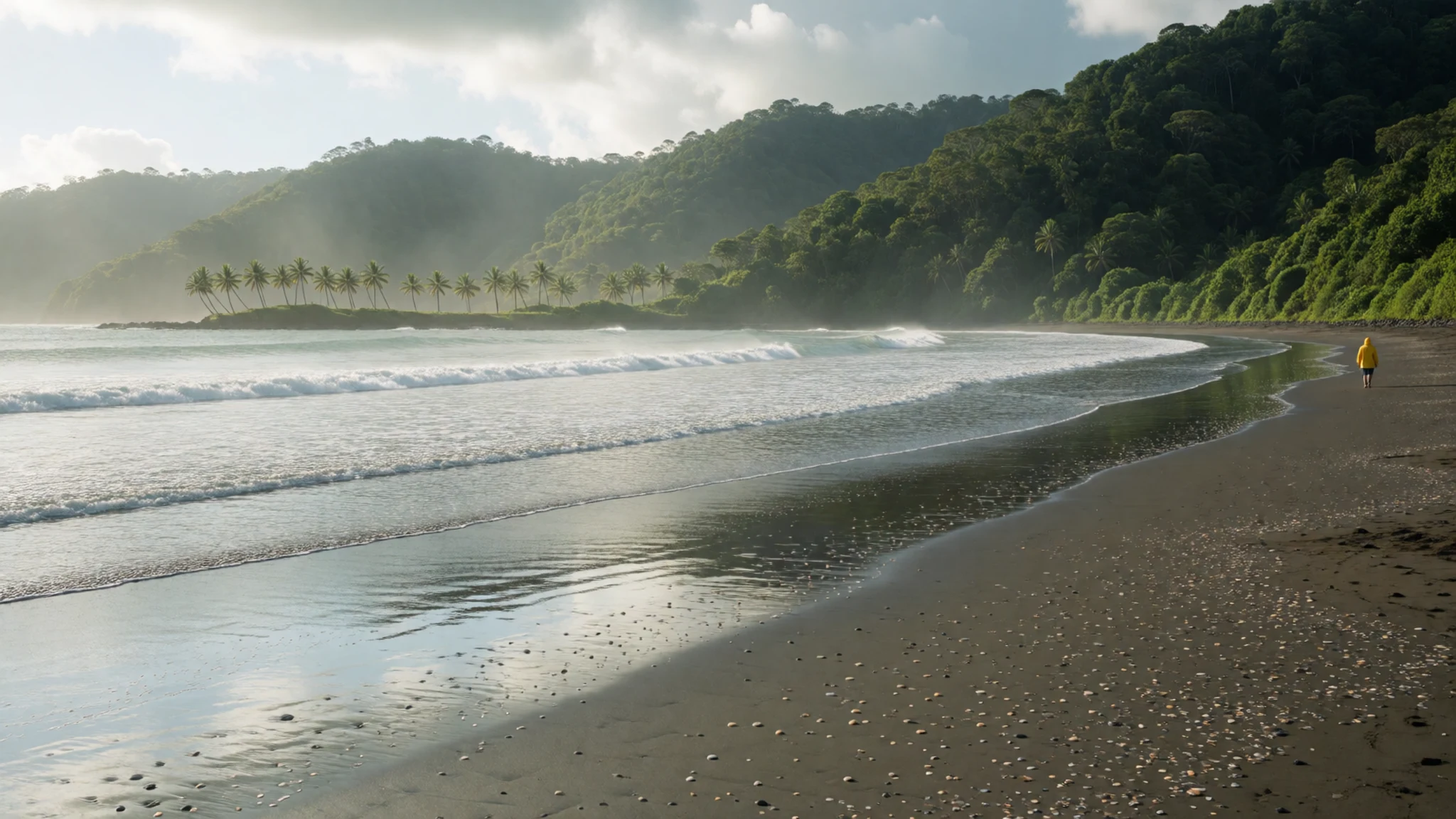
- Rosalie River mouth — Rosalie Bay, east coast
Where the Rosalie River meets the bay, fresh water spreads across the sand and into the surf, making a good spot to understand why Dominica is called the island of rivers. Keep clear after heavy rain, since flash floods are a known hazard on the island.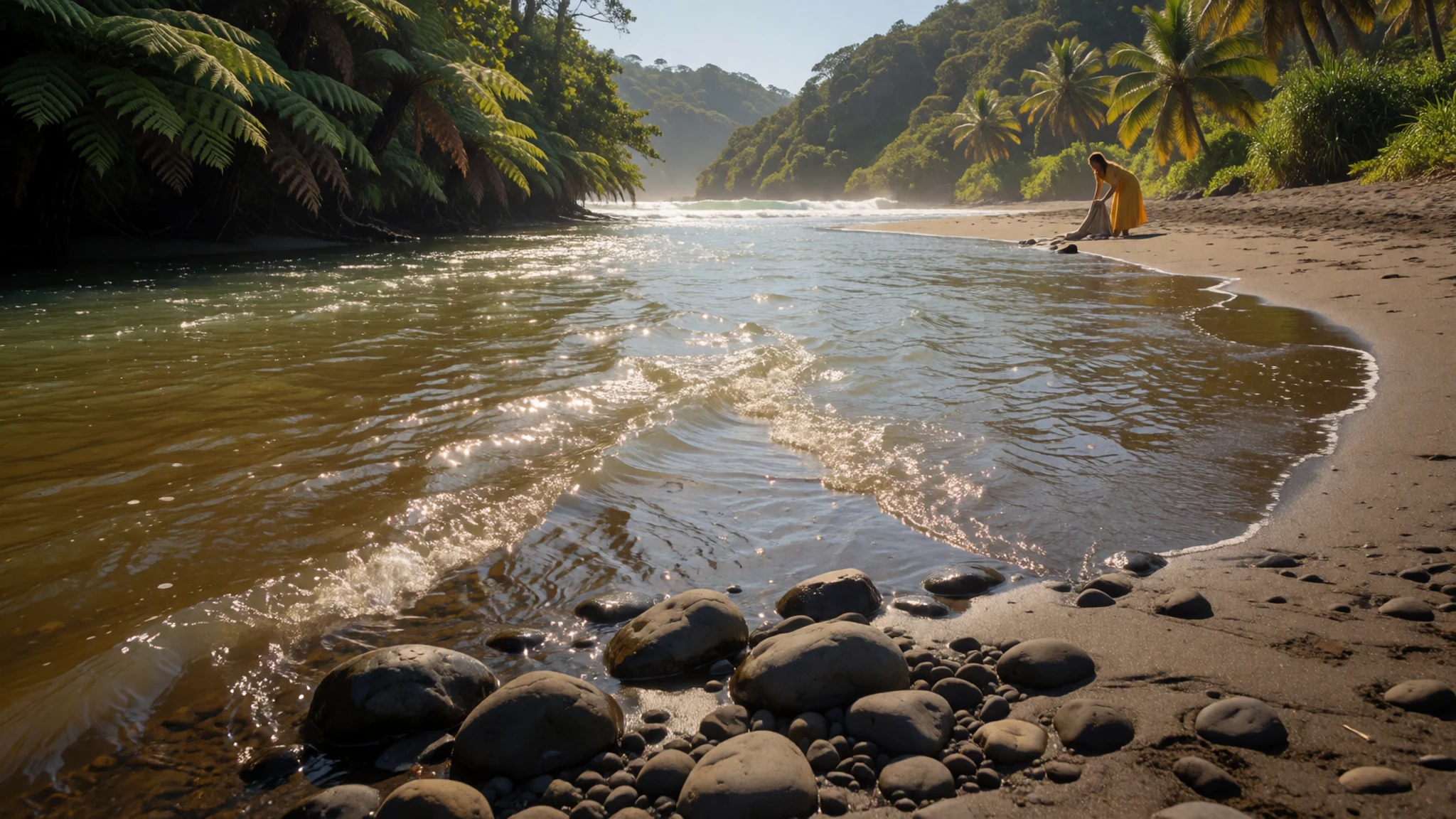
- Middle Ham Falls — Interior uplands
A waterfall waits at the end of a moderately difficult hike through wet forest. The trail can be challenging in places, with slippery ground and some steep sections, so decent footwear matters. The pool and spray make a rewarding pause after the effort, and a local guide adds confidence.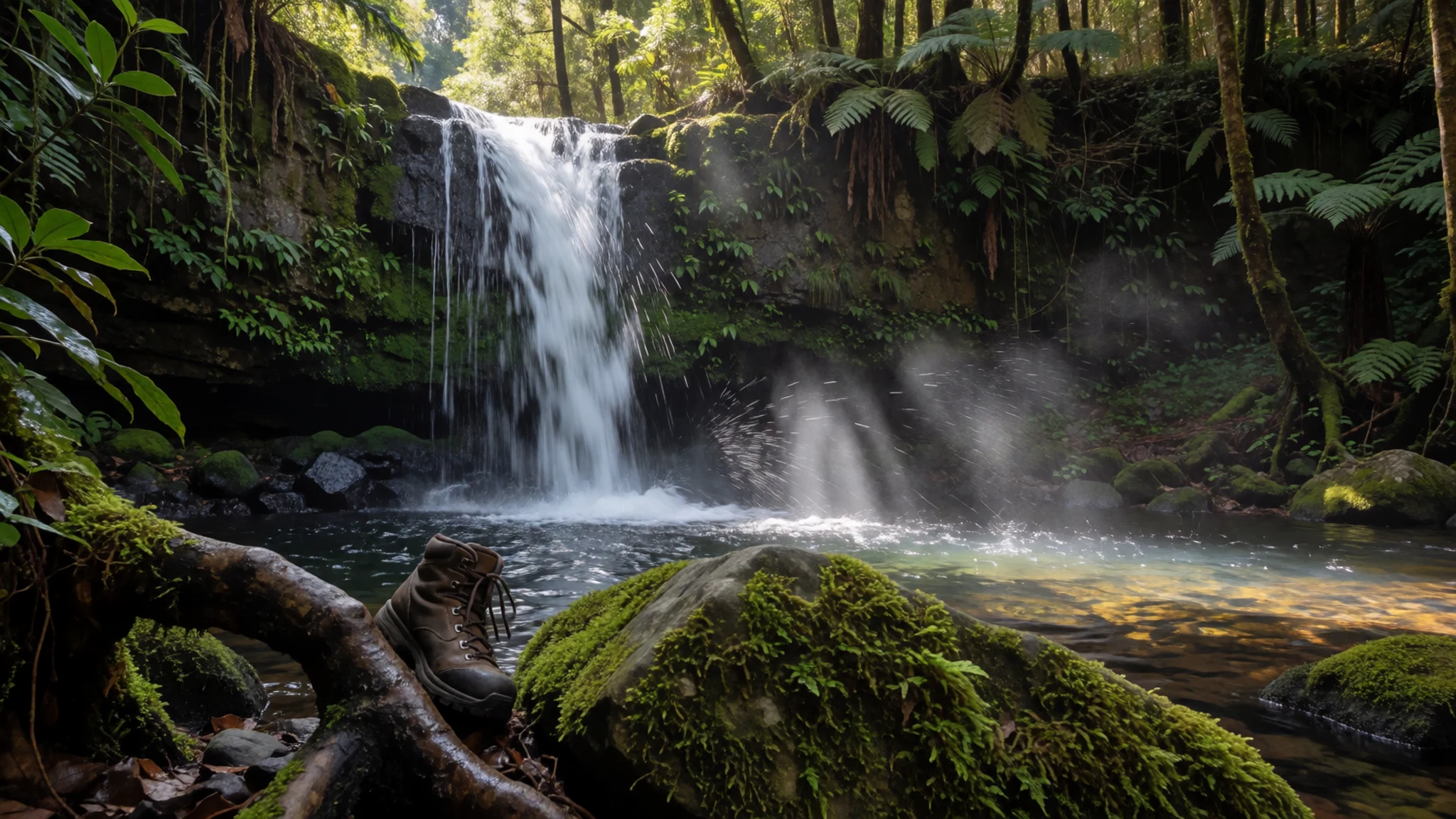
- Valley of Desolation and Boiling Lake — Morne Trois Pitons National Park, near Laudat
This is the island's big volcanic walk, passing steaming vents and bare, sulphur-stained ground on the way to a boiling lake. It is long and demanding. Allow at least eight hours for the round trip including the drive, start early, and go with a guide.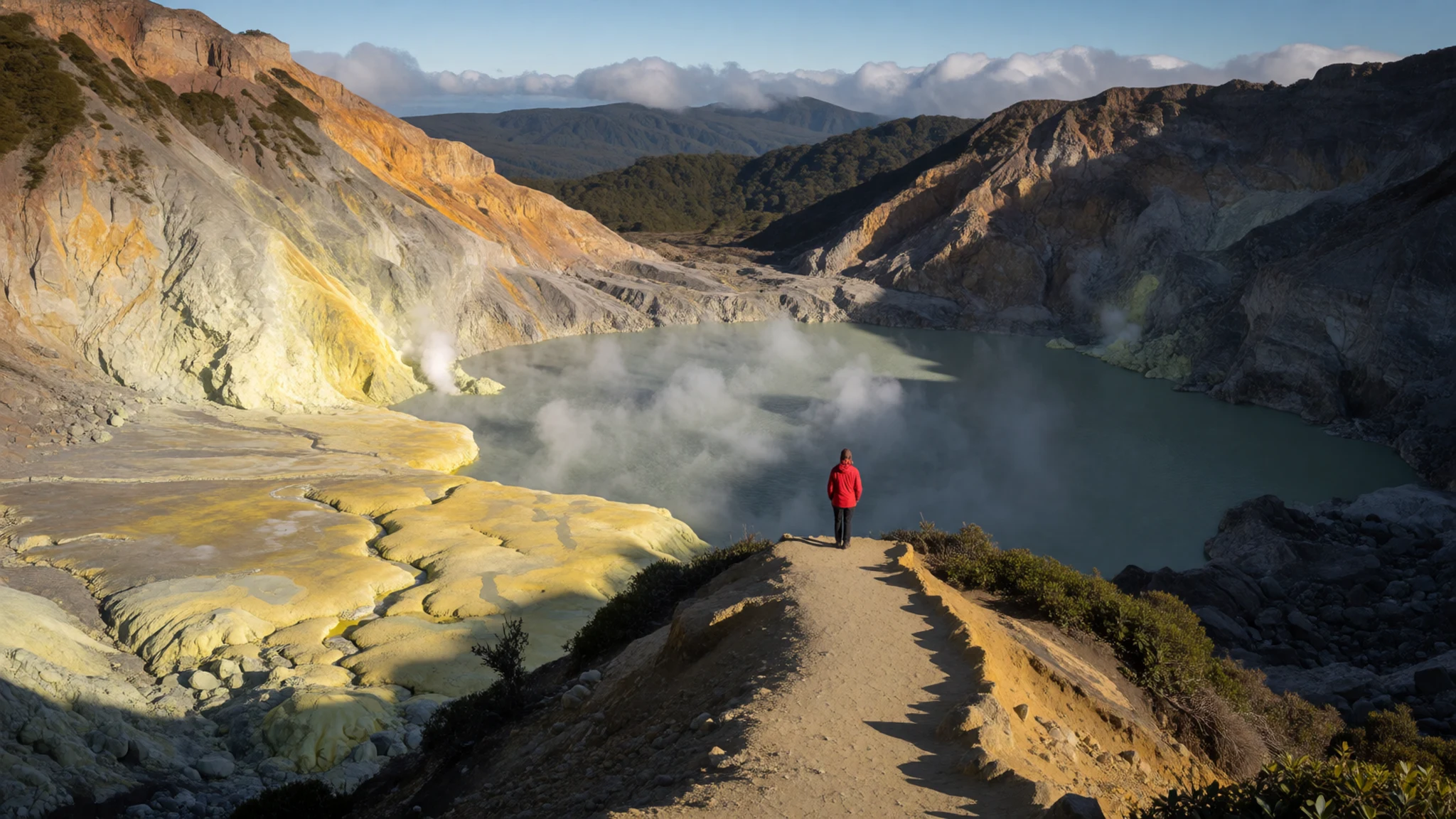
- Kalinago Barana Autê — Carib Territory, east coast
A recreated village in the Carib Territory, set beside the Crayfish River near the Isukulati Falls. Guided visits explain Kalinago traditions and how people lived here long before European arrival. It is a good counterweight to the island's nature trails, putting people and history back into the landscape.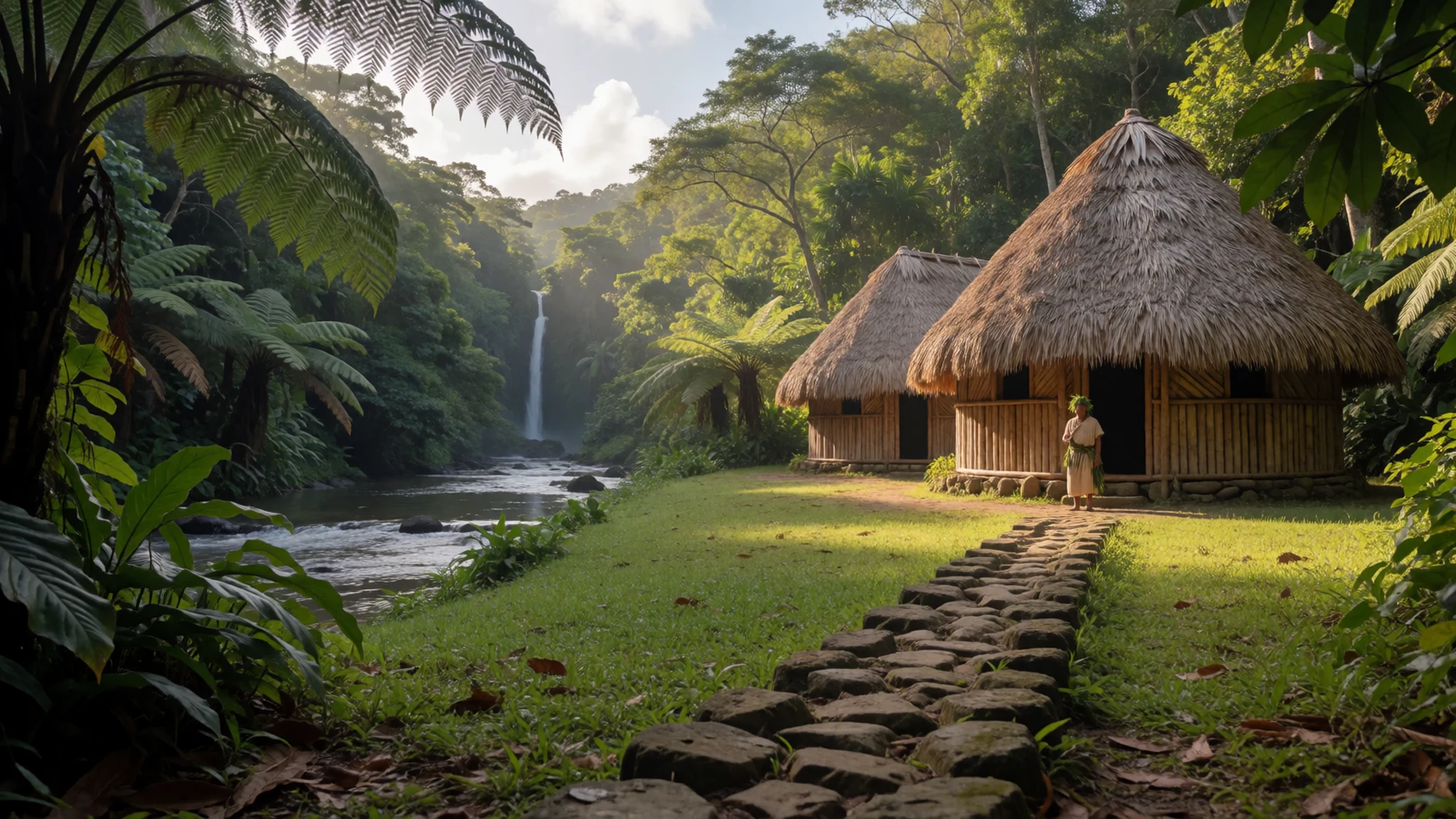
- Scotts Head — Southern tip, near Roseau
A small isthmus at the southern tip of the island, with a village of the same name and a steep outcrop to climb. The view takes in the south-west coast and the Caribbean Sea, and Martinique on a clear day. It is about an hour's drive from Roseau each way, and snorkelling here is well regarded.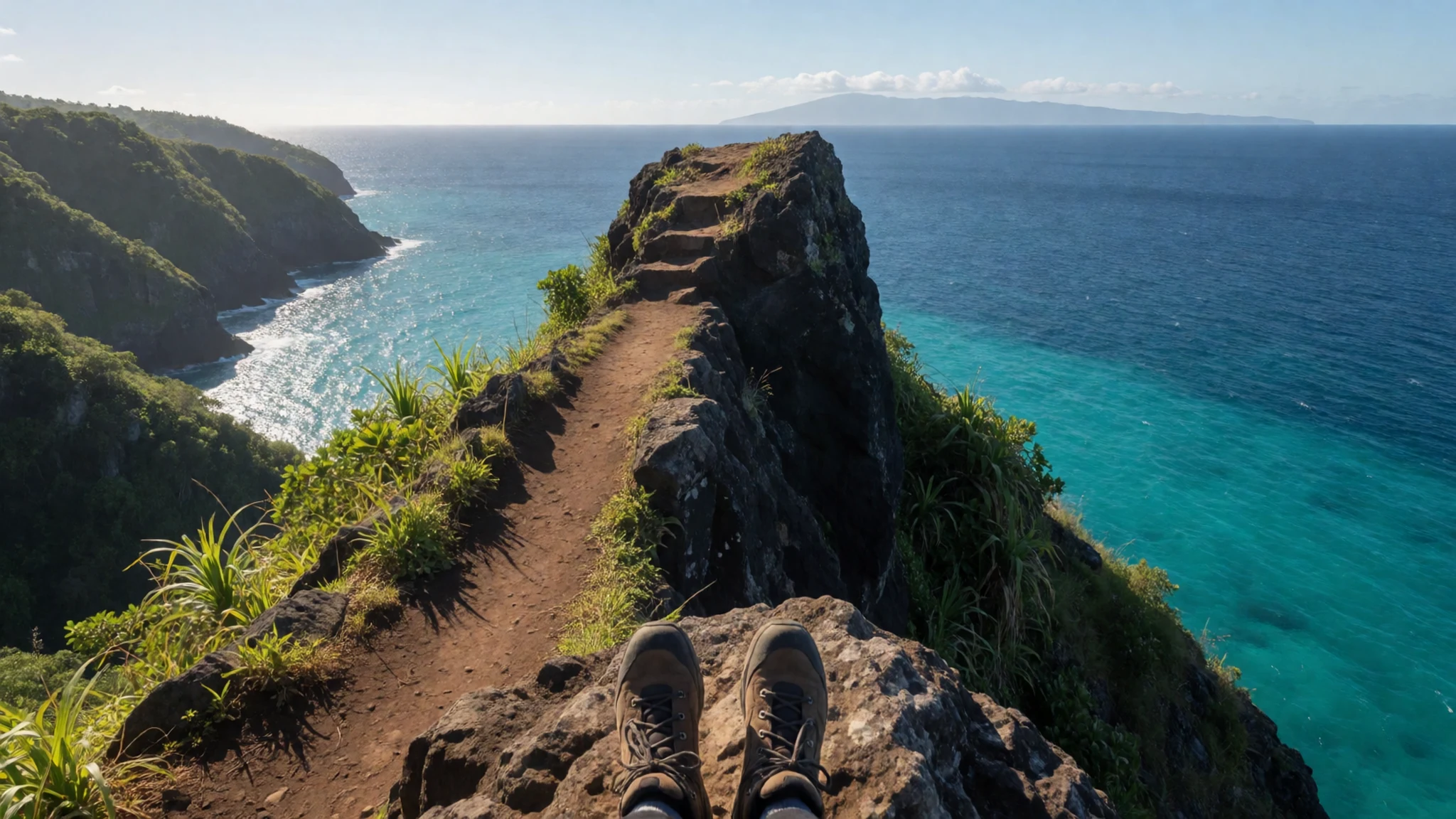
Culture
Rosalie Bay sits within a Dominican culture shaped by Kalinago roots, French and British colonial history, and an everyday life closely tied to rivers, forest and sea. Nature is the island's main draw, and local life reflects that: guides, fruit sellers, fishers and small guest houses all make a living from what the island provides. The streets of Roseau hum with Caribbean accents, sidewalk barbecues and clothing stalls, while the countryside is calmer and more rural. The Kalinago remain a distinct community, and their cultural village in the Carib Territory shares its traditions through guided visits rather than casual wandering, which is a good model for visiting anywhere on the island: go with someone who knows the place and let them set the terms. Meals, music and conversation are social, so small courtesies count. Greet people before asking for anything, and be patient when service is unhurried. Dominica is described as one of the safest places in the region, with no poisonous snakes or insects, though petty theft is most likely around Roseau, so ordinary care is enough. Rivers, trails and waterfalls are shared spaces used by locals too, so take rubbish away with you. Ask before photographing anyone, especially vendors at work or people at the Kalinago village, and follow your guide's lead on what may be photographed.
What to wear
Rosalie Bay's warm, humid, often wet climate sets the basic rule for clothing on Dominica. Traditional dress on the island is Creole, and its best-known form is the wob dwiyet, a dress and headwrap made from madras, a checked cotton cloth. It appears at Creole celebrations around independence season in late October and early November, when schools, offices and families dress up. The Kalinago keep their own traditions, which their cultural village presents to visitors. Day to day, people wear light, practical clothes: cotton shirts, T-shirts, shorts and dresses, with smarter outfits for church and formal occasions. Swimwear stays on the beach, and in Roseau most people are fully dressed. Visitors should pack quick-drying layers, a light rain jacket and a sun hat, since showers can arrive in any month. Shoes matter more than anything else. The waterfall and volcanic hikes need trail shoes with real grip, and water shoes help at river crossings and on stony or wet sand. Carry a cover-up for the walk from beach to town, and cover shoulders and knees if you go inside a church or visit a Kalinago community. Fabrics that dry fast beat denim, which stays damp for hours in this climate.
What to eat
- Codfish and bakes — Waterside local bars and small village eateries
Salted cod served with bakes, the soft fried bread that anchors many local breakfasts and snacks. The fish is savoury and the bread is plain and filling, which makes it a good start before a long hike.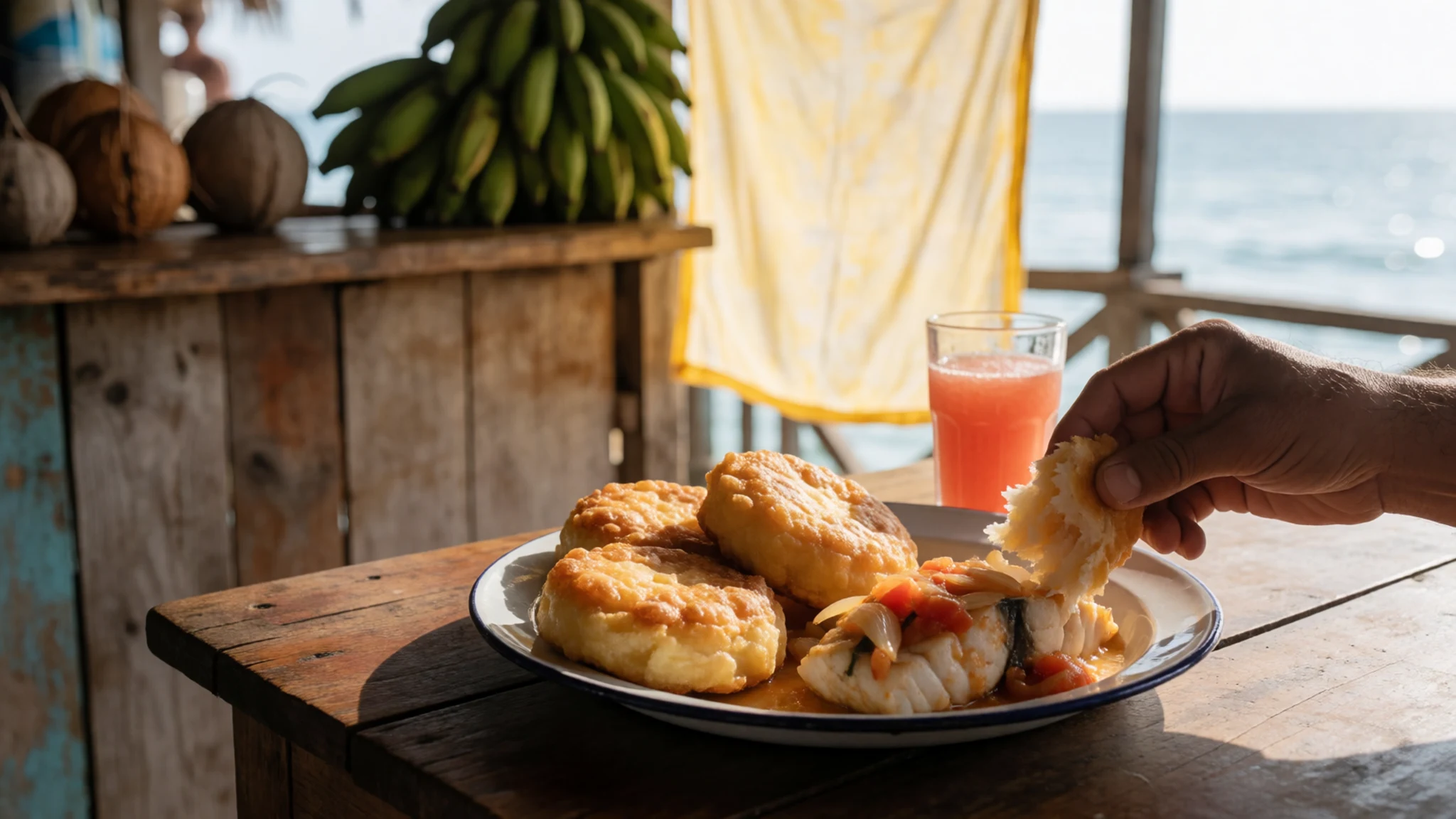
- Fried fish with plantain — Waterside local bars along the coast
Fresh fish fried whole or in pieces, usually served with fried plantain. It is simple coastal cooking that suits the island's fishing communities, best eaten near the water it came from.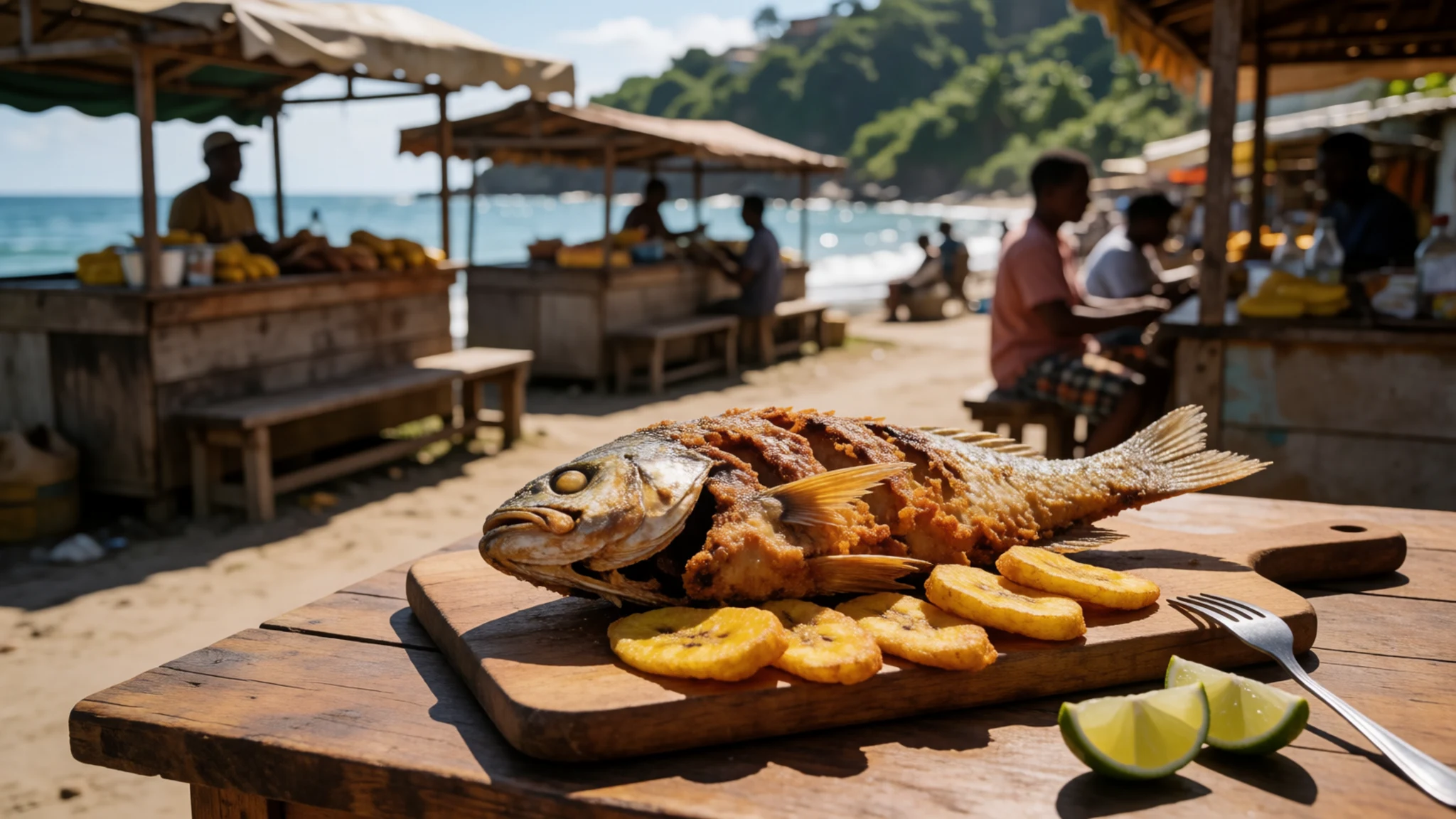
- Tamarind balls — Local bars and roadside snack stalls
A sweet-sour sticky treat made from tamarind, sold as a snack or finish to a meal. The flavour is sharp first and sugary after. Look for it alongside local drinks at casual spots rather than formal restaurants. - Sorrel drink — Roadside vendors and local eateries
A red, refreshing drink brewed from the flowers of a hibiscus species, also popular in Jamaica. It is tart and often lightly sweetened, and it is a cooling answer to the humidity. - Fresh grapefruit juice and coconut water — Juice vendors in Roseau and roadside stalls
Freshly squeezed grapefruit juice is common and goes with almost any meal, and coconut water is sold cheaply by the roadside. Fruit juice in Roseau is usually unpasteurised and made with added water, so choose vendors carefully.
Plan it
Best time. February to May is a sensible window, well clear of the late-summer and autumn hurricane months. The climate is tropical with heavy rainfall, so expect showers in any month, and treat flash floods as a real risk on rivers and trails after rain.
How long. 3–4
Getting there. Most commercial flights land at Melville Hall (Douglas–Charles Airport, DOM), which cannot take jet aircraft, so connect through a Caribbean hub such as San Juan, Antigua, Barbados, St Maarten, Martinique or Guadeloupe. Canefield (DCF) is the island's other airport. The last leg is by road, by taxi or hire car.
Budget. mid
Tips
- Arrange hikes such as the Boiling Lake with a local guide and start early, as the round trip takes most of a day
- Many places to stay are outside the towns, so plan transport in advance
- Check river levels and the forecast before visiting river mouths and waterfalls, since flash floods are a constant threat
- Carry some cash for roadside vendors and small eateries, and keep drinking water with you on trails
- Check current entry rules on the official government site before booking flights
Etiquette
- Greet people before asking for directions or help
- Ask before photographing people, especially at the Kalinago village
- Take rubbish away from beaches, rivers and trails
Nearby
Sources
- Wikidata Q23755343 (CC0)
- Wikipedia, Dominica (CC BY-SA 4.0)
- Wikivoyage, Dominica (rev 5401202) (CC BY-SA 4.0)
- Postdlf, Rosalie, Dominica 008, via Wikimedia Commons (CC BY 3.0)
- Postdlf, Rosalie, Dominica 004, via Wikimedia Commons (CC BY 3.0)
- Postdlf, Rosalie, Dominica 005, via Wikimedia Commons (CC BY 3.0)
- Postdlf, Rosalie, Dominica 006, via Wikimedia Commons (CC BY 3.0)
- Postdlf, Rosalie, Dominica 007, via Wikimedia Commons (CC BY 3.0)


