Emerald Pool
Emerald Pool, Dominica
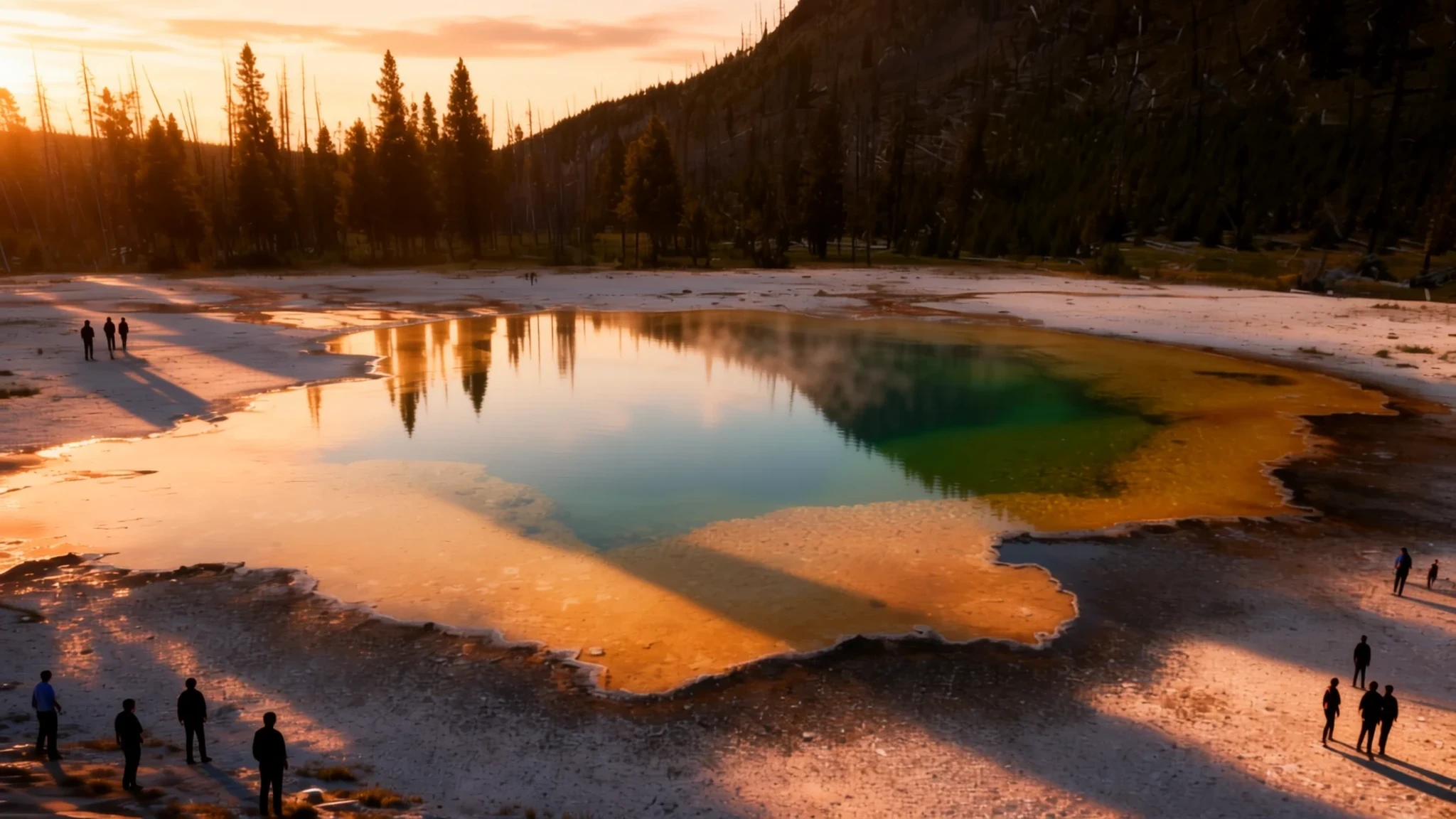
Emerald Pool in Dominica is a short rainforest walk to a green plunge pool beneath a slim waterfall, in the island's volcanic interior.
The place
Emerald Pool sits in St David parish on Dominica, inside Morne Trois Pitons National Park, a protected area of volcanic mountains, rivers and thick forest. The pool is small and round, fed by a waterfall of about twelve metres that drops over a dark rock lip. The water takes its colour from the shade of the canopy and the green of the surrounding foliage, which is where the name comes from.
The approach is what makes the visit. A well-worn path leads from the visitor area through damp forest, with tree ferns, vines, heliconia and the sound of birds, before it reaches the basin. It is a short, mostly easy walk, though steps and roots turn slippery after rain, and rain is frequent here. Dominica is tropical, cooled by the northeast trade winds, and it gets heavy rainfall, so the waterfall changes from a thin thread to a strong curtain depending on recent weather.
Dominica calls itself the nature island, and the label fits. Where much of the Caribbean sells white beaches, this island sells mountains, rivers, hot springs and rainforest. Its beaches are black volcanic sand. The village of Laudat is the usual base for the park's walks, and Emerald Pool is the gentlest introduction to them. Expect a pool shared with other visitors on cruise-ship days, and near-solitude early on a quiet morning. Swimming is possible, with the water noticeably cool.
Its story
Emerald Pool belongs to a landscape that was made by volcanoes. Dominica is a rugged island of volcanic mountains, and its highest point, Morne Diablotin, reaches 1,447 m. Heavy rain falling on those steep slopes feeds countless streams, which is why the island is nicknamed the Land of 365 Rivers. The waterfall at Emerald Pool is one small outlet of that system, dropping into a basin it has cut over a very long time.
The human history around it is just as layered. The Kalinago, often called Caribs by Europeans, resisted colonisers so fiercely that Dominica was the last Caribbean island to be settled by Europeans. France handed the island to Great Britain in 1763, and it became a British colony in 1805. Independence followed in 1978. Today a community of about 3,000 Kalinago still lives in a designated territory on the island's east side, keeping a continuous presence that is unusual in the eastern Caribbean.
That resistance partly explains why so much forest survives. Steep ground and a late, thin colonial settlement left the interior largely uncleared, and the mountain interior was later protected as a national park. Walking to Emerald Pool, a visitor crosses ground that for centuries was known mainly to the people who lived on and defended the island. Hurricanes remain a real part of life, particularly in late summer and autumn, and storms can reshape trails and river channels.
What to see
- Emerald Pool — Morne Trois Pitons National Park, St David
The main draw is the round green basin below a waterfall of about twelve metres. A short forest trail leads down to it, and swimming is possible if the water is calm. Go early to avoid the groups, and keep to the marked path where roots and rock turn slick.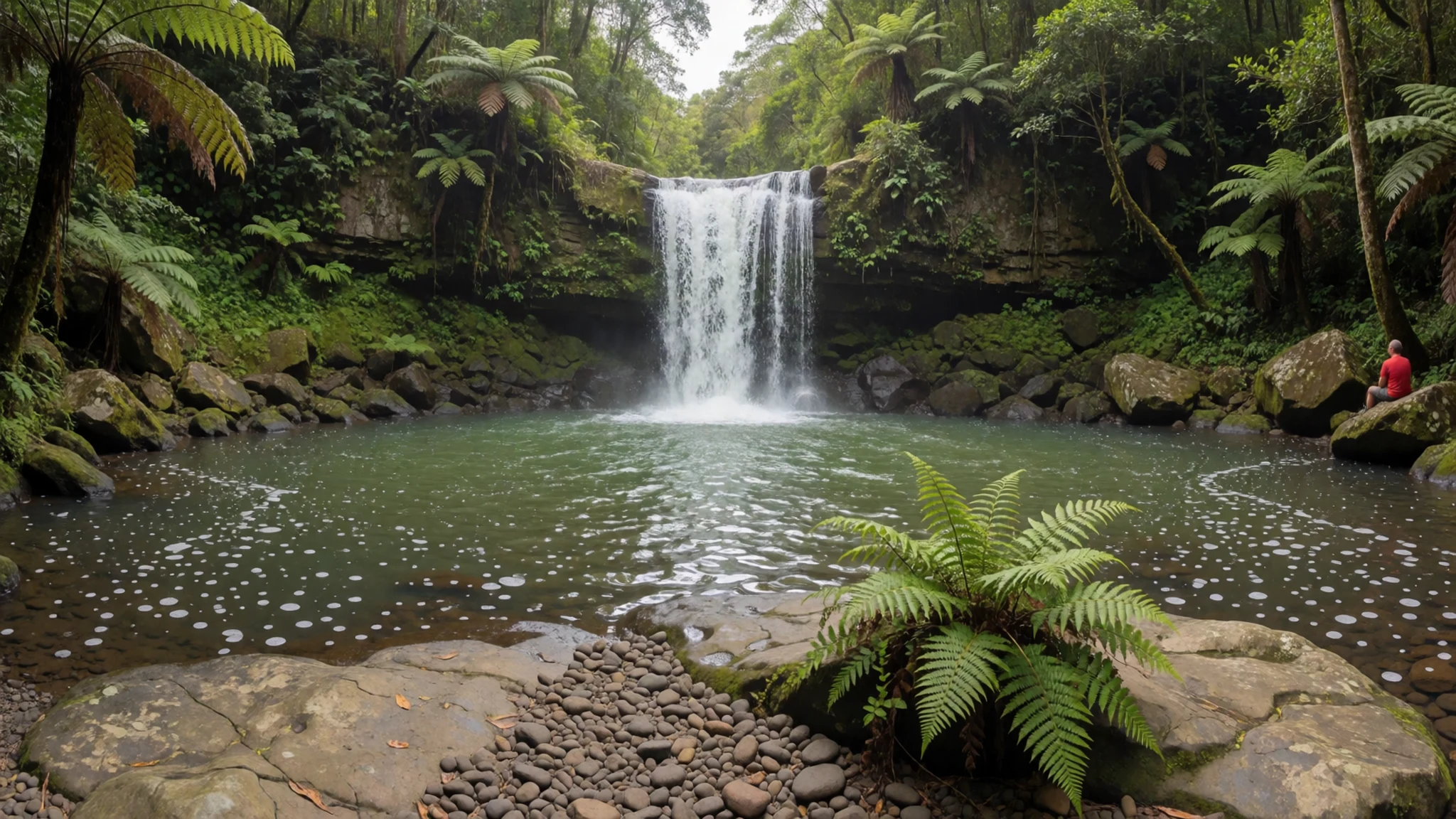
- Morne Trois Pitons National Park — Central Dominica
The wider protected area covers volcanic peaks, misty lakes, rivers, hot springs and fumaroles, all under dense forest. Emerald Pool is its easiest outing. Longer trails climb into higher, wetter country, so bring a rain layer and decent grip on the soles of your shoes.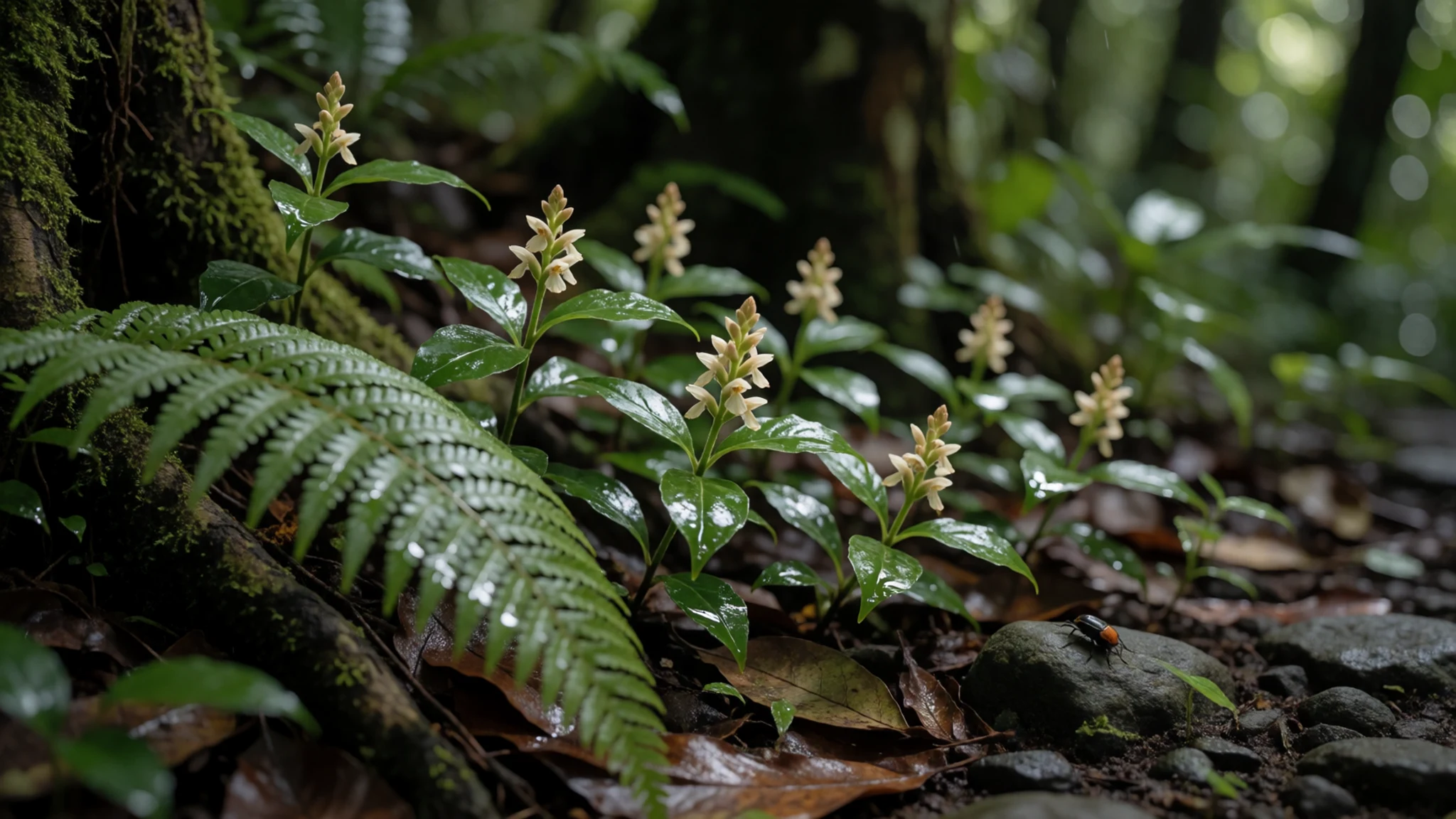
- Titou Gorge — Near Laudat
A narrow, steep-walled gorge near Laudat, where a stream runs between rock faces and visitors swim or float upstream towards a small waterfall. The water is cool and the setting dramatic. Conditions change with rainfall, so ask a local guide before going in, especially after storms.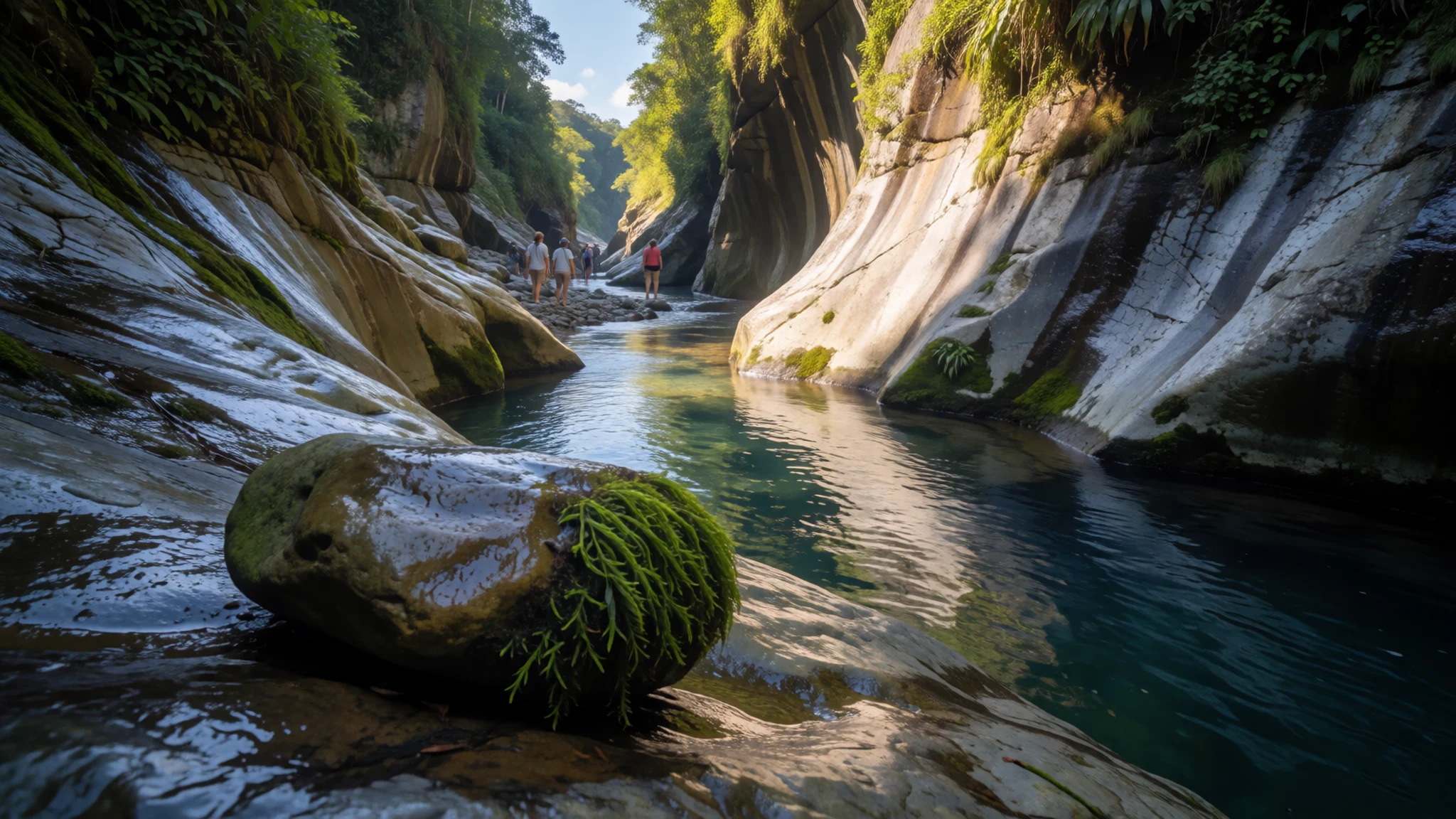
- Middle Ham Falls — Central highlands
A moderately difficult hike ends at a waterfall that makes the effort feel worthwhile. Parts of the trail are challenging, with steep and muddy sections, so allow plenty of time, wear proper walking shoes and take care on the descent where footing is uncertain.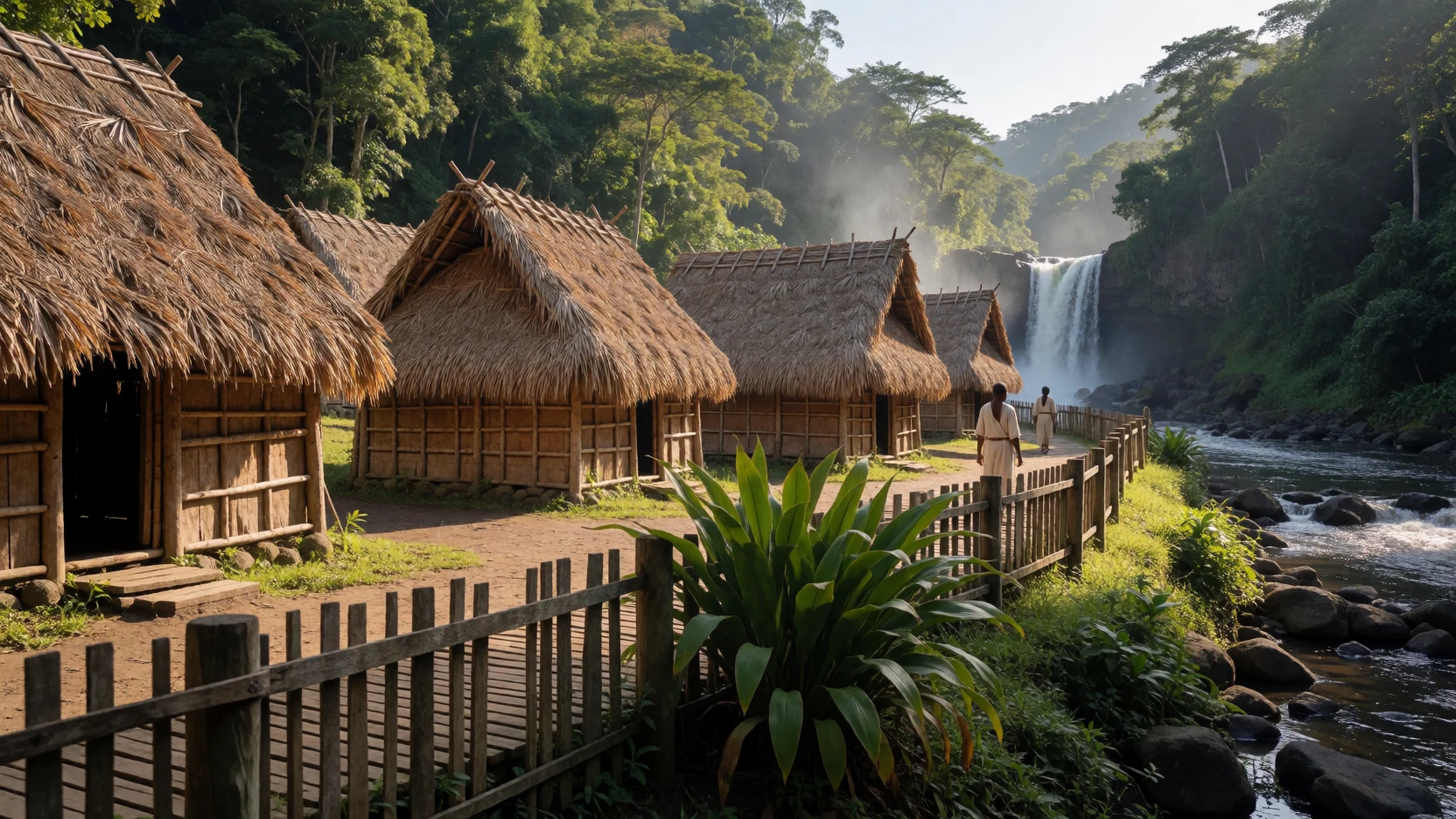
- Valley of Desolation and Boiling Lake — Morne Trois Pitons National Park
This is the island's serious hike, passing steaming vents and bare, sulphurous ground on the way to a boiling lake. Plan at least eight hours for the round trip including the drive. It is demanding and muddy, so go with a guide and start early. - Kalinago Barana Autê — Carib Territory, east coast
A recreated village in the Carib Territory, set beside the Crayfish River near Isukulati Falls. Guided visits explain Kalinago traditions, crafts and history, passed down over hundreds of years. It is a good way to understand the people who shaped the island, and a guide adds much. - Roseau Botanic Gardens — Roseau
Dominica's capital has a botanic garden that offers shade and quiet away from the traffic and street stalls of the town. It suits a slow hour after the hiking, and the town around it has restaurants, small shops and views of the mountains behind.
Culture
Emerald Pool sits within a culture shaped by a mix of Kalinago, African, French and British influences. The island's everyday speech blends English with a French-based Creole, and music, food and festivals reflect that mix. Life is community-centred, and greetings matter: a quick good morning to people on the trail or in a shop is expected and usually returned warmly.
The Kalinago are central to the island's identity. About 3,000 people still live in the Carib Territory, and visitors can learn about their traditions, basket weaving and canoe building at Kalinago Barana Autê. These are living communities, not museum pieces, and the best visits are those that include a guide from the community and money spent on local crafts.
The forest itself is treated with care. Dominica markets itself on its nature, and much of the economy depends on visitors who respect the trails, rivers and pools. Locals who work as guides, drivers and vendors near Emerald Pool rely on this, so buying a drink, a piece of fruit or a guided walk is a simple way to give something back. Pace is relaxed, and rushing tends to be met with a smile rather than a hurry.
Carry out everything you carry in, and do not use soap, sunscreen or insect repellent in the pool, as the water is small and still.
What to wear
Dominica's traditional dress is best known as the wob dwiyet, a Creole costume worn for National Dress Day and the island's Creole celebrations. It is made from madras, a cotton plaid in bright checks, and is worn with a matching headtie and a white blouse with lace trim. Women wear it with gold jewellery and a long skirt gathered over a petticoat. Men wear madras shirts, sashes or waistcoats, often over dark trousers. It appears at festivals, school events and cultural performances rather than daily life.
Everyday clothing is practical for heat and rain: light cotton shirts, shorts, sundresses, flip-flops and sandals in the towns, and sturdy trainers or boots for those who work on trails. Roseau is relaxed, though people tend to dress a little more neatly for church, offices and formal events. Swimwear belongs at the beach and the pool, not on town streets.
For Emerald Pool, wear quick-drying clothes and shoes with proper grip, as steps and roots are wet most of the year. Trail shoes or sturdy sandals with straps suit better than smooth flip-flops. Carry swimwear under your clothes, a light waterproof layer and a small towel in a dry bag. Insect repellent is worth packing, though not to be used in the water. Covering up with a shirt in the sun on the way back protects against strong tropical rays.
What to eat
- Fried plantains — Local bars and roadside eateries, including waterside spots near Roseau
Sweet ripe plantain fried until its edges caramelise, served as a side or a snack. It turns up at local-style bars and eateries all over the island, and it is a good partner for salted fish or fried fish.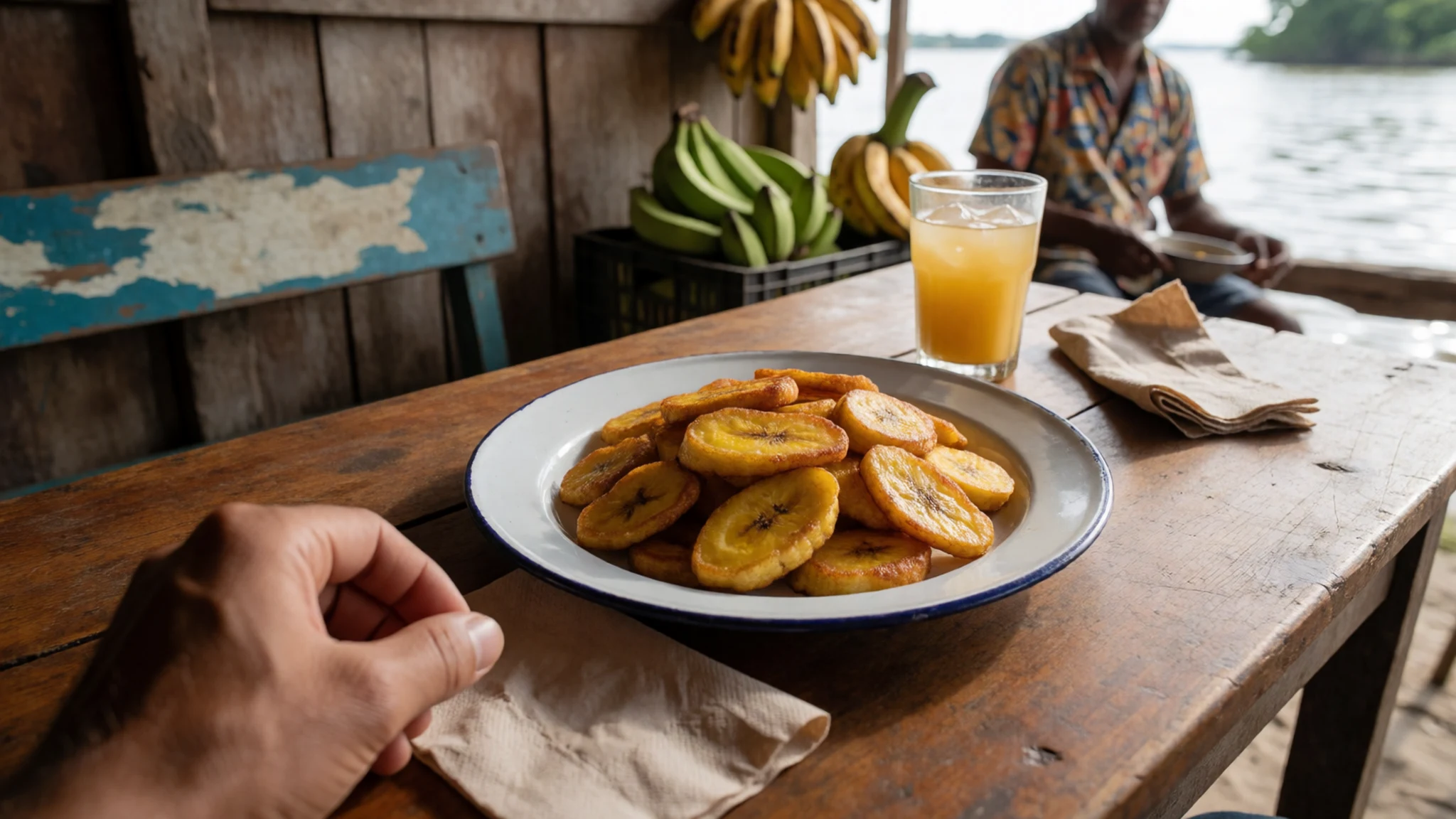
- Codfish and bakes — Local-style bars and small eateries in Roseau
Salted codfish cooked with onion and seasoning, eaten with bakes, which are small fried dough breads. It is a hearty breakfast or lunch, common across the Caribbean and a regular on Dominican menus.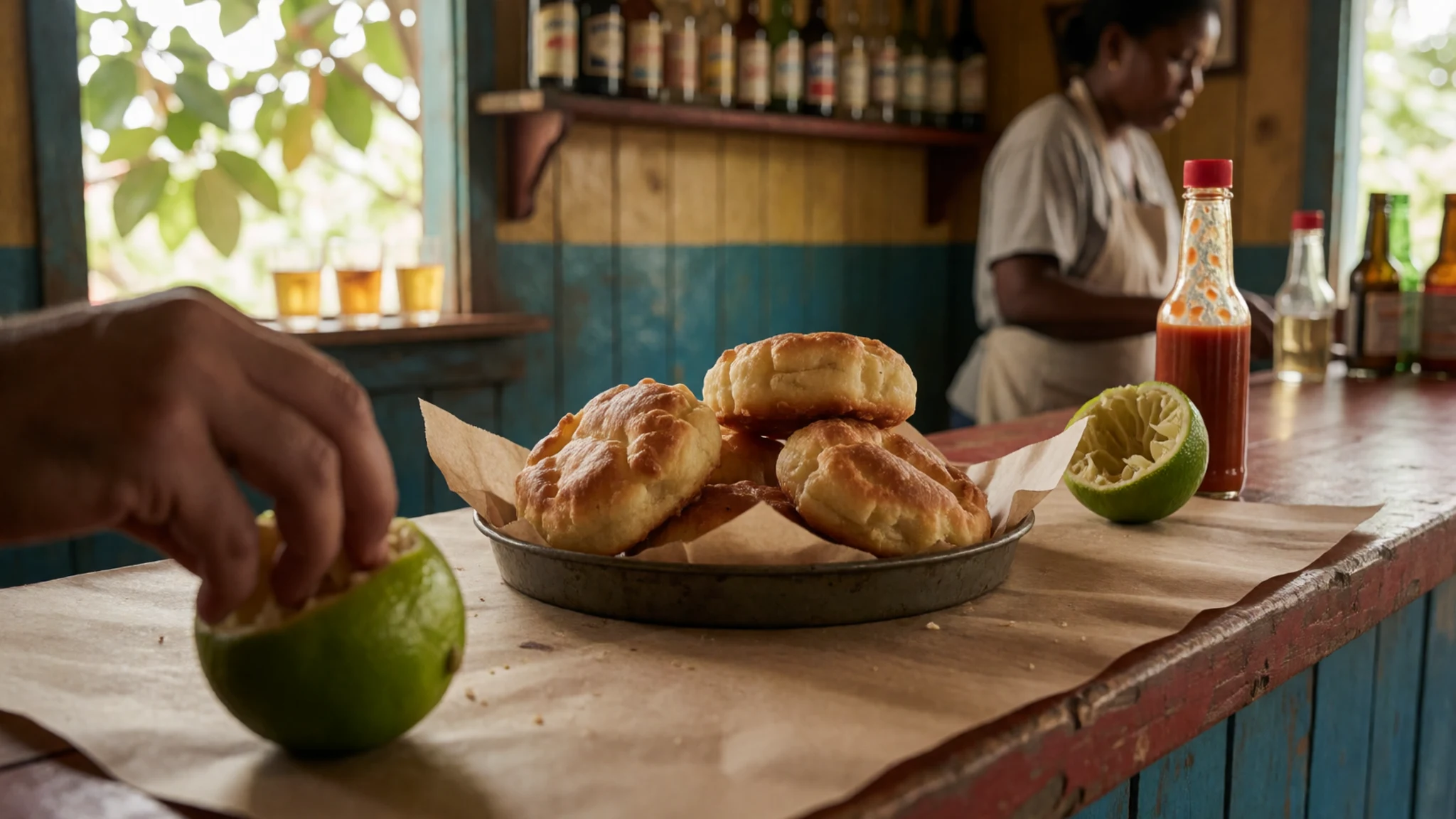
- Fried fish — Waterside local bars and fishing villages
Fresh-caught fish, fried whole or in pieces and served with bakes, plantain or rice. Coastal communities cook it best, and the waterside bars near the capital are a reliable place to try it. - Sorrel drink — Roadside stalls and local eateries
A red, tart drink brewed from the flowers of a hibiscus species, served chilled and sweetened. It is refreshing after a hot walk and is common around festivals and at roadside stalls. - Fresh grapefruit juice — Juice vendors near the bus area in Roseau
Freshly squeezed grapefruit juice is everywhere and goes well with almost any meal. Juice sold in Roseau is often made with added water and sugar, so ask how it is prepared if you have a sensitive stomach. - Kubuli beer — Bars and shops across the island
The popular locally brewed beer, light and cold, and an easy match for fried fish after a day on the trails. Brewery tours can be arranged through your accommodation, so ask when you book your stay.
Plan it
Best time. February to May is the drier part of the year and the best window for trails; the wet season brings heavier rain, slippery paths and a stronger waterfall, and hurricanes are most likely from late summer into autumn.
How long. 3–4
Getting there. Most flights land at Douglas–Charles Airport (Melville Hall), reached from Caribbean hubs such as Antigua, Barbados, Martinique and Guadeloupe; Canefield is the other airport. From Roseau, taxis or a hired guide go up to Laudat, with the pool a short walk beyond.
Budget. mid
Tips
- Go early to beat the groups, especially on cruise-ship days
- Check the official Dominica tourism site for current access and any fees before you go
- Wear shoes with grip, as the trail is wet
- Carry some cash for small vendors and guides
- Ask locally about water levels after heavy rain
Etiquette
- Keep soap, sunscreen and repellent out of the pool
- Take all rubbish away with you
- Greet people you meet on the trail and respect local guides' advice
Nearby
Sources
- Wikidata Q59711733 (CC0)
- Wikipedia: Emerald Pool (CC BY-SA 4.0)
- Wikivoyage: Dominica (CC BY-SA 4.0)
- Cheguemanu, Emerald Pool, Dominica (CC BY-SA 4.0)
- Hans Hillewaert, Crantzia cristata (CC BY 3.0)
- Aneil Lutchman, Emerald Pool Dominica (CC BY-SA 2.0)
- XeresNelro, Dominica (CC BY-SA 4.0)
- Balou46, Emerald pool-1 (CC BY-SA 4.0)
- Balou46, Emerald pool-2 (CC BY-SA 4.0)
- Balou46, Emerald pool-4 (CC BY-SA 4.0)
- Balou46, Emerald pool-5 (CC BY-SA 4.0)


