Trafalgar Falls
Trafalgar Falls, Dominica
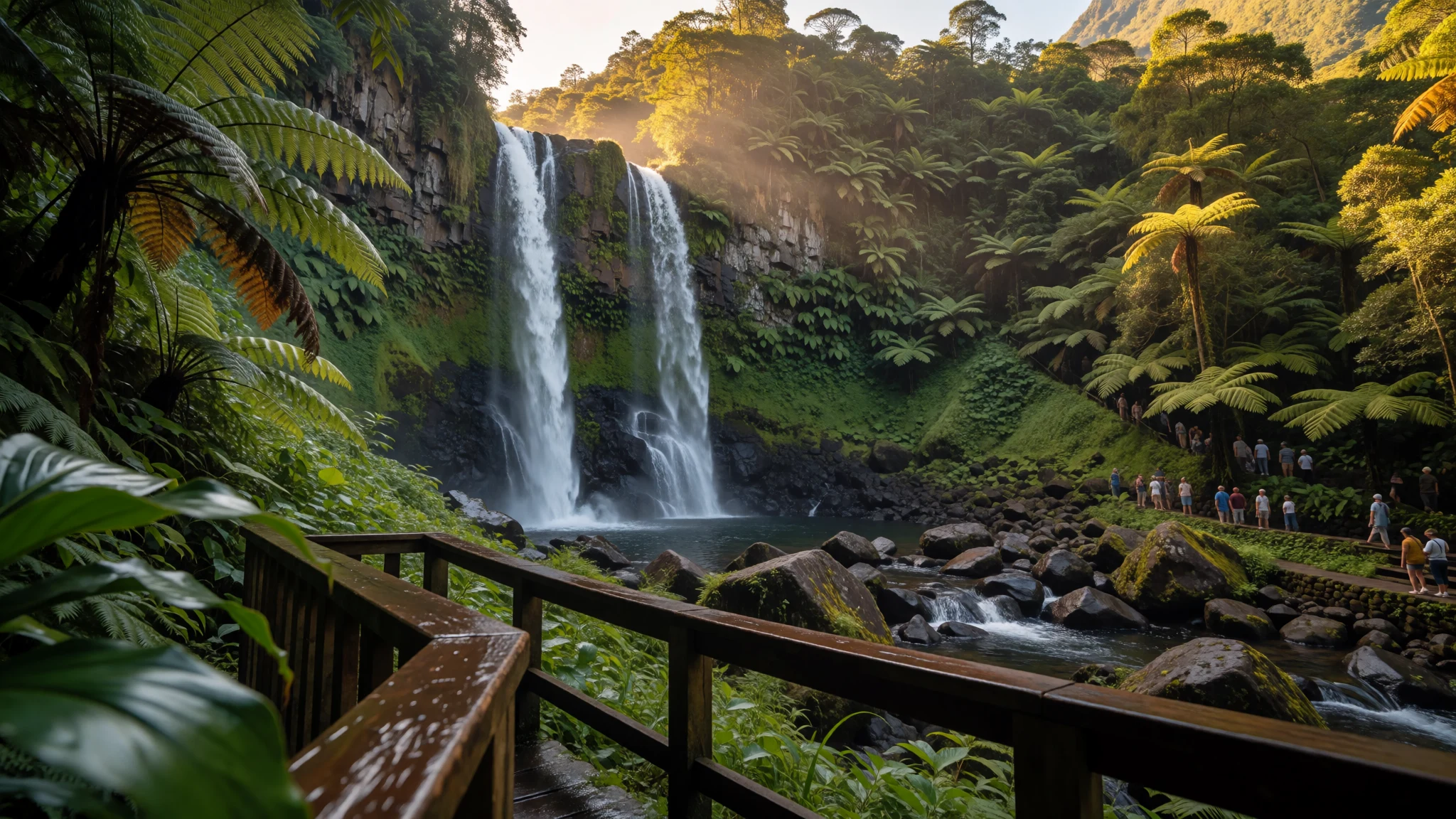
Trafalgar Falls is a rural double-drop stop in Dominica’s rainforest, best visited when paths are manageable after rain.
The place
Trafalgar Falls sits in the inland village of Trafalgar, in St George parish on Dominica—an island known for dense rainforest and rugged volcanic terrain. The falls are closely associated with the nearby Trafalgar hydroplant, which helps explain why this area feels both wild and quietly organised, rather than remote and aimless.
In practical terms, Trafalgar Falls is about moving from greenery to water: trails thread through lush vegetation, and then the “double” aspect—often described as “Papa” and “Maman”—lands you right in the sound and mist. This is not the kind of waterfall you rush past with a quick photo; it’s the type that rewards a slower visit and a bit of patience for conditions.
Dominica’s climate matters here. The island is tropical and gets heavy rainfall, with frequent flash-flood risk. That means a sunny morning can still shift quickly, and trails can become slippery. Hurricanes are a late-summer-and-early-fall reality, so shoulder seasons tend to feel more reliable.
The wider setting is a big part of the draw. Trafalgar is near Morne Trois Pitons, the mountain that dominates southern central Dominica, and the landscape around the falls is the same volcanic-and-rainforest mix that drives the island’s ecotourism reputation. Expect thick foliage, short bursts of visibility, and a “water-and-jungle” kind of atmosphere rather than open, dry viewpoints.
It’s also a good reminder that Dominica is still relatively low-key for mainstream tourism. You can feel the difference: fewer tour-bus crowds, more local knowledge at the roadside, and plenty of atmosphere—even if you have to be ready for mud, humidity, and the island’s weather to write the day’s plan.
Its story
Dominica didn’t become a classic Caribbean “beach-and-bungalow” destination, and Trafalgar Falls is a good example of why. Even the island’s geography pushes you away from easy, flat sightseeing: it’s a rugged mix of volcanic terrain and rainforest, with mountainous country running through the middle.
Trafalgar itself is inland, northeast of Roseau, so the journey already changes the mood. As you move away from the capital, the roads feel more like connectors to nature than corridors for nightlife. That shift matters because the falls aren’t just a point on a map—they’re part of a wider system of water on the island. The same landscape that feeds rivers and waterfalls also supports hydroelectric generation, which is why the Trafalgar hydroplant is so closely linked with this spot.
Dominica has also built an ecotourism identity around its water and jungle. Trafalgar Falls has started to draw more visitors as people look for hikes and natural experiences rather than only resorts. In the background sits Morne Trois Pitons, a mountain region that anchors much of the island’s dramatic scenery.
When you arrive at the falls, the “story” becomes sensory: thick leaves, cooling air near the cascade, and that ever-present tropical humidity. It feels like the rainforest is always on—wet, green, and alive—while the waterfall itself does the steady work of turning the valley into mist and sound.
The honest bit: conditions control the experience. After heavy rainfall, access and footing can change quickly. Still, that’s part of the charm of Dominica. Trafalgar Falls isn’t trying to be polished or perfectly predictable. It’s nature-first, with the added comfort that Dominica is generally considered safe for travellers—especially outside the Roseau-area for petty crime.
What to see
- Trafalgar Falls (double cascade) — St George parish (Trafalgar village area)
The main event at Trafalgar is the double-drop feel—often discussed as “Papa” and “Maman”. Spend time near the falls to catch the way the water splits and re-collects through the rainforest, then move slowly along the nearby viewpoints where the mist thins.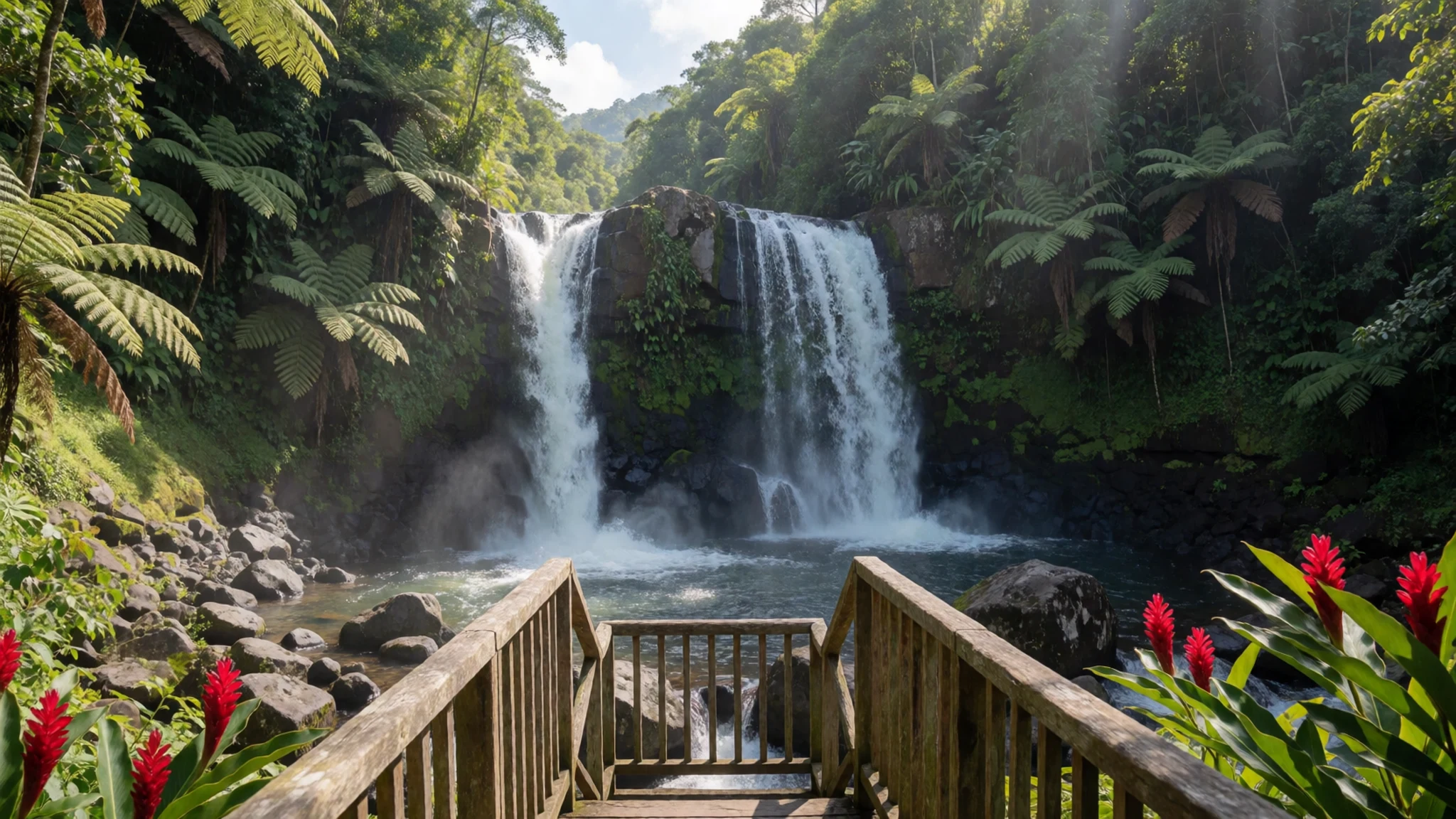
- Rainforest around the falls — Trail approaches around Trafalgar Falls
Dominica’s rainforest presence is the point here: you’re surrounded by dense greenery that makes light patchy and the air feel cooler near the water. Wear footwear with grip and expect damp leaves; even short walks can feel like a mini trek.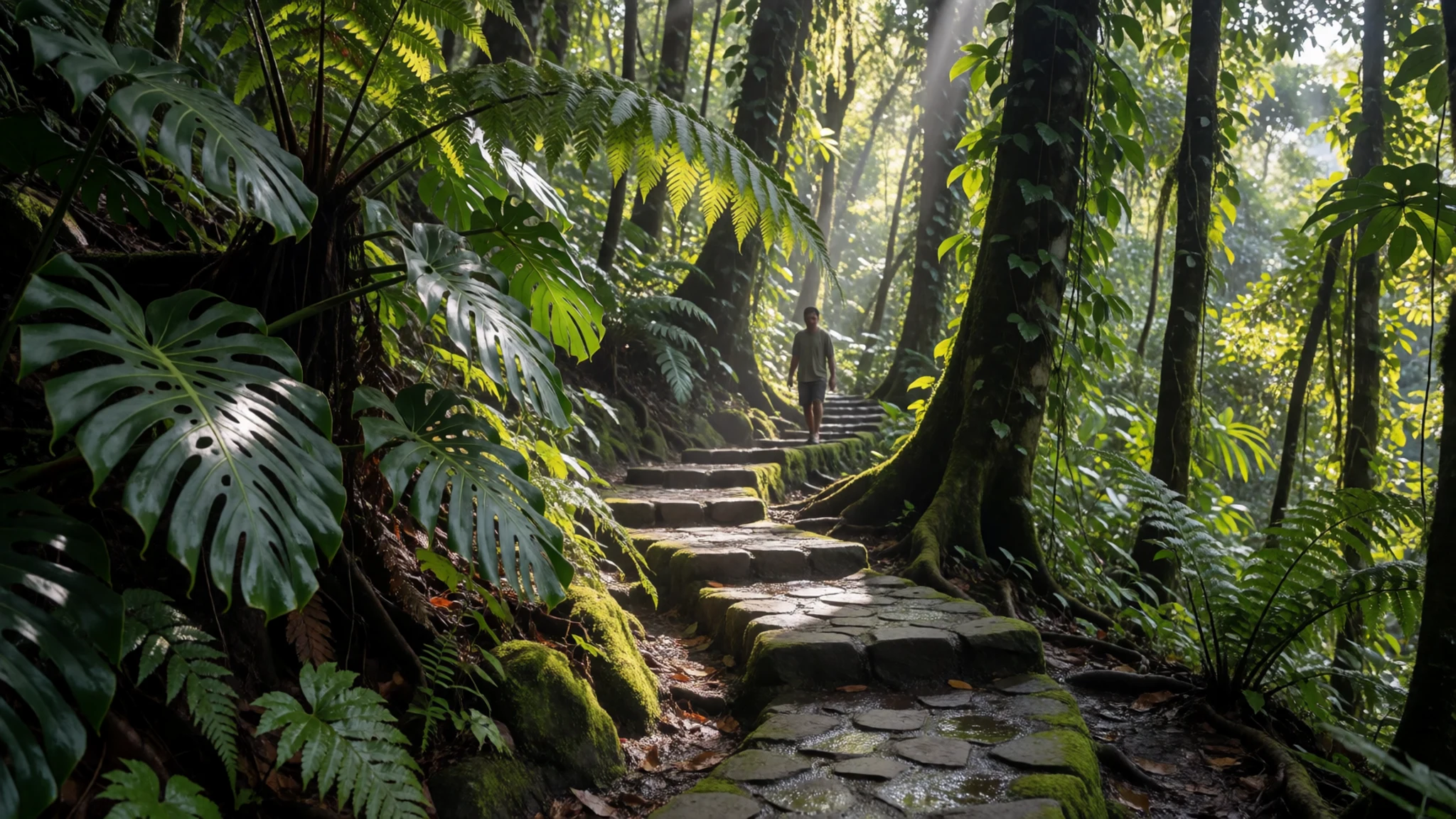
- Morne Trois Pitons area (volcanic scenery nearby) — Near Morne Trois Pitons National Park
Trafalgar Falls sits close to Morne Trois Pitons, the mountain landscape that dominates southern central Dominica. Even if you don’t do a long hike, the volcanic “backdrop” and forested valleys shape how the falls look and sound.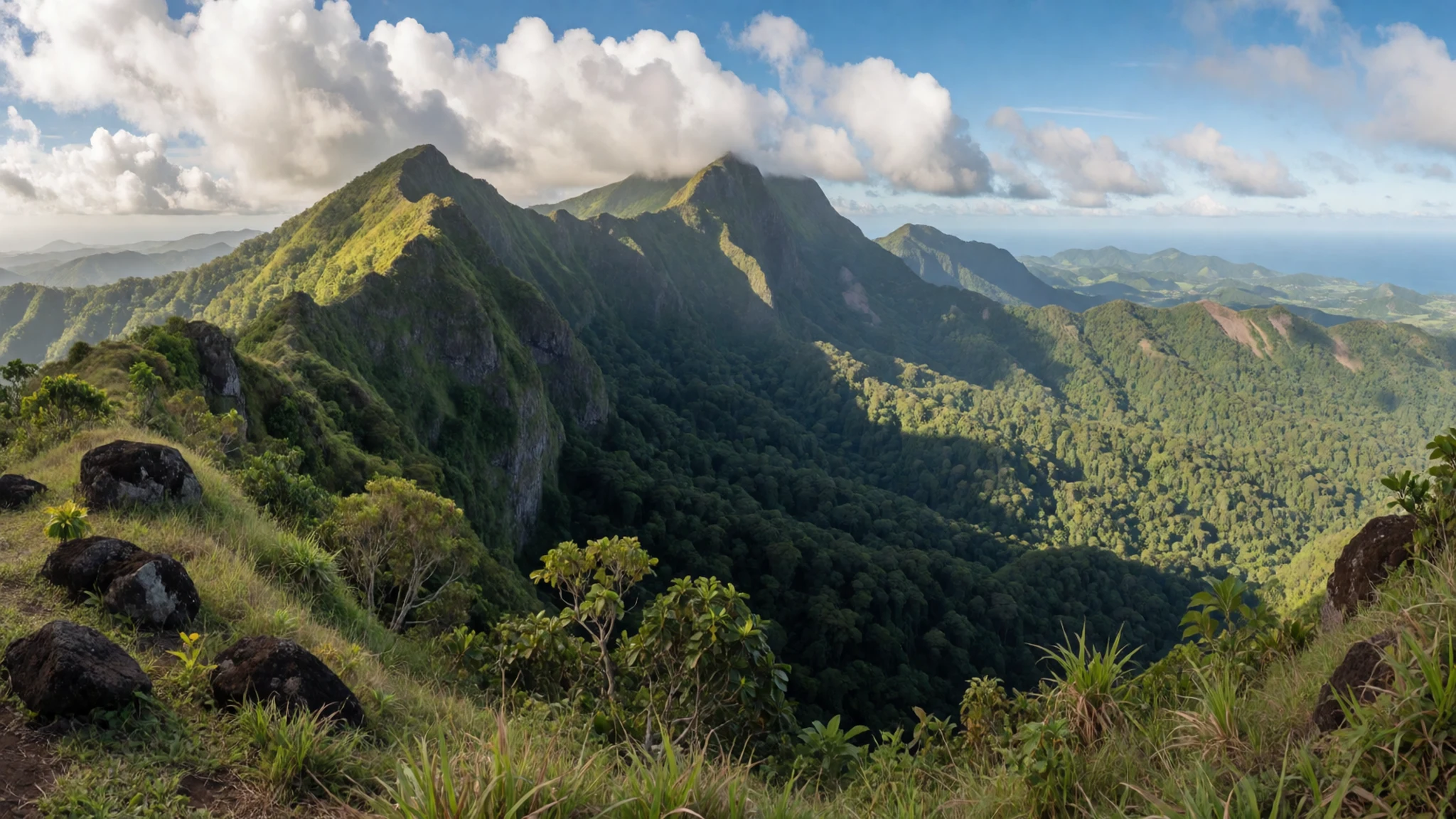
- Local water culture (tropical river life) — Inland rivers around Dominica (day-trip context from Trafalgar)
Dominica is often nicknamed the “Land of 365 Rivers” for a reason: coastal rivers and inland watercourses support recreation such as tubing and boat trips. If you’re basing in the area, ask locally what’s running when the weather stabilises.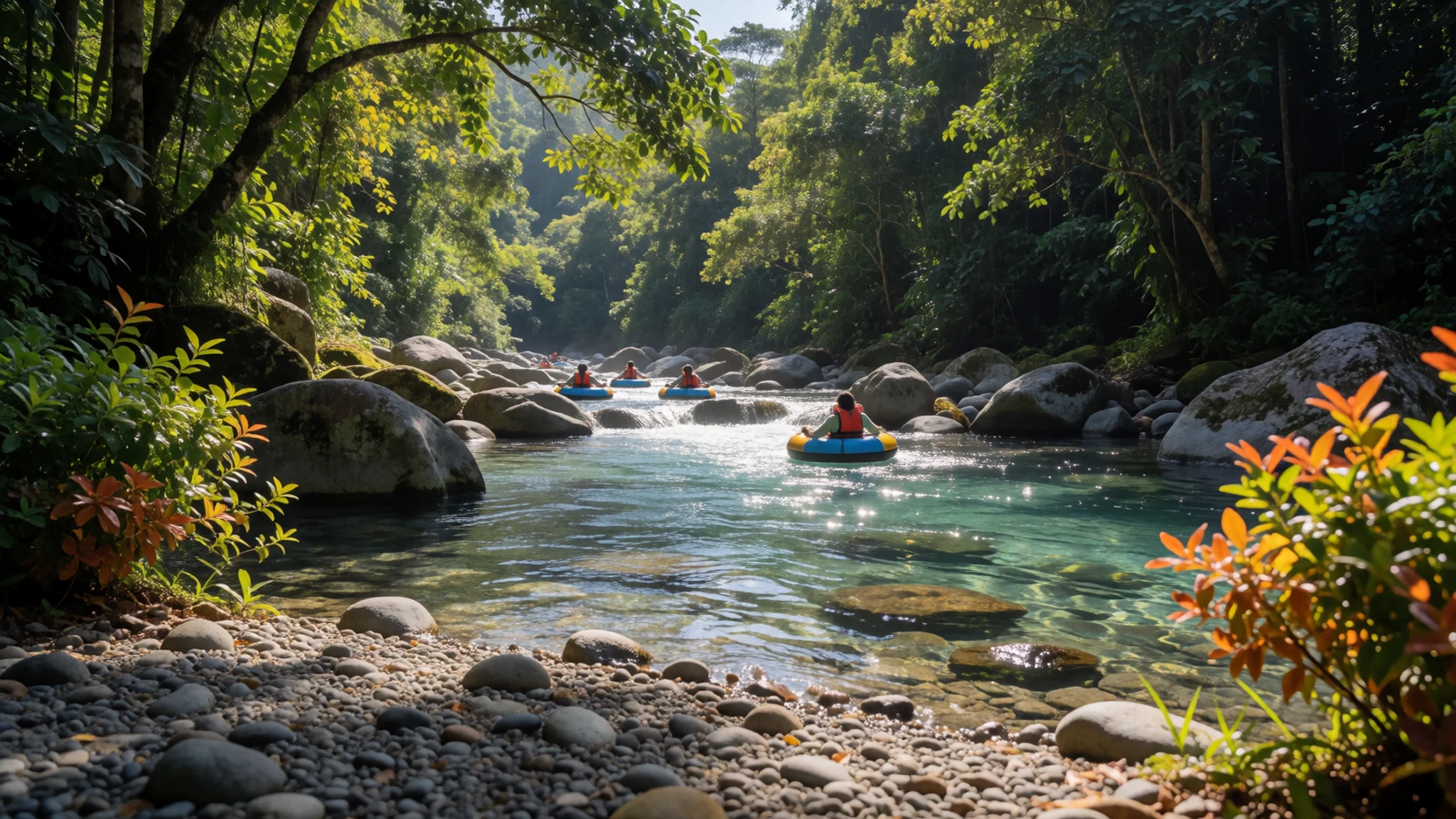
Culture
Trafalgar Falls is part of Dominica’s wider “nature island” identity, where rainforest and water drive most outdoor plans. The island’s tropical climate brings heavy rainfall and the potential for flash floods, so local culture around the outdoors is practical: people pay attention to conditions and adapt quickly rather than insisting on a fixed schedule.
This is also a place where the landscape and infrastructure intersect. The hydroplant link means the falls aren’t just a tourist viewpoint—they’re tied into how water is used on the island. That can make the area feel slightly more “functional” than purely wild spots, but it doesn’t dilute the rainforest atmosphere.
Dominica is generally considered safe for travellers, with petty crime more likely around Roseau than elsewhere, which helps if Trafalgar is simply an out-and-back day. Still, the main risk to plan around at Trafalgar is environmental: slipping on wet trails, sudden showers, and water level changes.
When visiting, keep noise down near villagers and follow any guidance on access. If conditions worsen, treat turning back as a normal part of the plan—not a failure.
Visitor-etiquette: keep to marked paths, and don’t cross onto unstable river edges after rain.
What to wear
At Trafalgar Falls, the “dress code” is really about traction and comfort in a wet, tropical rainforest. Traditional dress exists in Dominica, but on a falls day most locals and visitors go practical: lightweight breathable clothing under a waterproof layer if rain is likely. You’ll often see people in quick-dry tops and shorts or trekking trousers, plus sandals or trainers that can handle mud.
What to wear as a visitor: closed-toe shoes with good grip (the trail can be slippery), moisture-wicking socks, and a waterproof jacket or poncho. A hat helps with mist and sudden showers, and a small dry bag keeps your phone and camera safe from spray.
If you plan to shower off and change after, bring a spare pair of socks—Dominica humidity can soak everything quickly. Avoid anything fragile or heavy; the rainforest environment is damp by nature.
If you include a stop in more local village areas beyond the falls, modesty tends to be appreciated. Stick to cover-your-shoulders and cover-your-knees clothing where appropriate, but for the waterfall itself, prioritise footwear and weather protection over formality.
What to eat
- Fried plantains — Local-style bars and waterside eateries (e.g., Black Boys Bar area)
Fried plantains are a common local snack, often served alongside savoury plates. Look for them at waterside local-style bars and eat-and-drink spots where “island comfort” meals show up with whatever’s fresh.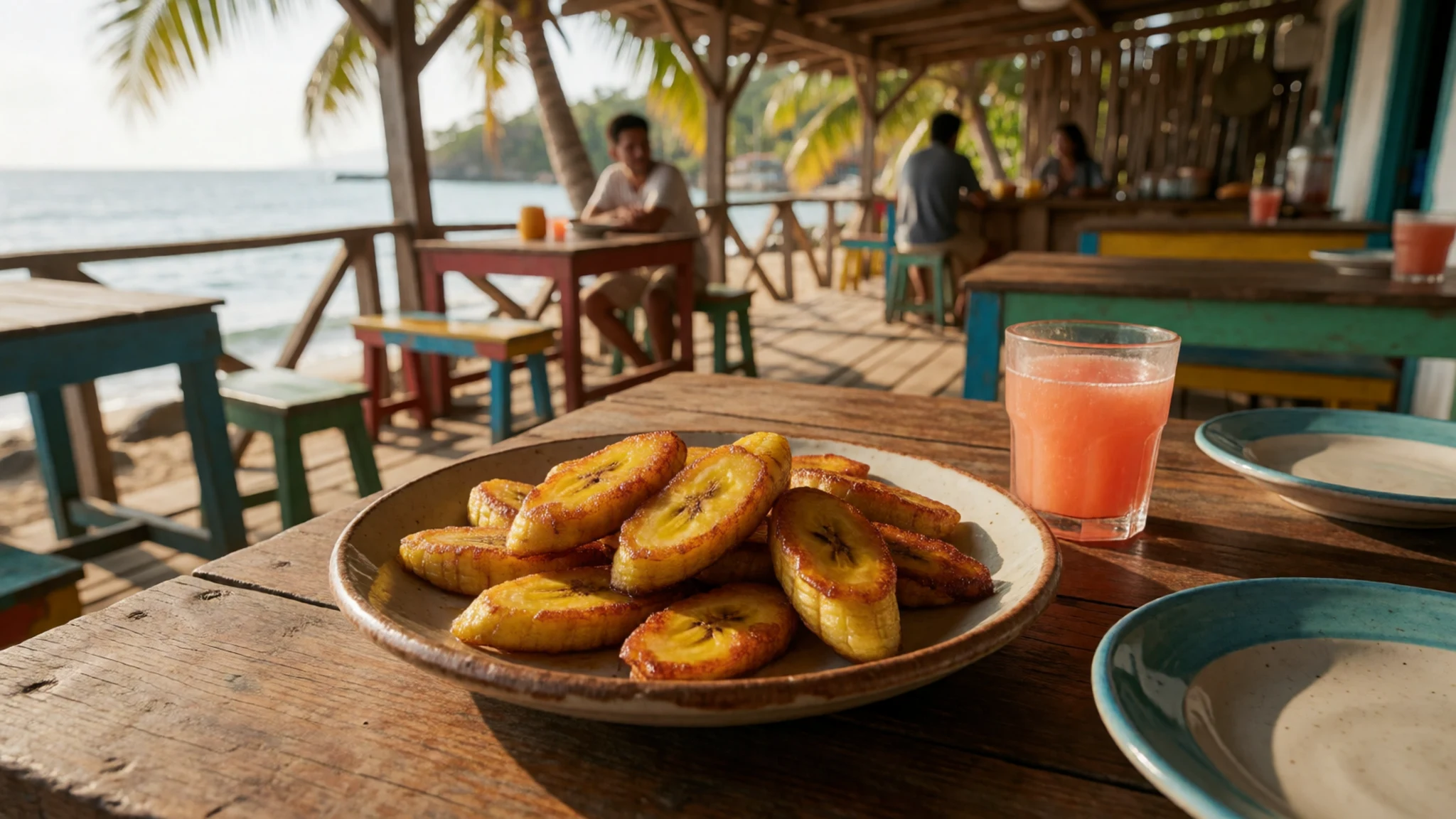
- Codfish and bakes — Local food bars and eateries serving traditional meals (e.g., Black Boys Bar)
Codfish with bakes is a hearty Dominica classic: salty fish paired with a soft, fried bread. It’s the kind of plate that helps after a muddy hike, best found at places serving traditional local meals.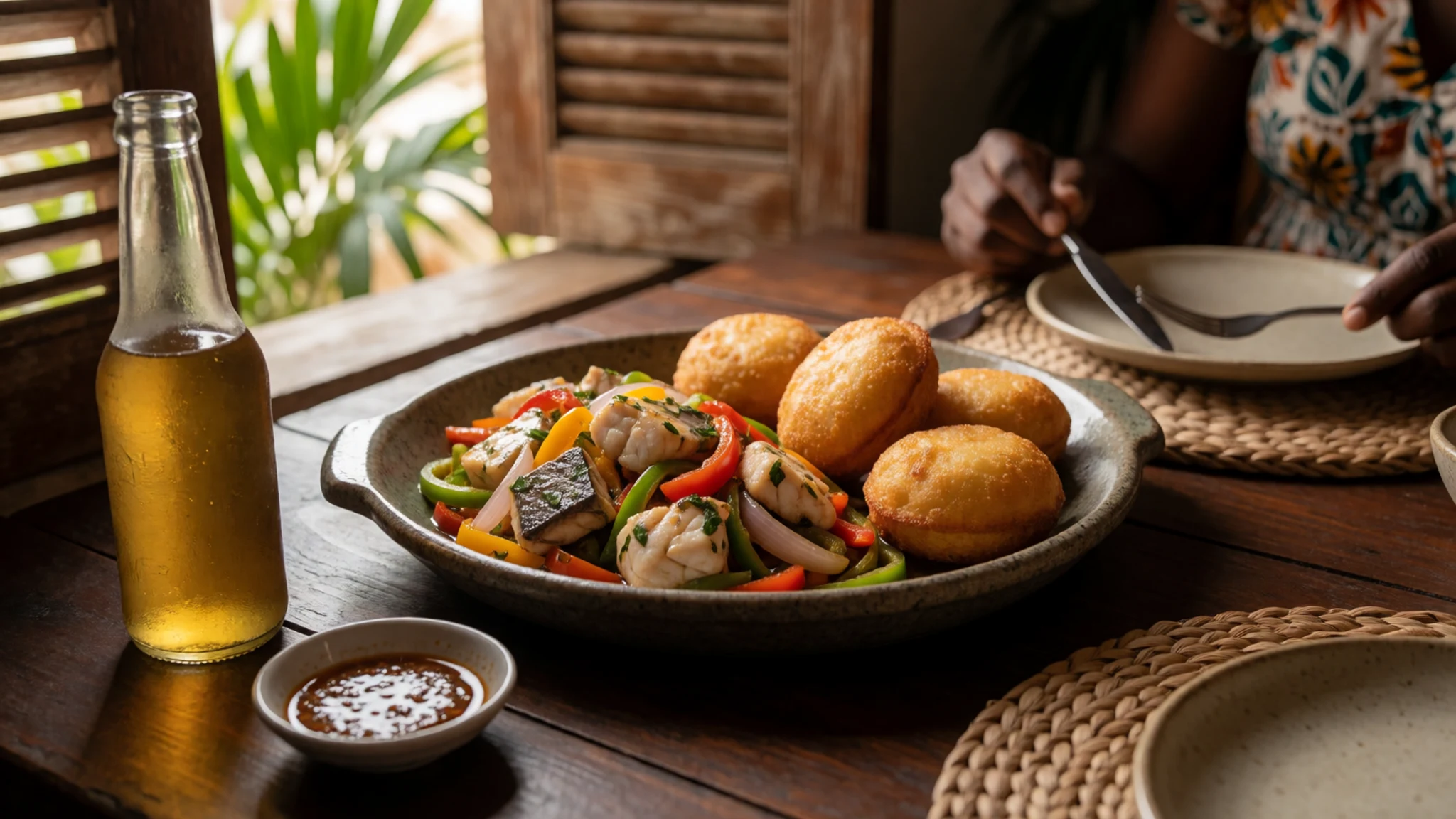
- Fried fish — Waterside local-style bars and roadside eatery-style stops (e.g., Black Boys Bar)
Fried fish shows up widely on the island, usually with a simple side and bright flavours. After a waterfall day, it feels like the right kind of uncomplicated comfort food. - Tamarind balls — Local-style bars and eateries (often bundled with rum and snack plates)
Tamarind balls offer a sweet-and-tangy bite that works as an easy snack while you’re exploring. They’re often included in local plate spreads at casual bars and eateries. - Sorrel drink — Local restaurants and casual eateries around Dominica (including Roseau)
Sorrel is a red, refreshing drink made from hibiscus flowers. If there’s a jug of it on the menu, it’s a good match for humid days—cooling without needing anything complicated.
Plan it
Best time. March–April for drier, more comfortable hiking conditions and late October–November when rainfall is often more manageable; June can bring heavy rain and August is hot and humid.
How long. 2–3
Getting there. Fly into Melville Hall (Douglas–Charles Airport) then drive to the inland St George parish area for Trafalgar Falls; the last leg is by road from near the capital region.
Budget. mid
Tips
- Check conditions before setting off—Dominica’s flash-flood risk can change plans quickly.
- Start early to give yourself a buffer if trails are muddy after rain.
- Bring a waterproof layer and dry bag for phones and cameras—mist is part of the experience.
- If you’re combining hikes, leave extra travel time; some routes are longer and slower than expected.
- Keep a little cash for small purchases during the day.
Etiquette
- Stay on the trail and avoid unstable edges near fast-moving water.
- Be quiet near local homes and follow any access guidance from people on the ground.
- Don’t litter—rainforest environments trap rubbish and it’s hard to clean up.
Nearby
Sources
- Wikidata Q23755365 (CC0)
- Wikipedia (Trafalgar Falls, rev 1378239568) (CC BY-SA 4.0)
- Wikivoyage (Dominica, rev 5401202) (CC BY-SA 4.0)