Ratti Gali Lake
Ratti Gali Lake, Pakistan
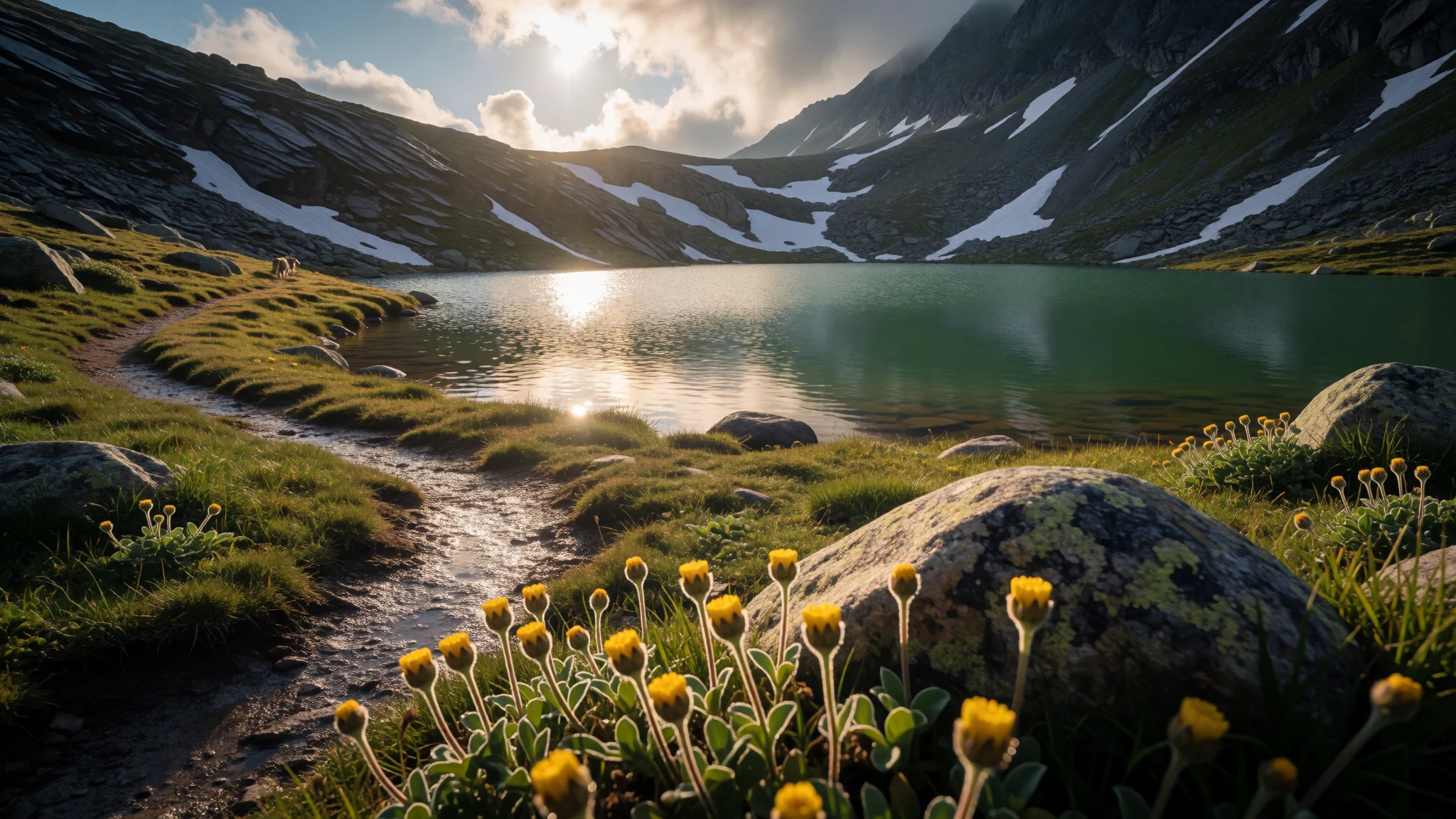
Ratti Gali Lake is a high alpine lake in Neelum Valley, reached on foot through summer pasture.
The place
Ratti Gali Lake lies in a high basin above Neelum Valley, in Azad Kashmir, Pakistan. Snow holds the bowl for much of the year. When it clears, the water sits among short turf, loose rock and steep slopes, turning from green to grey-blue as cloud crosses. There is no village on the shore. The lake is the end of a climb. The path leaves the inhabited valley, thins out of the forest and crosses pasture. Streams cut it, and rain softens the ground. Herders bring animals onto the same grass in the warm months, so flocks, dogs and the odd tent share the route. The water appears only after the last rise. In flower season the turf is dotted with small bright blooms, and many views of Ratti Gali Lake are really views of that meadow. Wind is constant. It ruffles the surface and stacks cloud on the ridges, so a clear spell can close quickly. Evenings are the cold part of a visit. October light on the lake is low and clear, with the grass already past its brightest green. Shelter at the water is thin. People walk the rim and aim to be lower before dark. Barkatia Lake lies in the same high pasture, reached by continuing across the ridge. Together these waters give this side of Neelum Valley its character: seasonal grazing, a footpath, and a shore that grows quiet once the walkers turn back.
Its story
Ratti Gali Lake takes its name from the high ground around it. In local mountain usage a gali is a pass or a saddle, a way through rather than a town, and the water is known by that crossing. No foundation year is given in the facts for this reading. The history that can be told is pastoral: families moving animals up when the grass returns and down when the snow comes back, using the basin as summer country. That rhythm still decides who is present. Ratti Gali Lake has no streets and no bazaar. Roofs and shops stay down in Neelum Valley. The shore is for people who already live with this weather, and for visitors who borrow the herders' line for a short stay. For most of its human story the path belonged to local households. Walkers from further away are a later presence. Neelum Valley is a long river trench of forest, side streams and villages in Azad Kashmir, running toward a high border ridge. Ratti Gali Lake sits in a side basin off that trench. The ridge is politically sensitive, so talk on the way up is practical — which track is open, whether cloud is dropping, who else is out. Barkatia Lake belongs to the same pasture and the same story. Snow shuts the bowl and melt opens it. Herders arrive before visitors. What the photographs keep showing is water, turf, cloud and a path that has to be walked.
What to see
- Ratti Gali Lake — Neelum Valley
Ratti Gali Lake is the basin itself, water held in turf and rock high above Neelum Valley. Colour shifts with the sky, green in sun and duller under cloud. There is no built viewpoint; the near shore is the place to stand. Wind is usual. After the climb the water fills the view, pasture around it, the valley hidden below.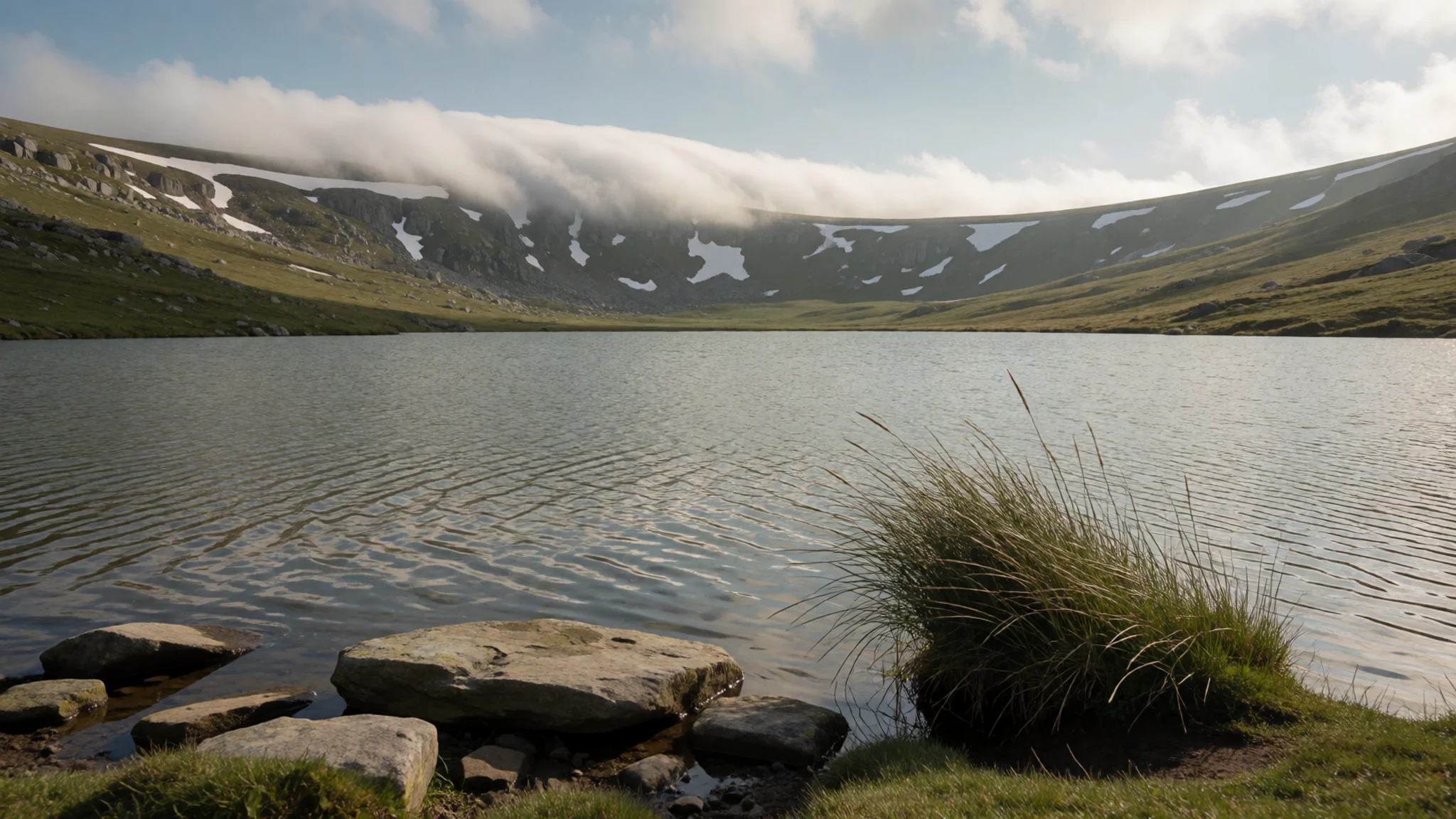
- Shore meadows — shore meadows above Neelum Valley
The meadows around Ratti Gali Lake carry low flowers once snow has left the turf. Blooms sit among grass and stone, a scatter of colour rather than tall beds. Views from the shore set those flowers in front of the water. The ground is working pasture, and flocks use it in the same weeks. Later the bank returns to grass and rock.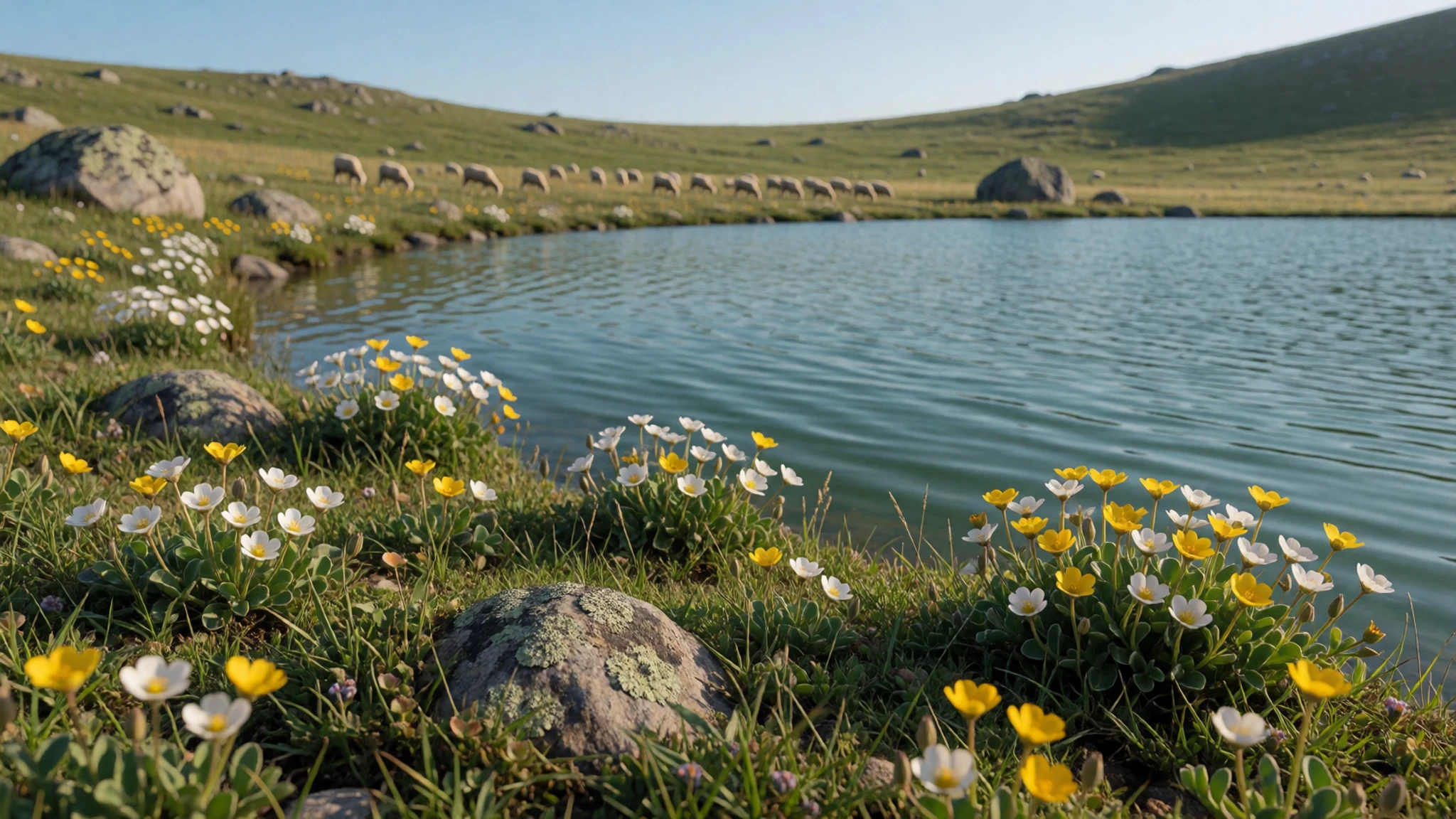
- Evening on the shore — shore of Ratti Gali Lake
Evening at Ratti Gali Lake is a drop in temperature more than a new sight. Wind continues, light falls on the water, and the slopes lose detail while the surface still holds the sky. Shelter on the rim is scarce, so a long dusk is a cold one. The evening views show the lake open and quiet, without lamps or a stall.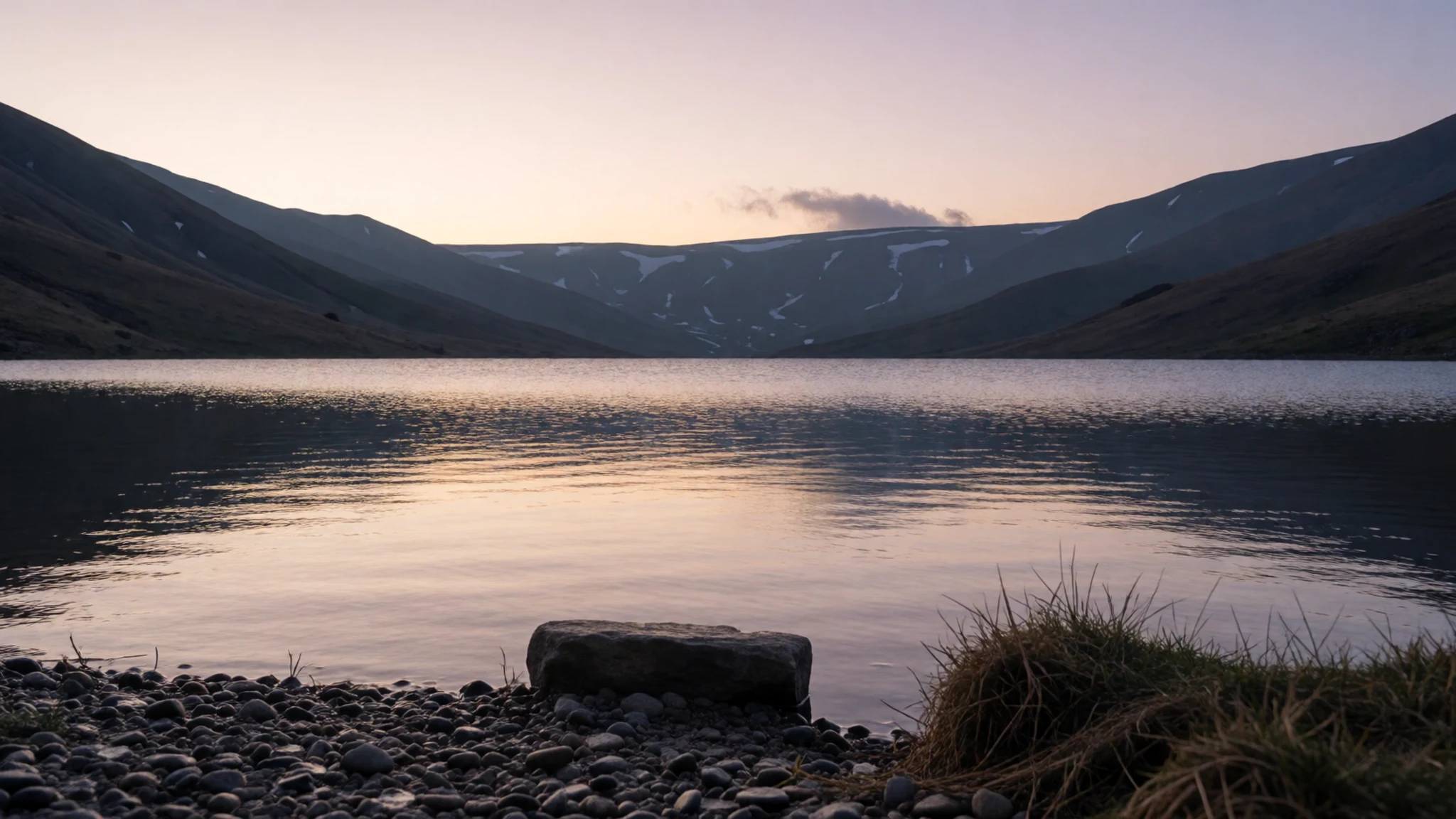
- Barkatia Lake — high pasture above Neelum Valley, near Ratti Gali
Barkatia Lake is the other high water in the pasture country of Ratti Gali Lake, above Neelum Valley. It belongs to the ridge walk past the main lake, not to a separate trip from a town. From the high ground it reads as a broad sheet among pale slopes, a basin herders already know. Cloud and remaining daylight decide whether the path goes on.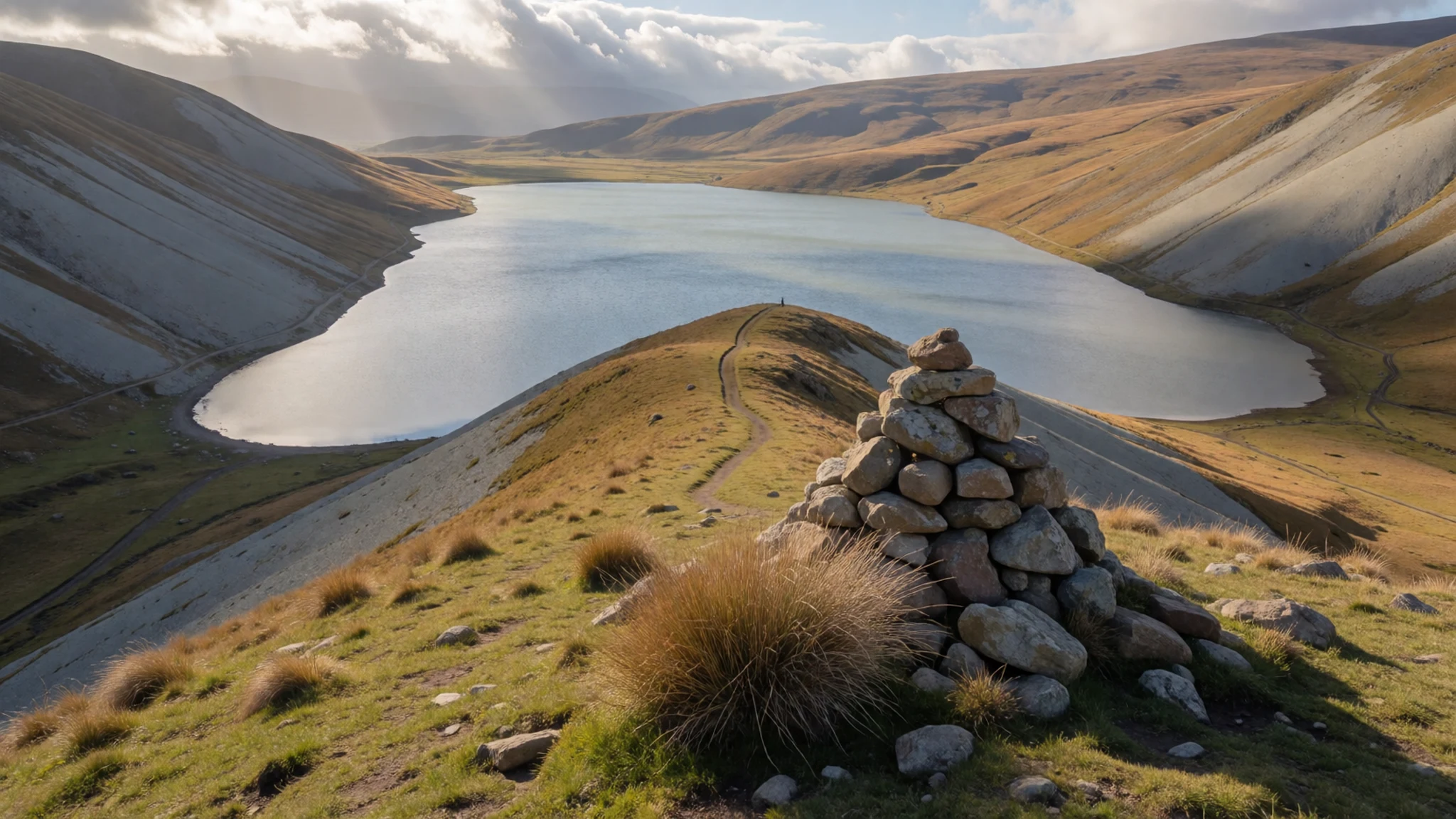
- The approach ridge — ridge above Ratti Gali Lake
The approach to Ratti Gali Lake is part of the sight. The path leaves the trees, crosses open slope and finishes on a wide view over the bowl, the water small against the ridges. Photographs from here are mostly sky, with the lake set low. Wind and weather arrive faster than they do in the valley below.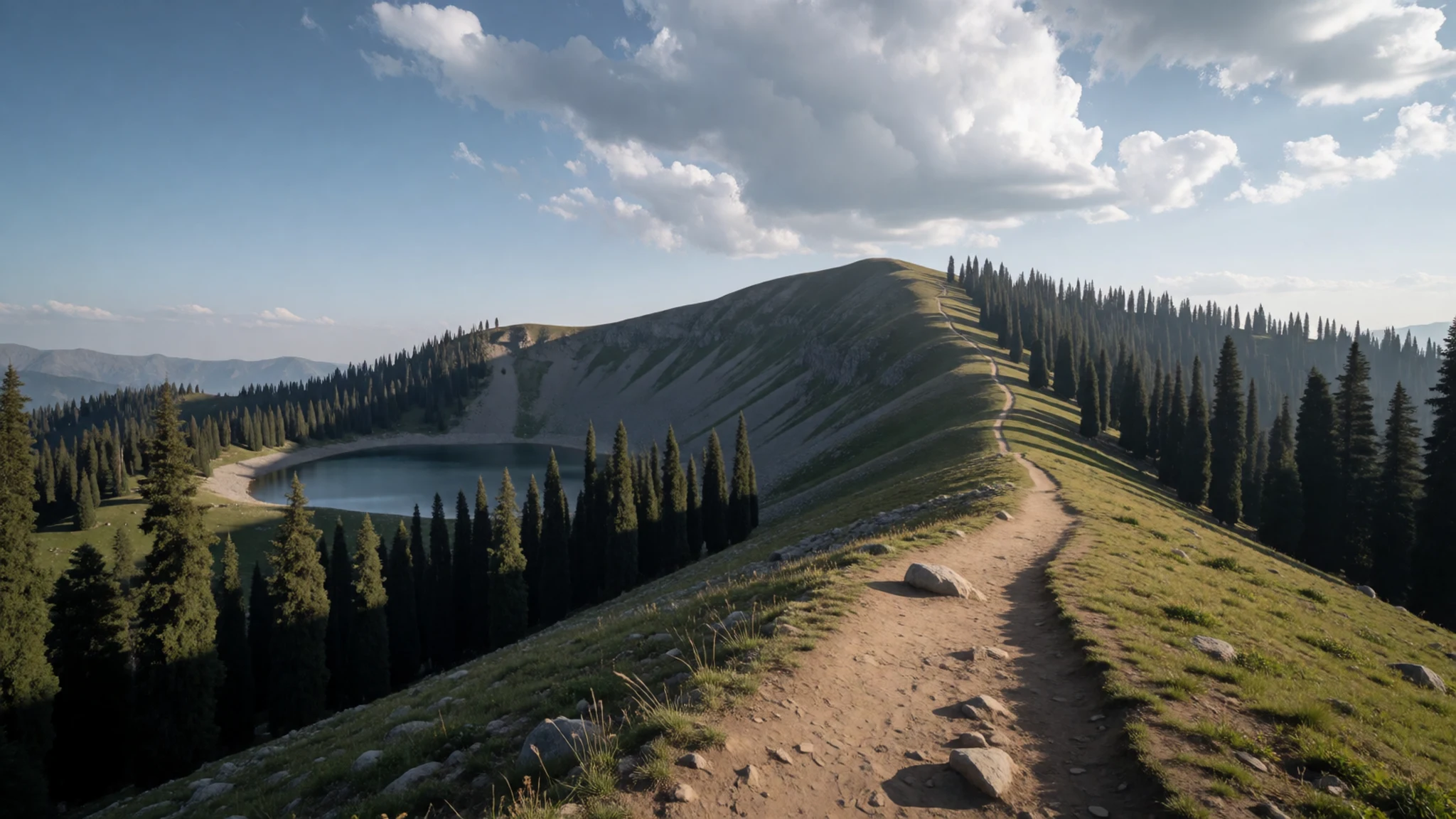
Culture
Ratti Gali Lake is reached from Neelum Valley communities that are Kashmiri and Muslim, with Gujjar and other herding families taking stock onto the high pastures in the warmer months. Hospitality is plain: a greeting, tea when a household invites a guest below, and directions in Urdu, Kashmiri or Pahari. The lake has no mosque and no market. Prayer, Friday gatherings and modest dress belong to the villages, and the shore inherits them. Pasture at Ratti Gali Lake is a workplace. Flocks, dogs and seasonal camps are a household's summer. The manner that fits is the manner of a farm: path kept, animals unscattered, people photographed only after they agree, above all women and children. Rubbish stays visible here for a long time. The border ridge is close, and lower in the valley a visitor may be asked for papers. Calm answers and the track already in use are the right response. At Ratti Gali Lake, dress modestly, greet people on the path, and carry every piece of rubbish back down to the valley.
What to wear
In the villages below Ratti Gali Lake the older winter garment is the pheran, a loose wool tunic over shalwar, with a shawl when the wind rises. Textiles here start with wool: caps, waistcoats and wraps for a long cold season, and finer shawls saved for visits rather than for mud. Men's traditional dress is shalwar kameez with a waistcoat and cap. Women wear shalwar kameez and a dupatta over the hair in public. On the valley road that dress now sits beside jeans, fleeces and padded coats. Walkers bound for Ratti Gali Lake in the open season often wear synthetic layers, a cap and glasses. The pheran remains clothing for home and deep winter, not for a steep summer path. Visitors need modest dress in the settlements and mountain kit on the climb. Trousers, a long-sleeved shirt and a scarf or dupatta suit the villages. Boots with grip matter on wet grass. A warm layer, hat and sun cream stay in the bag, because the bowl is windier and colder than the river at Dowarian. Sandals and a thin cotton shirt are a poor match for the walk back down.
What to eat
- Noon chai — tea stalls and homes in the valley villages
Noon chai is salted Kashmiri tea, brewed with milk so it turns pink, and it is the everyday drink in Neelum Valley homes and stalls below Ratti Gali Lake. Served hot, often with bread, it is the usual welcome before any talk of the path.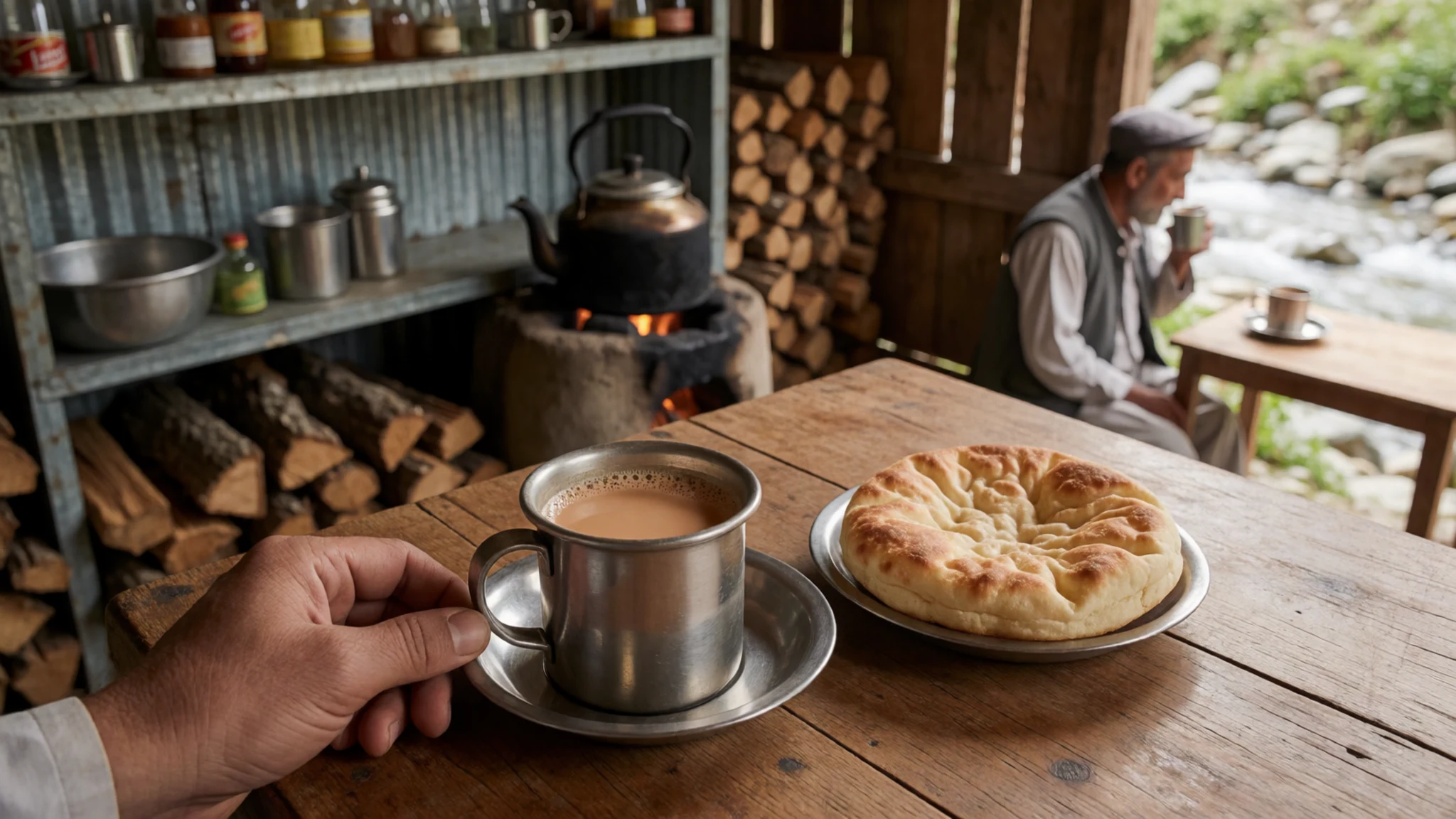
- Rogan josh — eateries in the Neelum Valley towns
Rogan josh is slow-cooked lamb in a red Kashmiri gravy, eaten with rice in the valleys below Ratti Gali Lake. Eateries and home kitchens treat it as a full meal, not trail food. It belongs where a cook already has rice on the stove, down in the valley towns.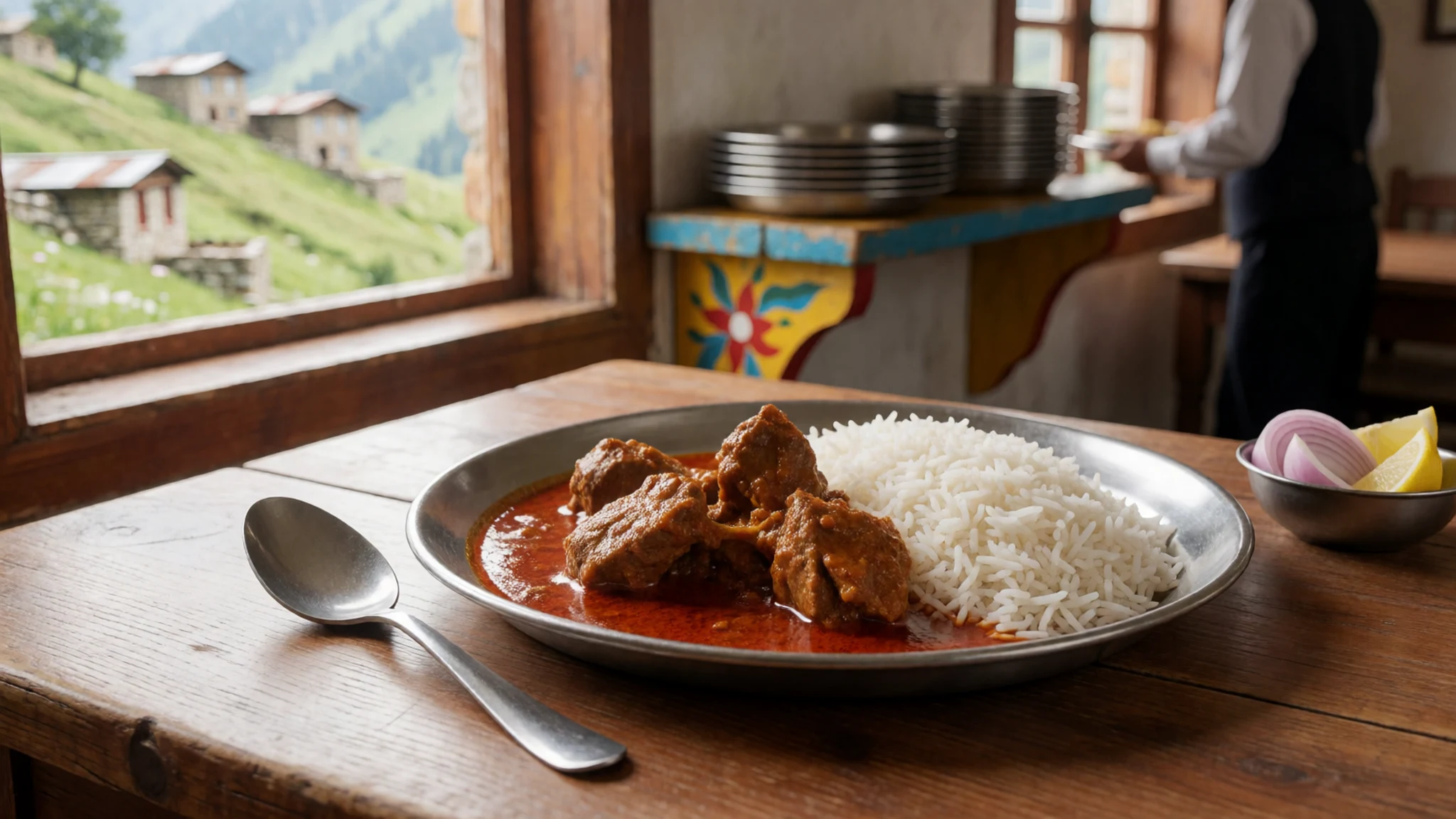
- Dum aloo — small eateries along the valley road
Dum aloo is potatoes simmered in a spiced yoghurt gravy, a Kashmiri plate that shows up in kitchens near Ratti Gali Lake. It comes with rice or roti and suits a meat-free meal after a day on the path. - Neelum trout — eateries in Dowarian and nearby valley villages
Trout from the Neelum is grilled or fried in valley eateries used by people walking to Ratti Gali Lake. The plate is simple: fish, rice or roti, and tea. It follows the catch, so Dowarian is the place to ask, and the lake has no kitchen of its own. - Paratha and eggs — trailhead tea stalls on the Neelum Valley road
Paratha and eggs are the usual breakfast before the walk to Ratti Gali Lake. Tea stalls at the trailhead fry them early, with chai beside the plate. A packed roti from the same stall is what people actually eat once they are up at the water.
Plan it
Best time. June to September, when snow is most likely to have released the path and flowers are on the turf. October can be clear and already cold, which matches the October views of the lake. Winter and early spring close the bowl.
How long. 2-3
Getting there. Islamabad is the usual gateway, then the road up Neelum Valley to Dowarian and the trailhead villages. Most of the road to the base was by jeep, then a footpath to Ratti Gali Lake; those jeeps are banned until fitness certificates and the road is repaired. Ask locally about permits and the road before setting out; there is no single timetable to quote.
Budget. mid
Tips
- Set off from the valley early, before cloud builds on the ridge.
- Carry water and a warm layer; the lake has no stall.
- Take cash for stalls in the valley.
- Camp only if the group can carry fuel, shelter and all waste back out.
- Ask in Dowarian about snow, the path and any checkpoint.
Etiquette
- Dress modestly in the villages and keep a scarf to hand.
- Ask before photographing people.
- Carry all litter out.
- Give flocks room and keep to the path through pasture.
Nearby
Sources
- Wikidata (CC0)
- Wikipedia (CC BY-SA 4.0)
- Wikivoyage (CC BY-SA 4.0)
- Wikimedia Commons staged photographs (CC BY-SA 4.0)