Hanna Lake
Hanna Lake, Pakistan
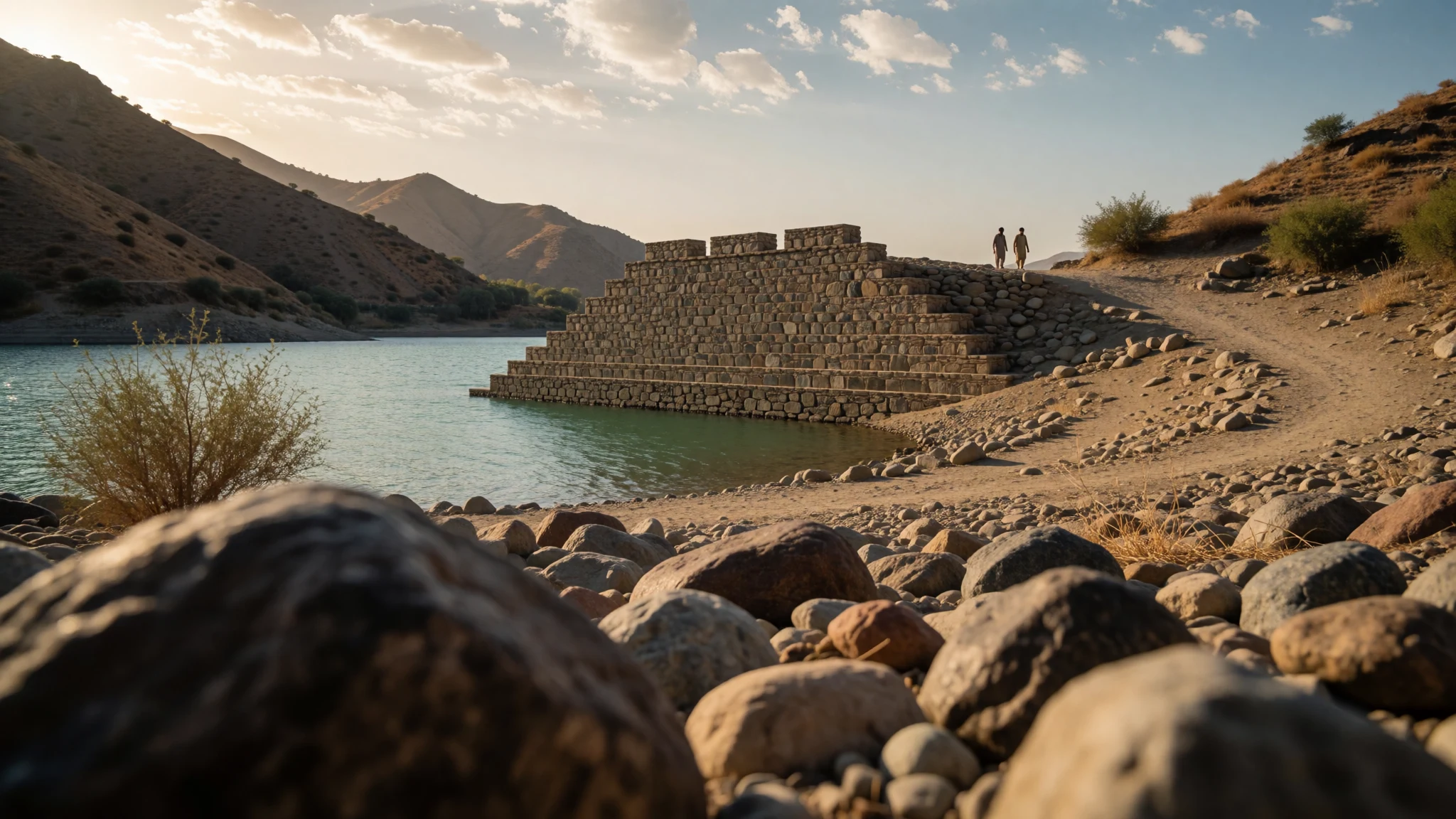
Hanna Lake is a colonial-era reservoir in the dry hills outside Quetta, loved by local families, though its water and the region's security both need checking.
The place
Hanna Lake sits in the Urak Valley, east of Quetta in Balochistan, Pakistan's southwestern province. It is a reservoir, not a natural lake, built around 1890 in the British colonial period by closing the gap between two mountains with a long masonry wall. From the shore it looks like a bowl of water pressed against bare brown ridges. The wall's stepped face, which locals liken to fort battlements, is the most striking made thing there. About 17 km separates the lake from Quetta city, so it works as a short afternoon outing, and it is where many Quetta families come for boating, picnics and cooler air. The surrounding land is high, dry and stony, part of the southeastern edge of the Iranian plateau, and the water shifts from green to grey-brown depending on the season and the level. Balochistan is the largest of Pakistan's four provinces and also the least developed, and years of insurgency and counter-insurgency have made security the main question for any visitor. That shapes everything about a trip: who can go, how they travel and what advice applies. The lake itself is modest in scale and rewards slow looking more than ambition. Water level is the other variable. In a wet year it is full and reflective; after dry years it can shrink to a muddy rim. Recent photographs are a better guide than older ones.
Its story
Hanna Lake exists because the valley around Quetta has two water problems at once: too little for most of the year, and too much all at once when snowmelt and storms pour off the mountains. The British built the reservoir to catch and store that water, using land belonging to local Durrani families. A small control dam called Surrpull (Red Bridge) was added on the Urak road to tame flood surges and steer them through a canal into the lake. The catchment is fed by streams running down from the Zarghoon Ghar and Murdar mountains. Over the following century the system wore down. One flood wrecked the canal that linked the Murdar streams to the dam, and it was never rebuilt. A later flood choked Surrpull with mud and stones, so runoff that should have reached the lake went to waste instead. Without desilting and repair of the canals, the lake has little way of refilling. It has dried out completely more than once, with one stretch lasting several years. Each time, birds that stop here on migration and the fish stocks suffer, and so do the rowing and canoeing clubs that train on the water. Conservationists and environmental scientists have raised the alarm about its condition. The lake is best understood as an old piece of engineering that still depends on maintenance.
What to see
- The bridge wall — Urak Valley, east of Quetta
The long masonry wall at Hanna Lake is the reason the lake exists, closing a gap between two mountains. Its stepped face looks like a fortress rampart, and rowers and kayakers practise in front of it. Walk along the top for the clearest view of the water against the ridges.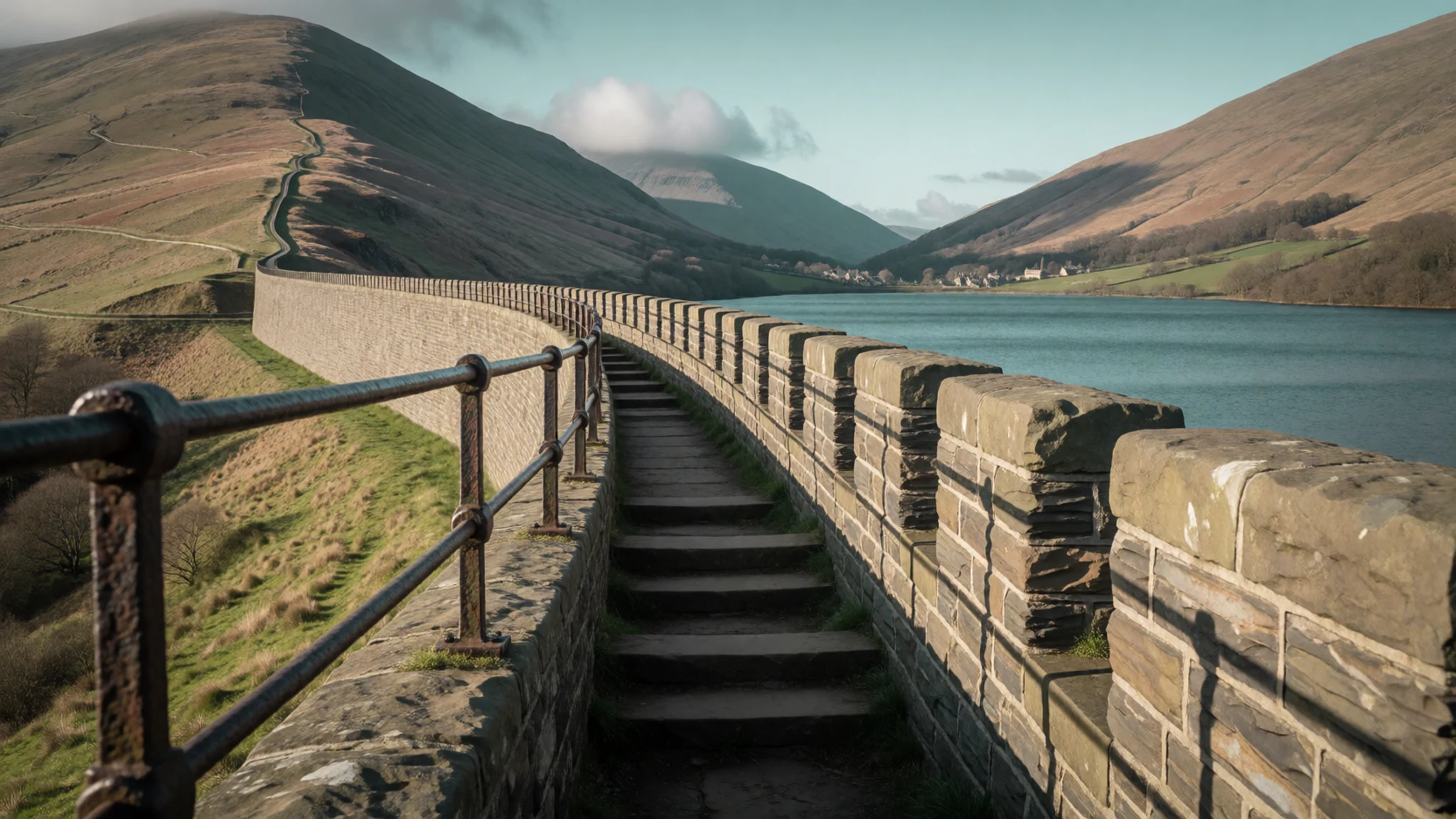
- The shoreline and ridges — Hanna Lake shore
The path around Hanna Lake gives long views over the water to bare, folded mountains, with light changing by the hour. Early morning is quietest. Where the water has dropped, the exposed banks show how much the level moves, which is worth seeing in its own right.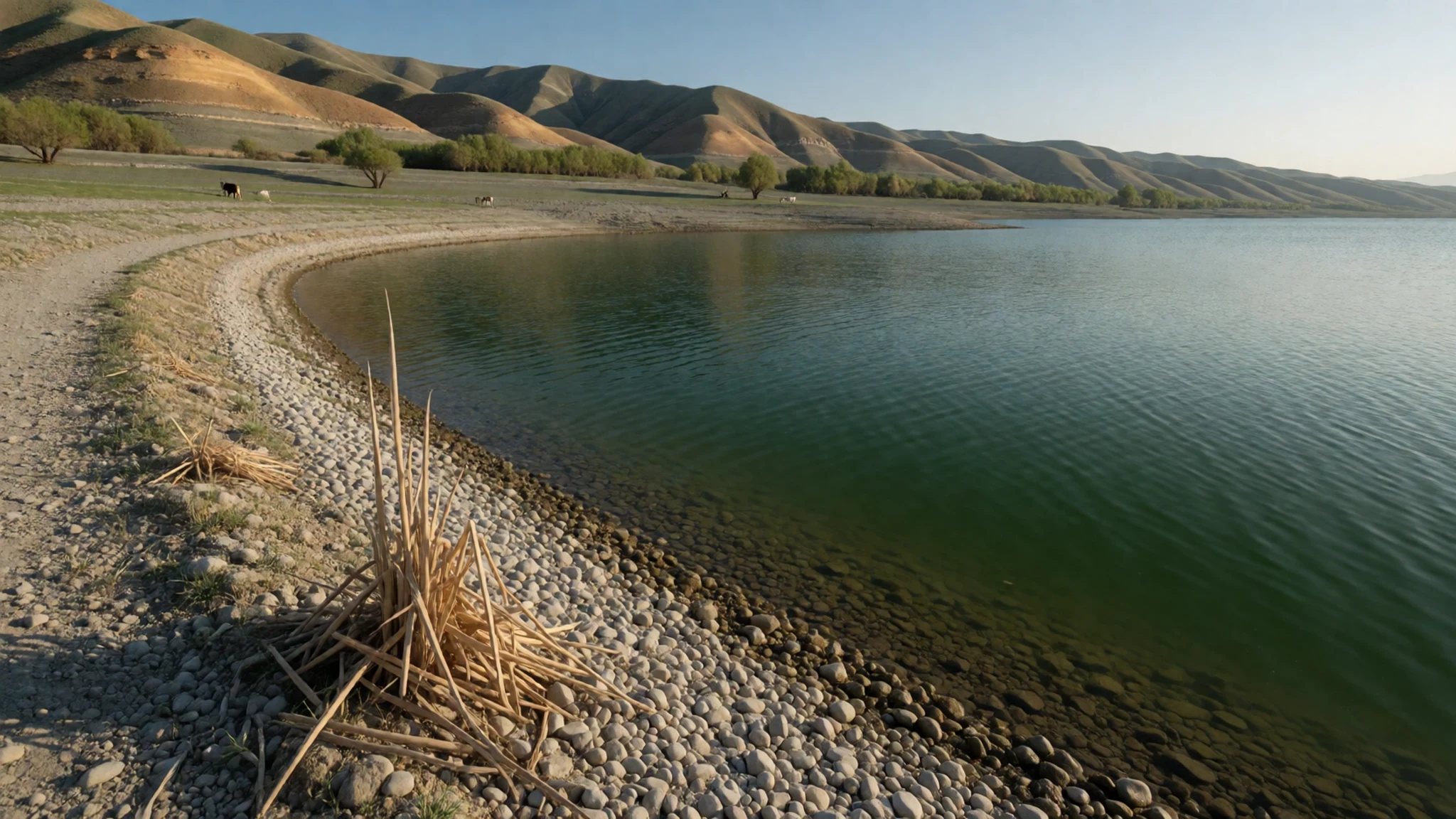
- Urak Valley — Urak Valley
The valley above Hanna Lake climbs into orchard country with stone-walled fields and small villages, cooler and greener than the plain around Quetta. It makes a gentle drive or walk beyond the lake, if local conditions allow, and shows the landscape that feeds the reservoir.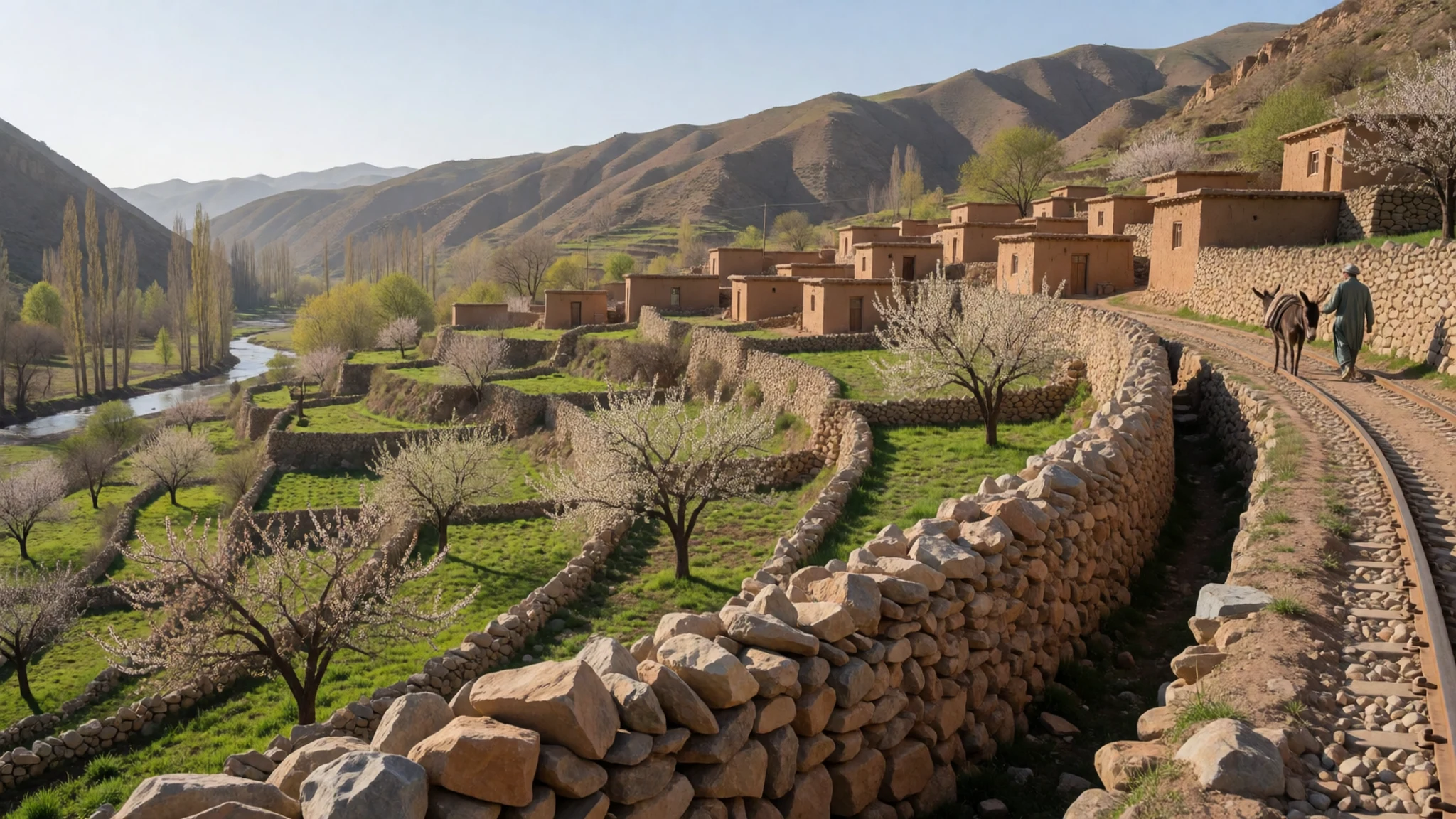
- Hazarganji Chiltan National Park — Southwest of Quetta
This protected area southwest of Quetta shelters markhor, the spiral-horned wild goat. Its name means 'of a thousand treasures', from legends of buried loot left by passing armies. Rangers help visitors find wildlife, and there is a small natural history museum near the entrance. Check access before travelling.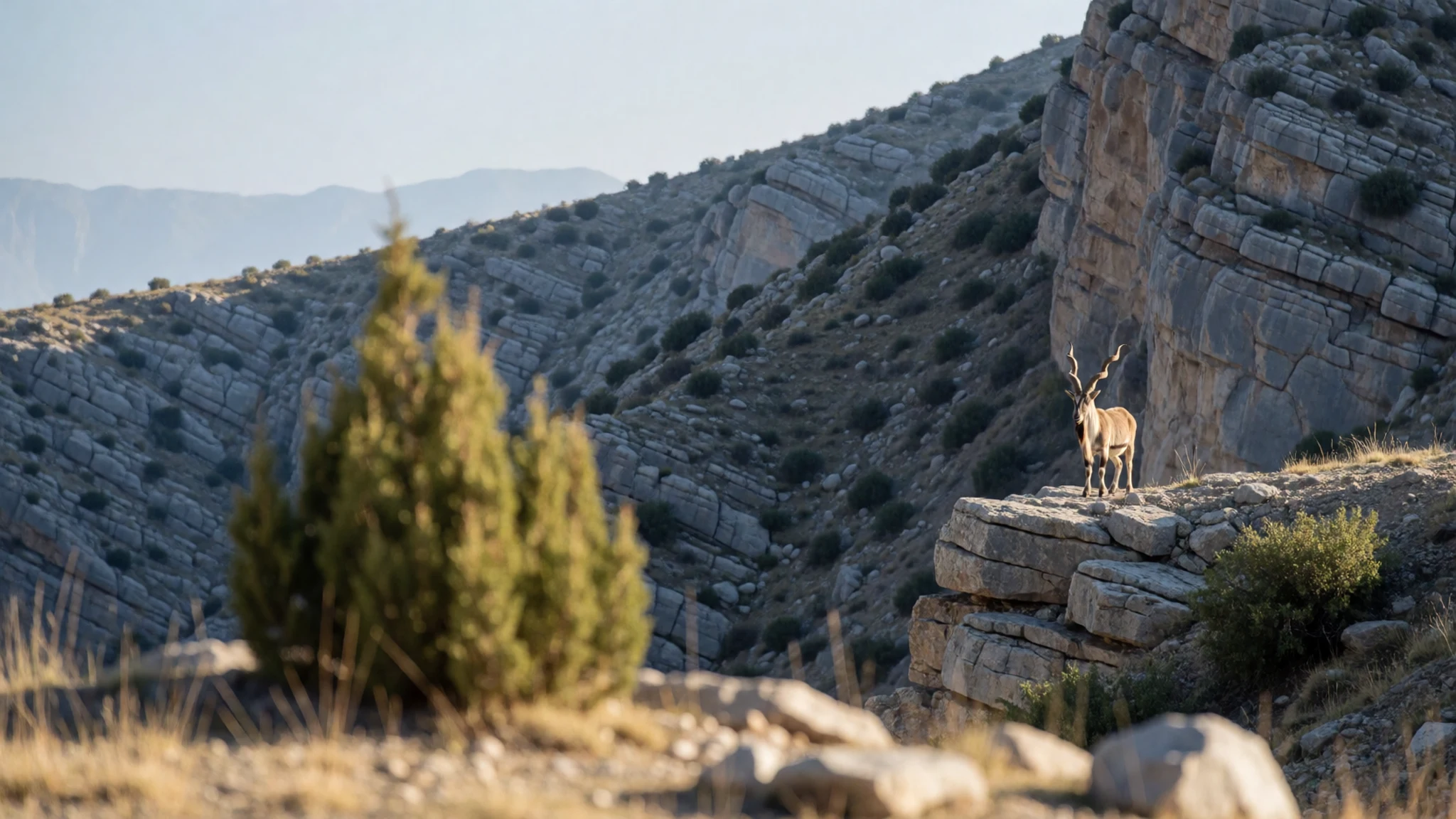
- Quetta Archaeological Museum — Fifa Road, Quetta
A useful stop in the city for context on the region's deep past. Displays include Stone Age tools, prehistoric pottery from Mehrgarh, coins, manuscripts, old weapons and photographs of Quetta before its big earthquake. Check the current opening times with the museum before going.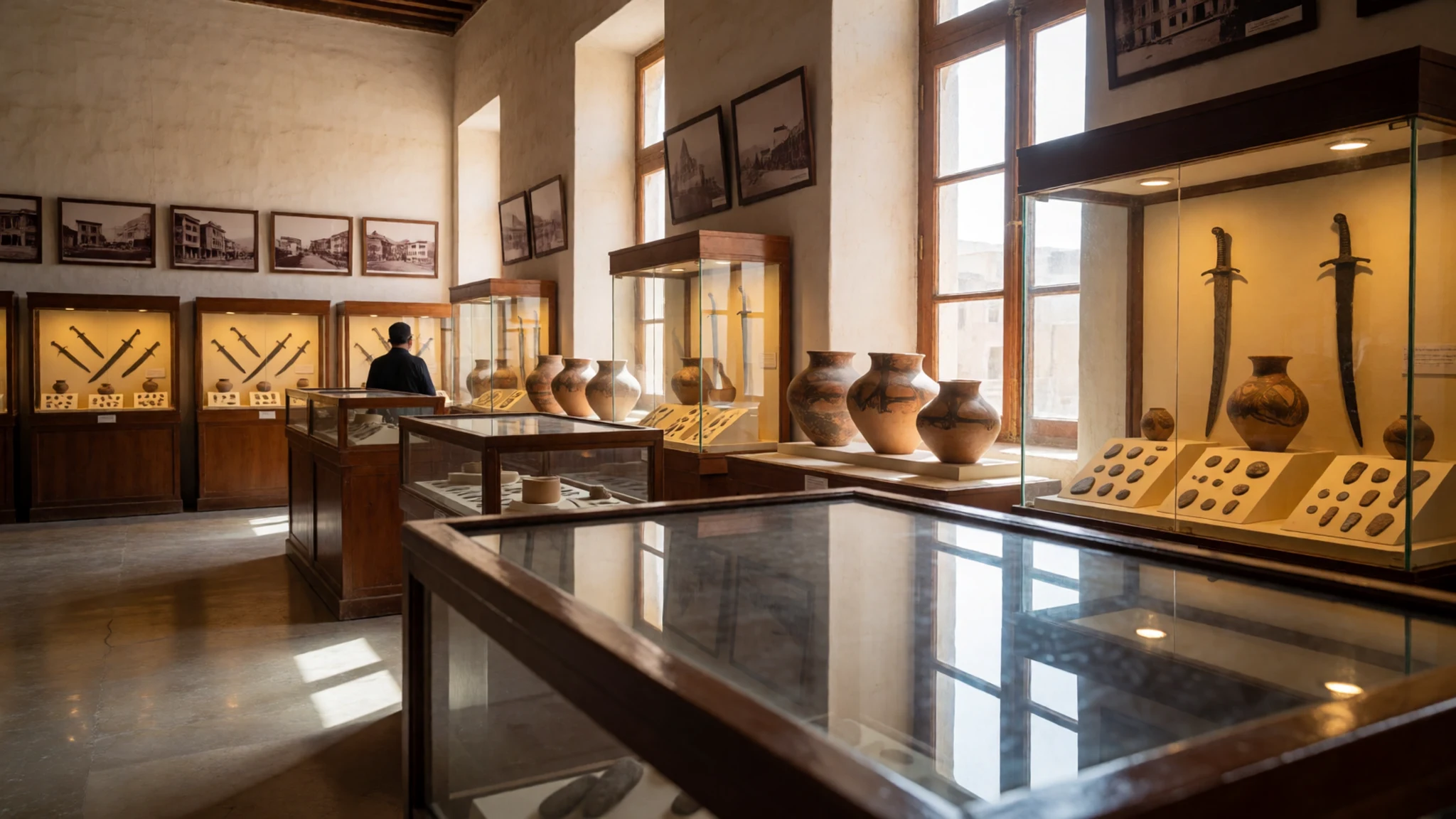
Culture
Hanna Lake belongs to the Quetta area, where Pashtun, Baloch, Brahui and Hazara communities live side by side, and the lake sits on land with Durrani tribal roots. Hospitality is central to local life. Guests are often offered tea or food with real insistence, and refusing outright can feel curt, so accepting a little and thanking the host warmly is the usual way. Families are the main visitors at the lake, particularly on weekends and holidays, and the atmosphere is relaxed and sociable rather than boisterous. The old bazaars of Quetta have small tea shops that act as informal local clubs, where men gather to talk through the afternoon. Water sports have a small but real following here, and the lake has hosted rowing and kayak training, which is a point of local pride. Religion shapes the rhythm of the day, with prayer times, Friday closures and Ramadan hours all affecting what is open and when. Conversation about politics and security is common but best left to locals to lead. Balochistan's recent history makes many people sensitive about outsiders' assumptions, so curiosity and patience are well received. Ask permission before photographing people, particularly women and families at the lakeside, and follow any local guidance on where photography is allowed.
What to wear
Around Hanna Lake, traditional dress follows the communities of the Quetta area. Men commonly wear the shalwar kameez, a long tunic over loose trousers, usually in cotton, often in plain white, grey or earthy colours, with a waistcoat or wool shawl in cold weather and a turban or cap. Baloch dress is known for its generously cut shalwar and long, wide-skirted tunics, while women's dress in Baloch and Pashtun communities often carries dense embroidery, mirror-work and bright thread on the chest, cuffs and hem, worn with a large headscarf or dupatta. Such pieces are mostly reserved for weddings and festivals. On an ordinary day at the lake, most people wear everyday versions of the same clothes, with sweaters, jackets or fleeces added in the highland cold. Younger people mix in jeans and trainers. A visitor should dress modestly: loose, long-sleeved tops and full-length trousers for men and women, plus a light scarf for women to cover the head when the situation calls for it. Winters in the Quetta highlands are cold, so warm layers, a hat and gloves matter then, while spring and autumn need a light jacket. Sturdy closed shoes with a good grip suit the stony banks and the wall.
What to eat
- Sajji — Sajji eateries in Quetta
Sajji is a whole leg of lamb, marinated in local herbs and spices and roasted slowly beside an open fire until tender. It is mild rather than fiery. Look for it at Quetta's dedicated sajji eateries, where it is often served with bread or rice.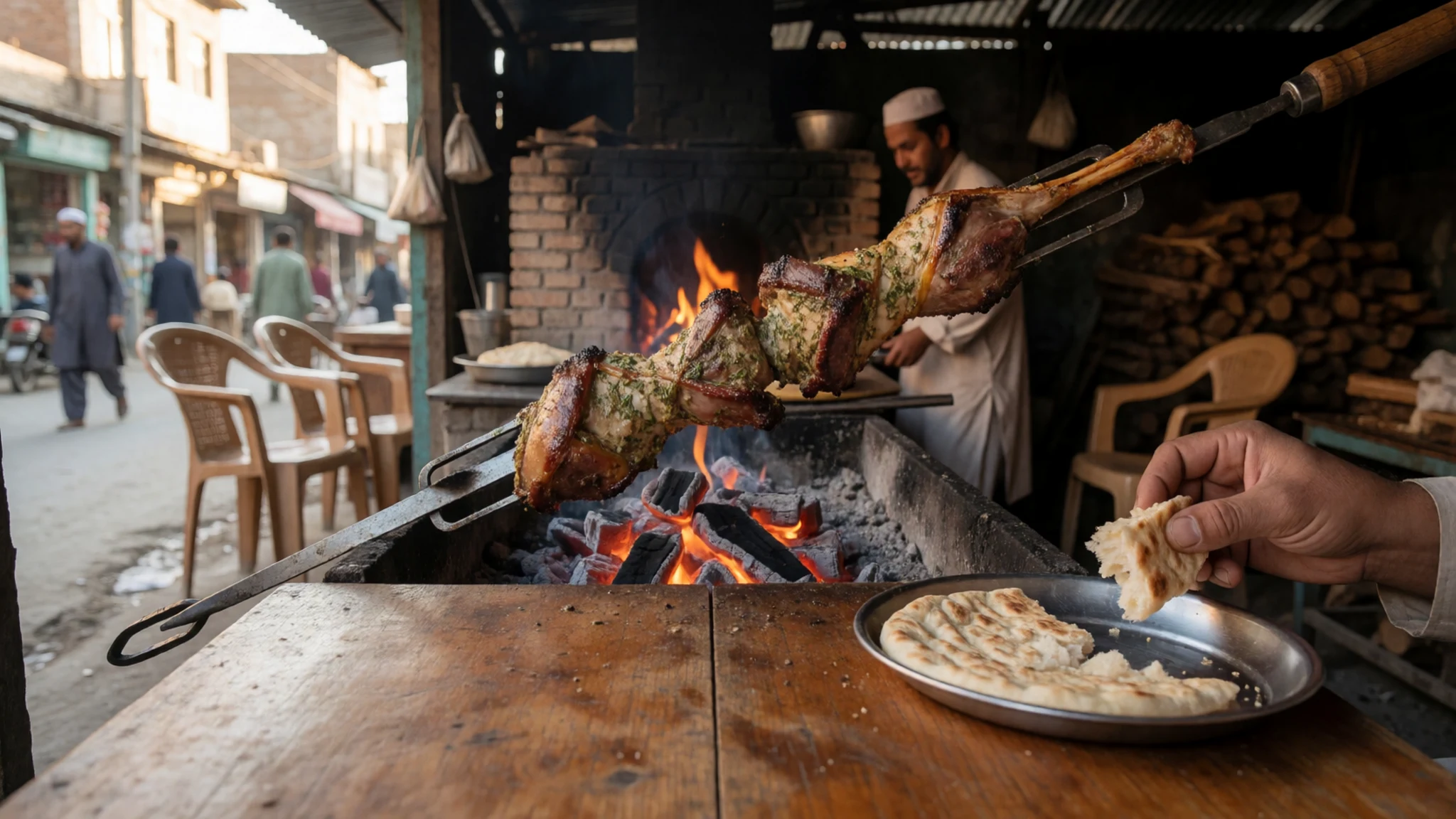
- Khaddi kebab — Barbecue restaurants in Quetta
A whole lamb or goat cooked over fire, traditionally with raw rice packed inside so that it steams in the meat's fat. It is a celebratory dish, often served to guests and at gatherings. Ask at established barbecue places in the city.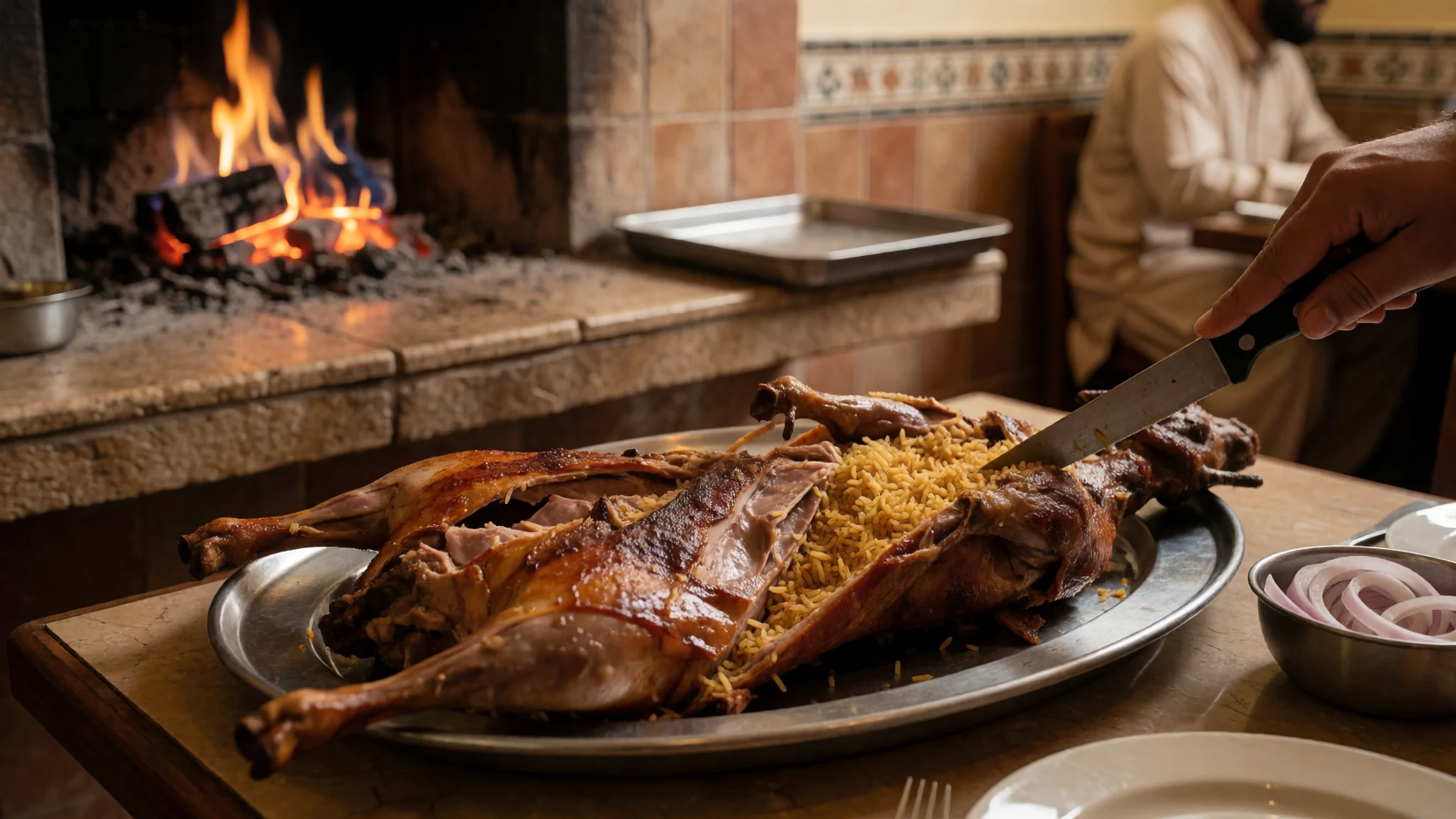
- Landhi — Pashtun eateries around Quetta
Landhi is whole lamb, a dish enjoyed by the Pashtun tribes of the valley. It is dried or cured, then cooked until rich and tender, and eaten communally with bread. It is more commonly found at gatherings, but some eateries in Quetta serve it. - Kaak — Old bazaar bakeries in Quetta
Kaak is a hard, dry baked bread of the region, tough enough to keep for days and usually softened in tea or dipped into stews and soups. It is a fine souvenir snack for the road and keeps well in a bag. - Tea in the old bazaar — Tea shops in Quetta's old bazaars
Quetta's old bazaars have small tea shops that double as local social clubs. Order a cup, sit with the regulars and watch the street. Tea is the usual way to start any conversation and a sensible break between sights.
Plan it
Best time. April–May and September–October, when the highland air around Quetta is mild. Winters are cold and can bring snow, and summers are dry, so check conditions before going. Water levels also vary with the rains, so the lake looks best after a wet spell.
How long. 1
Getting there. Quetta has its own airport (UET), with flights from larger Pakistani cities. From the city, Hanna Lake is about 17 km east along the Urak road, reached by taxi or private car. Passenger rail into Balochistan is not available, and foreigners are not allowed on the Iran–Quetta bus.
Budget. low
Tips
- Check your government's current travel advice for Balochistan before planning anything, as the security situation is unstable.
- Ask a local contact or your host in Quetta about the safest way to reach the lake, and whether an escort is needed.
- Check the lake's current water level in recent photos or with locals, because it can drop badly in dry years.
- Go early on a weekday for quiet, as weekends and holidays bring many families.
- Carry cash, drinking water and warm layers, as facilities at the lake are limited.
Etiquette
- Dress modestly in loose, long clothing.
- Ask before photographing people, particularly women and families.
- Accept offers of tea graciously, and take your rubbish away with you.
Nearby
Sources
- Wikidata Q2580933 (CC0)
- Wikipedia: Hanna Lake (rev 1385693160) (CC BY-SA 4.0)
- Wikivoyage: Balochistan (rev 5410789) (CC BY-SA 4.0)
- Photo: Hanna Lake, Aysafaran (CC BY-SA 4.0)
- Photo: Hanna Lake, Zakirchum (CC BY 3.0)
- Photo: Kayaking in front of Hanna Lake Bridge Wall, Ali Mohammad Khilji (Public domain)
- Photo: Mohammad Abubakar Durrani with kayak paddlers (Hanna Lake), Simon KB (CC BY-SA 4.0)
- Photo: Area around the Hanna Lake, Quetta, Aysafaran (CC BY-SA 4.0)
- Photo: Hanna Lake, Urak Valley, Shamoon Altaf (CC BY-SA 4.0)
- Photo: Hanna Lake and water pollution, Izharkasi (CC BY-SA 4.0)
- Photo: Hanna Lake area, Quetta, Aysafaran (CC BY-SA 4.0)


