Deosai National Park
Deosai National Park, Pakistan
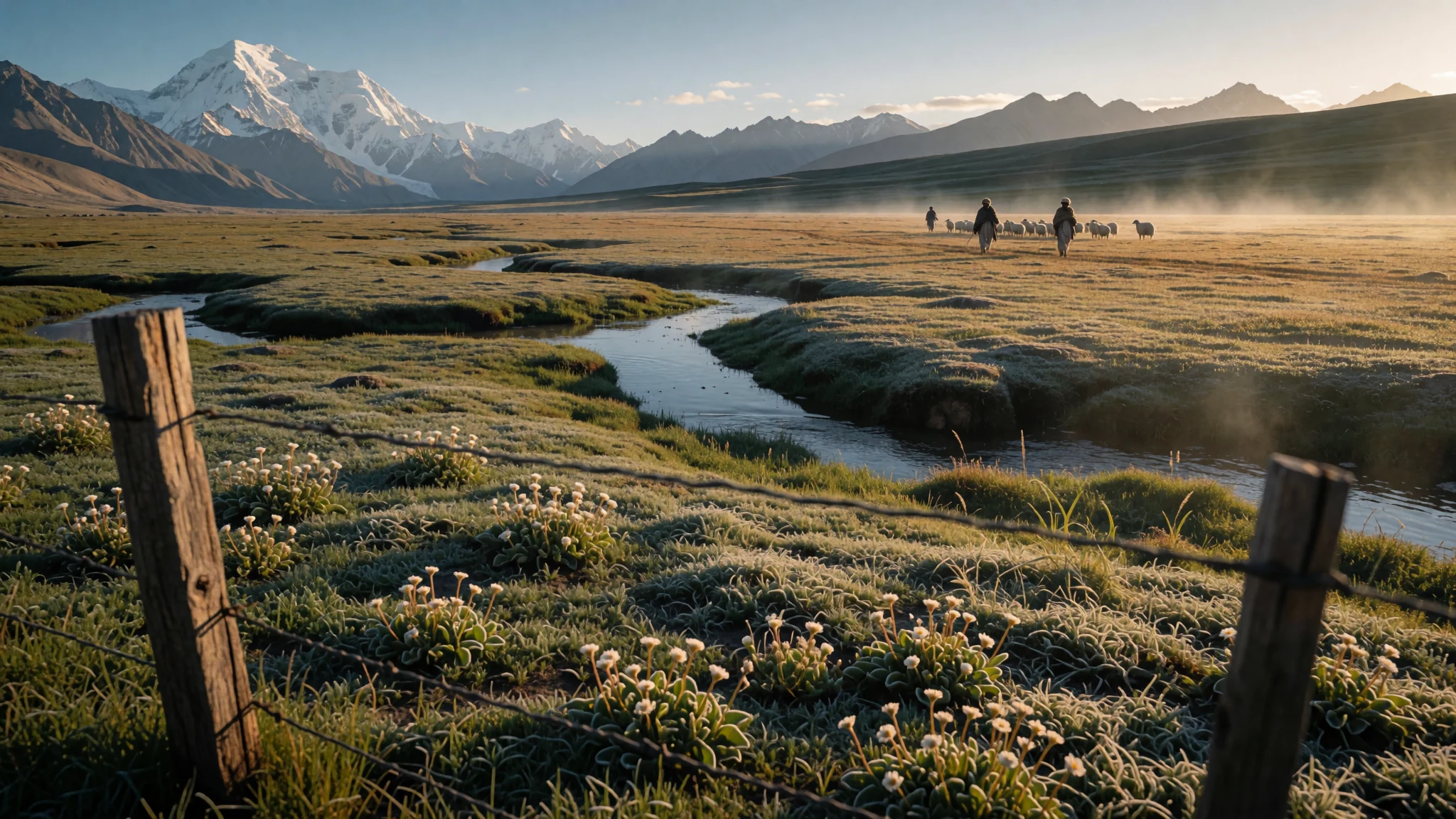
Go for a high plateau so open and so high that the sky seems to take up most of the view, reached by a rough drive through very little.
The place
Deosai National Park occupies a high plateau in Gilgit-Baltistan, in northern Pakistan, lying between the Skardu and Astore districts. It is less a park in the way most visitors imagine, with signed woodland paths, than a huge open country of grass, water and sky. The plateau sits at an average elevation of 4,114 metres, which makes it the second highest of its kind in the world after the Changtang plateau in Tibet. Nanga Parbat rises to the west, and the Karakoram ranges are close, so high peaks are rarely far from view even when the ground in front of you looks flat.
The park protects 843 square kilometres. Rivers cross the plain and spread across its grassland, and in summer the lakes and wet ground draw birds and insects. The plant and animal life belongs to the alpine steppe of the Karakoram and West Tibetan Plateau, a cold, dry landscape where vegetation stays low and the growing season is short. Spring is when the plain is most striking, covered in wildflowers and a wide range of butterflies, and that is the picture that brings many people here in the first place.
The park is not hard to reach on paper, but the final stretches are rough, facilities are sparse and the weather can turn quickly. You need to be ready to look after yourself for food, water and fuel, and to treat the altitude with respect. Most people come as part of an organised trip, which makes the logistics far simpler.
Its story
Deosai became a national park in 1993, the year it appears in the record as founded. Its status has been shaped by a simple fact: this is a very large, very high landscape that is hard to reach and hard to cross, and so it has stayed relatively intact. The plateau is on the tentative list for World Heritage status in Pakistan, a step that signals national interest in protecting it rather than an international designation already granted.
What holds the story together is the terrain itself. The park lies on the edge of the Karakoram, and the routes into it, from Skardu in the north or from Astore in the west, follow valleys that climb steadily to the plain. Along the way, the last villages sit by Satpara Lake, and after that the land is empty for a long stretch until the summer tea stop at Chilam Chowki. That emptiness is part of what the park protects. It also explains why visitors often describe the place as having a different scale from anywhere else they have been.
The ecological story is more fragile than the scenery suggests. A short growing season, cold winters and high ultraviolet light mean that plants and animals have little margin for error. Protecting the plateau is less about keeping people out than about managing traffic, waste and the pressure that comes with a growing number of visitors each summer.
What to see
- Deosai Plains — The central plateau, reached from Skardu or Astore
The plain itself is the reason to come. It rolls out in long, pale expanses of grass under a wide sky, with the Karakoram ranges standing at the edges. Give yourself time to walk a little way off the vehicle track, where the silence is most complete and the scale becomes clear. Expect strong sun even when the air is cold, and carry layers because the wind can be sharp.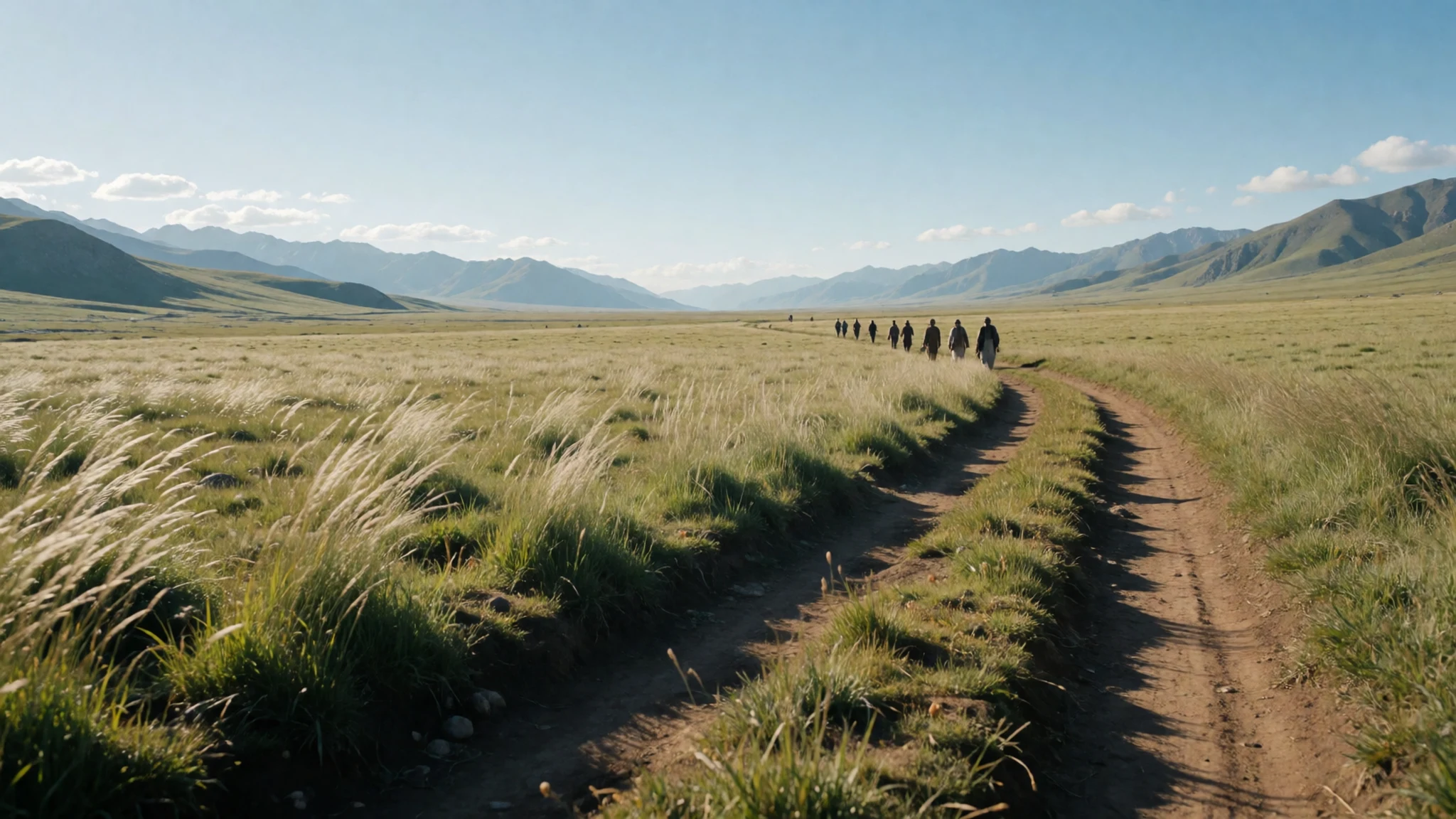
- Sheosar Lake — A lake within the park
Sheosar Lake is one of the best-known water bodies in the park and a frequent stop on tours. Its still surface reflects the surrounding slopes and sky, which makes it a good place to pause. Keep a respectful distance from the shore, since the ground near water can be soft and the wildlife, including birds, is easily disturbed. Mornings are often calmer than afternoons.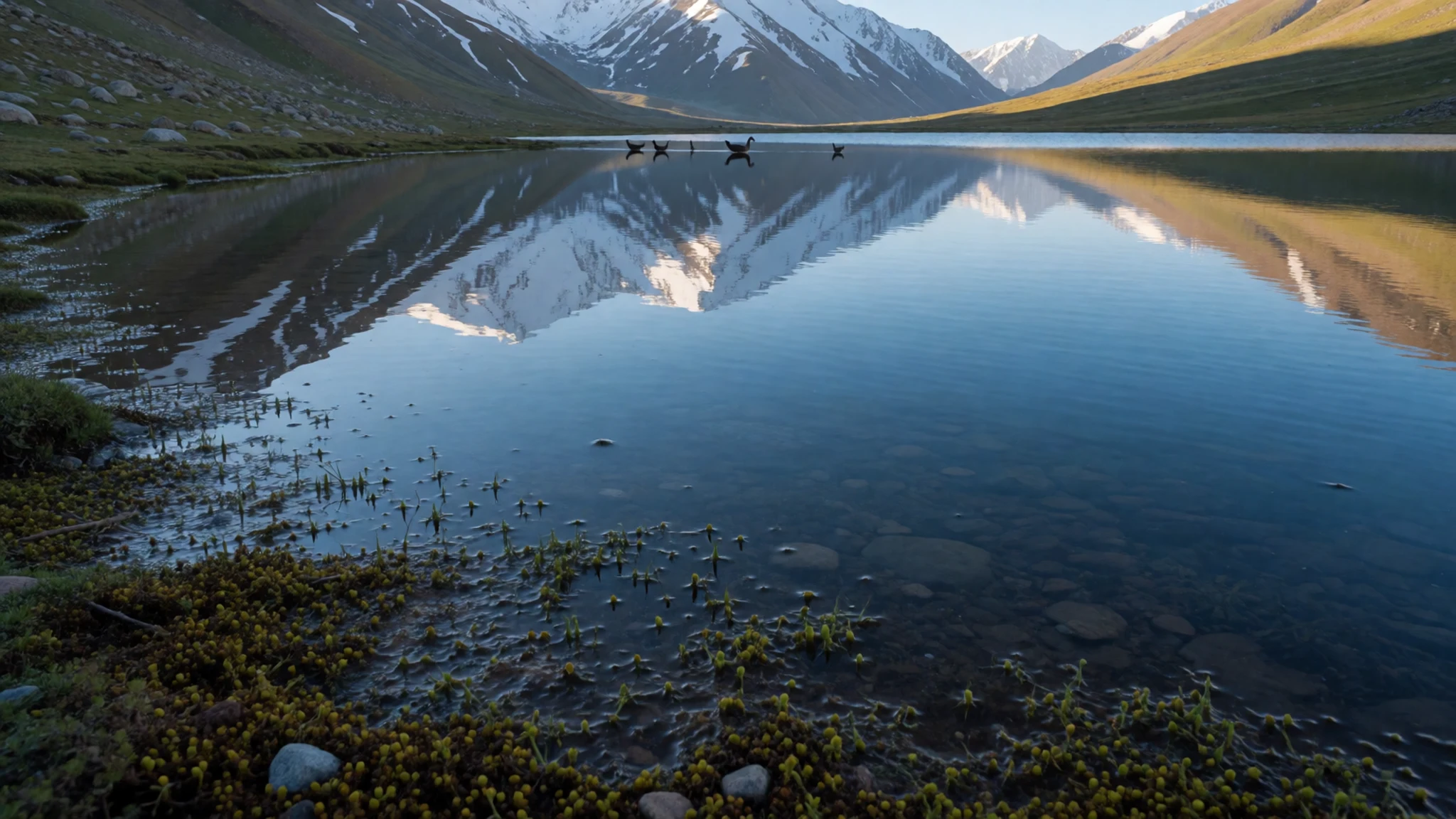
- Bara Pani — The river crossing the plains
Bara Pani is one of the larger rivers that cross the plateau, and it winds through the grassland in loops that are good to follow on foot for a while. Water is cold even in summer, so this is not a place for swimming. Crossings can be difficult after snowmelt, and a local driver will know which spots are safe. Bring water purification or sealed bottles for the day.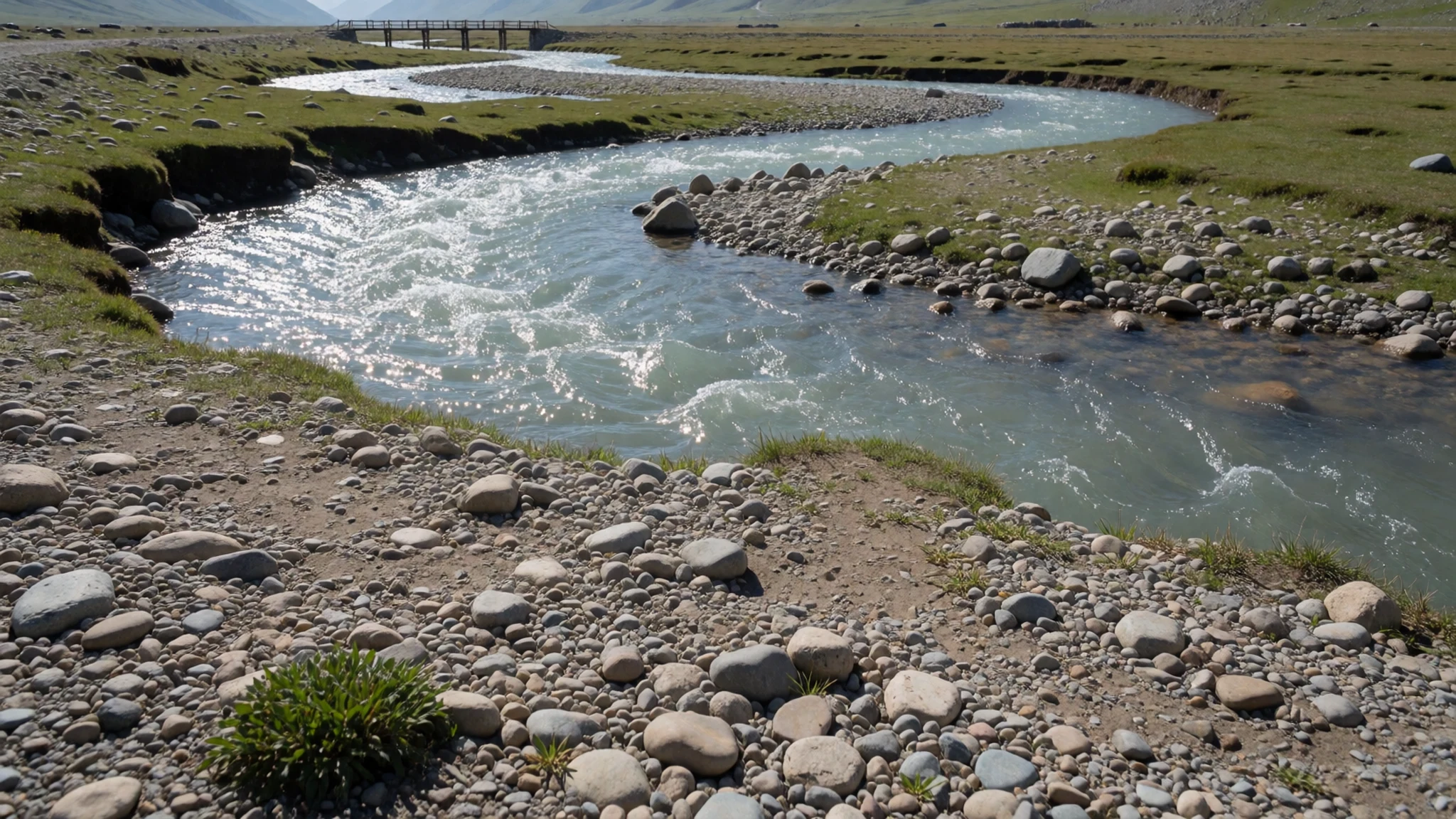
- Wildflower meadows — Across the plateau in late spring and early summer
In spring and early summer the grassland is dotted with wildflowers in colours that are hard to believe until you see them. Stay on established tracks so you do not trample the low plants, which grow slowly in this climate. Butterflies are most active on warm, still days, so a slow walk gives the best chance of seeing them.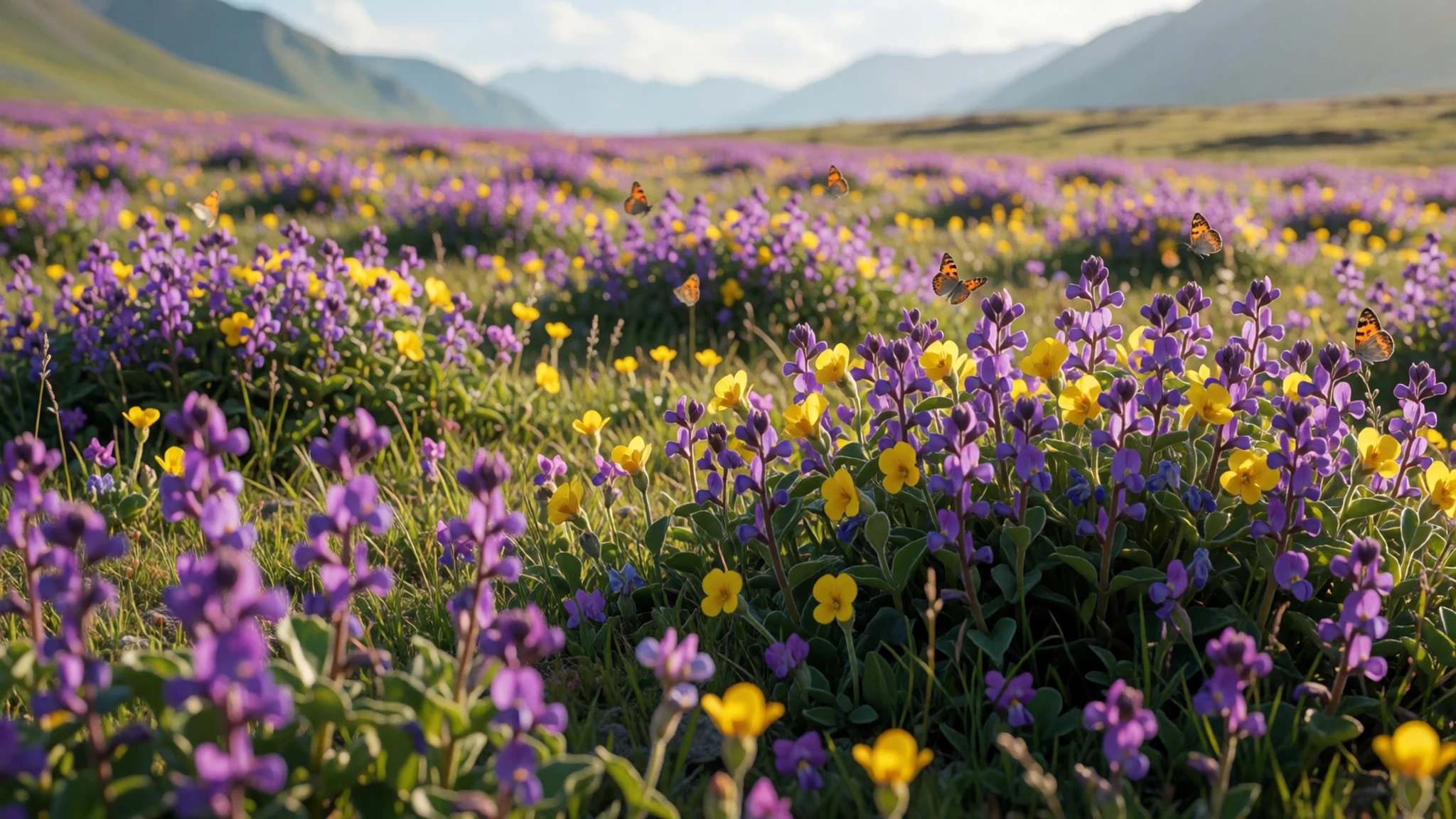
- Chilam Chowki — On the route after Satpara Lake
Chilam Chowki is the point on the route where the uninhabited stretch ends, and a small summer tea stop serves tea and yogurt. It is a welcome break after a long drive, and a good place to ask your driver about conditions ahead. Services can be basic and may not be open outside the main season, so check locally before you rely on them.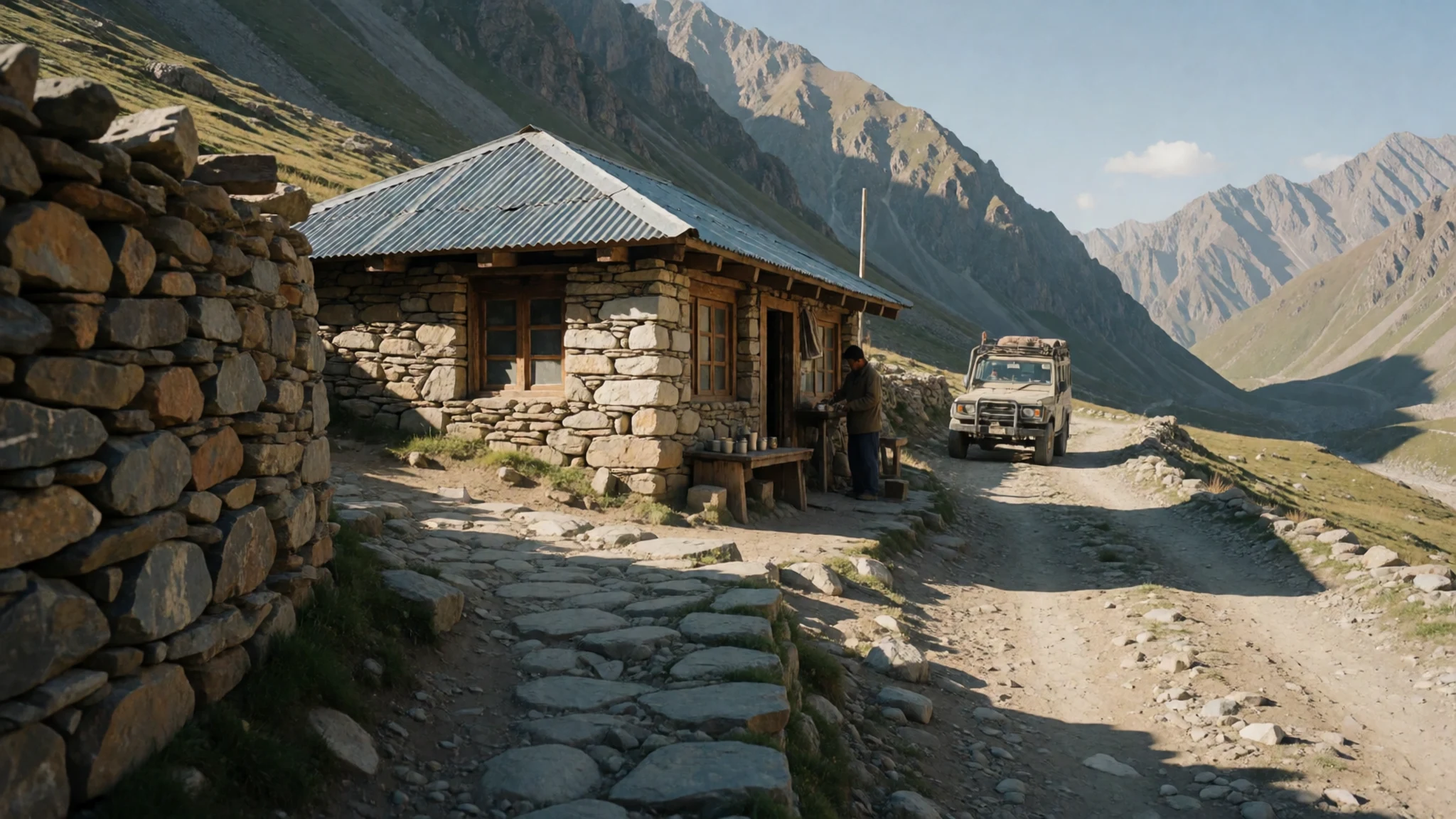
Culture
Deosai sits within a region where most people are Muslim and where village life is conservative, so the way you behave around people matters as much as any rule. The plateau has few permanent residents, but the valleys leading to it and the small tea stops along the route are places where local families work and live. Greetings are warm and conversations often start with questions about where you are from. Hospitality is expected to be generous, and a cup of tea offered to you is usually a gesture of welcome rather than a sale. Dress modestly in villages and at tea stops, covering shoulders and knees, and do not expect to change clothes in public. Photography of people is sensitive, particularly of women, so ask first and accept a refusal gracefully. When you visit the plateau, keep to marked tracks, take your rubbish away with you and do not leave food for animals. Always ask before photographing a family or a herder, and never point a camera at someone who has turned away.
What to wear
Traditional dress around the Deosai region reflects the cold, dry climate of the high valleys. Wool is the most important material, used for thick coats, shawls and woven hats, and cotton is worn beneath for everyday work. Hand-stitched embroidery and woven patterns appear on caps, waistcoats and bags in many villages, and these textiles are still made in homes and small workshops. Older men and women are more likely to wear traditional garments on feast days and at weddings, while younger people in Skardu and Astore wear jeans, jackets and sports shoes in town and change into local clothes for family occasions. Visitors should dress for altitude and sun. Pack warm layers, a windproof jacket, a hat and sunglasses with good UV protection, since the sun is strong even when the air is cold. Sturdy closed shoes with grip are essential for uneven ground and wet patches near streams. Modest clothing matters in villages and at tea stops: long trousers or skirts, and tops that cover the shoulders. Loose, breathable layers work well for the hours of walking and driving on the plateau.
What to eat
- Salted milk tea — Tea stops on the road into the park, such as Chilam Chowki when it is open
Tea is the most reliable thing to find on the route, and it is often served with milk and salt rather than sugar. It is warming after cold drives and a good way to take a break with the people who run the stops. Carry your own snacks in case the tea stop is closed outside the main season.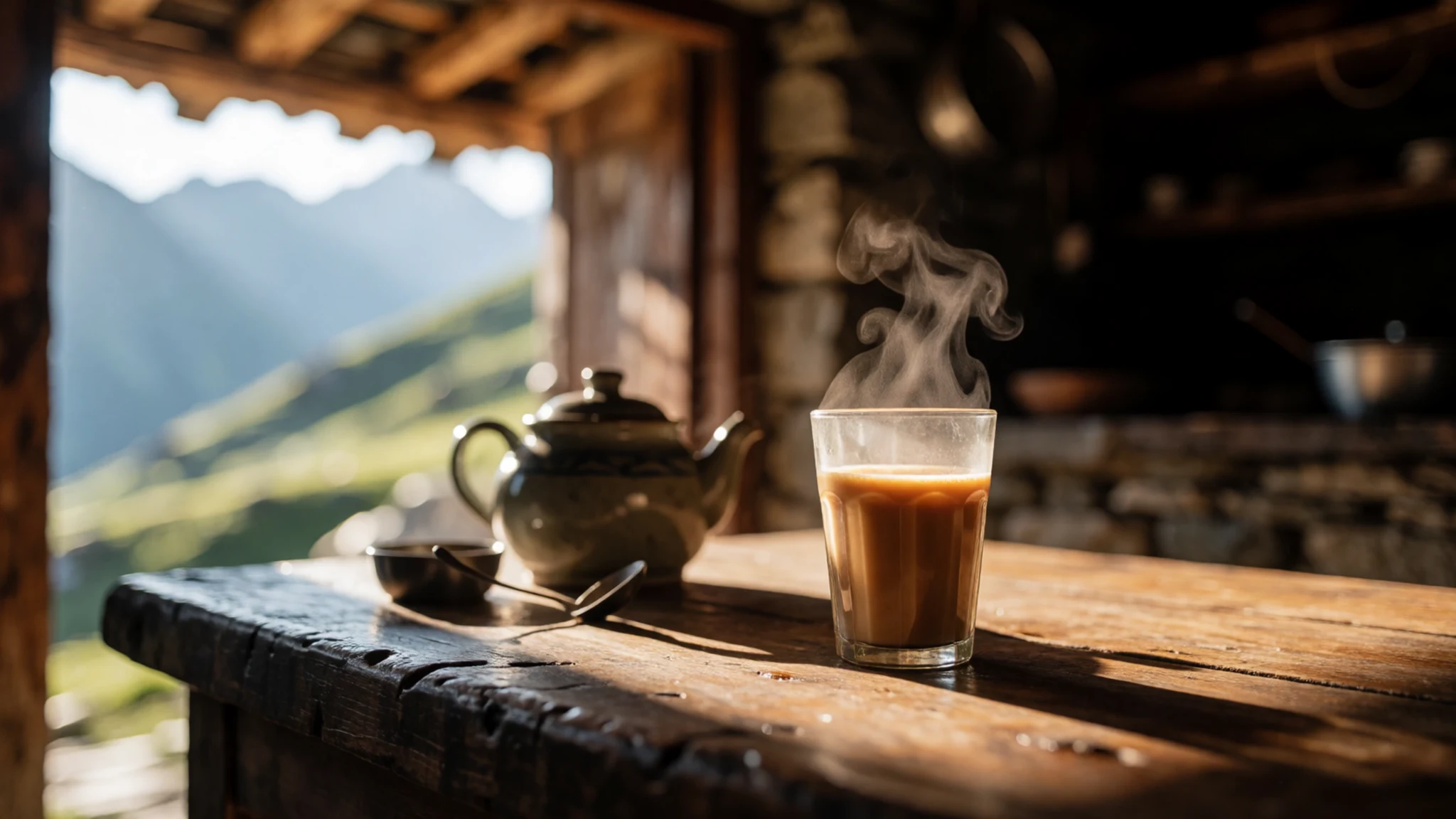
- Yogurt — The summer tea stop at Chilam Chowki and village shops on the approach
Local yogurt is served at the summer stop on the route and is a simple, filling option after a long morning. It is thick and mild, and it suits the cold, high conditions well. Eat it fresh and avoid it if your stomach is sensitive to dairy at altitude.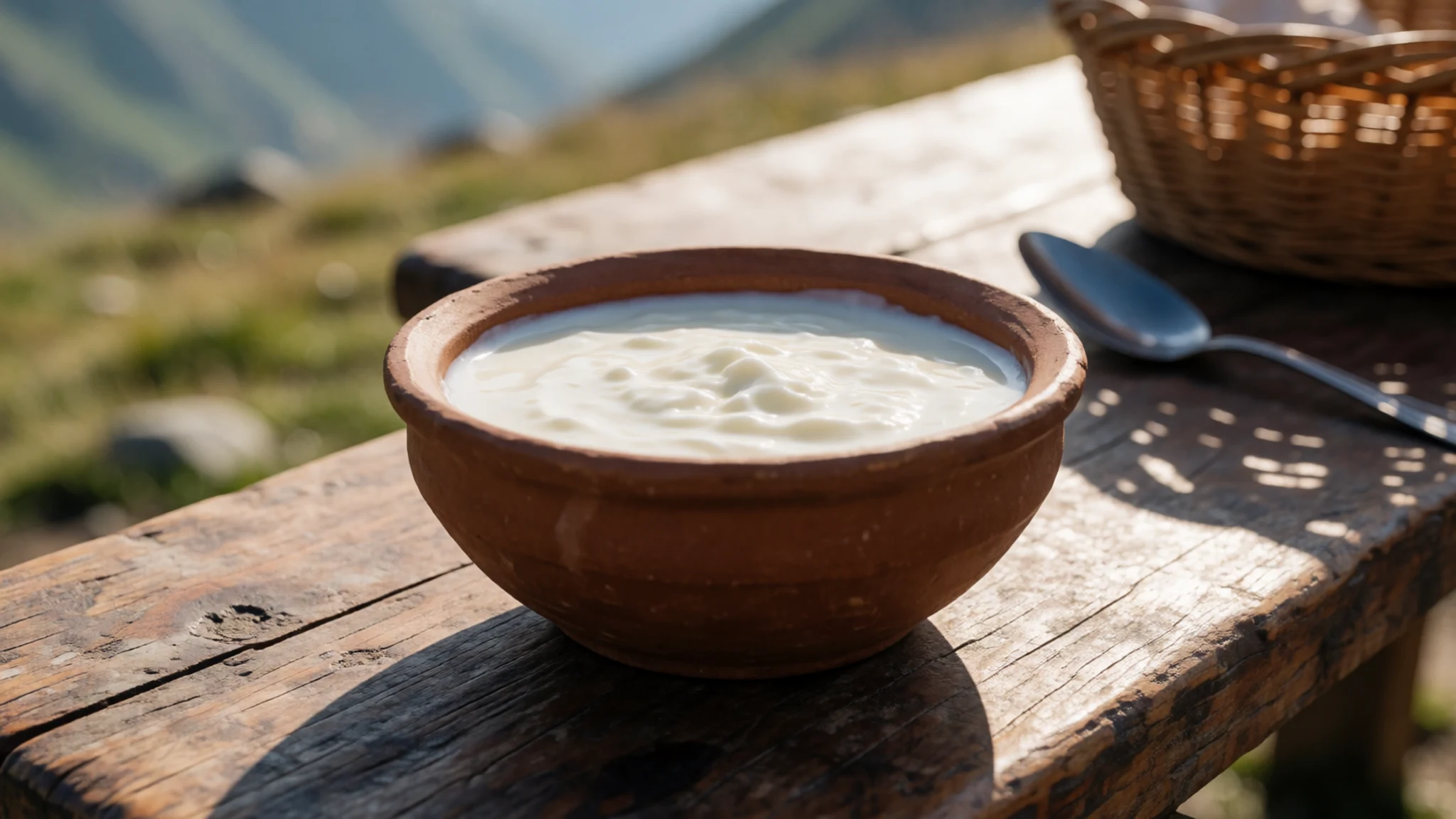
- Flatbread — Bakeries and the bazaar in Skardu, before you set off
Freshly baked flatbread is the best food to buy before you leave the town. It keeps well for a day in a bag and goes well with butter, yogurt or jam. Buy more than you think you need, because there will be no bakeries on the plateau. - Dried apricots — Shops and the bazaar in Skardu and Astore
Dried apricots from the valleys around Skardu and Astore are sweet, light and easy to carry, which makes them ideal for a day on the plateau. They give a quick boost when you are walking at altitude. Buy them from a shop with good turnover and keep them sealed in a bag so they stay dry.
Plan it
Best time. Late spring and early summer bring the wildflowers and butterflies, but early snowmelt can make paths hard. July and August are the most reliable months for getting onto the plateau, when the tracks are most likely to be open. September can still be pleasant with clearer skies, but the nights get colder earlier in the season.
How long. 2–3
Getting there. Fly into Skardu or drive from Islamabad to Skardu, then take a 4WD north towards Satpara Lake and onto the plateau. The alternative route from Astore to the west crosses scenic mountain valleys, and a 4WD is recommended for either approach.
Budget. mid
Tips
- Hire a 4WD with an experienced driver, and ask about the state of the tracks before you leave.
- Plan for a guided trip if you can, since the route after Satpara is uninhabited and fuel, food and help are scarce.
- Start early in the morning, when the weather is steadier and the wildlife more active.
- Carry cash in small notes, since card payments are unlikely on the plateau.
- Pack plenty of drinking water and layers, and allow time for altitude to affect your pace.
Etiquette
- Stay on marked tracks and keep off the grassland, which is slow to recover from damage.
- Take all rubbish back with you and do not leave food for animals or birds.
- Ask before photographing people, especially women and families.
Nearby
Sources
- Wikidata Q2641970 (CC0)
- Wikipedia: Deosai National Park (rev 1382396255) (CC BY-SA 4.0)
- Wikivoyage: Deosai National Park (rev 4961283) (CC BY-SA 4.0)
- Photo: The Land of Giants, Deosai (Qammer Wazir) (CC BY-SA 4.0)
- Photo: Deosai pic HD (Hunzagrapher) (CC BY-SA 4.0)
- Photo: Sheoser lake, Deosai National Park (Jehan Sher) (CC BY-SA 4.0)
- Photo: Bara Pani, Deosai (Akbar Khan Niazi) (CC BY-SA 4.0)
- Photo: Bara Pani Flowing Through Deosai Plains (Syedmuradali22) (CC BY-SA 4.0)
- Photo: Wild flowers on Deosai Plains (Akbar Khan Niazi) (CC BY 3.0)
- Photo: A heavenly view of Deosai National Park (Moniszubair) (CC BY-SA 4.0)


