Lake Rangkul
Lake Rangkul, Tajikistan
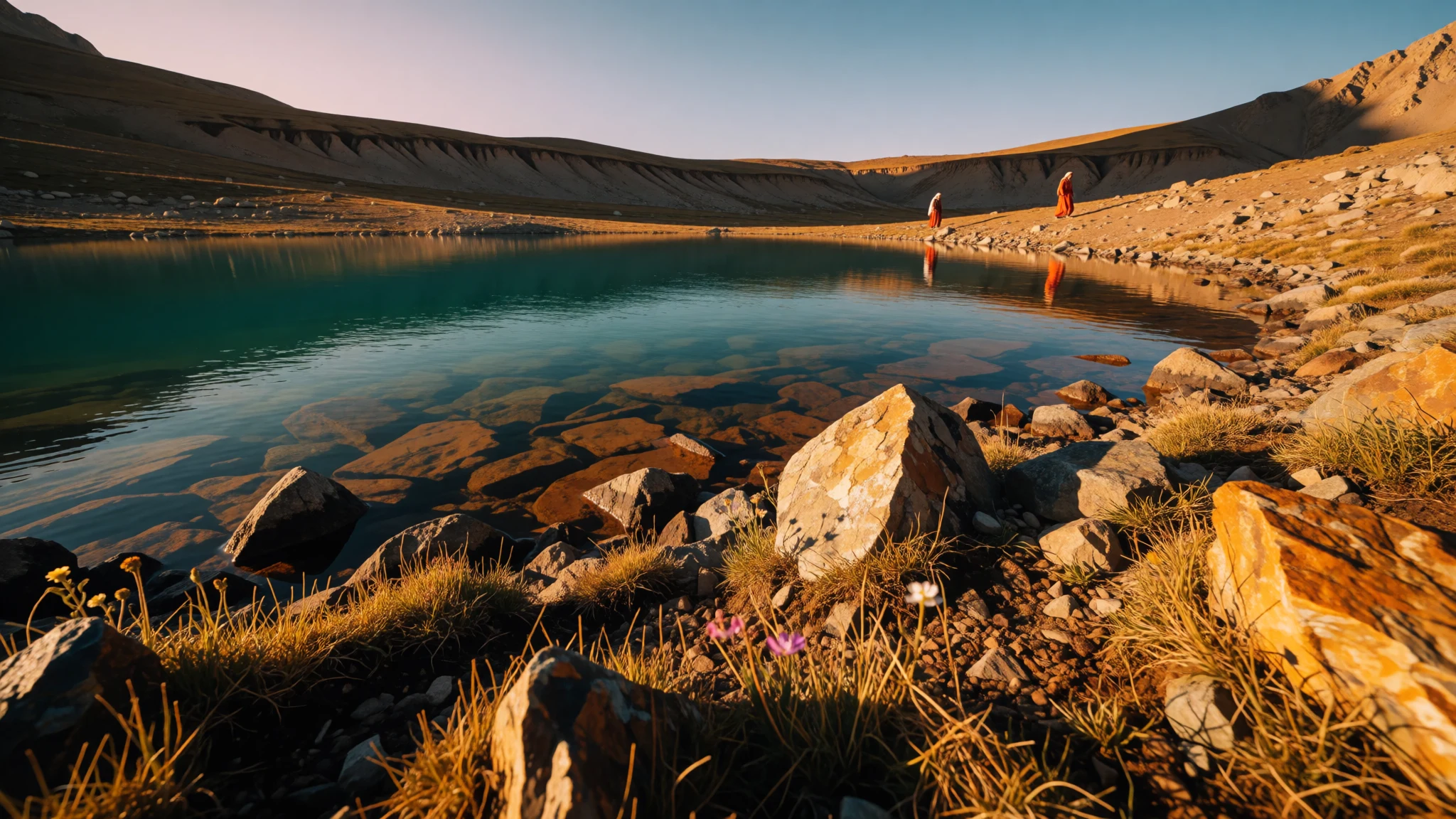
Lake Rangkul is a quiet, thin-aired lake in Tajikistan's high east, for travellers who want space, stillness and a long road to get there.
The place
Lake Rangkul lies in the east of Tajikistan, at an elevation of 3782 m. That puts it well above the height at which most people first notice the air thinning, and it shapes everything about a visit. Walking is slower, sleep can be restless for the first night or two, and even a short climb along the shore feels like effort. The country around it is high, open and largely treeless, a landscape of bare slopes, wide skies and long views rather than forest and meadow.
The east of Tajikistan, the Gorno-Badakhshan region, has a climate quite unlike the hot, dry lowlands that most descriptions of the country dwell on. Summers in the valleys can be fierce, but up here the weather is governed by altitude: bright sun, cold nights, and sudden changes of wind and cloud. Winter closes in hard, and snow lingers on the high ground long after it has melted elsewhere in the country.
Settlement is thin. A visit to Rangkul is less about a single viewpoint than about the journey across high country and the stillness at the end of it. Facilities are basic, distances are long, and plans work best when they leave room for delay. Rangkul is known by that name in the facts used for this reading, though spellings of Tajik place names vary in English, so signs and maps may differ slightly.
Its story
Lake Rangkul has no famous event attached to it, and it is better to say so than to invent one. What can be told is the story of the landscape around it, and of how a country of high mountains came to be a destination.
Tajikistan's mountains are among the highest in the world, and a large part of the country lies at serious altitude. For most of the twentieth century the territory belonged to the Soviet Union, and its place names reached the outside world mostly in Russian spellings. Since independence the country has been establishing its own usage, which is why a lake like this one can appear under several spellings on different maps. That small confusion is a reminder of how recently the region began to be written about on its own terms.
The east, in particular, has long been a place of passage and of hard living. Mountain communities have herded animals, grown what the short season allows, and moved across high ground for as long as anyone has recorded. In recent years the government has eased visa rules, and the Aga Khan's Mountain Societies Development Support Programme has built up a network of guesthouses in the region. Together these have made journeys into the Pamir country far more practical than they once were.
So a lake at this height is part of a bigger story: a remote region slowly opening to visitors, who arrive in small numbers and mostly in summer. Rangkul rewards that kind of patience. It is a place where the main events are weather, light and the slow turning of the sky.
What to see
- The lake shore — Eastern Tajikistan
Lake Rangkul itself is the reason for the trip. The best approach is simply to walk slowly along the water's edge and let the altitude set the pace. Expect wide, quiet views, strong light, and wind that can pick up quickly. Bring layers even on a bright day, because the air cools fast.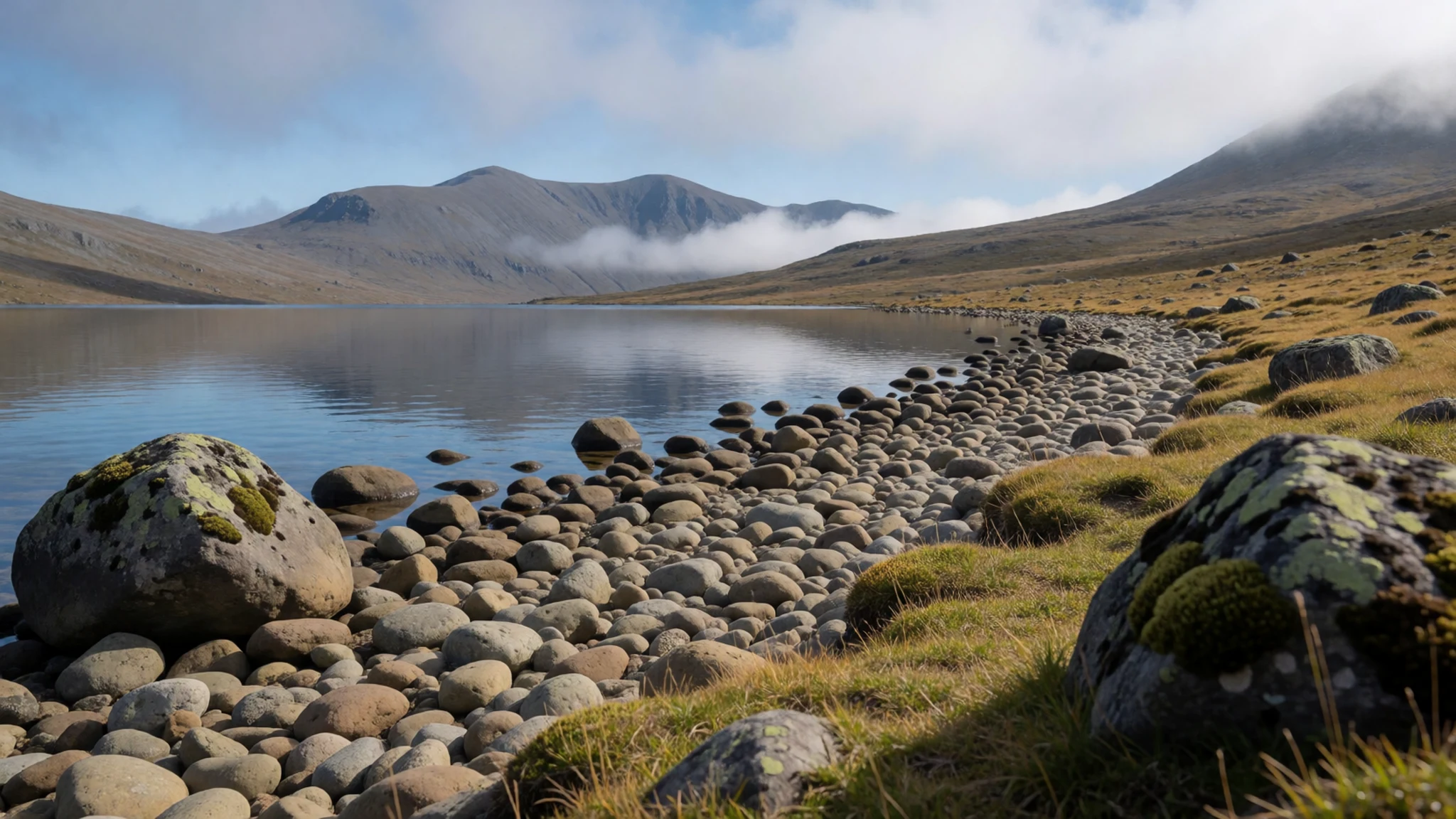
- The open plateau around the lake — High east, Gorno-Badakhshan region
The country surrounding Rangkul is high, treeless and wide, and much of its charm lies in the sheer scale of the space. A short walk away from the shore gives a better sense of how empty the land is. Take water, go unhurried, and turn back early if headaches or breathlessness build.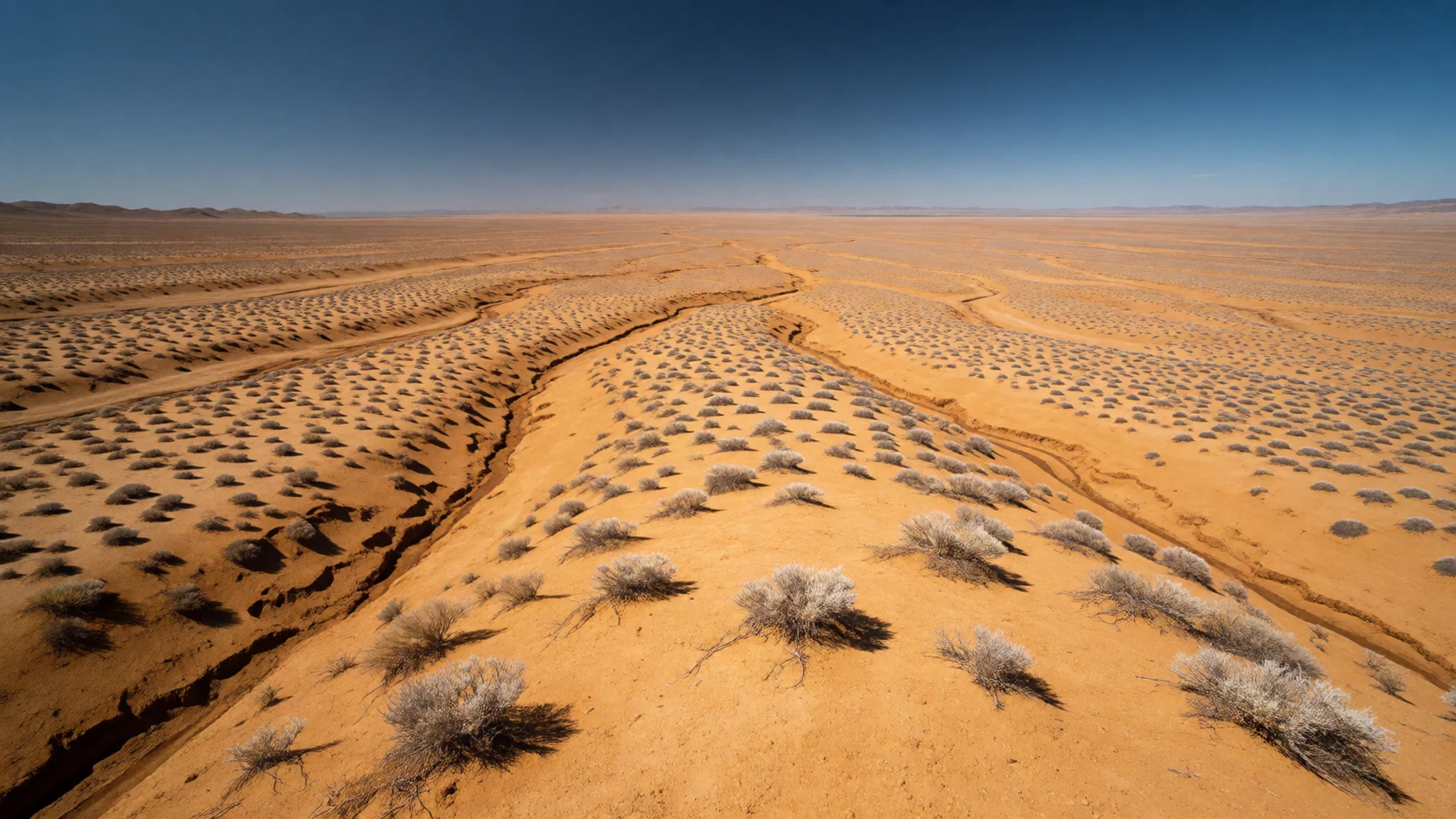
- The night sky — Anywhere away from settlements
At this altitude, far from any city, the sky after dark can be remarkably clear on a still night. It is cold, so wrap up properly and allow time for eyes to adjust. Cloud and wind are common, so treat a clear night as a bonus rather than a promise.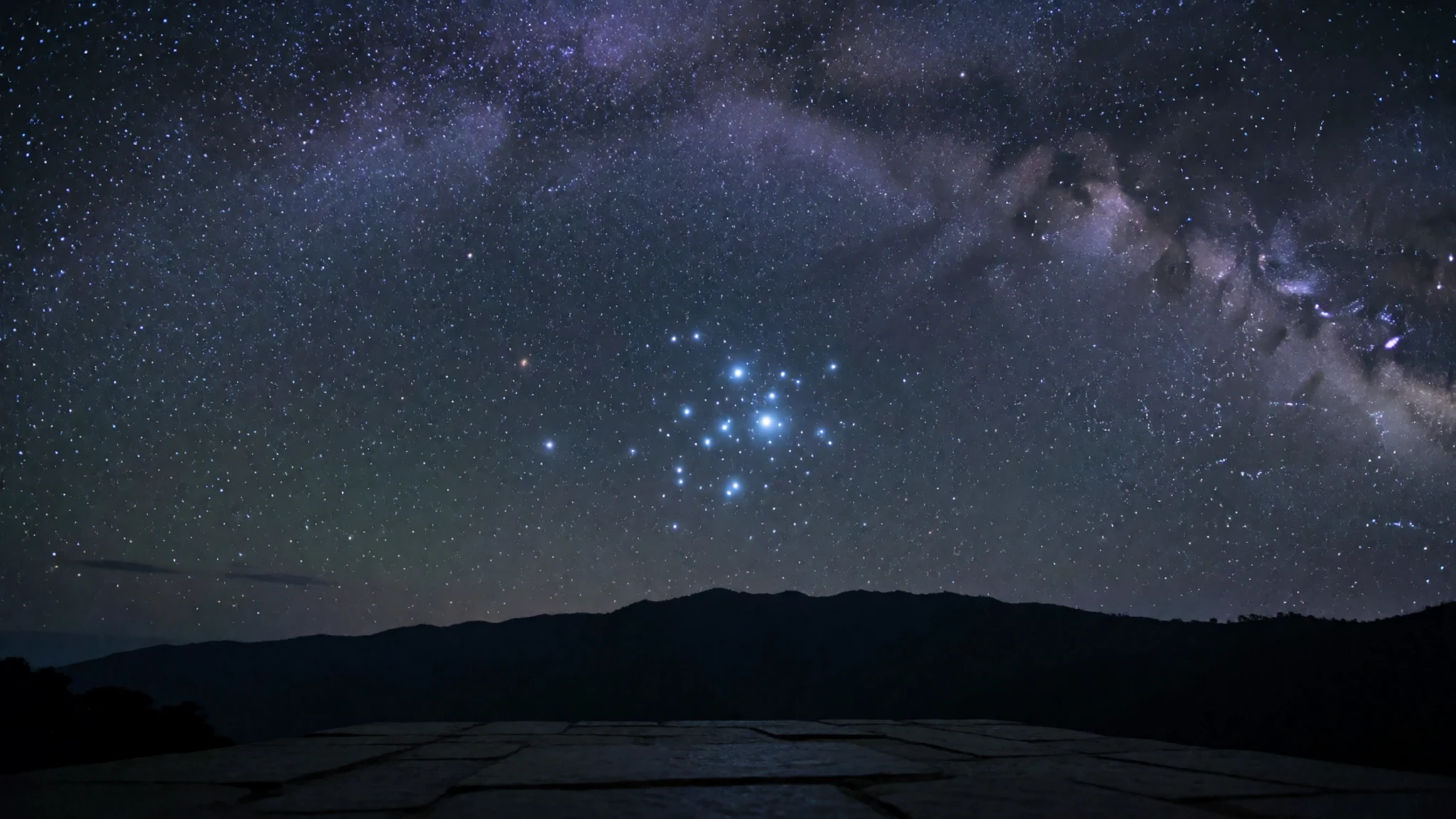
- The drive in — Routes through the Pamir region
The road across the high east is part of the experience. Long stretches of empty country, passes, and small settlements break up the journey. Allow more time than the distance suggests, since road conditions, weather and vehicle trouble can all slow progress, and an early start gives a margin of daylight.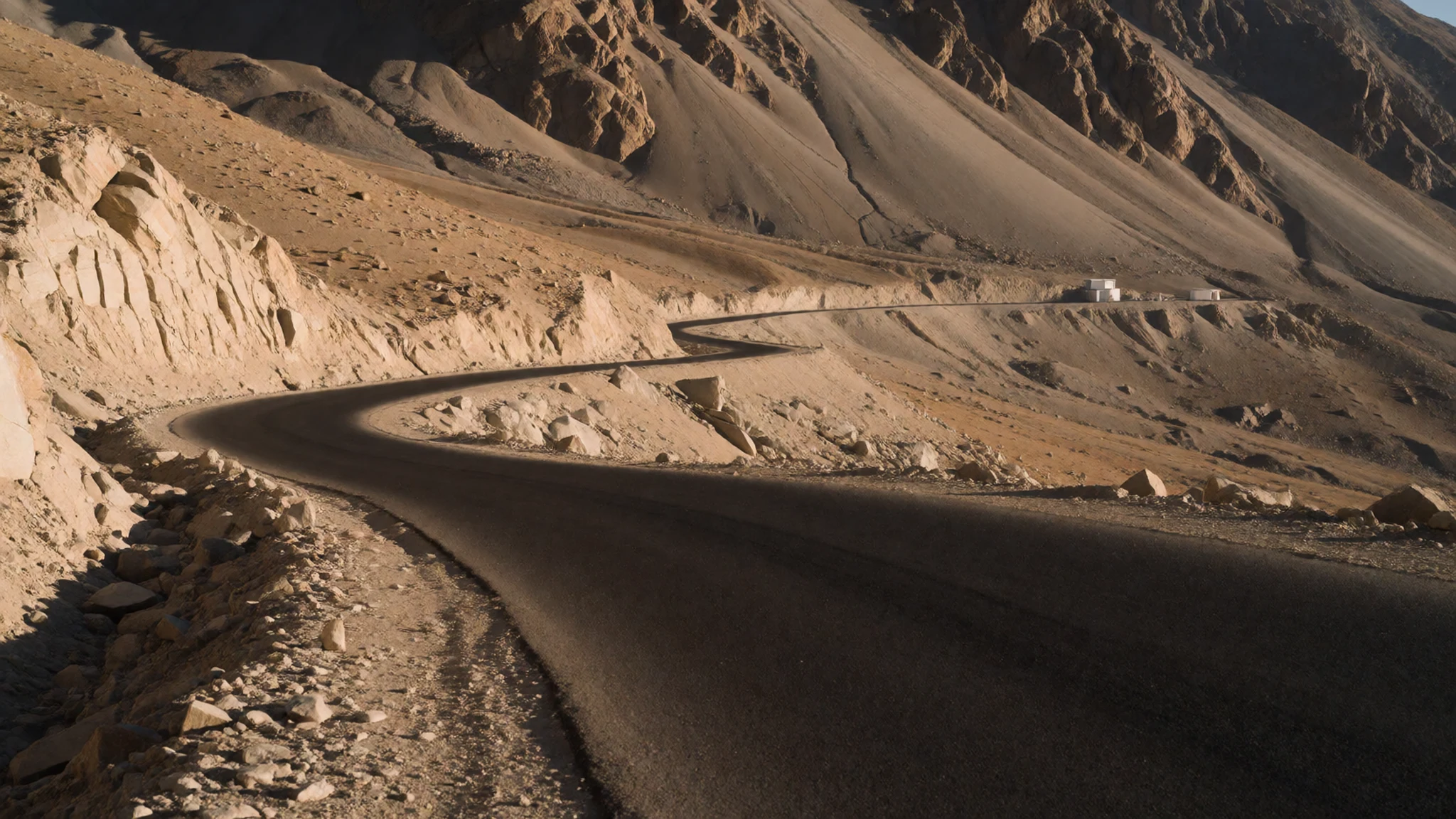
- Guesthouse stays in the region — Khorog and other regional towns
Staying in a local guesthouse is the practical way to see this part of Tajikistan, and it brings conversation, meals and local advice. The Mountain Societies Development Support Programme runs a network of guesthouses in places such as Khorog. Ask there about current road and weather conditions before heading higher.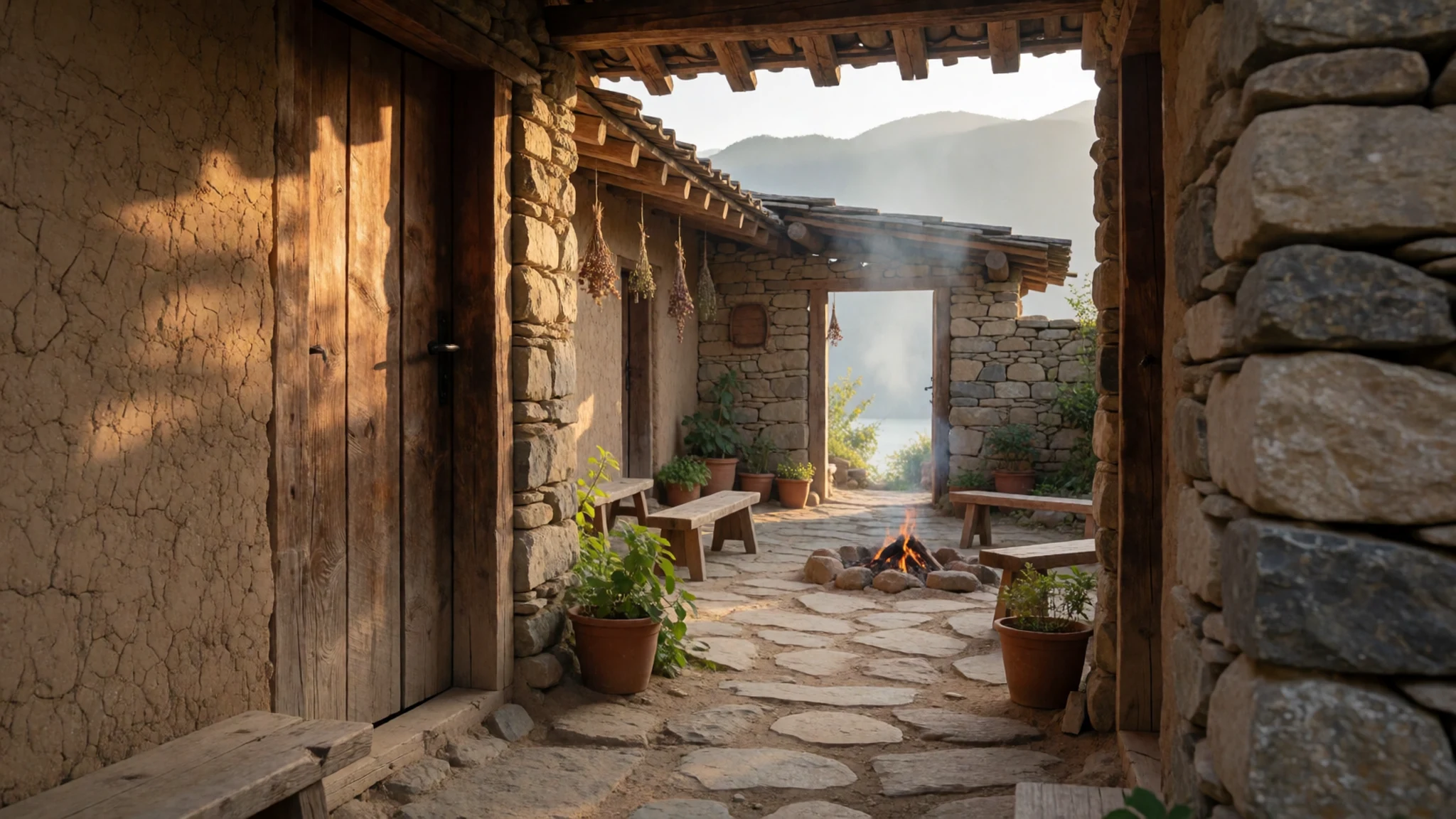
Culture
Lake Rangkul sits in a part of Tajikistan where life is shaped by altitude, distance and hospitality. Tajikistan is a fairly conservative society, and that holds in the mountains as much as in the cities. Visitors are generally welcomed warmly, and young people may approach simply to say hello and practise English. Older people are greeted with respect, and the customary gesture is to place the right hand over the heart when speaking to an older man or woman.
Green tea is the drink of the day, offered often and accepted gladly. A shared meal is usually eaten from a communal plate, and being asked to join one is a mark of welcome. Accepting, even if only for a short while, matters more than finishing everything on offer.
Mosques in Tajikistan are for men; women generally pray at home or in private spaces, and Muslim women visiting as tourists are expected to follow the same practice. Some mosques in larger cities have admitted female tour groups, but this is not something to count on, and it is better to ask than to assume.
In small mountain communities, modest dress and a quiet manner go a long way. Be wary of treating the region as scenery only: the people who live near the lake depend on this land and its seasons, and a little curiosity is usually well received.
When greeting an older person, put your right hand over your heart, and always ask before photographing anyone, especially women and older people.
What to wear
Dress around Lake Rangkul is shaped first by cold, wind and strong sun, and only then by tradition. Tajik traditional clothing across the country includes long, loose dresses for women in bright, patterned fabrics, often with embroidered details, and soft caps and embroidered robes for men on festive days. In the high east, warm woollen layers, felt and heavy cloth have long been practical necessities, though specific local textile names are beyond what this reading can responsibly claim.
What people wear day to day now is a mix: practical modern jackets, trousers, boots and fleeces, often combined with a headscarf or cap, and with traditional dress kept for weddings, holidays and family occasions. In towns, women generally dress modestly, with long sleeves and skirts or dresses below the knee, and headscarves are common but not universal.
For a visitor, the main guidance is warmth, sun protection and modesty. Bring thermal layers, a windproof outer shell, a warm hat, gloves and good sunglasses, because the light at this altitude is strong even on cold days. Sturdy, broken-in walking boots with decent grip suit the rough ground. Men should avoid shorts, which attract disapproving looks even in larger cities, and women should pack long sleeves and trousers or long skirts, plus a light scarf. Take a sun hat as well as a warm one, since a single day can bring both.
What to eat
- Osh (plov) — Guesthouse dinners and roadside eateries
The everyday rice dish of Tajikistan, cooked with meat, carrots and oil in a large cauldron over a flame. It is often served on one big plate for the table to share. Look for it at roadside eateries, guesthouse dinners and family gatherings.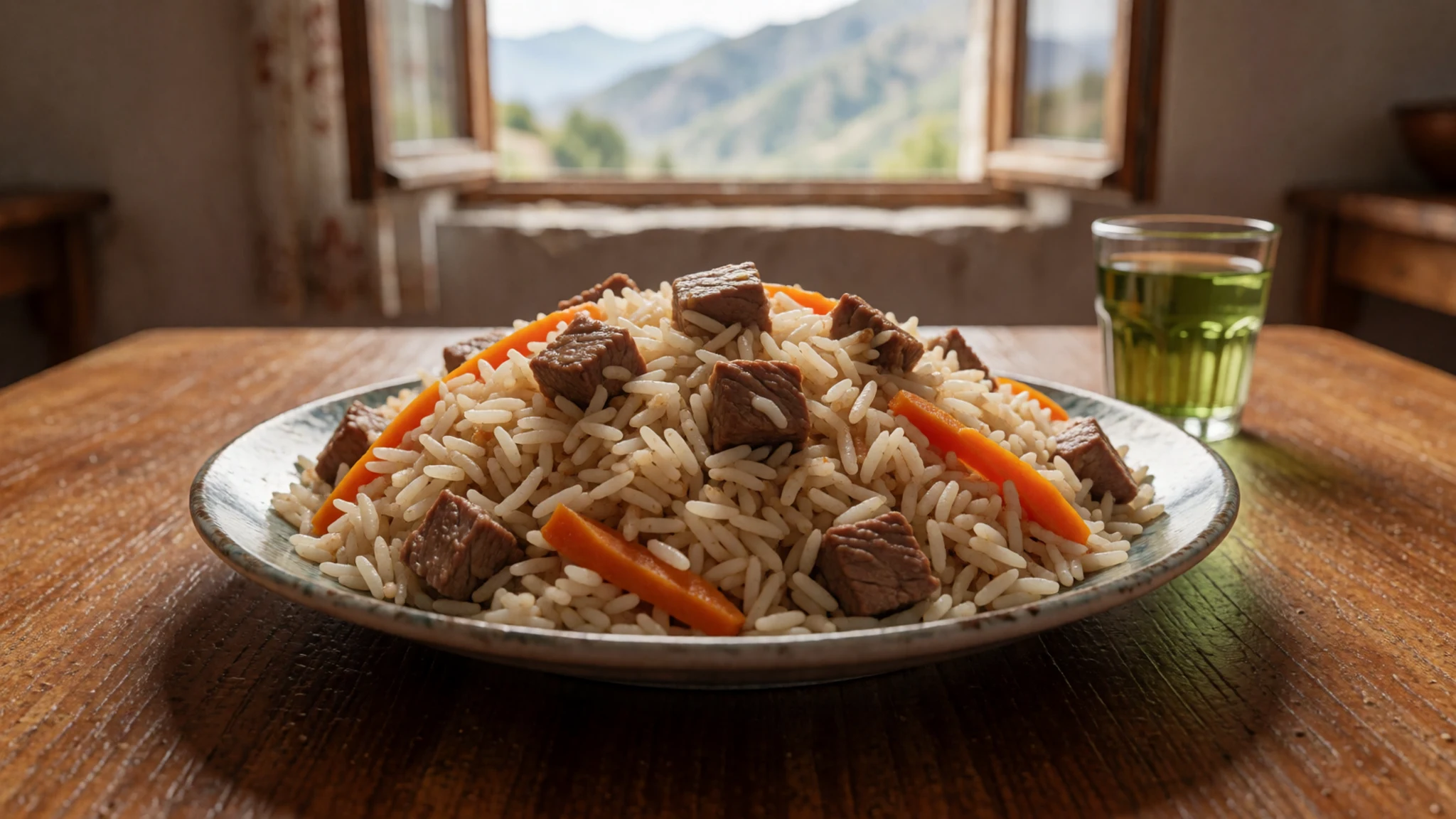
- Qurutob — Family homes and some guesthouses
A traditional dish of flatbread pieces in a tangy sauce made from dried, soured cheese, topped with fried onions and vegetables. It contains no meat, and is eaten by hand from a shared plate. It is less common in restaurants than osh, so ask a host.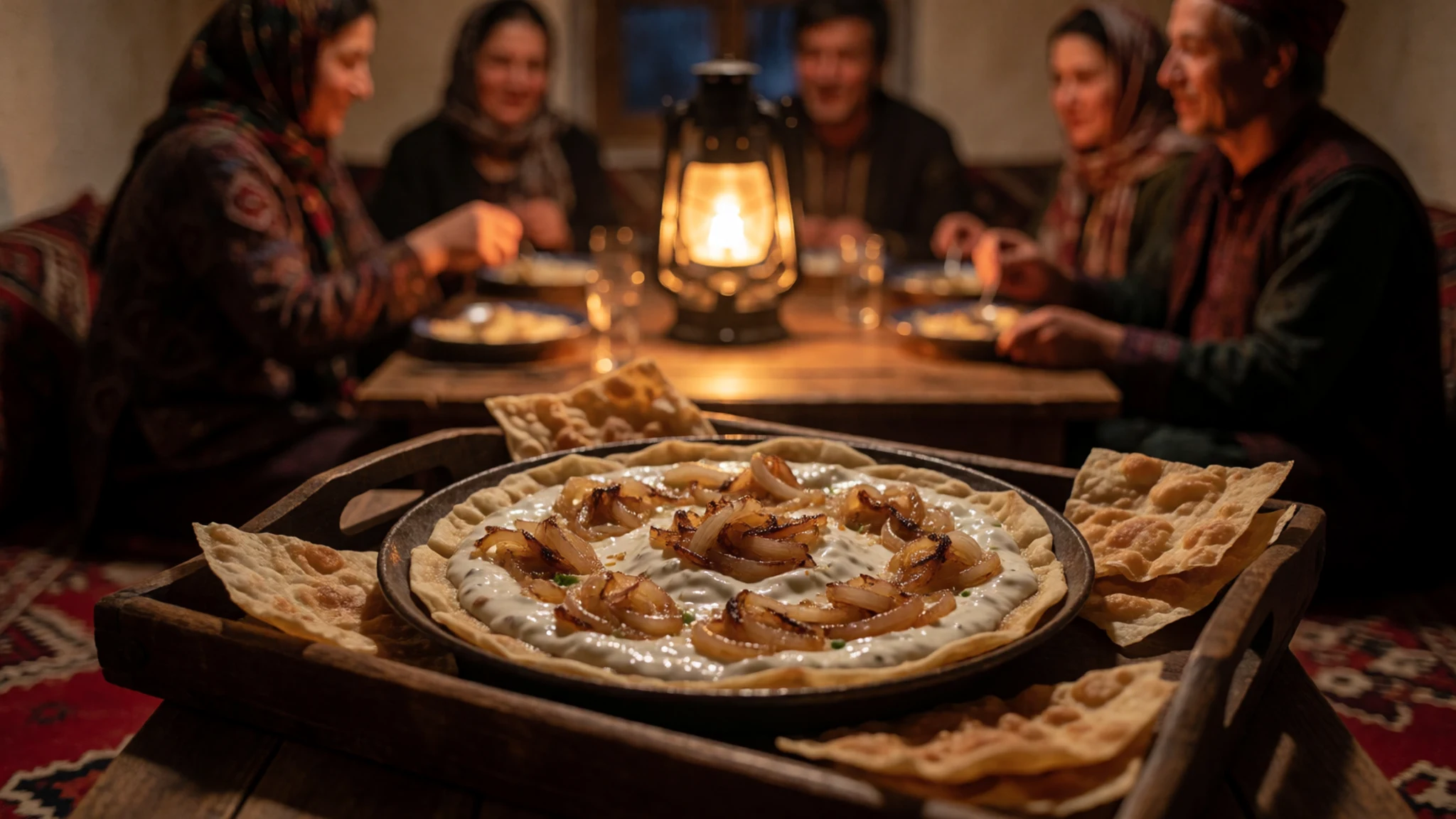
- Laghman — Small eateries in regional towns
A hearty noodle soup with vegetables and lamb or beef. It is warming and filling, which suits cold mountain evenings and long travel days. Portions are usually generous, and it is easy to find in towns along the main routes. - Green tea — Every guesthouse and teahouse
Served all day, sweetened or plain, and usually the first thing offered to a guest. Tea is part of hospitality in Tajikistan, and a pot will often appear before any food does. Accept a cup, since refusing can seem abrupt. - Compote — Home meals and local eateries
A sweet fruit drink made by cooking fruit in water, served cold or at room temperature. It is a common companion to a meal in Tajikistan. Ask about the water used if you have a sensitive stomach, and stay with bottled water otherwise.
Plan it
Best time. Summer, roughly June to September, when the high roads are most reliably open and days are warmest. Nights stay cold at this altitude even then, and snow comes early and stays late, so winter and the shoulder months are hard going.
How long. 3–5
Getting there. Fly to Dushanbe, the capital, then travel east overland by shared jeep or a hired car with a driver. Khorog is a common stopping point with guesthouses. The last leg is on rough high-altitude roads, so ask locally about conditions and allow spare days.
Budget. mid
Tips
- Give yourself a day or two to acclimatise before going higher, and descend if headaches or nausea persist
- Drink bottled water and avoid ice, as tap water is not safe and supply can be cut off
- Carry cash, as cards and cash machines are scarce outside larger towns
- Check visa and permit rules for the eastern region well before travel, using the Ministry of Foreign Affairs visa checker
- Start drives early and carry extra food, water and warm layers in case of delays
Etiquette
- Dress modestly, with covered knees and shoulders, and avoid shorts
- Ask before photographing people, especially women and older people
- Place your right hand over your heart when greeting older people
Nearby
Sources
- Wikidata Q719686 (CC0)
- Wikipedia, Tajikistan (CC BY-SA 4.0)
- Wikivoyage, Tajikistan (rev 5424872) (CC BY-SA 4.0)
- Jan Kwiatowski, photo reference (CC BY 3.0)
