Lake Bulunkul
Lake Bulunkul, Tajikistan
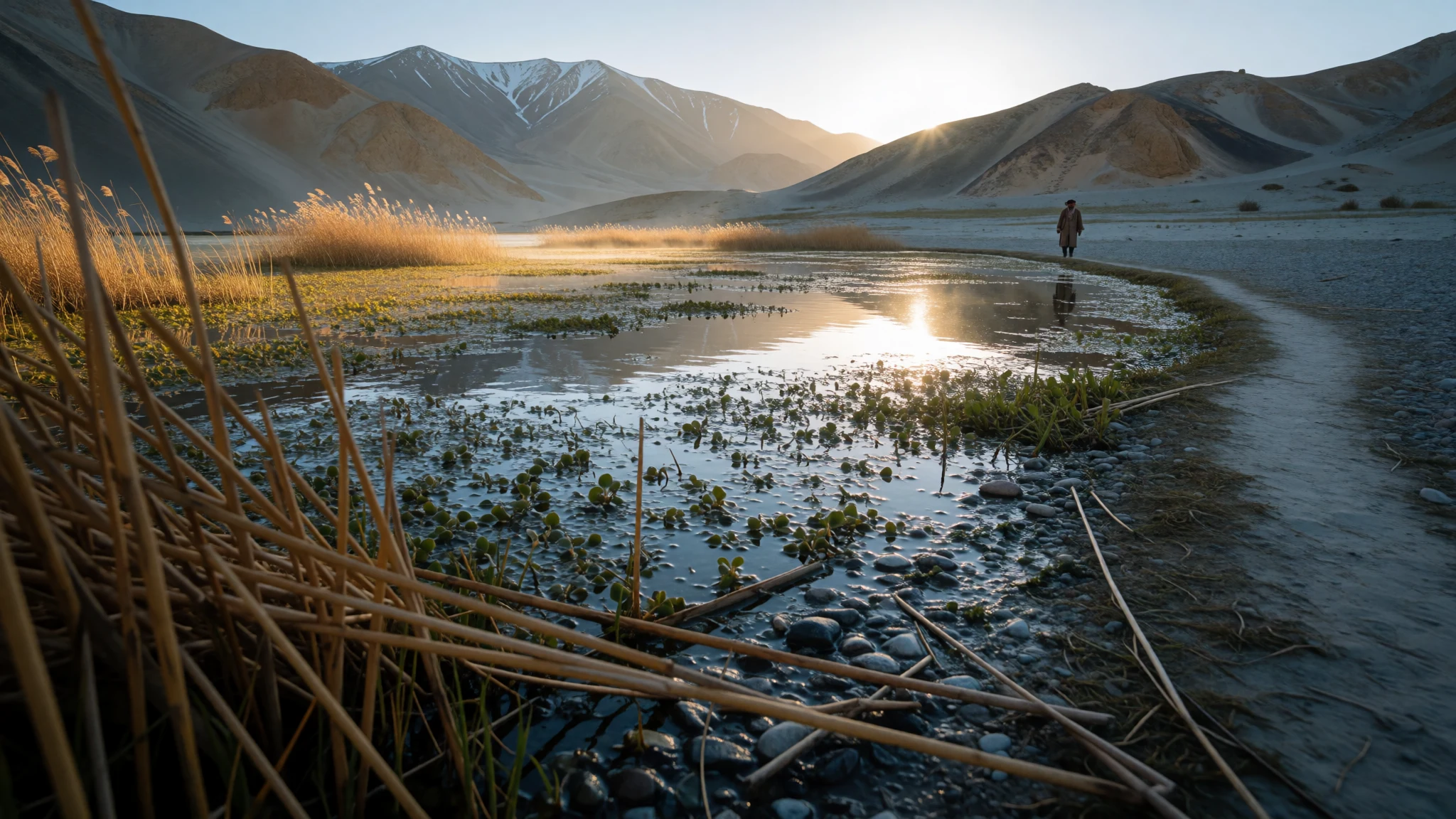
Lake Bulunkul is a still, shallow Pamir lake at 3600 m, where the pleasure is silence, thin air and an enormous empty horizon.
The place
Lake Bulunkul lies at 3600 m in the upper Gunt valley of the Pamirs, in Tajikistan's Gorno-Badakhshan province, about 130 km east of the regional town of Khorog. It is a shallow freshwater lake, no more than 6 m deep, spread over roughly 3900 ha. Thick plant growth covers much of the surface, so the water looks patchy rather than like one clean sheet. A sister lake, Yashilkul, sits 1.5 km away, and both are ringed by marsh, sand and pebble flats. There are no trees to soften the view. The horizon is ridgeline, and the light at this height is hard and clear. The two lakes and the mountains around them are together recognised as an Important Bird Area, a hint that these wetlands matter chiefly to the birds that use them. A village of the same name stands close by and has a reputation for savage winter cold. Visitors come for scale and quiet rather than for a list of sights: it is a place to sit by the water, watch weather cross the valley and notice the altitude on every slope. Facilities are basic, distances are long and the road in is slow. Spellings differ from map to map, because Tajik has no single English transcription system, so Bulunkul and Yashilkul can appear with different vowels and consonants. The landscape is austere rather than pretty, and that austerity is its character.
Its story
Lake Bulunkul has little written history but a handful of telling details. During the Soviet era in 1967, 37,000 gibel carp were introduced to the water—a resilient species picked specifically for its ability to survive in cold, shallow conditions. How well it settled is not well documented, but the episode shows how even remote Pamir lakes were treated as resources to be developed. The village of Bulunkul, a short way off, is best known for its temperatures. With temperatures once plunging to −63 °C, it ranks among Central Asia's most freezing settlements—a record low that defines its story far more than any physical monument could. A short environmental film by the United Nations University has featured both the lake and the village, which gives a sense of how the area is seen from outside: a fragile corner of the Pamirs where water, cold and altitude set the rules. The Soviet years also left their mark on names. Russian transcriptions long dominated maps, and as Tajikistan has asserted its own identity those spellings have gradually given ground, so the same place may be written in several ways. The recognition of the lakes as an Important Bird Area belongs to the same pattern of outside attention arriving at a quiet, high wetland, with interest now as much scientific and ornithological as touristic.
What to see
- The Bulunkul shoreline — Upper Gunt valley, Gorno-Badakhshan
The edge of Lake Bulunkul is the main reason to come. Walk slowly along the marshy margin, where reeds and floating plants break up the water and the Pamir ridges close the horizon. Early morning is calmest, and the thin air makes even a short stroll tiring.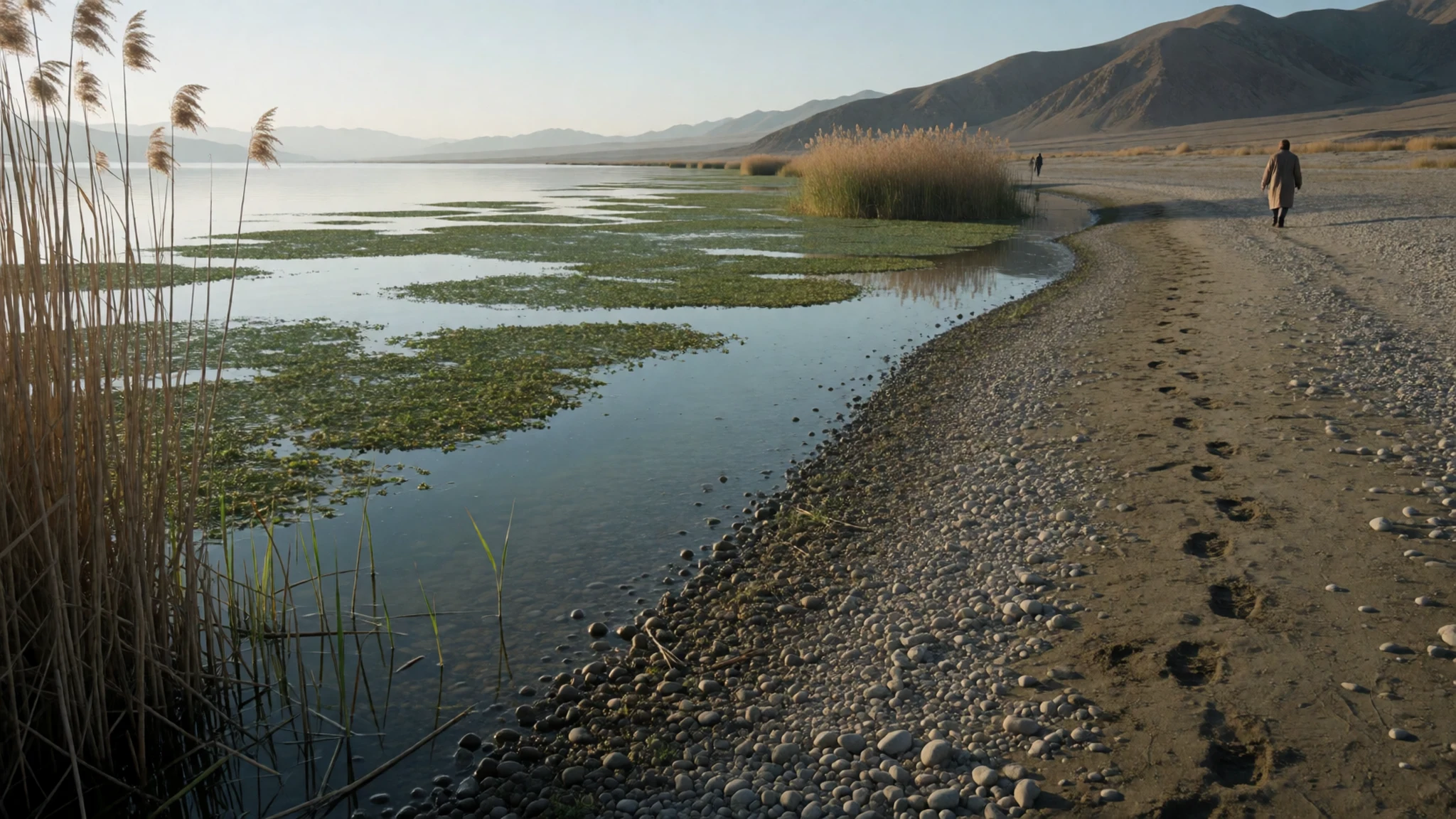
- Yashilkul — Next to Lake Bulunkul
Yashilkul is the neighbouring lake, only 1.5 km from Bulunkul across sand and pebble plains. Visiting both in one outing shows how similar yet distinct they are. The flat ground between them is open, so wind can be fierce and shelter is scarce.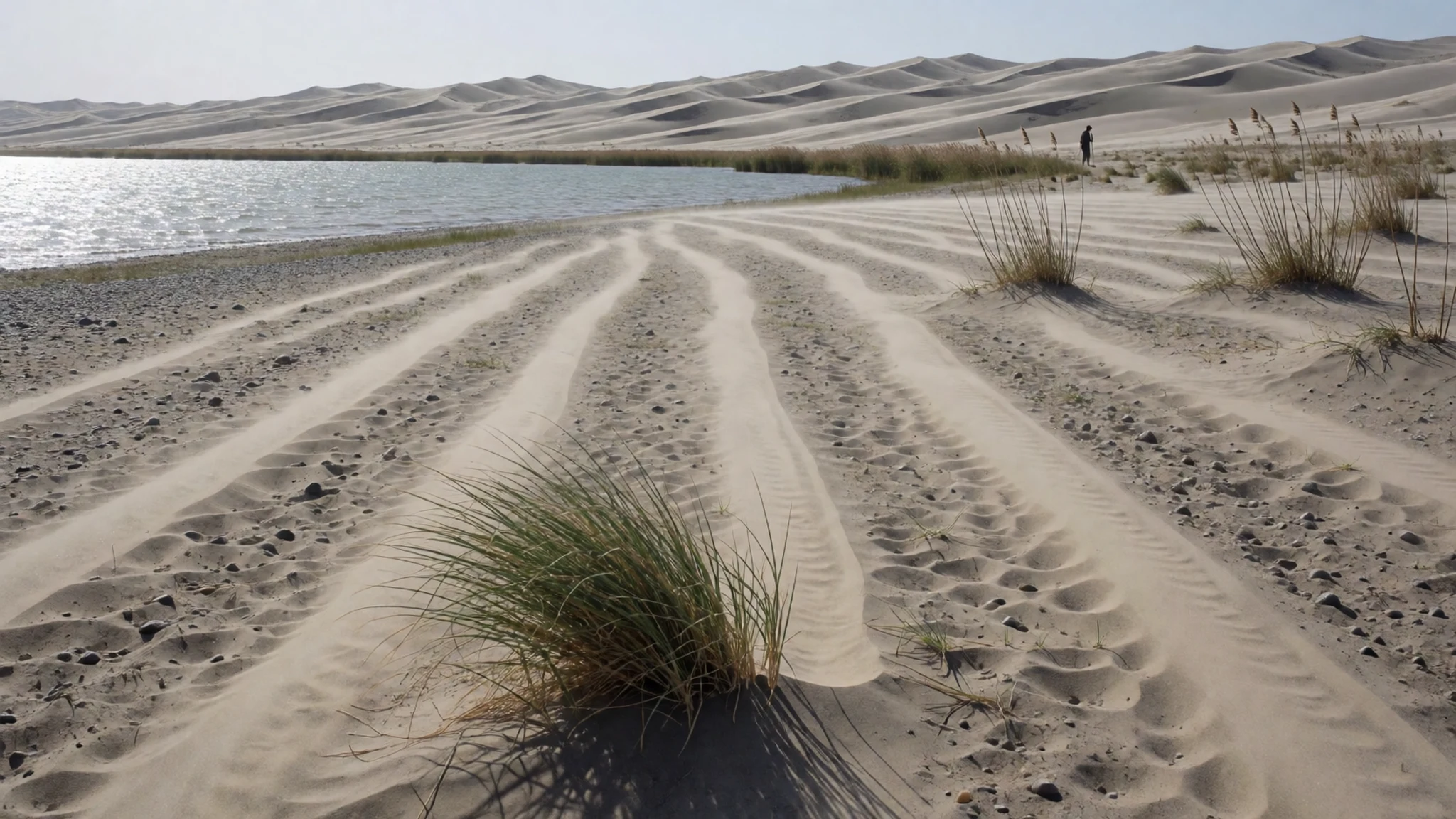
- Bulunkul village — Beside the lake
The village is a small, weathered settlement set against bare slopes. It is known for its harsh winters, and a visit makes clear how people live with that cold. Greet residents politely, ask before taking photographs, and treat any guesthouse meal as the main hospitality on offer.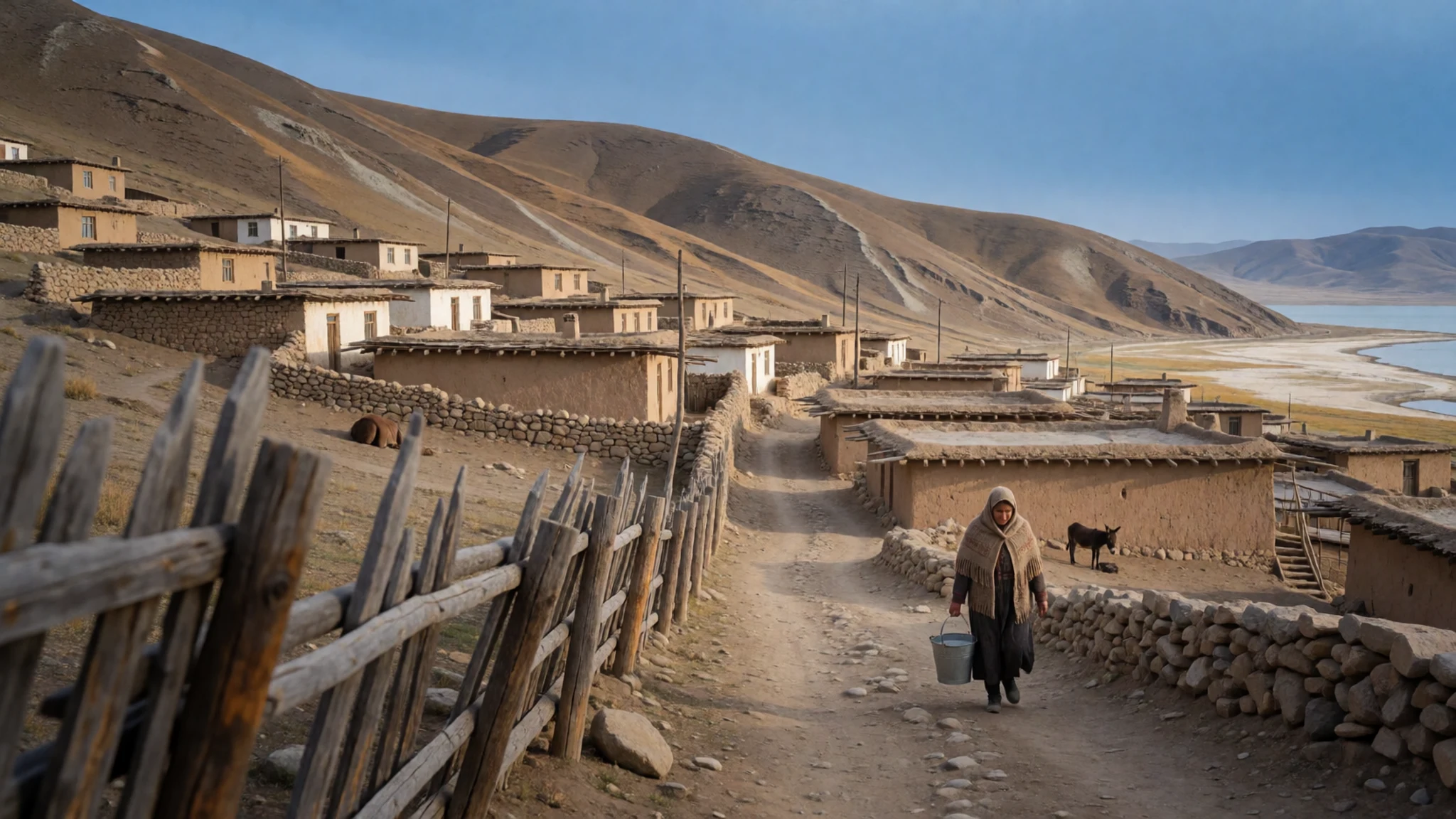
- Birdwatching on the wetlands — Marsh margins of both lakes
Because the lakes and surrounding mountains form an Important Bird Area, the marshes suit patient birdwatchers. Bring binoculars and warm layers, and scan the reeds and open water from a distance. Disturbing nesting or resting birds defeats the purpose of coming.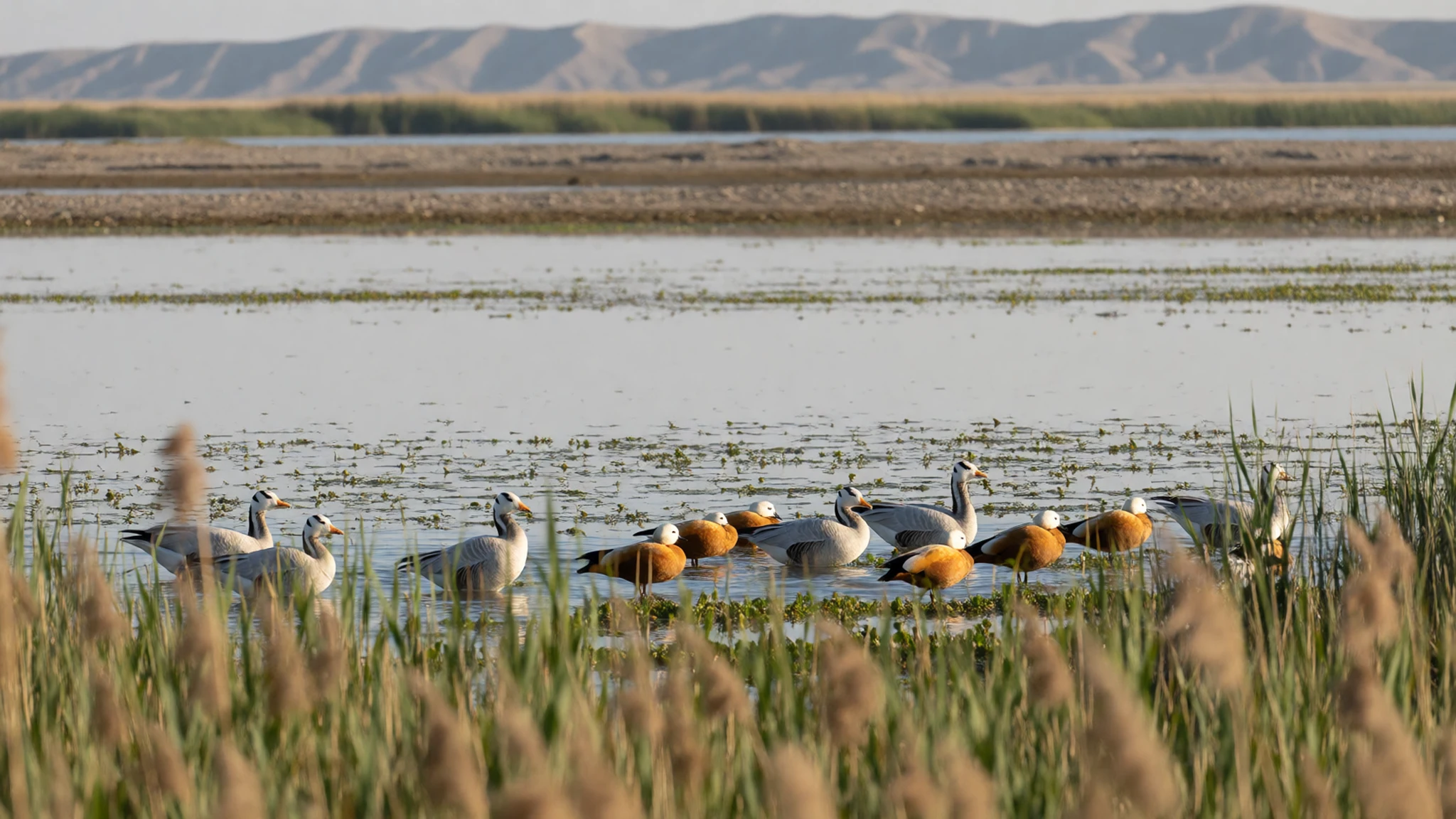
- Pamir road views — Road between Khorog and the lakes
The journey is part of the sight. The road through the Pamirs passes long, dry valleys, pale slopes and ridgelines that change colour through the day. Allow time for stops, since the scenery is the draw and distances here take far longer than maps suggest.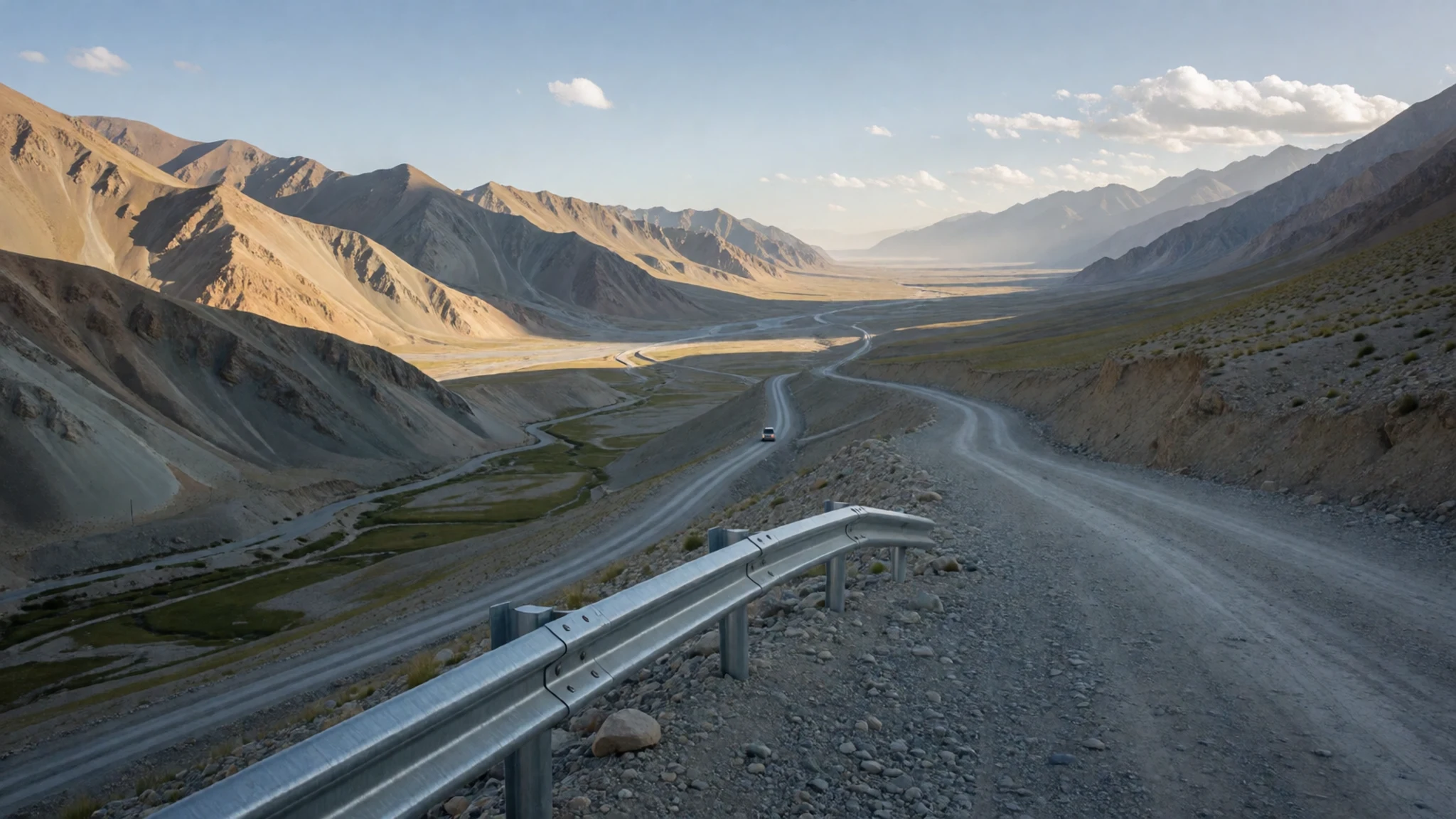
Culture
Lake Bulunkul lies in a remote corner of a fairly conservative country, and local manners reflect that. Visitors are generally welcomed warmly, and in villages a guest is more likely to be offered tea than ignored, though people vary and some can be brusque. Modest dress matters: women are expected to dress carefully in public, and men in shorts draw disapproving looks even in the capital. Young people may come up to say hello and practise English, which is usually friendly curiosity rather than a scam. Respect for age runs through daily life, and with older men and women a hand placed over the heart is the customary greeting. Food and tea are shared, often from a communal plate, and turning down hospitality outright can seem cold, so accept at least a cup. Mosques in Tajikistan admit only men, and Muslim women visiting as tourists are expected to pray privately instead, so do not assume any prayer hall is open to you. Photographing people, particularly women and older villagers, should wait for a clear yes. Life in a high village follows the weather and the season, and a guest who arrives with patience and fits into that rhythm tends to be remembered kindly. Greet older people by placing your right hand over your heart, and ask before photographing anyone.
What to wear
Around Lake Bulunkul, clothing follows the cold. Traditional Tajik dress includes women's long dresses cut from brightly patterned silk or silk-cotton ikat cloth known as atlas and adras, and the embroidered skullcap called a doppi, worn by men and by some women. Both come out mainly for weddings, festivals and other celebrations. In mountain homes wool is the essential textile, and thick knitted socks in geometric patterns are a familiar sight indoors. Everyday wear now is practical: padded jackets, fleeces, woollen hats, sturdy boots, and for many women tunic dresses over trousers, often in bright prints. Headscarves are worn by some but are not the norm. For a visitor, layers matter more than style. Pack a thermal base layer, a fleece, a windproof and waterproof shell, a warm hat, gloves, and broken-in boots for stony, uneven ground. At 3600 m the daytime sun is strong and the nights are cold even in the warmer months, so add sunglasses and sunscreen. Dress modestly in villages: cover knees and shoulders, avoid shorts for men, and women should carry a scarf for flexibility. Dull colours are fine; comfort and warmth are what count out here.
What to eat
- Osh (plov) — Guesthouse dinners and local eateries along the route
Osh is the staple rice dish, cooked with cubed meat and long strips of carrot in a cauldron over an open flame. The carrots and oil turn the rice yellow-orange. It is usually eaten communally from one big plate, and is the usual celebration meal.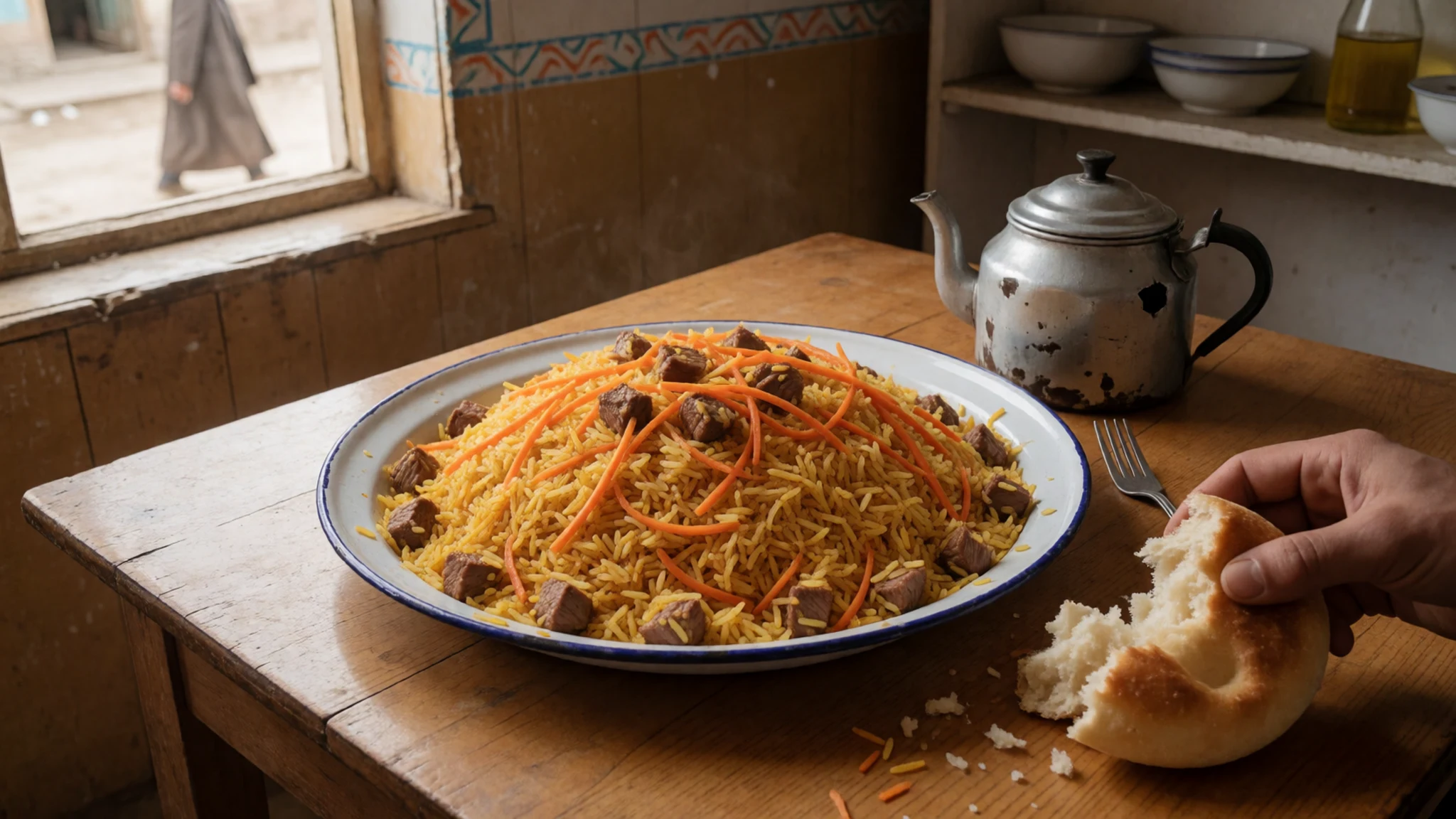
- Qurutob — Home kitchens and eateries in larger towns such as Khorog
Qurutob is often called the national dish. It is made from flaky bread and vegetables in a tangy sauce of dried sour cheese, topped with fried onions and no meat. Tradition is to eat it by hand from a shared bowl.
- Laghman — Roadside cafés and small restaurants on the route
Laghman is a noodle soup with vegetables and lamb or beef, hot and filling after a cold day in the mountains. Broth and noodle thickness vary by cook, so ask what is on offer. - Green tea — Any home, guesthouse or teahouse
Green tea is the national drink and flows all day, served sweetened or plain. In a cold high village a pot of tea is the first sign of welcome, so it is worth accepting a cup. - Compote — Home meals and café tables
Compote is a sweet fruit drink, served chilled or at room temperature and common in Central Asian homes. It makes a pleasant change from tea, though check that it was made with bottled or boiled water.
Plan it
Best time. June to September, when the high Pamir roads are most usable and the cold is least severe. The village is known for harsh winters, so winter visits need serious preparation and checking of road conditions.
How long. 2–3
Getting there. Fly to Dushanbe, then travel overland to Khorog, the provincial capital, and east up the Gunt valley to the lake, about 130 km beyond. The last leg is slow, so arrange a driver or shared transport and allow a full day. Entry to the Gorno-Badakhshan region needs a permit, which can be applied for alongside an e-visa; check the official Ministry of Foreign Affairs visa checker for current rules.
Budget. mid
Tips
- Allow a day or two to acclimatise before pushing on to 3600 m; headaches and breathlessness are common
- Drink only bottled water and avoid ice, as tap water in Tajikistan is not safe and supplies are sometimes cut
- Carry enough cash for remote stops, as card machines are unlikely outside larger towns
- Bring warm layers even in summer, since nights at this altitude are cold and the wind is strong
- Arrange accommodation and transport ahead where possible, as services near the lake are very limited
Etiquette
- Dress modestly in villages: cover knees and shoulders and avoid shorts
- Place your right hand over your heart when greeting older people
- Ask before photographing people, and keep a respectful distance from birds on the wetlands
Nearby
Sources
- Wikidata Q15205803 (CC0)
- Wikipedia: Bulunkul (rev 1365913409) (CC BY-SA 4.0)
- Wikivoyage: Tajikistan (rev 5424872) (CC BY-SA 4.0)
- Raki_Man, Bulunkul lake, via Wikimedia Commons (CC BY 3.0)
- Kondephy, Bulunkul Village, via Wikimedia Commons (CC BY-SA 4.0)
- Ninara, From Khargush to Murghab, Tajikistan, via Wikimedia Commons (CC BY 2.5)
- Iwona Jasser, Wyprawa po sine runo, via Wikimedia Commons (CC BY 3.0)


Wildlife
- Gibel carp (animal)
The Prussian carp, also called gibel carp, is a sturdy silvery fish, a cousin of the goldfish, that never fusses about cold water. It was not born at Bulunkul: in 1967, during Soviet times, thousands were released there because it copes so well with chilly, shallow lakes. It eats almost anything small, from plankton to plants. Ask a local guide when and where it shows best, stay quiet at the shore, keep your distance, and never feed it.