Tamanique Waterfalls
Tamanique Waterfalls, El Salvador
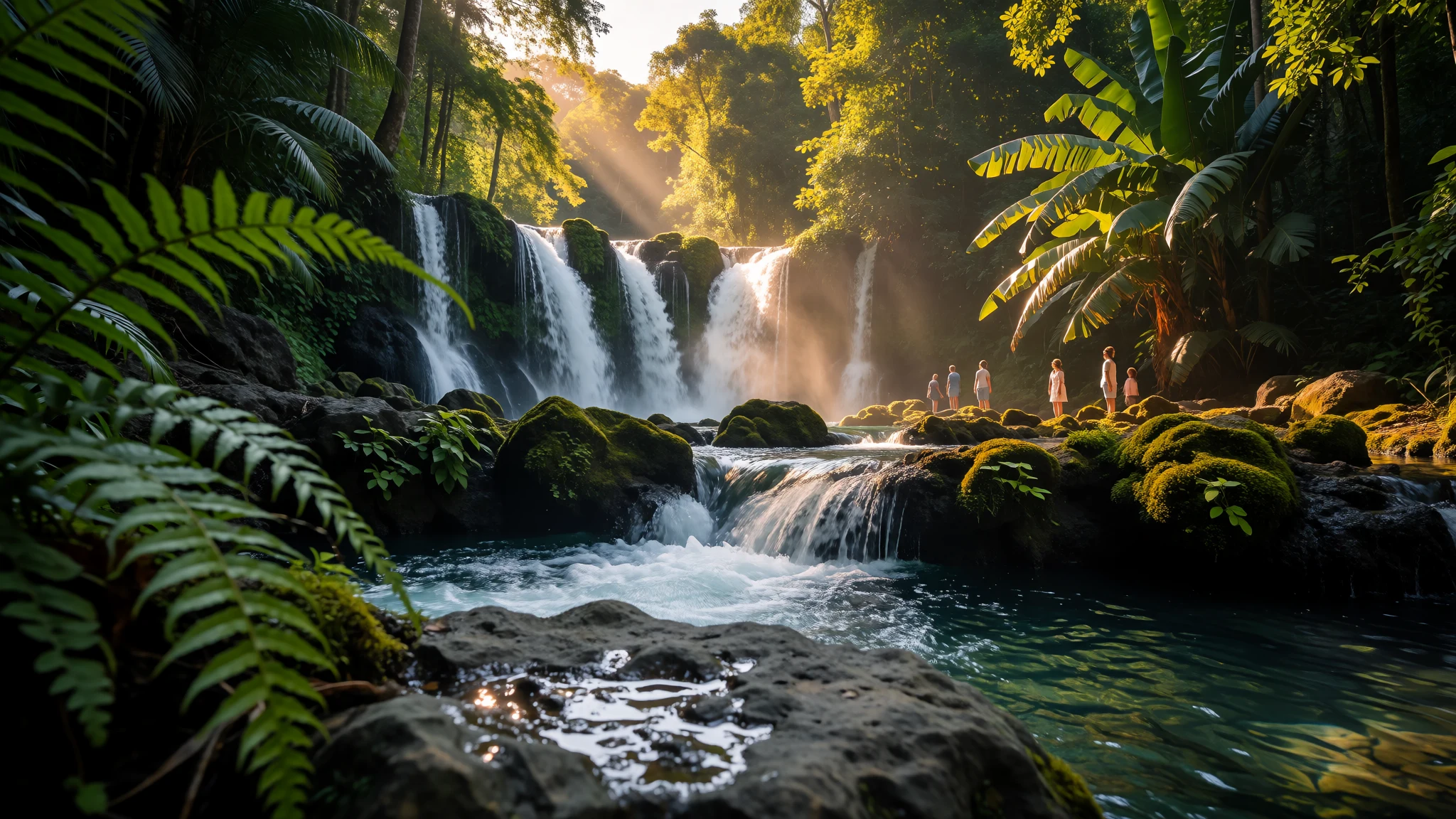
Tamanique is a cool hill town in El Salvador's coffee country, where guided walks lead to waterfalls and the surf coast is close by.
The place
Tamanique is a hill town and municipality in the department of La Libertad, El Salvador, standing about 635 m above sea level, inland from the Pacific coast. Around 14,000 people live in the district, spread between the town centre, farms on the slopes and a stretch of shoreline to the south. The altitude matters: mornings are noticeably cooler than on the beach below, and the land is green enough to support coffee and avocado growing, the two crops the district is best known for. The waterfalls that give this reading its name lie in the folded country around the town, and visits are usually arranged locally, on foot, with a guide from the village rather than through a ticket office. That makes Tamanique feel less like an attraction and more like a working place with something worth the walk nearby. The centre is small: a central park shaded by large trees, a few streets of low houses running along the hillside, and a welcome sign at the entrance. Signs advertising tourist activities show that visitors do come, though nothing here resembles a major resort. Part of the district reaches the sea at El Tunco, a surf beach with a very different mood from the hills, so a day can begin in the cool uplands and end with a swim and a plate of seafood. Spanish is the working language, and English is not something to count on.
Its story
Tamanique has little written history of its own in the sources behind this reading, so its story is best told as part of the country around it. The Pipil people, whose lands the Spanish called Cuzcatlán, farmed these volcanic uplands long before Europeans appeared, and ancient structures at Tazumal point to settled life in El Salvador going back to about 1500 BC. Spanish contact began on an island in the Gulf of Fonseca in 1522. In 1524 Pedro de Alvarado marched into Cuzcatlán and met fierce resistance; wounded in the hip and beaten back after more than two weeks of fighting, he retreated to Guatemala and left the campaign to his brother Gonzalo. A cousin, Diego de Alvarado, founded the Villa of San Salvador in 1525, and Spanish rule spread outward from there. Under that system the highlands were bent toward export crops, and coffee eventually became the crop of slopes like these, which is why Tamanique is still associated with it today. The later decades of the last century brought a long civil war to El Salvador, and the country has been rebuilding since. Recent years have seen a marked change in public safety, and that is what has allowed small places such as Tamanique to start welcoming walkers, surfers and day visitors. Guided waterfall walks belong to that newer chapter.
What to see
- Central park — Town centre
The central park is where Tamanique gathers: large shade trees, benches and a steady passing trade of neighbours, motorbikes and schoolchildren. It is the easiest place to get oriented, ask about guides and watch ordinary town life before heading uphill or down to the coast. Early morning and late afternoon are the most pleasant, when the heat eases and the light softens.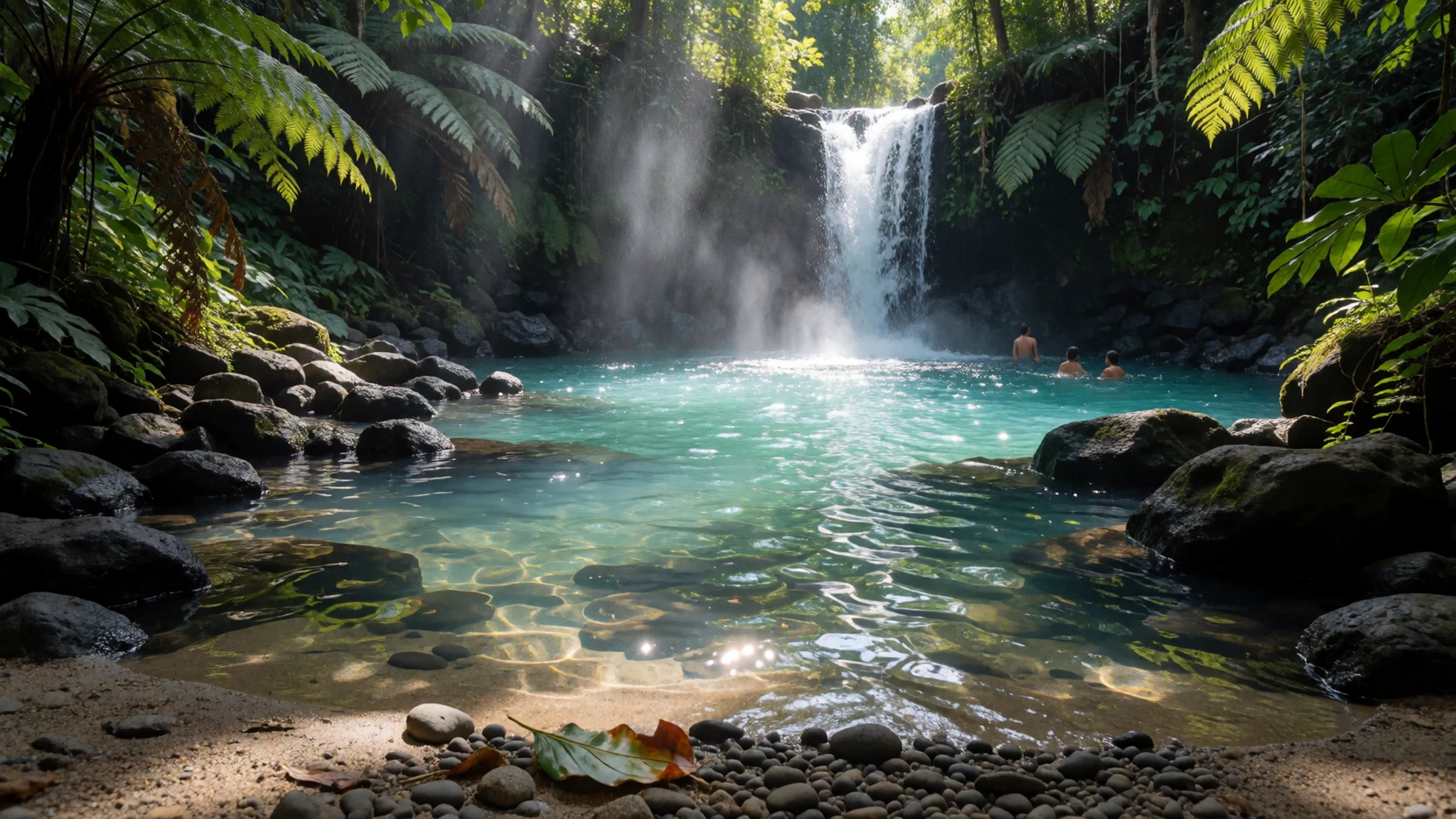
- Streets of the town — Town centre
The streets of Tamanique run along the hillside between low houses, with shops and small eateries near the road in from the coast. A slow walk takes in the welcome sign at the entrance, corner stores and views over the surrounding slopes. It makes a good short loop before or after a hike, with a stop for water and a snack.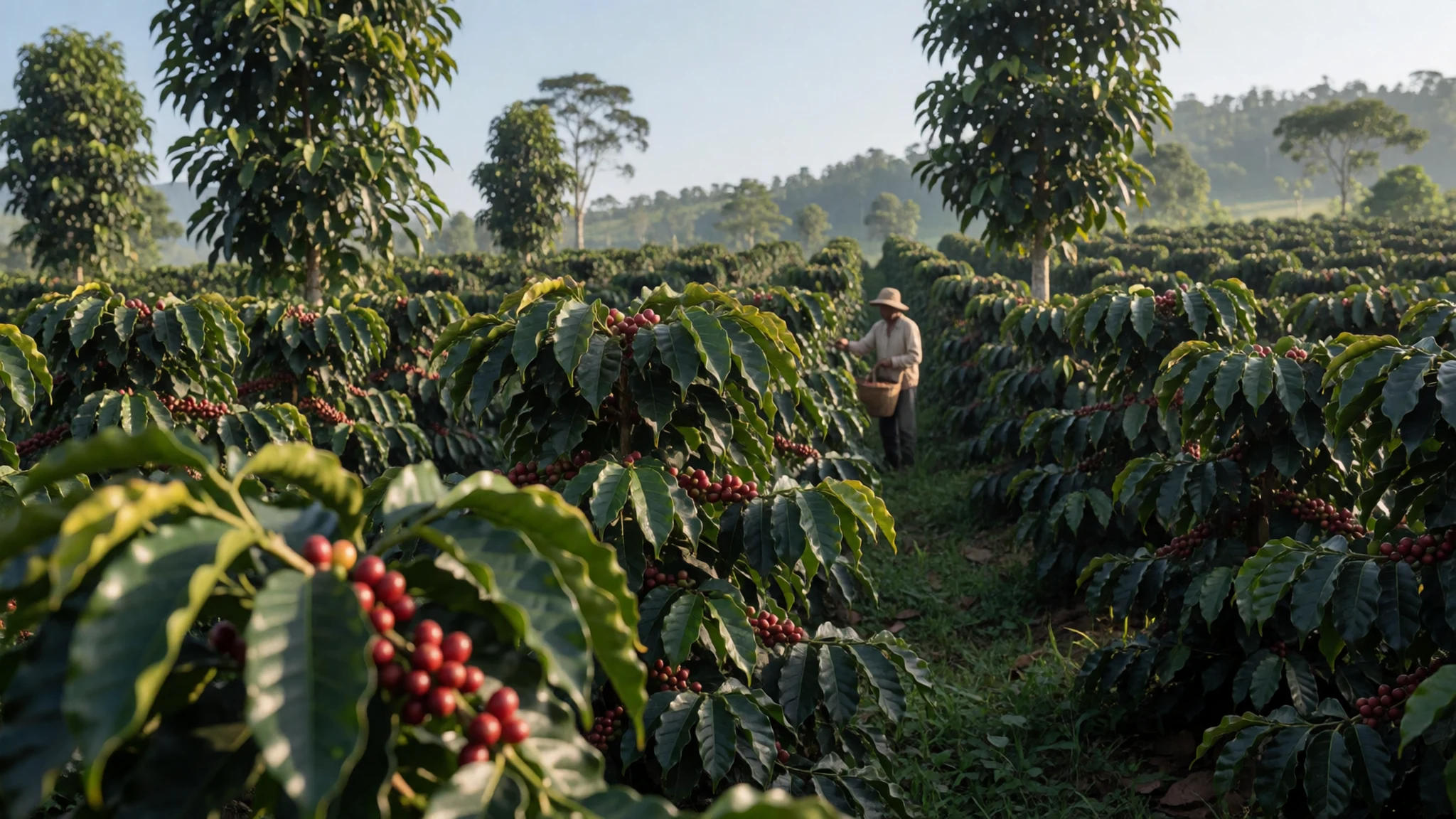
- Waterfall walk with a local guide — Hills around Tamanique
The waterfalls are reached on foot, and local guides are the usual way in. Expect uneven paths, stream crossings and wet rock, with swimming in pools where conditions allow. Ask the guide about water levels and what the route involves that day. Flow changes with the season, and a modest cascade in the dry months can be far stronger after rain.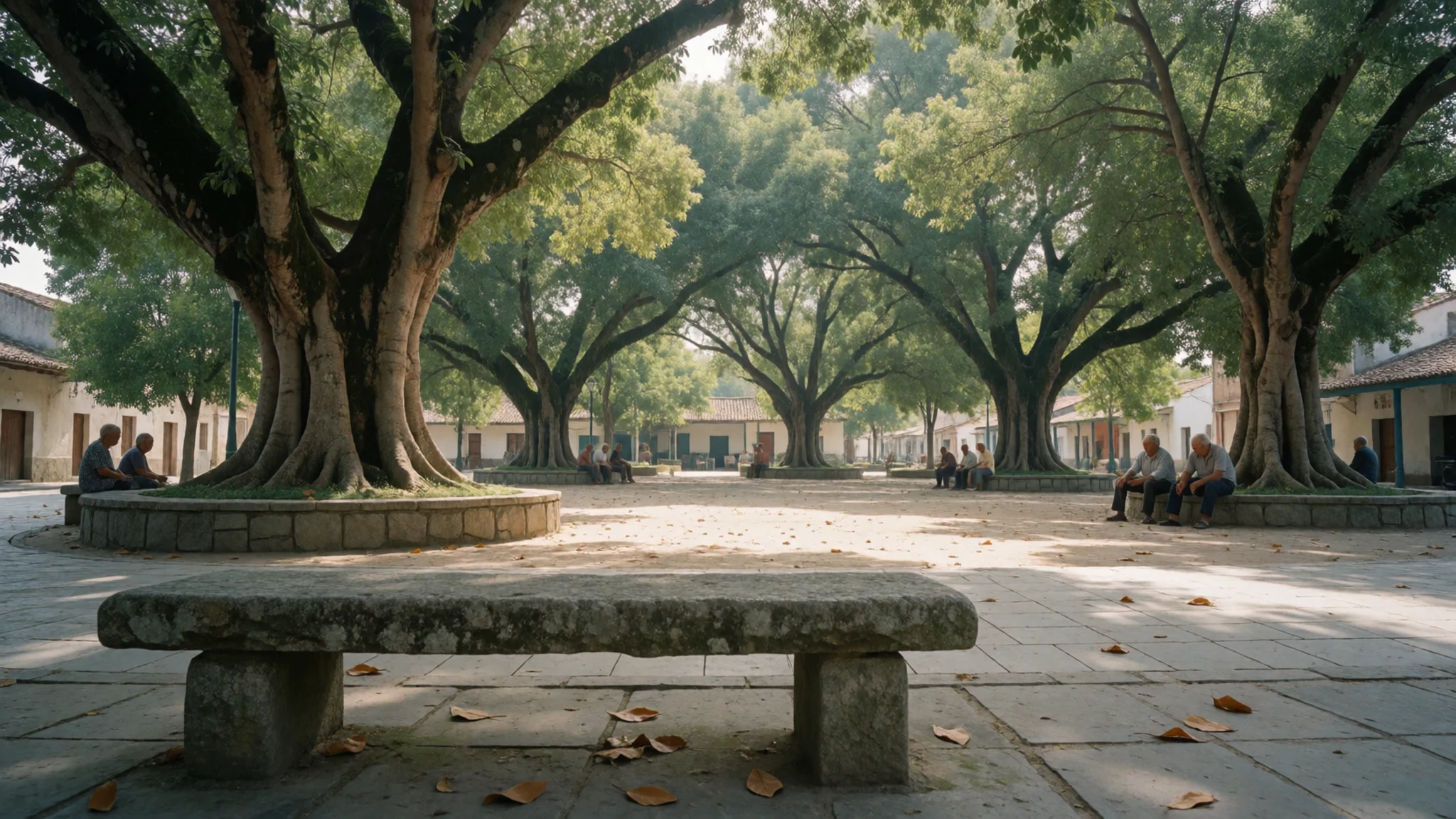
- Coffee and avocado slopes — Farmland around Tamanique
Coffee and avocado are the crops the district is known for, and the slopes around the town are where they grow. Walking farm tracks, preferably with a guide or the farmer's permission, gives a sense of how the town earns its living. Fruit is sold informally in season; ask locally rather than assuming a farm is open to visitors.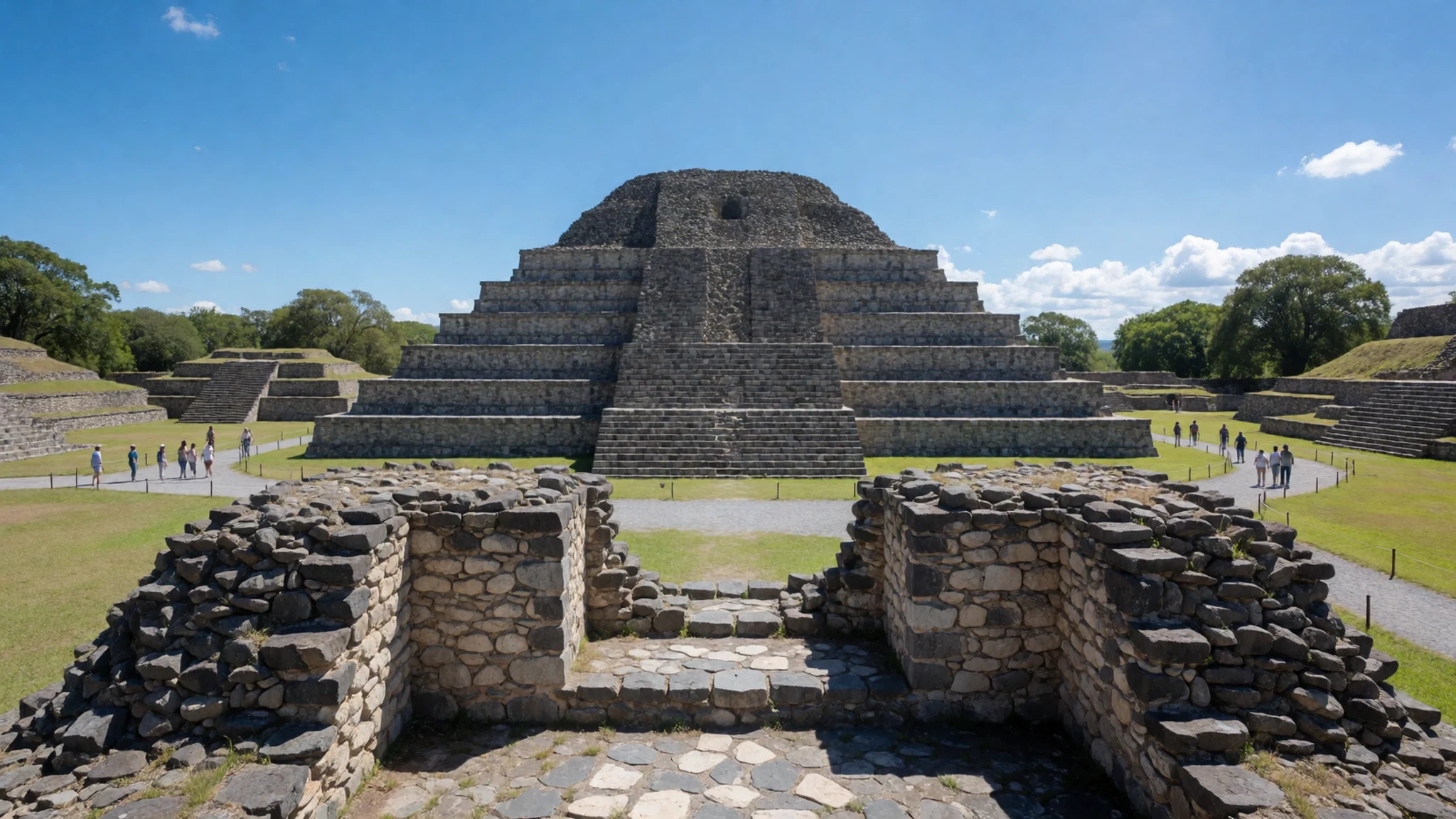
- Playa El Tunco — Pacific coast, southern part of the district
Part of Tamanique's district runs down to the Pacific at Playa El Tunco, a surf beach with boarders, small guesthouses and seafood stalls. It is a different world from the cool hill town, and works well as an afternoon stop after a morning at the falls. Currents can be strong, so swim only where locals do.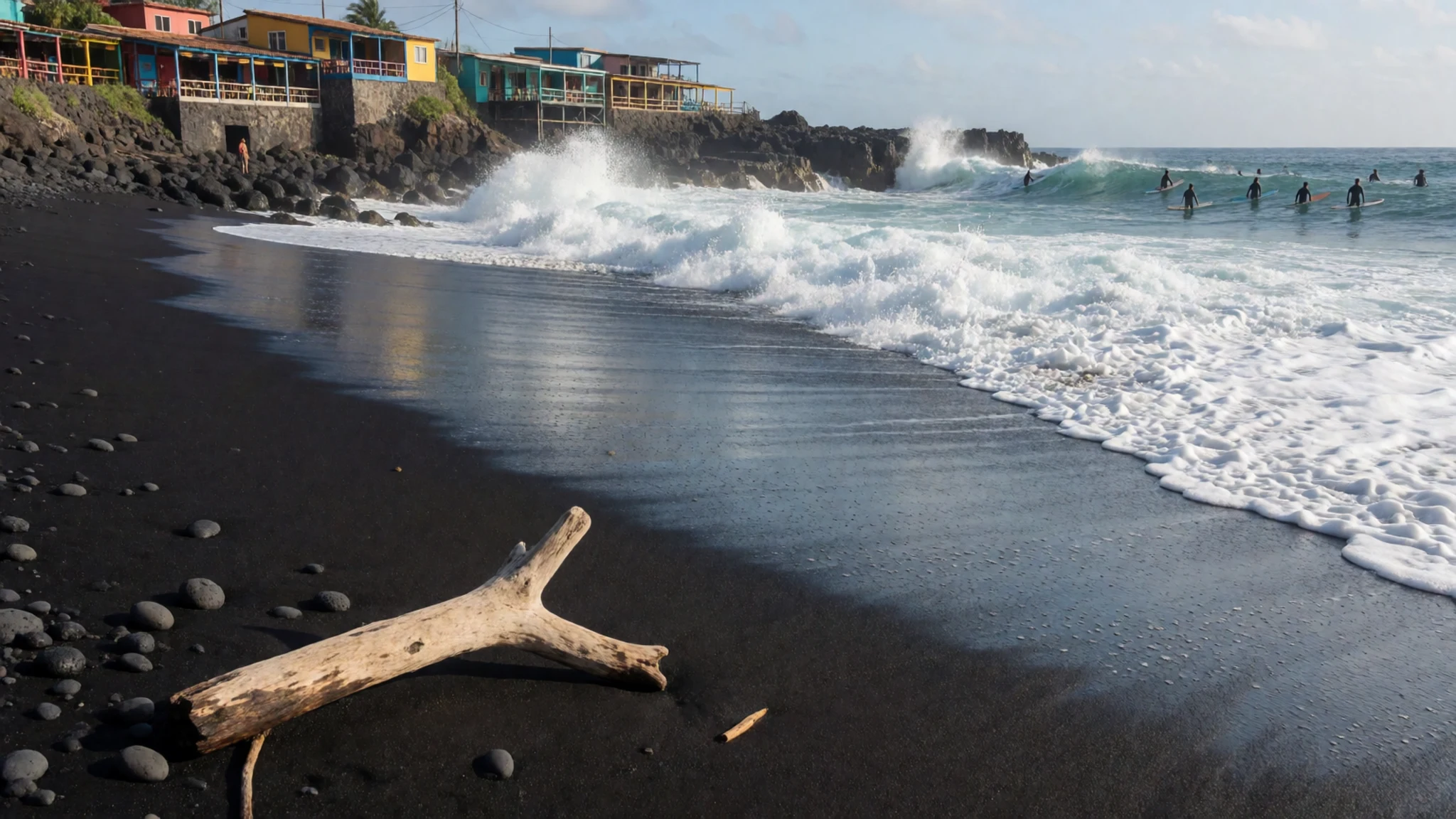
Culture
Tamanique is a Spanish-speaking farming town where daily life follows the rhythm of the harvest, the church and the park. Salvadorans have a reputation for warmth, and the country's old nickname, 'the country with a smile', is a fair summary of how strangers are usually met: with a greeting, an offer of directions, often a few friendly questions about where the visitor comes from. Formality matters at first. With someone unfamiliar, señor, señora and usted are the polite choices, and the casual tú comes only when the other person invites it. The central park is the social room of the town, where people sit in the shade in the evening, and a greeting to those passing is normal. Coffee and avocado growing shape the local economy, so many families have a tie to the land, and a walk to the falls may cross someone's farm or path. Pipil heritage is part of regional identity, though everyday conversation is in Spanish, and football and music are the easiest common ground. Guides are neighbours earning a living, so agree what the walk includes before setting out and treat them as hosts rather than staff. Greet people with 'buenos días' or 'buenas tardes' before asking for anything, and ask before photographing anyone, especially children and people at work.
What to wear
Tamanique has no single everyday costume, and visitors who expect one will be disappointed. Salvadoran folk dress appears mainly at festivals, school parades and dance performances: women typically wear full, bright cotton skirts with embroidered or ruffled blouses, and men white cotton shirts and trousers with a straw hat. Cotton is the base fabric, and El Salvador has a long association with indigo, the blue dye known locally as añil, so deep blue cloth belongs to the craft story, more often in artisan towns than in Tamanique itself. Day to day, people wear what suits hot, humid hill country: jeans or light trousers, T-shirts, football shirts, caps, sandals and, for farm work, rubber boots and long sleeves against sun and scratchy undergrowth. Surf beaches nearby bring board shorts and swimwear, but these tend to stay at the coast. Visitors should dress for a walk, not a promenade. Quick-drying clothes, a hat, sunscreen and shoes or sandals with real grip are the priorities for the falls, since wet rock is slippery; swimwear can go under clothes, with a dry change packed for afterwards. In the town and near the church, shorts that reach the knee and covered shoulders fit in better than beachwear. A light rain jacket earns its place in the wetter months.
What to eat
- Pupusas — Any pupusería in the town centre, around the park
Thick corn tortillas stuffed with cheese, beans or shredded pork (chicharrón), cooked on a griddle and served with pickled cabbage and a thin tomato sauce. The most common dish in the country, and an easy meal after a hike; evenings are the usual time.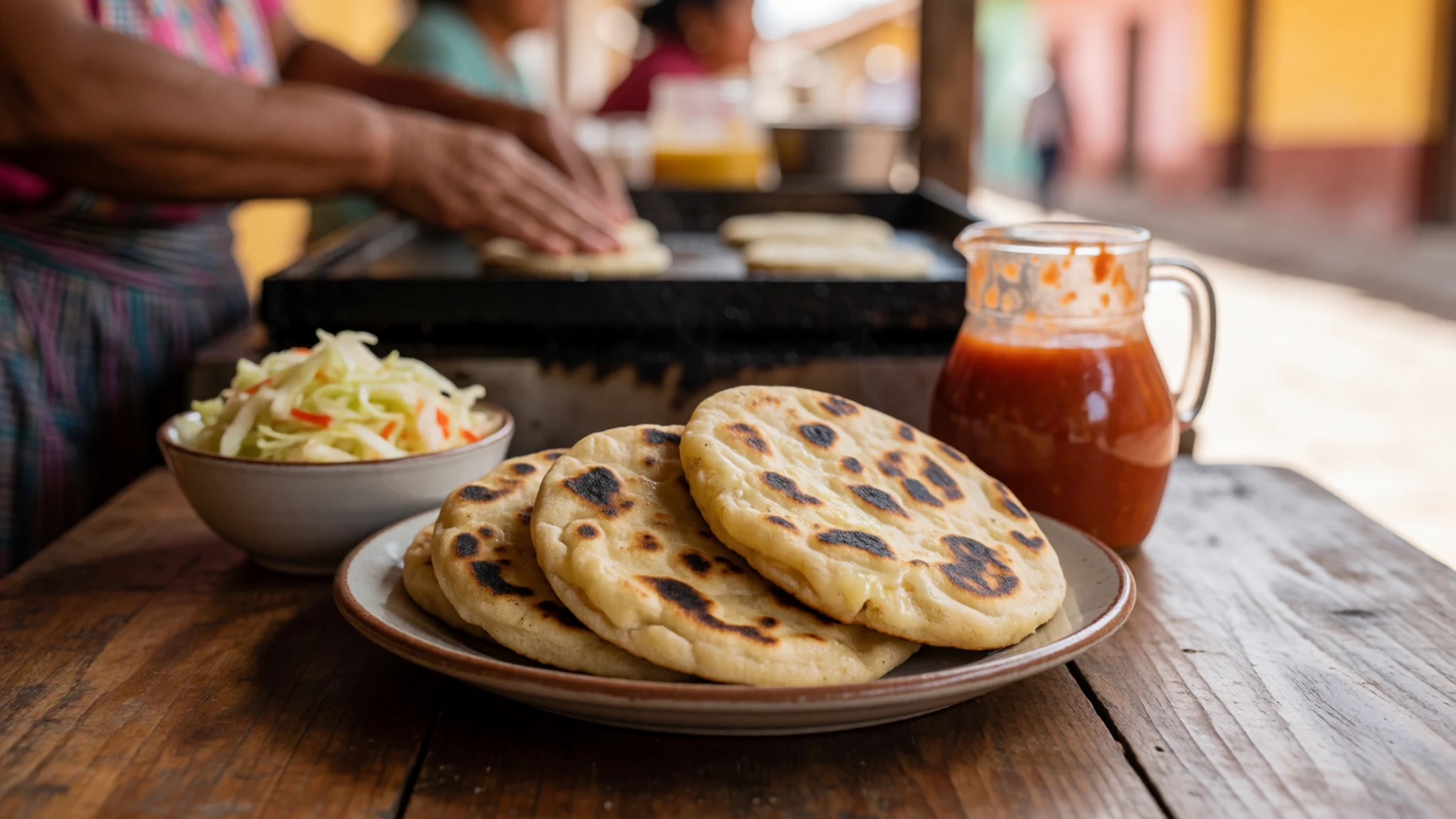
- Cóctel de conchas — Beachfront eateries at El Tunco
A cold coastal cocktail of black clams in a tangy tomato and lime sauce. It belongs to the shoreline, so it is best tried near the sea. Choose a busy place with quick turnover and ask how fresh the shellfish is.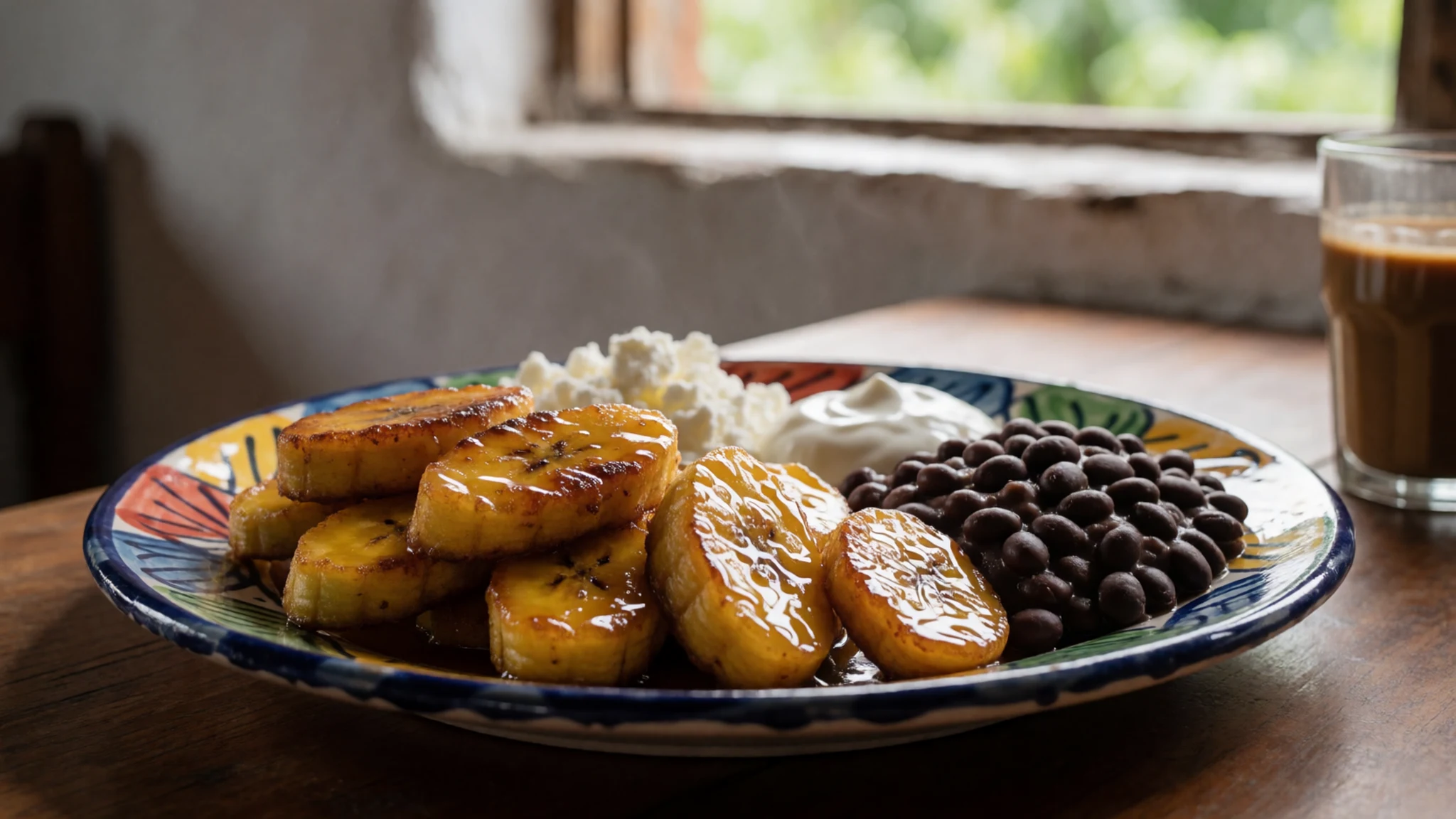
- Yuca con chicharrón — Small family eateries and the market
Boiled cassava served with crisp fried pork and a tangy cabbage salad. It is hearty and filling, a good fuel for a day of walking, and usually eaten by hand or with a fork at a plain table. - Fried plantain with beans and cream — Morning eateries near the central park
Ripe plantain fried until caramelised, served with soft refried beans and sour cream, sometimes with cheese or egg. It is sweet and savoury at once and is a common breakfast or snack. - Horchata and cebada — Market stalls and roadside vendors
Two cold drinks worth seeking out. Horchata is made from rice and morro seeds and is lightly spiced; cebada is a sweet, pink barley refresher. Both are welcome after a hot climb, though ask whether the water and ice are filtered. - Fresh avocado — Roadside stalls and farm gates
In a district known for avocado trees, ripe fruit turns up sliced beside tortillas, in salads and at roadside stalls. Availability depends on the season, so ask what is ripe rather than expecting it every month.
Plan it
Best time. November to March, in the drier months, when paths are firmer and wet rock is less treacherous. The falls run fuller in the rainy season, but trails turn slippery and storms can make stream crossings unsafe; March and April are the hottest part of the year at lower levels.
How long. 1–2
Getting there. Fly into El Salvador International Airport (SAL), near San Juan Talpa, south of the capital. Tamanique lies inland from the Pacific coast near Puerto La Libertad, and the last leg is by road; a hired car or driver is simplest, and buses may be possible but should be checked locally. Confirm the final route with your guesthouse.
Budget. low
Tips
- Arrange a local guide in town or through your guesthouse, and ask what the route involves and what is included
- Start early: mornings are cooler, and afternoon storms are common in the rainy months
- Carry cash in small notes for guides, food stalls and parking; cards are unreliable outside larger towns
- Bring water, sun protection, insect repellent and a dry bag for your phone
- Check current entry rules and travel advice before flying, as immigration may ask for onward tickets and accommodation bookings
Etiquette
- Greet people with buenos días or buenas tardes before asking for anything
- Ask before photographing people, especially children and farm workers
- Take rubbish back out and keep soap and sunscreen away from the pools
Nearby
Sources
- Wikidata Q3980556 (CC0)
- Wikipedia: Tamanique (rev 1374943823) (CC BY-SA 4.0)
- Wikivoyage: El Salvador (rev 5401611) (CC BY-SA 4.0)
- Photo: Tamanique 2012 (Ll1324) (CC0 1.0)
- Photo: Street in Tamanique 2012 (Ll1324) (CC0 1.0)
- Photo: Tamanique El Salvador 01 2011 (Ll1324) (Public domain)
- Photo: Bienvenidos a Tamanique (Ll1324) (CC0 1.0)
- Photo: Playa El Tunco en Tamanique (Ale Cardenas.S) (CC BY-SA 4.0)
- Photo: Alguien anuncia actividades turísticas (Daniel chavez castro) (CC BY 3.0)
- Photo: Árboles del Parque Central de Tamanique (Daniel chavez castro) (CC BY 3.0)
- Photo: Calles del municipio de Tamanique (Daniel chavez castro) (CC BY 3.0)


