El Tunco
El Tunco, El Salvador
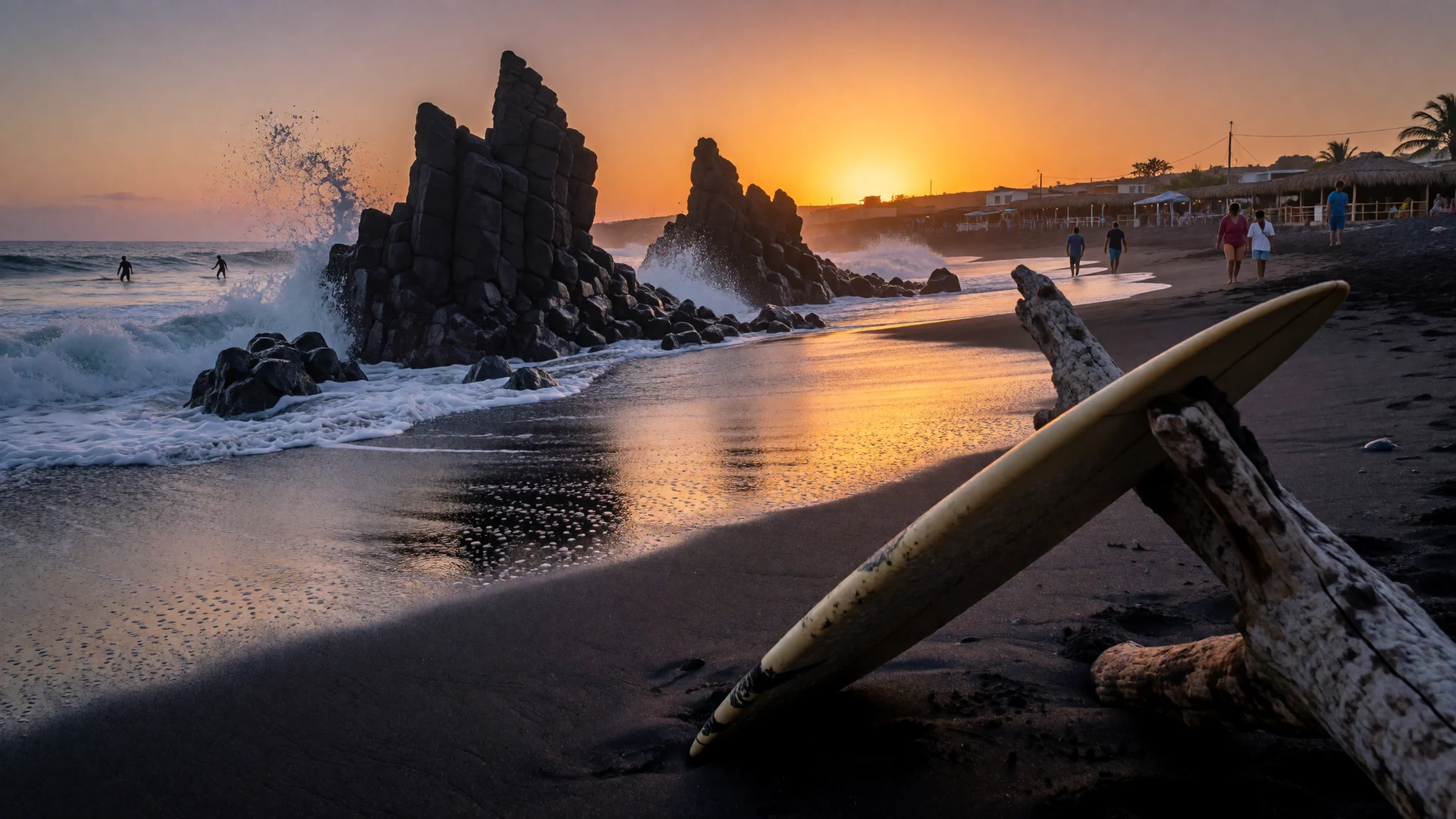
El Tunco is a small black-sand surf beach on El Salvador's Pacific coast, within easy reach of the capital and the airport.
The place
El Tunco is a beach and small seaside village on the Pacific coast of El Salvador, in the La Libertad area, at an elevation of about 7 metres. It sits west of the port town of La Libertad and is the best-known name on a stretch of coast that surfers from across Central America have been discovering. The country itself lies between Guatemala to the northwest and Honduras to the northeast, and is the smallest in Central America, though densely populated.
The village is compact. A few lanes of guesthouses, hostels, surf shops, cafes and bars run down to the shore, where dark volcanic sand meets rocky outcrops and reef. Waves here break over rock and sand, so the surf suits people with some experience, while beginners usually head for gentler breaks nearby or take lessons with a local instructor.
Days follow the tide and the sun. Mornings are for surfing, when the water is often tidiest; afternoons are hot and slow, with hammocks and cold drinks; evenings fill with a young, mixed crowd of backpackers, weekenders from San Salvador and long-stay surfers. Weekends and holidays are noticeably busier and louder than midweek.
El Tunco is not a place for solitude or for wide, soft sand. Its appeal is the combination: good waves, simple lodging, decent food and a short transfer from the main international airport. Nearby beaches such as El Sunzal and El Zonte offer quieter alternatives within a short drive.
Its story
El Tunco's own story is short and recent, so it helps to see it against the wider history of El Salvador. The country's civilisation reaches back to the pre-Columbian era, around 1500 B.C., as the ancient structures of Tazumal at Chalchuapa show. Spanish arrival began in 1522, when Andrés Niño landed on an island in the Gulf of Fonseca, and Pedro de Alvarado's campaign against the peoples of Cuzcatlán followed in 1524. San Salvador was founded as a villa in 1525 and given city status in 1546.
Independence movements stirred from the end of 1810. On 5 November 1811 the priest José Matías Delgado rang the bells of La Merced church in San Salvador to call for insurrection, and the Act of Independence of Central America was signed in Guatemala on 15 September 1821.
The coast where El Tunco stands was for long a stretch of fishing communities and farmland rather than a destination. Its change came with surfing. Visitors from elsewhere in Central America began to notice the reef and point breaks around La Libertad, and word spread. Small guesthouses opened, then surf schools and bars, and a fishing hamlet gradually became a traveller stop.
That growth sits alongside a longer national shift. El Salvador lived through a civil war and years of gang dominance, and in recent years its government has pursued a strict security campaign under a state of emergency. Many visitors now report feeling comfortable on the coast, though the emergency powers remain controversial, and travellers should read current official advice before going.
What to see
- Playa El Tunco — El Tunco beach
The main beach is the centre of village life: black volcanic sand, rock formations just offshore and a reef that shapes the waves. Walk it at low tide for the rock pools and at sunset for the light. Swimmers should take care with currents and sharp rock.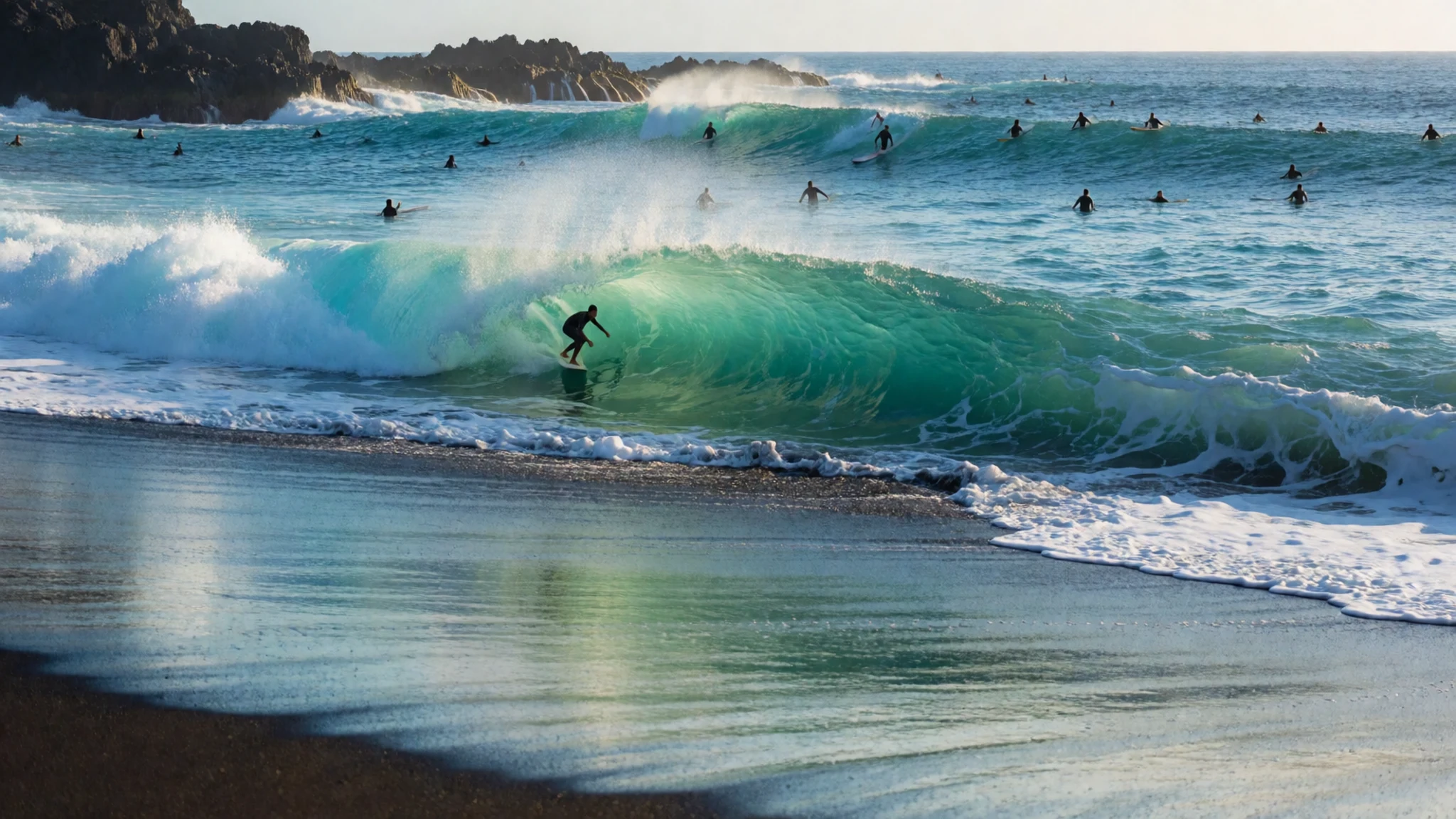
- Surfing at El Sunzal — El Sunzal, La Libertad coast
A short drive west, El Sunzal is one of the surf spots that has built El Salvador's reputation among surfers. It is better suited to people with experience. Even non-surfers can watch from the shore, and local operators offer boards and guidance.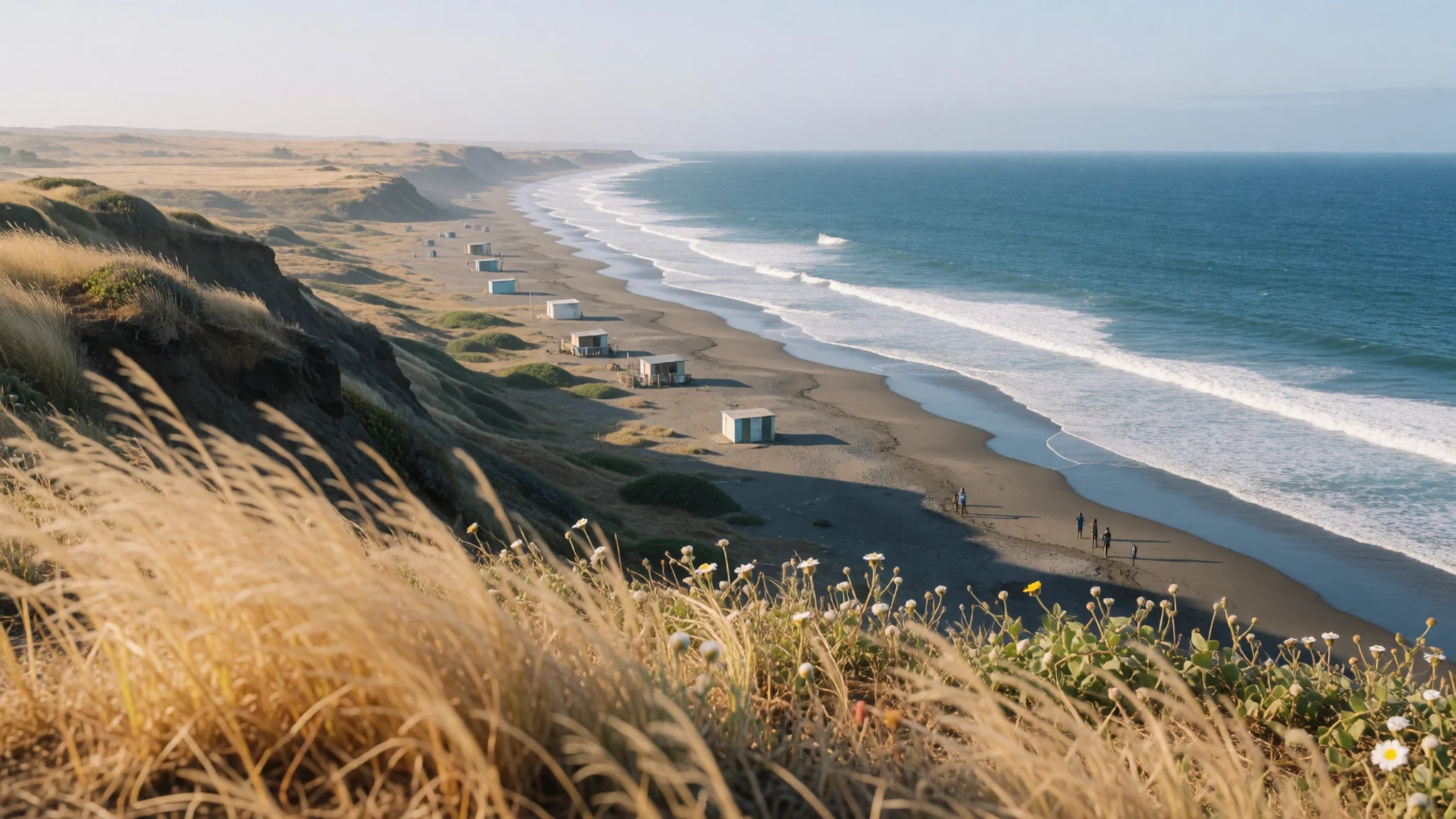
- El Zonte — El Zonte, La Libertad coast
Known to some as Bitcoin Beach, El Zonte is a smaller, calmer surf village along the same coast. It suits a half-day trip for a quieter beach, a lesson or a meal, and gives a sense of how the coast changes within a few kilometres.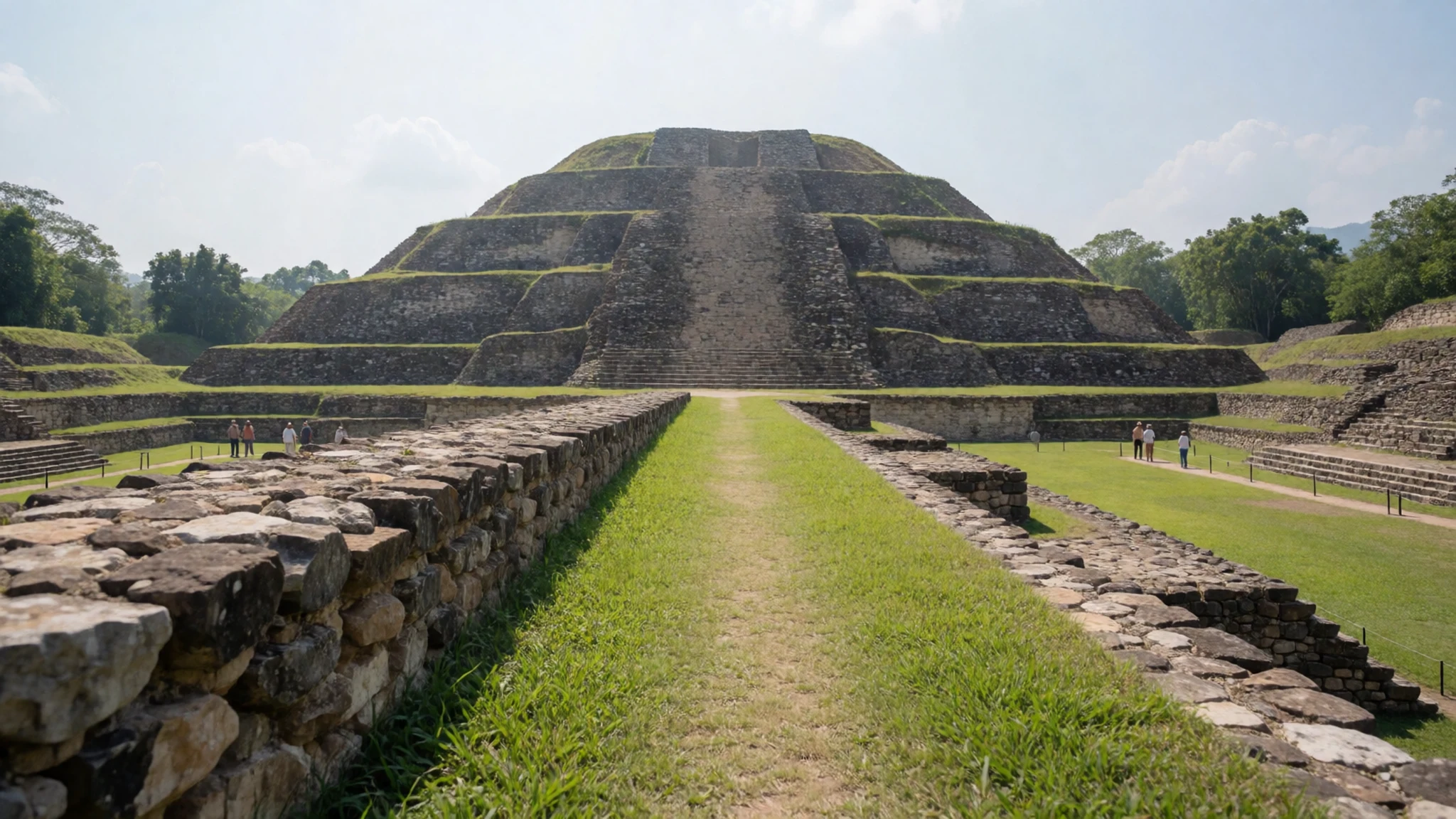
- La Libertad — La Libertad
The nearby port town has a working fishing pier and a busy seafront. Boats land the catch in the morning, and the market area is worth a look for the seafood and the everyday bustle that the beach villages lack.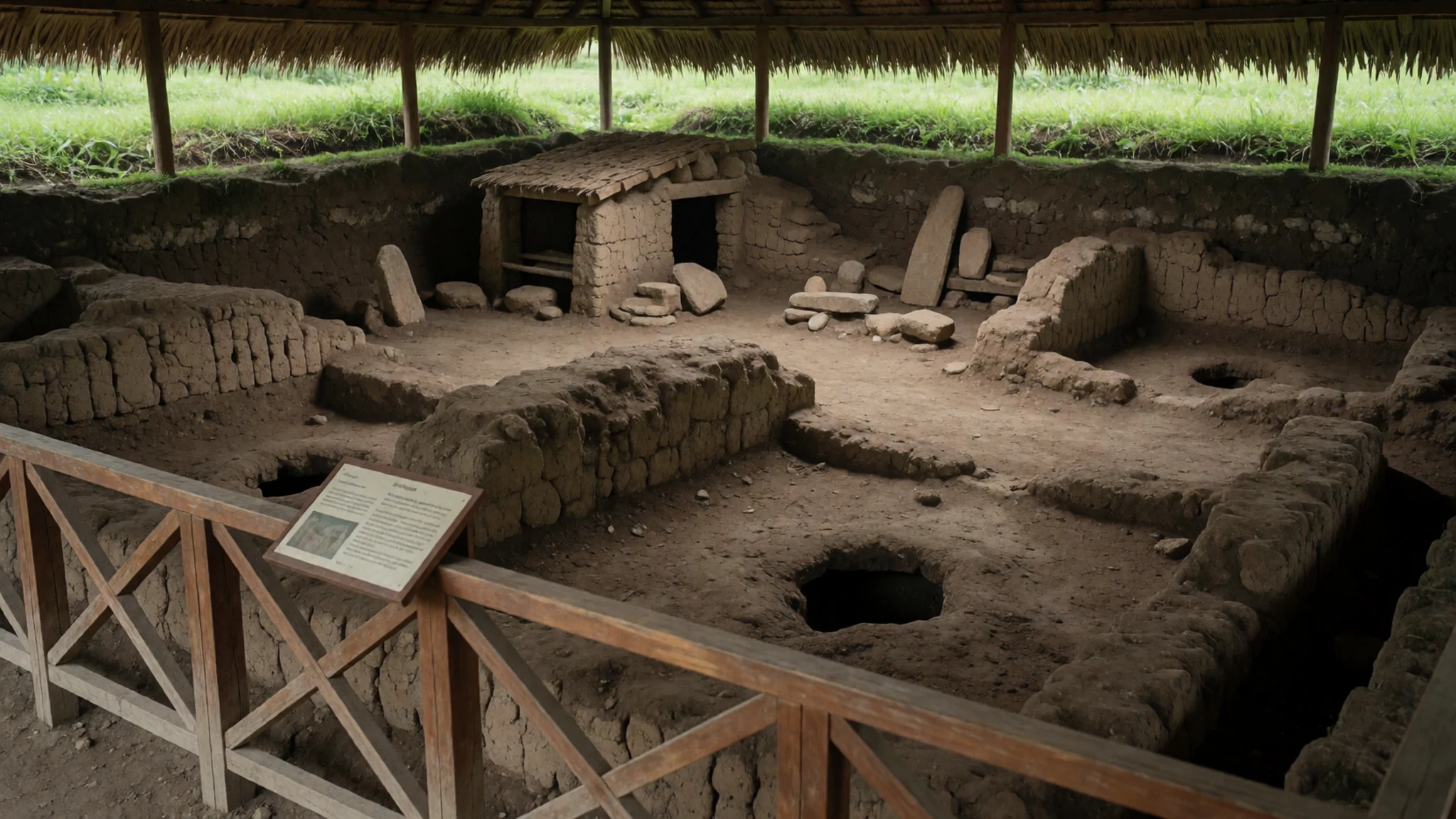
- Joya de Cerén — Inland, west of San Salvador
An inland day trip for those wanting history: a pre-Hispanic farming village, sometimes called the Pompeii of Central America, and a UNESCO World Heritage Site. It gives context to the ancient past of the country the beach sits in.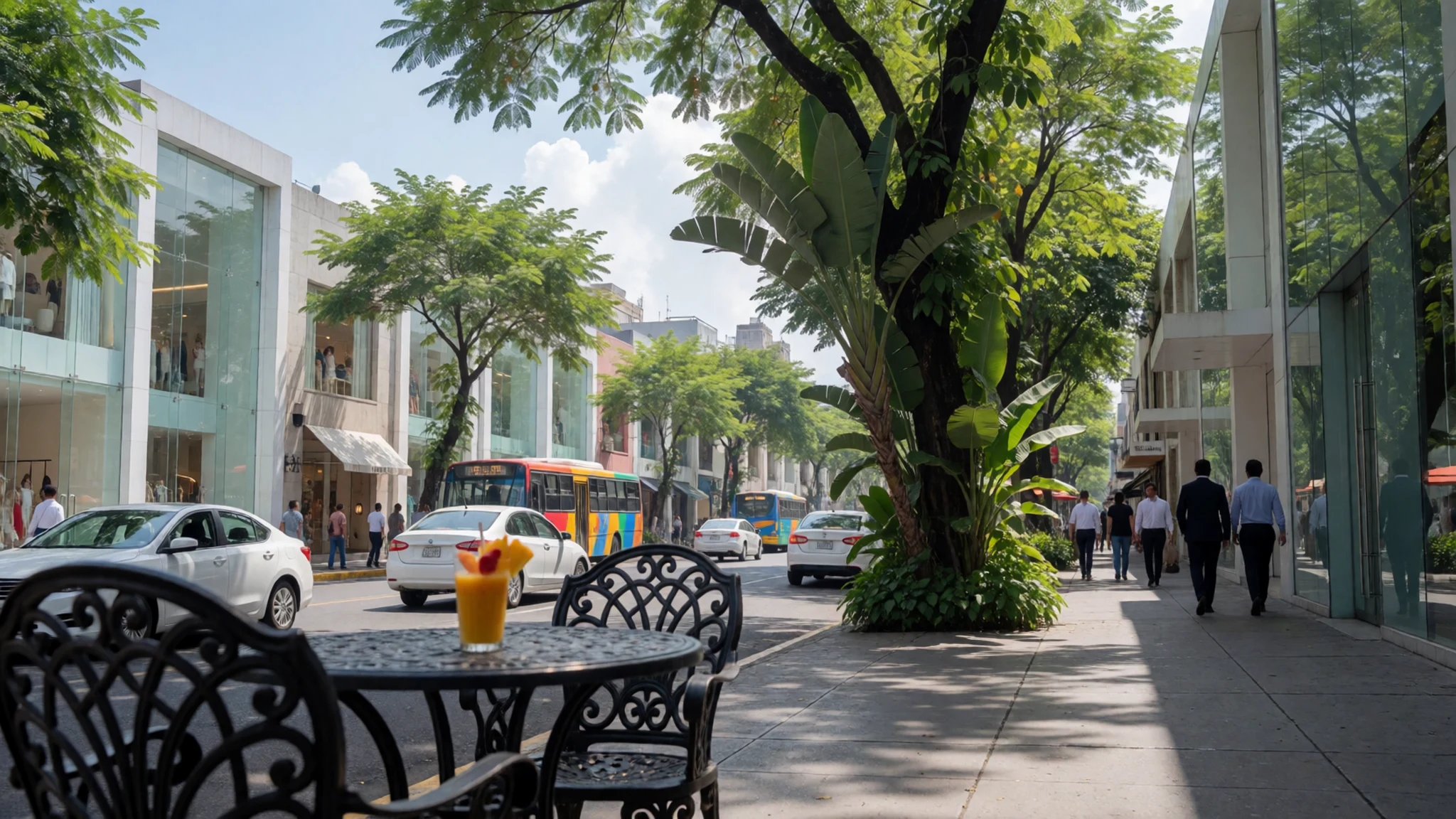
Culture
El Tunco's culture is a blend of Salvadoran coastal life and a surf scene that draws people from many countries. Salvadorans have a reputation for warmth and helpfulness, and the country is sometimes nicknamed the country with a smile. That friendliness is real on the coast, where guesthouse owners, surf instructors and food vendors are often happy to chat and give directions.
Spanish is the everyday language, and a few words go a long way. With people you do not know, the customary approach is formal: señor, señora and usted rather than the casual forms. Younger people in the surf trade often switch to English or relaxed Spanish with visitors, but starting politely is appreciated.
The village rhythm is relaxed and outdoorsy. Early mornings belong to surfers, and the beach is shared between visitors, local families and fishers. At weekends, day-trippers from San Salvador bring music, food and a livelier mood. Evenings are social, with bars and live music, but it is a small place and neighbours do live above and beside the venues.
Surfing itself has its own etiquette, and local surfers notice who respects it. Beyond the water, the pace of service is unhurried, and patience is usually repaid with a smile.
Greet people with a polite buenos días or buenas tardes before asking for anything, and in the water give way to the surfer closest to the breaking part of the wave.
What to wear
El Tunco is a beach village, so fashion here is about practicality rather than costume. For El Salvador as a whole, traditional dress belongs mainly to festivals and folk dance, where women wear full, brightly coloured skirts and embroidered blouses made in cotton, and men wear white shirts and trousers with a straw hat. Local artisans, especially in La Palma, are known for crafts, and woven and hand-dyed cotton textiles are a common souvenir. These outfits are rarely seen on the beach itself.
What people wear now is relaxed and casual. Surfers wear boardshorts, rash vests and wetsuit tops, with sandals or bare feet. Locals and weekenders wear shorts, light t-shirts, sundresses and caps. In the evening, people dress up only a little: a clean shirt or light dress, and sandals.
For visitors, the climate is hot and humid, so pack light cotton or linen, quick-drying swimwear and a rash vest to protect against sun and board rash. A wide-brimmed hat, sunglasses and high-factor sunscreen matter more than any outfit. A light rain jacket helps in the wetter months. Footwear should be flip-flops or sandals for the sand, plus closed shoes with grip for rocky paths and inland hikes. Swimwear is fine at the beach, but cover up with a shirt or wrap when walking through the village, and dress modestly when visiting churches in nearby towns.
What to eat
- Pupusas — Pupusería stalls in the village and along the main road
The national dish: a thick corn tortilla stuffed with cheese, beans or pork and griddled. Eaten by hand with pickled cabbage and a thin tomato sauce. Look for small pupuserías in the village or the stands along the highway towards Olocuilta.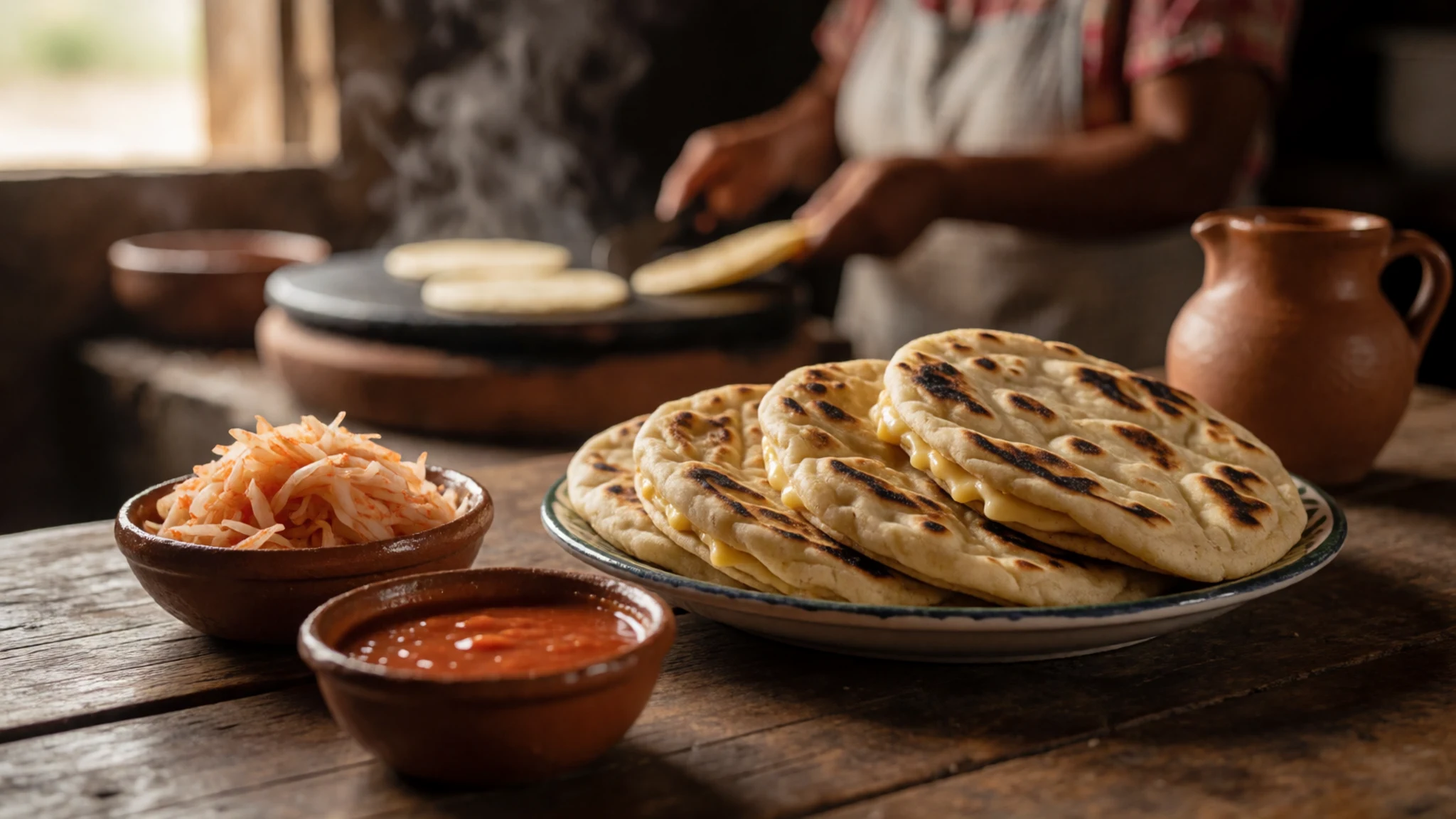
- Cóctel de conchas — Seafood shacks on the beach and in La Libertad
A coastal speciality of black clams in a cold, tangy mix of lime, onion, tomato and chilli. Refreshing in the heat. Order it where it is prepared fresh and the place is busy, which is the best sign of turnover.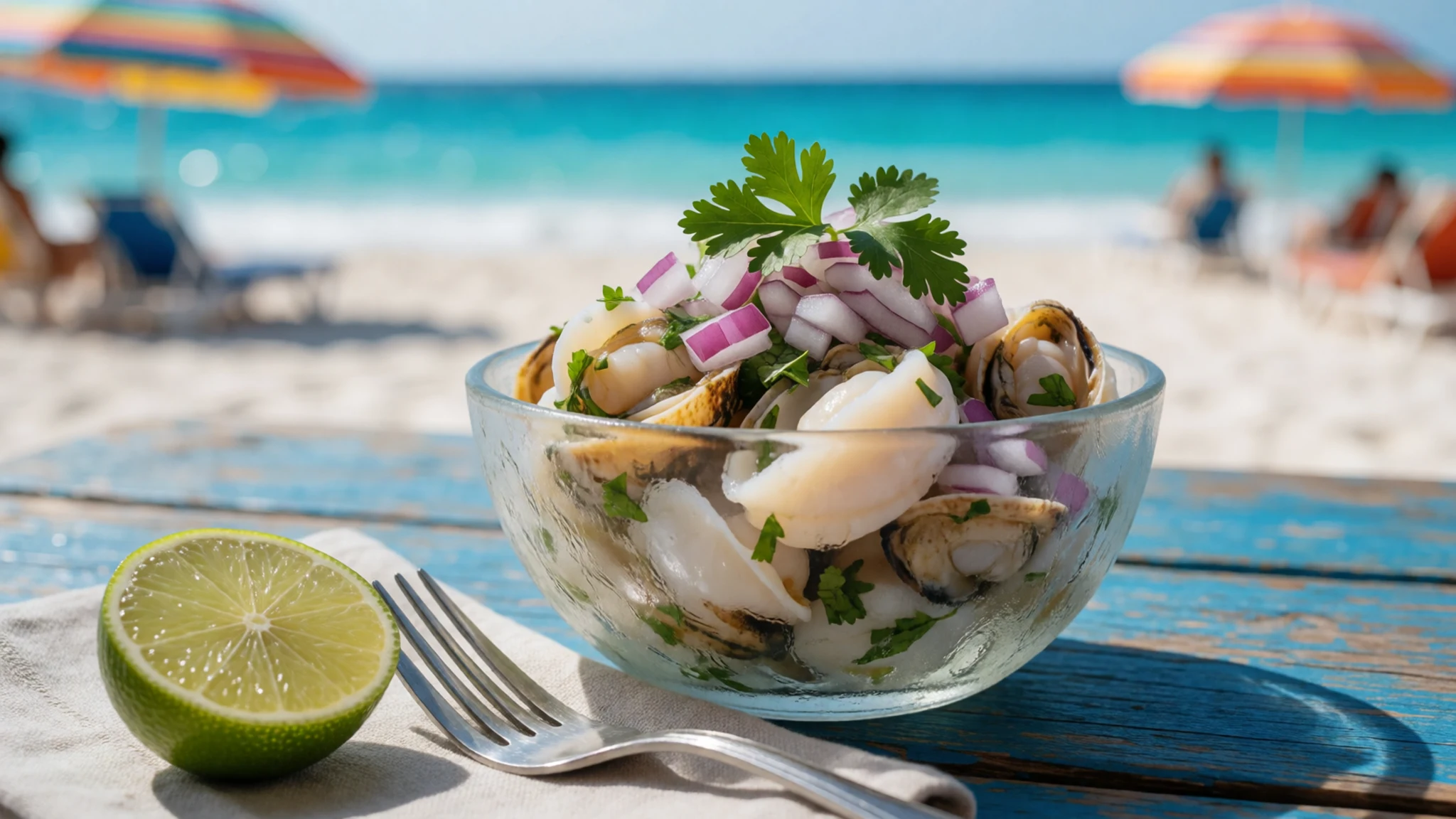
- Fresh grilled fish and seafood — Beachfront restaurants and the fish market in La Libertad
Because this is the coast, grilled whole fish, prawns and ceviche feature on many menus, served with rice, salad and fried plantain. Prices and catch vary by day, so ask what came in that morning. - Fried plantain — Breakfast places and family eateries
Sliced plantain fried until golden, often served with refried beans, cream and cheese. It works as a breakfast, a side dish or a late-night snack, and is easy to find wherever Salvadoran home cooking is served. - Horchata and cebada — Market stalls and local eateries
Two traditional cold drinks. Horchata is made from rice and morro seeds, and cebada is a sweet, pink barley drink. Both are good with spicy or salty food and are sold at markets and simple eateries.
Plan it
Best time. November to April is the dry season, with sunny days and mostly dependable weather; the wetter months bring afternoon storms and often bigger surf, while the heat is constant all year.
How long. 2–4
Getting there. Fly to El Salvador International Airport (SAL), near San Juan Talpa, about 50 km and roughly 45 minutes' drive from San Salvador. From there El Tunco is a short drive west along the coast; a pre-booked transfer or taxi is the simplest last leg, and buses run via La Libertad.
Budget. mid
Tips
- Book lodging ahead for weekends and holidays, when the village fills with visitors from the capital
- Carry some cash, as small shops and stalls may not take cards
- Surf early in the morning, before the heat and the crowds
- Use reef-safe sunscreen and drink bottled or filtered water
- Check current entry requirements and official safety advice before travelling
Etiquette
- Greet people politely in Spanish before asking for help
- Respect surf etiquette and give way to the surfer closest to the breaking wave
- Keep noise down late at night near guesthouses
Nearby
Sources
- Wikidata Q31937241 (CC0)
- Wikivoyage: El Salvador (rev 5401611) (CC BY-SA 4.0)
- Wikipedia: El Salvador (CC BY-SA 4.0)