Takht-i-Bahi
Takht-i-Bahi, Pakistan
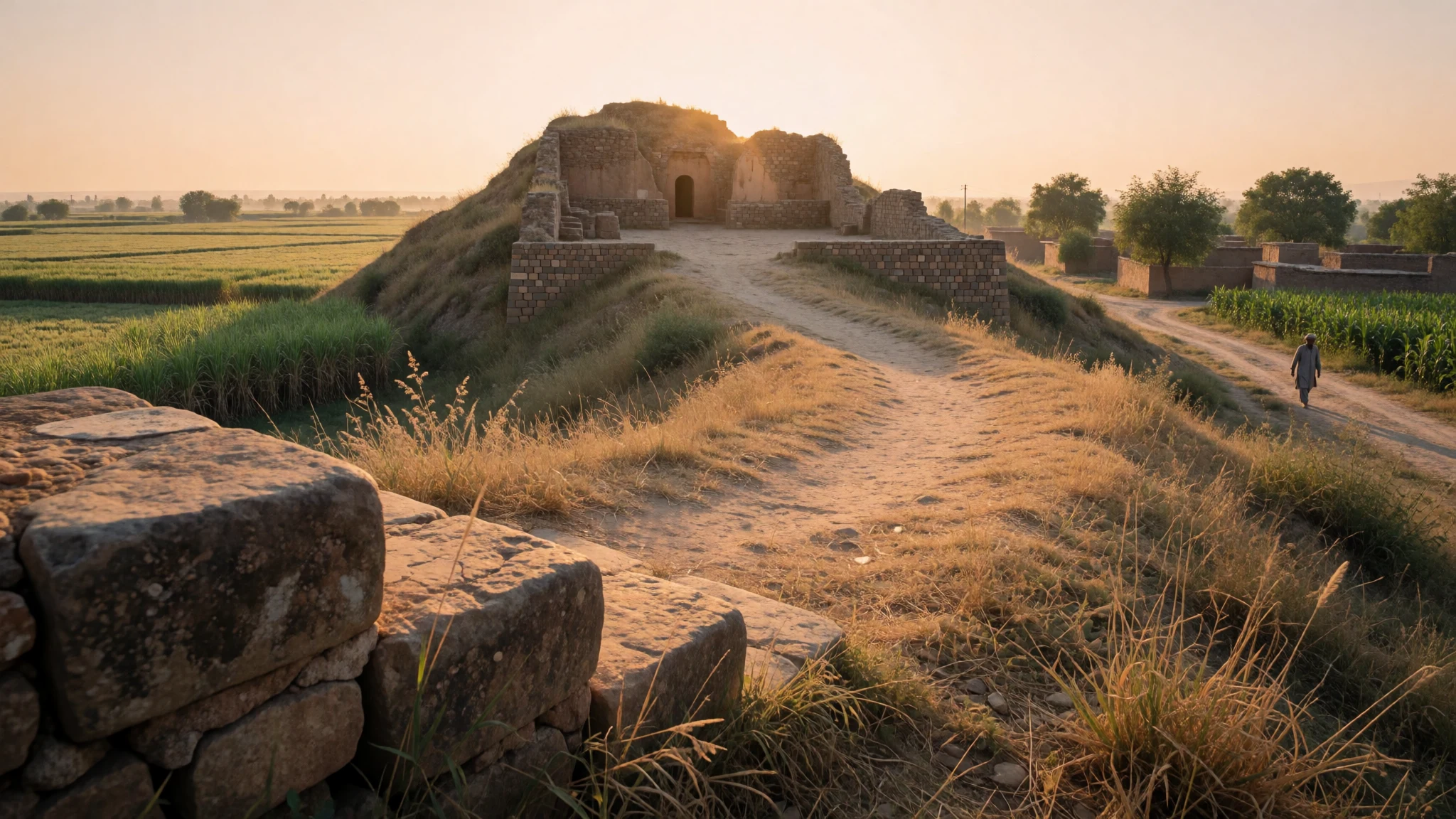
Takht-i-Bahi is a hilltop Buddhist monastery in Pakistan, its stone courts and cells still standing after nearly two thousand years.
The place
Takht-i-Bahi sits in Mardan district, in Khyber-Pakhtunkhwa, Pakistan. The name is usually explained as 'throne of the water spring', and the monastery occupies a small hill that rises out of flat farmland. Around it, fields of sugar cane, wheat, maize and vegetables run towards the nearby village, which carries the same name as the ruins.
The site lies about 15 kilometres from Mardan town. A road now ends at a car park below the ruins, and a short climb leads up from there. The village bazaar is a little way off, so the approach passes through ordinary working country rather than a purpose-built tourist zone.
What survives is a layered complex: courtyards, a stupa court, an assembly hall, rows of monks' cells and a scatter of smaller shrines, all stepping up the hillside. Archaeologists treat it as a model of how Buddhist monastic centres of its era were laid out, which is why it is cited so often in studies of Gandhara, the old Buddhist region of north-western South Asia.
A smaller fortified town from the same period lies close by, though most visitors come for the monastery alone. It was inscribed as a World Heritage Site in 1980. Once remote and rarely visited, it now draws school groups, families and history enthusiasts, mostly from within Pakistan. Expect a quiet, open-air ruin with little shade, uneven steps and wide views over the plain.
Its story
Takht-i-Bahi's story is told by archaeologists in four building periods. The monastery was probably founded in the early 1st century CE, and an inscription naming the Indo-Parthian ruler Gondophares, who reigned from 20 to 46 CE, was found here. Control of the region then passed to Kujula Kadphises, the first Kushan king, and the earliest phase of the monastery belongs to the time of these early Parthian and Kushan rulers, including Kanishka.
The second major phase of building, in the 3rd and 4th centuries CE, added the Stupa Court and the assembly hall. A third phase, in the 4th and 5th centuries, is linked to the later Kushan dynasty and the Kidara Kushana rulers. So the place was not built once but grown and rebuilt over several centuries.
In the middle of the fifth century the Huns overran the region and ended Kushan rule. Their leaders Toramana and Mihirakula are remembered for killing many people in Gandhara and wrecking most of its monasteries. Takht-i-Bahi appears to have been damaged in that same wave, yet evidence suggests monks kept using it until the 7th century CE.
The modern record begins in 1836, when a French officer mentioned Buddhist remains in a village then called Mazdoorabad. Excavation started in 1864, and many of the finds ended up in the British Museum. A major restoration followed in the 1920s, which is part of why the walls read so clearly today.
What to see
- The Stupa Court — Central terrace of the monastery
The Stupa Court was added in the 3rd and 4th centuries CE and is the ritual heart of Takht-i-Bahi. Small votive stupas stand shoulder to shoulder around a central space, many with niches that once held images. Walk it slowly and look for how the masonry mixes dressed stone and rubble.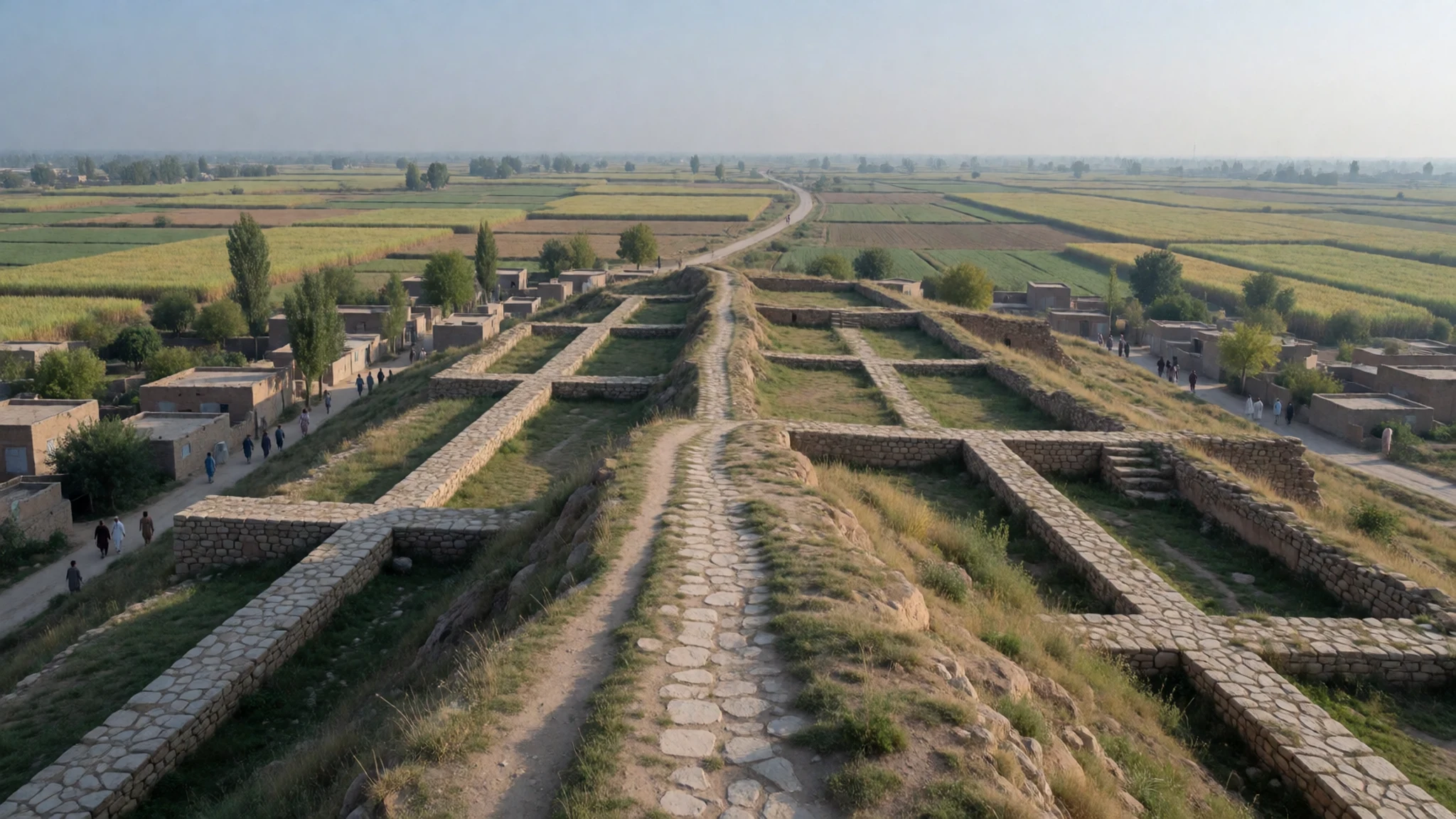
- The assembly hall — Within the main monastic complex
Also dating from the second building period, the assembly hall is where the monks would have gathered. The footprint and surviving walls give a good sense of scale. It is a useful place to pause, since the surrounding walls give some relief from sun and wind.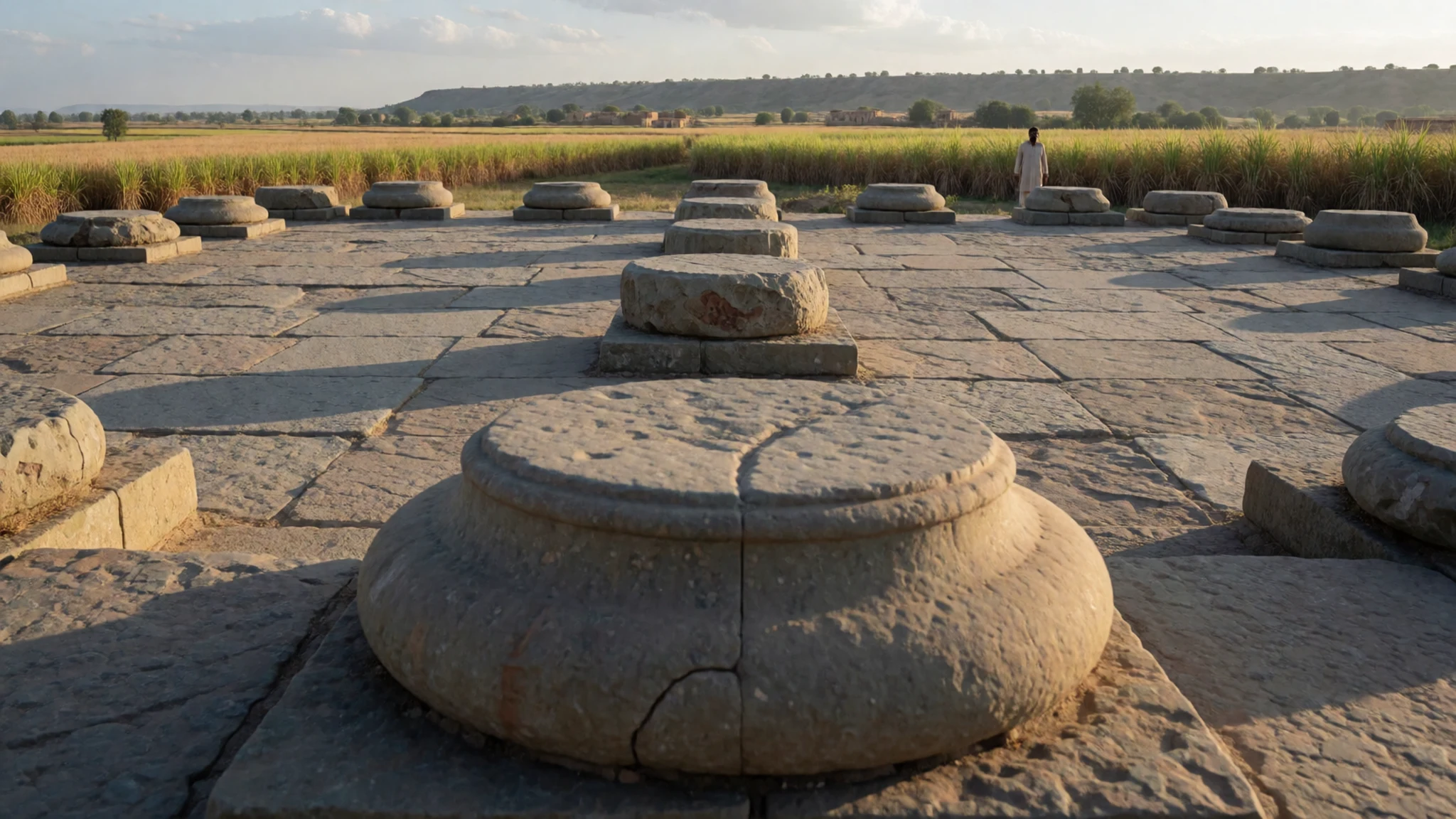
- The monks' cells — Courtyard ranges around the hill
Rows of small stone chambers open onto courtyards, each once a living or meditation space for a monk. Some have niches for lamps or small images. The cells make the human scale of the place easy to grasp, and the doorways frame good views across the plain.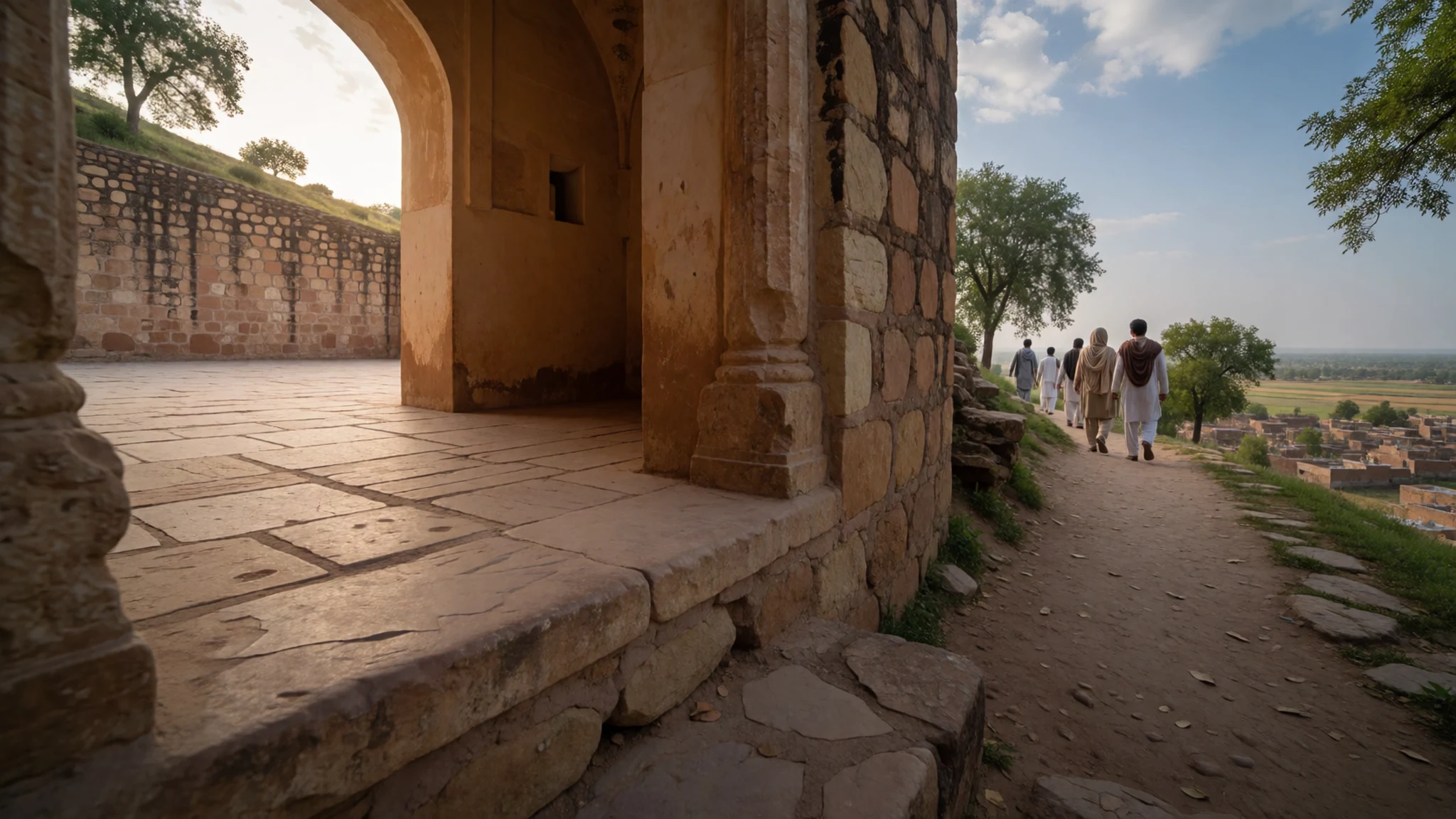
- The hilltop view — Upper terraces of the site
From the upper levels the whole setting makes sense: the monastery perched on a modest hill, cultivated fields on every side and the village below. The ruins stand about 150 metres above the surrounding land, and the climb from the car park is short but steep in places, so wear proper shoes.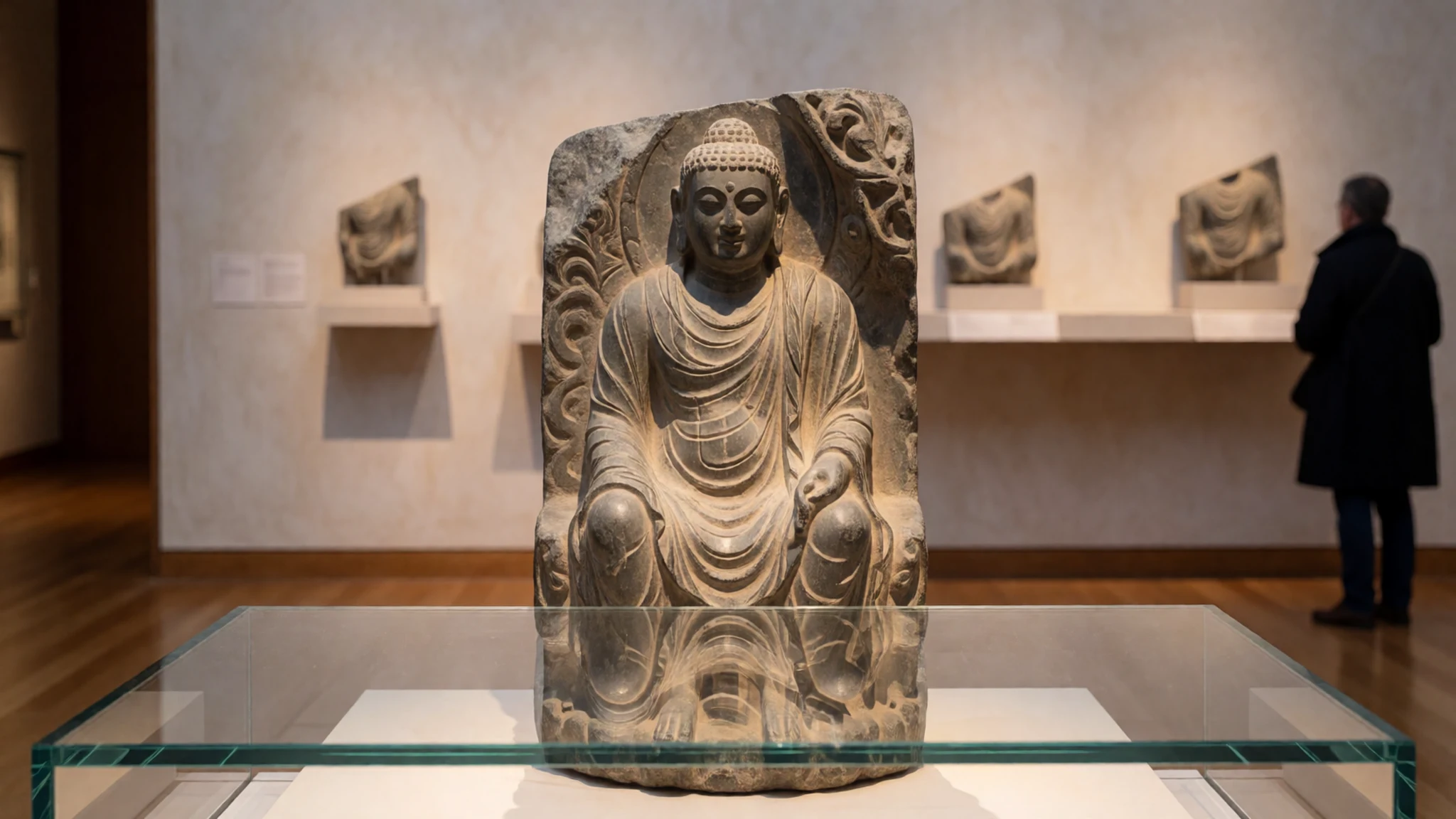
- The nearby fortified town — Beside the monastery hill
A small fortified settlement from the same era lies close to the monastery. It is less restored and less visited, so it feels more like raw archaeology. Ask locally about access, and treat it as an optional extra to the main ruins rather than the reason for the trip.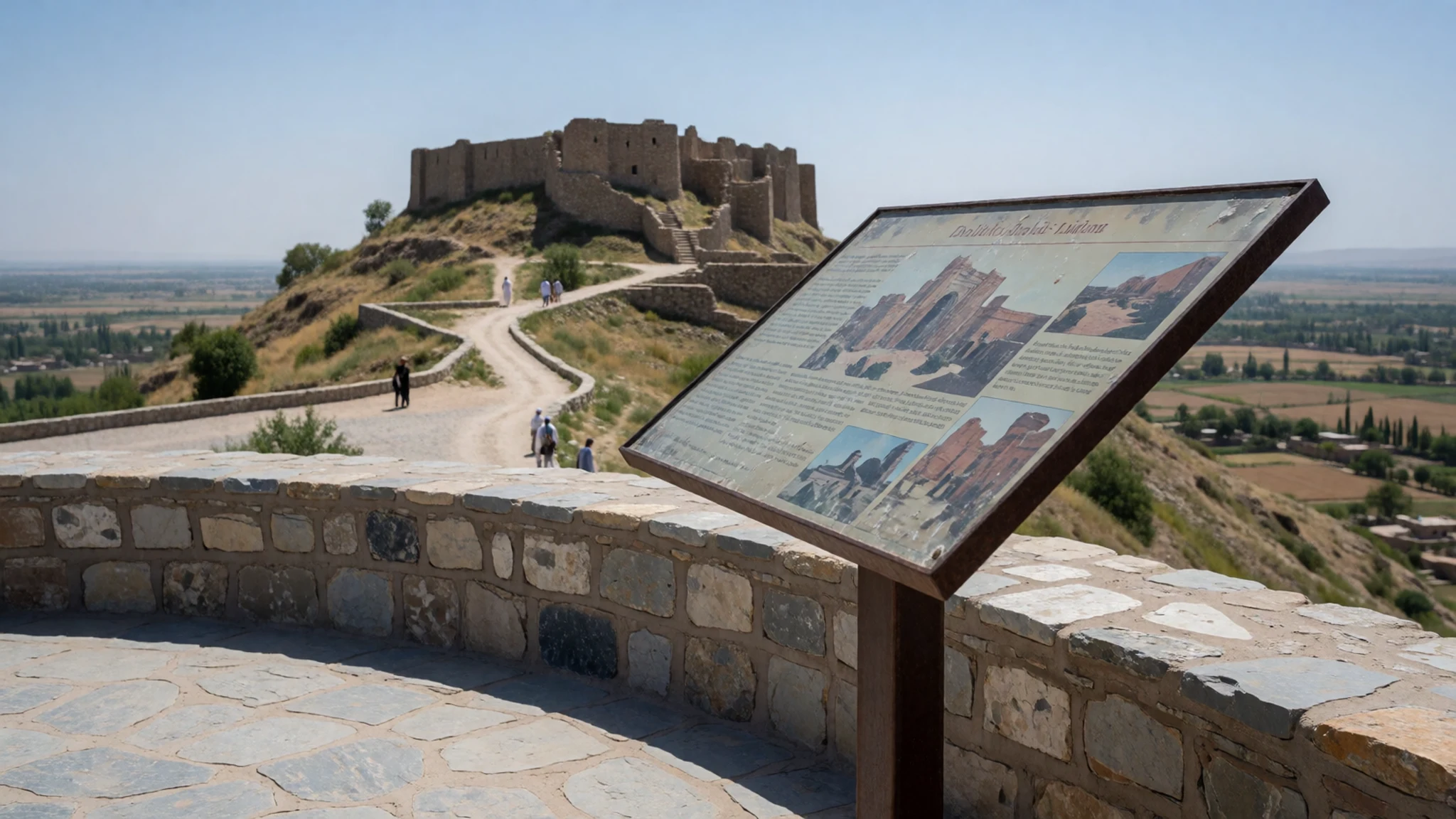
- Takht-i-Bahi sculpture in museums — Museums abroad, linked to the site
Many sculptures from the site are now abroad: standing Buddhas in schist and a Buddha on a lion throne appear in museums such as those in Berlin and Cleveland, and the British Museum holds a good number of finds. Seeing them alongside the empty niches on site gives the ruins fuller meaning.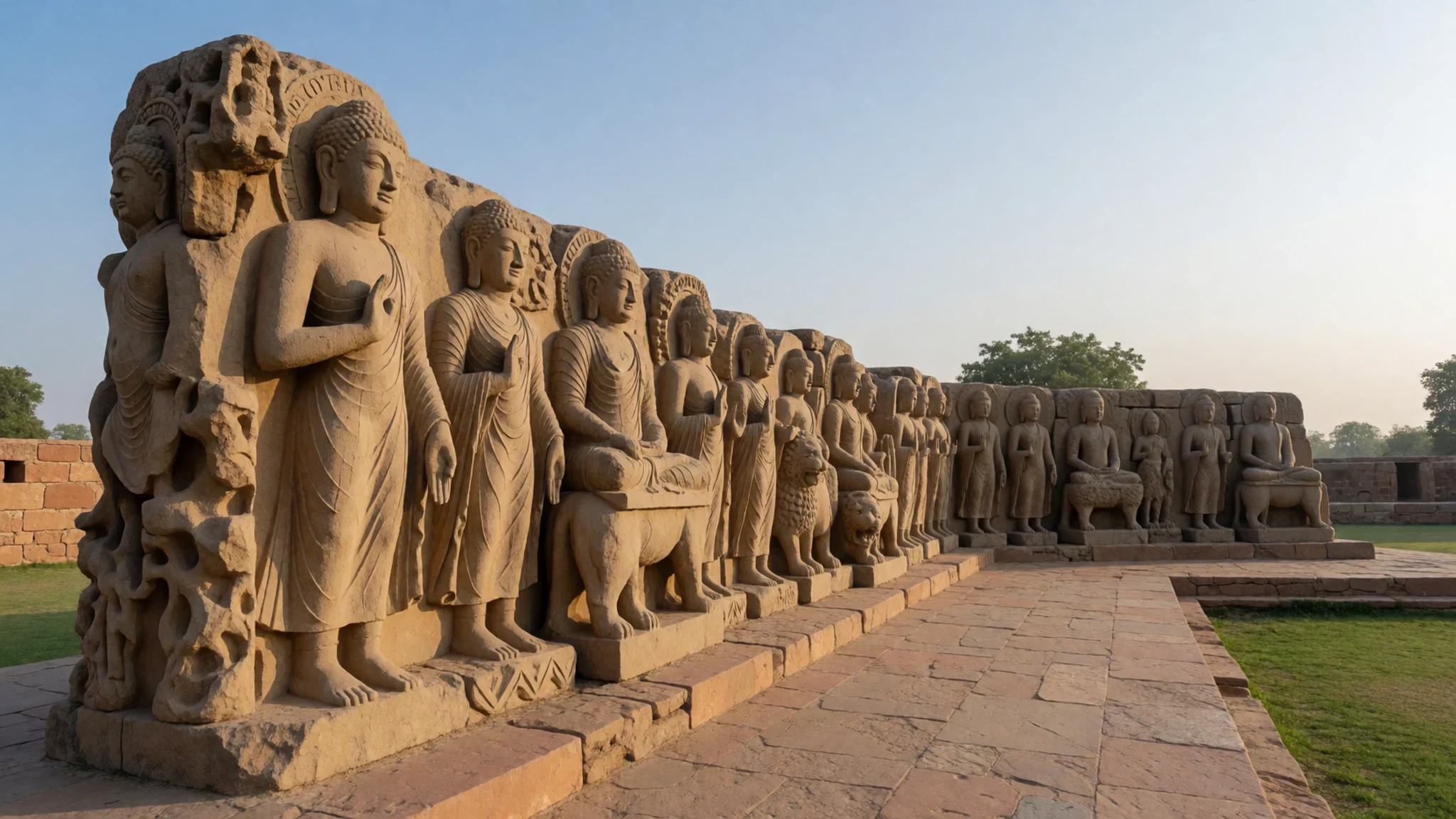
Culture
Takht-i-Bahi belongs to the Gandhara tradition, a Buddhist culture that blended local, Indo-Parthian, Kushan and Greco-Roman influences. Its sculpture, usually in grey schist, shows Buddhas with wavy hair and draped robes that echo classical styles, a fusion that made Gandhara famous in the history of art.
Today the site stands in a region that is overwhelmingly Muslim, and the ruins are valued as heritage rather than used for worship. Local visitors come as families, students and day trippers, and the mood is that of a respected historic place. The monastery's story, from the Parthian kings to the Hun invasions, is part of how people here understand the deep layers of their own land.
The nearby village keeps an ordinary rhythm: farming, small shops, tea stalls. Pashto is the language you will hear most, and Urdu is widely understood. Hospitality is a strong value, and a courteous greeting goes a long way. Local guides and caretakers often know the site well and appreciate being asked rather than ignored.
The site is protected, and loose stones, carved fragments and brick are part of the evidence archaeologists use. Treat everything as if it were in a museum case. Do not climb on fragile walls or remove any stone or fragment, and ask before photographing local people, especially women and families.
What to wear
Takht-i-Bahi is in Pashtun country, where traditional dress is the shalwar kameez: a long tunic over loose trousers, usually cotton, with wool or a shawl added in winter. Men often wear a waistcoat and a woollen pakol cap or a turban; women wear a dupatta (scarf) over the head or shoulders, often in bright embroidered cloth. Festival and wedding outfits are heavily embroidered, while everyday cloth is plain and practical.
In the village and nearby towns, most people still wear shalwar kameez daily, with sandals or simple shoes. Younger people in Mardan may mix it with jeans, shirts and trainers, but local dress remains the norm in rural areas, and it is what you will see on most families visiting the ruins.
For a visit, follow local modesty norms. Both men and women should cover shoulders and knees; loose cotton trousers and a long, lightweight top work well, and women may find a scarf useful. Visiting in summer means heat and sun, so bring a hat and light fabrics. In winter evenings can be cool, so a jumper helps. Most important is footwear: the steps are uneven, stony and sometimes slippery, so wear sturdy shoes or trainers with grip rather than flip-flops. Sunglasses and sun cream help, since there is little shade on the hill.
What to eat
- Chapli kebab — Roadside grills in Mardan town
A flat, spiced minced-meat patty, fried until crisp at the edges. It is a signature of Pashtun cooking and is eaten with naan and a squeeze of lemon. Look for it at roadside grills in Mardan and the main bazaar.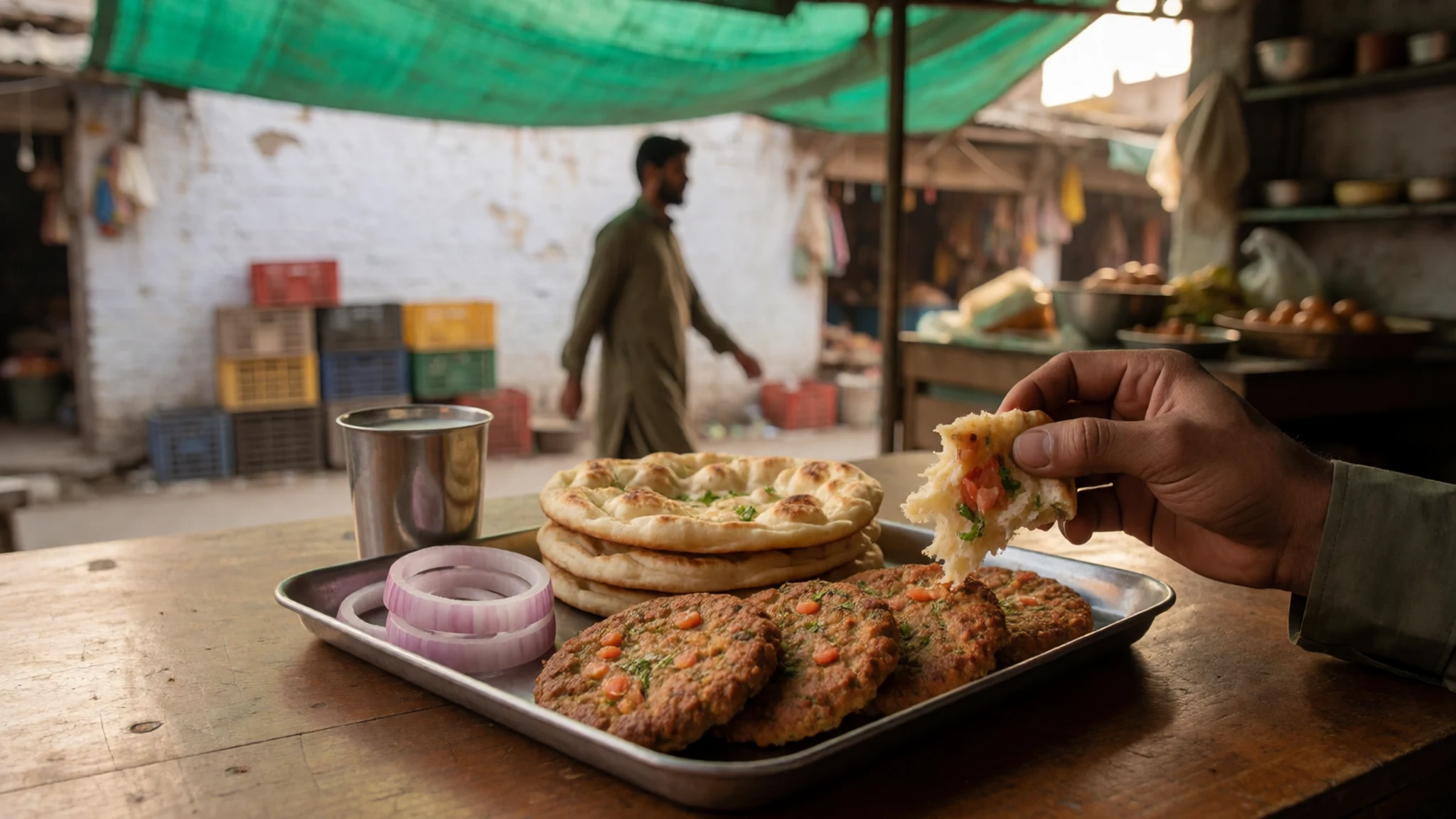
- Naan and tandoori bread — Neighbourhood tandoor bakeries in the village and Mardan
Fresh flatbread baked in a clay oven, served hot and used to scoop up curries and kebabs. It is the everyday staple, and the village and town bakeries turn it out all morning.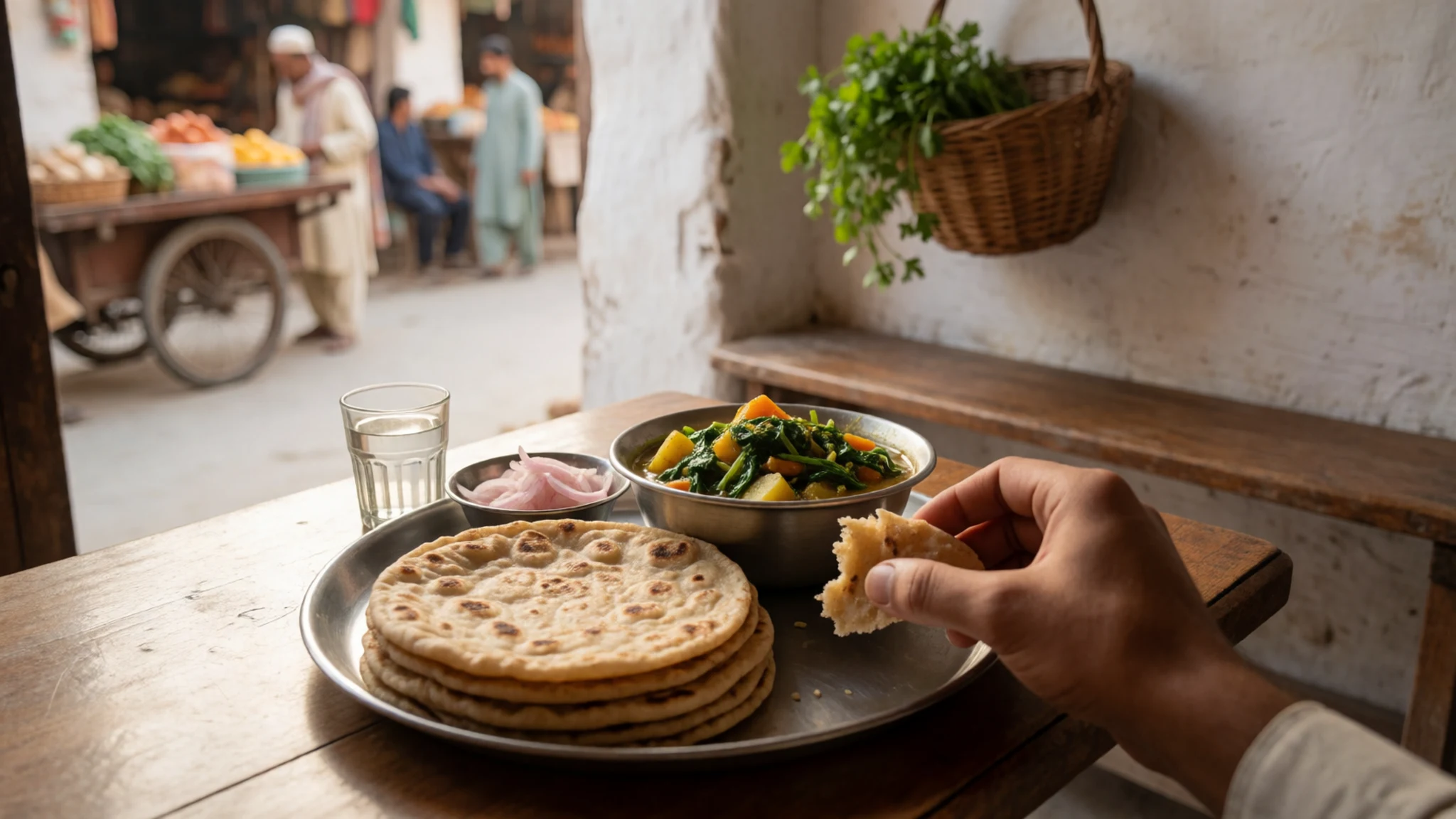
- Karahi — Family eateries along the Mardan road
Meat, usually mutton or chicken, cooked in a wok-like pan with tomatoes, ginger and green chilli. It arrives sizzling and is shared. A good choice for a group after a morning on the hill.
- Fresh sugar cane juice — Juice carts near the bazaar and the road to the site
The surrounding fields grow sugar cane, and in season it is pressed to order into a cold, sweet juice, often with lemon or ginger. It is welcome after climbing in the heat.
- Green tea (kahwa) — Tea stalls in the village bazaar
Pashtun tea is usually green, light and often scented with cardamom, served in small cups through the day. It is offered as a sign of welcome, so accept it if you are invited to sit.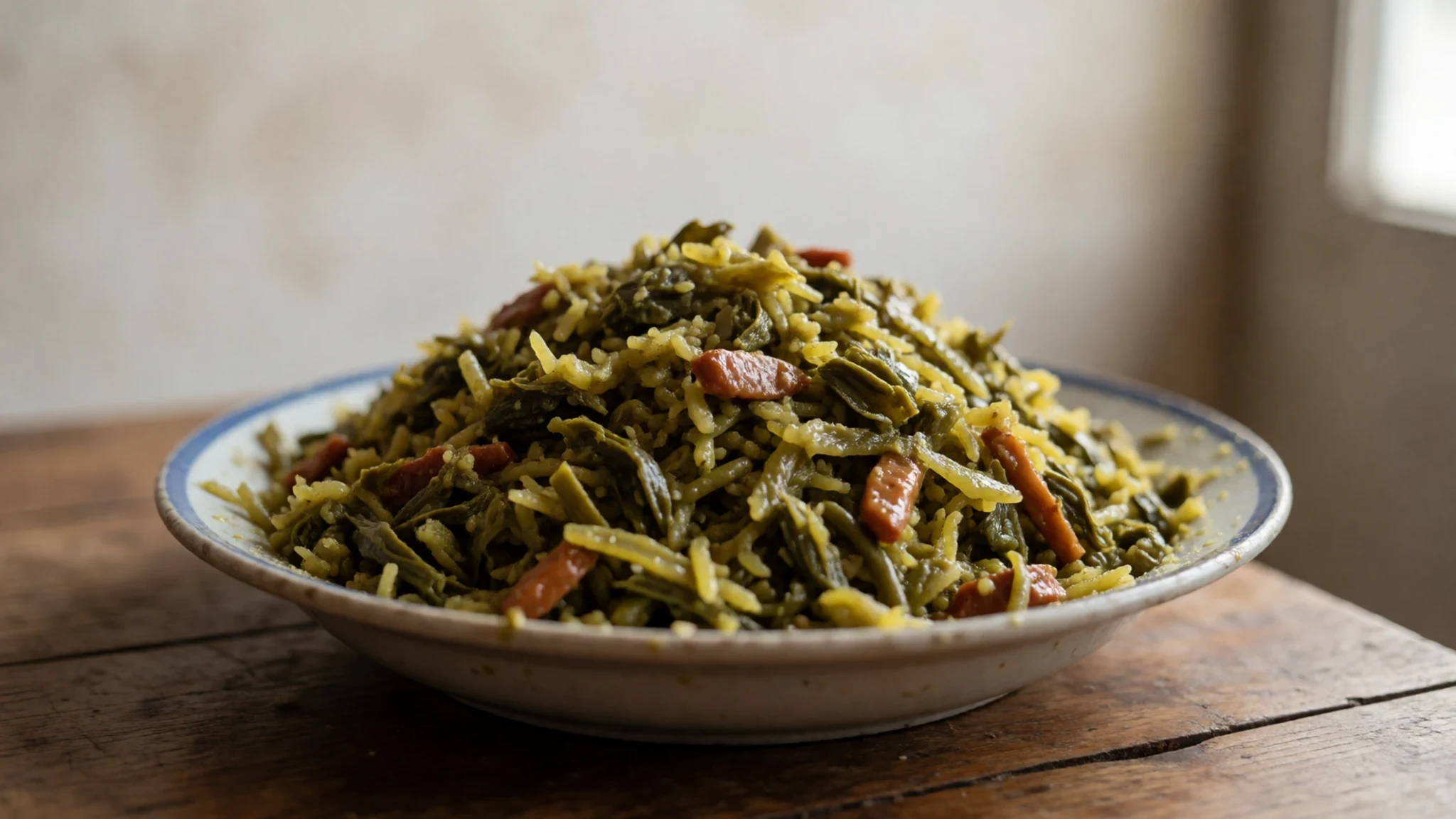
Plan it
Best time. October to April is the comfortable season, with cooler days that suit climbing the hill; November and February to March are especially pleasant. Summers on the plain are hot, and monsoon rain can make the steps slippery.
How long. 1
Getting there. The nearest major airport is Peshawar, and Islamabad is the other main gateway. From either, go by road to Mardan, then take a taxi or local transport on the last stretch of about 15 kilometres to the village and the car park below the ruins. A short walk uphill follows.
Budget. low
Tips
- Go early in the morning to avoid the heat, as there is little shade on the hill
- Carry water and snacks, since facilities at the site are limited
- Hire a local taxi or driver for the day, which is simpler than relying on local transport
- Carry some cash, as cards are rarely accepted in the village
- Check the current security and travel advice before you go, and check the official heritage site or local authority for opening arrangements
Etiquette
- Dress modestly, covering shoulders and knees
- Ask permission before photographing local people, especially women
- Do not climb on walls or take any stones or fragments
- Accept tea or a greeting politely when offered
Nearby
Sources
- Wikidata Q117623 (CC0)
- Wikipedia: Takht-i-Bahi (rev 1382068560) (CC BY-SA 4.0)
- Wikivoyage (CC BY-SA 4.0)
- Photo 01 — Asif Nawaz (CC BY 3.0)
- Photo 02 — Foucher, 1905 (Public domain)
- Photo 03 — Mhtoori (CC BY-SA 4.0)
- Photo 04 — Gryffindor (Public domain)
- Photo 05 — Unknown author (Public domain)
- Photo 06 — Daderot (CC0 1.0)
- Photo 07 — Sailko (CC BY 3.0)
- Photo 08 — Inam101 (CC BY-SA 4.0)


