Swat Valley
Swat Valley, Pakistan
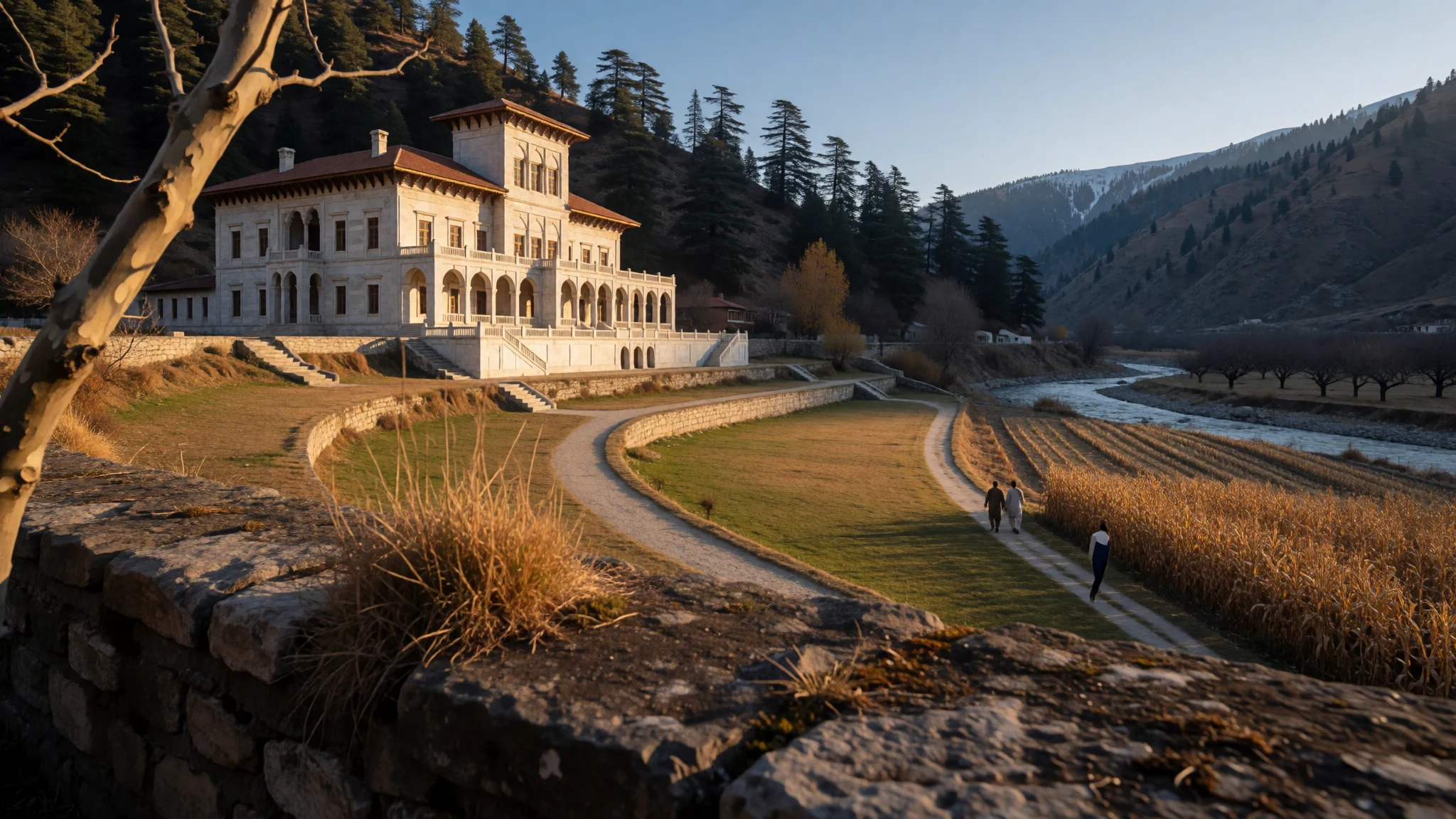
Swat Valley is a river valley of pine slopes, cold water and old Buddhist stone, reached by road from the plains of Khyber Pakhtunkhwa.
The place
Swat Valley runs through the mountains of Khyber Pakhtunkhwa in northern Pakistan, a long green trench cut by the Swat River between high pastures and the Peshawar plain. The floor is fields, orchards and bazaar towns; above it, villages cling to steep slopes, and the ridges rise through pine to rock and lingering snow. Orchards of peach and apple fill the middle altitudes in their season. Mingora is the commercial heart, with Saidu Sharif beside it as the old seat of the princely Wali. Upstream the road follows the water through Madyan and Bahrain, where the valley narrows, and on to Kalam. Tracks then climb toward Utror, the lakes, and glacier country north of Kalam. Lower Swat feels like farming country under a mountain wall; upper Swat feels alpine, with wooden houses and passes that close under snow. Summers up high are short, and winter snow is a gate, not a decoration. The river organises every journey: towns sit on its bends and footpaths drop to its gravel. Meadow photographs hide how loud and dusty the lower towns are, and how much patience the high road asks when landslips and shared jeeps slow the day. Swat Valley is a sequence of altitudes, and the interest is in moving between them.
Its story
Swat Valley has long been a corridor between the Central Asian highlands and the Indian plains. In Buddhist centuries it was Udyana, a garden of monasteries, stupas and pilgrim roads, and later tradition set the tantric land of Oddiyana here, which is why carved stone still turns up in fields around Mingora. Traders, monks and armies used the same river gates, and local memory keeps a tale of Alexander passing east, whether or not every bend of it matches a ruin. The valley later became a princely state under the Miangul dynasty, the Wali ruling from Saidu Sharif while Yusufzai custom governed the villages. It acceded in 1947 and stayed self-governing until the merger in 1969, after which Mingora grew into the market town. In recent memory militants held Swat Valley for a time, closing girls' schools and making the road dangerous, until a military operation pushed them out and rebuilding began. Malala Yousafzai, attacked in Mingora for speaking about girls' education, is the name outsiders attach to those years; residents speak first of closed bazaars and the slow return of guests. An honest account of Swat Valley holds both the old Buddhist stone and that hard memory of fear and of recovery.
What to see
- Mingora, Saidu Sharif and Marghazar — Lower Swat
Swat Valley's working town, Mingora, is where travellers change money, stock up and watch a Pashtun bazaar in full voice. Saidu Sharif, beside it, was the Wali's seat and still feels more official than commercial. The White Palace itself stands a short way off at Marghazar. Traffic is thick; the reward is daily life, not a viewpoint. Treat the towns as a lower-valley base and start the river road early.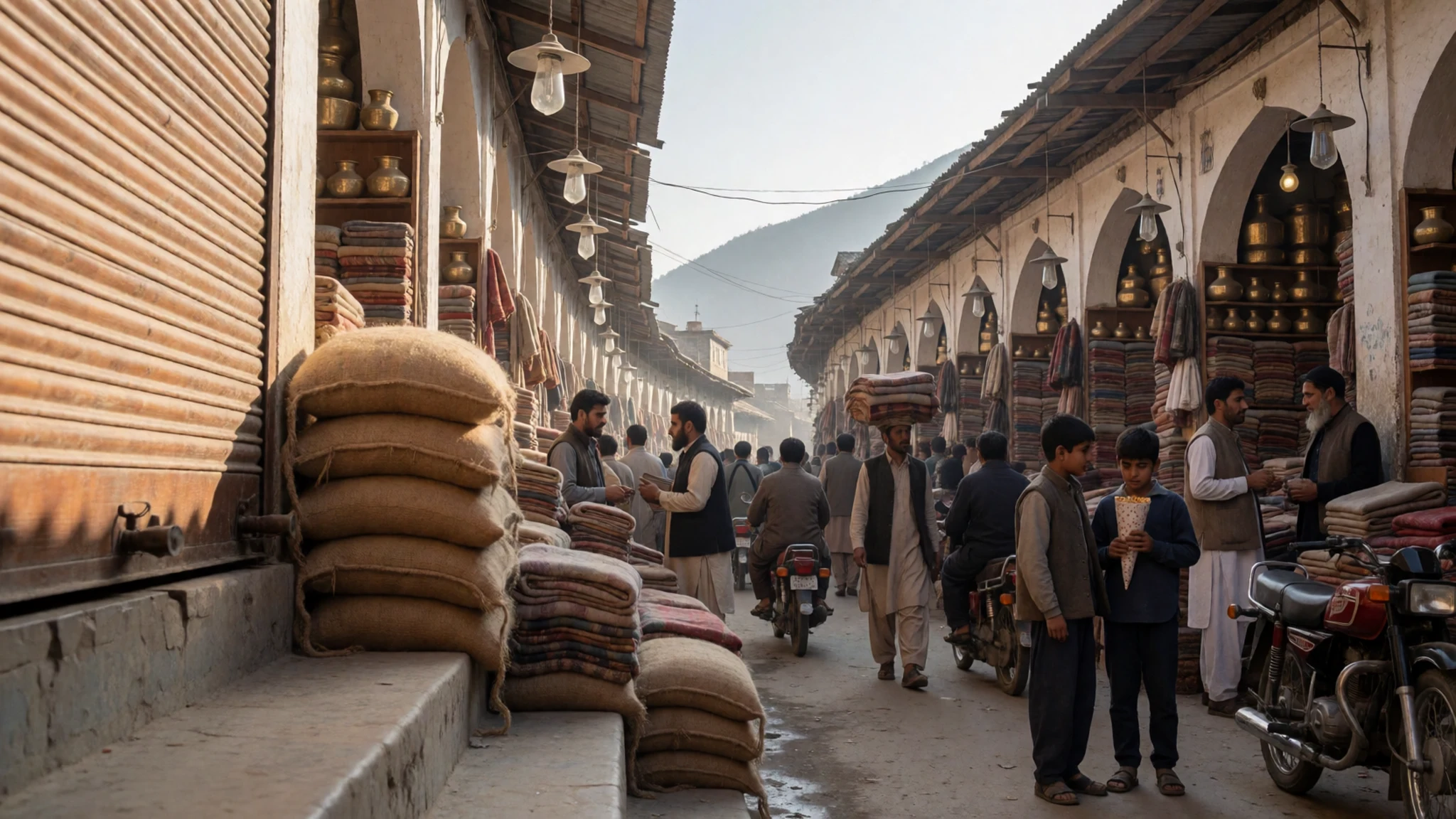
- Butkara and the Buddhist stone — Mingora, lower Swat
Swat Valley still keeps the stone of old Udyana around Mingora, above all at Butkara, where a stupa grew by layers over many generations and now reads as a low mound. Carved fragments and smaller sites sit beside houses, fields and footpaths, inside ordinary neighbourhood life. Nothing is tall or freshly restored. The pleasure is in noticing a Buddhist landscape that farms and towns never quite erased.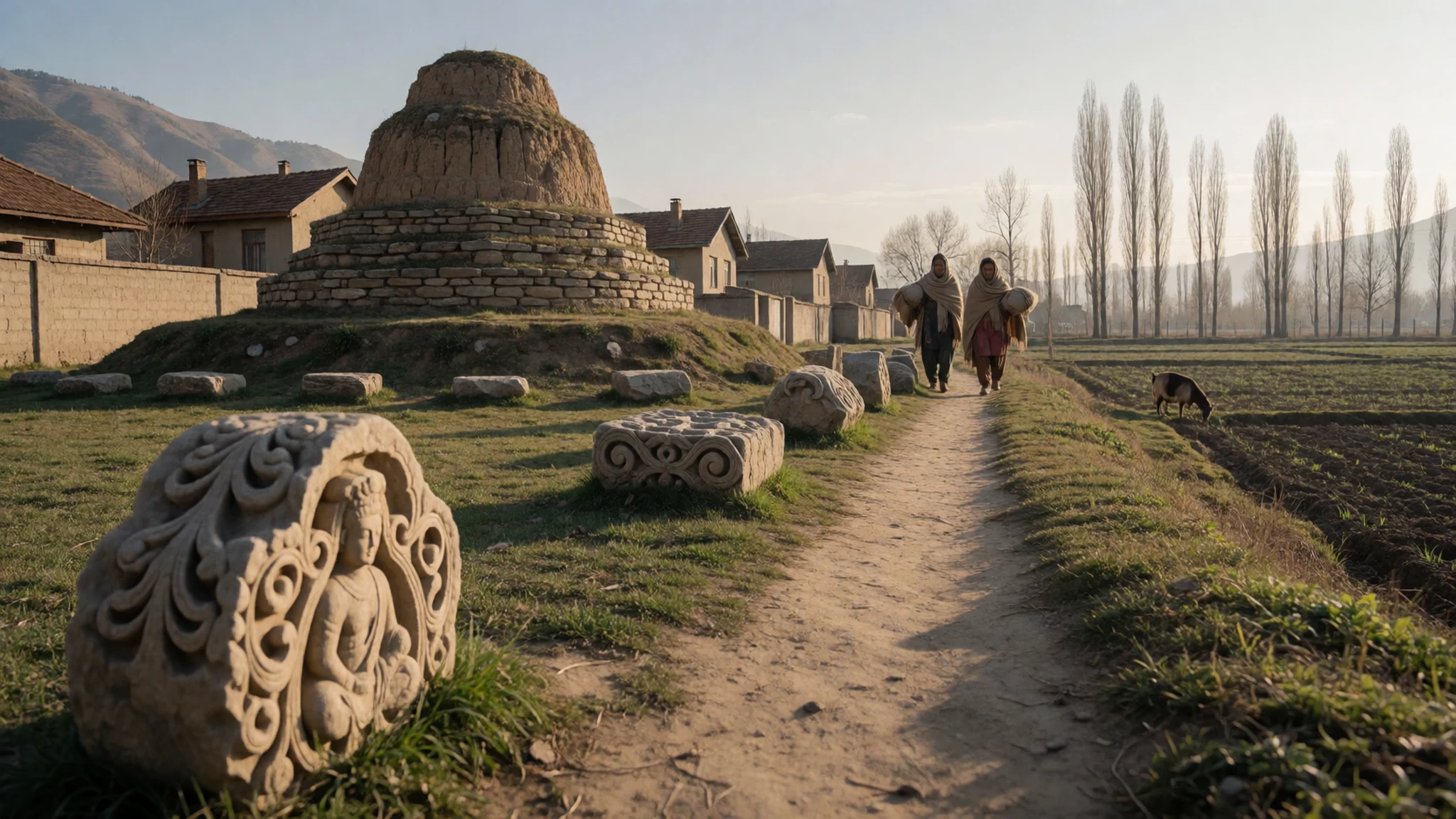
- Madyan — Middle Swat
Swat Valley opens into lower Swat at Madyan, where the road from Mingora starts to feel mountainous. Houses stack up the slopes, orchards fill the flatter benches, and the river runs loud beside a short bazaar. The town is a natural pause before Bahrain and Kalam, with tea stalls and a path down to the water. After heavy rain the highway can crawl past landslips, so mornings leave more calmly than afternoons.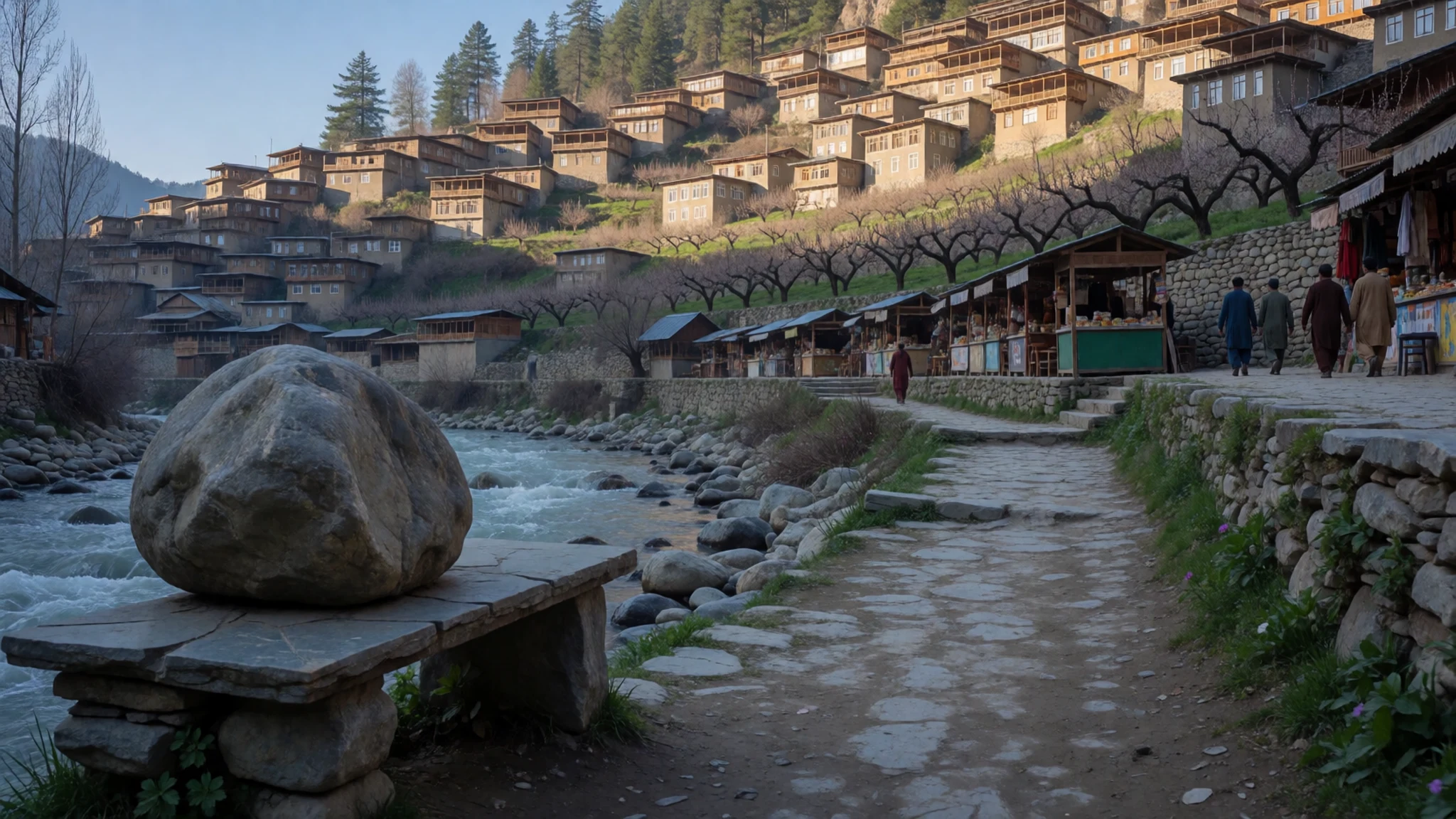
- Kalam and the northern glacier — Upper Swat
Swat Valley gathers at Kalam, where side streams meet and tracks leave for the high pastures. Wooden guesthouses line the river, jeeps wait for Ushu and Mahodand, and the warm-month bazaar sells fruit, shawls and jeep hires. North of town the ground opens onto snowfields and a wasting glacier, evidence that the green season is short. In holiday weeks the lanes fill, and after snow the upper road can close.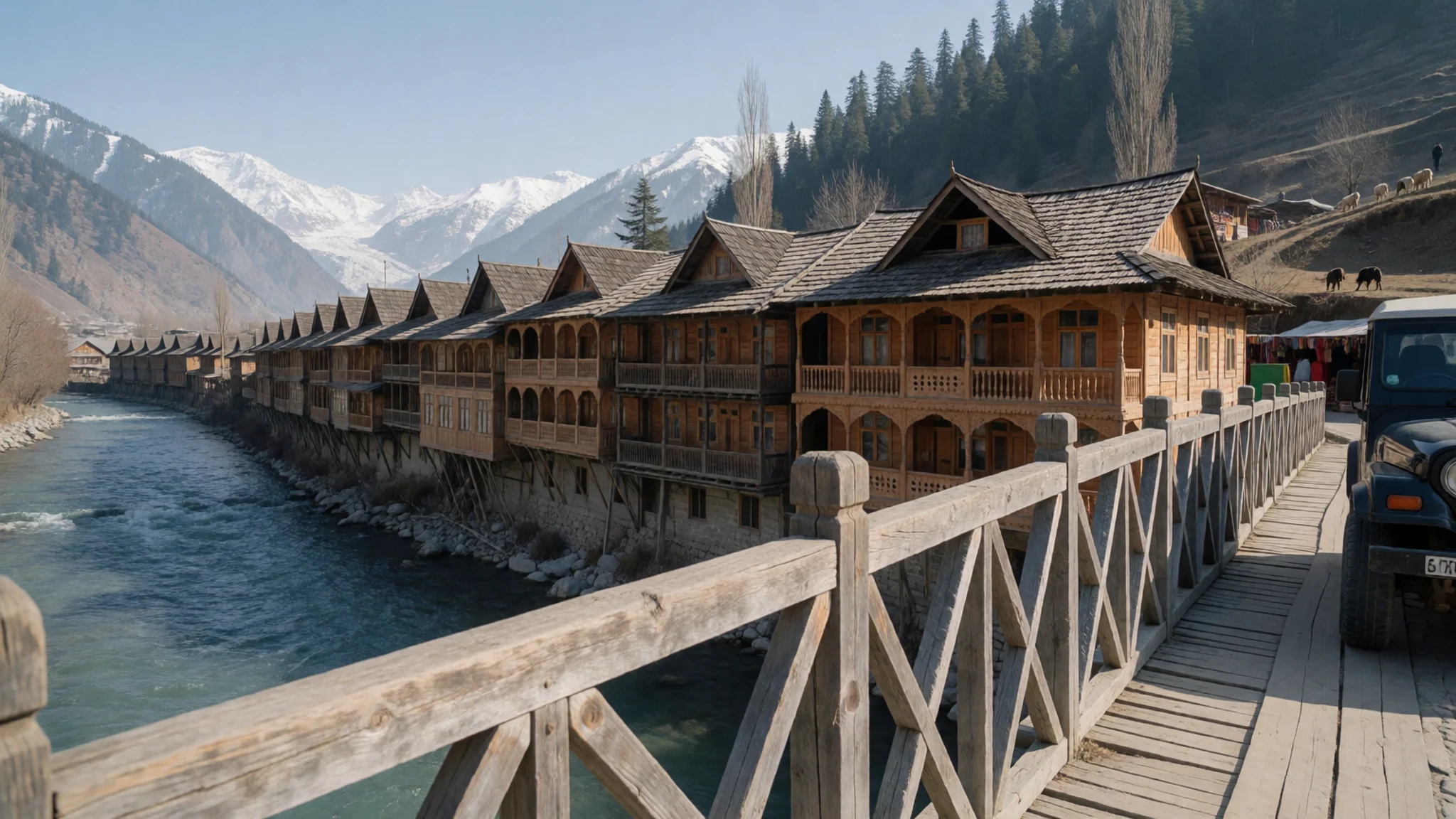
- Utror and the high lakes — Utror, above Kalam
Swat Valley's Utror side, above Kalam, is a higher bowl of pastures, scattered houses and paths toward the lakes. The water lies in rocky hollows, cold and clear, and reaching it is the day rather than a quick stop. Cloud can cover a bright morning within the hour. Shepherds use the slopes in summer; outside that season the track is often shut or not worth the risk.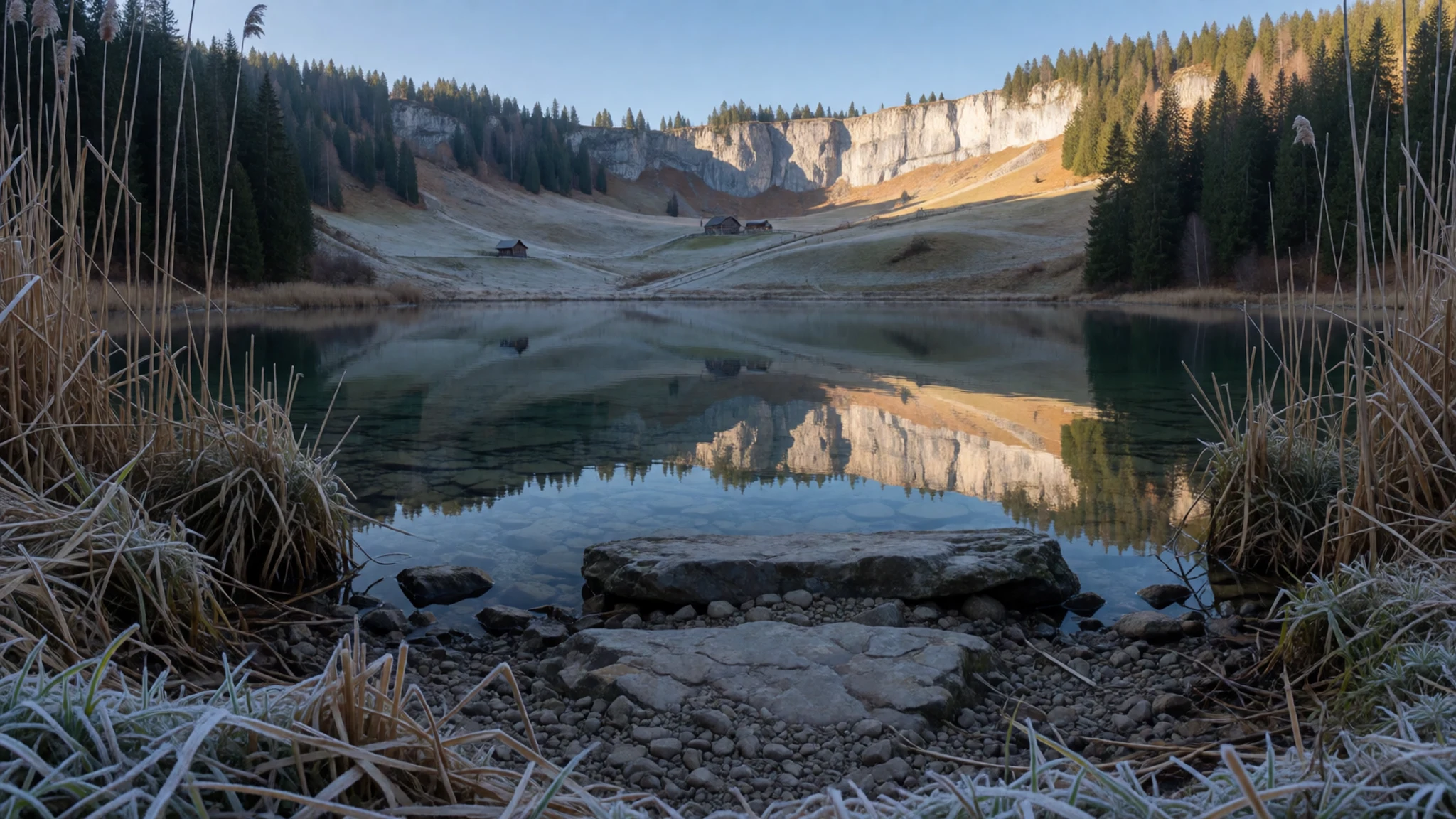
Culture
Swat Valley is Yusufzai Pashtun country, and the social code that matters day to day is Pashtunwali: hospitality to a guest, refuge when it is asked, and a sharp sense of honour that can tip into pride or dispute. Men gather in the hujra, the village guest room, for tea, news and decisions; weddings and funerals pull whole neighbourhoods in, with drumming and visiting that can run for days. Islam shapes the clock — Friday prayers, Ramadan evenings, and a public modesty in dress and street behaviour. Women move through bazaars and schools in greater numbers than during the militant years, yet many families still prefer that unknown men not photograph them or linger in conversation. The Buddhist ruins are heritage, not a living congregation, so they belong to archaeology inside a Muslim valley. Music, once driven indoors, is back at celebrations, and cricket takes over any flat ground. A visitor is a guest, which is a real status: tea will be insisted on, and refusing it coldly is ruder than arriving late. In Swat Valley, ask before photographing people, dress so shoulders and knees are covered in towns and at mosques, and step aside rather than walking through a prayer row.
What to wear
Swat Valley dresses for altitude as much as for custom. The everyday traditional outfit for men is the shalwar kameez, loose trousers and a long shirt, often in cotton down in Mingora and in wool or thick blends once the road climbs. A waistcoat or a woollen shawl goes over it in the evening, and in the high villages the pakol, a soft round wool cap, is still the local hat rather than a costume. Women wear shalwar kameez with a dupatta or a larger chadar; embroidery on cuffs and hems is a point of pride, done at home and sold in bazaar bundles, and winter shawls are heavy enough to stand in for a coat. In town, younger men add jeans, trainers and quilted jackets, and school uniforms are a common sight; the traditional cut has not vanished, it shares the street. A visitor is most at ease in the same range: loose trousers, a shirt that covers the shoulders, a scarf for sun or a mosque doorway, and shoes that can take gravel and wet stone. Sandals suit Mingora's warm months and fail on the Utror paths and the glacier-side tracks, where a closed shoe and an extra layer matter more than the cut of the cloth.
What to eat
- Chapli kabab — Mingora bazaar lanes and bus-stand stalls
Swat Valley eats chapli kabab the Peshawar way: a wide, spiced minced-meat patty fried in its own fat and folded into naan. Mingora's bazaar lanes and the bus-stand stalls turn them out through the middle of the day. Onion, tomato and green chutney are the usual company.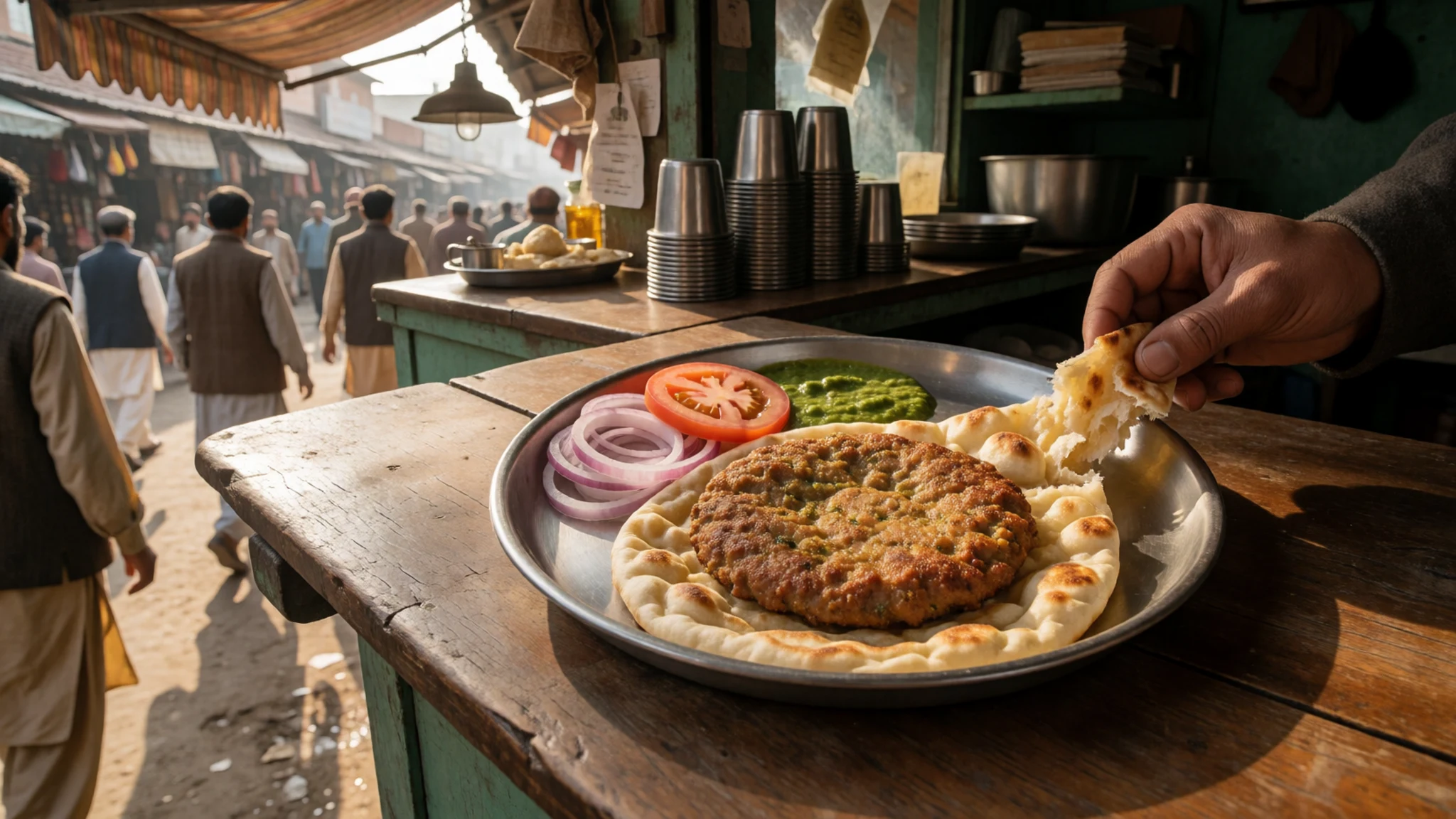
- Trout — Riverside eateries in Madyan, Bahrain and Kalam
Swat Valley turns to trout once the road meets colder water. Grilled or pan-fried fish, little more than salt and heat, shows up at riverside eateries in Madyan, Bahrain and Kalam, often from farms rather than the wild river. It is a traveller's lunch more than an everyday village dish.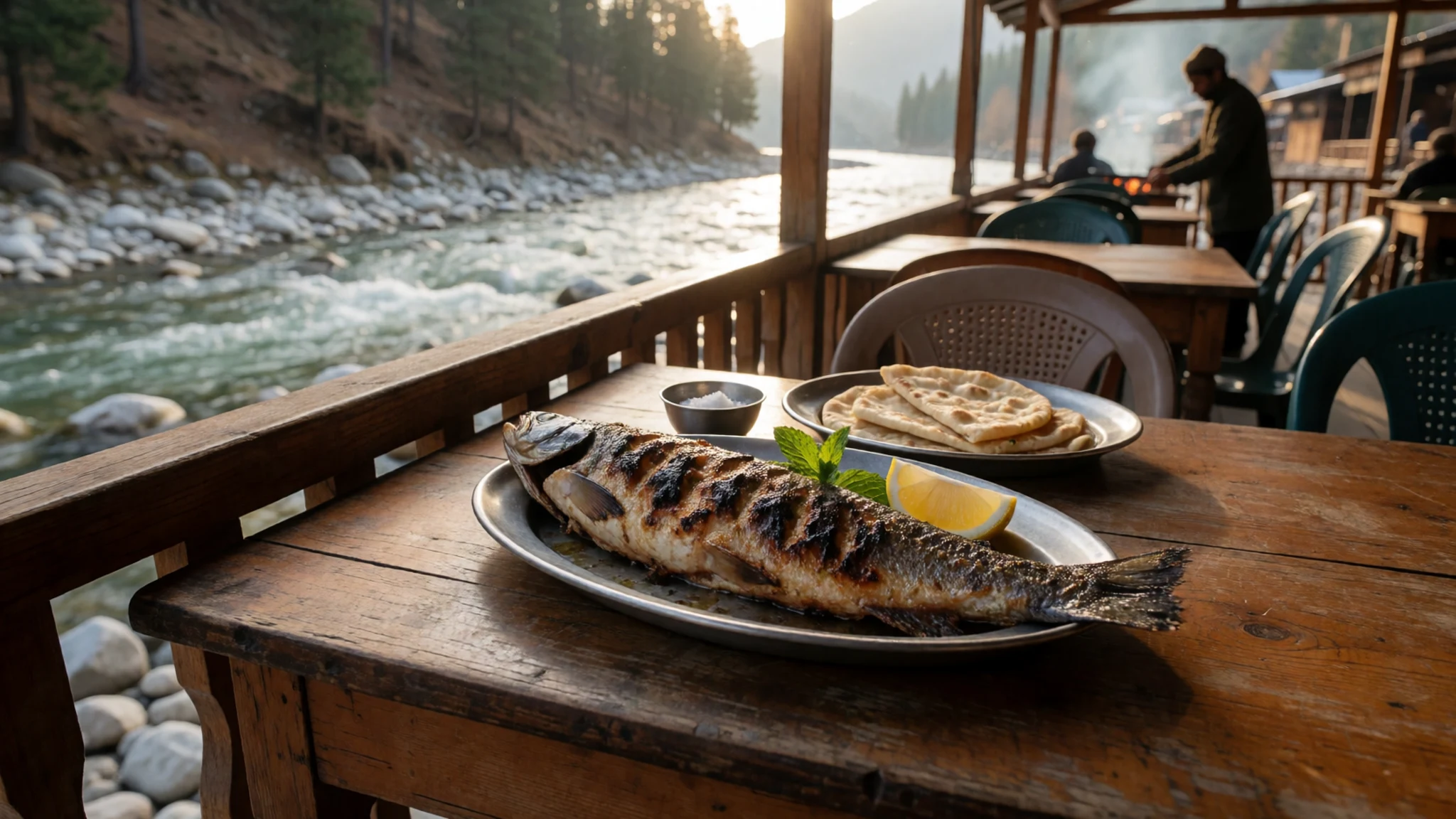
- Namkeen gosht — Village guest rooms and plain eateries off the Mingora bazaar
Swat Valley's home dish is namkeen gosht, meat cooked with salt and garlic until it falls apart. It comes with roti in village guest rooms and in plain eateries off the Mingora bazaar, and again at weddings. The flavour is meat and time rather than a long list of spices. - Kabuli pulao — Eateries around the main Mingora bazaar
Swat Valley brings out Kabuli pulao for guests and family tables: rice with lamb, carrot and raisins, a little sweet against the salt of the meat. Mingora eateries around the main bazaar serve it at midday, on shared platters. It is a sitting-down meal, too heavy for a hot climb. - Doodh patti and paratha — Roadside tea stalls from Mingora through Madyan
Swat Valley starts the morning on doodh patti, tea boiled with milk until it is strong and tan, beside a paratha from a tawa on the pavement. Roadside stalls from Mingora up through Madyan sell both before the jeeps leave. The combination is the working breakfast of the highway. - Walnuts, dried mulberries and kahwa — Roadside sellers in Kalam and Bahrain
Swat Valley sends travellers uphill with walnuts, dried mulberries and honey from sacks in Kalam and Bahrain, often with a glass of green kahwa. Roadside sellers, not formal shops, deal them out for jeep days. Quality swings from sack to sack, one fresh and the next tired.
Plan it
Best time. In Swat Valley, April and May suit the lower towns while the high road is just becoming reliable; June to early September is the practical window for Kalam, Utror and the lakes, with domestic crowds in the school-holiday weeks; October is clear and cooler before snow closes the upper valley. Winter suits only Mingora and Saidu Sharif, and even then nights are cold. Heavy rain brings landslips on the river road, so build in a spare day in the wetter weeks.
How long. 3–4
Getting there. Visitors reach Swat Valley through Islamabad or Peshawar, then continue by road. The Swat Motorway and the older Malakand road both reach Mingora; from there a single river highway runs upstream through Madyan and Bahrain to Kalam, with jeeps for the last stretch to the lakes and glaciers.
Budget. mid
Tips
- Keep a spare day for landslips and slow traffic on the Mingora–Kalam road
- Carry cash; small stalls and jeep drivers often cannot take cards
- Start toward the lakes and Mankial in the morning, before cloud and holiday traffic
- Confirm the upper road is open before booking nights in Kalam or Utror
- Drink boiled or sealed water, and refill only where the source is known
Etiquette
- Ask before photographing people, especially women and prayer gatherings
- Dress so shoulders and knees are covered in towns, shrines and mosques
- Accept or decline tea with a word; waving it away in silence gives offence
- Remove shoes where a host or a mosque door indicates, and do not push through people at prayer
Nearby
Sources
- Wikidata (CC0)
- Wikipedia (CC BY-SA 4.0)
- Wikivoyage (CC BY-SA 4.0)