St Nicholas Abbey
St Nicholas Abbey, Barbados
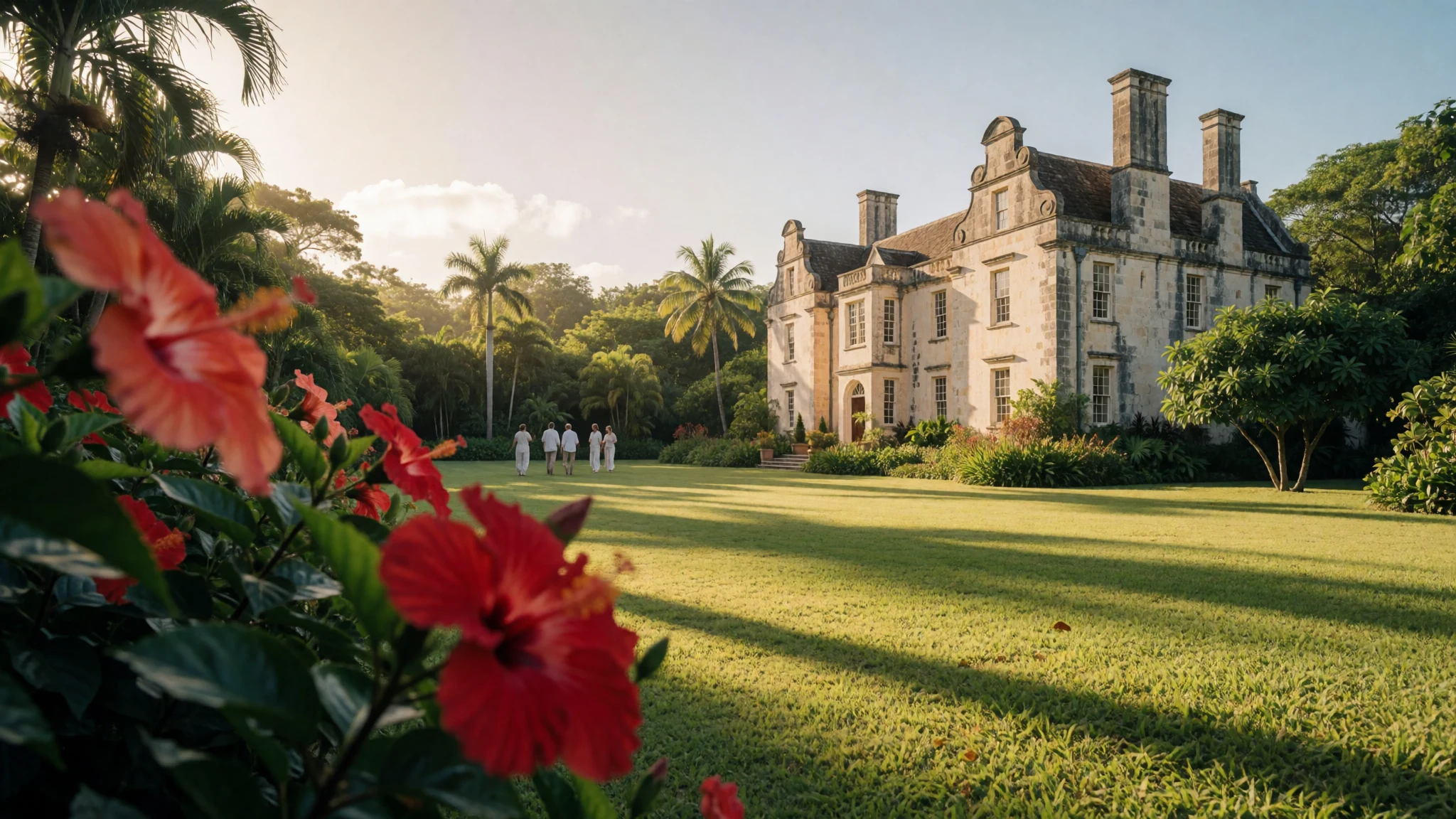
St Nicholas Abbey is a rare English-style manor in the Caribbean, where a 1658 house, old sugar works and a working rum distillery share one estate.
The place
St Nicholas Abbey stands in the parish of Saint Peter, in the north of Barbados, a short drive inland from the busy west-coast resort strip. Despite the name, there has never been a church here. It is a sugar plantation house, today also run as a museum and a rum distillery. Colonel Benjamin Berringer built it in 1658, and it still stands more or less as a seventeenth-century English gentleman imagined a country home. The style is Jacobean, the manor-house fashion that sits between Tudor and Georgian and takes its name from the reign of James I. Curved Dutch gables crown the front, and the pale walls rise from a clipped green lawn edged with tropical planting. Houses of this type are rare in the Americas, which is much of the reason people come. Beyond the main house, the estate holds the remains of the old sugar mill and boiling works, a distillery with its copper stills, gardens, and a short heritage railway laid out by the present owner. Cane is still grown on the land, though it now goes elsewhere to be processed. The site is compact. A walk through the house and grounds takes a morning, and adding a distillery tour and a tasting can stretch it to half a day. Opening times and ticket arrangements change, so check the official site before setting out.
Its story
St Nicholas Abbey has no church history at all; it has always been a sugarcane plantation house. Where the name comes from is uncertain. One rumour ties it to George Nicholas, who married Berringer's granddaughter Susanna. Berringer himself died in a duel with his neighbour Sir John Yeamans, who then married the widow and treated the property as his own. In 1669 the Colonel's children won it back in court, and Yeamans moved on to the American mainland, where he took part in founding South Carolina. In 1746 the estate passed to Sir John Gay Alleyne, who built it into one of the island's most successful sugar plantations and is credited with introducing mahogany to Barbados. The mahogany avenue he planted still leads towards Cherry Tree Hill. Sugar had been grown on the land since 1640, and every harvest was cut by enslaved African workers, a fact that sits underneath the elegant architecture. Later owners included the Cumberbatch family, ancestors of the actor Benedict Cumberbatch, who held it for a disputed stretch from 1810. In 1824 it passed by marriage to Charles Cave, and his descendants kept it for generations. Sugar processing on site ended in 1947. Since 2006 the owner has been the Barbadian architect Larry Warren, who restored the house, reopened it to visitors and finished the heritage railway by the end of 2018.
What to see
- The Jacobean great house — Saint Peter
The main house is the reason for the visit. Look first at the Dutch gables and the pale, symmetrical front, then go inside for the heavy furniture, the dining room and the family portraits. The rooms show how a planter's household lived, and the guides do not skip over who made that life possible.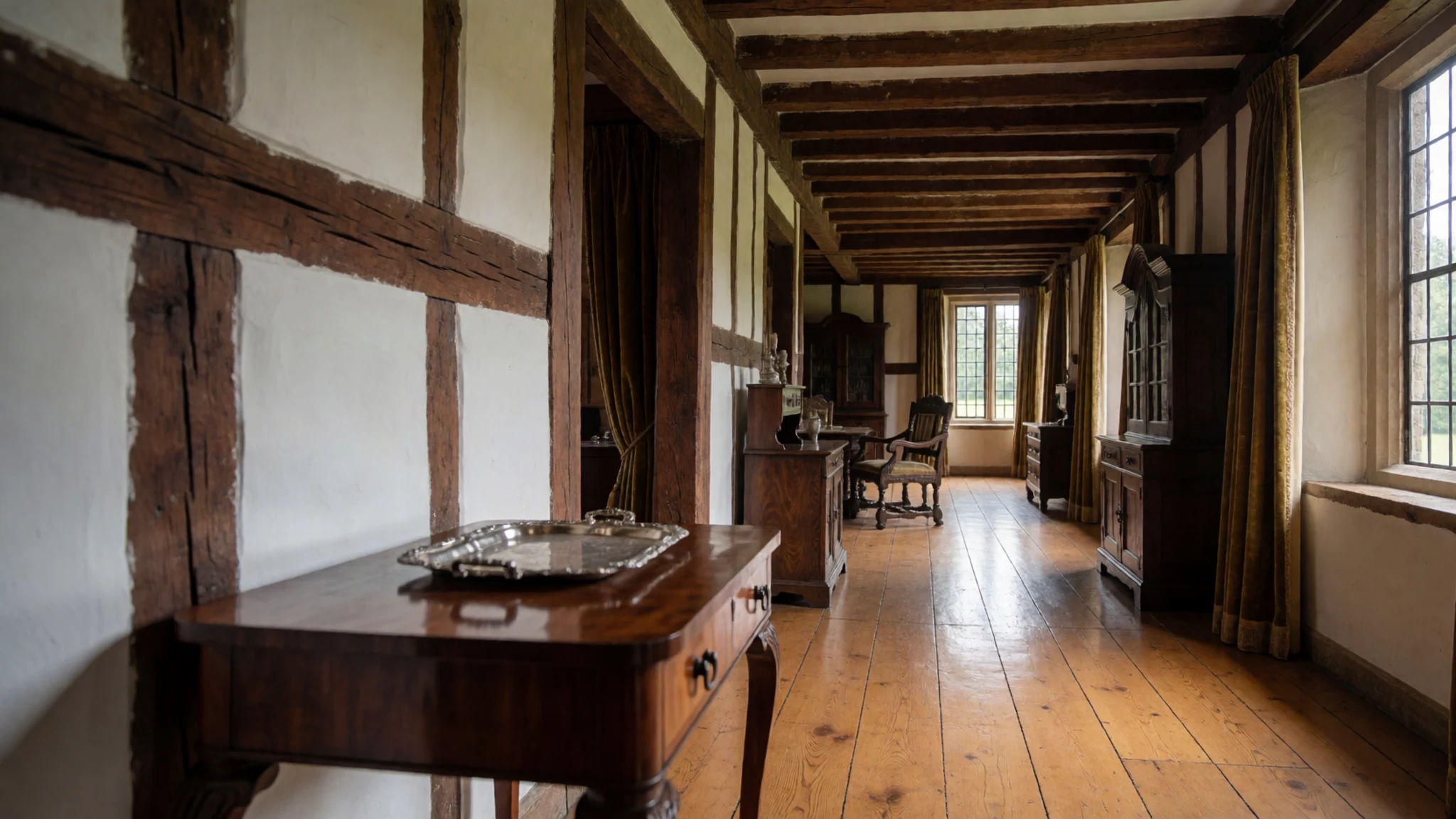
- The dining room — Inside the main house
The dining room gives the clearest sense of the house as a lived-in English home transplanted to the tropics. Dark wood, formal table settings and tall windows hint at dinners held in heat that no English architect had planned for. It is worth slowing down here, since photographs of it show more detail than a quick pass does.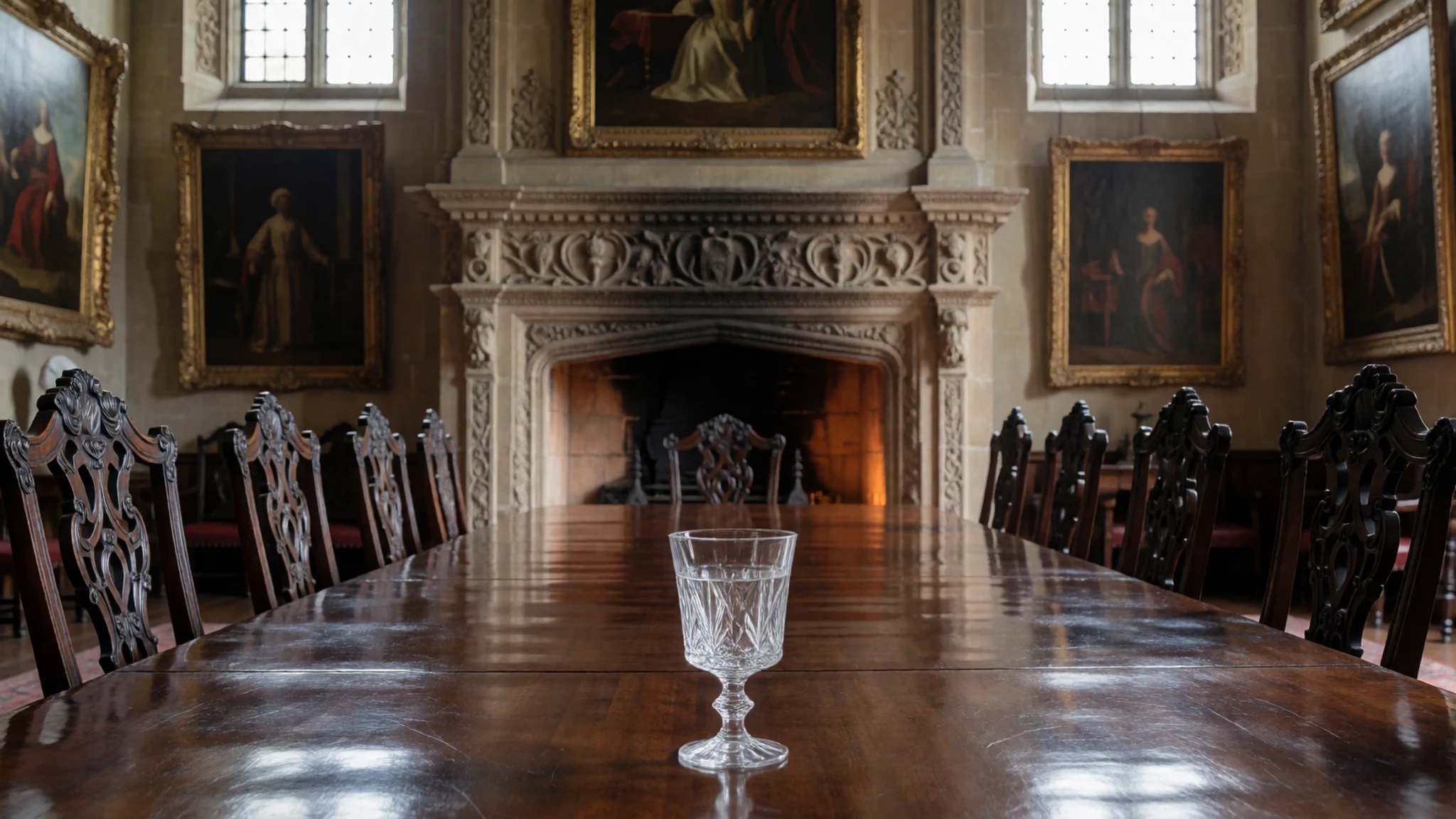
- The rum distillery — Estate working buildings
The distillery sits in the old working part of the estate, with a copper still and barrels that make the sugar story tangible. Tours explain how cane juice becomes rum, and a tasting usually follows. Rum is sold on site, but prices and tour times vary, so check the official site.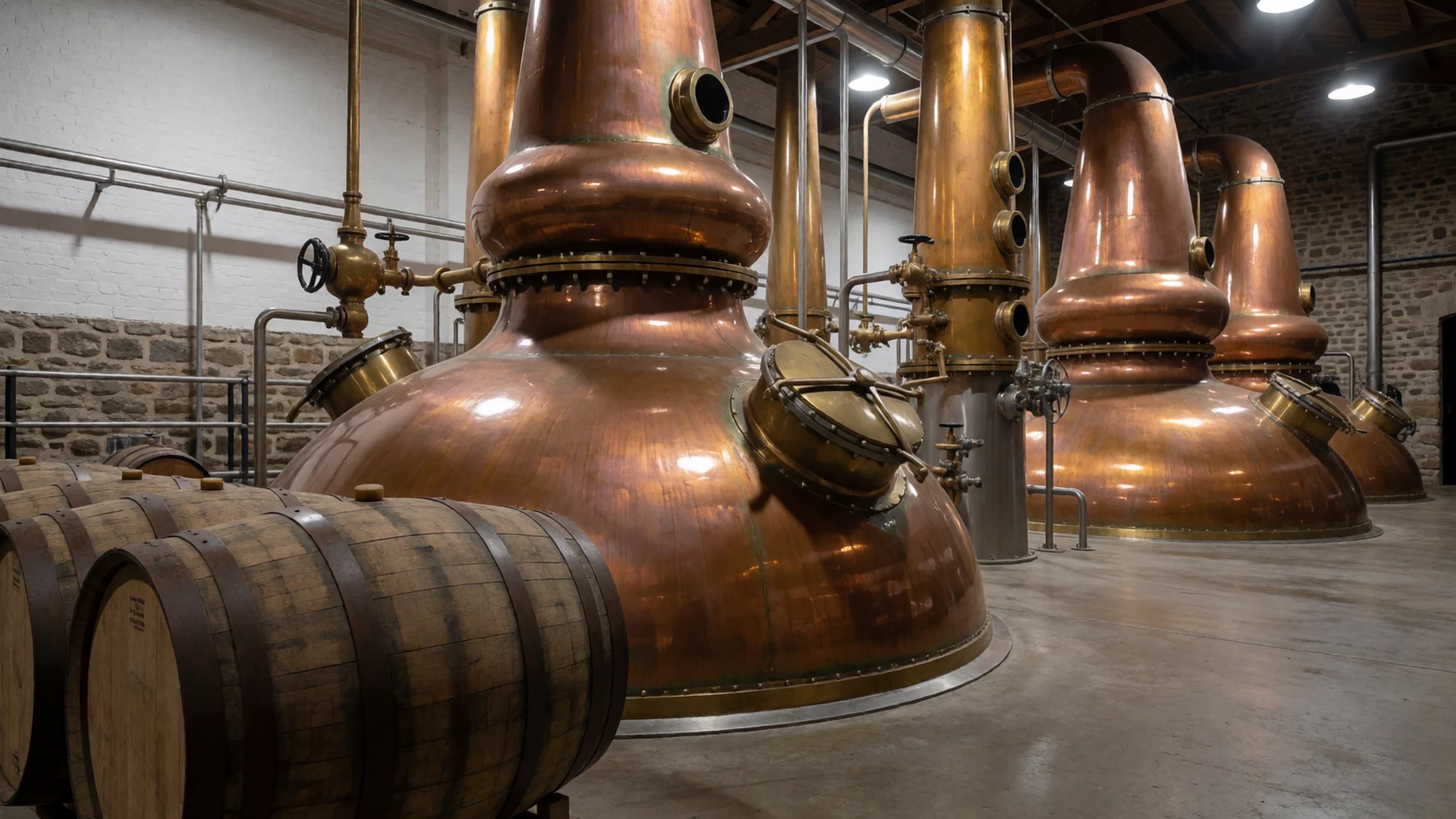
- The old sugar mill and boiling works — Estate grounds
Beside the house, the remains of the sugar-making buildings show how cane was crushed and boiled down. The stonework is plain next to the manor, and that contrast is deliberate and instructive. This is the part of the site that explains the economy behind the grand front, so allow time here rather than rushing to the lawn.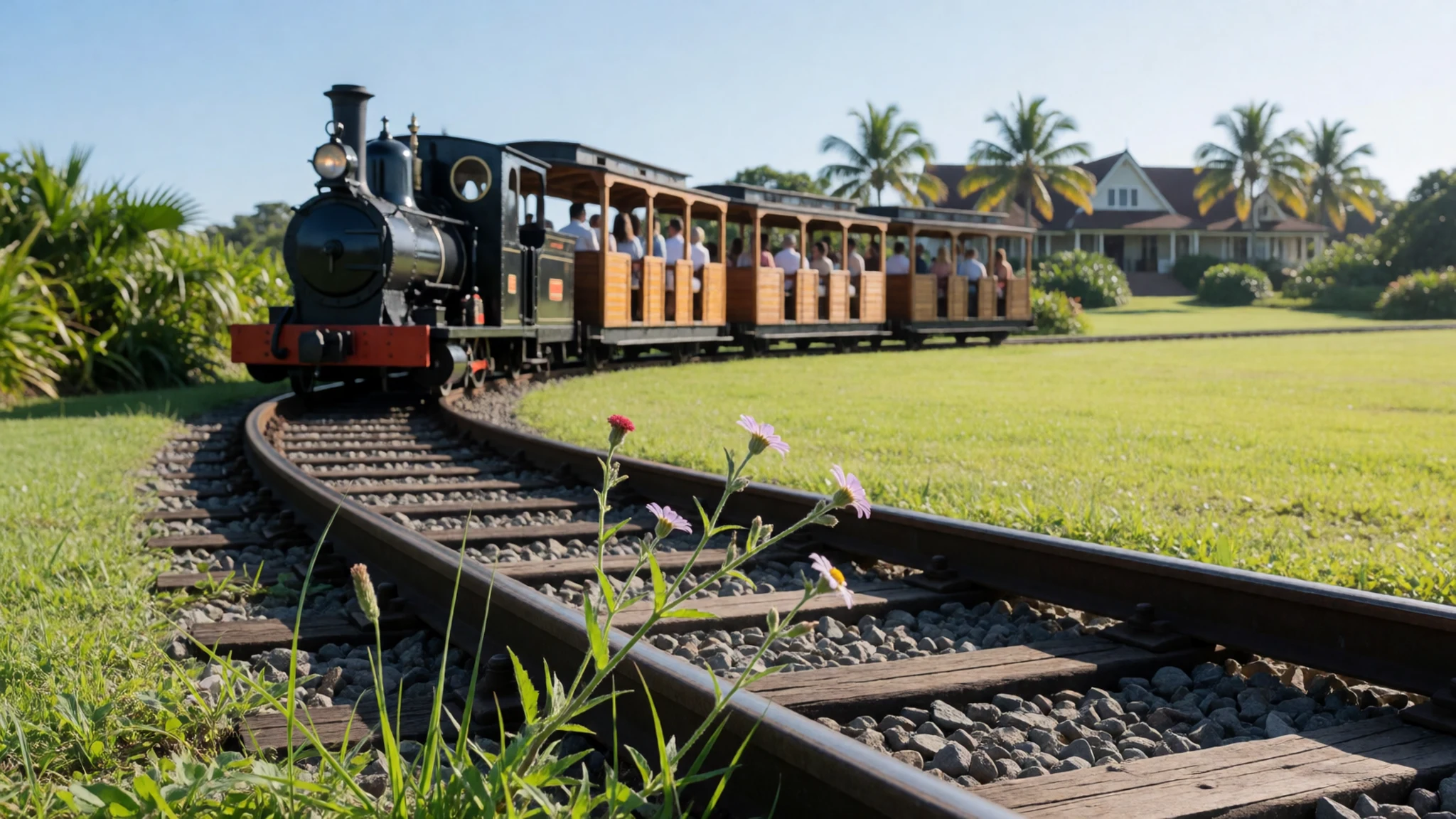
- The heritage railway — Estate grounds
A short narrow-gauge railway runs across the estate, finished by the end of 2018. It suits families and anyone tired of walking in the sun, and it gives views over cane fields and the rolling land towards the coast. Operating days change, so confirm the schedule before relying on a ride.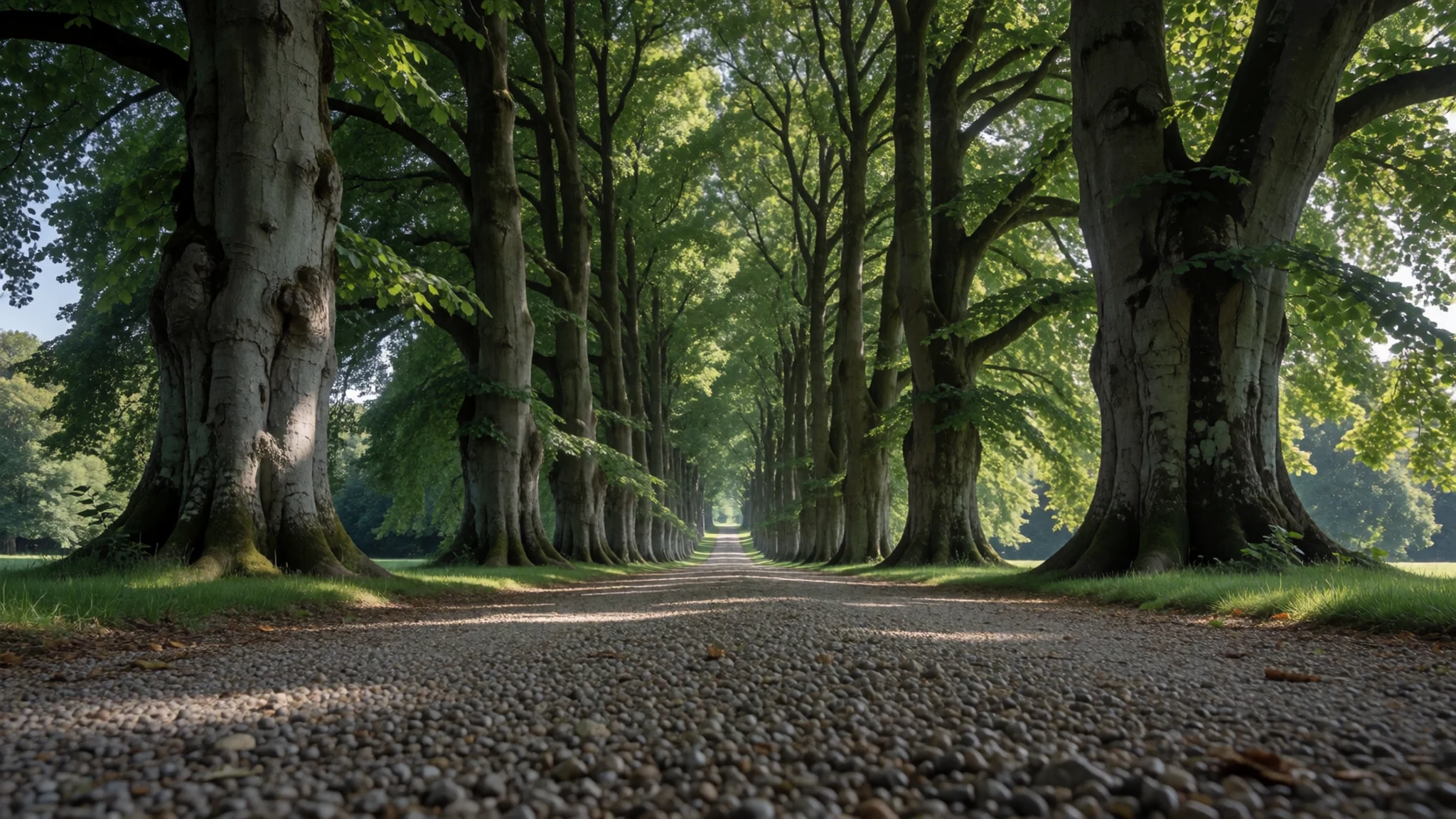
- The mahogany avenue and Cherry Tree Hill — Road approach, Saint Peter
Sir John Gay Alleyne's mahogany avenue is a line of tall trees that makes a shaded approach by road, and it leads towards Cherry Tree Hill. The hill gives a wide view over the island's east side. It is a pleasant stop on the drive, best taken when the afternoon light softens.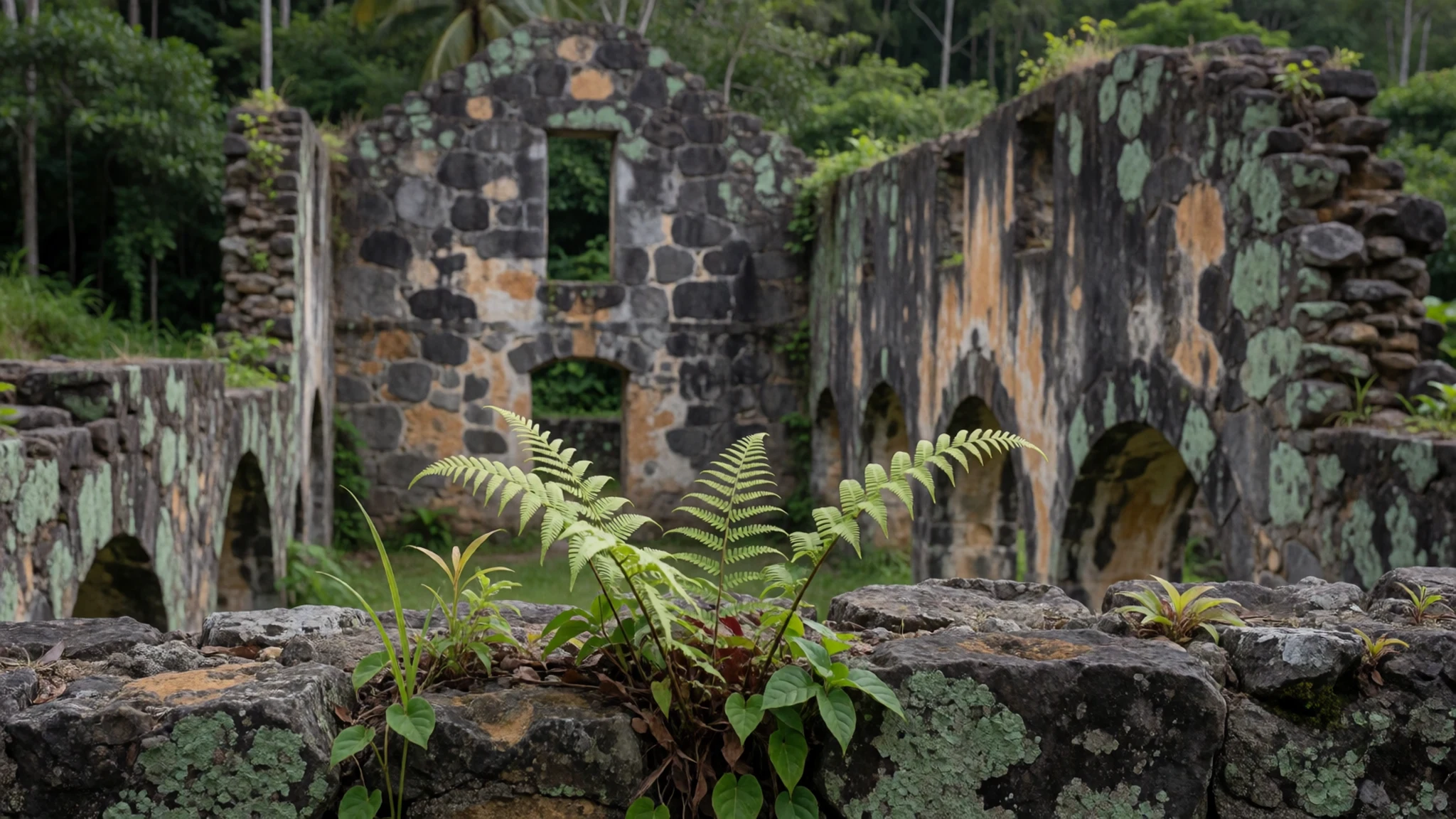
Culture
St Nicholas Abbey is best understood as a place where English taste and Caribbean labour met, and Barbadians tend to hold both halves of that in view. The house is Jacobean, the fashion of an English court. The wealth that paid for it came from sugar, grown and cut by enslaved African people under a system that shaped almost every family on the island. Tours here are generally honest about this, and the better guides will mention the workers as readily as the owners. Today the estate is privately owned by a Barbadian, which gives the story a modern twist: a local architect restored a colonial house and runs it as an enterprise that employs islanders. The rum connects to a wider Barbadian identity too, since the island is closely associated with rum-making and takes pride in the craft. Cricket, church on Sundays and a relaxed but courteous manner of greeting are part of everyday life, and the same courtesy is expected of visitors. Expect a polite good morning or good afternoon from guides and staff, and return it before asking a question. History here is not a backdrop for photographs. Visitors should treat the former working areas with the same respect as the drawing rooms, and should ask a guide before photographing any other visitors or staff, rather than assuming it is fine.
What to wear
Barbados has no single national costume that most people wear day to day, but there is a traditional dress of the island worth knowing. Historically, women's folk dress drew on West African and British influences, with headwraps and full skirts in cotton, often in madras-style checks or bright prints. Such outfits now appear mainly at festivals, on national days and in cultural performances, especially around the Crop Over season. In daily life, Barbadians dress neatly and lightly. Linen and cotton shirts, dresses and tailored shorts are common, and office workers lean towards smart-casual even in the heat. Church clothing is dressier, and many people keep that habit for formal occasions. For a visit to St Nicholas Abbey, a visitor should plan for sun and uneven ground. Light, breathable cotton or linen is the best choice, with a hat, sunglasses and sunscreen for the lawns and the cane fields. Comfortable closed shoes or flat sandals suit the stone paths, the distillery floor and the railway platform better than heels. Swimwear belongs on the beach, so cover up when leaving the coast for a heritage site. The house itself has no strict dress code, but modest, tidy clothing fits the setting. Carry a light layer, since interiors can be cooler than the grounds.
What to eat
- Cou-cou and flying fish — Local eateries and fish-frying spots on the coast
Barbados's national dish pairs steamed flying fish with cou-cou, a smooth cornmeal and okra mash. The fish is usually cooked in a spiced tomato-based sauce. It is worth trying at least once, and it is easiest to find at local eateries across the island.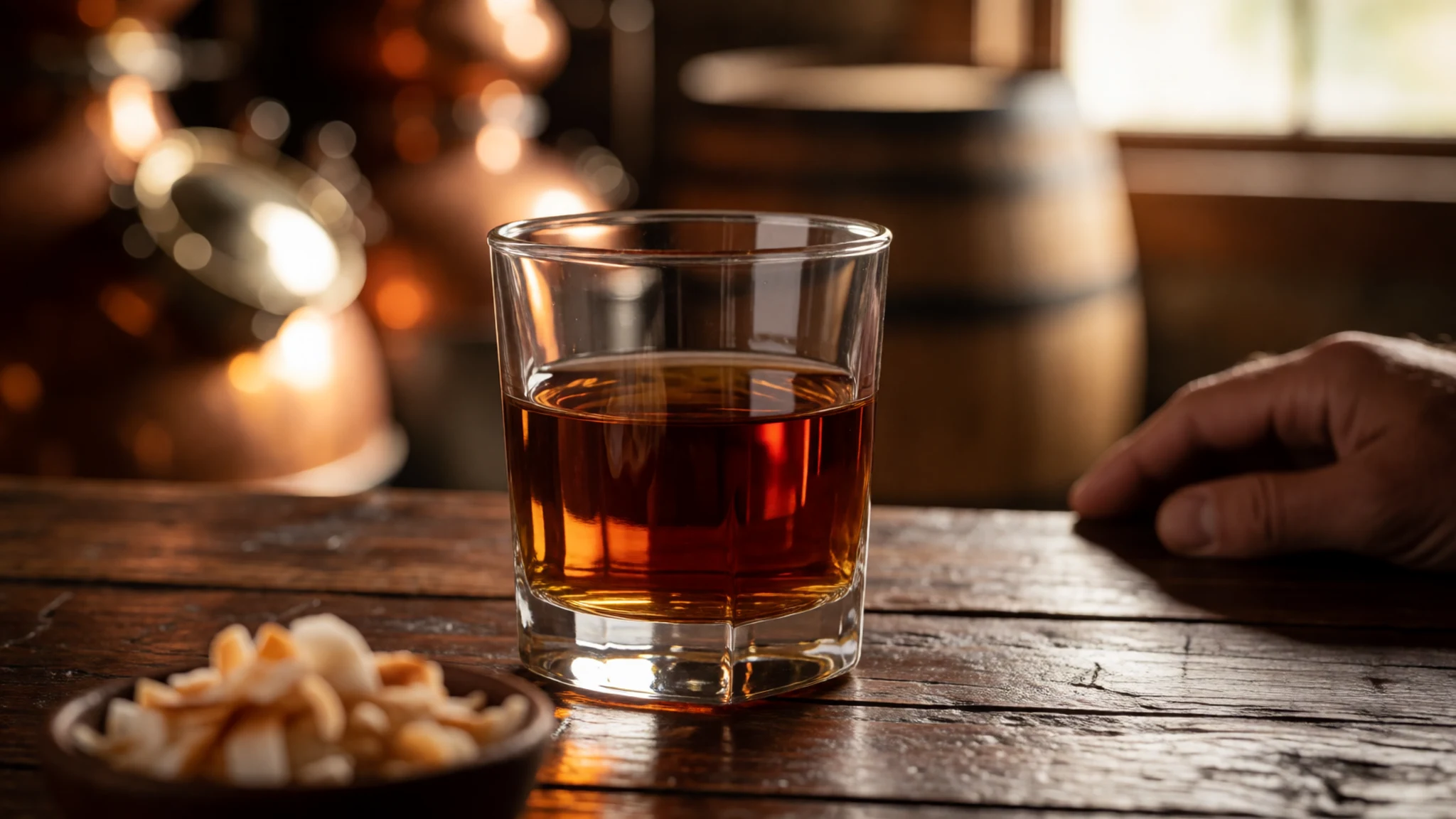
- Fish cakes — Roadside stalls and snack shops
Salt-fish cakes are fried until golden, with onion, herbs and a little pepper in the batter. They make a quick, cheap snack and are often eaten in a bread roll. Look for them at roadside stalls and small snack shops.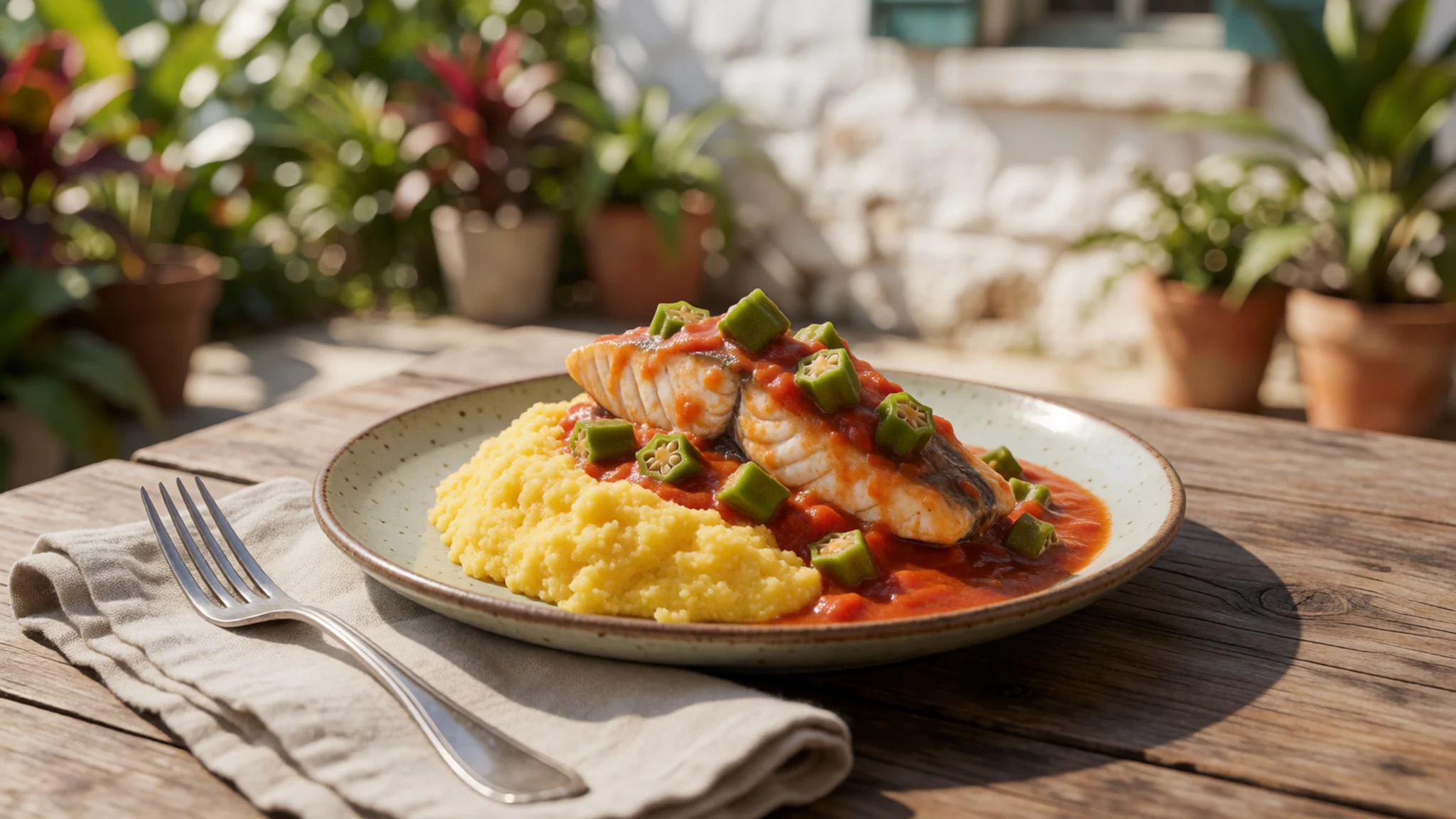
- Pudding and souse — Village rum shops and local eateries, mostly on Saturdays
A Saturday tradition, this pairs steamed sweet potato with pickled pork, sharpened with lime, cucumber and hot pepper. It reads strangely on paper but works well in practice, with a balance of sweet, sour and heat. - Macaroni pie — Lunch counters and local eateries
A baked macaroni and cheese, firm enough to slice, with a browned top and a hint of mustard. It sits on most Barbadian lunch plates beside rice, salad or fried chicken, and is a reliable choice for vegetarians. - Rum and rum punch — The estate distillery and beach bars across the island
Barbadian rum is the island's signature drink, and the estate's own distillery is a natural place to taste it. Rum punch, the classic island mix of rum, lime, sugar, spice and water, appears in bars everywhere.
Plan it
Best time. December to April is the drier, cooler part of the year, with steady trade-wind breezes and less rain for walking the grounds. June to November is wetter and hotter, and it overlaps with the Atlantic hurricane season, so check forecasts before booking.
How long. Half a day to 1
Getting there. Fly into Grantley Adams International Airport, on the south coast. St Nicholas Abbey is in the north, so the last leg is by hire car, taxi or organised tour, with the journey taking a good part of an hour. Local buses run on the island, but a car or driver is easier for reaching the estate.
Budget. mid
Tips
- Go in the morning, before the heat builds and before tour groups arrive
- Check the official site for opening days, tours and ticket options before travelling
- Carry water, a hat and sunscreen, since much of the visit is outdoors
- Combine the visit with Cherry Tree Hill and the north-east coast to make a full day
- Bring a card and some cash, as small shops and roadside stalls may not take cards
Etiquette
- Greet guides and staff politely before asking questions
- Ask before photographing other visitors or staff
- Treat the former plantation buildings with respect, as they are a site of painful history
Nearby
Sources
- Wikidata Q17104883 (CC0)
- Wikipedia: St Nicholas Abbey (rev 1362468978) (CC BY-SA 4.0)
- Wikivoyage (CC BY-SA 4.0)
- Photo 01: St Nicholas Abbey (Pontificalibus) (CC BY 3.0)
- Photo 02: Dining room (Jerrye and Roy Klotz MD) (CC BY 3.0)
- Photo 03: Rum distillery (Hiltrud Trottenberg) (CC BY-SA 4.0)
- Photo 04: Rum distillery (Hiltrud Trottenberg) (CC BY-SA 4.0)
- Photo 05: Postcard, The Advocate Stationary Co. (Public domain)
- Photo 06: BB St Nicholas Abbey 1010 (1) (Diego Tirira) (CC BY-SA 2.0)
- Photo 07: BB St Nicholas Abbey 1010 (10) (Diego Tirira) (CC BY-SA 2.0)
- Photo 08: BB St Nicholas Abbey 1010 (11) (Diego Tirira) (CC BY-SA 2.0)


