Windward Islands
Windward Islands, Barbados
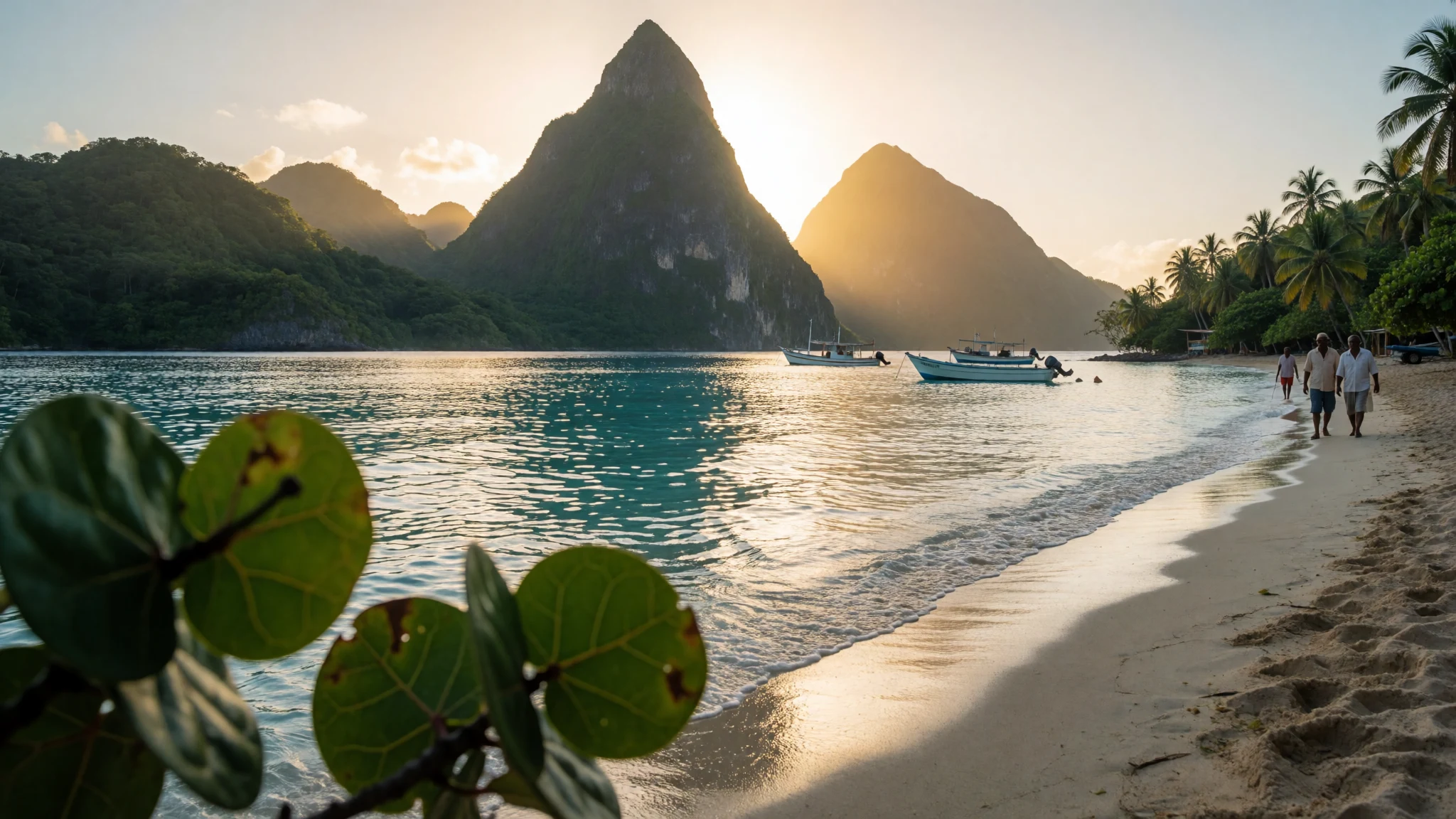
Windward Islands offer rugged volcanic topography and vibrant, diverse cultures across the eastern Caribbean.
The place
The Windward Islands form a significant archipelago within the Lesser Antilles, stretching across the southeastern Caribbean Sea where the Atlantic meets. Situated roughly between latitudes twelve and sixteen North, and longitudes sixty and sixty-two West, the island chain extends from Dominica in the northern reaches down to Trinidad and Tobago in the south. They lie south of the Leeward Islands and east of the Leeward Antilles, creating a natural corridor towards the continent. The group constitutes a collection of generally larger islands that remain distinct yet geographically connected by shared maritime currents and wind patterns. Among this collection, some are sovereign states, while others remain territories of larger nations. Dominica was originally considered part of the Leeward group but was transferred to the Windward jurisdiction in 1940. Previously, the colonial administrative area included Barbados and Tobago, though these are no longer part of the modern definitional grouping. The highest peaks in this region rise to 1,467 metres above sea level, creating lush, water-shedding ecosystems. Rainforests cover the interior slopes of the volcanic terrain, contributing to a landscape that shifts rapidly from coastal wetlands to cloud-forested summits.
Its story
The name Windward carries the logic of the sailing era, referring to the upwind side relative to the prevailing easterly trade winds. European mariners navigated downwind from the Atlantic, which meant that islands further north and east were 'light-wind' or Leeward. The chain to the south presented a cross-wind or upwind position for their return journeys, embedding these directional terms into the region's administrative titles. This geographic division stuck, transitioning from maritime shorthand into the formal names of British colonial jurisdictions. From 1833 to 1960, the British Windward Islands were a single administrative colony encompassing Dominica, Grenada, Saint Lucia, and Saint Vincent. Much later, these territories achieved sovereignty, with Saint Vincent expanding to encompass its smaller outer islands. The British colonial footprint left physical monuments, but also defined the cultural mosaic of the region. The islands became a crucible for diverse migrations, including the forced transport of enslaved people from the West African coast. This history is woven into the language, culinary practices, and social structures that define the region, shaping a contemporary culture that is deeply blended yet uniquely local to each specific island.
What to see
- Morne Trois Pitons National Park — Dominica
This National Park represents a distinct and dramatic section of Dominica's volcanic profile. It is a protected area of the Lesser Antilles, hosting a range of geological formations including boiling fonts, sulphur pools, and the famous Blue and Emerald Lakes. Visitors can wind their way through rugged trails that lead to natural hot springs where the mist of heated water provides a cooling reprieve from the coastal heat. The park is a sanctuary for several species of nature and fauna, offering a raw and unaltered glimpse into the geological volatility that shaped this specific corner of the Antilles chain.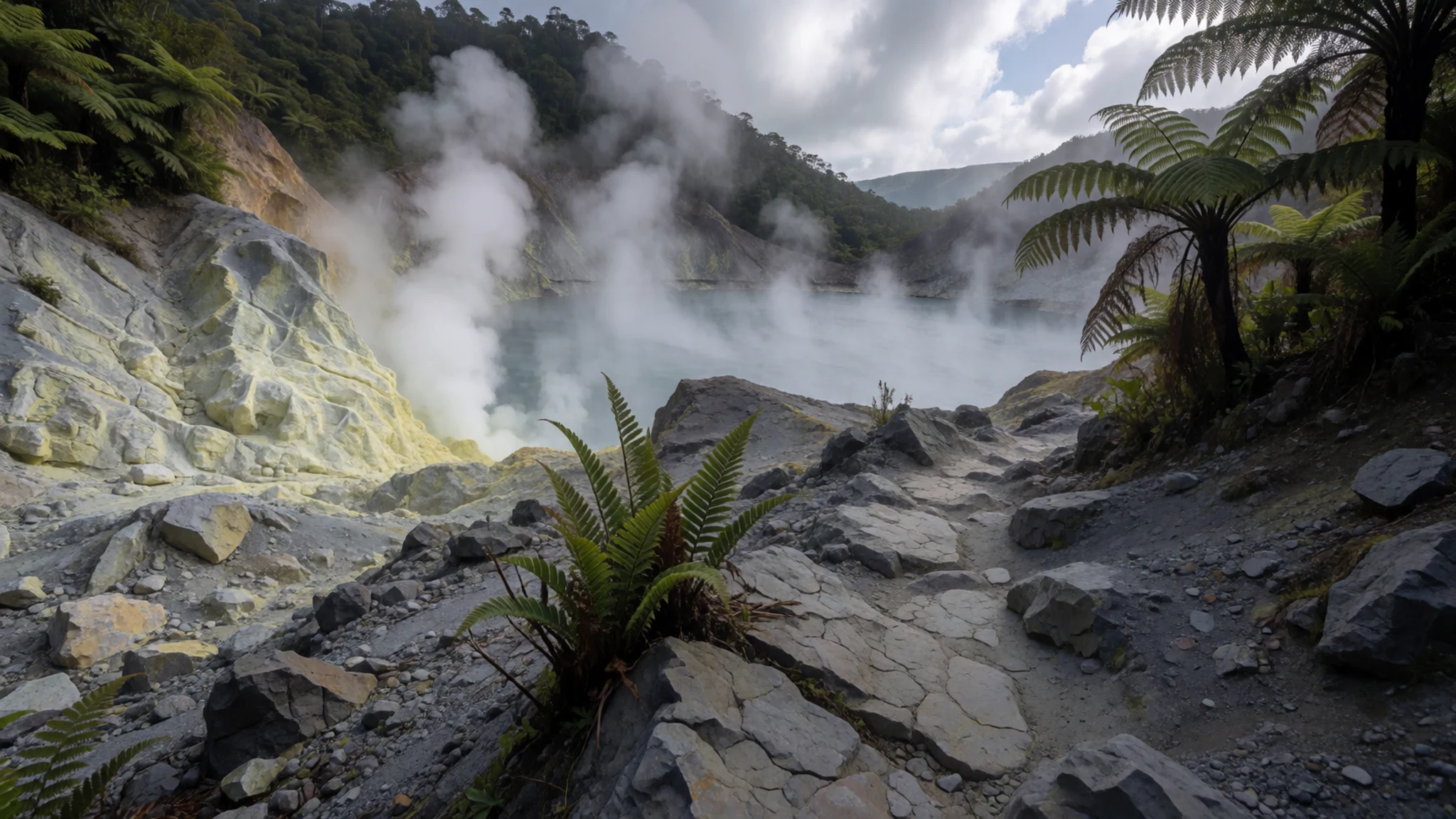
- Guadeloupe National Park — Guadeloupe
Guadeloupe's National Park spans the volcanic range of the southern 'basse-terre' island. The landscape features a dense, tropical rainforest that climbs from the coastal zones to the crater of the La Soufrière volcano. Trails through the park offer views of waterfalls and vast expanses of cloud cover, providing a constant shift in temperature and humidity. The park is a dedicated protected area, and its altitude makes it a cooler refuge from the island's otherwise consistent heat. The biodiversity within the park is remarkably high, with specific species of flora and fauna unique to the high-altitude zones of the Lesser Antilles.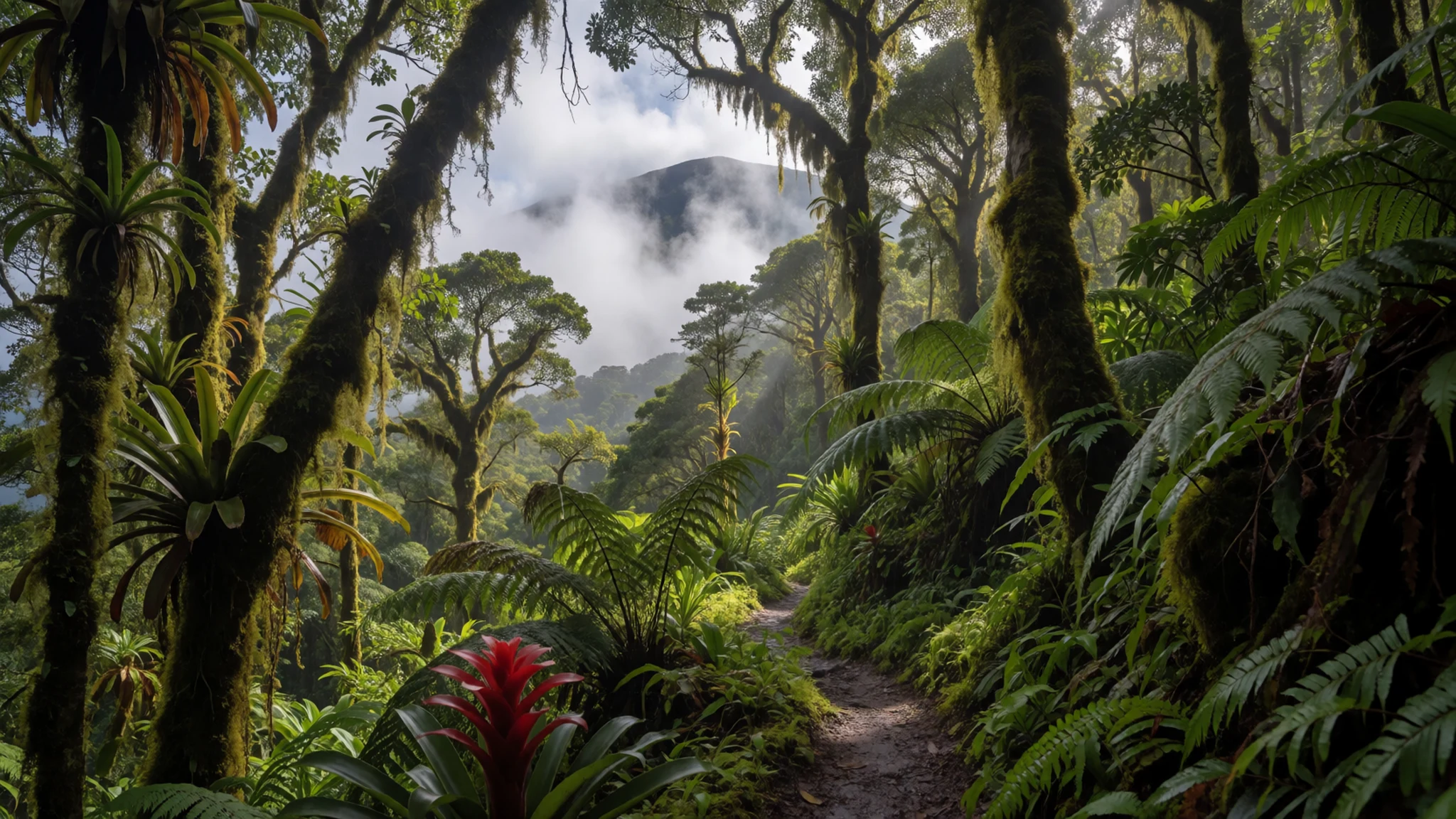
- Western Sheltered Reefs — Western Caribbean coast
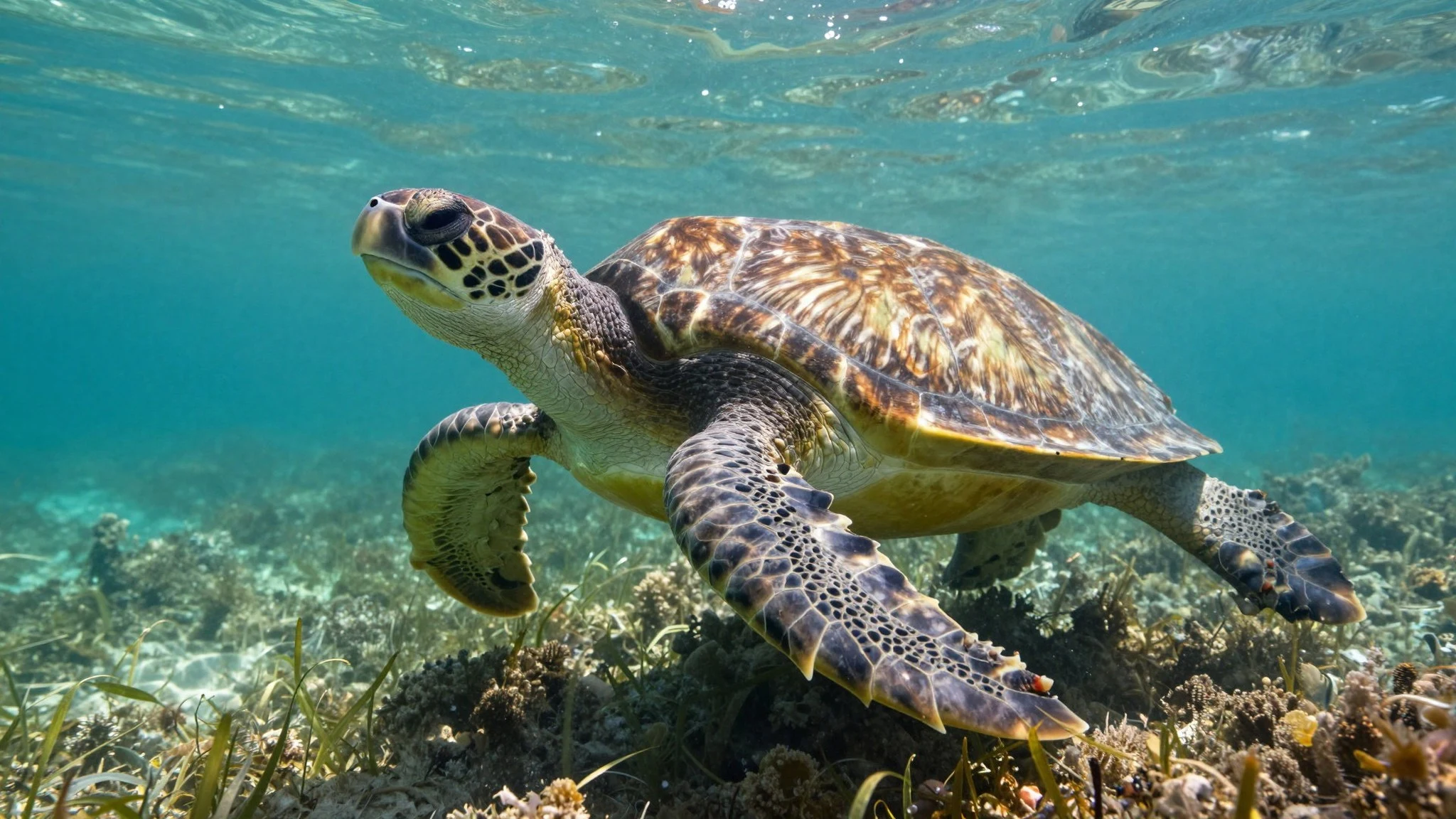
The western coasts of the Windward Islands provide a calm, protected buffer against the open Atlantic. This orientation makes the reefs ideal for scuba diving and snorkelling, with visibility reaching deep into the turquoise azure. Dive shacks and local outfitters along these shorelines offer training, equipment, and guided boat rides into the coral formations. The shallower areas are also inhabited by a variety of marine fish and sea turtles. The water quality is generally excellent due to the islands' small or non-existent industrial footprint, ensuring the ecosystem remains robust. The reef systems are the primary draw for many independent visitors who wish to explore beyond the beach sand.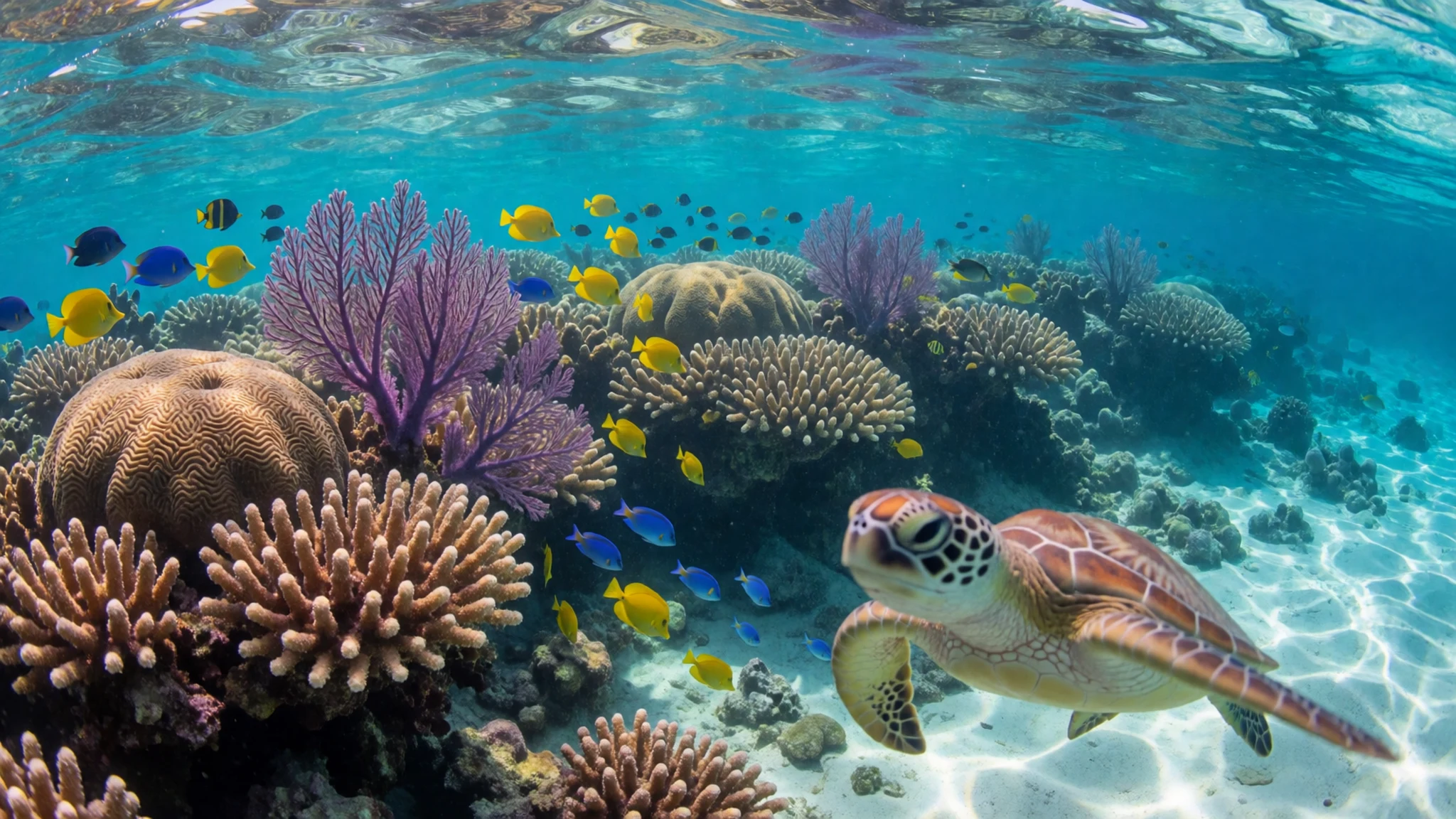
- Southern Surf Coastlines — Southern Caribbean coast
While the western coasts are quiet, the southern shores of many Windward Islands face the direct force of passing swell. These areas are favoured by surfers and windsurfers seeking consistent conditions. The waves here are less relaxed than the calm bays, and the water can be significantly deeper and colder in the cold season. There are many unmarked spots along these coasts where the wind and waves interact to create reliable lines of water. Local knowledge is often required to navigate the specific topography of the rocky reefs that break the long-distance swell.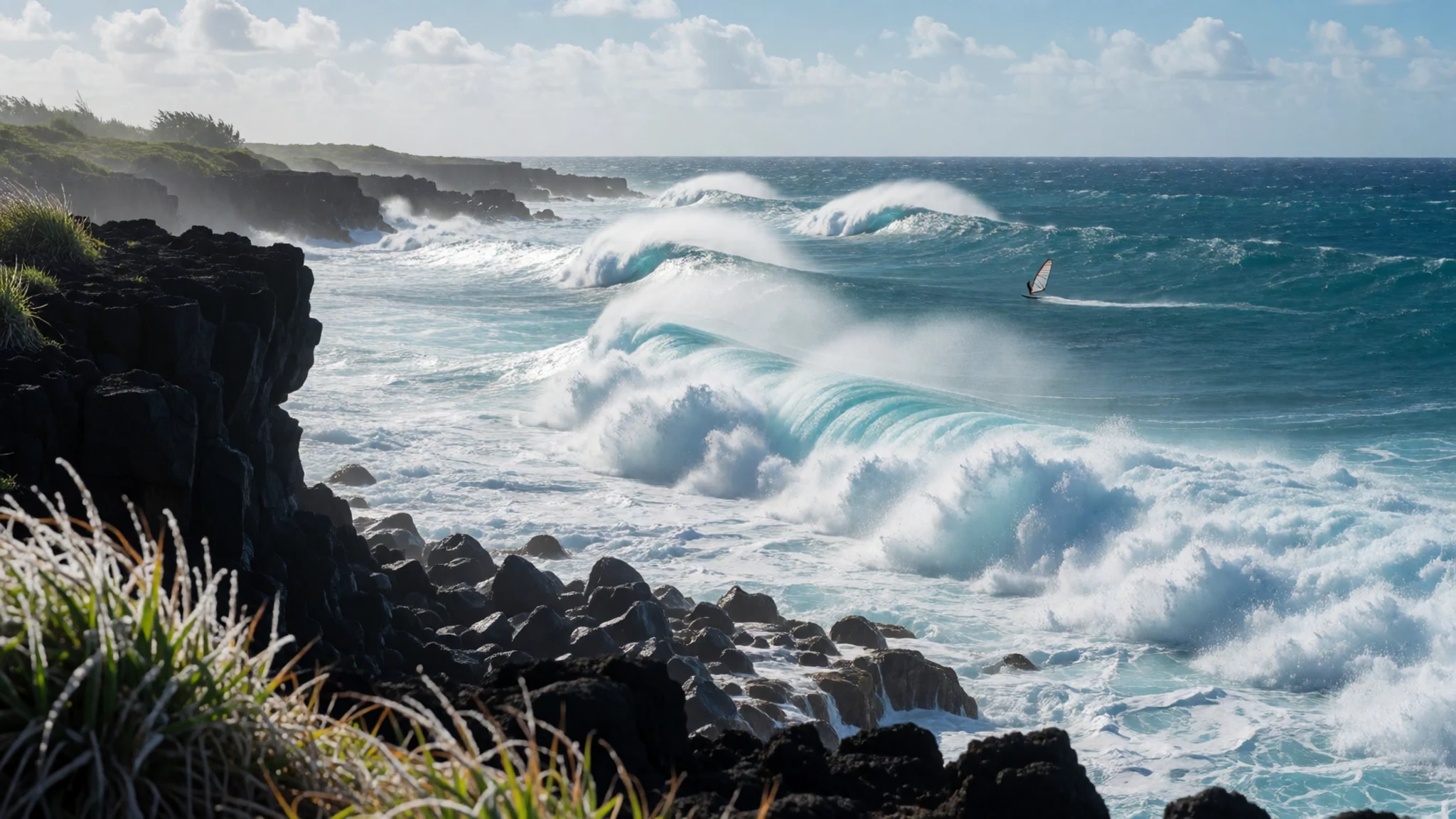
- Historic Fortifications — Various island towns
Scattered across the islands, particularly in Grenada and St. Lucia, are remnants of the colonial-era fortifications. These stone structures, often perched on dramatic coastal cliffs, reflect the strategic importance of the islands in the 18th and 19th centuries. Some of these forts offer sweeping panoramic views of the surrounding bay and the distant silhouettes of neighbouring islands. The ruins are often accessible from the main towns, providing a concrete link to the maritime and military past of the Antilles.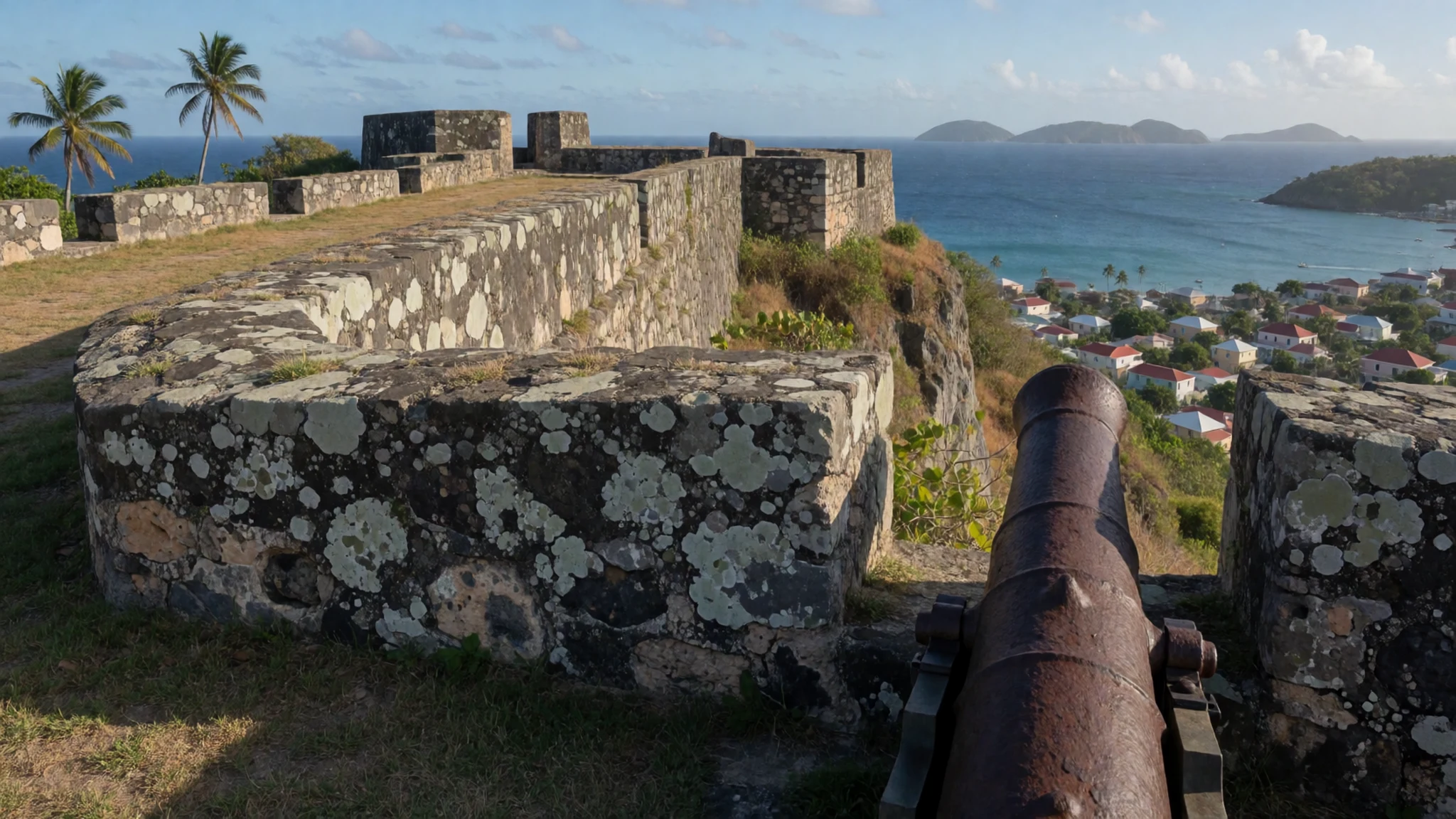
Culture
The Windward Islands possess a culture that is both celebrated and deeply rooted in the region's complex histories. Music and dance are central to public life, manifesting in the drum-based traditions of soca, calypso, and steelpan, which have become globally recognised symbols of the Caribbean. Jazz and traditional folklore are often blended with these popular styles in the square dances and street festivals that happen across the islands. The social fabric of the islands is characterised by a strong sense of community, where the boundaries between formal and informal life are often thin. Local cooking is a social event, and the flavours of the region are the result of African, European, and Indigenous ingredients merging over centuries. Inter-island travel is intimate, and a visitor can spend a week on one island and spend another on a neighbour, experiencing subtle but distinct shifts in dialect, cooking styles, and festive customs. The sense of history is always present, from the colonial architecture to the oral traditions that preserve the memory of the archipelago's past. In the Windward Islands, visitors should dress modestly when entering rural or religious areas, as the local community takes care of its traditions and customs.
What to wear
Traditional dress in the Windward Islands is deeply tied to local festivals and religious observances. Bright, flowing fabrics, often derived from traditional African-inspired weaves, are worn for celebrations like Mas. Cotton and lightweight linen are the standard choices for everyday life, chosen specifically to combat the intense tropical heat and high humidity. White linen shirts are a staple in coastal towns, while dark or earthy colours are common in agricultural regions where the sun is a constant presence. Locals dress for movement, favouring sandals and lightweight streetwear. For the visitor, the essentials are a light, breathable layer that allows for the daily rhythm of the islands. Footwear should be practical; sturdy sandals or breathable shoes are necessary for the rougher coastal trails and the uneven concrete of the towns. If visiting religious sites or traditional ceremonies, clothing should be respectful and cover the shoulders and knees, reflecting the cultural norms of the region.
What to eat
- Callaloo — Traditional island cookhouses
A staple in many islands of the Windward group, this dish is a thick, hearty soup or stew. It typically features collard greens or chadon, pigeon peas, and a variety of other vegetables cooked in a coconut milk base. It is often served with rice and salt fish, and it provides a grounding, nutritional centre for the meal. The coconut milk gives the dish a rich, aromatic quality that distinguishes it from other Caribbean stews.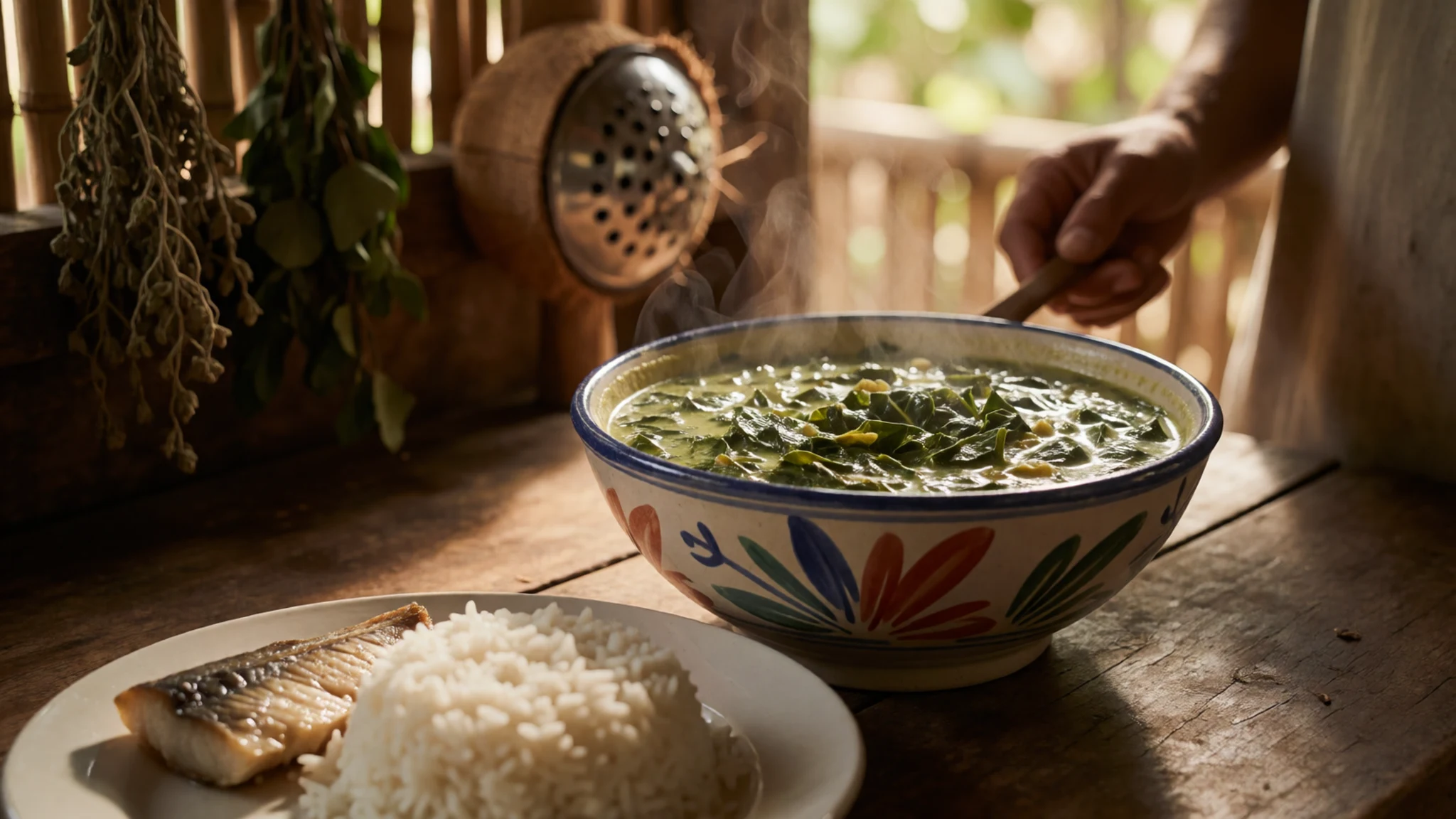
- Trout — Highland rivers and streams
While primarily a coastal region, the highland streams of the Windward Islands, especially on Dominica and St. Lucia, host the local freshwater trout. These fish are often grilled or cooked with a variety of fresh herbs. The water running through the volcanic peaks provides a cold, clean environment for the fish, making their flavour distinct from the saltwater catch. It is a sought-after meal for any visitor exploring the interior.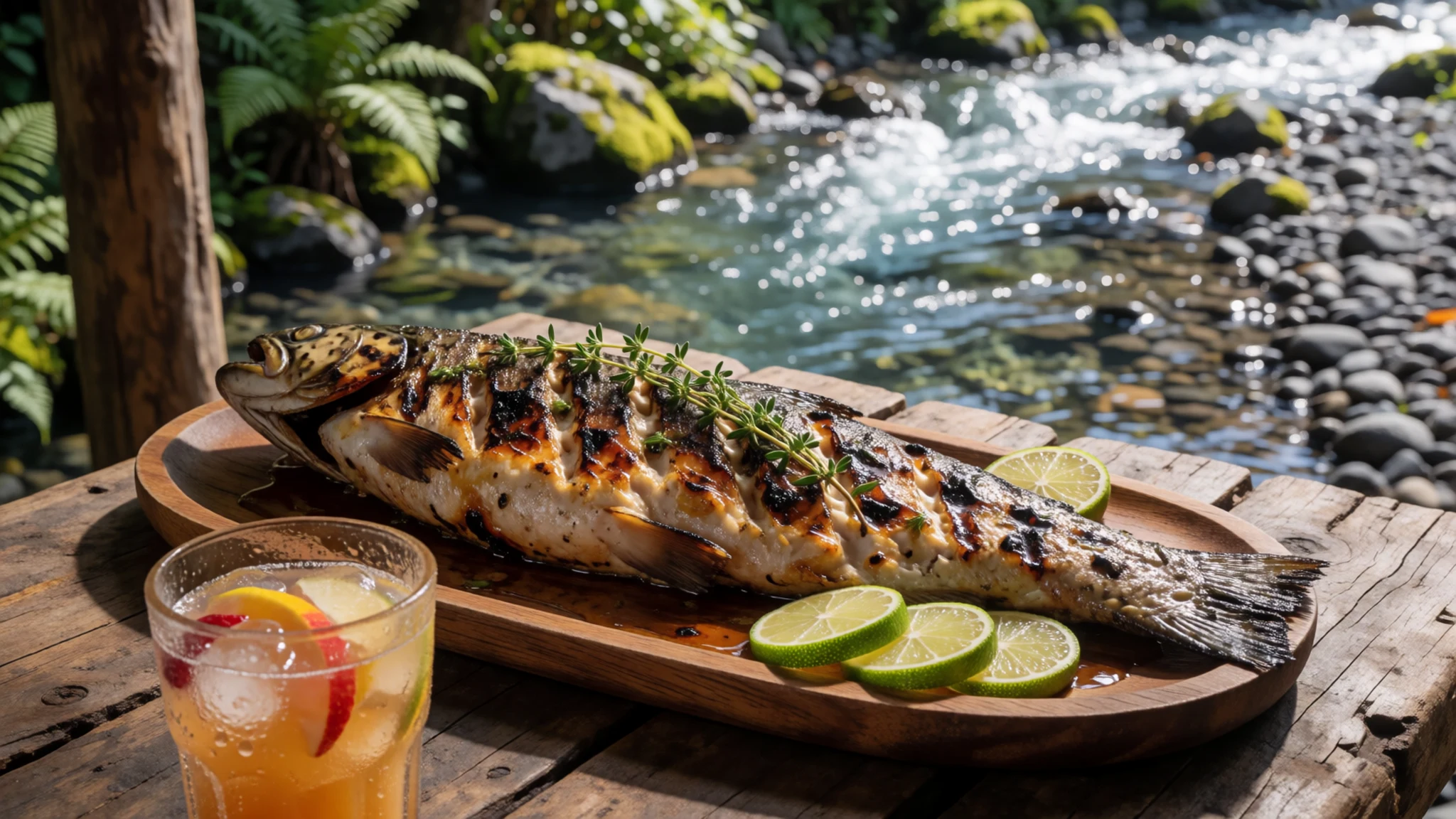
- Fried Dumplings — Island markets
These are not the same as the Asian dumplings, but a unique local creation. Flours are mixed with spices and then formed into cylindrical loaves that are deep-fried until they are golden and crispy. They are a popular side dish or a hearty snack. The spices used in the filling often include chilli, garlic, and thyme, giving them a punch that complements the heavy starch. - Tropical Fruit and Curry — Locally grown farm markets
The region's agriculture produces an abundance of fruits like mangoes, guavas, and pineapples. These are often combined or used as a base for a variety of curries. The sweetness of the fruit balances the heat of the spices, creating a complex profile that is entirely unique to the Caribbean. Local vendors often sell these fresh fruits directly from the farm.
Plan it
Best time. February and March for the driest, most comfortable temperatures. The period from May to November is the hurricane season, with increased rainfall and potential for storm disruption.
How long. 3–4 for a multi-island trip
Getting there. Fly into the main airports of the Windward Islands, or use regional hubs in larger countries. Inter-island ferries are used to move between the smaller islands in the Windward group.
Budget. mid
Tips
- Use a reputable tour operator for multi-island trips, as direct flights between small islands are limited.
- Pack light, breathable clothing and sturdy footwear for exploring the highland trails.
- Learn a few local phrases in Patois, as it is often the primary language used in rural areas.
- Do not forget to protect your skin; the combination of sun and humidity can be particularly harsh.
- Stay in small, independent accommodations to support the local hospitality sector.
Etiquette
- Do not step onto private land without permission, as nearly all the islands are divided into distinct property lots.
- Respect local landmarks and archaeological sites, which are a reminder of the region's complex past.
- Always wash your hands and face before eating with your hands, as this is a standard practice in many local cultures.
Nearby
Sources
- Wikidata Q183416 (CC0)
- Wikipedia (rev 1364345392) (CC BY-SA 4.0)
- Wikivoyage (rev 5375962) (CC BY-SA 4.0)
- Photo photos/01-antilles-divided-with-red-lines.jpg (CC BY 3.0)
- Photo photos/02-caribbean-general-map.png (CC BY 3.0)
- Photo photos/03-fuerza-de-tareas-137-1962.jpg (CC BY-SA 4.0)


Wildlife
- Green sea turtle (animal)
The green sea turtle is a big sea turtle that eats only seagrass, and it is named for the green fat under its shell, not for its olive-to-black back. Sea turtles live in the shallower waters around Barbados, though we cannot promise which season or time of day is best, so ask a local guide. Watch from a good distance, stay quiet and calm, and never feed it. Let it go about its day undisturbed.