Barbados
Barbados, Barbados
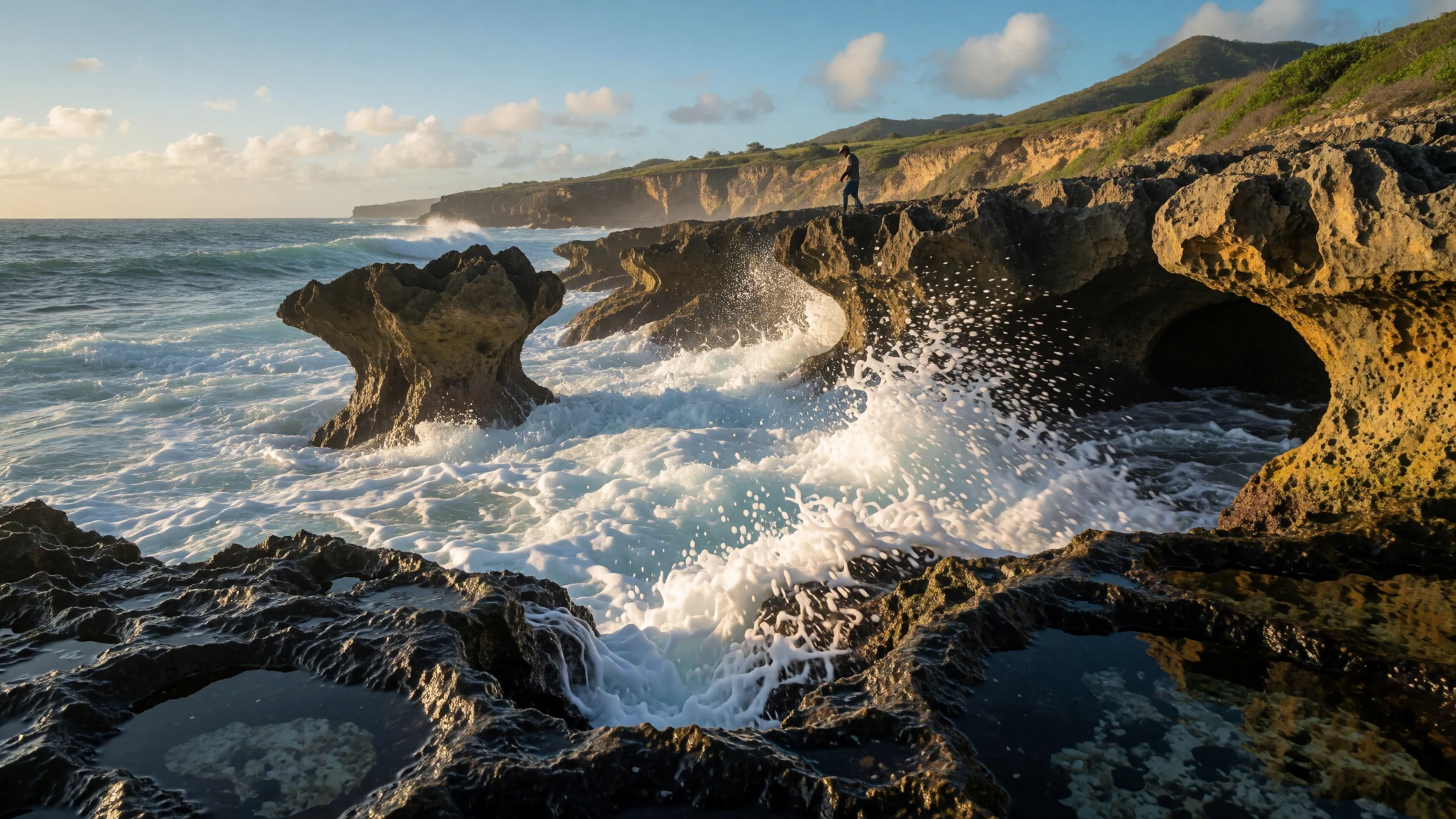
Barbados is a small Caribbean island of Atlantic surf, coral beaches, plantation houses and a Bajan culture of its own.
The place
Barbados is an island country in the south-eastern Caribbean, the land in that region set furthest to the south and furthest to the east. Bridgetown serves as the capital, and it is the biggest city. The population is 303431. It stands where the South American plate meets the Caribbean plate, and the land itself is lifted limestone: old reefs now form inland terraces, and caves thread the rock. Coasts do not match. The west and the south hold the calmer swimming beaches, long sand apart from Crane Beach. The east faces the open Atlantic, so Bathsheba, in Saint Joseph, is boulders, cliffs and surf rather than a sheltered bay. Inland, the central-eastern country is hillier and less built up, with gardens and former plantation houses. Barbados is both a sovereign state and a parliamentary republic, a single island nation rather than one parish of a larger country. The founding recorded for it is possession in 1625 and settlement in 1627, and English then British rule left the parish names, the capital's grid and the plantation houses still shown to visitors. Daily life draws on West African, Creole, Indian, Portuguese and British roots, and citizens are Barbadians, known in speech as Bajans. Travelers move between the south-coast beach strip, Bridgetown, and the western shoreline up to Holetown and Speightstown, or they head away from that route into the eastern hills. No ferry joins Barbados to other islands, so the country is reached by air, or by cruise ship into Bridgetown's deep-water harbour. The official site for government information is https://www.gov.bb/.
Its story
Barbados began as seabed. Soft rock pushed up from beneath the ocean floor, and the rise has not stopped: the island still lifts by 30 centimetres in each thousand years. Former coral reefs now stand inland, stacked as terraces and cliffs, and the same limestone is full of caves. Human presence is far older than the colonial houses. Archaeological finds allow for early visits, then a more settled Amerindian life in the first millennium, linked with the Saladoid-Barrancoid tradition. Communities of Arawaks later came from South America. The Kalinago, labelled Caribs by the Spanish, visited regularly, though evidence of a permanent Kalinago settlement is lacking. Before European names, the island was called Ichirouganaim. Navigators from Spain, in the late fifteenth century, claimed it for Castile and called it Barbudos, and a Spanish chart showed it in the next century. The Portuguese Empire held a brief claim and abandoned it, having put wild boar ashore so later ships could hunt meat. By then most Indigenous people had been enslaved, killed, or lost to disease. English sailors on the Olive Blossom took possession in the name of the king. A permanent settlement from England followed on 17 February 1627, and the founding year in the facts is 1627. Barbados stayed an English colony and afterwards a British one. Plantation agriculture began with the tobacco estates of the seventeenth century, worked mainly by English and Irish indentured servants, and enslaved African labour became dominant later, with sugar from 1640. That past is not abstract: museum pictures show seventeenth-century planters and enslaved workers, and a Sunday market where people were traded for goods. The grand houses opened to visitors are the domestic face of the same era. Modern Barbados, independent in political form as a sovereign state, still carries this double inheritance of a rising reef island and a society built through African, European and later Indian and Portuguese meeting.
What to see
- Crane Beach — south-eastern coast
Crane Beach, on the south-eastern coast of Barbados, is a long pale strand under a cliff, with surf. It sits on the Atlantic south-east, with cliffs and rough water rather than a sheltered swim. The sand is the reason for the visit. On days when cruise ships fill Bridgetown, coach parties also reach this coast, so the beach is quieter early in the morning.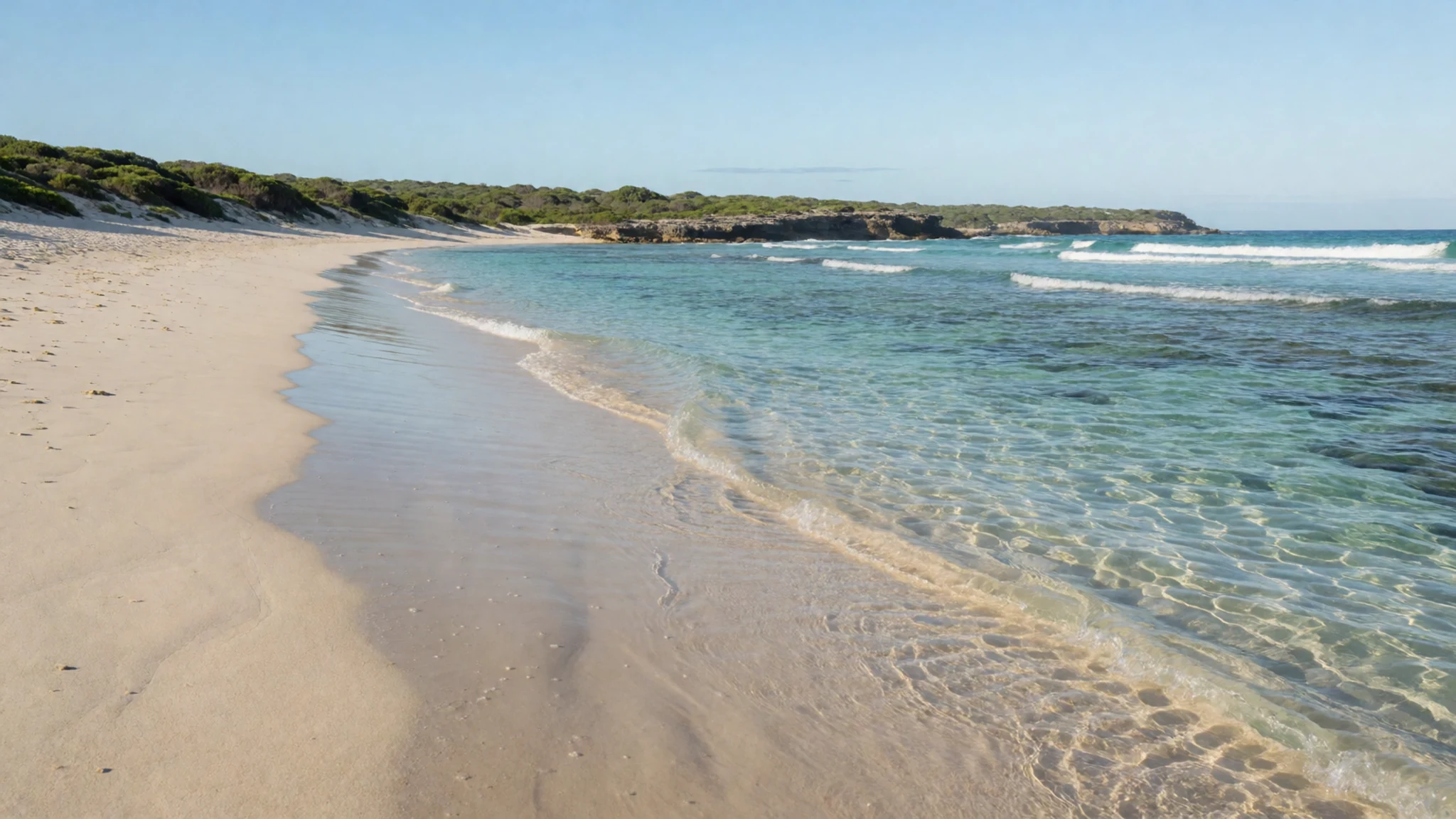
- Bathsheba — Saint Joseph, east coast
Bathsheba, in Saint Joseph on the east coast of Barbados, meets the open Atlantic with boulders, surf and cliffs rather than a sheltered beach. The settlement is small. Coming here is for the rocky walk and the view, not a calm swim. Pictures of the bay show that broken green shoreline. Mornings are the kinder time, before heat builds on the exposed rock.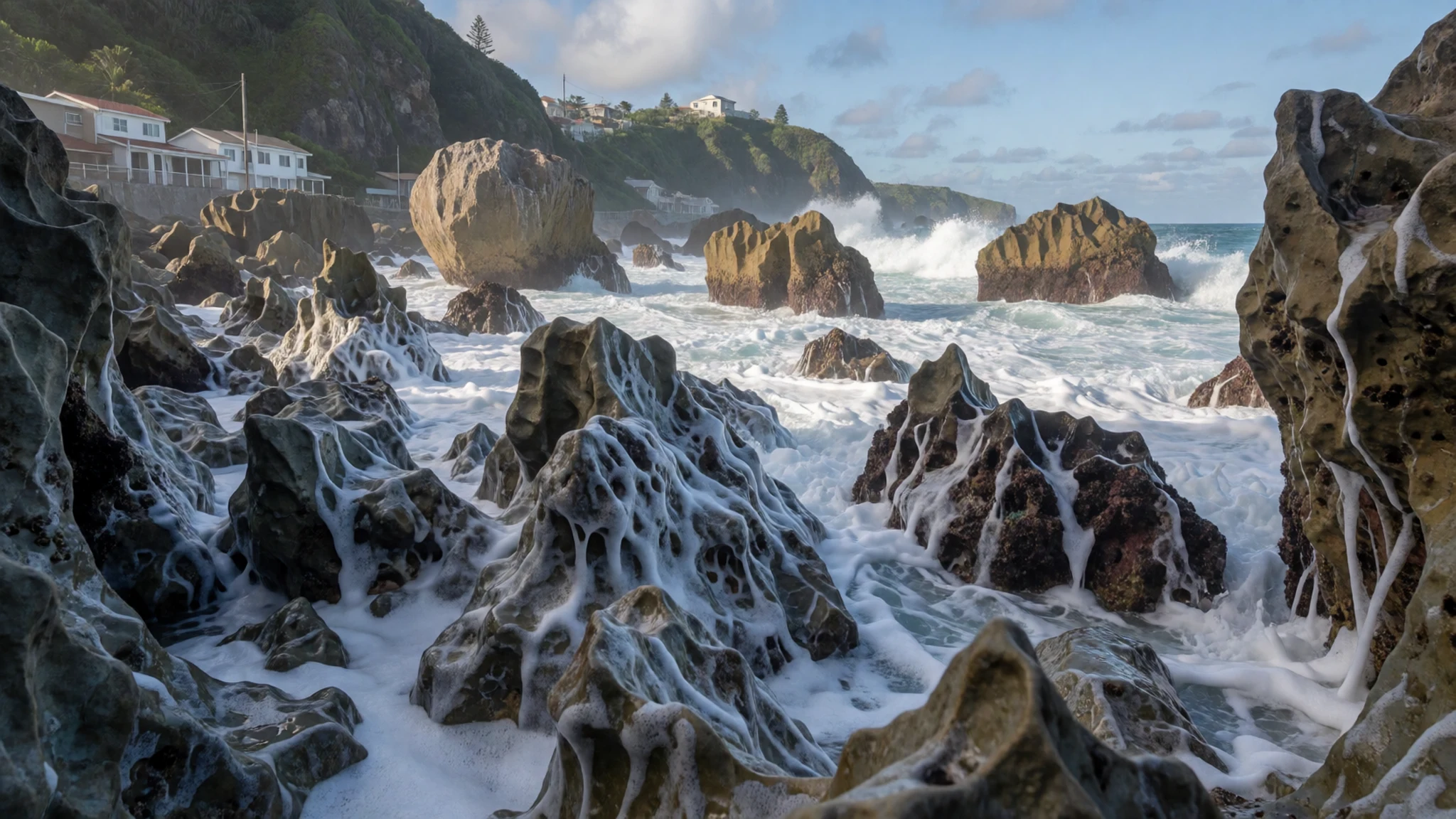
- George Washington House — Bridgetown
George Washington House in Bridgetown, called Bush Hill House, is a Georgian plantation-era home on Barbados that opens to visitors. It is grand rather than vast, and a coach crowded into a bedroom flattens the visit, so the quieter hours fall outside cruise-excursion times. Wildey House in Bridgetown is shown in the same way. A heritage card from home can mean a discount at many of these houses.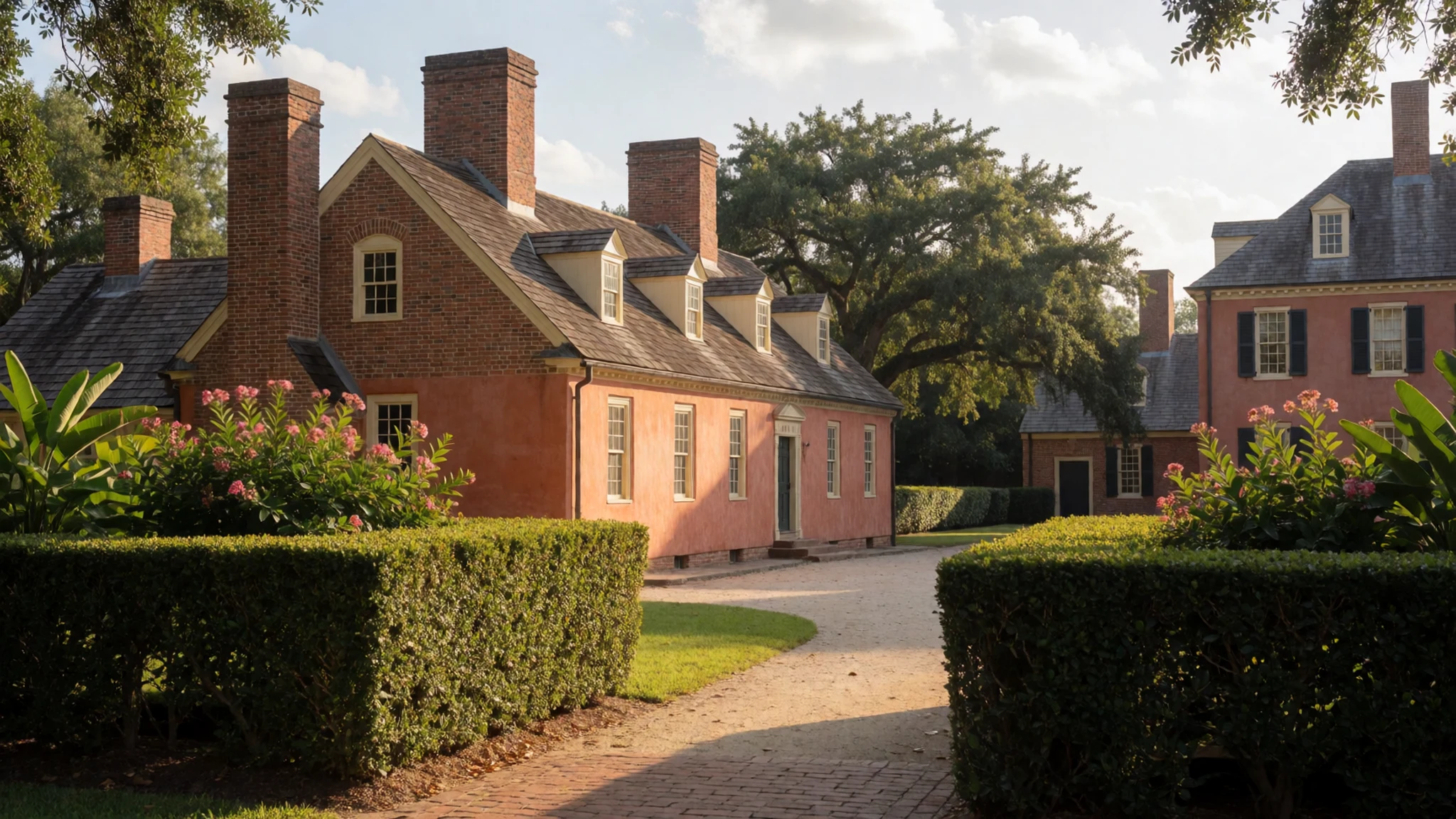
- Botanical gardens — central-eastern Barbados
Andromeda Gardens, Hunte's Gardens, Flower Forest and Orchid World sit in the hillier, less built-up country of central-eastern Barbados. They make a shaded day of paths and planting after time on the coast. The gardens are a different pace from Bridgetown and the beach strip. A heritage card from home is often honoured with a discount. Open lawns are still hot, and some paths are uneven.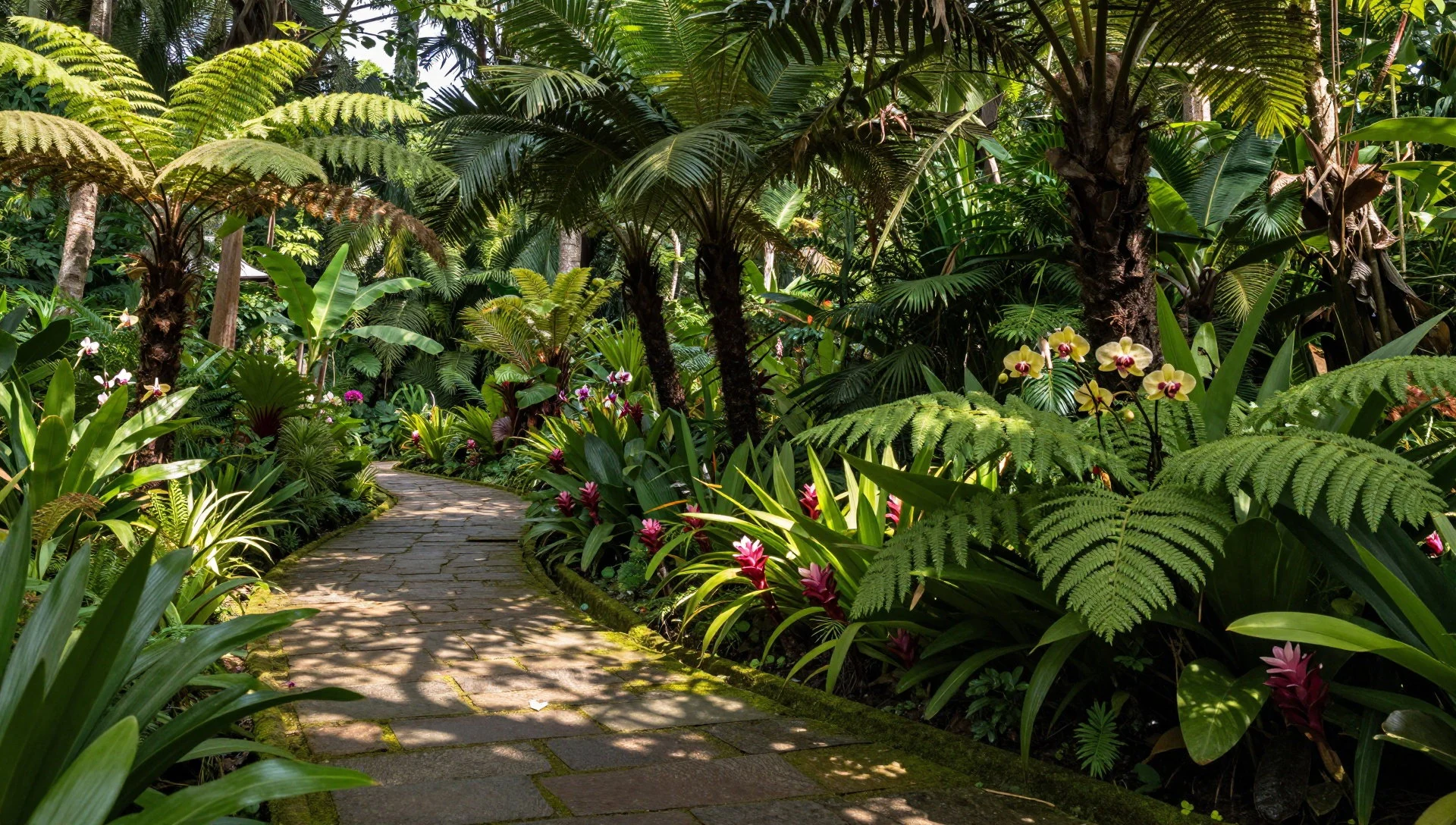
- Sunbury Plantation House and Codrington College — central-eastern Barbados
Sunbury Plantation House and Codrington College, both in central-eastern Barbados, are grand houses beyond Bridgetown that routinely open. They are impressive without being huge, and a cruise group packed into a furnished room spoils them. Other houses open only for special days early in the year. The dates are best checked on the official site, https://www.gov.bb/, before the journey out.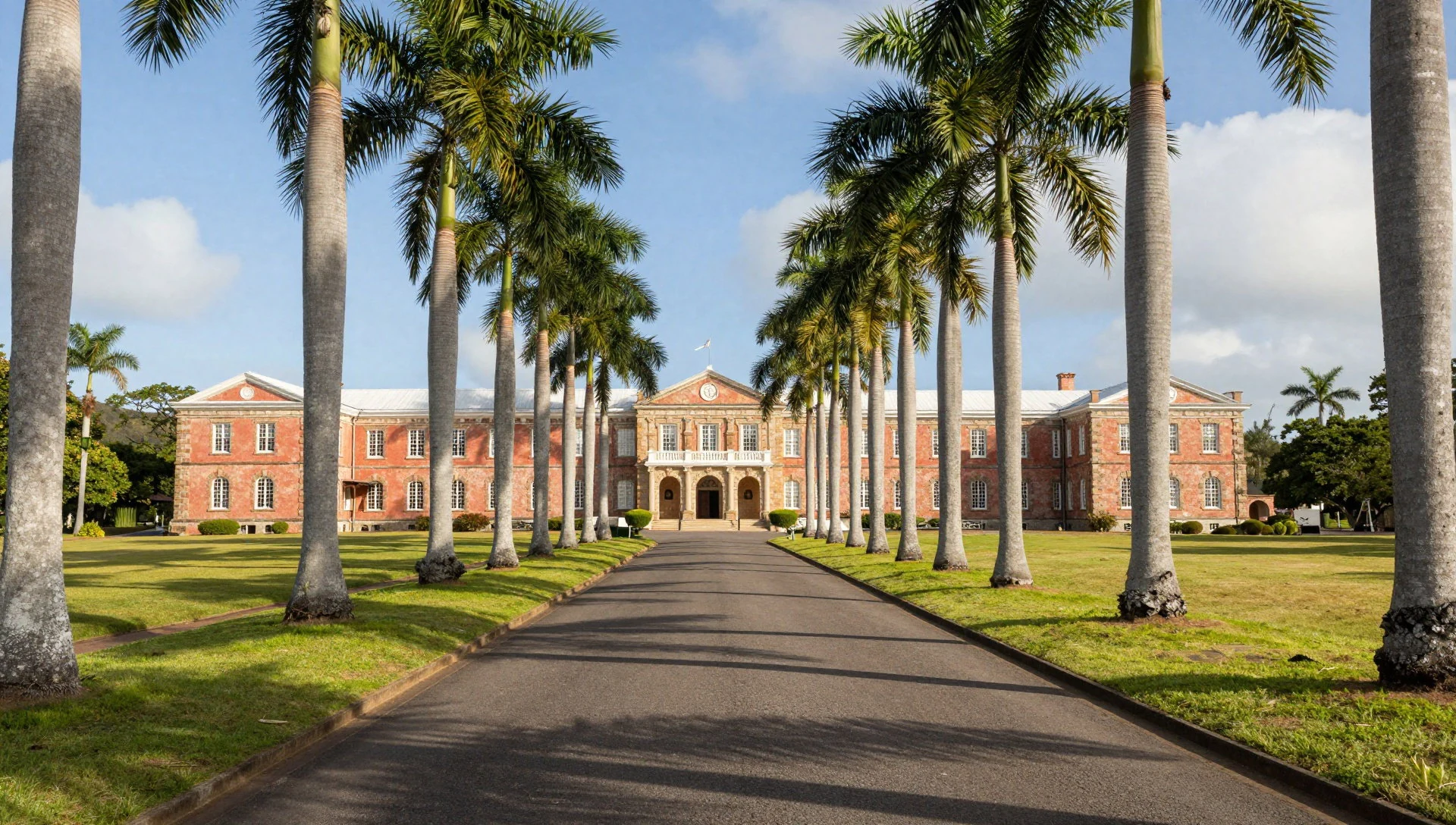
Culture
Barbados mixes West African, Portuguese, Creole, Indian and British cultures in one island society. The formal name for the people is Barbadians, while everyday speech prefers Bajans, a nineteenth-century shortening of an older clipped form, Badian. The name is the one islanders use for themselves, and it carries pride rather than a joke. The great public festival is Crop Over, a harvest celebration first established in the late seventeenth century and later revived in the nineteen-seventies. It draws Bajans and many visitors into musical competitions, street events and most of the year's home-grown calypso and soca. For many people on the island it is the cultural high point, not a sideshow for tourists. Outside festival weeks, culture is heard in rum shops, church Sundays and the ordinary mix of British manners with Caribbean speech and food. Bridgetown is the stage for state occasions and much of the music, while the parishes keep their own fetes and church calendars. Visitors are welcomed into Crop Over, but the event is first a local harvest tradition. Ask before photographing people in costume, at church or in a rum shop.
What to wear
Fashion on Barbados has three layers: festival costume, church dress, and the clothes of an ordinary hot day. Crop Over is when traditional festive dress appears. Band costumes use light cotton and satin, with beads, sequins and feathers, and they are worn for the street procession and the parties of that season, not for the office. Church Sundays keep an older code shaped by British custom and Caribbean colour: dresses, hats, collared shirts and pressed trousers. What people wear now, away from the festival and the pew, is simple warm-weather clothing. In Bridgetown, Holetown, Speightstown and the parishes, Bajans go about in cotton T-shirts, polo shirts, shorts, linen trousers and plain dresses. Offices, banks and government buildings expect covered shoulders and a collared shirt or a neat dress, while beachwear reads as out of place on a high street. Evenings in a rum shop or a restaurant stay casual: a clean shirt, a sundress, sandals. A visitor does well with breathable cotton or linen, a sun hat, and footwear that copes with sand, garden paths and the rocks at Bathsheba. Swimwear belongs on the beach or beside a pool. For a church, a memorial or a Sunday service, covered shoulders and a longer hem are the respectful choice, and a light layer is welcome on a chilled bus.
What to eat
- Flying fish — rum shops and lunch counters in Bridgetown and on the south coast
Flying fish is the plate Barbados treats as its own. Fried in a thin crust, it comes with a yellow mustard sauce of Scotch bonnet and onion, or as a lime-and-spice steam with vegetables, beside cou-cou. Rum shops and lunch counters in Bridgetown and on the south coast serve it.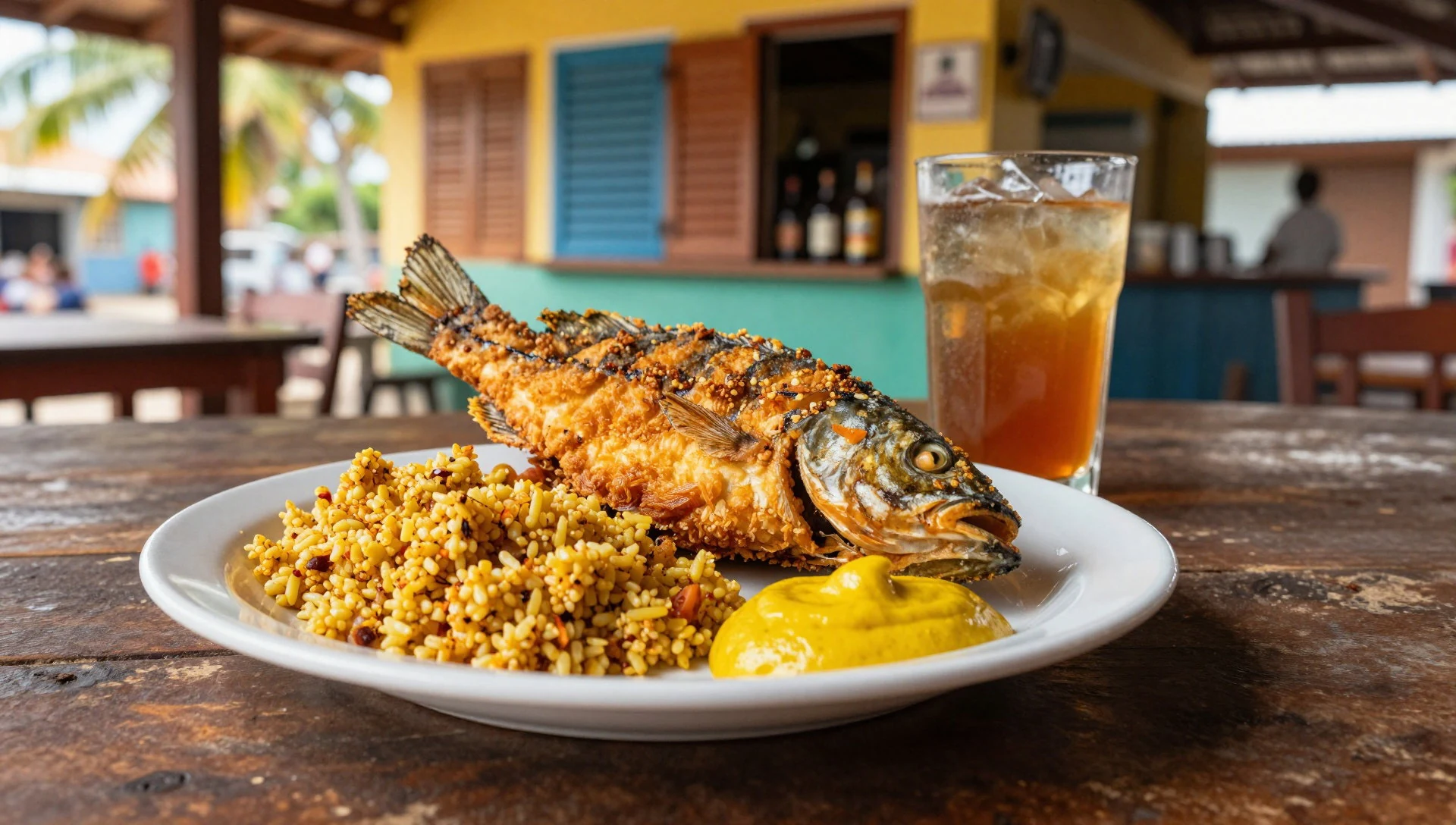
- Cou-cou — rum shops and lunch counters in Bridgetown
Cou-cou is cornmeal cooked with okra into a firm porridge, nearer a dense polenta than a broth. Barbados serves it as the starch under flying fish and beside other stews. The okra keeps it soft. Rum shops and lunch counters in Bridgetown plate it with the fish.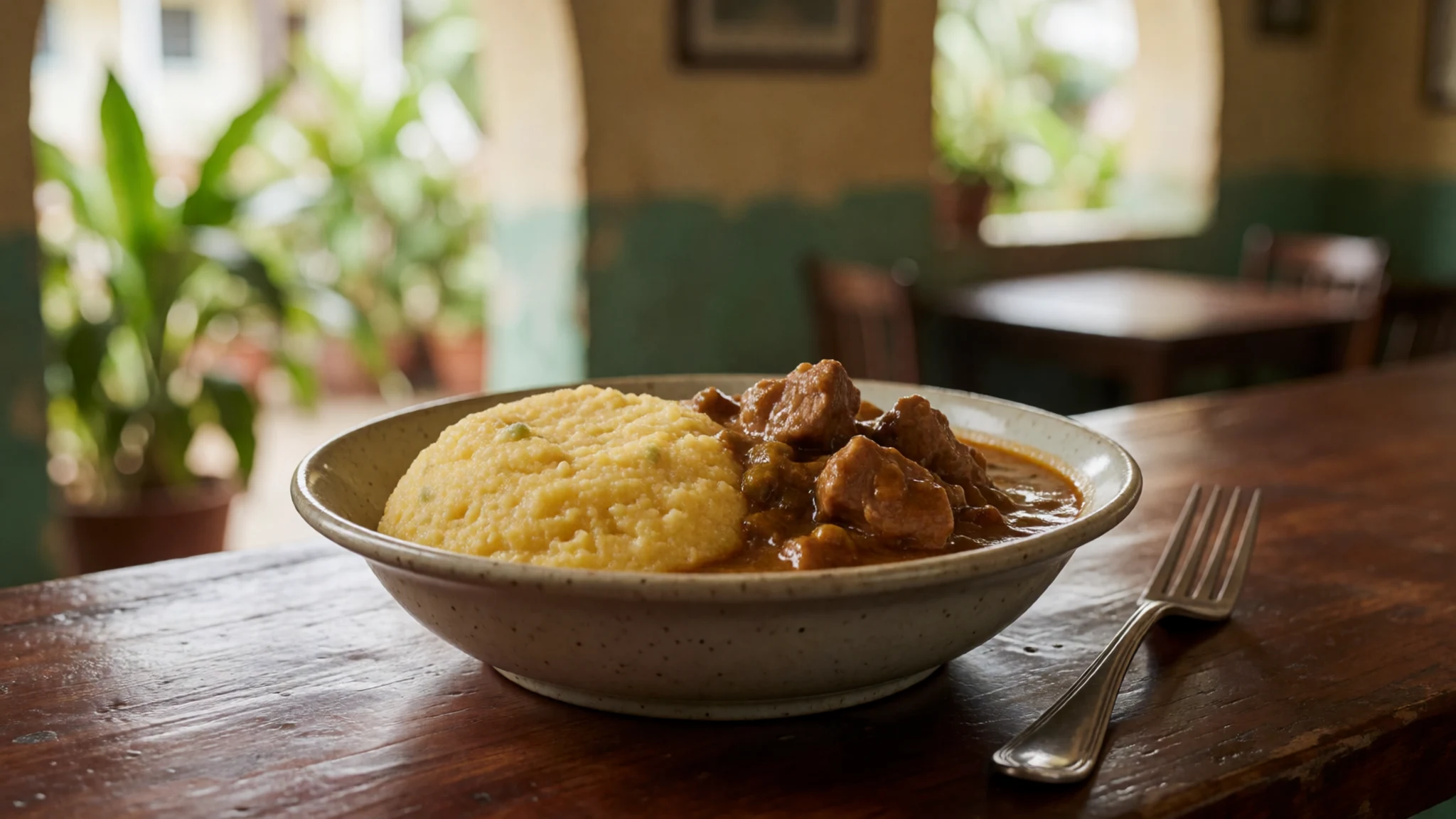
- Pepperpot — parish cookshops and rum shops toward Holetown
Pepperpot is pork stewed in a dark, spicy sauce, the fiery side of cooking in Barbados set beside plainer English plates. Eaten with a bland starch, it is a main, not a relish. Parish cookshops and rum shops toward Holetown serve it. - Cutters — bakeries and rum shops in Bridgetown
A cutter is a salt-bread sandwich from Barbados. The loaf has a browned crust and a soft crumb, and the name does not mean a salty taste. Fish, cheese or ham fill it, and it is eaten in the hand. Bakeries and rum shops in Bridgetown sell them. - Beans on toast — cafes and casual eateries in Bridgetown
Beans on toast is the plain English plate that still appears beside fiery stews in Barbados. Pepperpot or fish may share the table with this simple dish. It marks the British strand in the cooking, not a national icon. Cafes and casual eateries in Bridgetown serve it.
Plan it
Best time. Barbados is warm year-round, with a dry season from December to May and a wet season from June to December; February and March are the most comfortable, August and September the hottest, and October the wettest. Check https://www.gov.bb/ before you lock dates, and if the old houses matter, skip Bridgetown on mornings when several cruise ships are docked.
How long. four to six
Getting there. Barbados is reached through the airport east of Bridgetown. Both public buses and minibuses leave from a pickup point right outside towards the south-coast strip, the capital, Holetown, and Speightstown, though taking a taxi is a simpler final leg when you land. No ferry links the island with other Caribbean islands. Cruise ships dock at the deep-water harbour in the capital.
Budget. high
Tips
- Carry a passport that covers the whole stay and a return ticket, and confirm on https://www.gov.bb/ whether your nationality needs a visa.
- Bring a heritage-organisation card if you have one; many houses and gardens accept it for a discount.
- Visit plantation houses outside cruise-excursion hours so you are not squeezed into a small furnished room with a coach party.
- Swim on the south and west coasts; Bathsheba and the east are rocky Atlantic surf.
- Allow time for the central-eastern gardens and houses, which need a deliberate trip away from the beach strip.
Etiquette
- Ask before you photograph people, at Crop Over, in church or in a rum shop.
- Wear swimwear only on the beach, and cover your shoulders in town and in churches.
- Greet someone before you ask for directions or a favour.
- Use Bajan as a respectful everyday name, never as a joke.
Nearby
Sources
- Wikidata Q244 (CC0)
- Wikipedia (rev 1384221369) (CC BY-SA 4.0)
- Wikivoyage (rev 5419399) (CC BY-SA 4.0)
- Photo: The Crane Beach Barbados (CC BY 3.0)
- Photo: Spanish 1632 map of Barbados (Public domain)
- Photo: George Washington House, Barbados (CC BY 3.0)
- Photo: English Quakers, tobacco planters and enslaved people, Barbados, 17th century (Public domain)
- Photo: Sunday market, Barbados Museum (CC BY-SA 4.0)
- Photo: Main street of Bridgetown (CC BY 3.0)
- Photo: Map of Barbados, 2022 (CC BY-SA 4.0)
- Photo: Bathsheba, Saint Joseph (CC BY 3.0)


