Skardu
Skardu, Pakistan
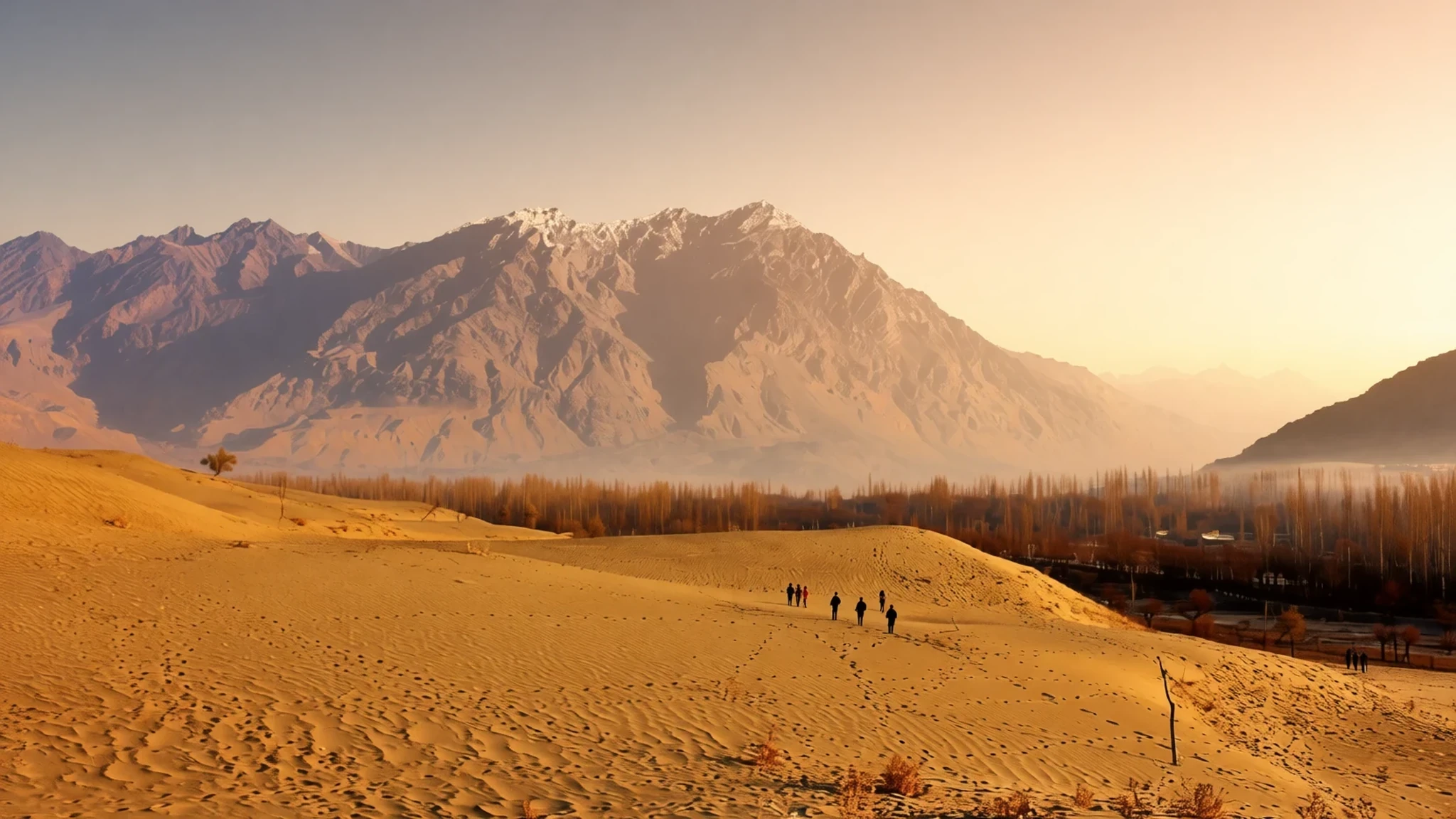
Skardu is the valley town where Baltistan's orchards, lakes and the roads towards the Karakoram all meet.
The place
Skardu sits in a broad, sandy valley where the Indus meets the Shigar, the Balti centre of Gilgit-Baltistan. The valley floor is wide and pale, cut by the river and patched with apricot orchards, poplars and irrigated fields that stop abruptly where the scree begins. Above the town a rock ridge carries Kharpocho, the old fort, and from that height the streets, the airport strip and the braided water read as one map. Mountains close every side of the view. Some are brown and near; others, on a clear morning, show as a white wall far up the side valleys.
Life in Skardu is a market town's life with a mountaineering calendar laid over it. Jeeps, small shops, bakeries and phone stalls line the bazaar. In summer the pavement fills with trekkers sorting fuel and flour, families on their way to the lakes, and porters waiting on a load. In winter the same streets go quiet, the air turns hard, and the high roads that feed the town can close. The place is dry. Rain is rare, wind is common, and the light at this height is direct enough to bleach a wall and burn a neck in the same hour.
Military posts are part of the landscape, and some roads towards the frontier are simply not for wandering. What Skardu offers, plainly, is a base: orchards and polo on the valley floor, cold lakes within a short drive, and the long tracks that lead, for those with time and a permit, towards the Baltoro and the high Karakoram.
Its story
Skardu's story is the story of Baltistan, a mountain country whose speech belongs to the Tibetan family and whose later centuries were shaped by Islam and by rulers based in this valley. The Maqpon kings held Skardu from a fort on the rock, Kharpocho, and from there they dealt with the side valleys — Shigar, Khaplu and beyond — by marriage, tribute and the occasional campaign. Ali Sher Anchan is the name local memory returns to: a Maqpon ruler who pushed the kingdom's reach outward and left the fort as the visible sign of that power.
The town's older ties run east and north as much as south. Balti language, place-names and some of the food still sit close to Ladakh, even though the faith of the valley turned to Islam and the political road eventually led the other way. Traders and pilgrims crossed passes that are now international frontiers. The same geography that made Skardu a capital made it a prize. Forces from Jammu under Dogra command took Baltistan, and the valley spent a long period answering to that rule, with the fort and the tributary valleys still the frame of daily power.
The mid-century partition of British India cut the old routes towards Ladakh and Srinagar. Skardu remained the Balti centre, now administered with Gilgit as Pakistan's northern mountains, and the airstrip and the Indus road replaced the pass trails as the way in. In the decades since, the town's second story has been expedition logistics. Climbers bound for the Baltoro pass through on their way to Askole, and the bazaar learned to sell rope, flour, dried fruit and a seat in a jeep. The Maqpon rock is still there. Beneath it, Skardu is a working valley town that happens to stand at the door of the Karakoram.
What to see
- Kharpocho — Skardu town
Kharpocho is the fort on the ridge directly above Skardu, reached on foot over rock and loose stone. The walls look across the Indus, the airstrip, the orchards and the mouth of the Shigar. Little inside is a furnished palace; the sense of the place is the height itself. The path is short and exposed. Shoes that grip, water and a start before midday are the whole preparation.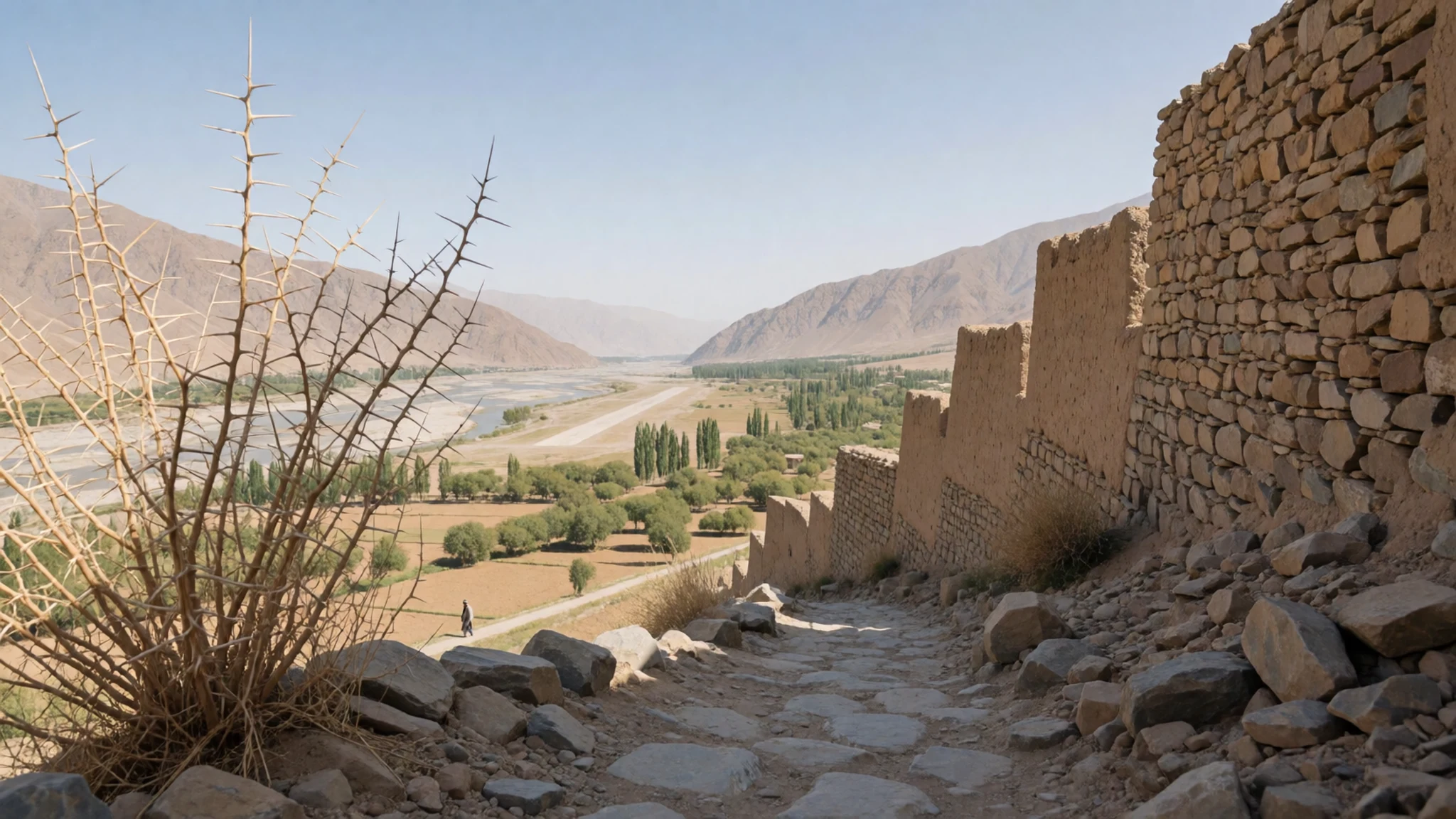
- Satpara Lake — Satpara valley, south of Skardu
Satpara Lake lies in a side valley south of Skardu, held by a dam and ringed by steep bare slopes. The water tracks the sky, silver in a calm and dark when a storm drops off the ridge. A shore road gives a few places to stop and walk, and the trip fits in an afternoon from town. Wind arrives quickly, so a light jacket earns its place.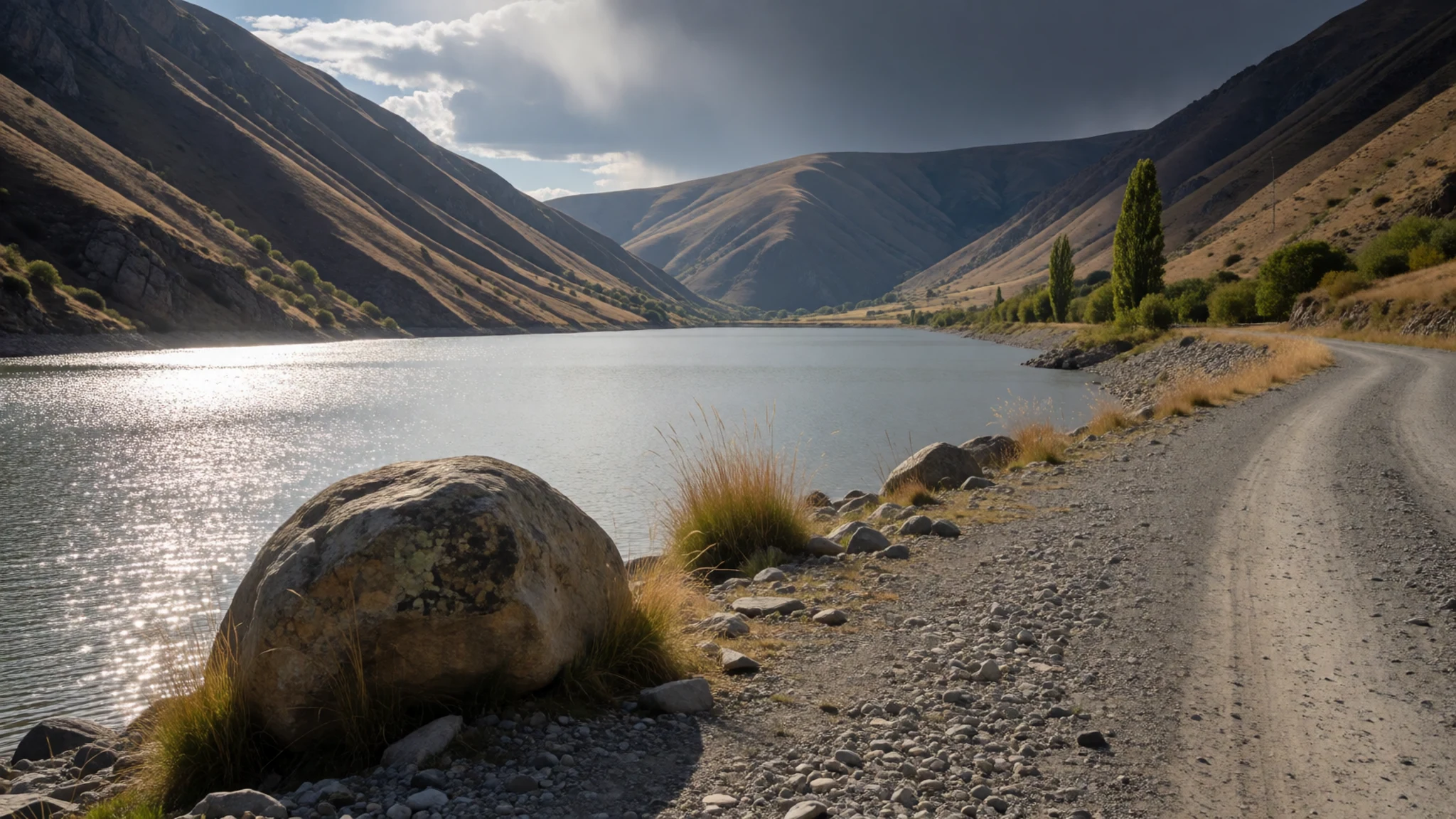
- Lower Kachura Lake — Kachura, west of Skardu
Lower Kachura is the lake beside Shangrila resort, east of Skardu on the road toward Shigar, smaller in feel than Satpara and backed by trees. A short path runs through lawns and a terrace to the water, where a wooden boat sits at the shore. The resort manages the visit, so summer brings more people and a tidier scene than the open valley. The reason to come is the colour of the water.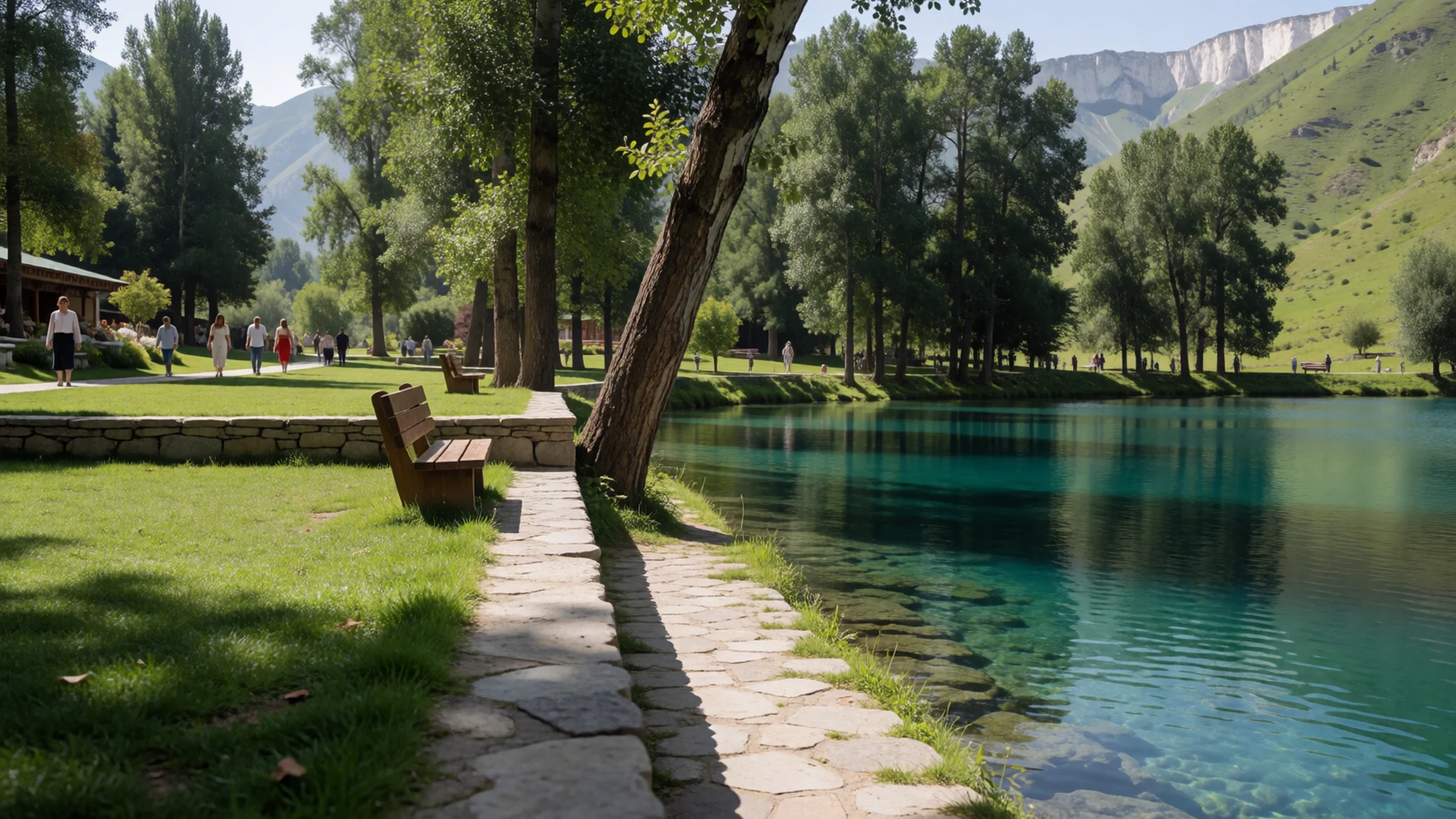
- Deosai and Barra Pani — Deosai National Park
Deosai is the high plateau southwest of Skardu, a long summer day out and back by jeep. Barra Pani, the water in that plain, is the usual pause: wide grass, slow sky and mountains set far back. The plateau is open only in the warmer months, and weather on top can turn while the valley stays calm. Shelter is scarce, and a falling cloud is a reason to turn back.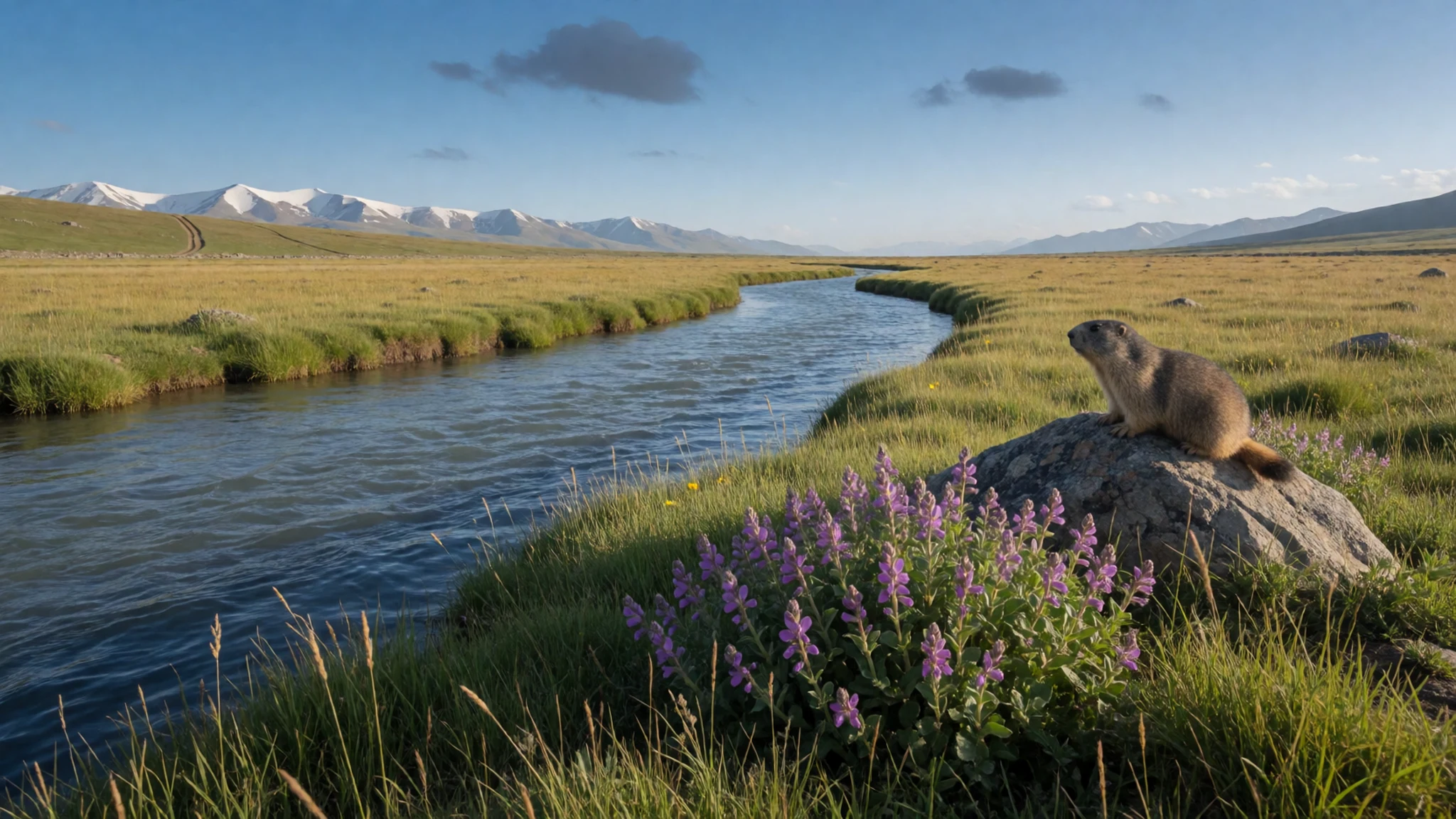
- Manthokha waterfall — Manthokha, Kharmang
Manthokha is a waterfall in Kharmang, east of Skardu on the valley road towards Khaplu. The fall drops in a broad white sheet over a rock step, with a pool below and a tea stall in season. It is a roadside stop on a longer drive through Kharmang. The path down to the spray is short, and the rock is slick when wet.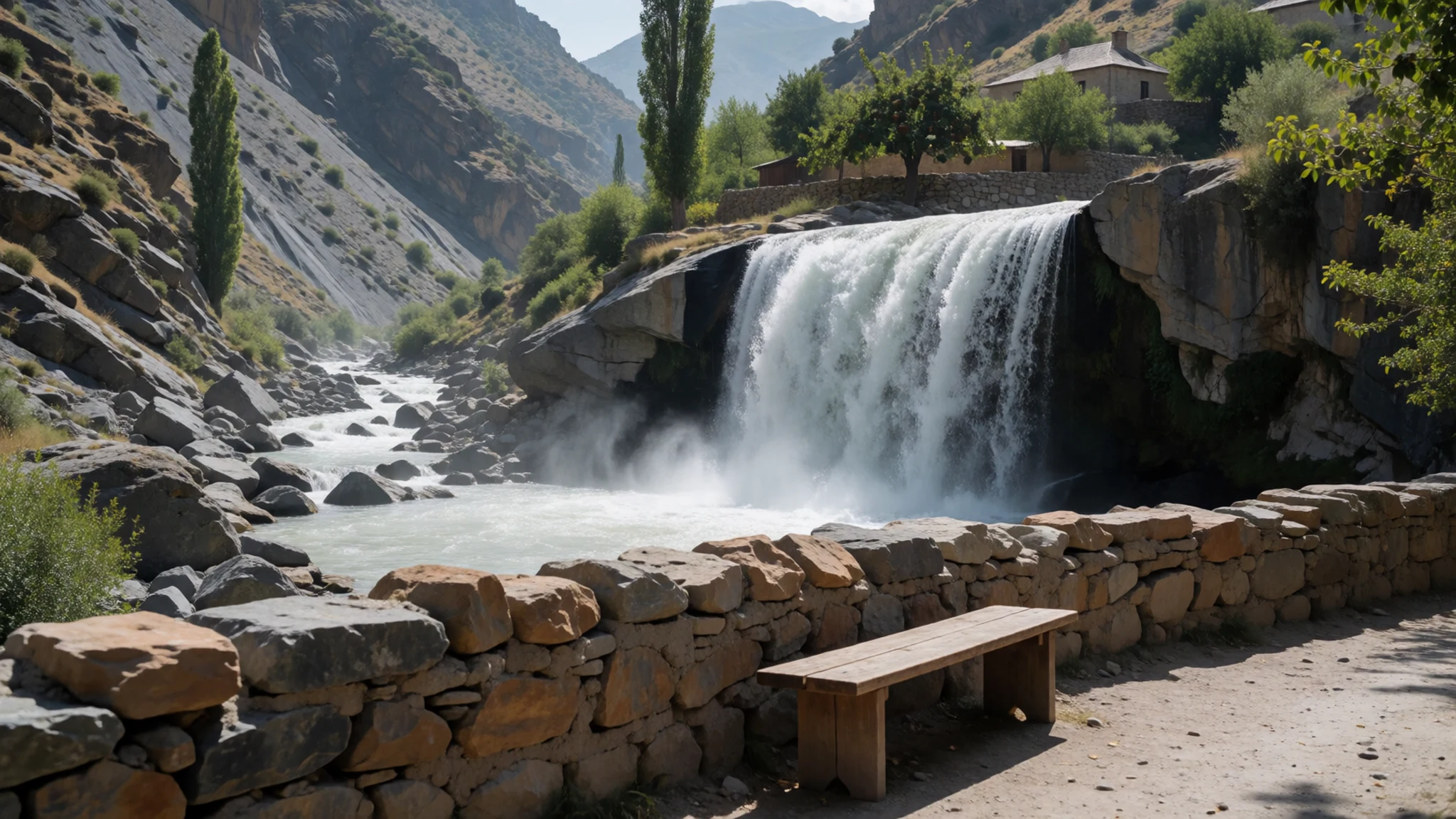
Culture
Skardu is a Balti town, and Balti remains the language of the house even where Urdu runs the school, the office and the signboard. Islam shapes the public year, with a strong Shia and Nurbakhshi presence alongside Sunni neighbours, so Friday prayer, Ramadan and Muharram are the dates that reorganise the streets. In Muharram the imambargahs fill and processions move through the bazaar, and the town gives itself to mourning. Polo sits in local life as a valley game, played on sandy ground, fast and loud, with a crowd that knows the riders by name. Weddings bring music, large pots of rice and a guest list that spills into the lane. When the apricots ripen, families shift into the orchards. Hospitality is practical. A guest is fed, tea arrives without a speech, and questions turn to the road ahead. Shop signs, arguments and jokes in the bazaar move between Balti and Urdu in the same breath, and a traveller who offers a greeting in Balti usually hears it returned. Ask before photographing people in Skardu, especially women and anyone in a mosque or imambargah, and give a Muharram procession the street.
What to wear
Skardu dresses for a cold desert that can still burn at noon. The traditional outer layer is wool. Men wear a long shuqa, a belted woollen coat, over a loose tunic and trousers, with a cap when the wind is up; the same wool, sometimes as a plain pattu shawl, covers women on the move between house and orchard. Balti women's caps are finely embroidered, and silver jewellery still comes out for weddings. Those clothes belong to winter, to festivals and to older people more than to a weekday in the bazaar. What the town actually wears now is the shalwar kameez of the rest of Pakistan, sweaters, waistcoats, padded jackets and, among younger men, jeans with a fleece. Schoolgirls add a dupatta. Trekkers in bright shells stand out in a bazaar of sweaters and shawls. A visitor to Skardu should copy the practical half of that picture: shoulders and knees covered, a scarf for a mosque or imambargah, and shoes that can manage the fort path and a rough jeep track. Even on a warm summer afternoon a warm layer belongs in the bag for the evening and for the plateau, with a hat and sunscreen, because the sun at this height is direct. Open sandals cope badly with the scree.
What to eat
- Mamtu — casual eateries around Skardu bazaar
Mamtu are Skardu's steamed dumplings, filled with minced meat or vegetables and eaten with a chilli dip. They belong to the same family as the dumplings of the Tibetan-speaking mountains, folded small and served in a bowl. Casual eateries around the bazaar sell them through the middle of the day.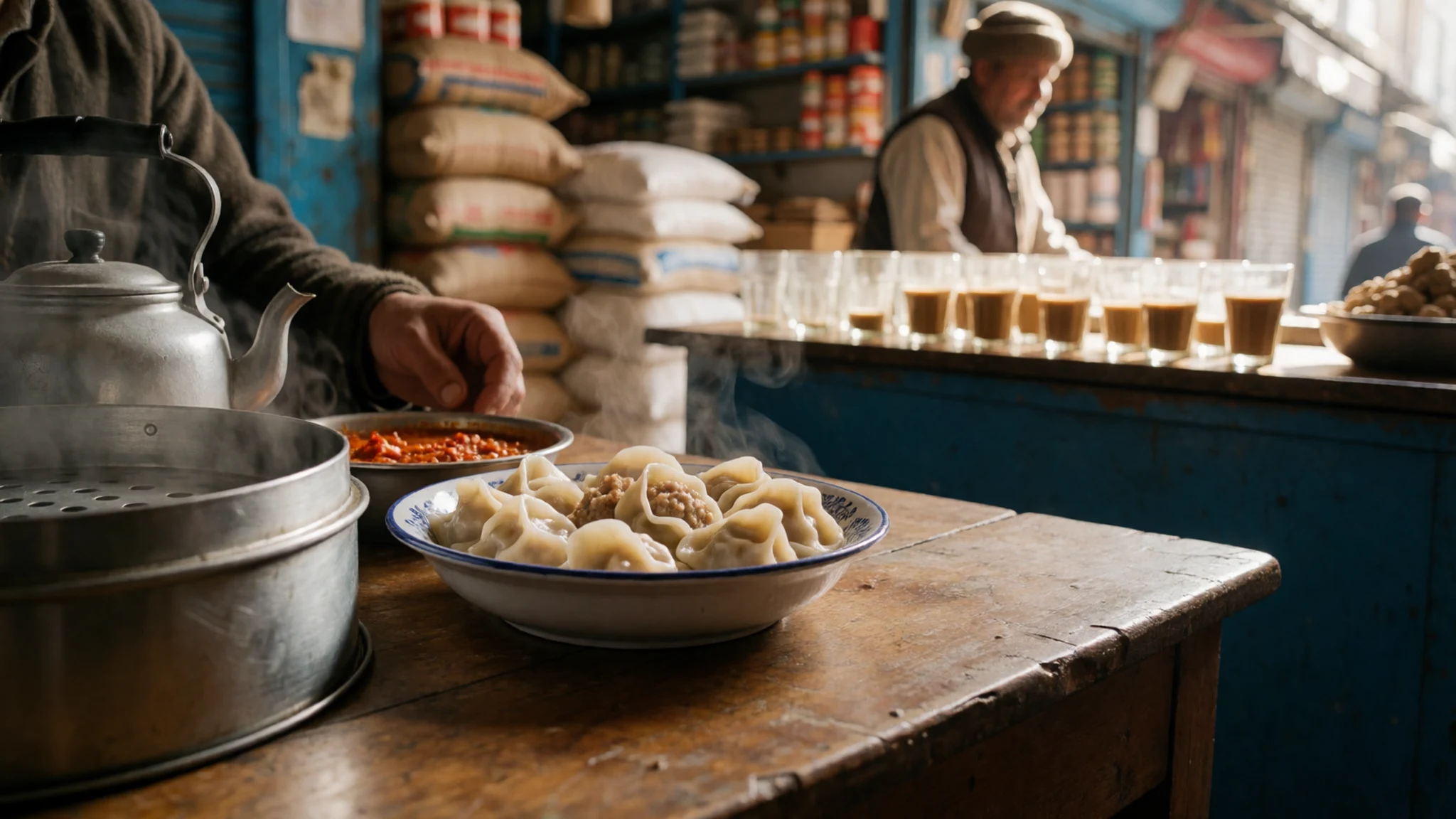
- Chapshuro — bakeries in Skardu bazaar
Chapshuro is the stuffed bread of Skardu, a round flat loaf filled with spiced minced meat and cooked on a hot griddle until the crust spots. It suits a jeep ride or a late walk back from the fort. Bakeries in the bazaar sell it through the day.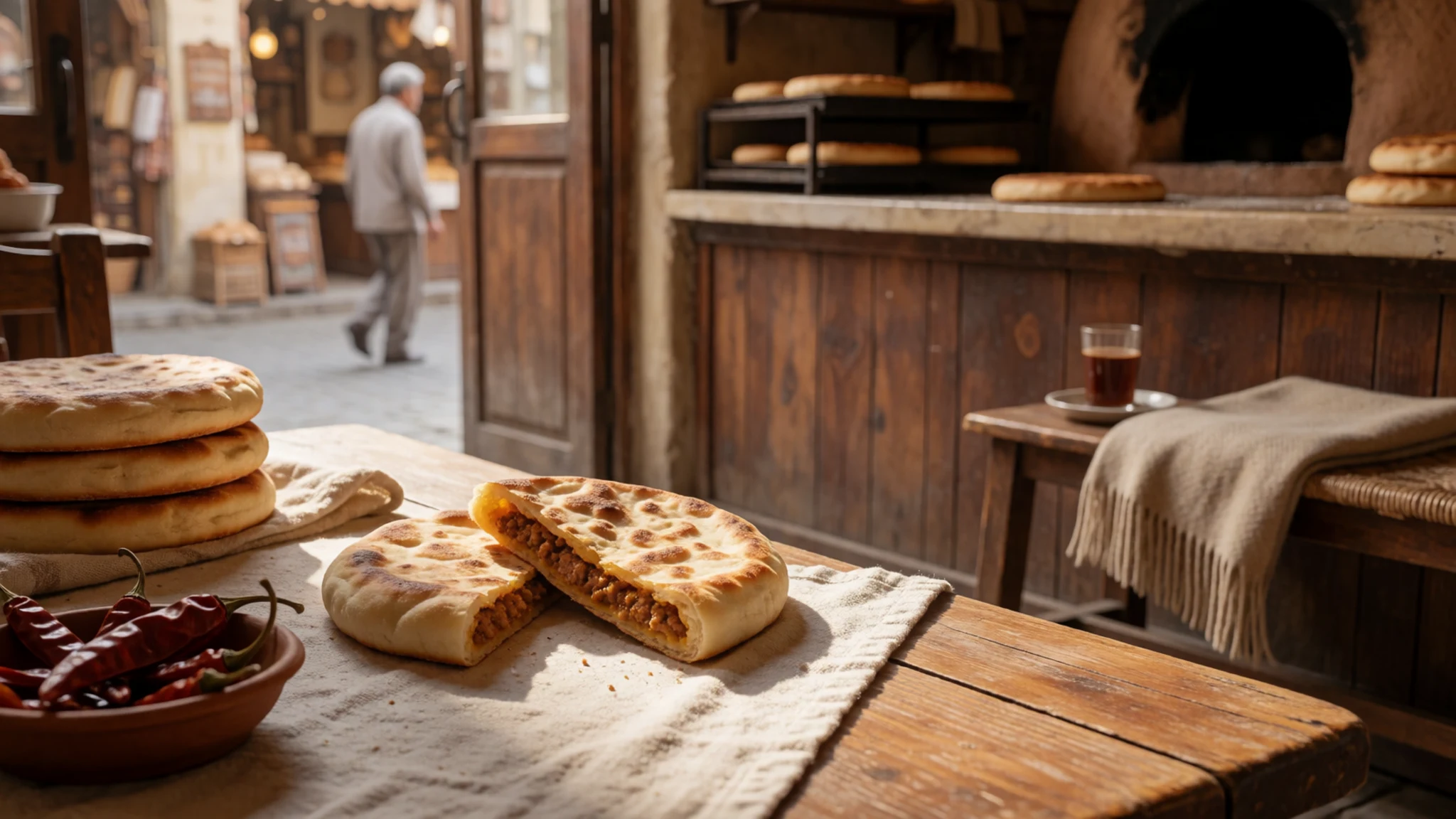
- Balay — home-style eateries in Skardu town
Balay is a noodle soup that Skardu households and small kitchens make when the evening turns cold. Wheat noodles sit in a light meat broth, with vegetable scraps and enough chilli to wake the bowl. Home-style eateries around town serve it in a deep plate. - Namkeen chai — tea stalls and guesthouse kitchens in Skardu
Namkeen chai is the salted tea of Skardu, churned with butter until it turns pale and slightly thick. A little apricot-kernel oil sometimes goes in, leaving a faint bitter edge. It belongs to mornings and to cold afternoons, poured in homes and at tea stalls around the bazaar. - Dried apricots — fruit sellers in Skardu bazaar
Dried apricots are the store-cupboard fruit of Skardu, sold from open sacks in the bazaar in shades from deep orange to near-black. Travellers chew the plain dried fruit on a drive. Sellers also keep jam and the pressed oil of the kernel, the same oil that flavours salted tea.
Plan it
Best time. April to October is the workable season in Skardu. April and May bring orchard blossom. July and August usually open the Deosai road and the tracks towards the glaciers; valley afternoons are mild and nights stay cold. September and October are quieter, clear and frosty by morning. In deep winter the plateau is shut, and a trip depends on snow and on flights actually running.
How long. 3–4
Getting there. Skardu has an airport and no passenger railway. The last leg is a domestic flight, most often from Islamabad, or the Indus road up from Gilgit after the highway from the plains. Cloud holds flights and landslides slow the road, so check both before fixing a short trip.
Budget. mid
Tips
- Keep a spare day for the flight; weather cancels it without much notice.
- Carry cash, because card payment is patchy beyond the larger shops in town.
- Walk slowly at first; the air is thinner than on the plains.
- Start Deosai and the lake roads in the morning, before cloud builds.
- Drink boiled or sealed water, and keep a warm layer in the bag even in summer.
Etiquette
- Remove shoes before entering a mosque or an imambargah.
- Ask before photographing people, and keep cameras off checkpoints and military posts.
- Cover shoulders and knees in villages, and take a scarf into religious buildings.
- In Muharram, leave the road clear for processions and treat them as worship.
Nearby
Sources
- Wikidata (CC0)
- Wikipedia (CC BY-SA 4.0)
- Wikivoyage (CC BY-SA 4.0)