Sisters' Islands
Sisters' Islands, Singapore
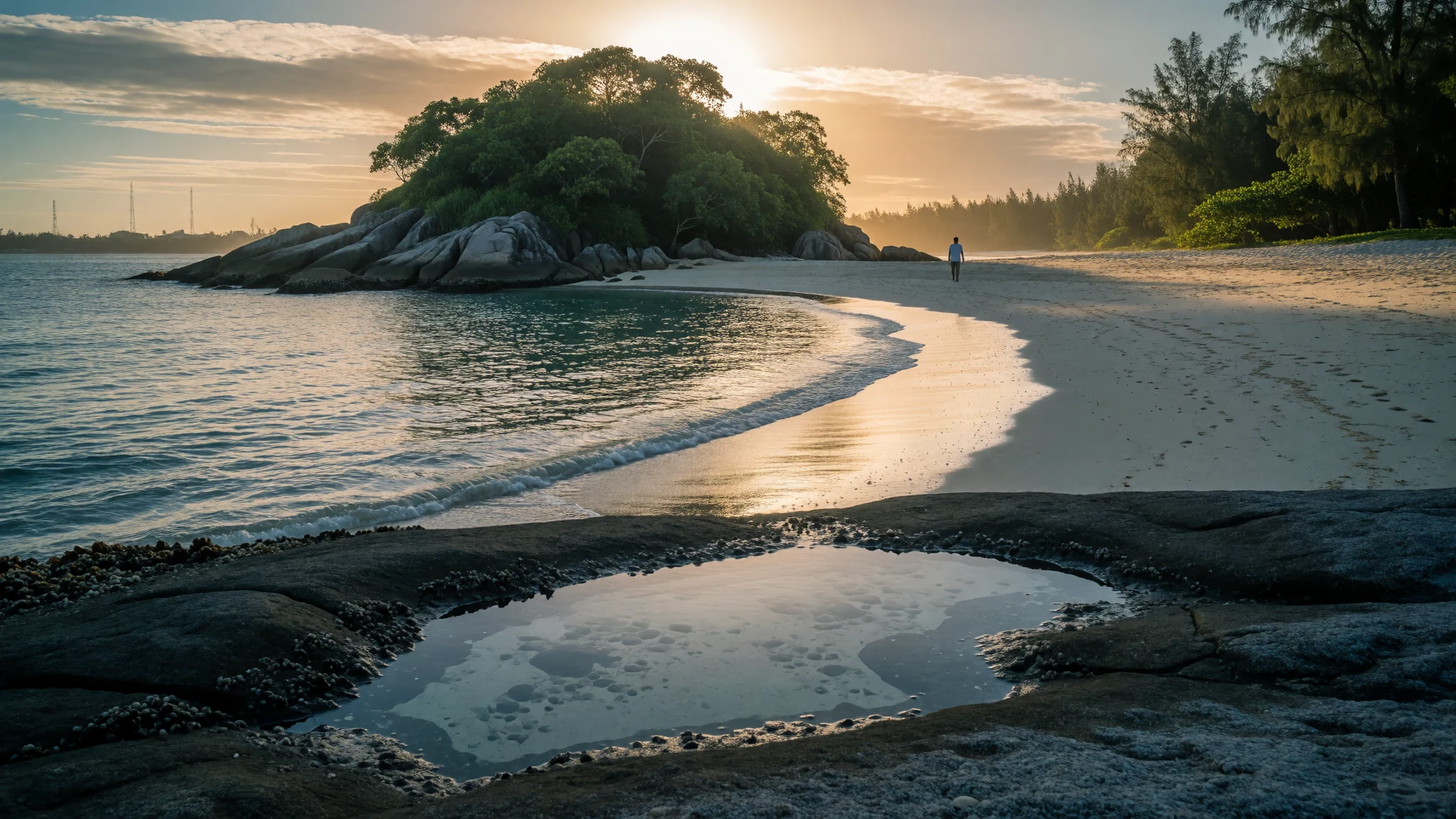
Sisters' Islands offer quiet shore and reef life a short boat ride from Singapore's skyline, though only through organised trips.
The place
Sisters' Islands are a pair of small islands in Singapore's Southern Islands group, lying south of the main island across the Singapore Strait. On a clear day the city's towers show on the northern horizon, yet the islands themselves are low, green and quiet, ringed by rock, small beaches and shallow reef. Big Sister's Island, called Pulau Subar Laut in Malay, is the larger of the two and faces open sea. Little Sister's Island, Pulau Subar Darat, lies nearer the mainland. A narrow channel runs between them, and the current through it can be dangerous for swimmers and divers, which is a large part of why the place is managed the way it is. This is not a resort. There are no cafés, no sunbeds and no regular ferry shuttle. Trips tend to be organised, and the sensible first step is to check what the national parks authority is currently offering. Boats set out from the south coast of the main island, and the crossing is short enough to fit into half a day. What the islands give is a look at tidal shore and reef life within sight of a busy shipping route, and the odd experience of standing on a quiet beach while container ships slide past on the skyline. Anyone wanting a swim and a beach bar will be happier on Sentosa or elsewhere in the Southern Islands.
Its story
The story of Sisters' Islands begins with a legend and, for now, ends with a marine park. Local tradition tells of two sisters who were close friends. Pursued by unwelcome attention, they chose to leap into the sea rather than be separated, and the two islands rose where they vanished. Versions differ on the details, but the theme of loyalty between sisters is constant, and it explains the English name. For generations the islands sat beside the sea lanes used by fishermen and traders, a small landmark on the way in and out of the Singapore Strait. An old watercolour of St John's Island and the Sisters, painted from the beach at Tanjong Katong on the east coast, shows them as a faint, distant view from the shore, with open water in between. That emptiness changed as Singapore grew into a major port and reclaimed land along its coast, and the surrounding sea became crowded. The islands and the water around them were later set aside as a marine park, with the aim of protecting the reef and shore life that had survived. That is why visits are controlled today and why the islands have stayed undeveloped, a rare pocket of unbuilt shoreline in a country otherwise known for its construction.
What to see
- Big Sister's Island, southeast beach — Big Sister's Island (Pulau Subar Laut)
The southeast shore of Big Sister's Island is a narrow strip of pale sand backed by trees, with rock and shallow reef at the water's edge. At low tide the flats are exposed and reward slow looking. It faces the open strait, so ships are always on the horizon, but the beach itself is quiet.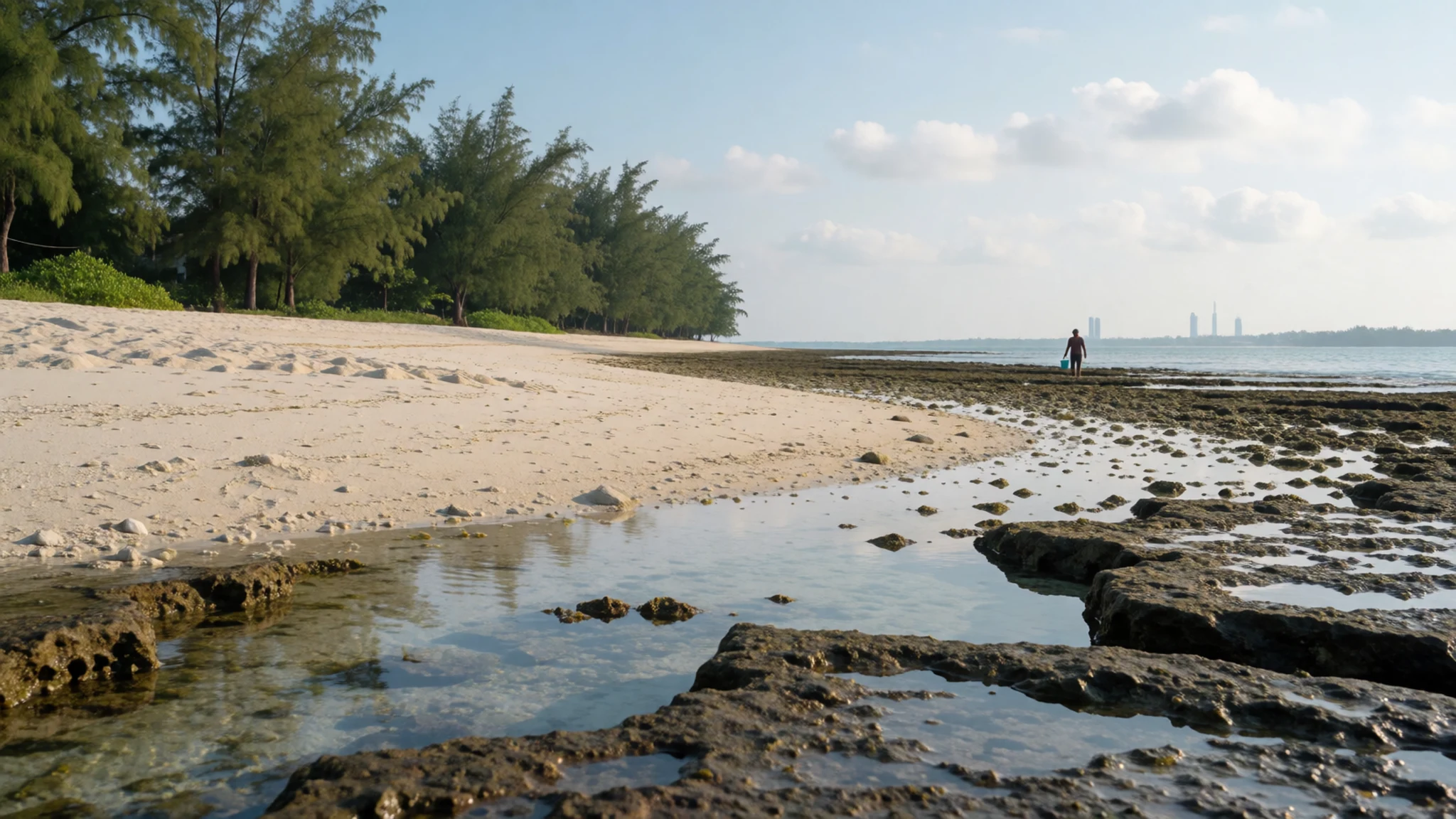
- Big Sister's Island, southwest beach — Big Sister's Island (Pulau Subar Laut)
The southwest beach is a second small crescent of sand, with a different light in the late afternoon and a view across the water towards the mainland. It suits a walk along the tide line and a look at small sea life, not a swim, because the nearby channel can pull hard.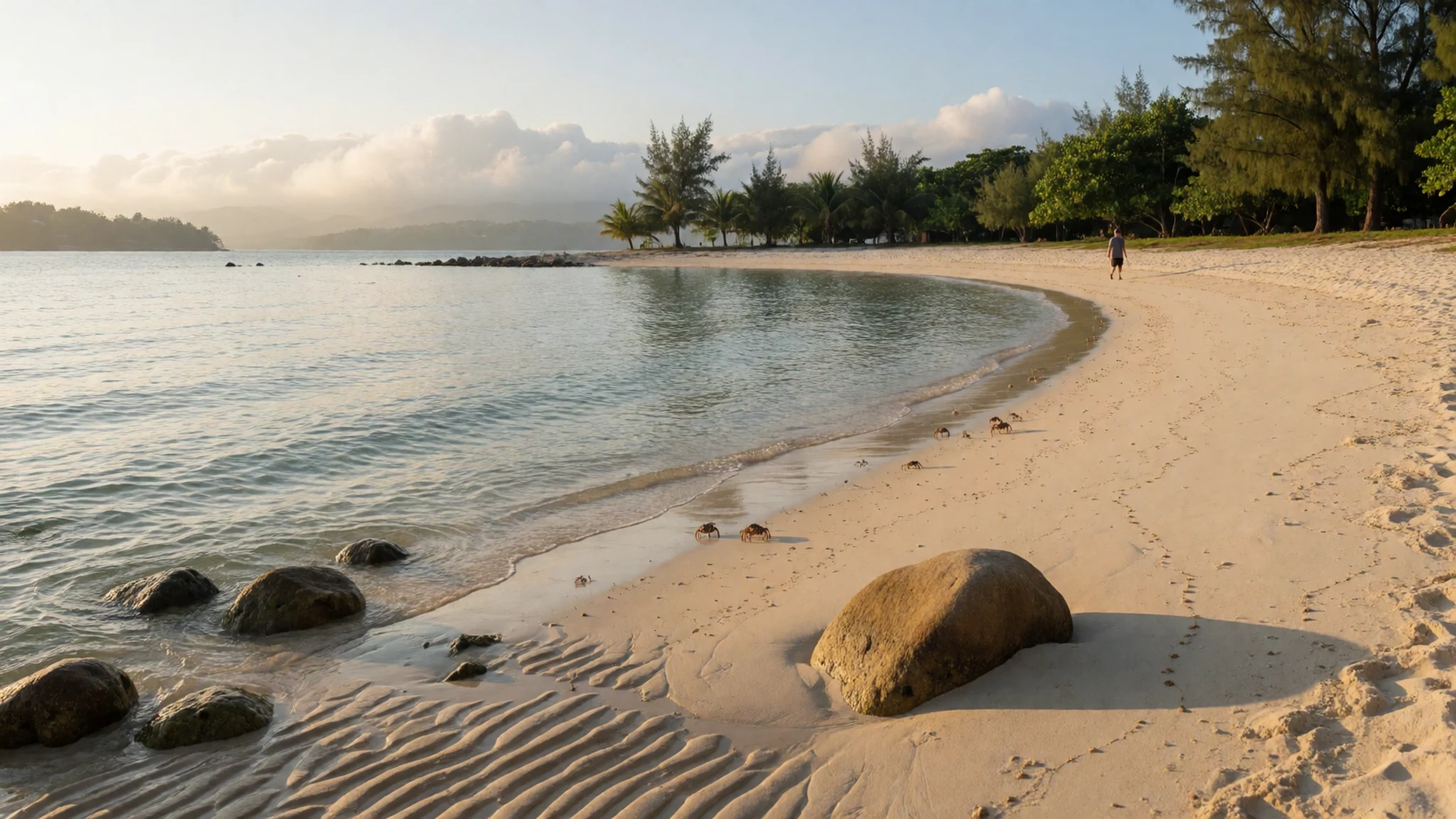
- The channel and the view to Little Sister — Channel between the two islands
From Big Sister's Island the smaller island sits across a narrow channel, a low green hump on the water. The channel looks calm but its current is strong, so this is a viewpoint rather than a swimming spot. The best photograph of the pair is taken from the shore.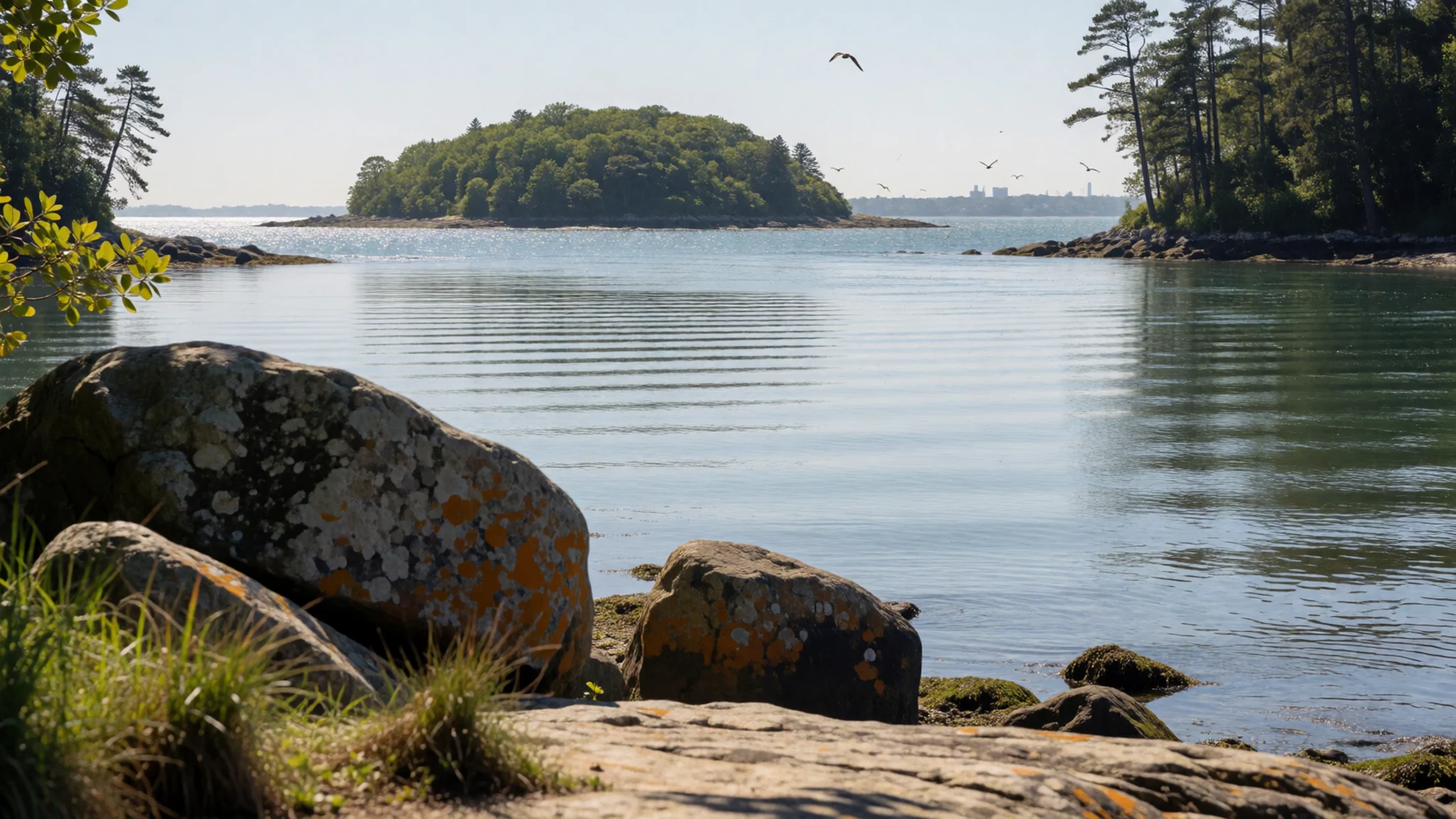
- Little Sister's Island — Little Sister's Island (Pulau Subar Darat)
Little Sister's Island, Pulau Subar Darat, is the smaller of the pair and faces the mainland. Landing is not permitted here as the island is closed to the public to protect a turtle hatchery. From a boat it makes a tidy, low outline with the city faintly behind it.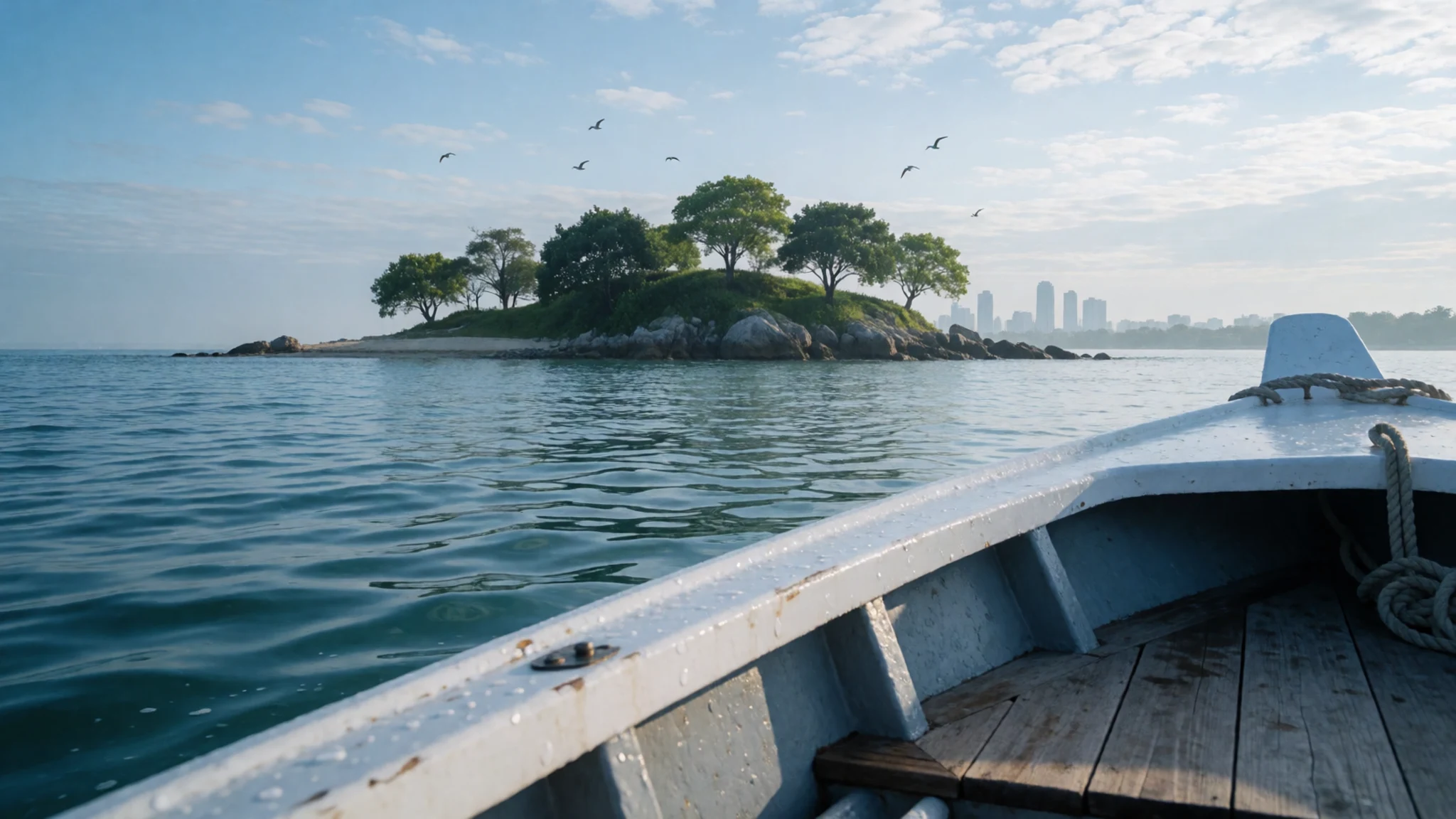
- The Sisters seen from St John's Island — St John's Island, Southern Islands
St John's Island, a neighbouring Southern Island, gives a distant look back at the Sisters lying low on the sea. It works for a day that combines two islands, and it shows how the pair sit in a chain of small islets south of Singapore. Check ferry arrangements before planning.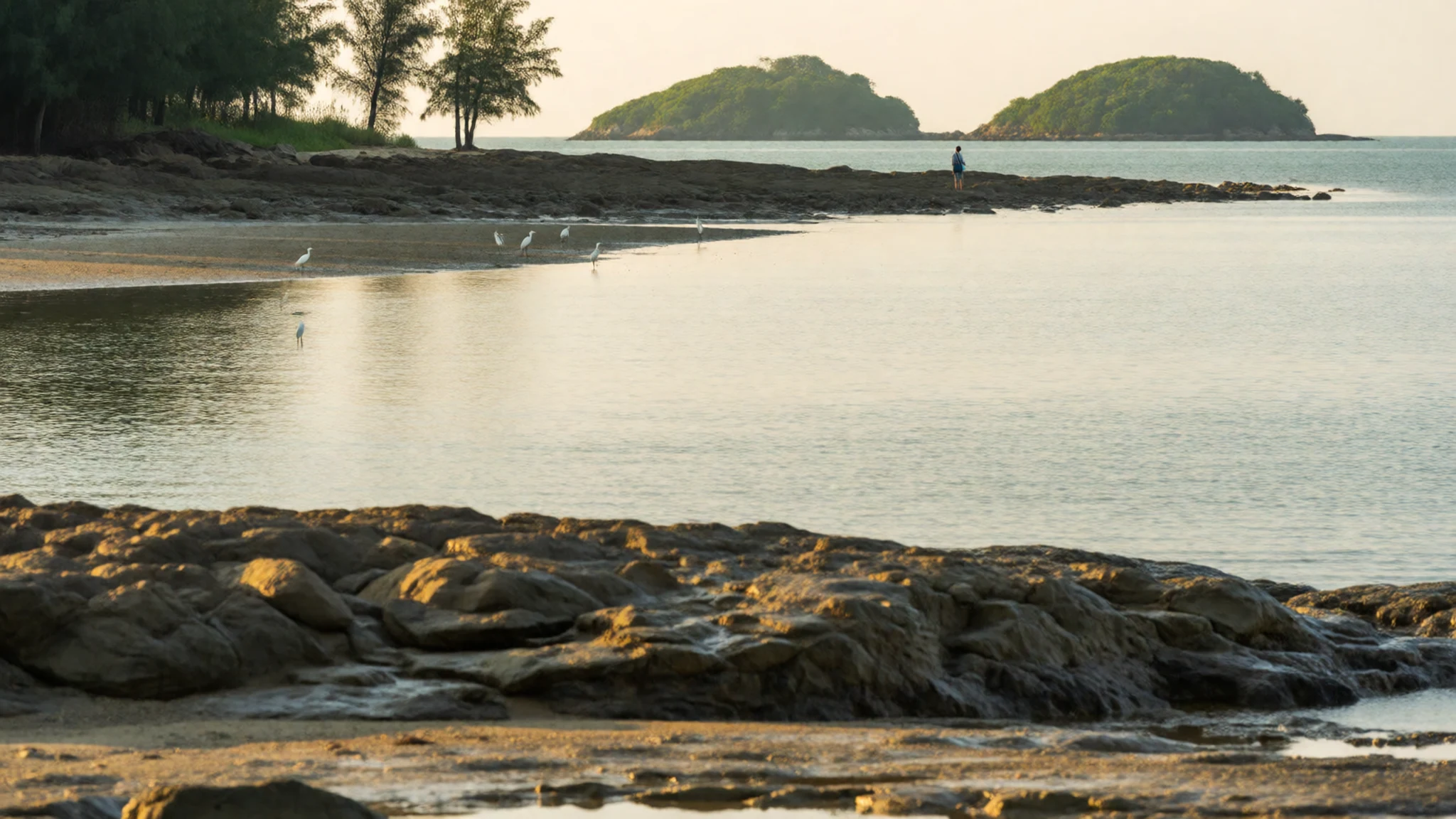
Culture
Sisters' Islands carry a cultural weight out of proportion to their size, because they are tied to a legend that Singaporeans of several backgrounds know. The story of two sisters who chose the sea over separation is told in Malay, Chinese and English versions, and it is one of several island tales that remind the country that its history is maritime. The Malay names, Pulau Subar Laut and Pulau Subar Darat, point to older seafaring communities who knew these waters long before the modern port. The islands have no village, shrine or settlement today, so culture here means story, name and memory rather than monuments. Singapore itself is a mix of Malay, Chinese, Indian and other communities, and that mix shows in the festivals, food and dress of the mainland, where a visit to the islands usually begins and ends. The marine park status also brings a newer kind of custom: a shared expectation that the shore is looked at and left alone, with guides explaining what lives on the reef flats and why it matters. Visitors who treat the trip as a short lesson in coastal life, not a beach party, tend to get the most from it. Take all your rubbish back with you, and do not pick up or move shells, coral or any living creature on the shore.
What to wear
Fashion around Sisters' Islands is best understood through Singapore's mainland communities. Traditional Malay dress includes the baju kurung, a long tunic and skirt, and the kebaya, a fitted blouse worn with a batik sarong; batik is wax-resist dyed cotton or silk, and songket is silk or cotton woven with gold or silver thread. Chinese families wear the cheongsam on festive days, and Indian communities wear saris and kurtas. These come out for Hari Raya, Lunar New Year and Deepavali. Everyday clothing is light and practical: shorts, T-shirts, linen shirts, sandals and trainers, with an umbrella always at hand. On the islands themselves there is no dress code beyond common sense. Visitors should wear quick-dry clothing, a hat and sunglasses, with long sleeves or a rash vest for sun protection, and bring reef-safe sunscreen. Shoes matter more than style, since the shore is rocky and slippery: water shoes or sandals with a firm grip and a closed toe are better than flip-flops. A light waterproof jacket helps in a sudden downpour. Modest dress is not required on the islands, but covered shoulders and knees are expected if the day also includes a mosque or temple on the mainland.
What to eat
- Hainanese chicken rice — Any neighbourhood hawker centre on the main island
Poached chicken served over rice cooked in the broth, with chilli and ginger sauces and a bowl of clear soup. It is the standard simple lunch before or after a boat trip, and it is easy to find and filling.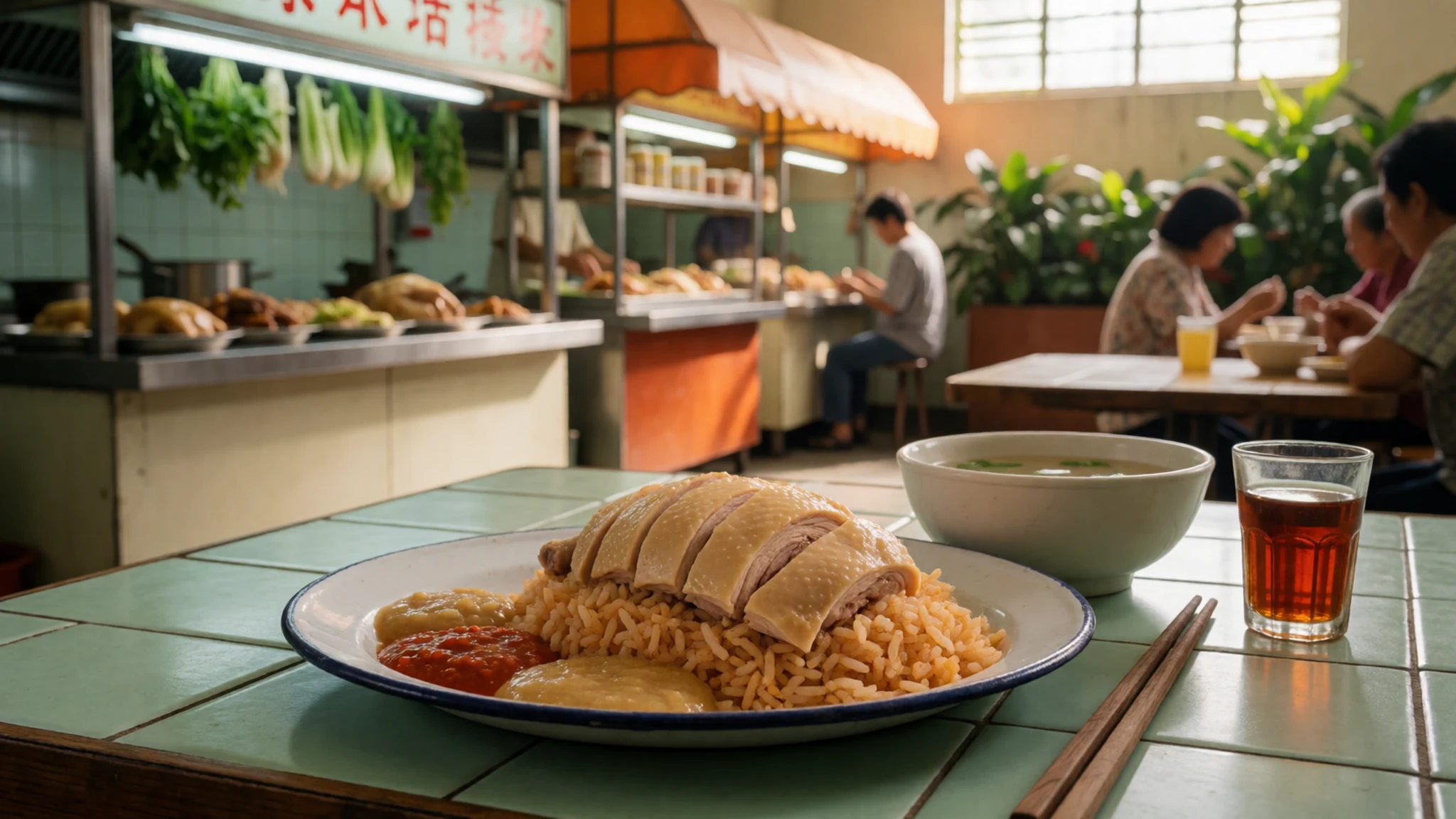
- Laksa — Eateries in the Katong area on the east coast
Rice noodles in a spiced coconut broth, often topped with prawns, cockles and fish cake. The Katong style, with noodles cut short so a spoon is enough, suits a hot day after the sea air and salt.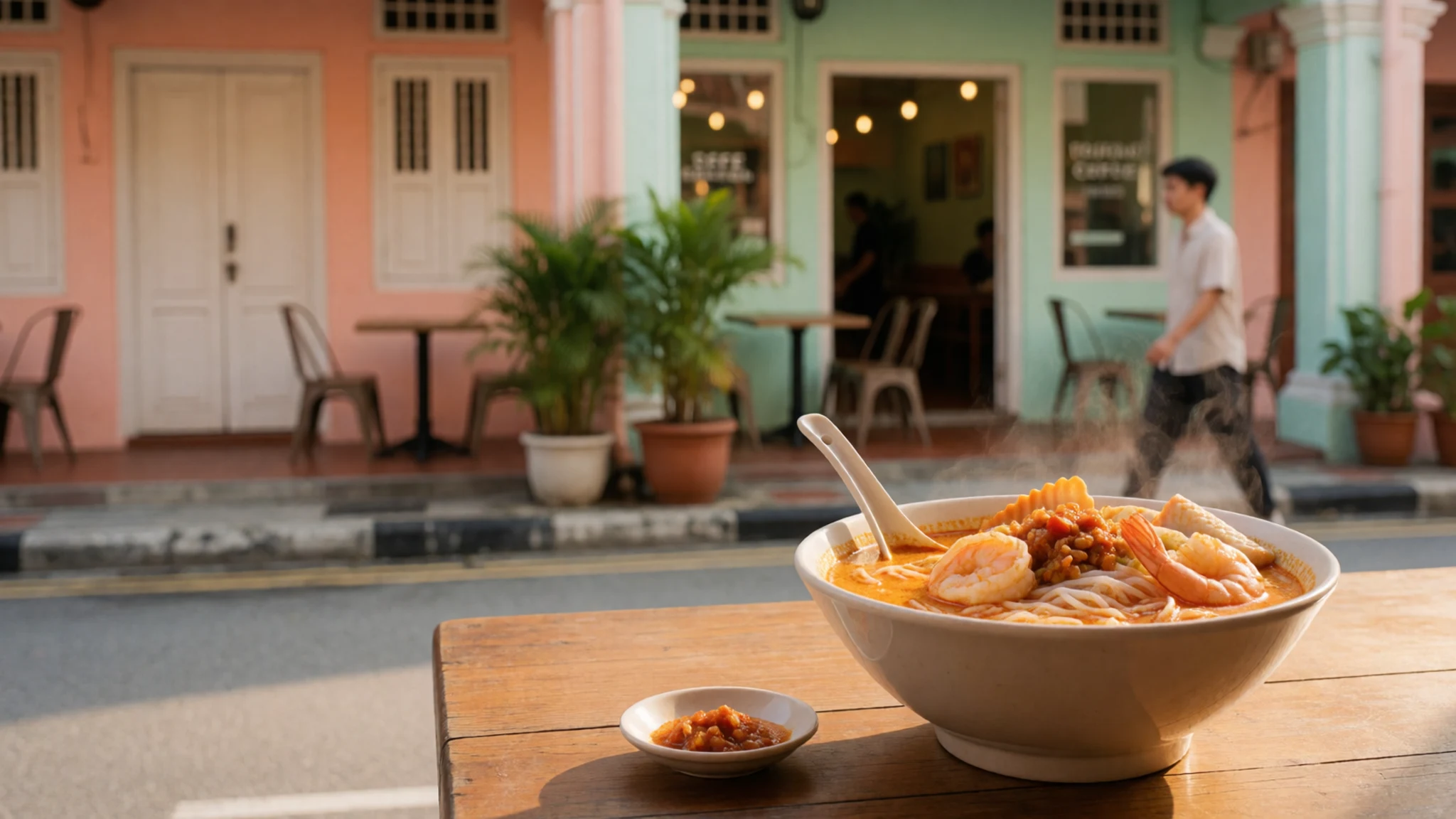
- Chilli crab — Seafood restaurants along the east coast and near the river
Whole crab in a sweet, savoury and mildly hot tomato-chilli sauce, eaten with fried buns for mopping up. Messy and sociable, it is best shared, and the staff will supply wet towels and bibs. - Kaya toast with kopi — Neighbourhood kopitiam (coffee shops) across the city
Toast spread with coconut-and-egg jam and butter, served with soft-boiled eggs and strong, sweet coffee. It is the usual early start before a morning boat, and quick enough not to delay departure. - Satay — Open-air hawker centres and evening satay stalls
Skewers of marinated chicken, beef or mutton grilled over charcoal, served with peanut sauce, rice cakes and cucumber. A good evening meal after a day on the water, ordered by the stick and shared.
Plan it
Best time. February and September are generally the drier months for sea trips from Singapore. November to January is the wettest period, with heavy monsoon showers and rougher water that can cancel boats. Singapore is hot and humid all year, so go early.
How long. 1
Getting there. Fly into Changi Airport and take the MRT or a taxi into the city. Boats leave from the south coast of the main island, so confirm the departure point with the trip operator or the national parks authority.
Budget. mid
Tips
- Check the national parks authority's website for how to visit, since access is by organised trip and arrangements can change
- Book early and be ready to have a trip cancelled for weather or sea conditions
- Take water, a hat, sun protection and a dry bag, as there are no shops or cafés on the islands
- Wear shoes with grip for the rocky, slippery shore
- Eat on the mainland before or after the trip, as food is not sold on the islands
Etiquette
- Stay on the paths and shore areas your guide points out, and keep off the reef
- Take rubbish back with you and leave shells, coral and sea creatures where they are
- Do not swim in the channel between the islands, as the current is dangerous
Nearby
Sources
- Wikidata Q838664 (CC0)
- Wikipedia: Sisters' Islands (rev 1373651503) (CC BY-SA 4.0)
- Wikivoyage: Singapore (CC BY-SA 4.0)
- Stefan Fussan, Sisters' Islands, Singapore (CC BY-SA 4.0)
- Thaejas, Sisters Islands as seen from St. John's Island (CC BY 3.0)
- Stefan Fussan, Big Sisters' Islands, Southeast Beach (CC BY-SA 4.0)
- Stefan Fussan, Big Sisters' Islands, Southwest Beach (CC BY-SA 4.0)
- John Edmund Taylor, St. John's Island & the Sisters, from Tanjong Katong (CC BY 4.0)
- Stefan Fussan, View from Big Sisters' Islands (CC BY-SA 4.0)


