Pulau Semakau
Pulau Semakau, Singapore
Pulau Semakau is Singapore's landfill island, yet its mangroves and shores offer an honest look at where a city's waste goes.
The place
Pulau Semakau sits south of Singapore's main island, out in the Singapore Strait, and it is an unlikely stop on any travel itinerary. It carries the Semakau Landfill, the country's first offshore landfill and today the only one still receiving waste. The landfill occupies the eastern side of the island, on land made by joining the neighbouring Pulau Sakeng to Semakau and enclosing the water between them. Singapore is a city-state small enough that every patch of land is argued over, and sending rubbish to an offshore site was one answer to that squeeze.
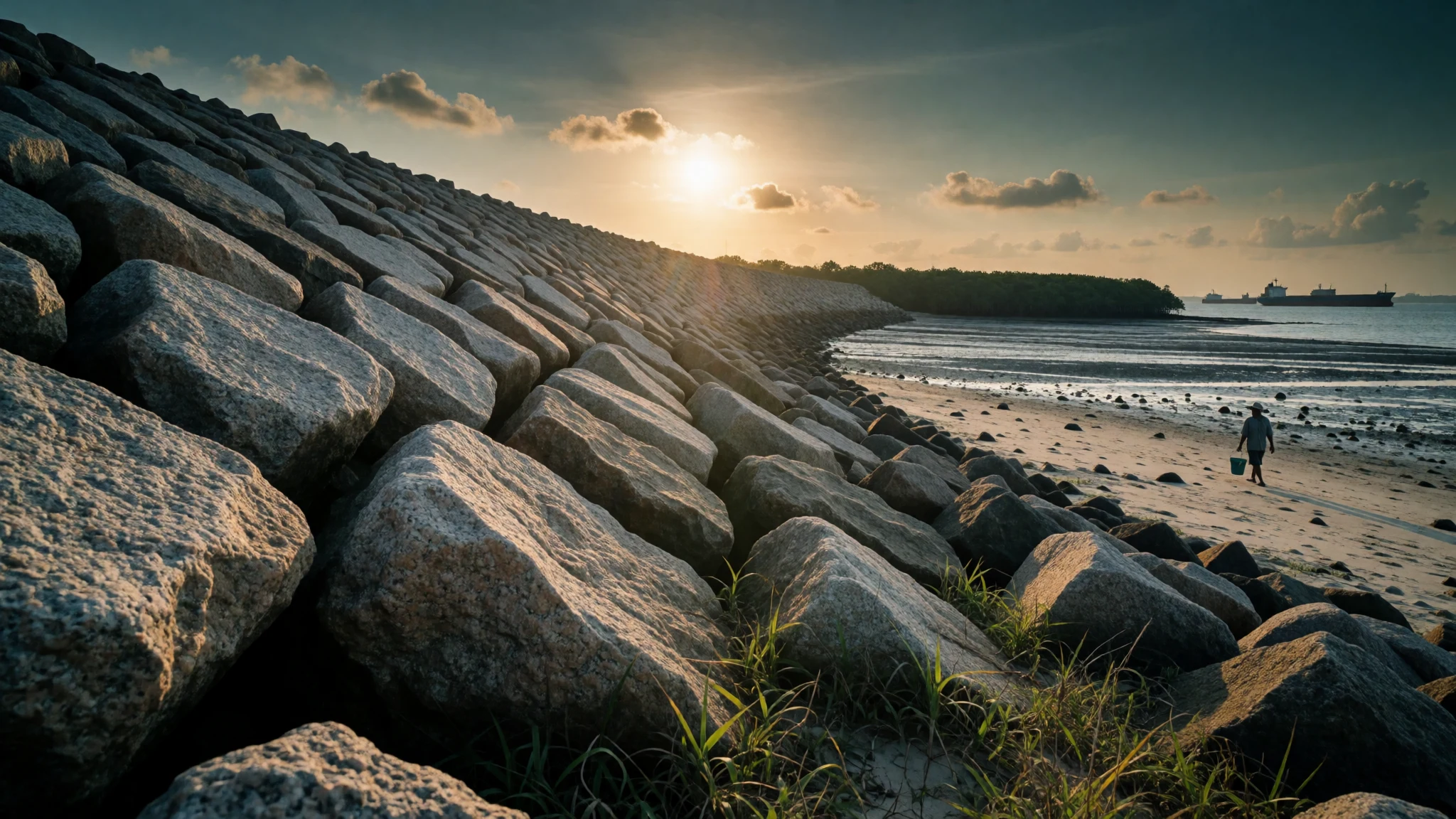
The waste that arrives is mostly ash from the incinerators that burn the city's rubbish, together with material that cannot be burned. It is tipped into sealed cells behind a rock-built wall rather than spread across open ground. Beyond that engineered core, the island's other shores have developed mangroves, seagrass and tidal flats, and these are the part that interests naturalists and school groups. Low tide reveals crabs, sea stars, snails and shorebirds on ground that lies within sight of cargo ships moving through the strait.
This is not a place to simply turn up at. There is no public ferry and no beach resort; visits are arranged in advance as guided trips, and the organisers set the dates and group sizes. The island is flat, exposed and hot, with little shade, and the weather decides much of the day. Visitors tend to leave with a plainer understanding of what a modern city leaves behind, and some surprise at how green the margins are.
Its story
Before it held rubbish, Pulau Semakau held a village. Families lived in houses raised on stilts above the shore and fed themselves mainly by fishing the coral reefs close by. A few small shops served the community, and a community hall stood on Semakau. The neighbouring island of Pulau Sakeng, also called Pulau Seking, had a similar settlement, along with a small marine police post.
In 1987 the government, having bought the land from the residents, moved the families to housing estates on the mainland, in Bukit Merah and Telok Blangah. One elderly resident stayed on Sakeng alone for a while after his family had gone; he left in 1991, once the jetty had become unsafe. Animal welfare workers were then sent to gather the cats that had stayed behind.
The landfill itself became public as a plan in February 1989. Building it meant closing off a stretch of sea between the two islands with a wall, so Sakeng stopped being a separate island. It was absorbed into the reclaimed land, and the receiving station where waste arrives was built directly over it.
Today the stilt houses are gone and little on the surface hints at them. That makes Semakau an odd case of a place whose human history is kept mostly in the memories of former residents and their families, rather than in monuments or markers.
What to see
- The landfill seawall — Eastern side of the island
The rock wall that encloses the landfill is the island's defining structure. From its crest the view runs across the Singapore Strait to ships at anchor and the southern edge of the main island. It works as an engineering lesson in holding waste away from the sea, and is often seen from a vehicle on guided visits.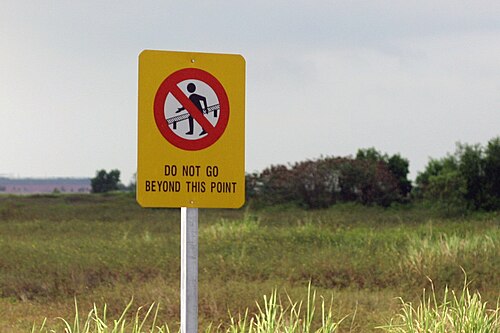
- Mangrove shoreline — Fringes of the island's natural shore
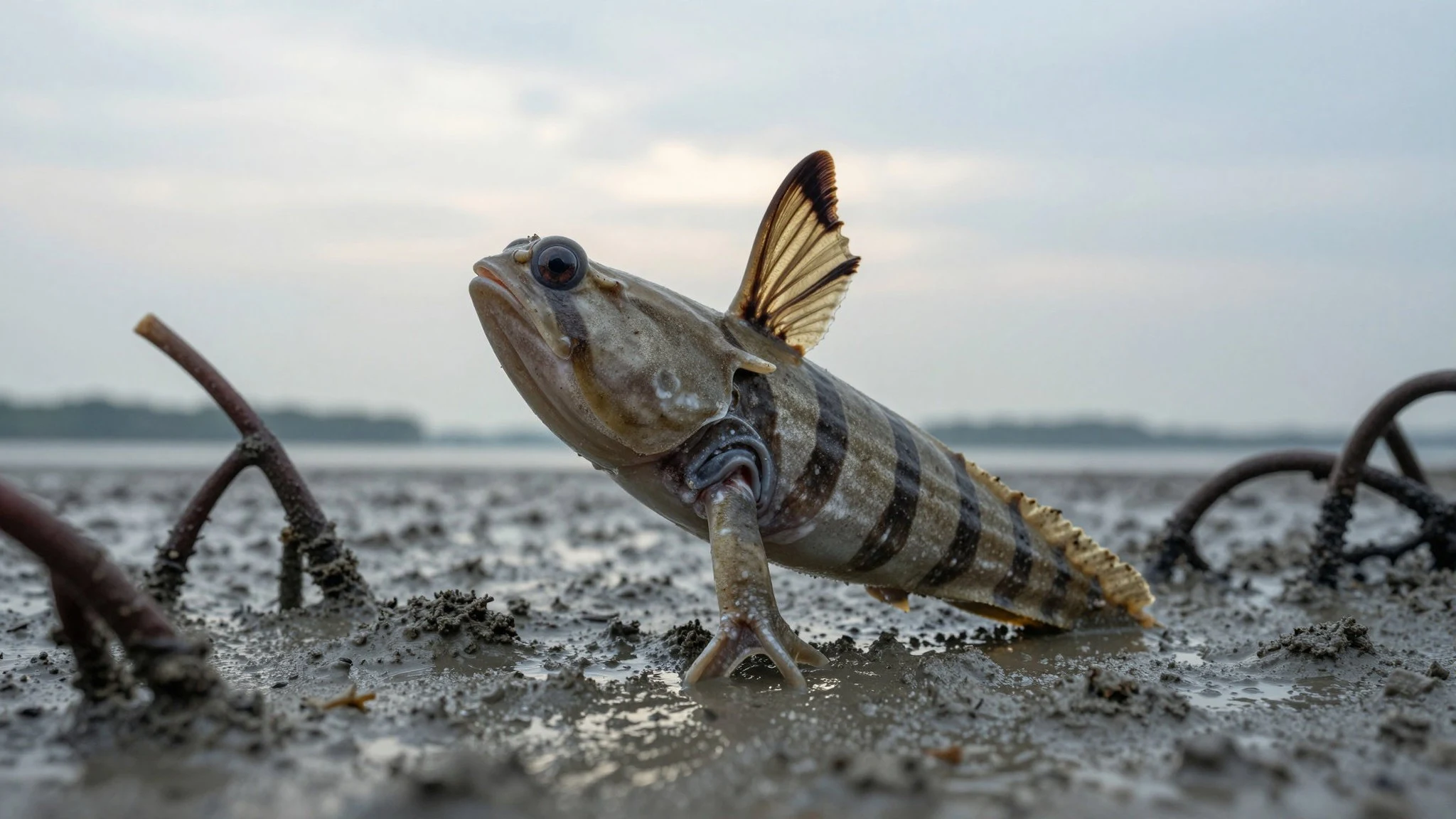
Stands of mangrove edge parts of the shore, their roots sheltering crabs, mudskippers and young fish. Guides use them to explain how such trees trap sediment and soften waves. The ground is muddy and the air still and humid, so insect repellent and closed shoes are worth packing. - Intertidal flats — Low-tide shores
At low tide the exposed sand, seagrass and rubble reveal marine life surviving close to busy shipping lanes. Walks are timed to the tides and led by trained guides, who point out sea stars, anemones, snails and crabs. Footwear that can get wet and muddy is essential, and the schedule changes with the tide tables. - The waste receiving station — Where Pulau Sakeng once stood
On the eastern side, the receiving station stands where Pulau Sakeng once rose from the water. Barges bring in ash and other waste from the mainland, which is then tipped into the walled cells. Visitors normally see it from a distance or from a vehicle rather than on foot, for safety reasons. - Coastal birdlife and open sky — Shores and grassy slopes
With no tall buildings and few people, the island suits birdwatchers looking for waders and other coastal species, especially in the migration months. Evenings bring wide skies and the lights of passing ships. What can be seen depends on the organised trip, the tide and the weather on the day.
Culture
Pulau Semakau has no residents now, so the culture a visitor meets here is Singapore's, seen from its far edge. The fishing families who once worked these reefs were resettled on the mainland, and their story survives mainly through memory and through the way the island is spoken of locally: a place given up for a national need.
Singapore itself is a mix of Chinese, Malay and Indian communities, with many workers and expatriates from elsewhere, and everyday manners are relaxed. Nobody expects elaborate formality, and ordinary good behaviour travels well. Beneath that ease runs a socially conservative streak. Holding hands is fine, but kissing in public is disapproved of, and places of worship expect covered shoulders and knees.
There is also a strong habit of planning, reuse and efficiency, which helps explain why a landfill is run as a managed site that doubles as a place to learn about nature, rather than being hidden away. The usual visitors are school groups, naturalists and volunteers, and guides tend to speak openly about the trade-offs between land, waste and the sea. Questions are welcome, and the tone is practical rather than preachy.
On a Semakau trip, follow your guide's instructions, stay within the marked areas and leave every shell, sea star and piece of coral exactly where you found it.
What to wear
Traditional dress in Singapore follows its communities. Peranakan women wear the nyonya kebaya, a fitted, lace-trimmed blouse in fine cotton or voile, over a batik sarong, for weddings and festivals. Malay families wear the baju kurung, a long tunic over a skirt, and men the baju Melayu with a songkok, especially at Hari Raya. Chinese women may wear a cheongsam, a close-cut dress in silk or brocade, around Lunar New Year, while Indian families wear silk or cotton sarees and kurtas at Deepavali and weddings. None of this is specific to Semakau, which has no residents; these clothes belong to celebrations on the mainland.
Everyday wear in Singapore is plain and light: T-shirts, shorts, cotton dresses, trainers or sandals, because heat and humidity hardly change through the year. Formal dress shows up mainly in offices, a few smart restaurants and government buildings.
For a Semakau trip, dress for a hot, exposed shore. Wear a breathable long-sleeved top, quick-drying trousers or shorts, a hat, sunglasses and sunscreen, and carry a thin rain jacket. Closed shoes that can get wet and muddy are essential, ideally with a good grip; flip-flops are a poor idea on slick rock and mud. For mosques, temples and other places of worship elsewhere in Singapore, cover shoulders and knees; larger sites often lend shawls and sarongs.
What to eat
- Chilli crab — Seafood restaurants along the East Coast
Mud crab cooked in a sweet, tangy and mildly spicy tomato-and-chilli sauce, with fried buns for mopping it up. Black pepper crab is the drier, peppery alternative. Both are messy, eaten with the hands, and best shared among a group. - Hainanese chicken rice — Any hawker centre
Poached chicken sliced over rice cooked in the chicken stock, served with chilli sauce, ginger paste and a bowl of clear soup. It is a simple, filling lunch and a clear example of Chinese influence on everyday Singapore food. - Laksa — Hawker stalls and coffee shops in the East Coast neighbourhoods
Rice noodles in a spicy, fragrant coconut-milk broth with prawns, cockles or fish cake. The Peranakan style is rich and aromatic, and at some stalls the noodles are cut short so a spoon alone is enough. - Roti prata — Indian eateries around Little India
A flaky, griddled flatbread from the Indian community, eaten with fish or mutton curry, or with dal for a vegetarian plate. It suits breakfast or a late-night snack, and sweet versions with sugar are also made. - Nasi lemak — Malay stalls in Geylang Serai and hawker centres
Rice cooked in coconut milk, served with fried anchovies, peanuts, cucumber, egg and spicy sambal, often with fried chicken or fish. A Malay staple eaten at breakfast or at any other time of day.
Plan it
Best time. February to April and June to August are usually the drier stretches, which helps because Semakau trips are outdoors and led by the tides. November to January is the wetter monsoon spell, with frequent heavy showers, though heat and humidity stay high all year.
How long. 1
Getting there. Fly to Singapore Changi Airport, then take the MRT or a taxi to the meeting point named in your booking. The last leg is by boat from the mainland, arranged as part of the guided trip.
Budget. mid
Tips
- Access is by arrangement only: check the official National Environment Agency site for how to apply, and apply well ahead because dates and places are limited.
- Wear closed shoes that can get wet and muddy, plus a hat and sunscreen; there is little shade.
- Bring your own water and snacks, and plan to eat on the mainland before or after rather than counting on shops on the island.
- Keep your day flexible: low-tide times set the schedule, and bad weather can change or cancel a trip.
- Check entry rules early: UK passport holders can stay visa-free for 90 days or less, Indian citizens need to apply for a visa in advance, and passports must be valid for at least 6 months.
Etiquette
- Take nothing from the shore and touch marine life only as your guide directs.
- Keep to marked paths and follow instructions at the landfill, where vehicles and operations are active.
- Cover shoulders and knees at places of worship elsewhere in Singapore.
Nearby
Sources
- Wikidata Q3519994 (CC0)
- Wikipedia: Pulau Semakau (rev 1386111406) (CC BY-SA 4.0)
- Wikivoyage: Singapore (rev 5408853) (CC BY-SA 4.0)
- Semakau Scenery — Meutia Chaerani, via Wikimedia Commons (CC BY 3.0)
- Pulau Semakau (old) locator map — Vsion, via Wikimedia Commons (CC BY 3.0)


Wildlife
- Striped mudskipper (animal)
The striped mudskipper is a little mudskipper, a shore creature you will remember by its name alone. On Pulau Semakau, look along the stretches of shore edged with mangrove, where tangled roots give it, and crabs and young fish, a place to shelter. Season and time of day are not recorded here, so go with a guide who knows the shore. Keep your distance, tread and speak softly so you do not startle it, and never feed it.