Murree
Murree, Pakistan
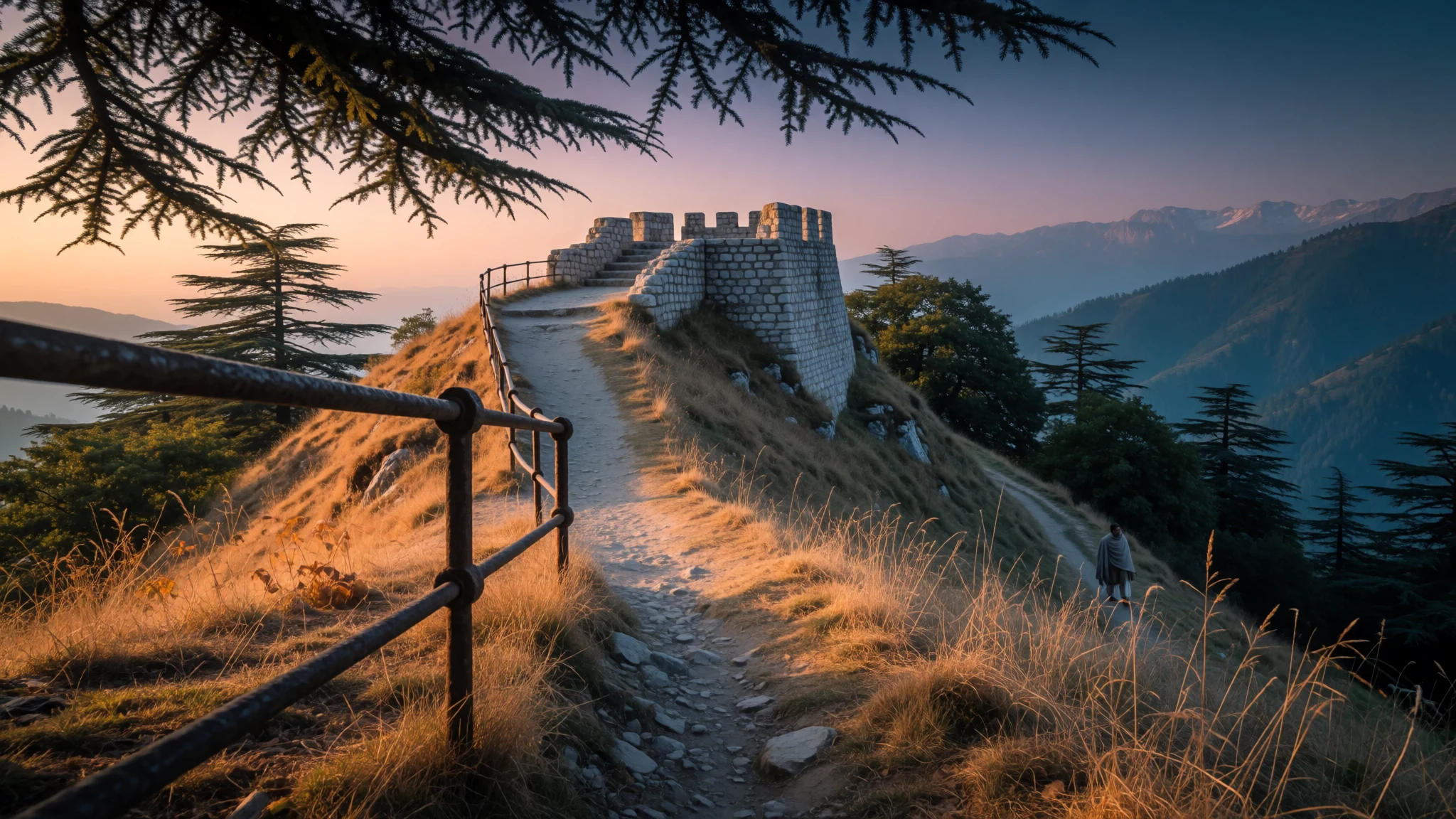
Murree is the cool pine ridge above Islamabad, where families escape the plains' heat for fog, forest walks, tea at viewpoints and winter snow.
The place
Murree sits at about 2,300 m in the Galyat hills, a spur of the Pir Panjal range on the western edge of the Himalayas, north-east of Islamabad. The recorded population is 20,869, but that figure hides the real character of the town. On summer weekends and snow days it fills with visitors from Islamabad, Rawalpindi and the Punjab plains, and the roads, car parks and pavements carry far more people than the residents alone.
The town grew as a retreat. British administrators wanted somewhere cool for troops and officials when the plains became unbearable, and they laid out a single main road along the ridge, the Mall, with a church, a post office and shops clustered near it. That ridge-top plan still organises everything. Most eateries, shops and guesthouses line the Mall or the lanes that fall away from it, and the views open out wherever the buildings pause.
Around the centre, pine and oak forest covers the slopes, with springs, small orchards and lawns in the gaps. The architecture leans towards Tudor-style gables and neo-Gothic stonework, some of it well kept and much of it weathered by fog and heavy rain. Murree is also a staging post: many travellers pass through on the way to Nathia Gali, Ayubia, Abbottabad or Azad Kashmir.
A fair account has to admit the downsides. Murree is crowded in peak summer, traffic can crawl whenever snow falls, and there is not much to do beyond walking, eating and looking at the hills. Those who come for exactly that, and avoid the busiest days, tend to leave content.
Its story
Murree's life as a town begins with a surveyor's eye. Major James Abbott picked out the ridge as a likely hill station in 1847, when it was known as Marhi, a name read as meaning a high place. He wrote of reaching cedar-covered heights that faced a vast precipice above the Jhelum river, and of ascetics who kept night vigils there, hoping to see spirits settle on the plants as flames.
Within a few years the idea became policy. Sir Henry Lawrence, who headed the Punjab administrative board, pushed the work forward from 1851, and the aim was a sanatorium for British troops posted on the Afghan frontier. The permanent town was built at Sunnybank in 1853. The church was consecrated in May 1857, and the main road, now officially Jinnah Road but still called the Mall, was laid out. The post office, merchants selling European goods, tailors and a milliner all set up opposite the church.
Colonial Murree was exclusionary. Until 1947, non-Europeans were not allowed onto the Mall, so the street that now carries the town's busiest crowds was once closed to most of the people living around it. For a few summers Murree served as the Punjab government's headquarters, until the role moved to Shimla in 1876. A rebellion against British rule broke out in the summer of 1857, the same year the church was sanctified.
After 1947 the town kept its purpose as a cool escape, now for Pakistani families rather than imperial officers. The ridge, the road and the church remain; the people using them are the part that changed.
What to see
- The Mall — Town centre
The Mall is the ridge-top spine of Murree, lined with shops, eateries and the old post office buildings. It is the commercial heart of the town and the place where the crowds gather, especially on summer evenings and snow days. Early morning is calmer. Walk it end to end, then try the side lanes for quieter corners.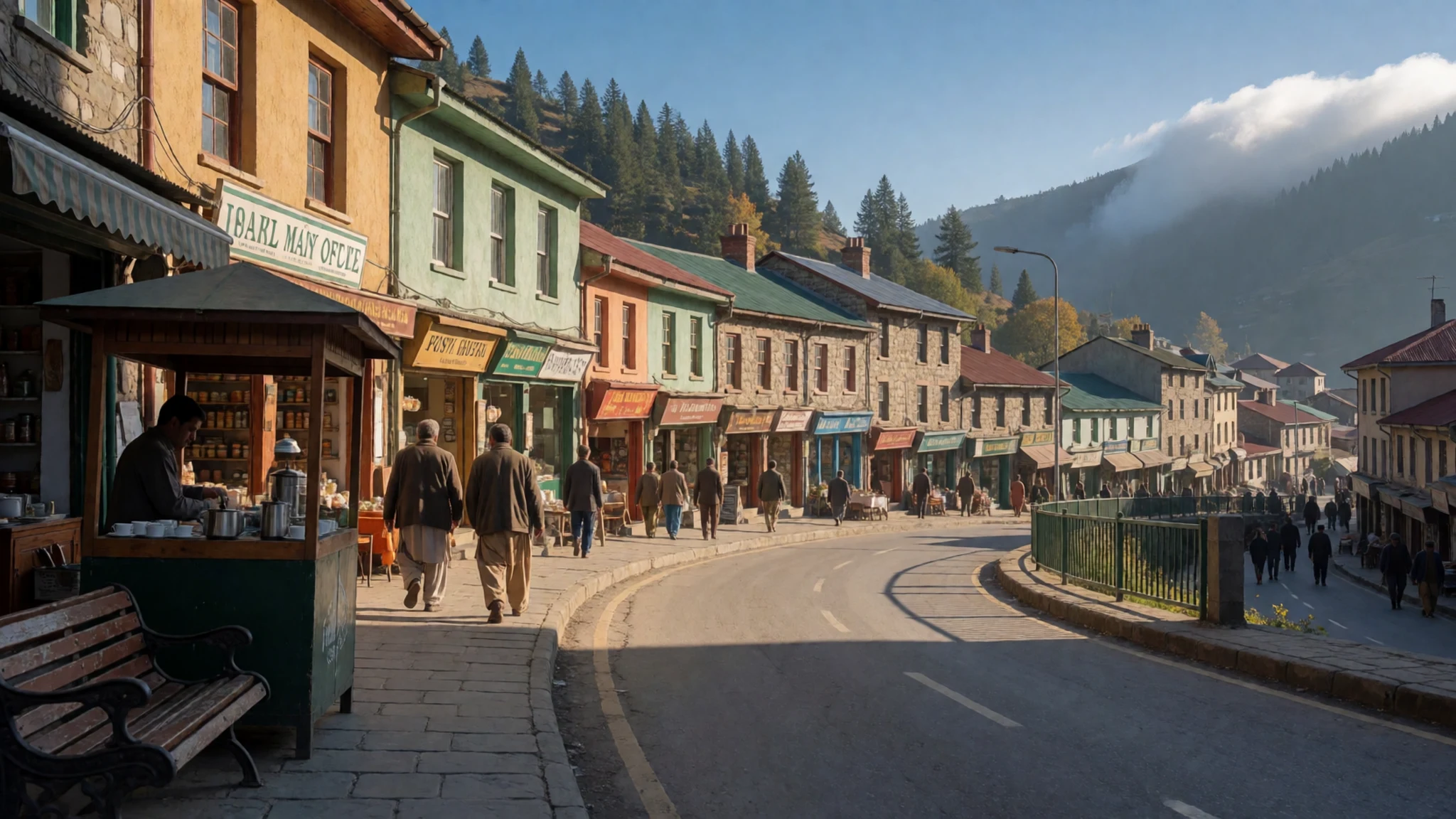
- Pindi Point — Above the town centre
Pindi Point is a viewpoint reached by chairlift, looking out towards the plains where Rawalpindi and Islamabad lie. Queues build at the lift on summer weekends, so a weekday or an early start helps. Haze often softens the distance later in the day, which makes morning the better time for the view.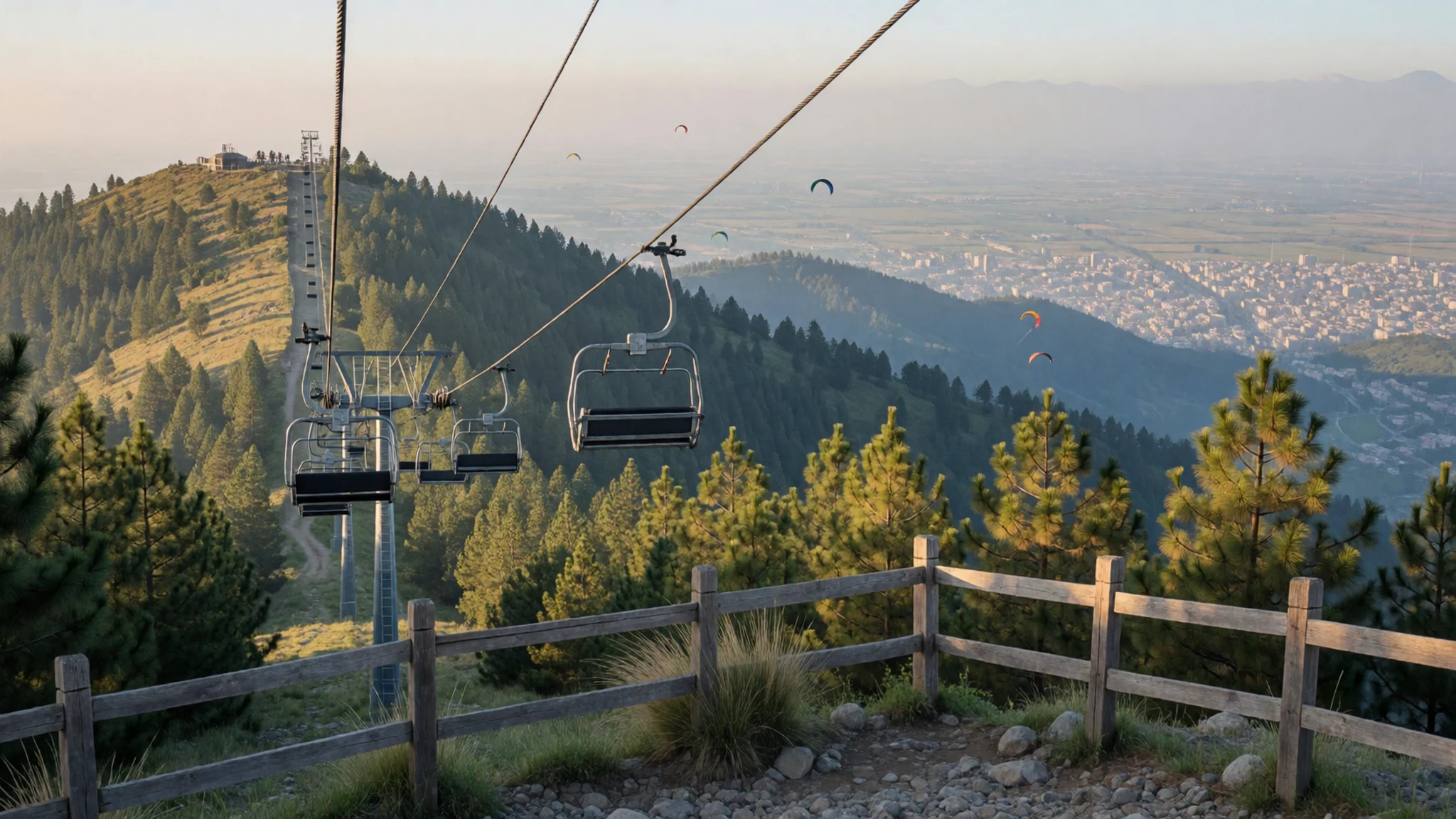
- Kashmir Point — Eastern ridge
Kashmir Point is a ridge viewpoint good for sunrise and sunset and, on very clear days, for glimpses of snowy peaks towards Kashmir. Weather decides everything here. Fog can leave nothing to see, so keep the timing flexible and treat the far peaks as a bonus rather than a promise.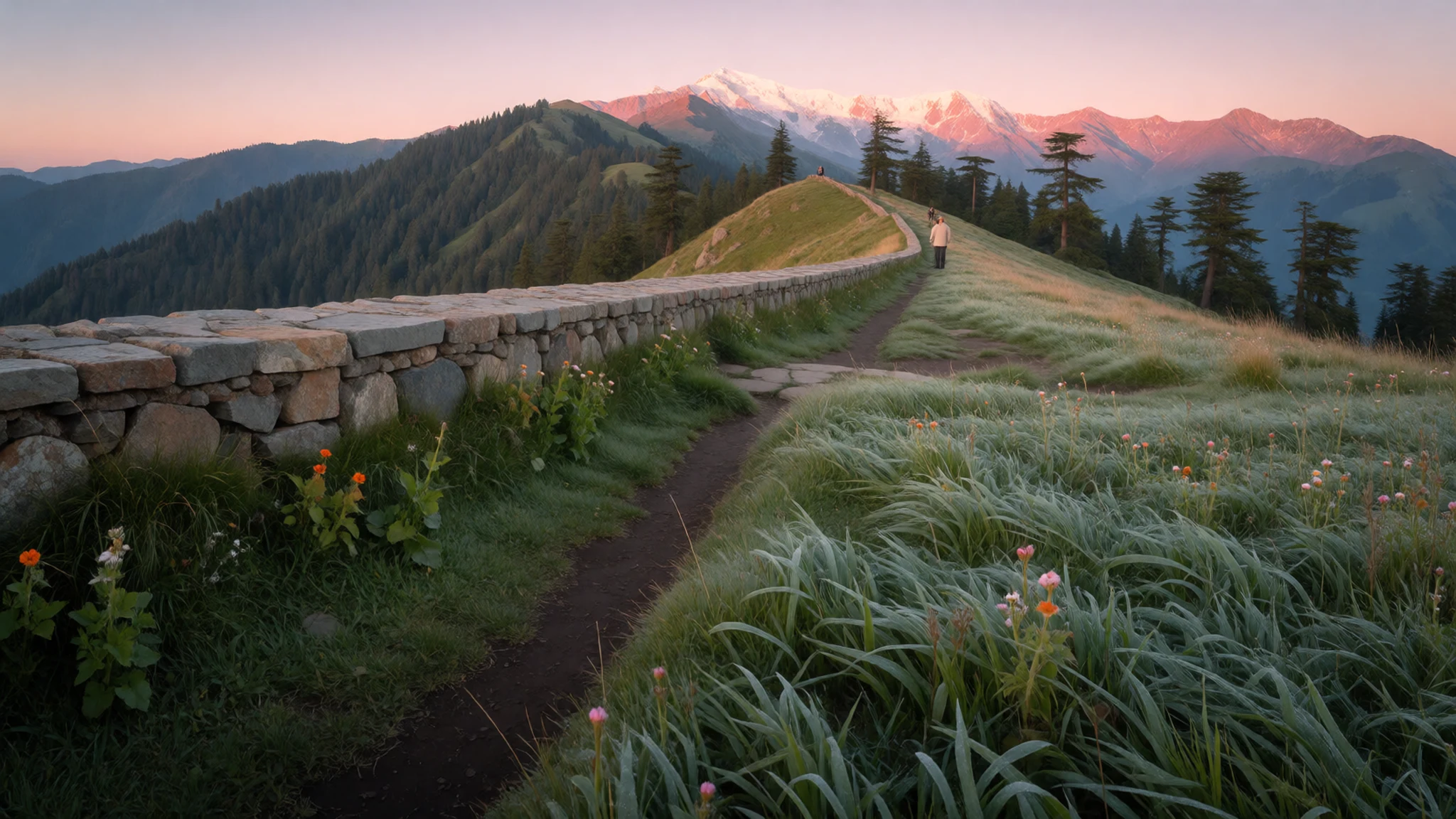
- Patriata — Patriata, Murree tehsil
Patriata, a short drive from Murree, has a gondola lift over forested slopes and hiking paths that have been developed around it. It suits a half-day trip. The lift can be busy at weekends and may stop in poor weather, so check the operator's current status before setting out.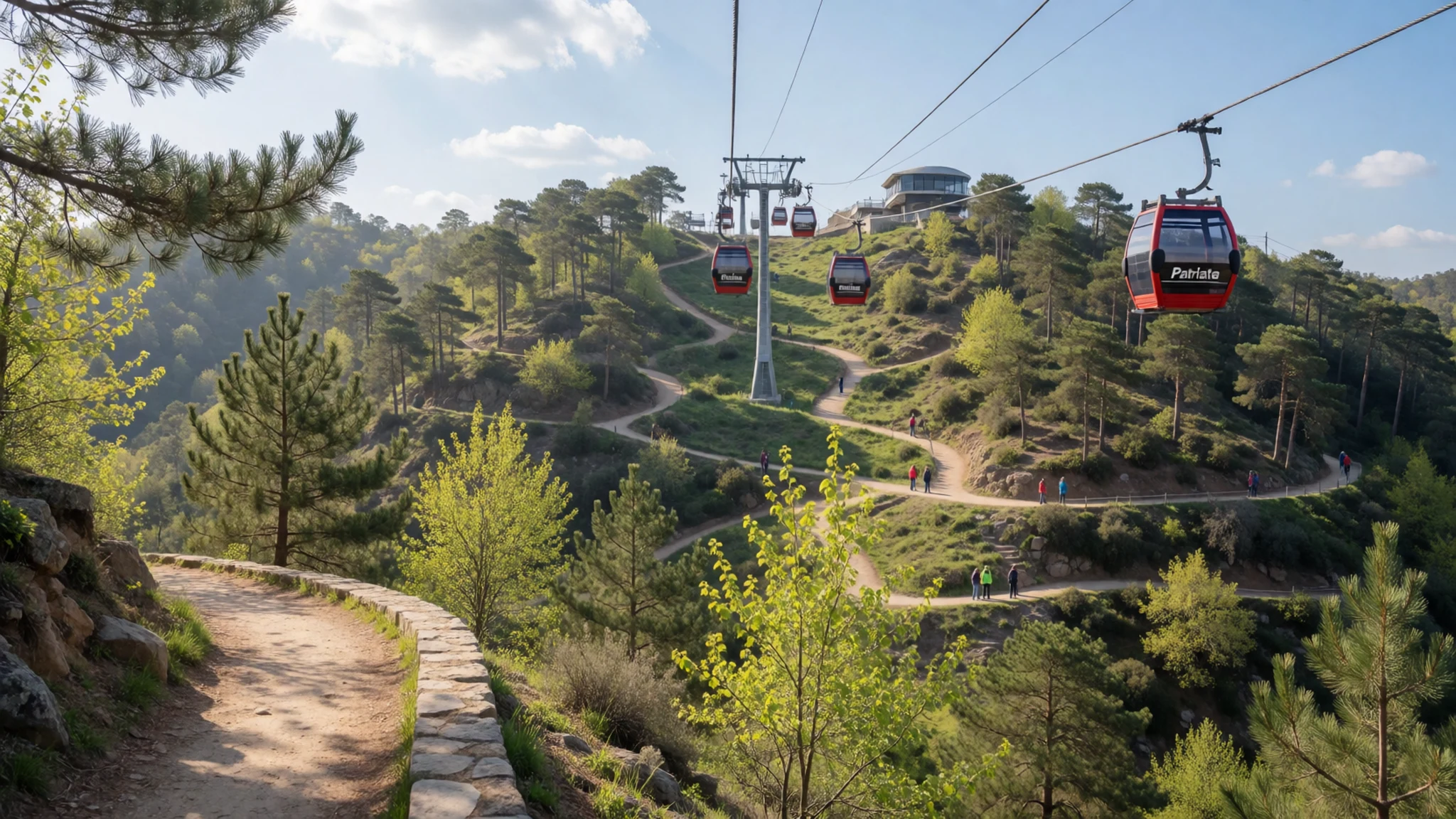
- Holy Trinity Church — Near the Mall
Holy Trinity Church stands near the Mall and is the clearest reminder of the Victorian settlement that grew around it. Its stonework and setting among the pines make a good stop for photographs, especially near sunset. Treat it as a place of worship: keep voices low and check before going inside.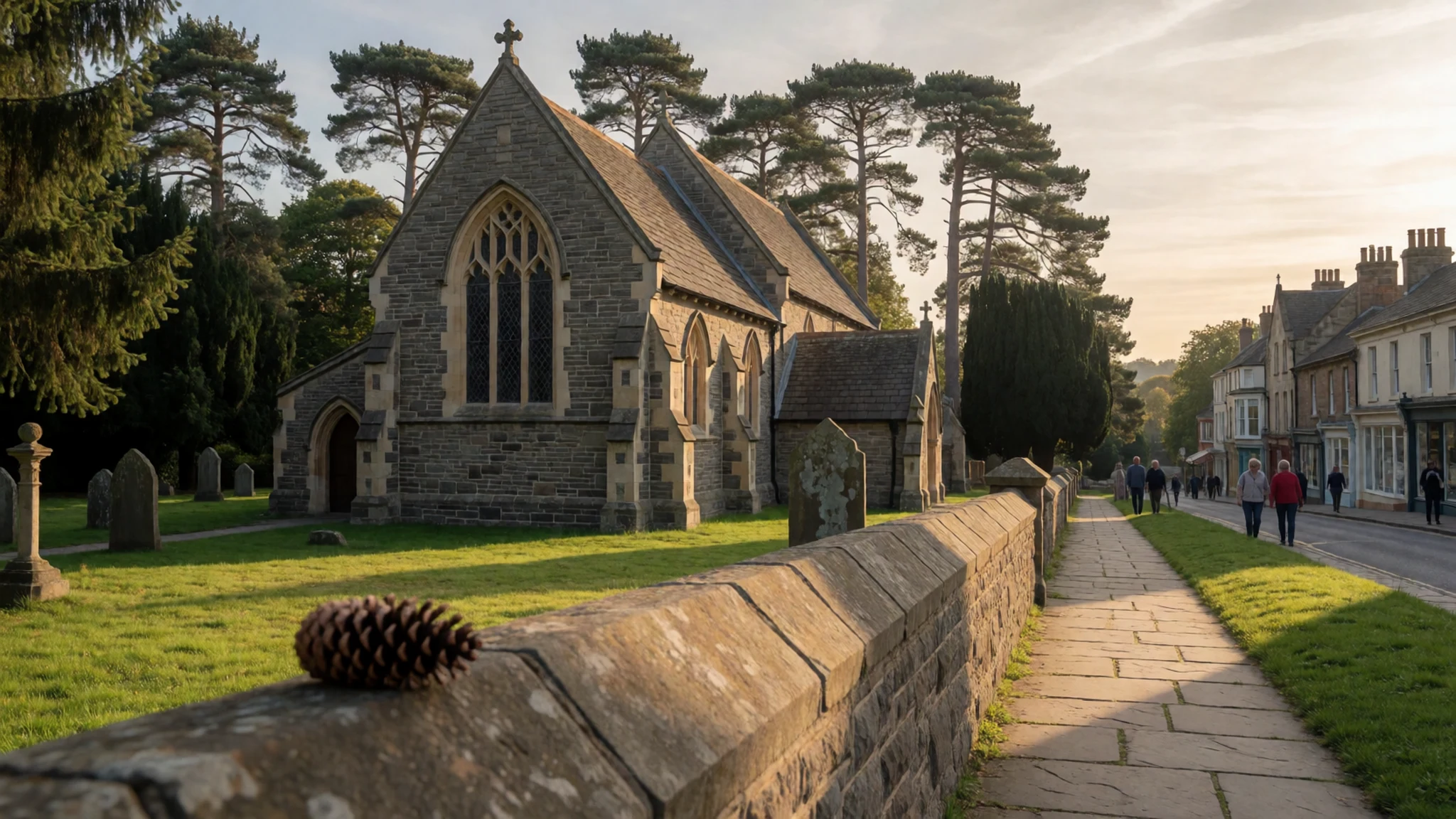
- Lawrence College, Ghora Gali — Ghora Gali
Lawrence College at Ghora Gali is a school with colonial-era buildings, set among trees a short way from the centre. Its gabled, stone-built campus recalls the town's British past. Most visitors see it from the road. Ask permission before going in, since it is a working school.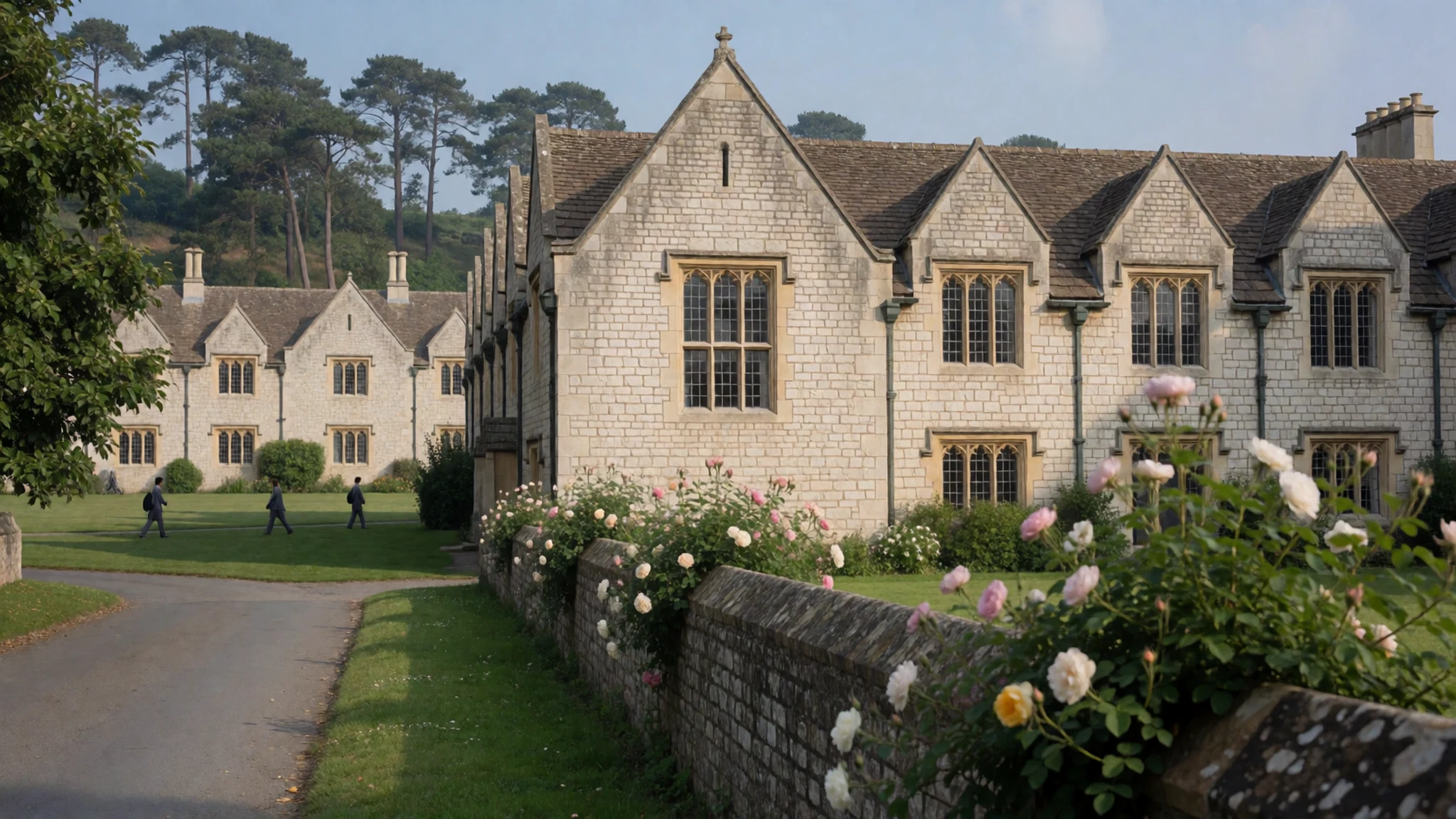
Culture
Murree is a Pakistani hill town, and its culture is largely that of families on holiday. Visitors from Punjab's cities and from Islamabad dominate in summer, bringing picnics, music from car stereos, tea at viewpoints and group photographs on the Mall. Local life runs alongside this: shopkeepers, drivers, guides and guesthouse staff, many from the surrounding hills and from the towns below, work long seasonal hours and tend to be cheerful about the rush.
The colonial layer is still visible. The church, the Tudor-style gables and the very name of the Mall all come from the British period, and until 1947 the main street was closed to non-Europeans. Today the same street is the most democratic space in town, with families, honeymooners, students and day-trippers all walking the same stretch.
Islam shapes the daily rhythm. The call to prayer carries across the ridge, some shops pause briefly at prayer times, and during Ramadan daytime eating out is quiet, with many eateries opening properly only towards sunset. Winter brings a different mood, when snow turns the town into a destination for people who rarely see it, and the Mall fills with laughter, sledging attempts and roadside tea.
People are generally happy to chat about where you are from, and a polite greeting goes a long way. Dress modestly, and ask permission before photographing local women, families or children, a courtesy that matters more than the relaxed crowds on the Mall might suggest.
What to wear
The traditional dress around Murree is the one worn across much of northern Pakistan: the shalwar kameez, a long tunic over loose trousers, for both men and women. In summer it is usually cotton or lawn, a light and finely woven cloth. In winter it shifts to wool or heavier cotton such as khaddar. Women add a dupatta, a long scarf worn over the shoulders or head, and shawls in wool or embroidered cloth are common in the cold months. Men often add a waistcoat or a woollen cap. Festivals and weddings bring out brighter fabric and embroidery.
What people actually wear now is a mix. Shalwar kameez remains everyday dress for many residents, but jeans, jackets, fleeces and woollen hats are everywhere, particularly among younger people and visiting families. In winter, puffer jackets and boots dominate, and snow days bring thick layers, gloves and borrowed sledging gear.
Visitors should dress for a cool, damp, steep place. Layers work best: a light jacket even in summer evenings, a warm layer for winter, and a rain shell in the wet months, particularly July and August. Shoes with proper grip matter, since the lanes are steep and slippery when it rains or freezes. Modest dress is the norm, so loose clothing that covers shoulders and knees is more comfortable and attracts less attention. Women travelling in a group or alone may like to carry a scarf, handy for wind, sun and for entering religious buildings.
What to eat
- Chicken karahi — Restaurants along the Mall
Chicken karahi is chicken cooked quickly in a wok-like pan with tomatoes, ginger and green chilli, then eaten with hot naan. It is the standard main course at sit-down restaurants along the Mall, and a good dish for sharing among a group after a day of walking.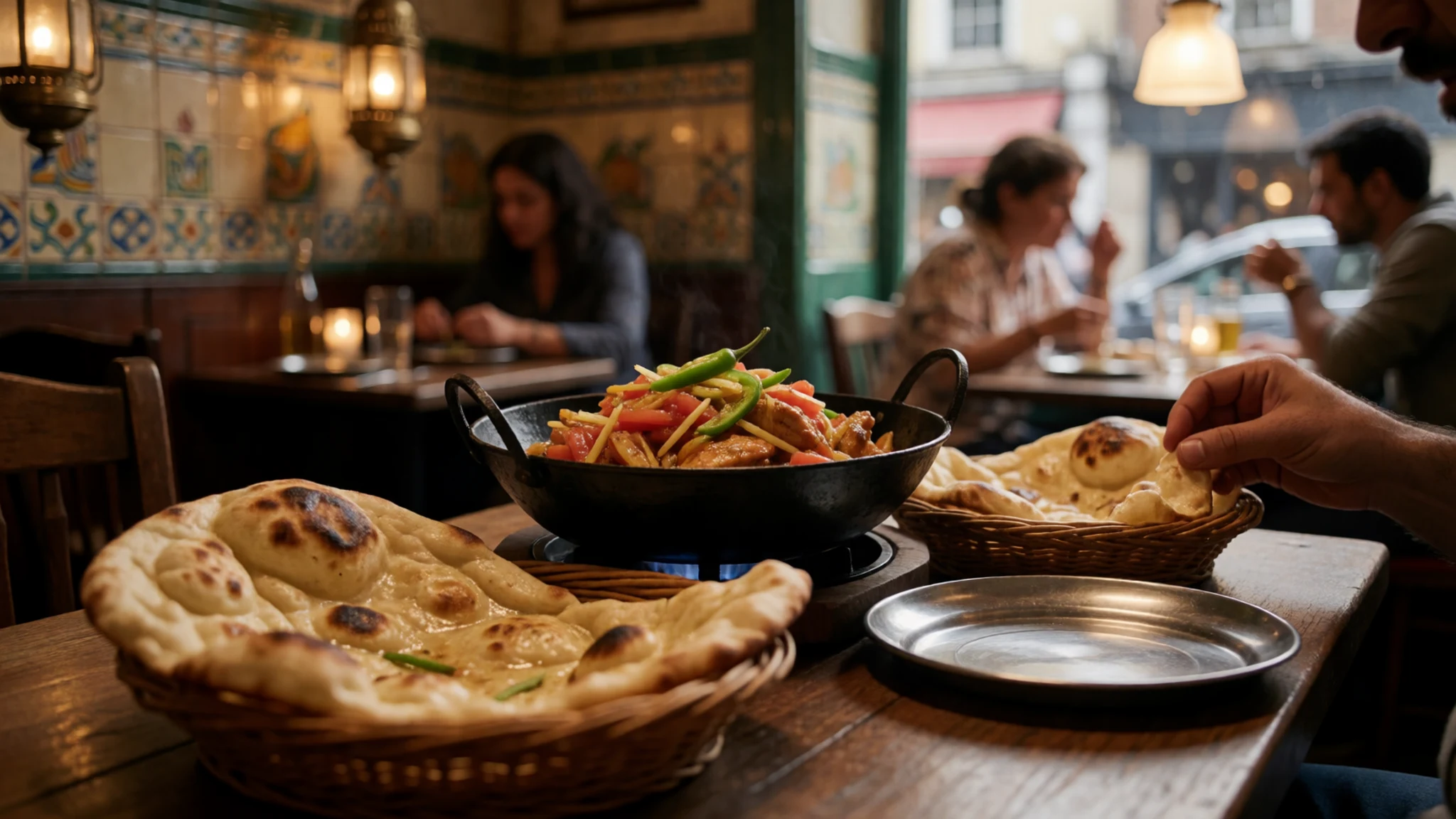
- Doodh patti chai — Tea stalls at viewpoints and along the roadside
Doodh patti is strong tea boiled with plenty of milk and sugar, often served in small cups. Roadside stalls and viewpoint tea shops make it all day, and it tastes best in cold, foggy weather. Ask for less sugar if you prefer.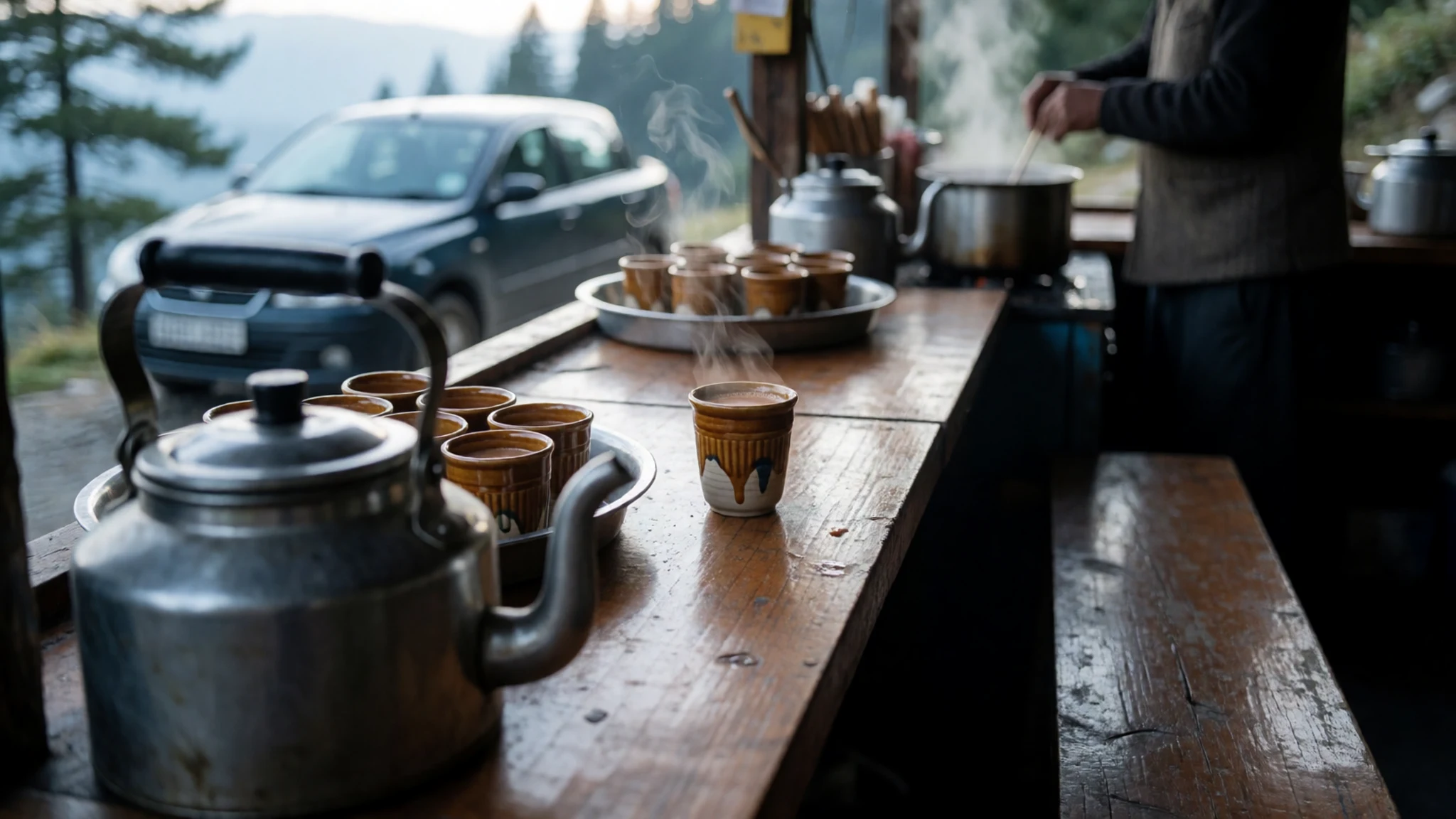
- Roasted corn on the cob — Street vendors on and near the Mall
Vendors roast corn over charcoal and rub it with lime, salt and chilli. It is a simple snack that suits a walk along the ridge in cool evening air, and a good way to eat cheaply while the Mall's crowds drift past. - Pakoras and samosas — Snack stalls and small eateries on the Mall
Crisp fried vegetable fritters and pastry parcels are the comfort food of wet or snowy days, usually eaten hot with a spicy chutney. They are also a quick stop on the road to or from the hills, when a full meal feels like too much. - Seekh kebab with naan — Grill-houses and eateries near the Mall and Kashmir Point
Seekh kebabs are minced meat, spiced and grilled on skewers, then served with fresh naan, onions and chutney. Grill-houses cook them to order, and the smoky smell drifts along the busier lanes in the evening, especially during the summer season.
Plan it
Best time. April to June and September to October for mild, clear weather and the best chance of long views. July and August bring the heaviest summer rain and frequent fog, and the town is at its most crowded then. Winters are cold and snowy, with snow most often from late February into early March, which draws crowds and can slow roads.
How long. 2–3
Getting there. Murree has no airport or railway station, so it is reached only by road. Most visitors fly into Islamabad or take a train to Rawalpindi, then continue by taxi, bus or hired car up the mountain road. Allow extra time on summer weekends and after snowfall.
Budget. mid
Tips
- Go on a weekday or arrive early, because the Mall and viewpoints are most crowded at weekends and on snow days
- Carry a rain jacket and a warm layer in every season, as fog and showers arrive quickly
- Check road and weather updates before driving up in winter, since snow can slow or stop traffic
- Carry some cash for stalls, tea shops and small eateries, as card acceptance can be patchy
- Check the official operator for gondola and chairlift status before making a special trip
Etiquette
- Dress modestly, with shoulders and knees covered
- Ask before photographing local people, especially women and children
- Keep noise down near the church and during prayer times
Nearby
Sources
- Wikidata Q1020224 (CC0)
- Wikipedia: Murree (rev 1386047972) (CC BY-SA 4.0)
- Wikivoyage: Murree (rev 5411855) (CC BY-SA 4.0)
- Umair ua, View of Mountain Valley from the Top, via Wikimedia Commons (Public domain)
- Usamashahid433, sunset view in Murree Hills, via Wikimedia Commons (CC BY-SA 4.0)
- Usama javaid, Kuldana Road, Murree, via Wikimedia Commons (CC BY-SA 4.0)
- Talhaumar10, GPO Mall Road Murree, via Wikimedia Commons (CC BY-SA 4.0)
- Moheman7, Murree Mall, via Wikimedia Commons (CC BY-SA 4.0)
- Sania008, Patriata gondola lift, via Wikimedia Commons (CC BY 3.0)
- Carport, Physical location map of Pakistan, via Wikimedia Commons (CC BY 3.0)
- Gallian775, Senior School, Lawrence College Ghora Gali, via Wikimedia Commons (CC BY-SA 4.0)


