Maria Islands
Maria Islands, Saint Lucia
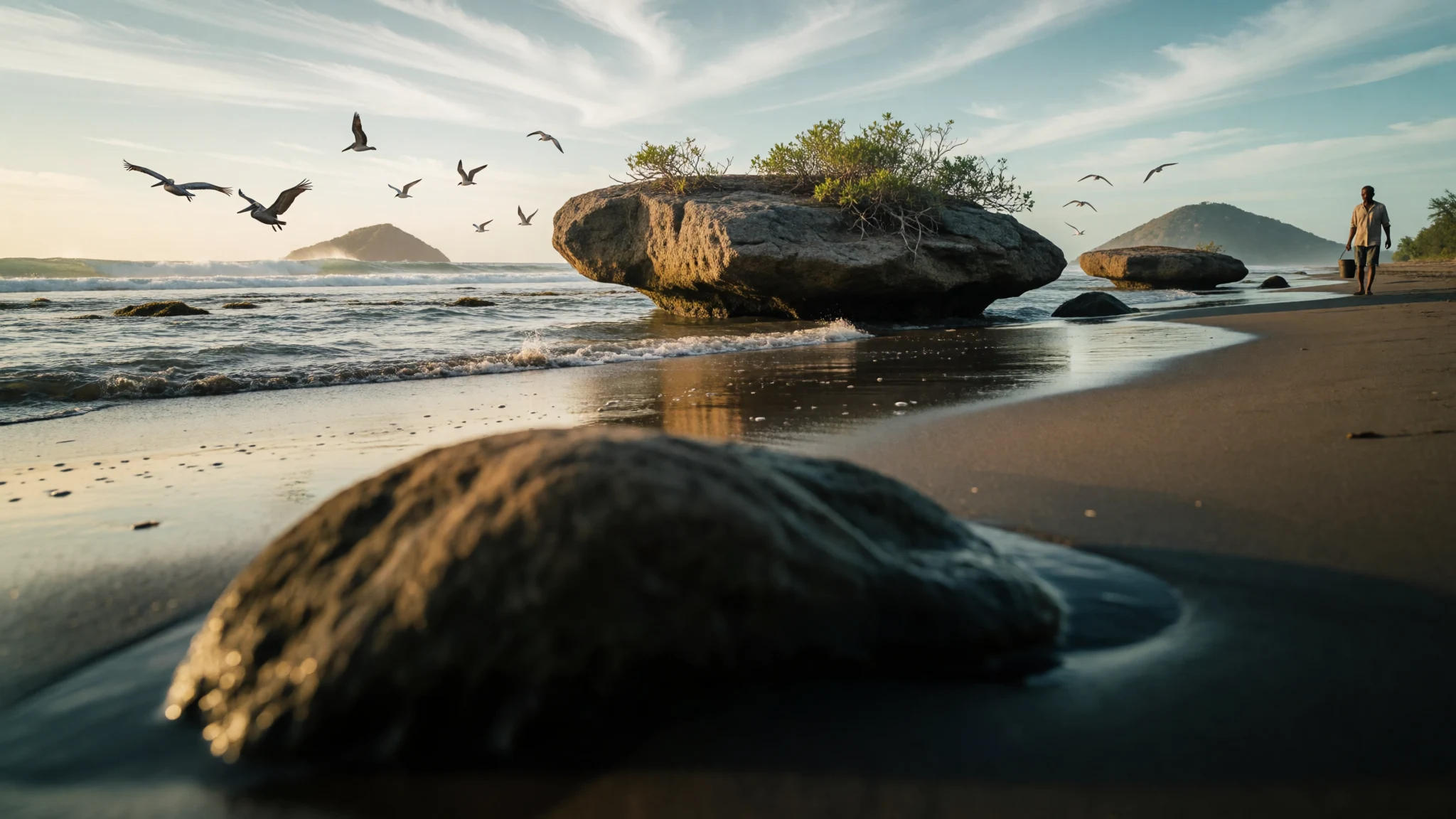
Maria Islands off Vieux Fort, Saint Lucia, are a small protected reserve where seabirds and rare reptiles matter more than sand.
The place
Maria Islands are a small island group off the south coast of Saint Lucia, within sight of the town of Vieux Fort. Wikidata records them as an island group and little more, so what follows rests on the local setting rather than a long paper trail. They are a protected nature reserve rather than a holiday beach: no hotels, no loungers, no cafés, and the reason to go is wildlife. The main rocks, Maria Major and Maria Minor, are low, dry and scrubby, shaped by Atlantic wind and salt spray, and they look nothing like the rainforest ridges of the island's west coast. Seabirds nest here, and the islands shelter a snake and a lizard that have become hard to find on the mainland. Vieux Fort itself sits on the flat southern tip of Saint Lucia, windier and drier than the postcard side of the island, and it is where the main international airport lands most visitors. Many pass through without a second look on their way north. A word on names: a Mexican film and the unrelated Mexican Islas Marías carry a near-identical title, so an online search can easily return the wrong place. Access to the Saint Lucian reserve is controlled, which keeps numbers low and the animals undisturbed, but it also means a visit takes planning rather than a spontaneous wade.
Its story
Maria Islands owe their present role to what happened on the mainland. Saint Lucia's lowlands were cleared for plantation crops, and when mongooses were brought to the Caribbean to control rats in the cane fields, they spread and preyed on ground-living reptiles, ground-nesting birds and eggs. On the mainland the Saint Lucia racer snake, known locally as kouwès, and the Saint Lucia whiptail lizard, zandoli in Kwéyòl, became rare. The offshore rocks, cut off by a strip of sea, largely escaped those predators and so became refuges. Conservation followed. The reserve is managed by the Saint Lucia National Trust, which controls landings, monitors the animals and works with local guides and boat operators. The approach is quiet and practical: keep rats and other invaders off the rocks, limit footfall, and count the animals regularly. Vieux Fort has its own history as a farming and fishing town and later as a gateway for air travel, and the islands have been part of its horizon throughout. The origin of the name is not settled in the records consulted for this reading, so it is left alone rather than guessed at. What can be said is that the islands show how a small, unglamorous patch of rock can matter more to a species than a large and famous beach, and that the protection of such places is usually the result of patient, unfashionable work.
What to see
- Maria Island Minor from the shore — Vieux Fort coast
Maria Island Minor is best looked at from the Vieux Fort shoreline, where its low profile sits against open Atlantic water. It is a flat, scrubby rock rather than a postcard peak, and the contrast with the sea is the point. Binoculars help for spotting seabirds crossing between the rocks, and a calm, clear morning gives the sharpest view.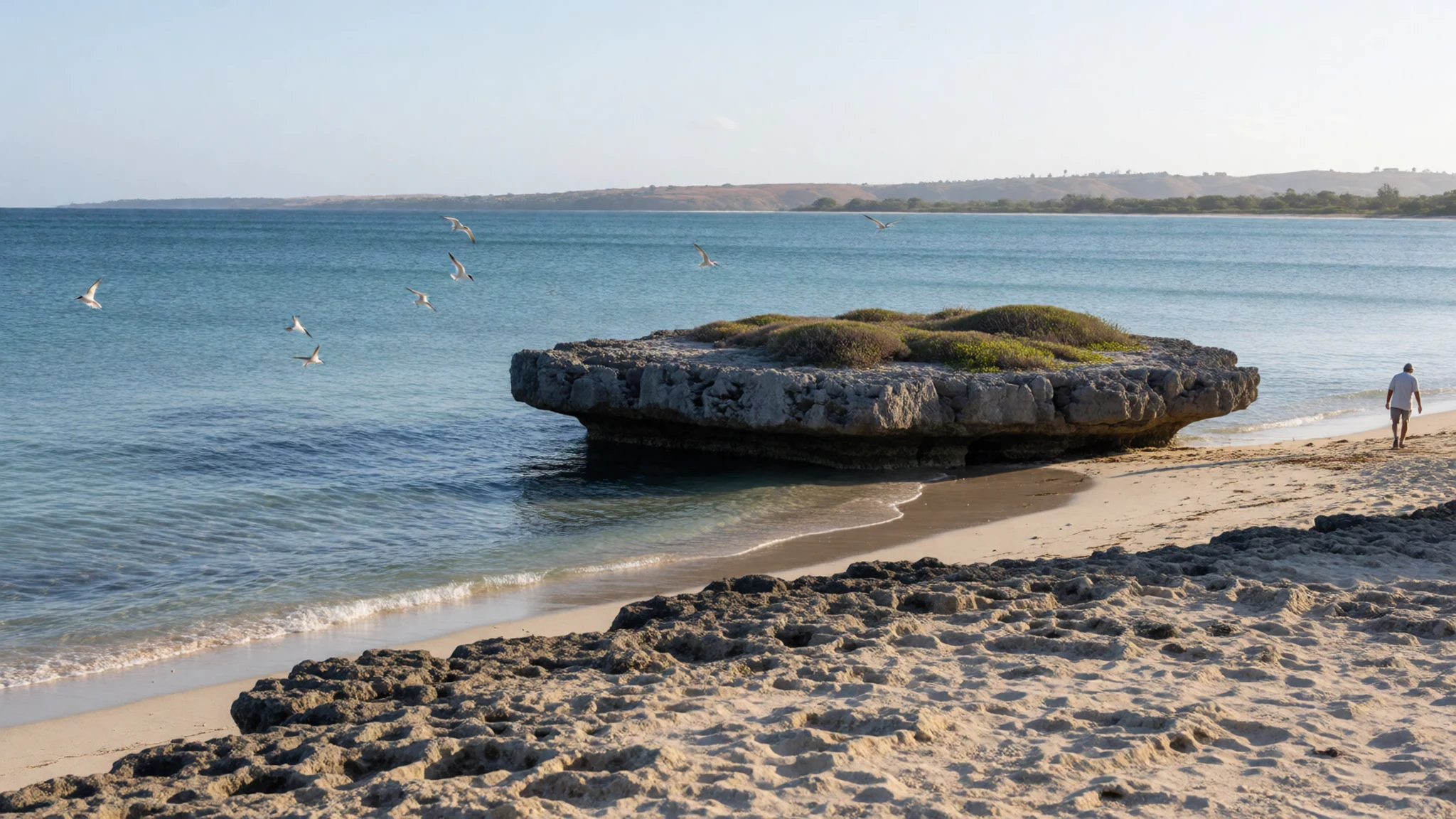
- Maria Major — Offshore, south of Vieux Fort
Maria Major is the second rock of the reserve, separated from its neighbour by open water. Dry scrub, bare ground and cliffs give seabirds places to nest and reptiles places to hide. Landings are controlled by the Saint Lucia National Trust, so check with them well before planning a trip and expect to follow a guide.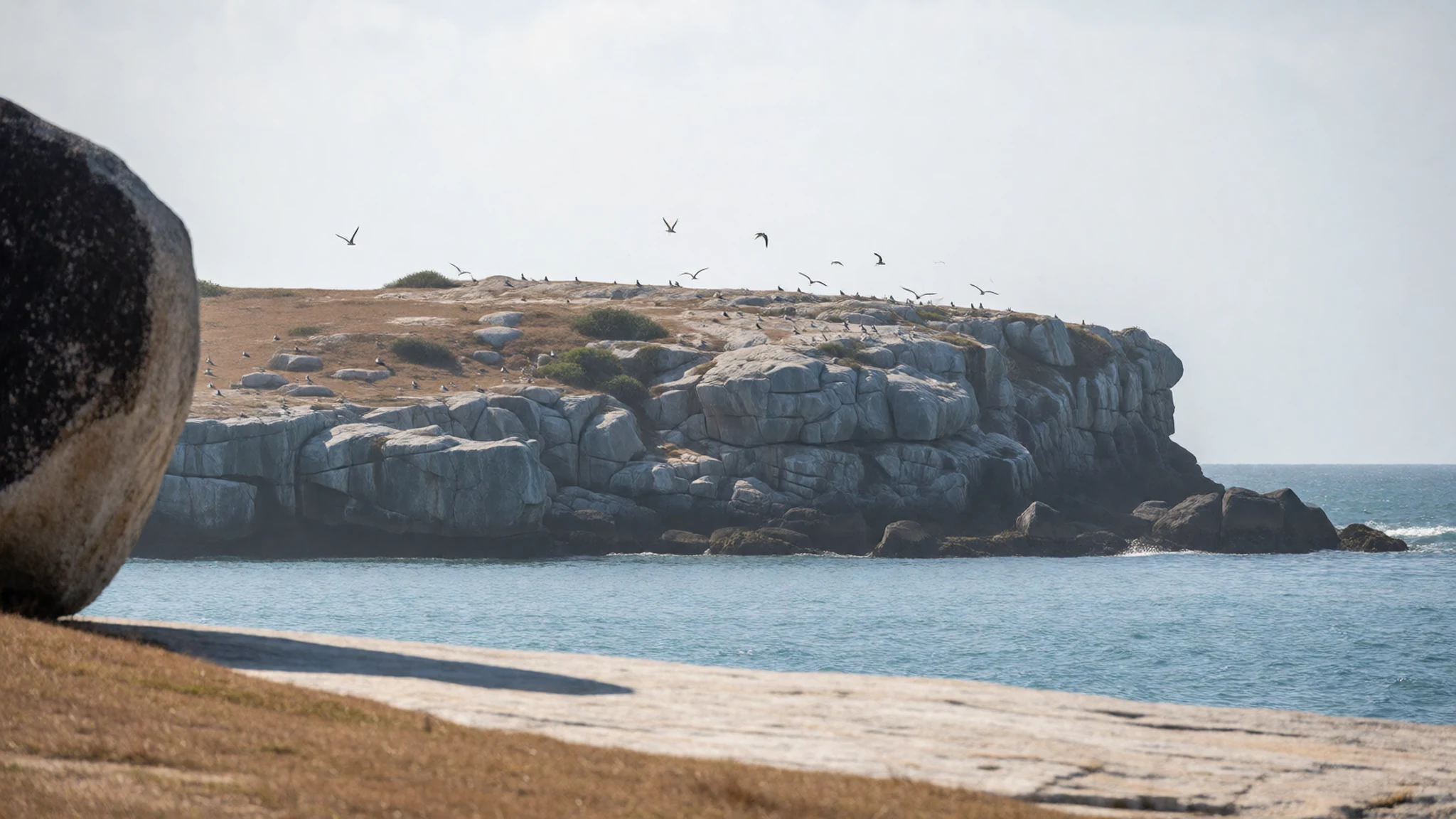
- Reptiles and seabirds of the reserve — Maria Islands reserve
The animals are the real attraction. The kouwès, a slender local snake, and the zandoli, a whiptail lizard, survive on the rocks where the mainland lost them. Seabirds use the cliffs and open ground. Sightings are never guaranteed, so patience and a quiet approach matter more than a long lens.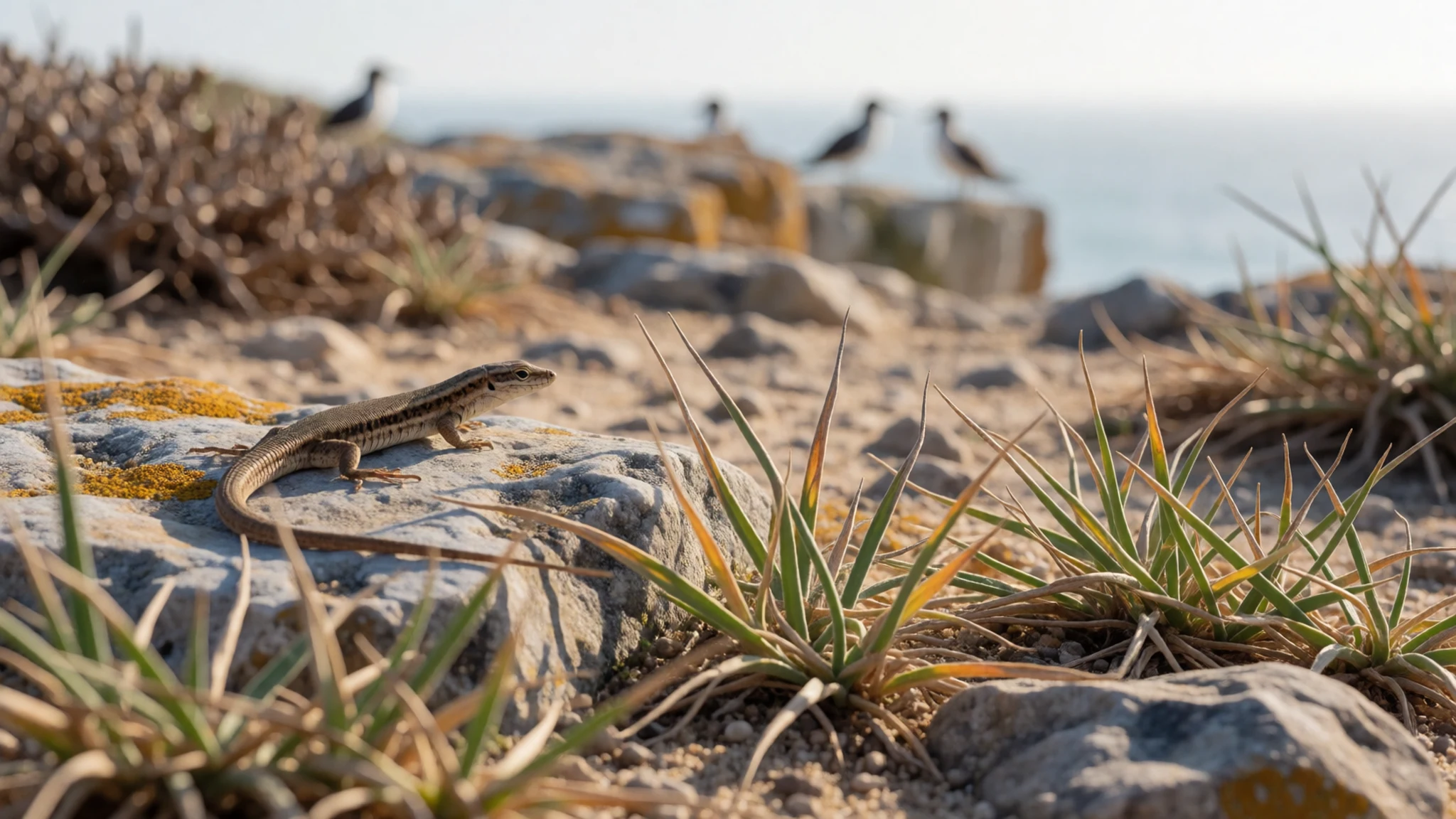
- George Odlum Stadium — Vieux Fort
George Odlum Stadium is the football ground in Vieux Fort, and on a match day it shows the town at play rather than in transit. Fixtures and events vary, so look for local notices. It makes a sensible stop before or after a reserve trip, with the Atlantic wind rarely far away.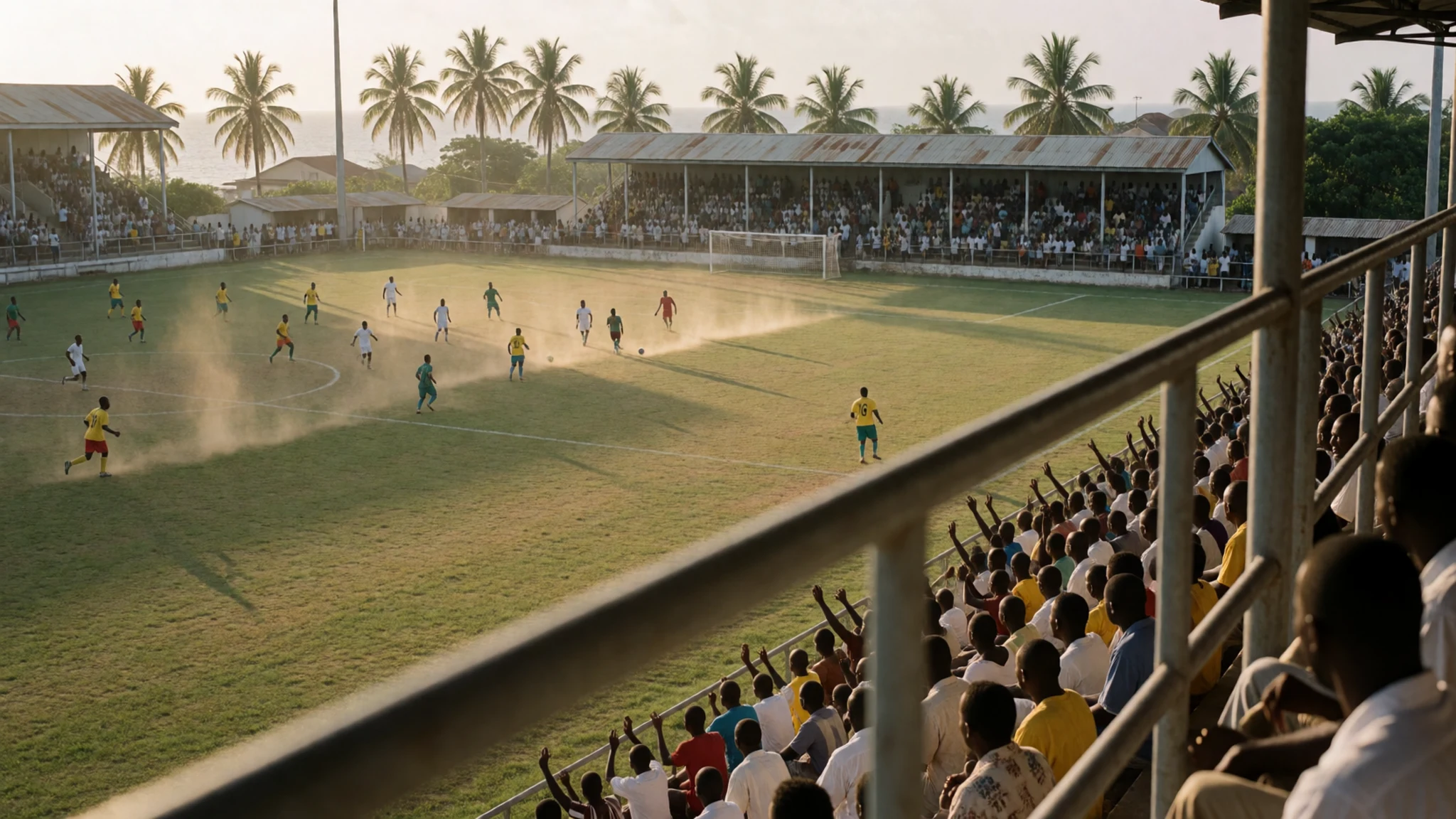
- Vieux Fort seafront and fishing landing — Vieux Fort town
The Vieux Fort waterfront is where the working town meets the sea. Boats come and go, nets get mended, and the exposed coast gets steady wind that draws kite and windsurfers. It is a plain, honest stretch rather than a polished promenade, and it gives the clearest view of the islands from the mainland.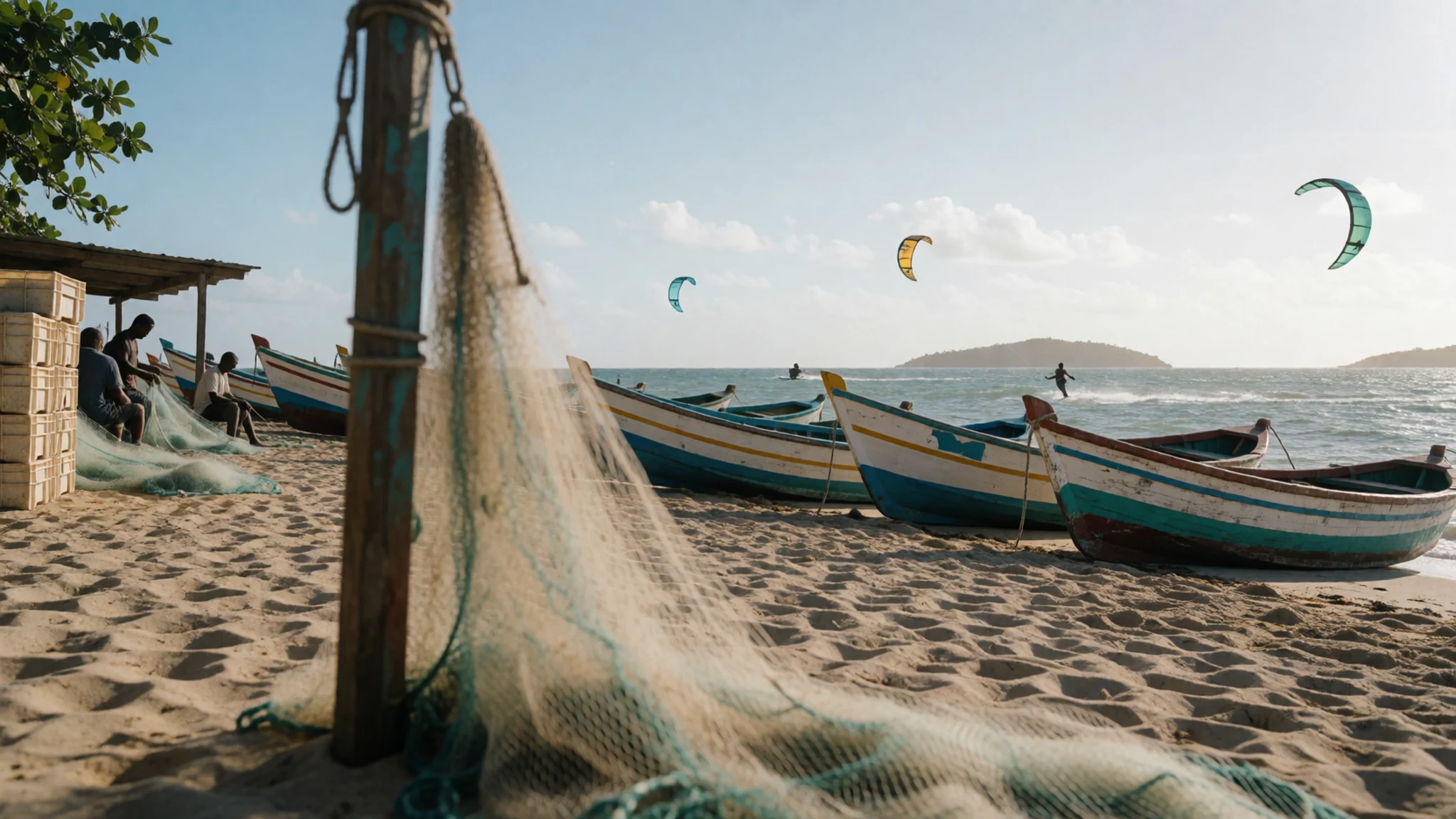
Culture
Maria Islands sit off Vieux Fort, a working town where fishing, farming, football and the airport shape daily life, and where the culture is Saint Lucian first and tourist-facing second. English is the official language, but Kwéyòl, a French-based creole, is spoken everywhere in conversation, in songs and in the names of many foods and places; a few words of greeting go down well. Most people are Catholic, and church bells and Sunday dress are part of the rhythm of the week. Two flower societies, La Rose and La Marguerite, hold festivities with song, costume and friendly rivalry, and Jounen Kwéyòl in October celebrates creole language, clothing and food across the island. Music runs from soca and dancehall to string-band and folk, and football is the passion that fills a stadium. Fishing remains a respected trade, and boat operators read wind and swell with an experience worth deferring to when a landing is postponed. Conservation is treated seriously here, because the reserve protects animals that survive almost nowhere else on the island. Residents are generally open and chatty, and a greeting before a question is expected. When visiting the reserve, follow your guide's instructions, stay on marked routes, never handle or chase the reptiles, and carry every scrap of rubbish back to the mainland.
What to wear
Maria Islands have no dress of their own, since nobody lives on the rocks, so fashion here means what the people of Vieux Fort and the wider island wear. The traditional Saint Lucian outfit is the wob dwiyèt, a gown with a full skirt, usually made from madras, a checked cotton, often with satin trim and a matching headwrap tied in set styles. It appears at Jounen Kwéyòl, at La Rose and La Marguerite celebrations, and at cultural shows, rather than on an ordinary weekday. Day to day, people wear light cotton shirts, shorts, dresses and football shirts, with waterproofs and rubber boots for fishers on the landing. Church on Sunday calls for neater, more covered clothes. A visitor should dress for sun, salt and rough ground. Wear a long-sleeved, breathable top, a hat and reef-friendly sunscreen, with shoes that grip wet boat decks and sharp rock, never flip-flops. Quick-dry shorts or trousers suit the scrub. Swimwear belongs on the beach, so cover up with a shirt or wrap when walking through town, entering a shop or visiting a church.
What to eat
- Grilled pork wrap with garlic sauce — Grill N Chill, Vieux Fort
A wrap of grilled pork with garlic sauce is the dish Wikivoyage points to at this Vieux Fort stop, described as a strong place for wraps. It is filling, quick and easy to eat before a boat trip, and it suits a hot day better than a long sit-down meal.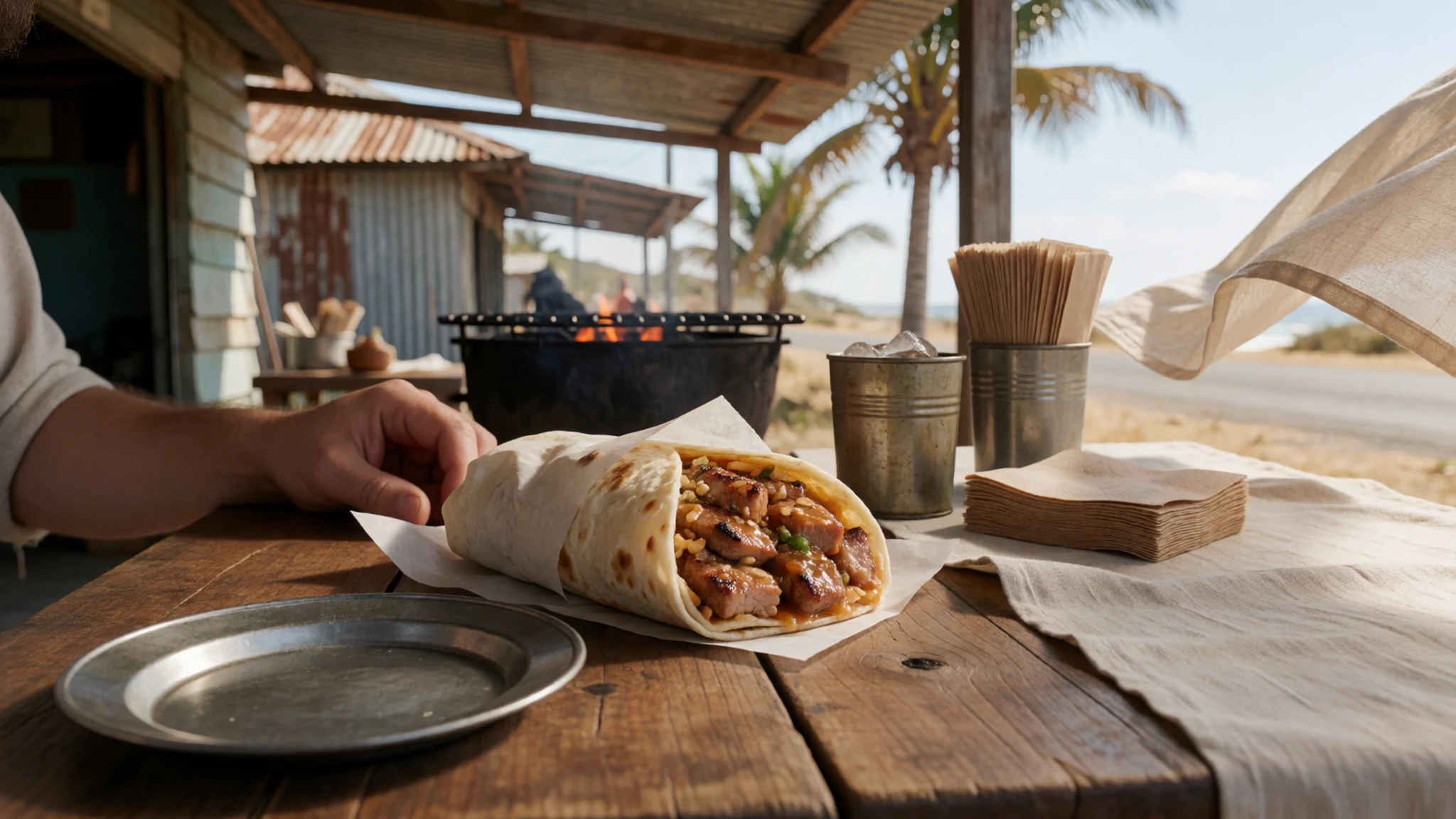
- Smoked fish wrap — Grill N Chill, Vieux Fort
The smoked fish wrap, also served with garlic sauce, is the lighter alternative at the same wrap spot. The smoke gives it a savoury edge that works well with the sauce. Ask what is available that day, as stock depends on the catch and the kitchen.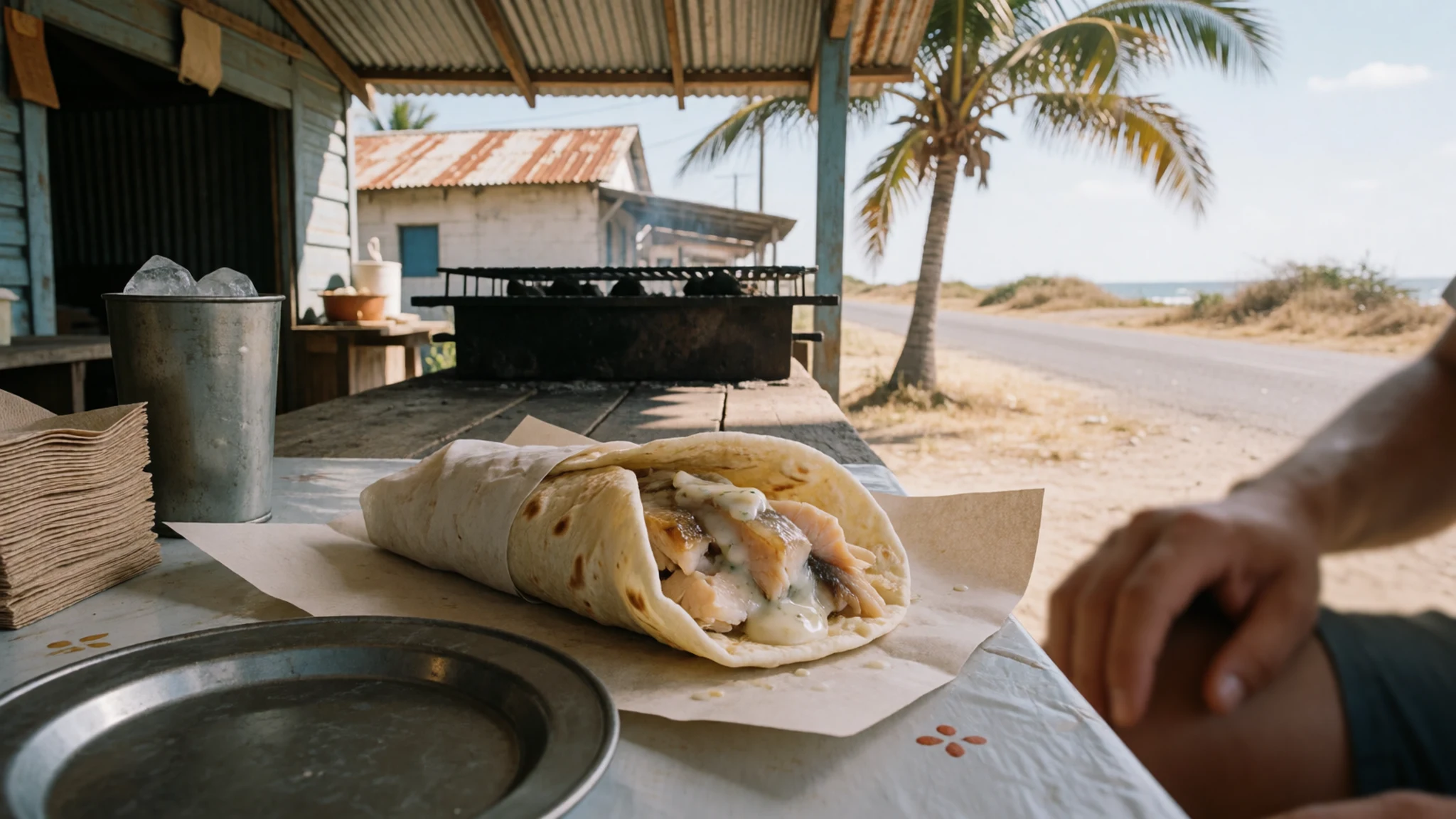
- Green fig and saltfish — Local eateries and roadside cookshops
Green fig and saltfish, boiled unripe banana with flaked salted cod cooked with onion and peppers, is widely regarded as Saint Lucia's national dish. Look for it at breakfast or lunch in everyday eateries in Vieux Fort, where portions are generous and the seasoning is gentle. - Fried or grilled fresh fish — Near the fishing landing and seafront in Vieux Fort
Fresh fish, fried or grilled and served with provisions such as breadfruit, yam or plantain, is the sensible order near the water. The catch changes with the day and the weather, so the choice varies. Simple seasoning and a squeeze of lime are usually all it needs. - Fried bakes — Village bakeries and roadside stalls
Fried bakes are golden, puffy dough rounds eaten hot, often split and filled with saltfish, cheese or smoked herring. They are cheap, quick and good for early starts. Look in village bakeries and at roadside stalls in the morning, when they are freshest.
Plan it
Best time. February to May is the drier, calmer stretch, which gives better odds of a smooth sea crossing and clear views. June to November is the wetter season and also the Atlantic hurricane season, with rougher seas that can cancel boat landings.
How long. 1–2
Getting there. Hewanorra International Airport is at Vieux Fort itself, close to the shore where trips to the reserve begin. From Castries and the west coast, allow a long, winding road transfer. The last leg is a short boat crossing, arranged through the Saint Lucia National Trust or a local operator.
Budget. mid
Tips
- Contact the Saint Lucia National Trust well ahead, as landings are controlled and not a walk-up activity
- Go early, when the wind and swell are usually gentler and the animals more active
- Carry water, a hat and sunscreen, because the rocks offer little shade
- Bring binoculars for seabirds and keep some cash for small eateries in Vieux Fort
- Keep a flexible day in the schedule in case weather postpones the crossing
Etiquette
- Follow the guide's route and never handle or chase the reptiles or birds
- Take all rubbish back to the mainland and leave plants and shells where they lie
- Greet people in Vieux Fort before asking a question or taking photographs of them
Nearby
Sources
- Wikidata Q27437677 (CC0)
- Wikipedia: Maria Islands (rev 1341489728) (CC BY-SA 4.0)
- Wikivoyage: Vieux Fort (rev 5421415) (CC BY-SA 4.0)
- Maria Island Minor (Vieux Fort, Sainte-Lucie) — Enrevseluj, via Wikimedia Commons (CC BY-SA 4.0)

Wildlife
- Saint lucia racer (animal)
The Saint Lucia racer, known locally as the kouwès, is a slender snake and one of the rarest on earth, with under 20 thought to remain in the wild. Remember it as the tough survivor of the rocks, still living on the Maria Islands after the mainland lost it. Sightings cannot be promised, so go with a guide who knows where to look. Keep well back, stay calm and quiet, and never touch or feed it. - Saint lucia whiptail (animal)
The Saint Lucia whiptail, called the zandoli locally, is a lizard found naturally in the Caribbean, and also known as the Maria Islands whiptail. Picture a little lizard clinging on to the rocks after the mainland lost it. Exact times and spots are not something to promise, so walk with a guide who can point it out. Stay at a distance, keep your voice low, move gently, and never feed it.