Lulusar Lake
Lulusar Lake, Pakistan
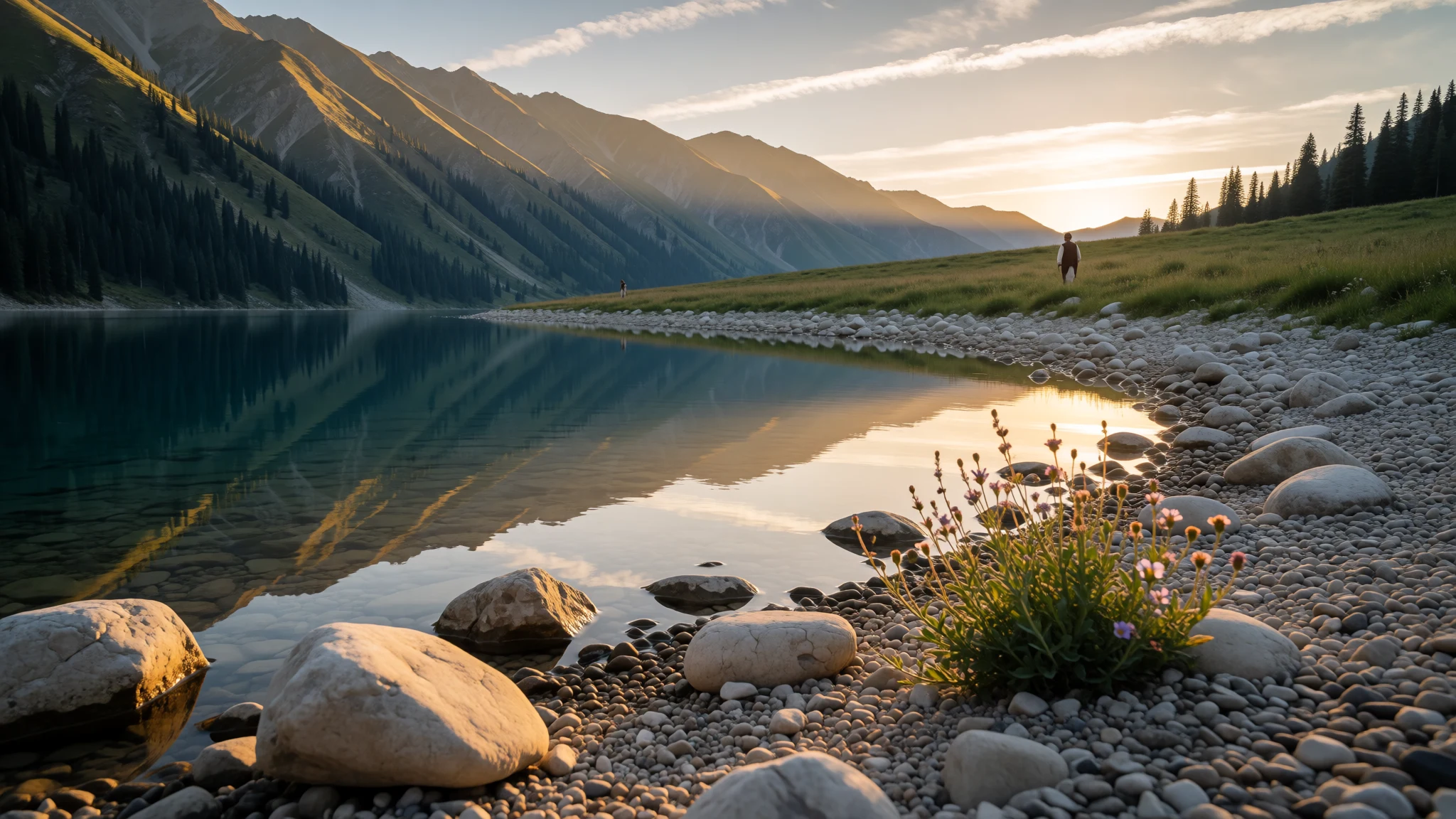
Lulusar Lake is a quiet, high-altitude lake on the road to Babusar Pass, where still mornings mirror the ridges above.
The place
Lulusar Lake sits in the upper Kaghan Valley, in Mansehra District of Khyber Pakhtunkhwa, Pakistan, beside the road that climbs from Naran towards Babusar Pass. The valley as a whole follows the Kunhar River for about 155 km, starting low at around 650 m and ending near 4,170 m at the pass, so a drive up it is also a slow change of climate. Farmland and pine forest lie below, deodar woods come next, and open alpine meadow and bare rock take over higher up. Lulusar is one of several natural freshwater lakes in this upper reach, alongside Dudipatsar and Dharamsar, and it lies inside Lulusar-Dudipatsar National Park. The surrounding slopes belong to the Lower Himalayan range, and the shore is mostly grass and stones with very few buildings. That makes the lake feel exposed and quiet compared with the busy bazaar at Naran. Malika Parbat, the valley's highest peak at around 5,290 m, belongs to the same mountain country, though Lulusar is better known for the way it reflects nearby ridges when the air is calm. Services up here are thin: a roadside stall or two, and the sensible base for a night is back in Naran. Weather changes quickly at this height, and wind usually roughens the surface by afternoon, so early light gives the clearest mirror. The easy season is short and ruled by snow on the road.
Its story
Lulusar Lake has no famous founding tale in the sources behind this reading, and its story is really that of the Kaghan Valley around it. The valley lies in the Hazara region and borders Gilgit-Baltistan to the north and Azad Kashmir to the east. A road from Mansehra through Naran to Jalkhad leads on into Gilgit-Baltistan, and that route has long tied the lakes and meadows to the wider mountains. In 2005 a devastating earthquake in Kashmir set off landslides that destroyed many of the passes leading into the valley. Roads have since been rebuilt, but the episode is a reminder that these slopes are steep, young and unstable, and that closures after rain or snow are normal. In more recent years Kaghan has become a summer resort for people from all over Pakistan, as well as visitors from abroad. Holiday weekends, especially around Eid, can fill the valley's roads and guesthouses far beyond what they were built for. The upper valley is also protected: Lulusar, Dudipatsar, Dharamsar and six other lakes, with the hills around them, fall within Lulusar-Dudipatsar National Park along the Naran-Chilas road. The park sits at the northern limit of Khyber Pakhtunkhwa, and Babusar Pass marks the edge of the province. For the lake, that means a modern story of access and care: more people arriving each summer, and a landscape that depends on how they behave once they get there.
What to see
- Lulusar Lake shore — Upper Kaghan Valley, Mansehra District
The lake itself is the point of the trip. A short walk along the stony shoreline gives changing views of the ridges, and the best reflections come early, before the wind lifts. There is little shelter, so bring layers, and keep to the water's edge rather than trampling the grass behind it.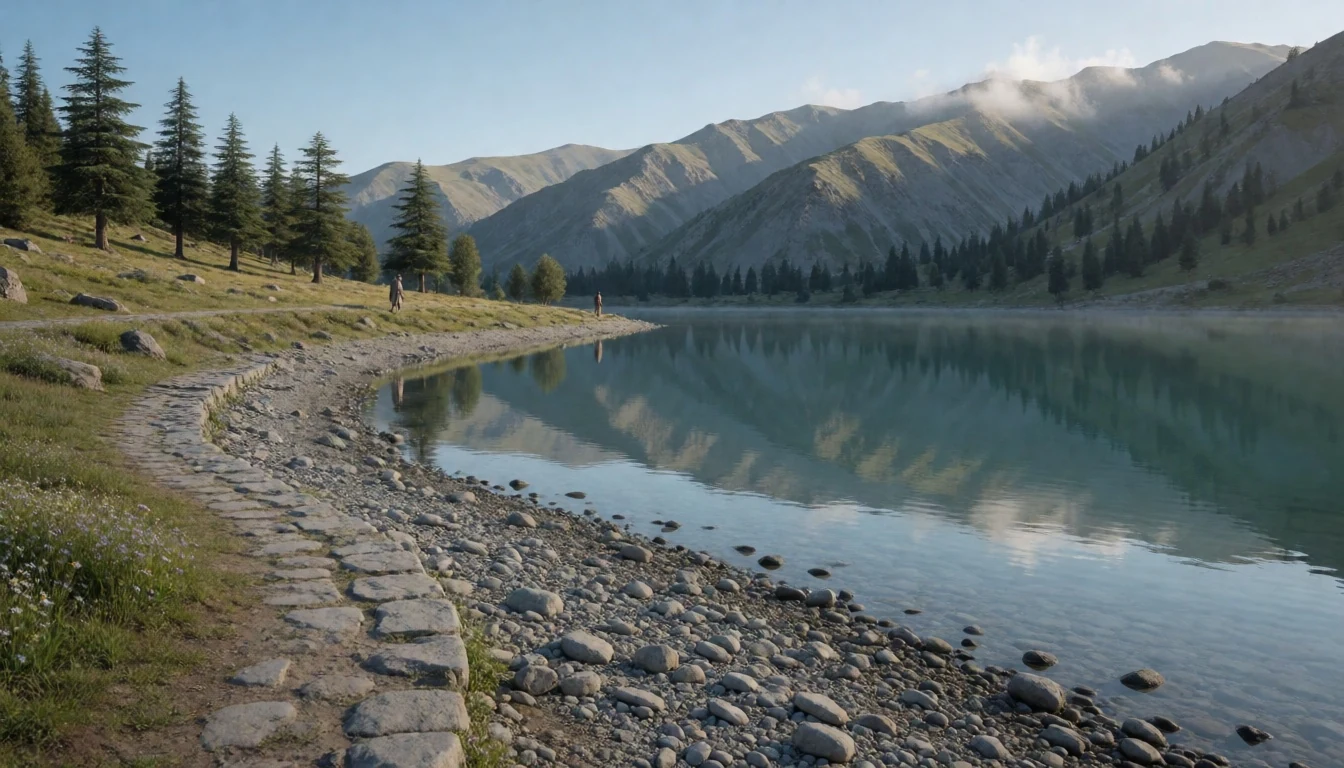
- Babusar Pass and Gittidas meadows — Babusar Top, end of the Kaghan Valley
Babusar Pass, near 4,170 m, is the high point of the road beyond Lulusar and the edge of Khyber Pakhtunkhwa. From the top, the green slopes known as Gittidas fall away in wide folds. Check road conditions first, as the pass is subject to snow and landslides.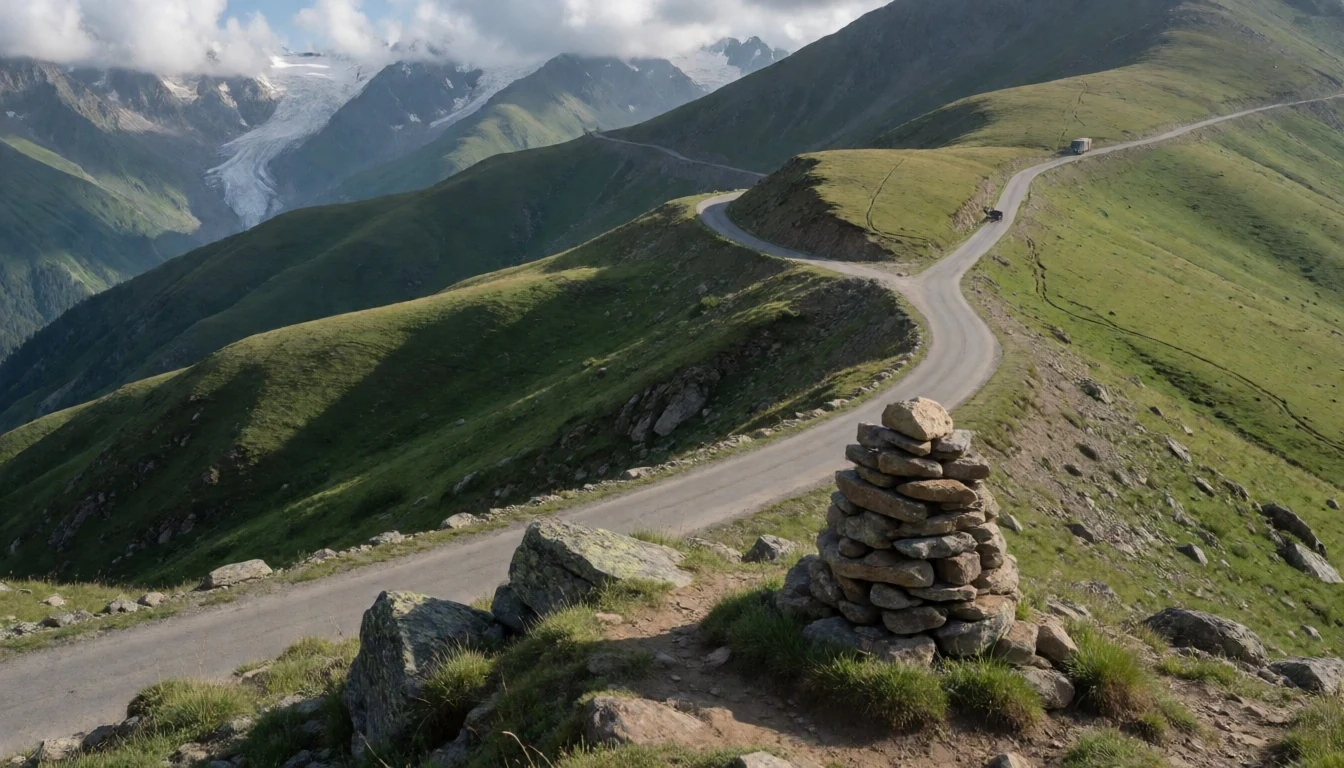
- Dudipatsar and Dharamsar lakes — Lulusar-Dudipatsar National Park
Lulusar shares its national park with Dudipatsar, Dharamsar and six other lakes and hilly areas. Several sit away from the main road and need a trek or a local guide, so ask in Naran about conditions before setting out, and do not rely on a phone signal.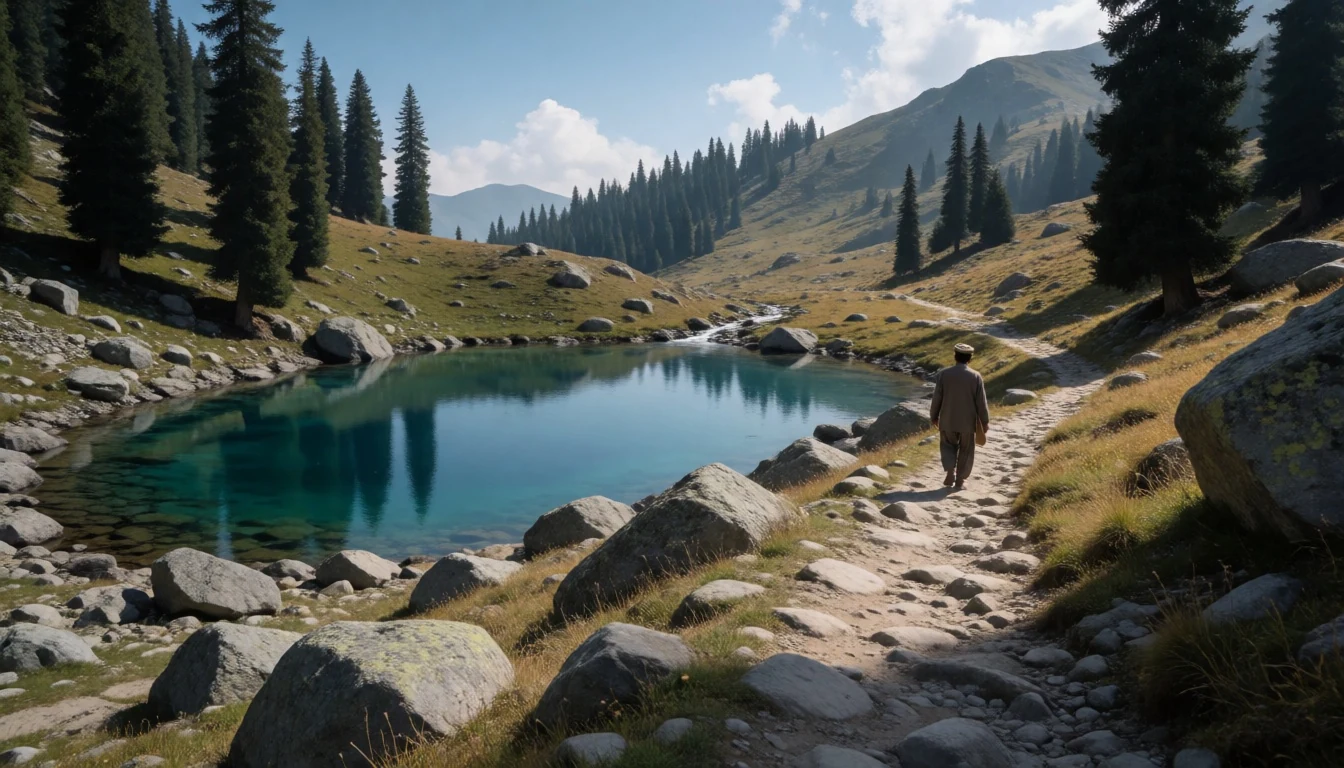
- Kunhar River and the valley road — Kaghan Valley, Mansehra District
The drive up the valley is a sight in itself. The Kunhar runs alongside the road, with pine and deodar slopes, glaciers on the heights and streams cutting down from the meadows. Stop at pull-outs rather than the carriageway, and allow extra time for roadworks and slow traffic.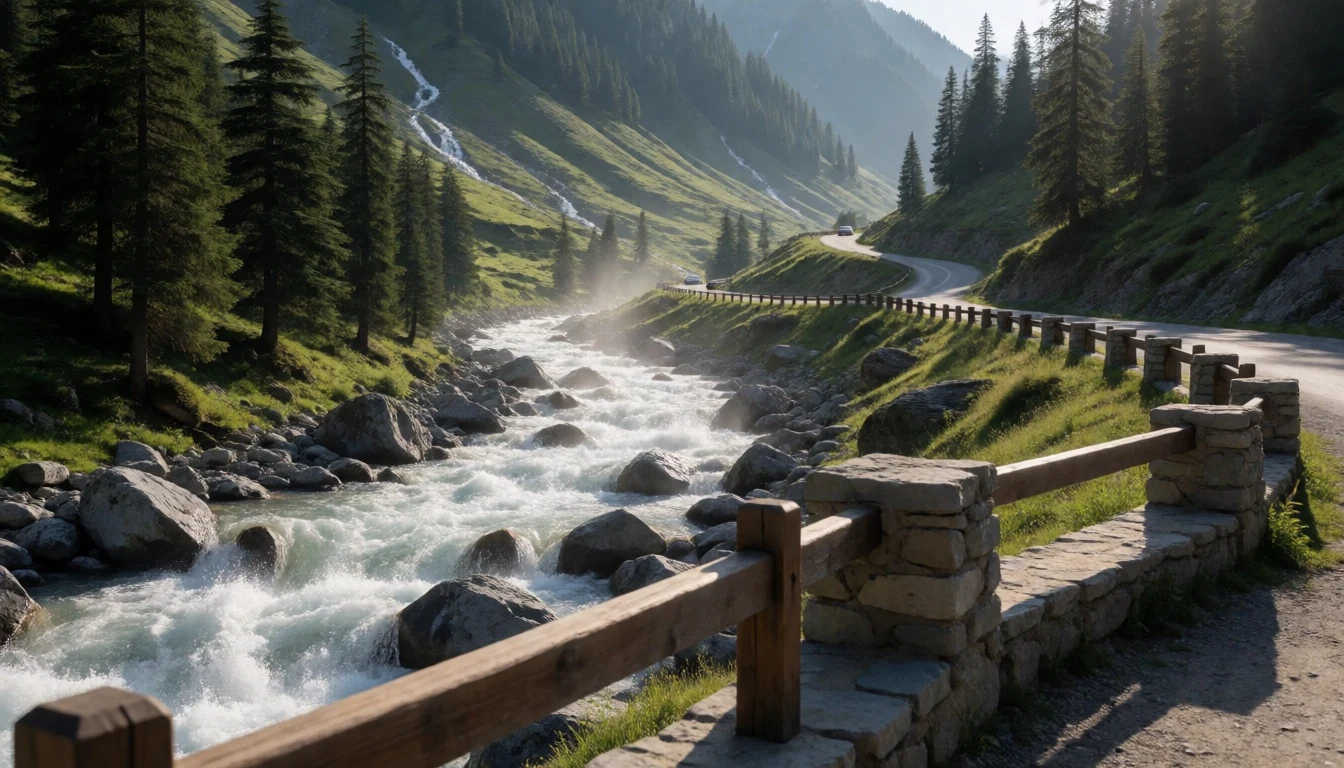
- Saiful Muluk Lake — Naran, Kaghan Valley
Lower down, near Naran, Saiful Muluk is the valley's best-known lake and sits inside its own national park. It is far busier than Lulusar, particularly in the school holidays, so it works well as an early-morning stop before the crowds, or as a contrast with the emptier lake above.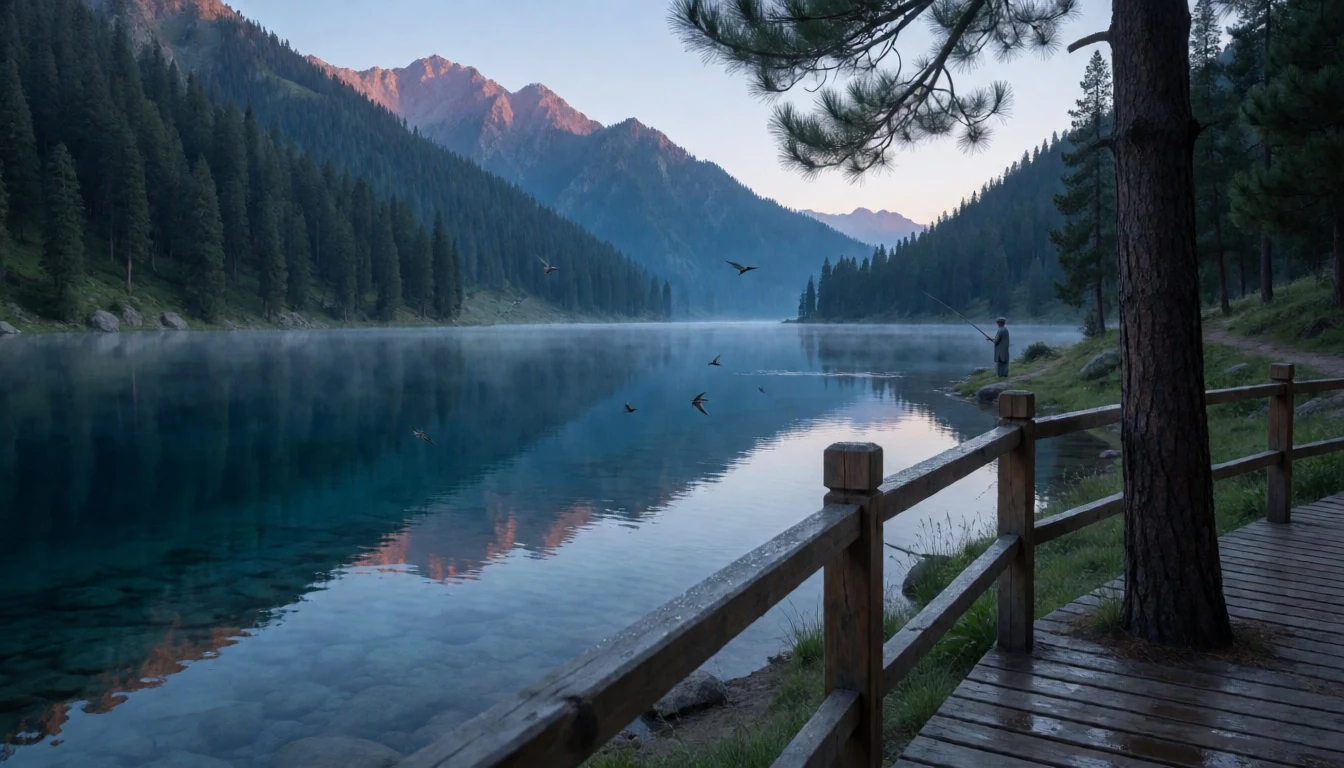
Culture
Lulusar Lake lies in the Hazara region, where Hindko and Urdu are widely spoken and family life shapes how the valley is used. Summer here is a holiday season, and the lake is visited mostly by Pakistani families, groups of friends and day-trippers from Islamabad, Peshawar and Lahore. Picnics, roadside tea and photographs by the water are the usual routine. Eid al-Adha in particular brings very large crowds to Kaghan, so it is worth knowing the festival calendar before choosing dates. Local communities in the valley are generally conservative and hospitable, and the people who run stalls, guesthouses and jeeps depend heavily on a short season of income. Mountain weather and rough roads make people practical and patient: delays, closures and shared taxis are taken in stride. Older residents will often greet visitors, and a short exchange in Urdu or a few words of thanks goes a long way. The national park status means local rules about litter, fires and wildlife matter, and rangers or local operators will usually say what is allowed. Mosques in the valley are working places of worship rather than sights, and prayer times shape the rhythm of the day, with some shops pausing briefly. Visitors who treat the lake as a shared community space, not a backdrop, tend to be welcomed back. Ask permission before photographing people, especially women and families, and take all your rubbish away from the shore.
What to wear
Around Lulusar Lake, traditional dress is the shalwar kameez, a long tunic over loose trousers, usually in cotton in summer and wool or heavier cloth when it turns cold. Men often add a woollen waistcoat, a patterned shawl or a rolled-wool pakol cap, and women wear a dupatta or shawl over the head and shoulders. Wool and cotton shawls are everyday items, particularly in the mornings and evenings, when the air at this height cools fast. Everyday clothing today is a mix. Many locals wear shalwar kameez with a jacket or fleece on top, while younger people and visiting holidaymakers wear jeans, trainers and puffer jackets. Families on day trips often dress up a little for photographs, and bright colours stand out well against the grass and stone. A visitor should dress for altitude and for local norms. Bring warm layers even in summer, a windproof jacket, a hat and sun protection, since the sun is strong and the wind is cold. Footwear should be sturdy, with grip for loose stones and damp ground, as the shoreline is uneven. Modest clothing is expected: loose trousers or a long skirt, tops that cover the shoulders, and a light scarf, which women visitors may find useful. Swimwear is not appropriate at the lake, and it is worth carrying a waterproof layer for sudden showers.
What to eat
- Fried Kunhar trout — Riverside eateries around Naran
Trout is a mountain-valley staple, served crisp from the pan with lemon, chutney and bread. Look for roadside eateries and riverside restaurants around Naran, where fish is usually cooked to order and shared among a group.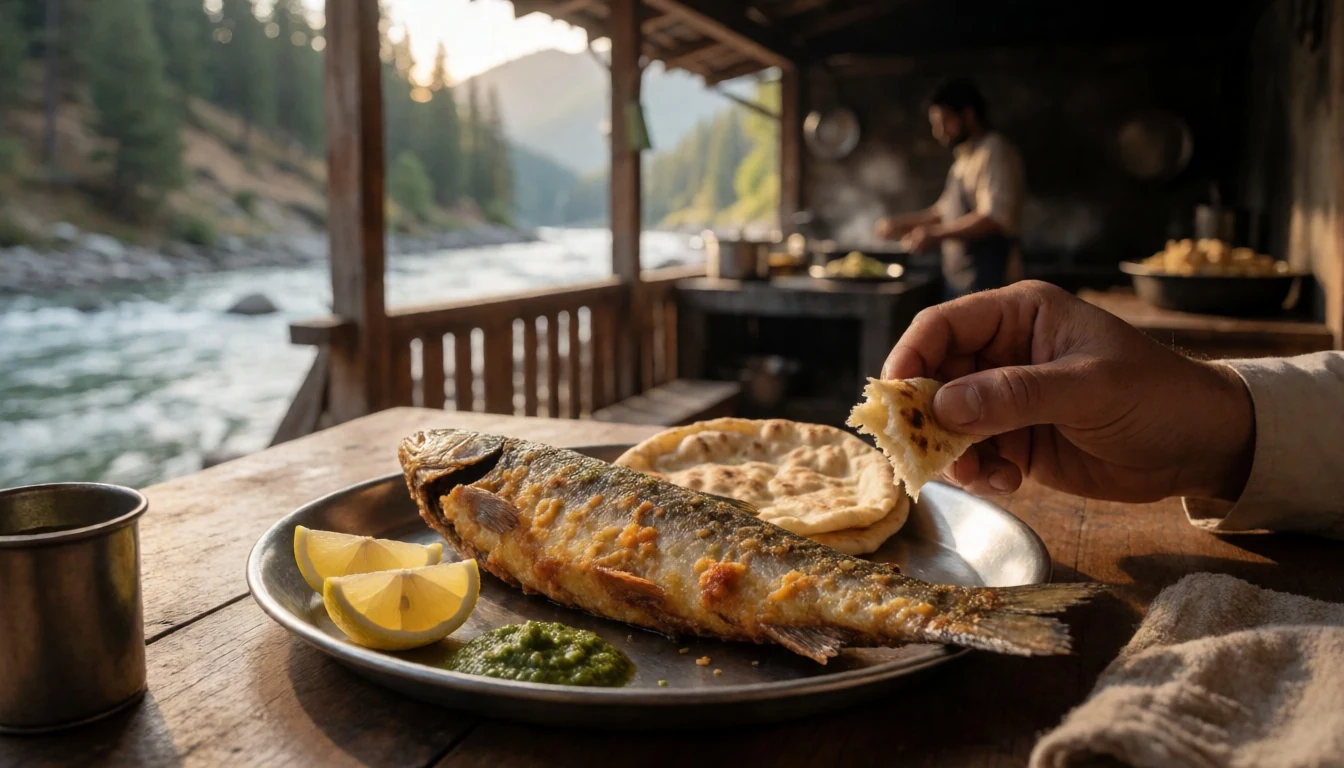
- Chicken or mutton karahi — Family restaurants and dhabas in Naran bazaar
Karahi is meat cooked quickly in an open wok with tomatoes, green chillies, ginger and spices, then eaten with naan. It is a standard order for groups on a day out, and most dhabas and family restaurants in Naran serve it.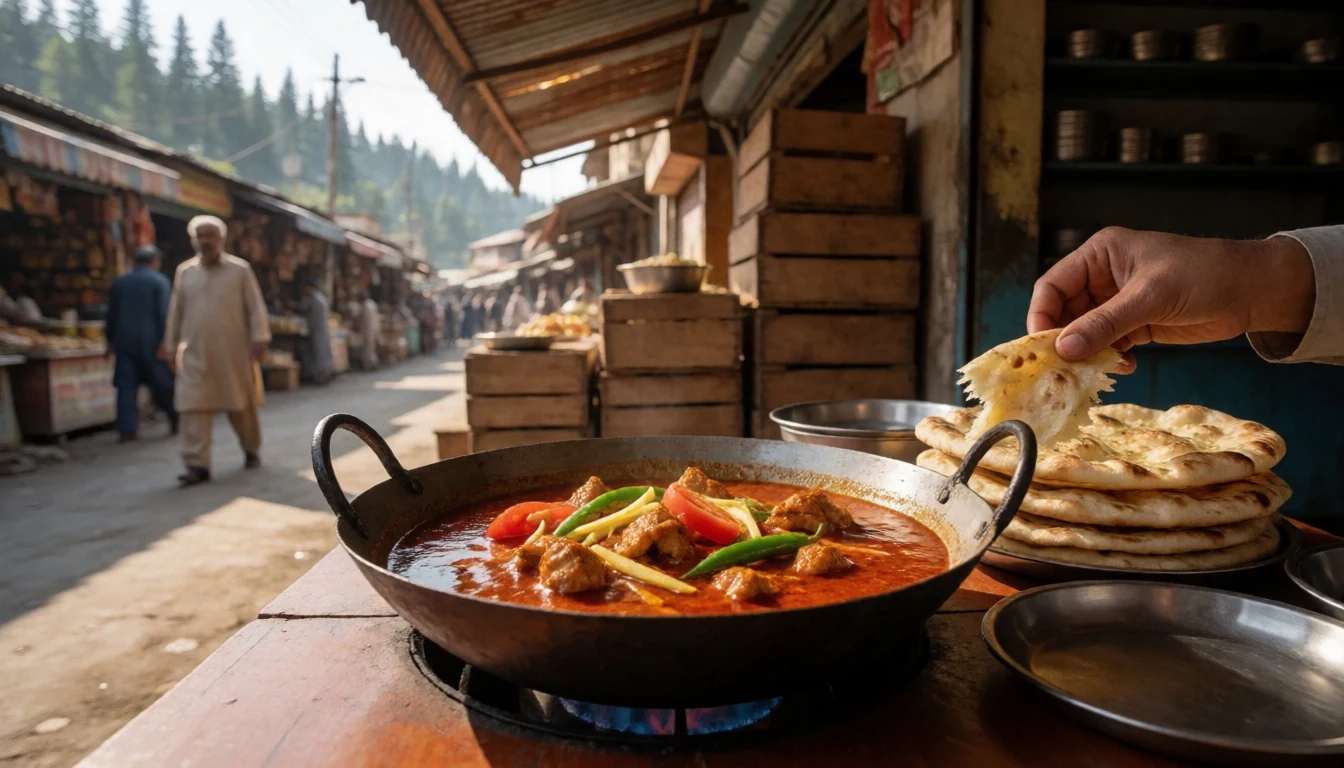
- Doodh patti chai — Roadside tea stalls along the Naran-Chilas road
Strong tea boiled with milk and sugar is the drink that fuels the valley. It arrives hot in small cups at roadside stalls, and tastes especially good with a cold wind coming off the lake. - Paratha with omelette — Breakfast stalls and guesthouses in Naran
A flaky fried flatbread with a folded egg omelette is the usual breakfast before a mountain drive. It is filling, easy to share and available early in most guesthouses and small eateries in the Naran area. - Roasted corn on the cob — Roadside vendors at viewpoints along the valley road
In summer, vendors grill corn over charcoal and rub it with lime and chilli salt. It is a simple snack to eat while walking, and a common sight at viewpoints and car parks along the valley road.
Plan it
Best time. June to September, when the high road is generally open and the alpine meadows are green; outside these months snow can close the route beyond Naran. Nights are cold even in summer, and Eid holidays bring heavy crowds, so choose weekdays where possible.
How long. 1–2
Getting there. Fly to Islamabad, then travel by road via Mansehra and Balakot to Naran in the Kaghan Valley, and on along the Naran-Chilas road to Lulusar. The last leg is a mountain road, best done by hired car or jeep; check conditions in Naran before heading up.
Budget. mid
Tips
- Base yourself in Naran and make the lake an early-morning trip for calm water and fewer people
- Check road and weather conditions locally before driving beyond Naran, as landslides and snow can close the route
- Carry cash, as cards and mobile signal are unreliable in the upper valley
- Bring water, snacks and warm layers, since there are few shops near the lake
- Book Naran accommodation well ahead for Eid and peak summer weekends
Etiquette
- Ask permission before photographing local people, especially women and families
- Dress modestly in loose, covering clothes away from the water's edge
- Take all litter with you and do not light fires within the national park
Nearby
Sources
- Wikidata Q6702961 (CC0)
- Wikipedia — Lulusar (rev 1376267951) (CC BY-SA 4.0)
- Wikivoyage — Kaghan Valley (CC BY-SA 4.0)
- Ameer boii, reflecting view, via Wikimedia Commons (CC BY 3.0)
- Adeel ur Rehman Mughal, Siri, Kaghan Valley, via Wikimedia Commons (CC BY-SA 4.0)
- Hassan328462, Kaghan Valley, via Wikimedia Commons (CC BY 3.0)
- Faisal Rafiq, Lalazar, Kaghan Valley, via Wikimedia Commons (CC BY-SA 4.0)
- irfan muhammad, Lulusar Lake, Naran, via Wikimedia Commons (CC BY 3.0)
- Ahmad Bilal Shams, Jalkhand, near Naran Valley, via Wikimedia Commons (CC BY-SA 4.0)
- Adeel ur Rehman Mughal, Kewai, Kaghan Valley, via Wikimedia Commons (CC BY-SA 4.0)
- The47man, Gittidas meadows from Babusar Top, via Wikimedia Commons (CC BY 3.0)


