Kalash Valley
Kalash Valley, Pakistan
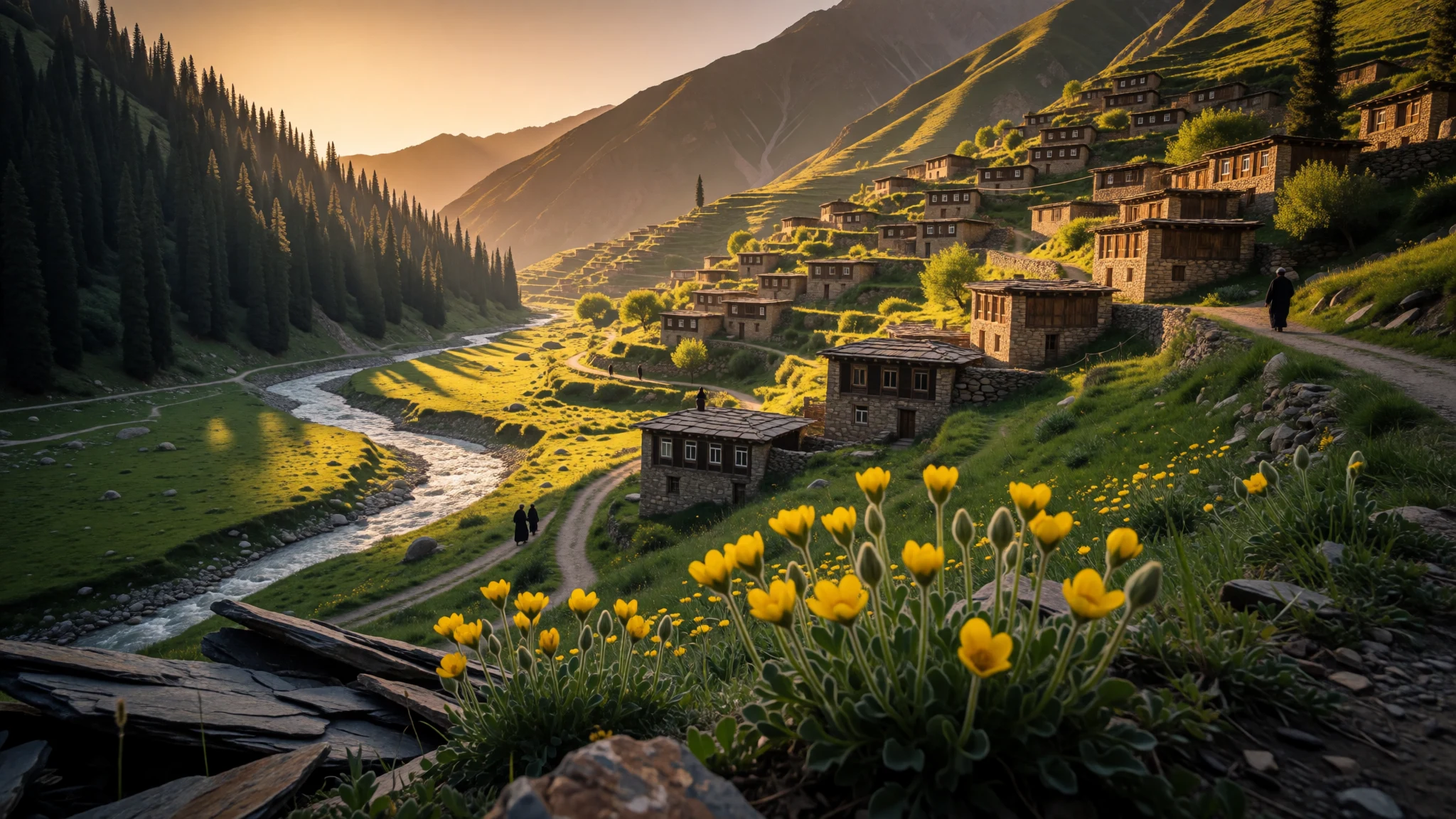
Kalash Valley is a rare place in the Hindu Kush where a small community still keeps its own language, festivals and pre-Islamic faith.
The place
Kalash Valley is the visitor's shorthand for three Kalasha valleys in Chitral District, northern Pakistan, set among the Hindu Kush and opening off the Chitral River. Bumburet, Rumbur and Birir are separate side valleys, each with its own string of villages. The valley floor sits at roughly 1128 m above sea level, with pine and juniper slopes above.
Bumburet is the one most visitors use. It is reached by road from Ayun, on the main Chitral valley, and it has the greatest choice of guest houses and small eateries. Rumbur lies to the north of Bumburet and feels quieter and more tucked away. Birir branches off the Chitral valley to the south of Bumburet and is usually visited by those who want fewer people and more walking.
The landscape is farmed hard. Terraced fields of wheat and maize step up the slopes, walnut and mulberry trees shade the paths, and irrigation channels run beside almost every track. Wooden houses are stacked on the hillside so that one family's roof becomes the neighbour's yard. Kalasha people form most of the population, with smaller Kho and Gujar communities living alongside them.
This is a working district, not a heritage park. Goats are herded, children walk to school, and the walnut harvest matters more than the visitors. The final stretch of road from Ayun is unmetalled, with the river on one side and bare rock on the other, so the drive is slow and dusty. Chitral town is the practical base, and the valleys are best treated as a place to stay a few nights rather than a day trip.
Its story
Kalash Valley holds the last communities in the Hindu Kush to follow an old, pre-Islamic way of life. Their neighbours in surrounding mountain districts adopted Islam over past centuries, and the Kalasha became a small island of difference. Their faith is rooted in the landscape, with sacred mountains, rivers, pastures and seasonal rites, and their spoken language, Kalasha-mondr, is distinct from those of the Muslim communities around them.
Local tradition, and many outside writers, link the Kalasha to soldiers who came with Alexander the Great. Scholars treat this with caution, and it is better read as a story the community tells about itself than as settled history. What is clearer is that the valleys were long remote, and that isolation helped preserve customs that vanished elsewhere.
The calendar is the best way into the story. There are three main festivals: Zhoshi in spring, Uchaw in late summer when grapes and other fruit ripen, and Chawmos in midwinter to welcome the new year. Each involves feasting, music and dancing, and wine made from local fruit, which the Kalasha drink as part of their own culture.
The present is more uncertain. The community is small and has worried for years about its numbers, through migration, conversion and the pressure of outside attention. Tourism brings income and also brings cameras, unwanted guidance and hotel-building, and Kalasha families have mixed feelings about all three. A visit here works best when it is quiet, local and led by Kalasha hosts.
What to see
- Bumburet valley — Bumburet, Chitral District
Bumburet is the main valley for visitors and the easiest to reach from Ayun. A single road runs past villages, orchards and guest houses, and walks branch off on foot between fields and houses. Go in the morning, when the light is soft and farm work is under way.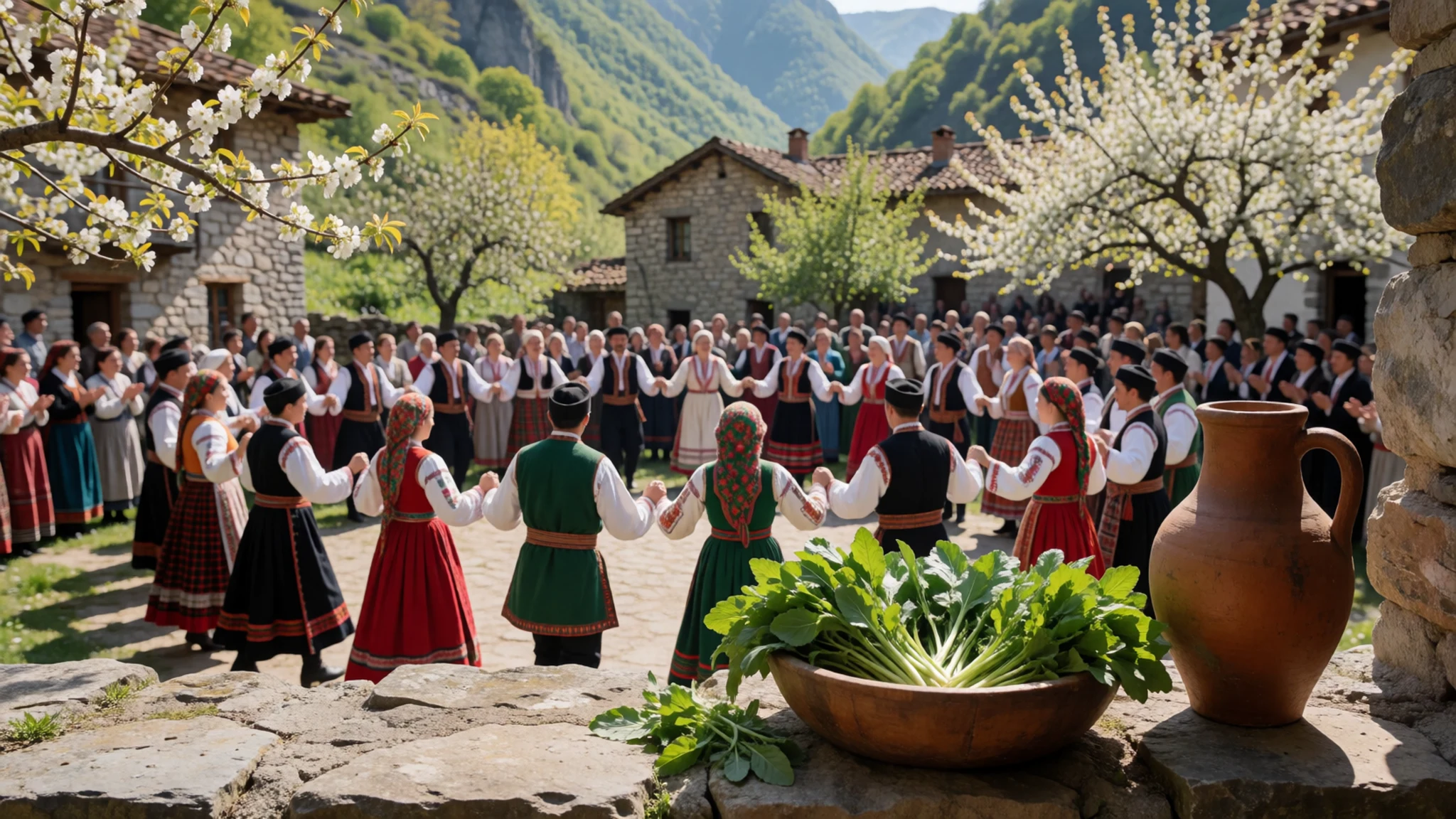
- Rumbur valley — Rumbur, north of Bumburet
Rumbur is a side valley north of Bumburet, narrower and quieter. Villages cling to the slopes and the walking is gentler on the crowds if not the legs. It suits visitors who want evenings with the family they stay with rather than in a row of guest houses.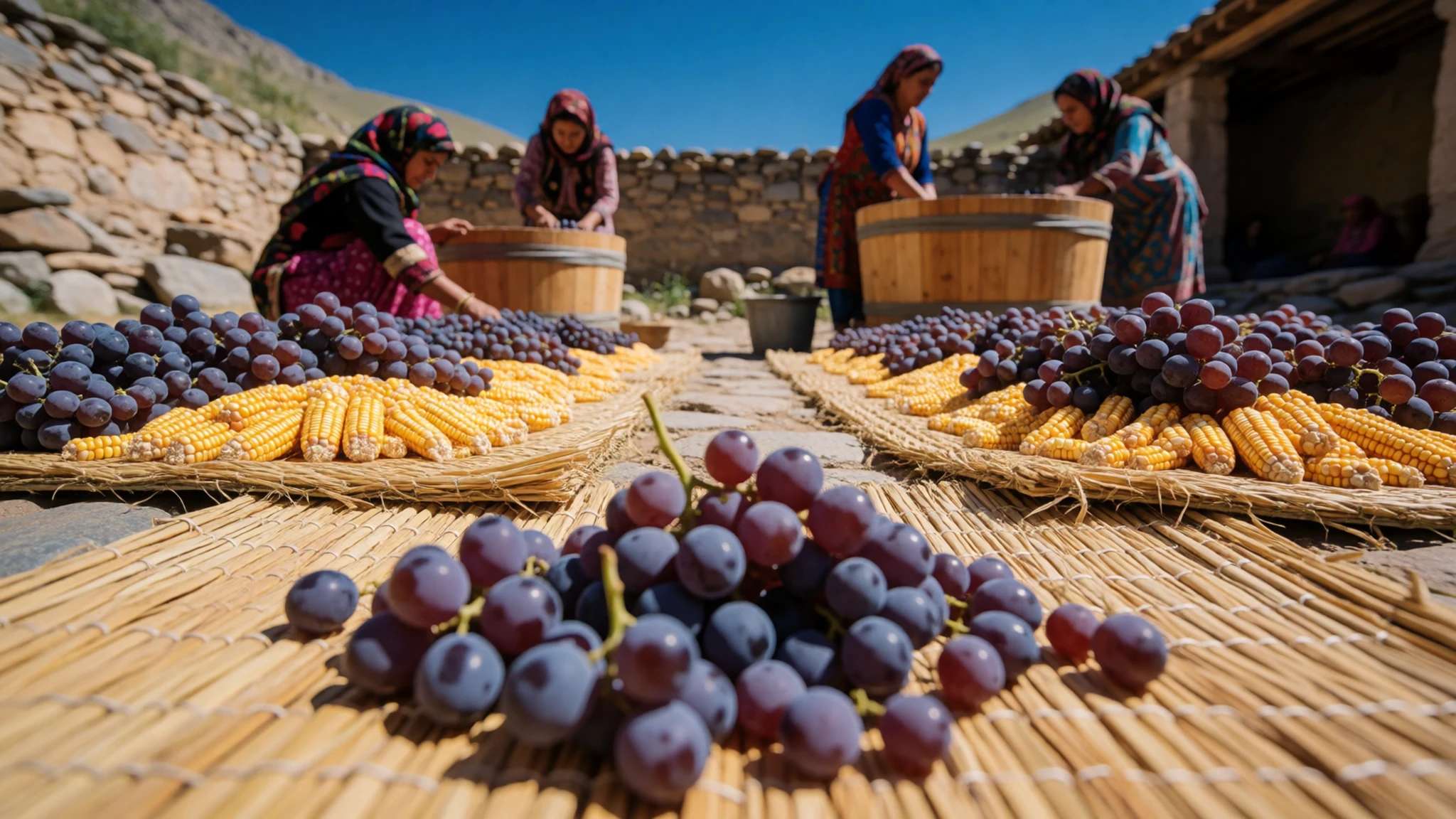
- Birir valley — Birir, south of Bumburet
Birir lies south of Bumburet, off the Chitral valley rather than Bumburet's road. Coniferous forest covers parts of the slopes, and the villages feel more traditional and less set up for visitors. It rewards a slow day of walking with a local guide.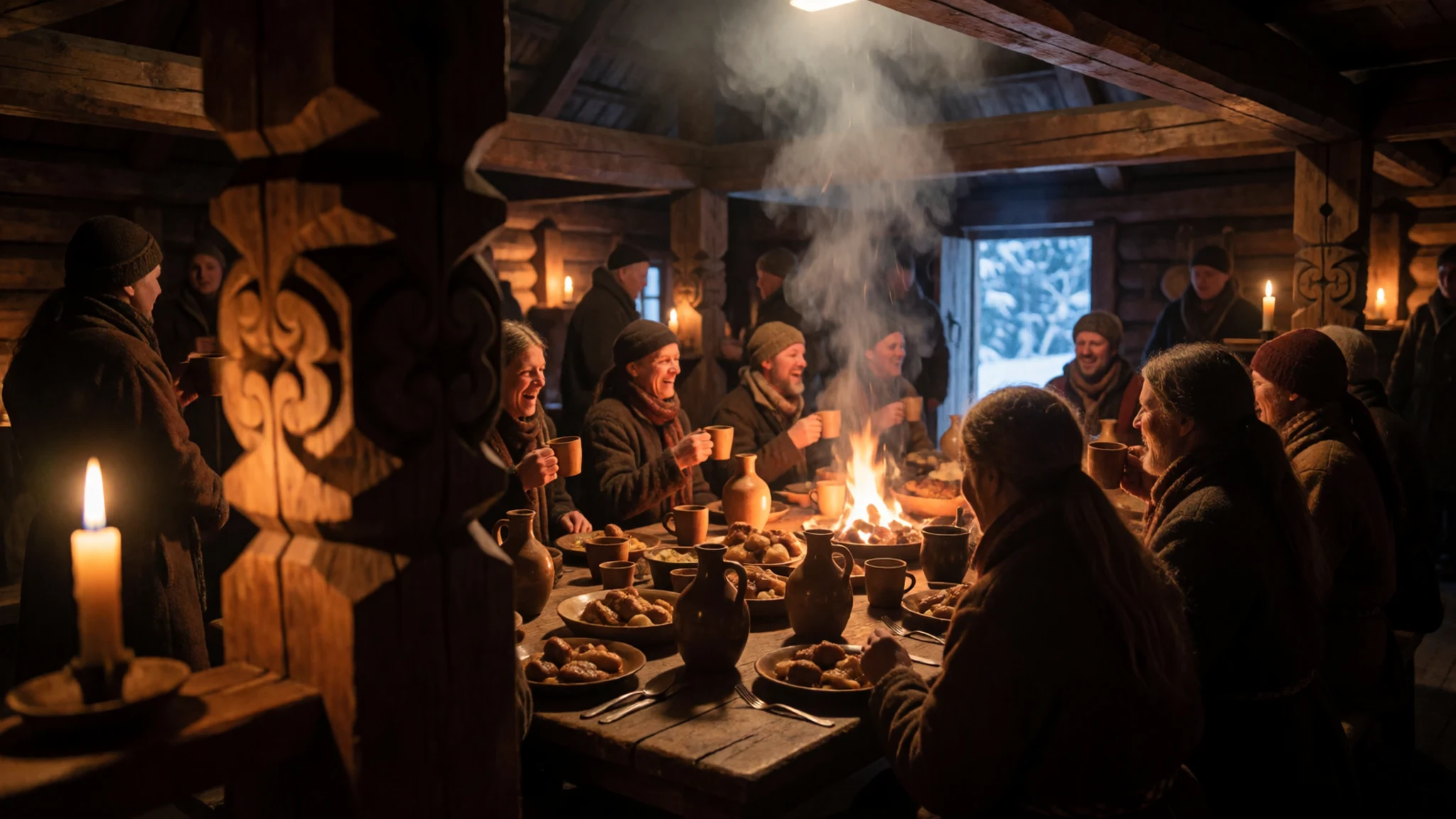
- Kalasha villages and wooden houses — Village lanes in Bumburet and Rumbur
The old houses climb the hillside in tiers, with carved wooden pillars and flat roofs that double as a neighbour's courtyard and a place for drying fruit. Walking through the village lanes shows how closely the families live. Ask before stepping into any yard, and never enter a house uninvited.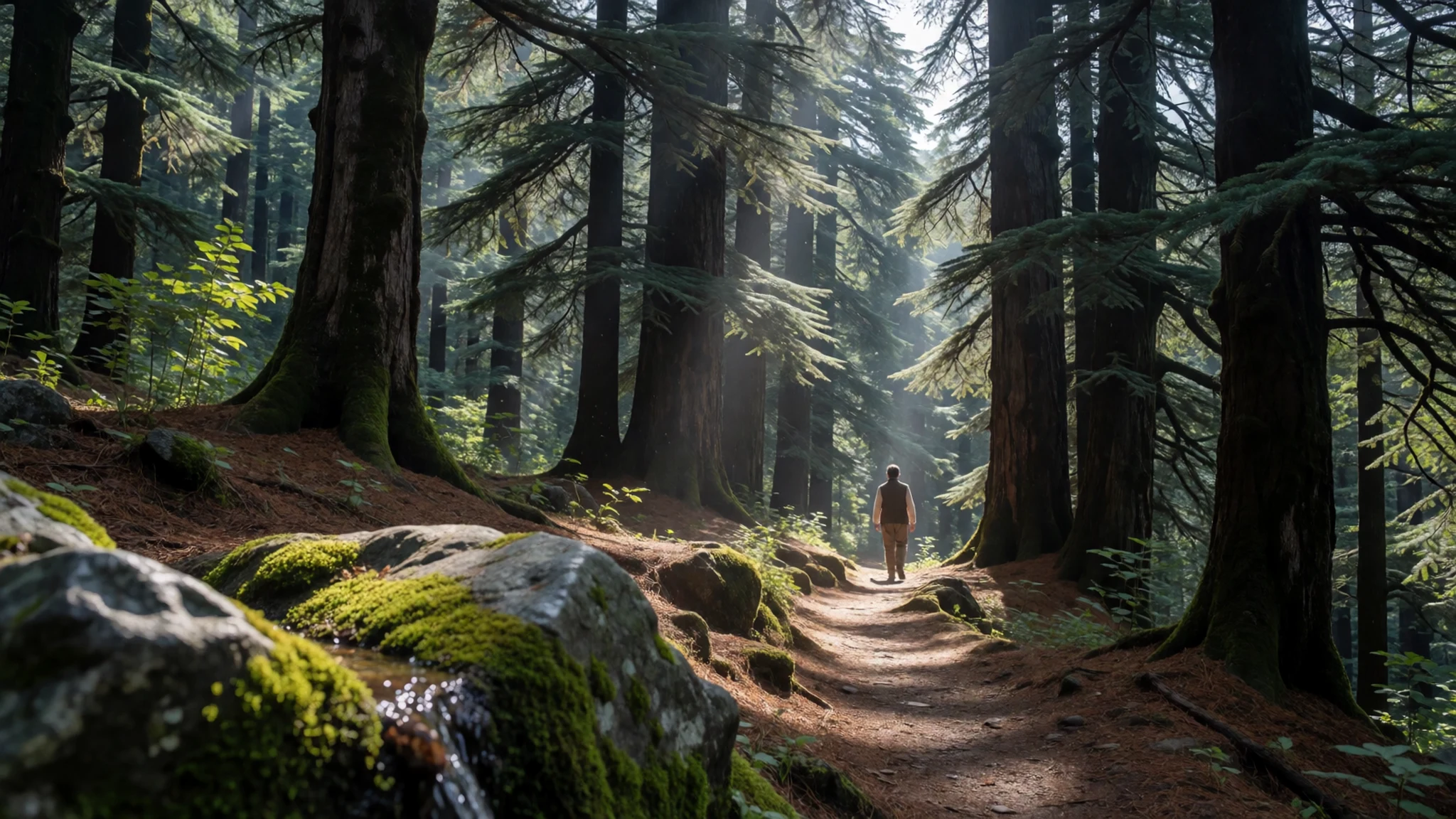
- Festival days — Across the three valleys
The three festivals, Zhoshi in spring, Uchaw in late summer and Chawmos in midwinter, are the best reason to time a trip. Expect singing, dancing and feasting. Dates move, and the community is the host, so ask local guides and guest houses well in advance and join in as a respectful guest.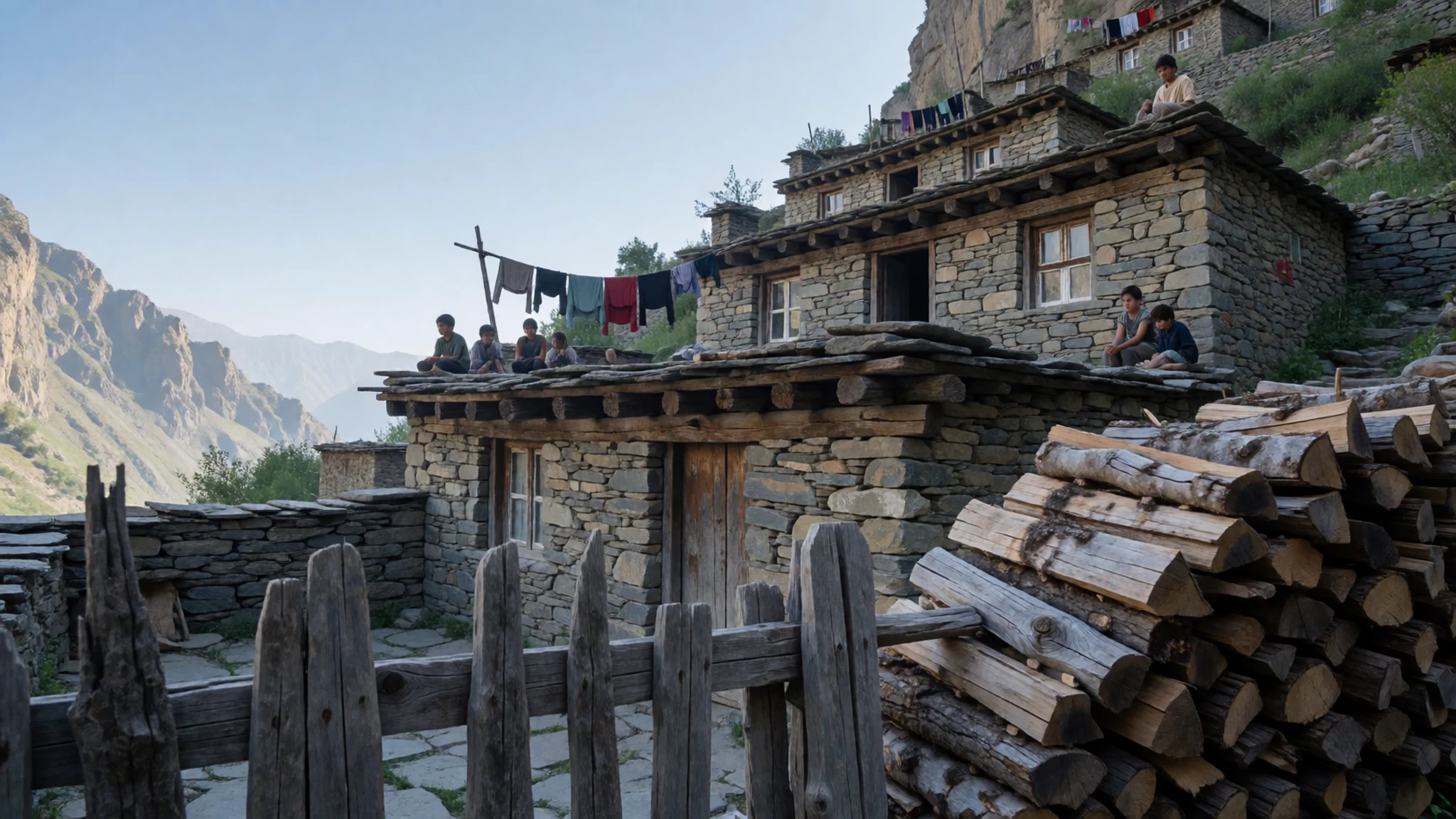
- Trek with a local guide — Paths between the villages and high pastures
Footpaths run between villages and up towards pastures, and the brief for visitors is simple: walk with someone local. A guide knows which paths are open, which sites are sacred and which are private, and can arrange a stay in a Kalasha guest house at the end of the day.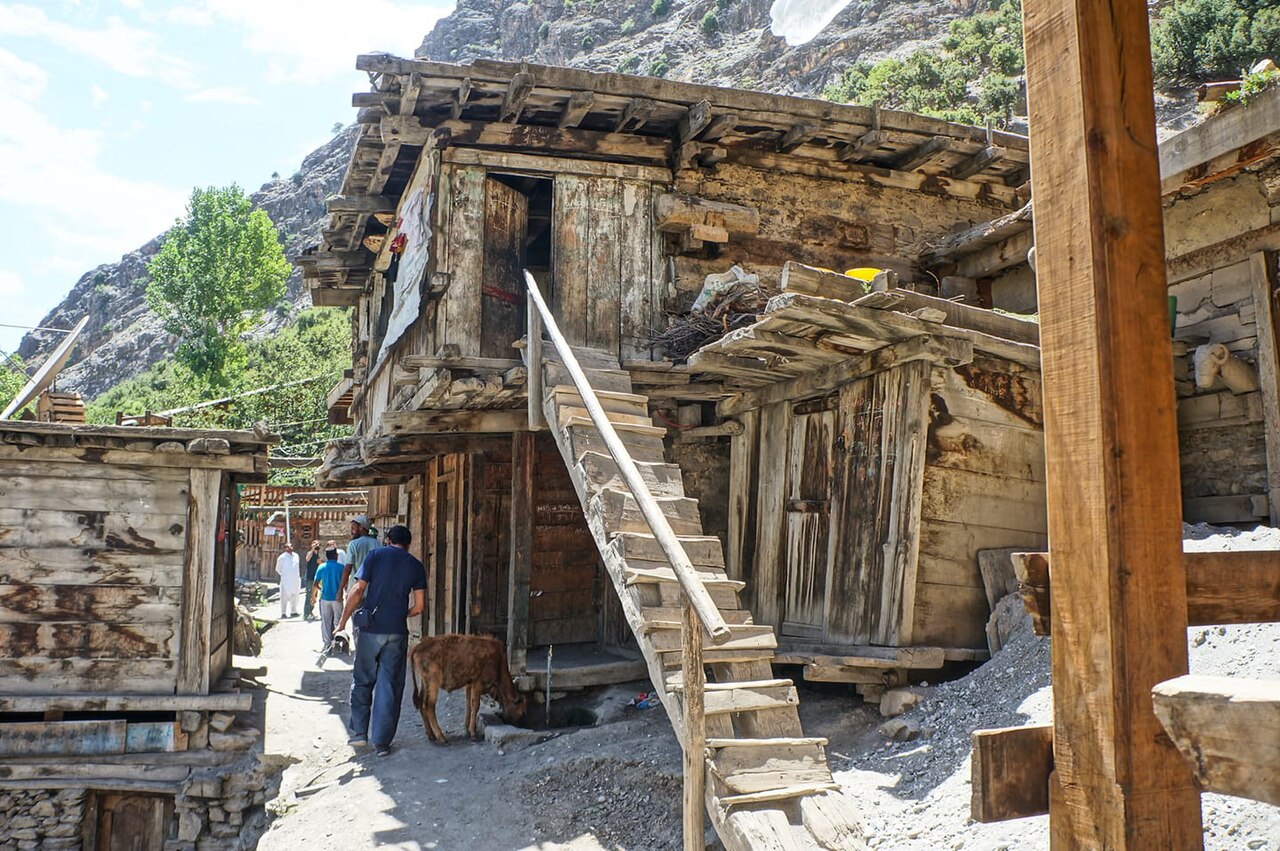
Culture
Kalash Valley is home to a community whose beliefs are tied to the land: mountains, rivers and pastures each have a place in the calendar, and shrines and seasonal rites mark the year. Religion here is practised openly in daily life, but not as a performance for visitors, and some places and rituals are closed to outsiders.
Music and dance carry much of the culture. At festivals, people gather to sing, drum and dance in circles, and wine and fruit are shared freely. The Kalasha drink wine as part of their own customs, even though most of their neighbours do not, and hosts sometimes offer it to guests. Accepting is a personal choice, and declining politely causes no offence.
Women have a visible public role, particularly at festivals, and distinctive spaces and customs around childbirth and menstruation that visitors should simply respect rather than ask to see. Families farm terraces, keep goats and cut firewood, and the work follows the seasons. Life in the valleys is changing with schools, roads and mobile phones, while elders worry that younger generations will drift away.
As guests, the best attitude is the one a village host would expect anywhere: arrive with time, ask questions only after you have been welcomed, and let people choose how much they share. Photograph the landscape freely, but always ask before photographing a person, a house interior or a shrine, and respect a refusal without argument.
What to wear
Kalash Valley is known for the women's dress, which is the most recognisable part of Kalasha identity. Women traditionally wear long black robes, often embroidered at the hem and sleeves in bright thread, tied at the waist with a sash. Their headdress is a close-fitting cap decorated with cowrie shells, buttons and beads, with a long tail down the back. Strings of coloured beads are worn around the neck in layers. This dress is worn daily by many women, and is set out most fully on festival days.
Men's everyday clothes are much plainer. Most wear the shalwar kameez common across northern Pakistan, usually with the rolled woollen Chitrali cap, and a waistcoat or wool shawl in the cold. Children wear school uniforms or simple versions of adult dress, and younger women sometimes mix the traditional robe with modern jackets, sweaters or trainers, especially in the colder months.
Visitors should dress for the climate and the culture. In summer the days are warm and the nights cool, so bring layers, and in cooler months bring a proper warm jacket. Loose, long-sleeved tops and long trousers or skirts are the sensible choice for women and men alike, and a light scarf is useful. Sturdy shoes with grip are important for dusty tracks, steep paths and river crossings. Avoid revealing clothes, and do not wear Kalasha dress or ornaments unless a host offers and helps you.
What to eat
- Fresh cheese and ghee — Guest houses and family tables in the villages
Goat and cow milk are central to the valley diet, and fresh cheese and ghee turn up with bread at most family meals. They are best at a village guest house or a family table, where the dairy is local and the portions are simple and filling.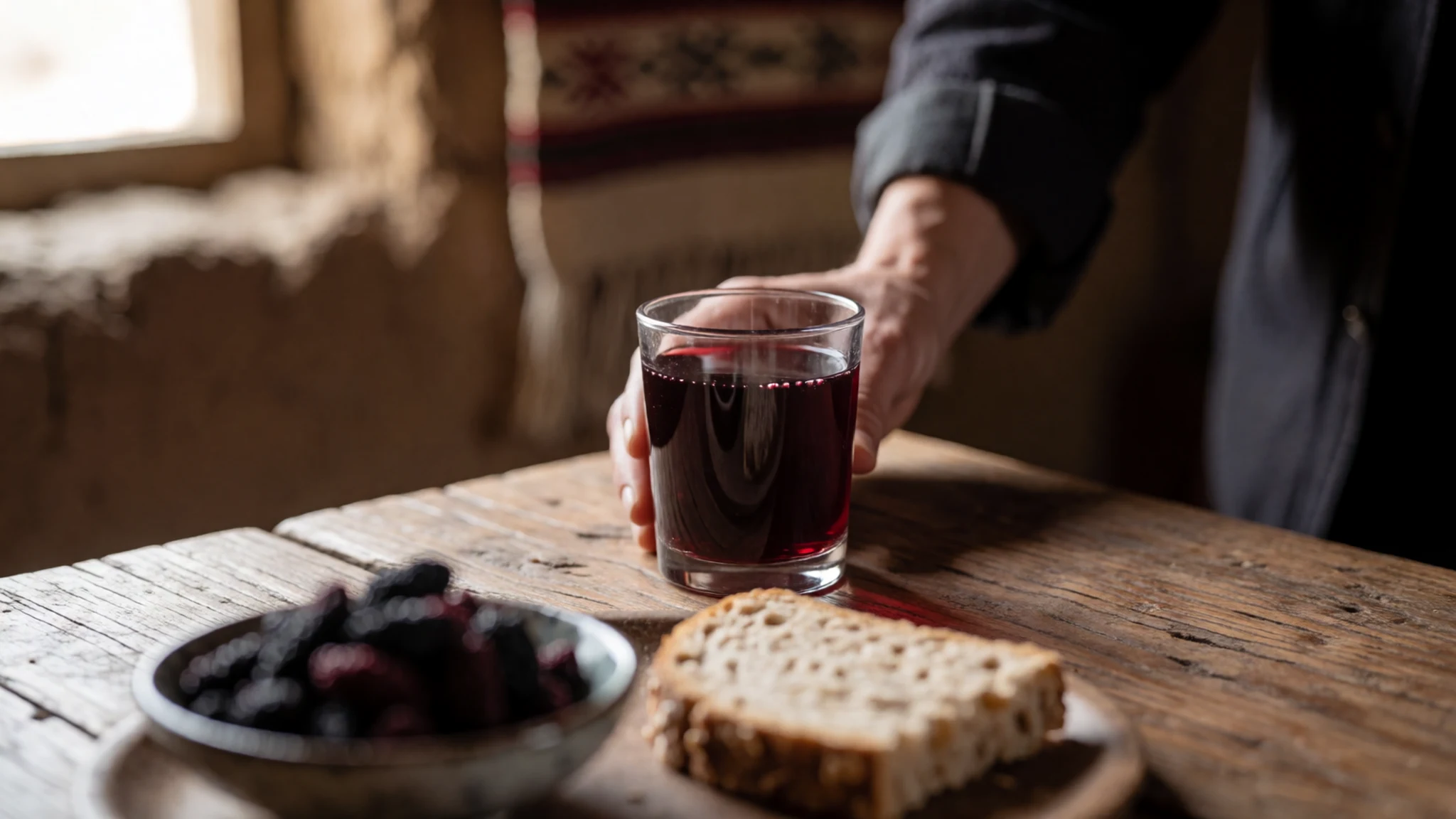
- Walnuts and dried mulberries — Village shops and homes, particularly in late summer and autumn
Walnut and mulberry trees line the valley paths, and the nuts and dried fruit are eaten as snacks and added to bread and sweets. They are easy to carry on a trek. Look for them in late summer and autumn, when the harvest is under way.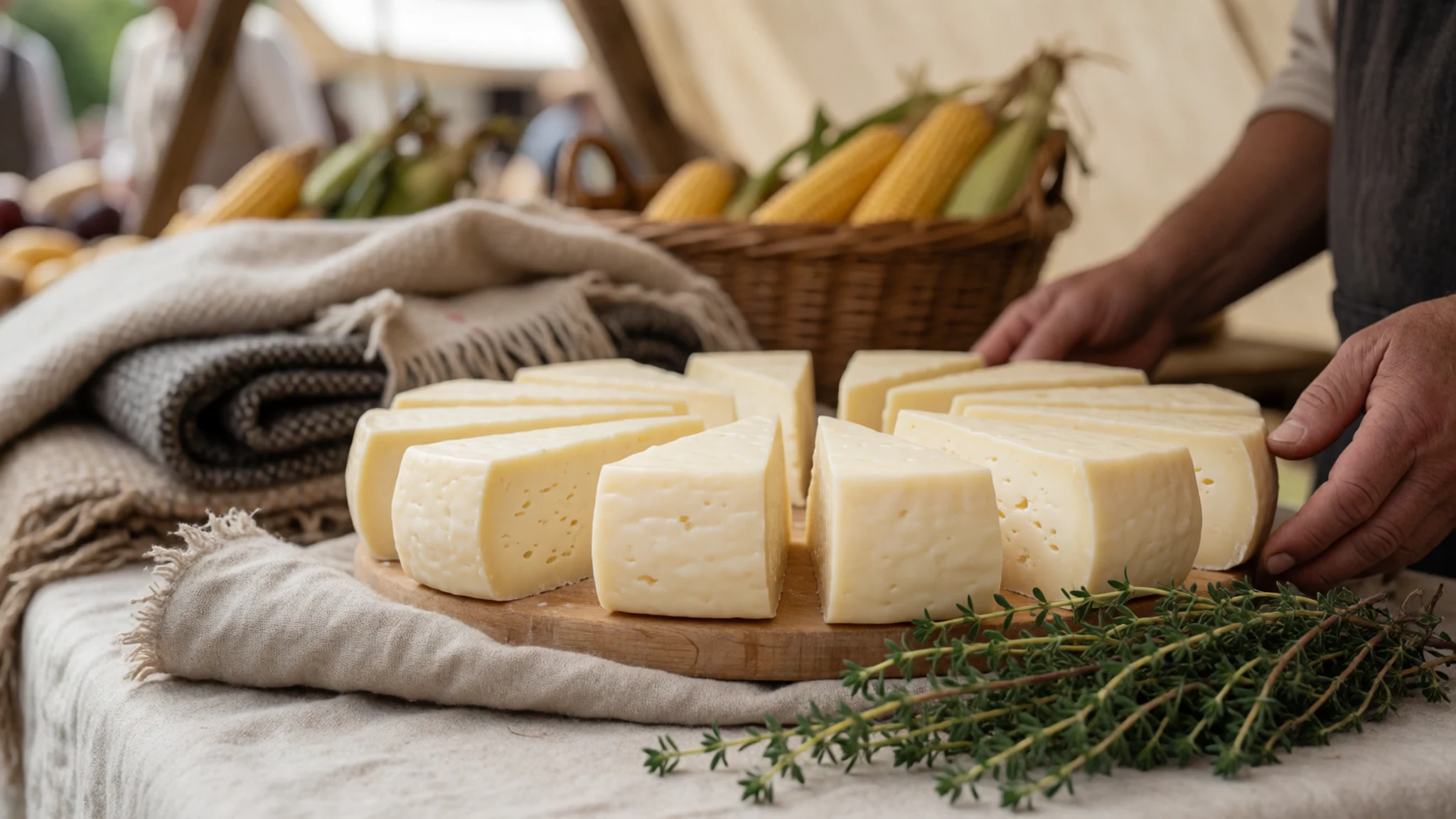
- Flatbread with local stews — Guest houses and small eateries in Bumburet
Wheat and maize bread, baked fresh, is the base of most meals, usually served with a stew of vegetables, beans or goat meat. Portions are plain and hearty rather than spiced fiercely. Ask your host what is in season before ordering extras. - Chapshuro — Bazaar stalls and snack shops in Chitral town
Chapshuro is a Chitrali flatbread filled with spiced meat, popular as a street snack across the region. It is more common in Chitral town than in the Kalasha villages, so try one while passing through, either on the way in or on the way out. - Mulberry wine — Family homes and festival gatherings, by invitation
The Kalasha make wine from local fruit and drink it at festivals and gatherings, and sometimes serve it to visitors. It is a home-made drink, strength varies, and it is not for everyone. Accept only if you wish to, and never press it on others.
Plan it
Best time. May to June and September to October are the most comfortable, with mild days, cool nights and green fields. Late spring brings the Zhoshi festival and late summer brings Uchaw. Midwinter brings Chawmos, but snow, rain and cold wind make travel harder and roads can close.
How long. 3–4
Getting there. Fly or drive to Chitral: there are flights from Peshawar, and a long road journey from Islamabad or Gilgit. The Lowari Pass route from Peshawar has had closures and security issues in the past, so check current conditions. From Chitral, shared jeeps and taxis run via Ayun to the valleys, and the last stretch is unmetalled. A small entry toll has applied, so ask locally.
Budget. mid
Tips
- Check current road, pass and security advice before you set out, and confirm festival dates with a guest house
- Stay in a Kalasha-run guest house and arrange walks through a local guide
- Carry enough cash from Chitral, as cards and cash machines are unreliable in the valleys
- Bring layers and warm clothing even in summer, as nights are cool, and carry a water bottle with purification tablets or a filter
- Allow a day each way for the journey from Islamabad, and avoid arriving after dark
Etiquette
- Ask before photographing people, houses or shrines, and accept a refusal
- Do not enter sacred places or women's spaces unless explicitly invited
- Dress modestly and accept hospitality politely, including declining wine if you prefer
Nearby
Sources
- Wikidata Q4390077 (CC0)
- Wikipedia: Kalasha Valleys (rev 1383403362) (CC BY-SA 4.0)
- Wikivoyage: Kalasha Valleys (rev 5325930) (CC BY-SA 4.0)
- Tahsin A Shah, Birir Valley coniferous forest (CC BY-SA 4.0)
- Akhtar Hassan, Kalasha Valleys Pakistan (CC BY-SA 4.0)
- Shah Tahsin Anwar, A typical house in Kalash Valley (CC BY-SA 4.0)
- Adilsagheer, School in Kelash Valley (CC BY 3.0)
- manalahmadkhan, Kalasha women portrait, Pakistan (CC BY 2.5)
- Shahid Rao, A view from Kailash Valley (CC BY-SA 4.0)
- Shirjeel Imran Malik, Ancient House in Kalash (CC BY-SA 4.0)
- Syed Qaiser Ahmed, Another pic of Kailash (CC BY 3.0)


