Shimshal
Shimshal, Pakistan
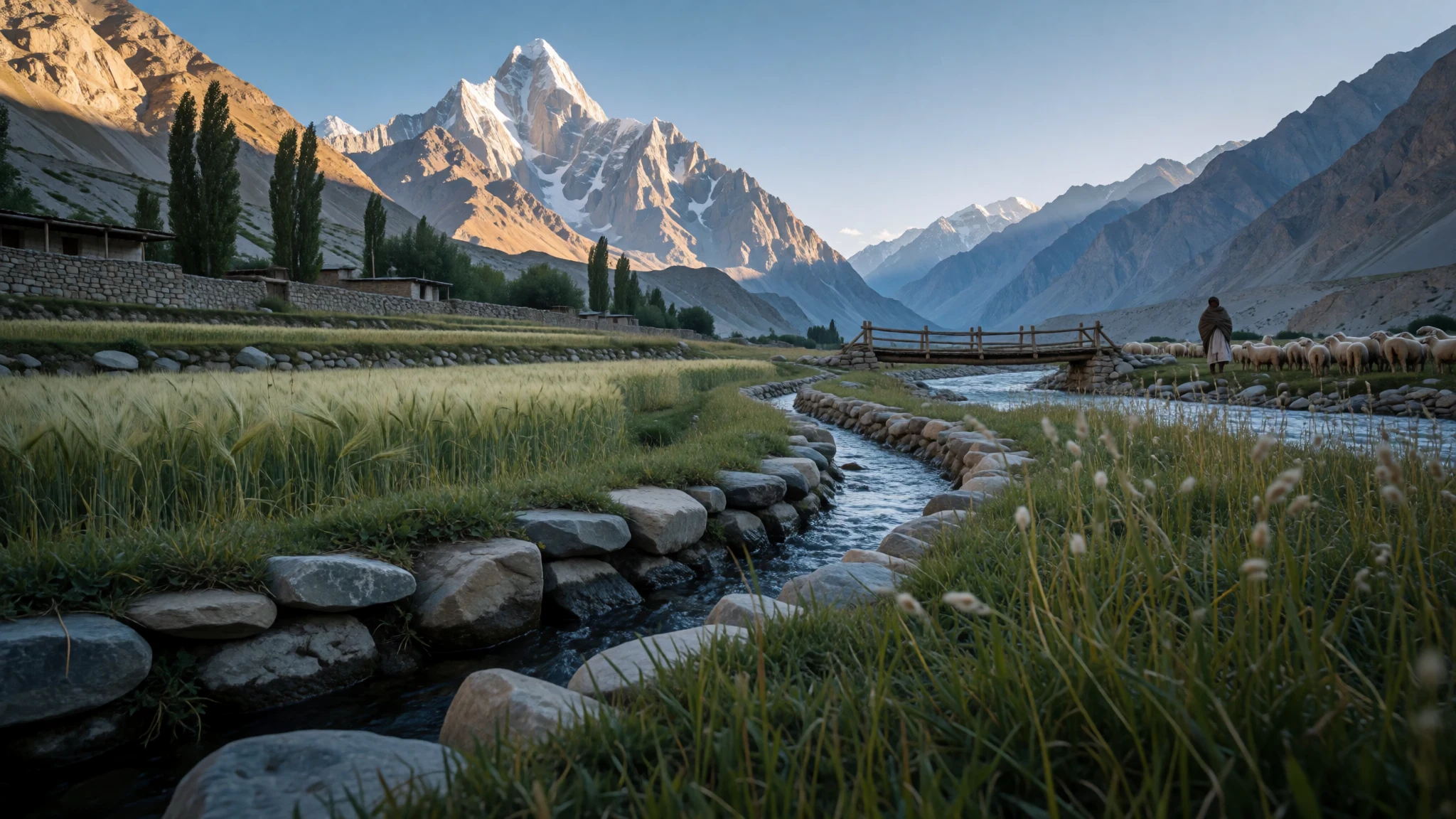
Experience one of the highest, most remote settlements in Pakistan, defined by rugged Karakoram peaks and a fierce spirit of community self-reliance.
The place
Shimshal is a high-altitude outpost in the Gojal tehsil of the Hunza District, perched at the edge of the Karakoram range. It serves as a critical link between the Gilgit-Baltistan region and China, though its isolation is palpable. The settlement sits within the largest valley in Gilgit-Baltistan, where the Shimshal River eventually feeds into the Hunza River. For a long time, the village remained a secluded world, inaccessible by motor roads until the early years of the new millennium. This separation fostered a unique culture of self-help, known locally as Nomus, which continues to drive the development of their own infrastructure.
The landscape is defined by extreme contrasts. Vast pasture lands like the Shimshal Pamir and Loopghar provide grazing for livestock, while the surrounding peaks loom with an intimidating presence. Visiting Shimshal requires a stomach for heights and a love for the raw, unvarnished outdoors. The road from Passu is a rocky track that clings to cliff sides, offering staggering views of glaciers that occasionally reach the roadside. It is a place where the scale of nature dwarfs human presence, and the air is thin and crisp. Life here follows the rhythm of the seasons, with a heavy reliance on hydroelectricity from the Odver stream during warmer months and a shift to solar or kerosene when the winters freeze the water.
Its story
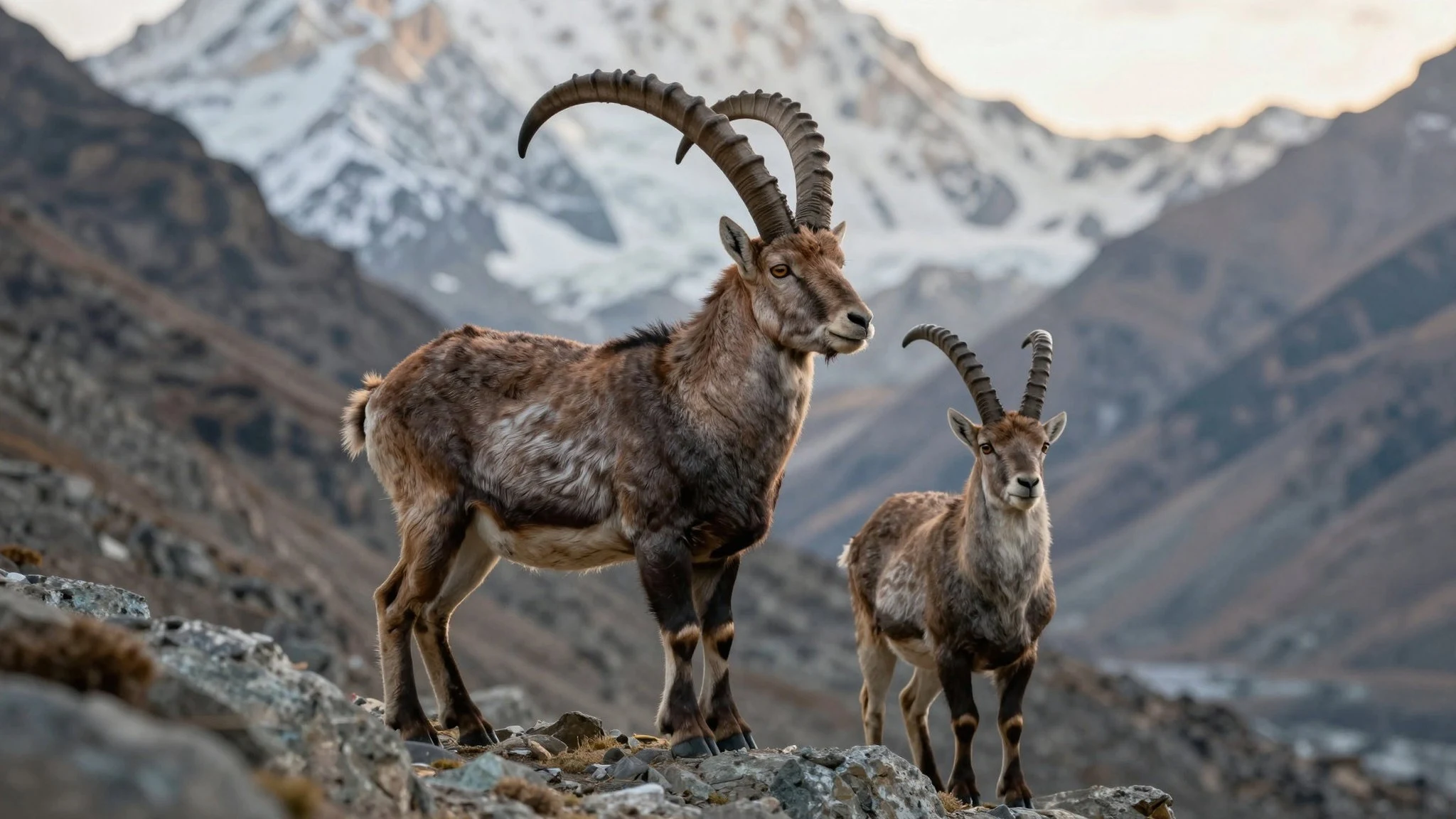
The origins of Shimshal trace back to the year 1450, when it was founded by Mamu Singh. A member of the Brong family and a speaker of Burushaski, Mamu Singh was an avid hunter of ibex who ventured into Gojal. During his explorations, he married a local woman and initially settled in Boiber. His curiosity led him to the summit of Karun Kuh, from where he spotted the grazing lands of Lup Goz and the broader expanse of the Shimshal Valley. Noticing the remains of old water channels, he realised the barren land had been cultivated in the distant past. By repairing these irrigation systems, he turned the valley into a habitable settlement, eventually relocating his family and herds to create the community that exists today.
In more recent history, the strategic location of Shimshal brought it into contact with the Pakistan Army during the late sixties due to border tensions with China. This period changed the local economy, as many residents began working as porters for the military. This expertise in navigating treacherous terrain transitioned into a civilian trade. Today, the people of Shimshal are renowned throughout the region as elite high-altitude porters and guides, supporting international mountaineering expeditions and trekking groups. Their history is one of adaptation, moving from isolated subsistence farming to becoming indispensable experts of the Karakoram's highest reaches.
What to see
- Yazghil Glacier — Shimshal Valley
A massive ice flow located a few hours' walk up the valley. The trek to the glacier takes you past traditional shepherds' huts, providing a glimpse into the seasonal migration patterns of the local herders before you step onto the ice. - Shimshal Pass — Border region
A challenging multi-day trek to a high watershed between the Indus and Tarim River basins. Once used by raiders to attack Silk Road caravans, the pass offers an intense experience of the borderlands between Pakistan and China. - Shimshal White Horn — South Shimshal Valley
Known locally as Adver Sar, this striking pyramidal peak is a serious target for professional mountaineers. While the summit is an extreme challenge, hikers can trek towards the base camp for an imposing view of the peak. - The Village Core — Shimshal Village
The heart of the settlement where traditional stone houses cluster together. Exploring the narrow lanes allows you to observe the community-led infrastructure and the unique architecture designed to withstand the harsh winters of the Karakoram. - Shimshal Nature Trust — Shimshal Village
An example of community governance, this organisation oversees the local land and environmental conservation. Visiting the trust provides insight into how the village manages its pastures and protects the fragile mountain ecosystem.
Culture
Culture in Shimshal is deeply rooted in the concept of Nomus, or collective self-help. Because of their extreme isolation, the villagers have developed a powerful social bond where infrastructure projects and agricultural tasks are tackled as a community. This spirit is evident in everything from the maintenance of water channels to the construction of schools. The local identity is a blend of mountain resilience and hospitality, with traditions that include rhythmic dances performed by elders and the maintenance of ancient caravan routes. The community is also highly protective of its environment, as seen through the Shimshal Nature Trust. Religion and ancestral customs blend seamlessly here, often reflecting the influence of both the Burushaski and Wakhi languages. Visitors will find a society that is increasingly connected via cellular networks but remains fiercely proud of its heritage as the highest settlement in the district. When visiting homes, it is polite to accept tea and avoid pointing your feet toward people or sacred objects.
What to wear
Traditional dress in Shimshal reflects the necessity of warmth in a high-altitude climate. Textiles are predominantly heavy wool, woven into thick coats and wraps that protect against the biting Karakoram wind. Men often wear traditional caps and sturdy woollen waistcoats, while women's attire involves colourful embroidered fabrics and layered shawls. These garments are often worn during community festivals and traditional dances. In daily life today, the fashion is a mix of these traditional elements and practical modern gear. You will see many locals in fleece jackets, hiking boots, and synthetic trekking trousers, reflecting their professional roles as mountain guides. For visitors, the dress code should be modest and highly functional. Heavy layers are essential regardless of the season, including a high-quality windbreaker and thermal underwear. Sturdy, waterproof hiking boots with good ankle support are non-negotiable for the rocky terrain. While the community is welcoming, dressing conservatively—covering shoulders and knees—is respectful of local norms.
What to eat
- Apricot Jam and Dried Fruits — Village stores
The valley's apricots are prized for their sweetness. These are preserved as thick jams or dried into chewy snacks, found in small village stores and homes throughout the settlement. - Yak Butter Tea — Local homes
A salty, creamy tea made with churned yak butter. This calorie-dense drink is essential for warmth and energy, typically served in any welcoming local household. - Freshly Baked Flatbreads — Village kitchens
Simple, hearty breads baked in traditional ovens. These are the staple of every meal, served warm with local honey or butter in village kitchens. - Mountain Stew — Home-stays
A slow-cooked medley of local root vegetables and mutton, seasoned with mountain herbs. This warming dish is a common dinner in the village during the cold evenings. - Local Honey — Village markets
Wild honey gathered from the high pastures, known for its distinct floral notes. It is often paired with bread for breakfast in the village.
Plan it
Best time. June to October, when the roads are clear of snow and hydroelectric power is typically available.
How long. 3–5
Getting there. Fly into Gilgit or travel by road to the Karakoram Highway. From Passu, hire a 4x4 vehicle for the 55 km journey to the valley.
Budget. low
Tips
- Sign in with the police at the start of the road after the suspension bridge
- Carry plenty of cash as there are no ATMs in the valley
- Prepare for altitude sickness; hydrate well and ascend slowly
- Pack a power bank, as electricity can be unreliable
- Hire a local guide for any trek outside the village
Etiquette
- Ask permission before photographing local residents
- Dress modestly, covering shoulders and knees
- Avoid wasting water, as it is a precious resource
Nearby
Sources
- Wikidata Q7497042 (CC0)
- Wikipedia (CC BY-SA 4.0)
- Wikivoyage (CC BY-SA 4.0)
Wildlife
- Siberian ibex (animal)
The Siberian ibex is a wild cousin of goats and sheep, and the biggest and heaviest of the true wild goats, though the markhor stands a touch taller at the shoulder. It roams across Central Asia, further and wider than any other ibex, yet its numbers seem to be slipping and it is considered near threatened. Good information about it is scarce, so go gently. Ask a local guide to help you look, watch from a respectful distance, keep quiet and still, and never feed it.