Ruggeller Riet
Ruggeller Riet, Liechtenstein
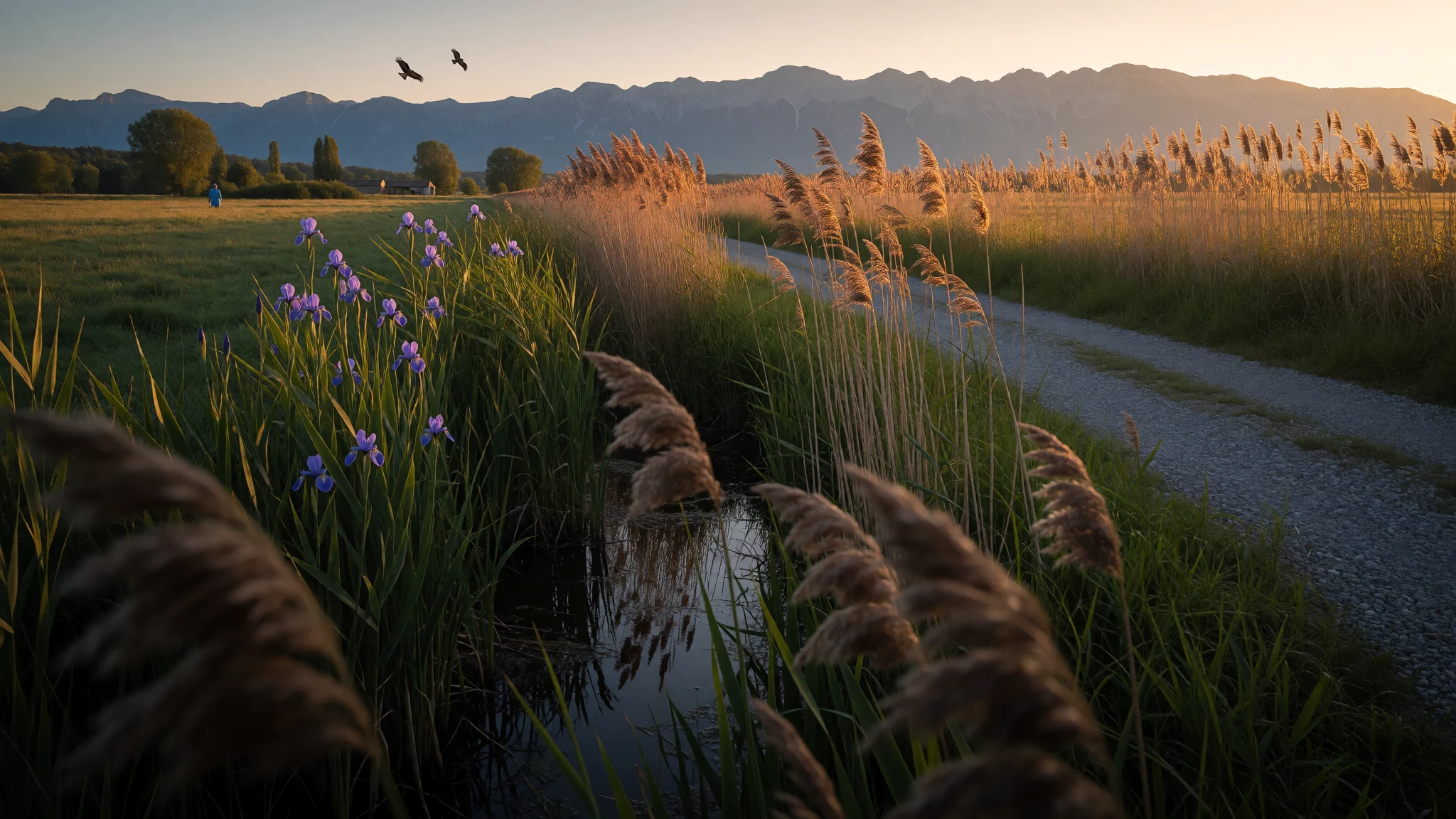
Ruggeller Riet is a quiet Rhine-valley wetland where Liechtenstein meets Austria, good for slow walks, birds and butterflies rather than big sights.
The place
Ruggeller Riet is a wetland reserve in the far north of Liechtenstein, in the municipality of Ruggell, close to the point where the country meets Austria and Switzerland. It covers 88 hectares of wet meadow, reed and moorland on the floor of the Alpine Rhine valley, and it is flat, open and quiet. This is not a place of waterfalls or dramatic lakes. The water here sits mostly in the ground, in ditches and in dark, soft soil that squelches after rain. The reserve was designated in 1978 and has been a Ramsar site, a wetland of international importance under the Ramsar convention, since 1991. What it offers is space and birdlife. Black kites circle overhead, butterflies work the flowers in early summer, and wild Siberian iris grows along the damper edges. Beyond the reserve boundary lie farm fields, the Austrian side of the border and, on clear days, mountains framing the horizon. The setting is rural rather than touristy. The village of Ruggell is close by, and the capital, Vaduz, is a drive or bus ride to the south. Liechtenstein is small enough to cross in a short time, so the Riet works best as a slow half-day for walkers, birdwatchers and photographers, not as a headline stop. Ground can be wet, and biting insects are likely in warm weather. Facilities are limited, so water and a snack are sensible, and the national tourist office is the place to check current path and access information.
Its story
The name Ruggeller Riet is usually linked to reeds, which probably covered the valley floor before intensive farming took over the land. The wetland itself goes back to the end of the last ice age. When the Rhine Glacier melted, about 16,500 years ago, it left shallow lakes across the valley. Over the centuries the river dropped silt into them, the lakes slowly filled, and bogs developed, building up thick layers of peat. That peat has become a useful archive. Pollen preserved in it points to people living in or passing through the area from around the fourth millennium BCE, and tools and other objects from both prehistoric metal ages have also surfaced there. From the late Middle Ages, local farmers used the wet ground for grazing and for cutting hay, which helped keep parts of it open rather than letting woodland close in. In the nineteenth century peat became an industry, with fuel dug out of the bog on a working scale. That trade declined after the Second World War, as other fuels took its place. Protection came afterwards: the reserve was designated in 1978, and Ramsar recognition followed in 1991. The mix of old pasture, hay meadow and former peat workings is part of why the reserve holds such a varied patchwork of habitats. What visitors walk through today is therefore not untouched wilderness but a landscape shaped by ice, river, farming and digging, then set aside.
What to see
- Walking the reserve — Ruggell, northern Liechtenstein
The main reason to come is a slow loop through the reeds, wet meadows and moorland of Ruggeller Riet. Distances are short and the ground is flat, so the pleasure lies in stopping often: listening for birds, watching the light change on the reed beds and looking across to the mountains.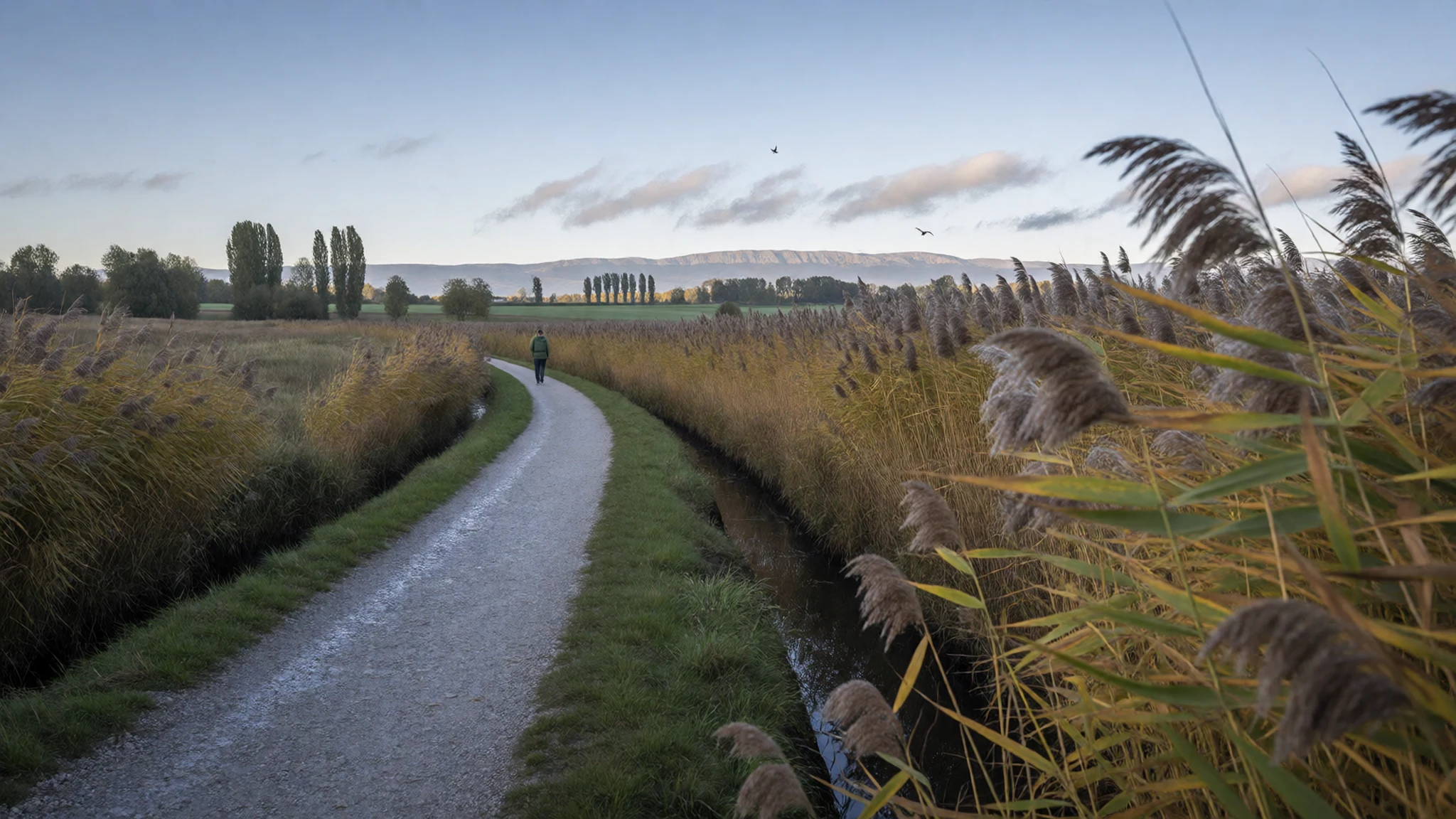
- Birds and butterflies — Across the reserve
Black kites are often seen riding the air above the reserve, and in early summer butterflies such as the large skipper feed on wild Siberian iris. Binoculars help, and so does patience. Early morning tends to be the calmest time, before walkers and farm traffic arrive.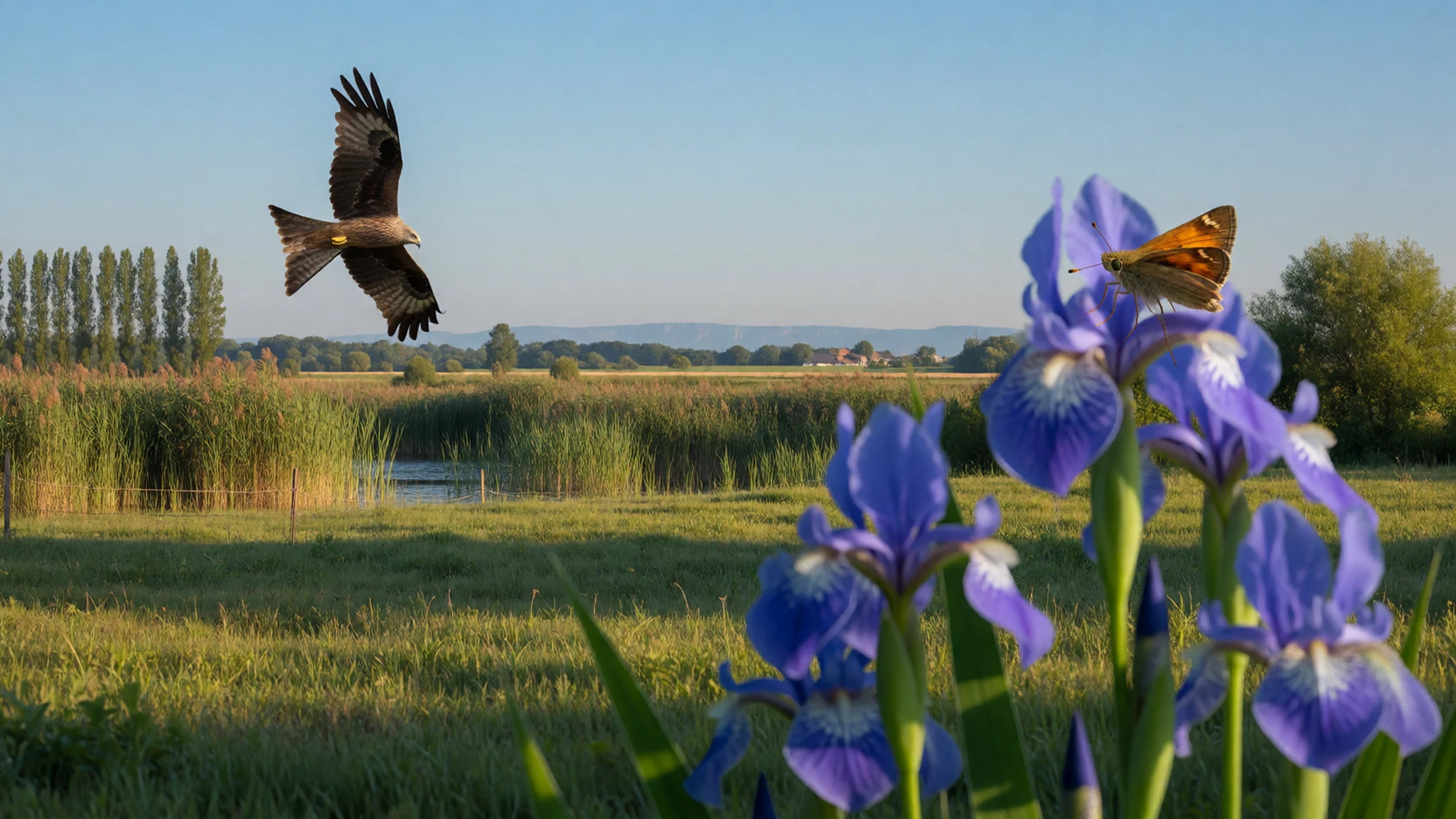
- The border stone at Ruggell — Ruggell–Bangs border
A memorial stone stands where Ruggell meets the Austrian village of Bangs, a reminder that this open farmland is also a national frontier. It is a short, quiet stop that gives a sense of how small Liechtenstein is, with another country visible across the fields.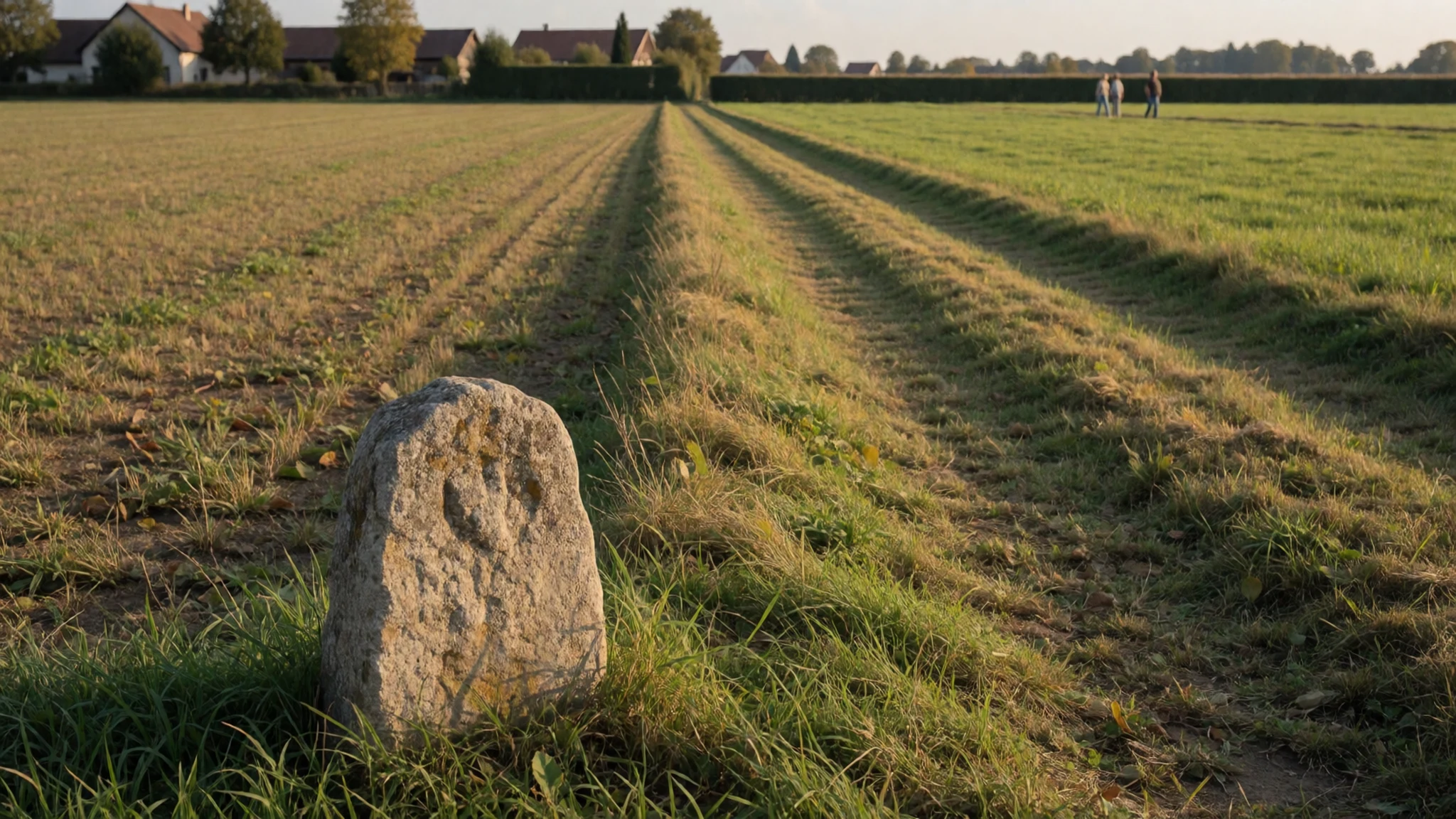
- Schloss Vaduz — Vaduz
The castle above Vaduz is the home of the princely family and is not open to the public, but it can be viewed from fairly close up. It is the obvious companion stop to the Riet, reached by road from the capital, with a bus route running part of the way.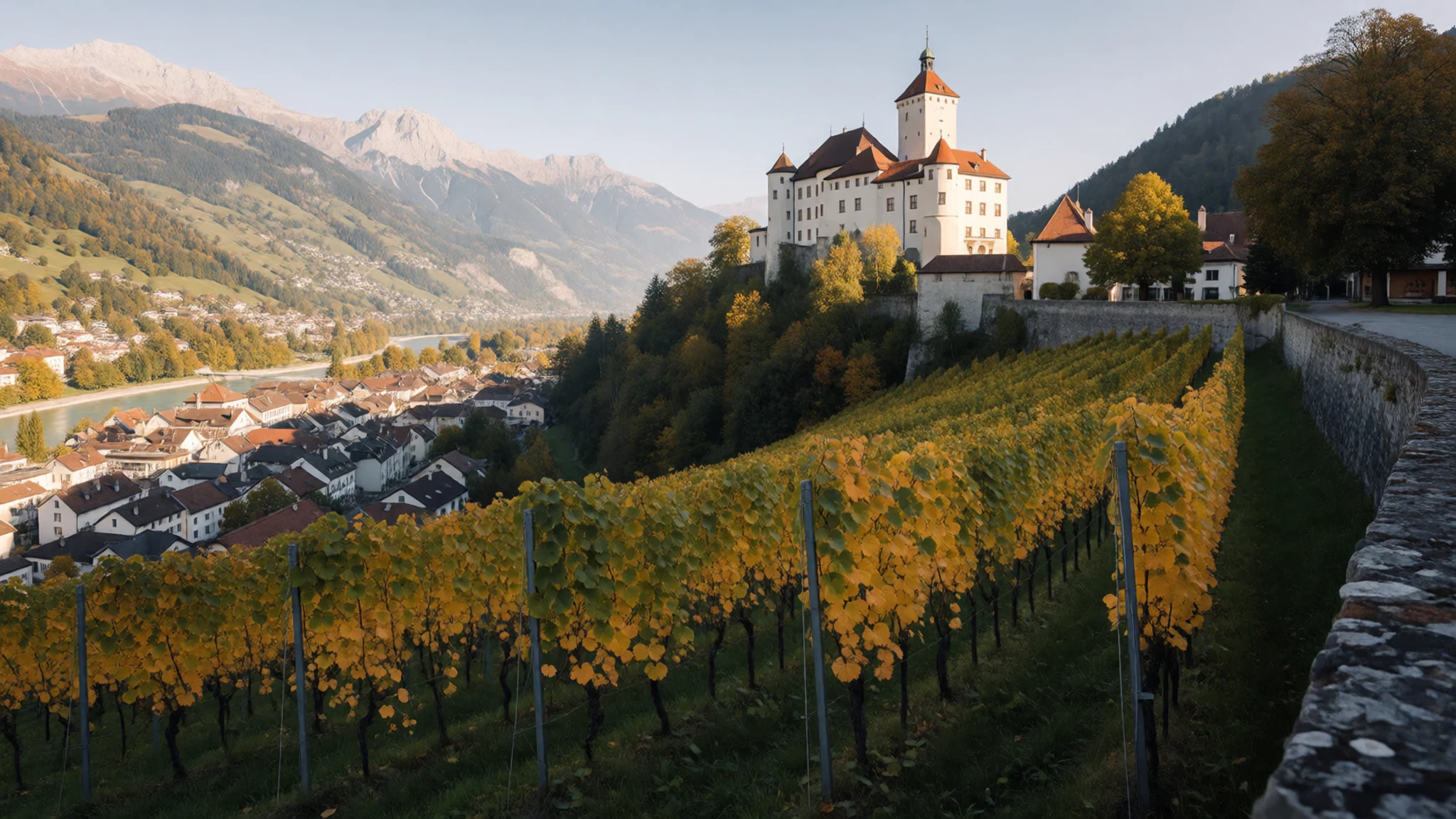
- Balzers Castle — Balzers
Balzers Castle is a Gothic building in the south of the country, well away from the northern wetlands. It suits a day that mixes nature with history. Check locally before going, since access and opening arrangements can change, and treat it as a view rather than a guaranteed visit.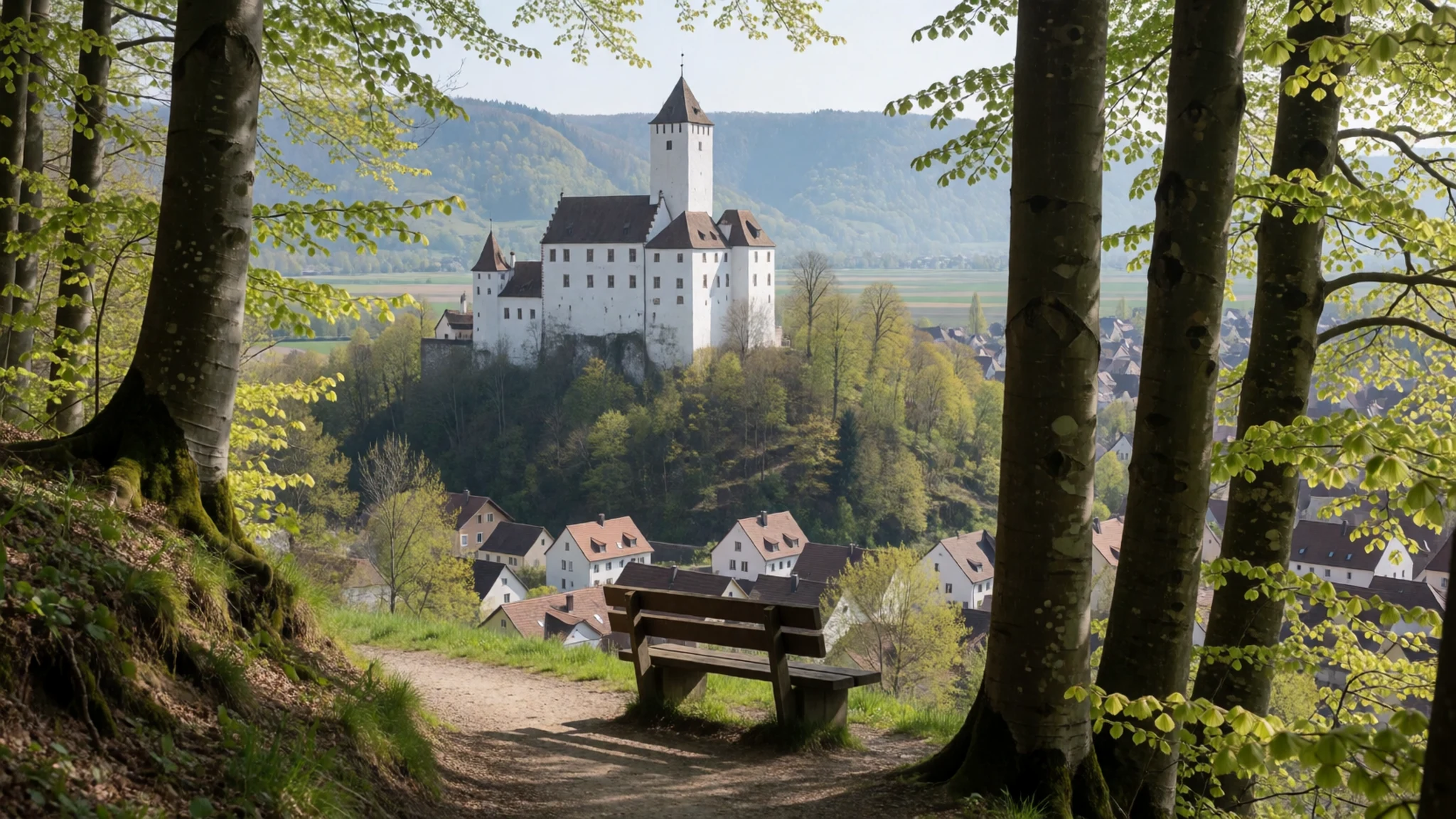
Culture
Ruggeller Riet lies in a country that guards its separate identity. Liechtenstein has been an independent principality for centuries, and its people are proud of that. Calling a Liechtensteiner German, Austrian or Swiss is a quick way to cause offence. The prince and the monarchy are well respected, so jokes about the royal family land badly with locals. Ruggell itself is a farming village on the Austrian border, and the reserve reflects that, with hay meadows, field edges and working land sitting right up against the protected ground. The country is traditionally Catholic, and Sundays are very quiet, with the streets almost empty apart from visitors and the tourist shops. It makes sense to buy food and supplies the day before a Sunday visit. Liechtenstein is in the Schengen Area but not the EU, so there are no routine passport checks at the Austrian border, though occasional customs checks happen. A passport or ID card should still be carried. The principality is small, and a visit to the Riet fits easily beside a stop in Vaduz, where the royal castle, the postal museum and the national stamp tradition tell more about how the country presents itself. On the reserve's paths, stay on the marked routes, keep noise down near nesting birds, and never describe Liechtenstein as part of Switzerland or Austria.
What to wear
Ruggeller Riet belongs to the Alpine Rhine valley, where traditional dress follows the folk costume, or Tracht, of the wider German-speaking Alps. Typically that means wool, linen and cotton, embroidered bodices and aprons for women, and waistcoats, jackets and felt hats for men. Details differ from valley to valley, so local museums or tourist offices are the best guide to what is specifically Liechtensteiner. Such dress now appears mainly at festivals, parades and national celebrations, not in daily life. Everyday clothing is much like that of neighbouring Switzerland and Austria: practical, tidy and understated. In Vaduz, people dress smartly for work and dinner, while outdoor wear is common on hiking and cycling days. For visitors to the reserve, the main considerations are the weather and the ground. Waterproof walking shoes or light boots are better than trainers, because paths can be wet and muddy. Layers help, since valley mornings can be cool even in summer, and a rain jacket is worth carrying in any month. Long trousers and insect repellent make sense in warm weather, when midges and mosquitoes are likely near wet ground. A sun hat is useful on open stretches with little shade. Churches and chapels in the villages are working places of worship in a Catholic country, so covered shoulders and knees are respectful if a visit includes one. Nothing about dress in town is strict, but quiet, modest clothing fits in best, especially on Sundays.
What to eat
- Fresh rolls and pastries — Village bakeries in Ruggell and Vaduz
Small bakeries across Liechtenstein sell warm rolls and pastries, and they are the easiest way to put together a picnic before a walk. Buy early, as the best choices go first, and remember that many places are shut or quiet on Sundays.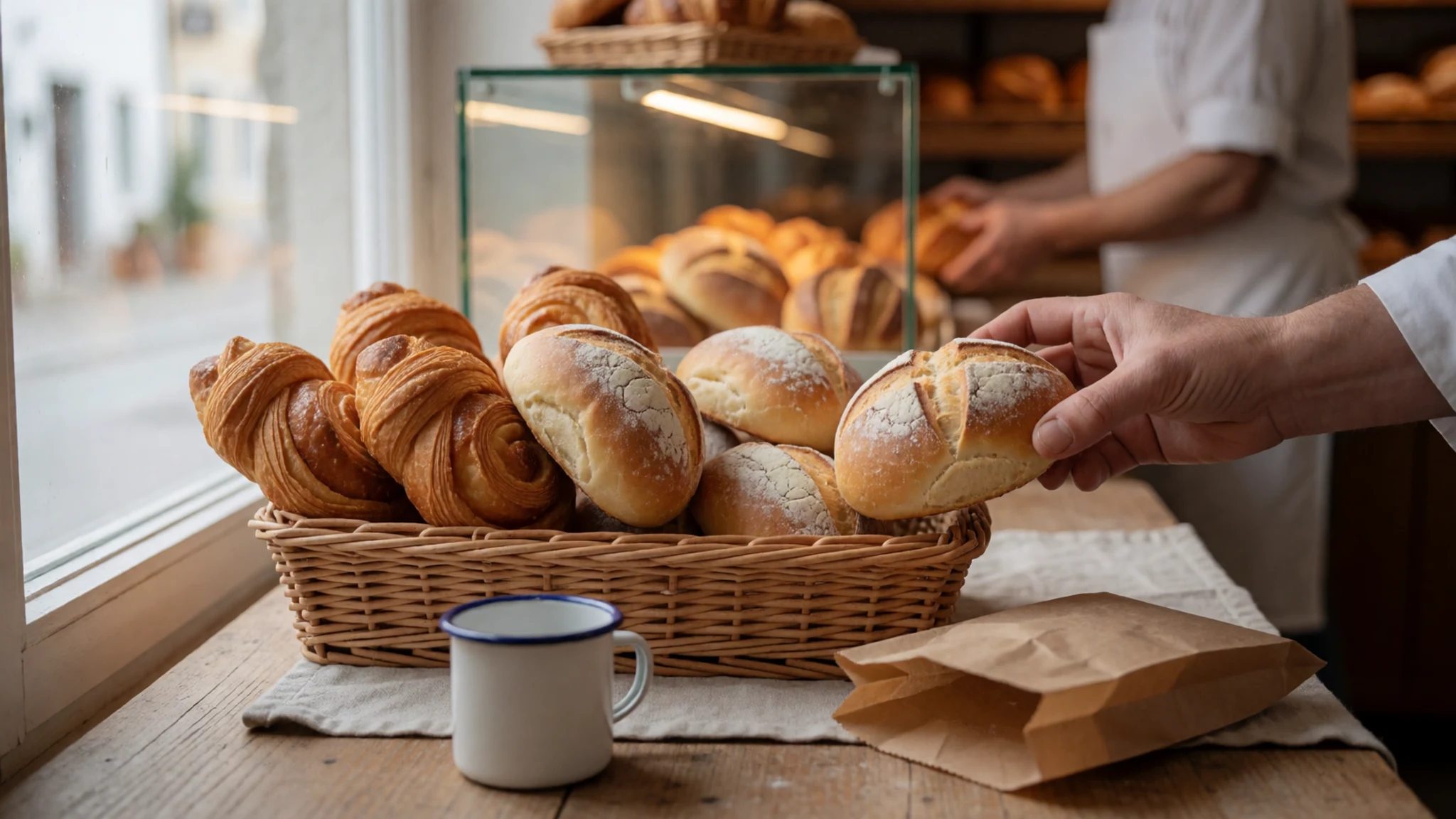
- Käsknöpfle — Traditional inns and restaurants in the villages
Käsknöpfle is a dish of small dumplings or noodles layered with melted cheese and onions, often served with stewed apple on the side. It is hearty mountain food, suited to cool days after a walk in the valley.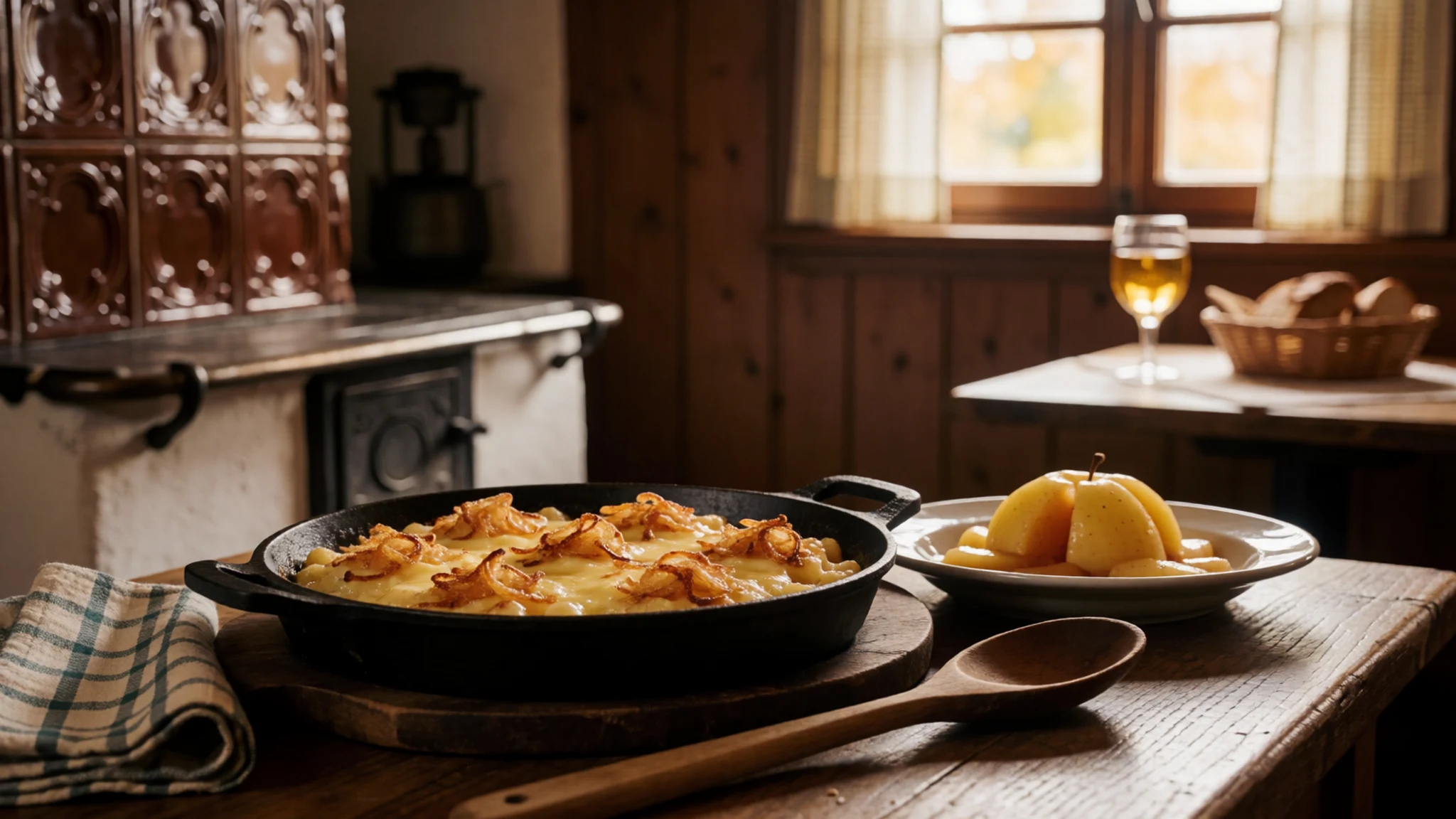
- Riebel — Local restaurants serving regional dishes
Riebel is a rustic dish made from coarse maize semolina, cooked until crumbly and often eaten with milky coffee or fruit compote. It is a regional dish of the Rhine valley and appears on menus that favour local cooking. - Local wine — Supermarkets and tourist shops across the country
A small amount of wine is produced in Liechtenstein, and the prince owns a vineyard in Vaduz. Bottles are sold in supermarkets and tourist shops, and they make a more distinctive souvenir than most. Supply is limited, so expect a modest choice. - Liechtenstein beer — Restaurants, bars and shops in Vaduz and nearby villages
A brewery in the country makes lagers, including a blonde Helles and an unfiltered Hefe Weizen. Much of the beer sold nearby is brewed in Switzerland, so ask for the local one by name if you want something made in Liechtenstein. - Fruit schnapps — The distillery in Triesen
A one-man distillery in Triesen makes liqueurs and fruit schnapps, with tours on Saturdays. The spirits are strong and sipped in small glasses, and a bottle travels well. Check current visiting arrangements before planning a trip around it.
Plan it
Best time. Late May to June for wild iris, butterflies and active birdlife, and September to October for calmer, cooler walking with autumn colour. Winters in the Rhine valley are cold and can be grey, and the ground is wettest after rain and snowmelt.
How long. 1
Getting there. Zurich Airport is the usual gateway, then a train towards Buchs (Switzerland) or Feldkirch (Austria) and a local bus into Liechtenstein; Ruggell is in the north, so the last leg is a short bus ride or a taxi. Check the official bus timetables for current routes. Liechtenstein has been in the Schengen Area since 19 December 2011, so check your own entry requirements.
Budget. high
Tips
- Go early in the morning for the best chance of birds and quiet paths
- Wear waterproof footwear, because the ground stays wet well after rain
- Pack water, a snack and insect repellent, since facilities near the reserve are limited
- Avoid planning meals for Sundays, when most things are closed
- Pair the Riet with Vaduz for a full day, using local buses between them
Etiquette
- Stay on marked paths and keep noise down near nesting birds
- Do not describe Liechtenstein as German, Austrian or Swiss
- Take all litter home with you
Nearby
Sources
- Wikidata Q27925671 (CC0)
- Wikipedia: Ruggeller Riet (rev 1380215713) (CC BY-SA 4.0)
- Wikivoyage: Liechtenstein (rev 5415448) (CC BY-SA 4.0)
- Photo: Ruggeler Riet mit … im Vordergrund, Plutowiki (CC0 1.0)
- Photo: Reliefkarte Liechtenstein, Tschubby (CC BY-SA 1.0)
- Photo: Large skipper on wild Siberian iris, Charles J. Sharp (CC BY-SA 4.0)
- Photo: Bangser und Ruggeller Ried, Asurnipal (CC BY-SA 4.0)
- Photo: Black Kite in flight, Charles J. Sharp (CC BY-SA 4.0)
- Photo: Evimeder, Ruggell, Plutowiki (CC0 1.0)
- Photo: Gedenktafel Flütsch, Plutowiki (CC0 1.0)
- Photo: Liechtenstein 1972 stamp, Swiss Post for the Government of Liechtenstein (Public domain)


Wildlife
- Black kite (animal)
Picture a big hunting bird that rides the air high above the reserve: that is the black kite, also known as the fire kite. Over Ruggeller Riet it circles overhead, so a look skyward is your best way to find it. No particular season or time of day is recorded here. Keep your distance, speak softly, ideally go with a guide, and never feed it. - Large skipper (animal)
The large skipper is a butterfly, a fluttering visitor that stops at flowers to feed. In Ruggeller Riet you will find it in early summer, feeding on the wild Siberian iris that grows along the damper edges of the reserve. The notes give no time of day. Watch from a little distance, move slowly and quietly, take a guide if you can, and never feed it. - Black kite (bird)
Picture a big hunting bird that rides the air high above the reserve: that is the black kite, also known as the fire kite. Over Ruggeller Riet it circles overhead, so a look skyward is your best way to find it. No particular season or time of day is recorded here. Keep your distance, speak softly, ideally go with a guide, and never feed it.