Malbun
Malbun, Liechtenstein
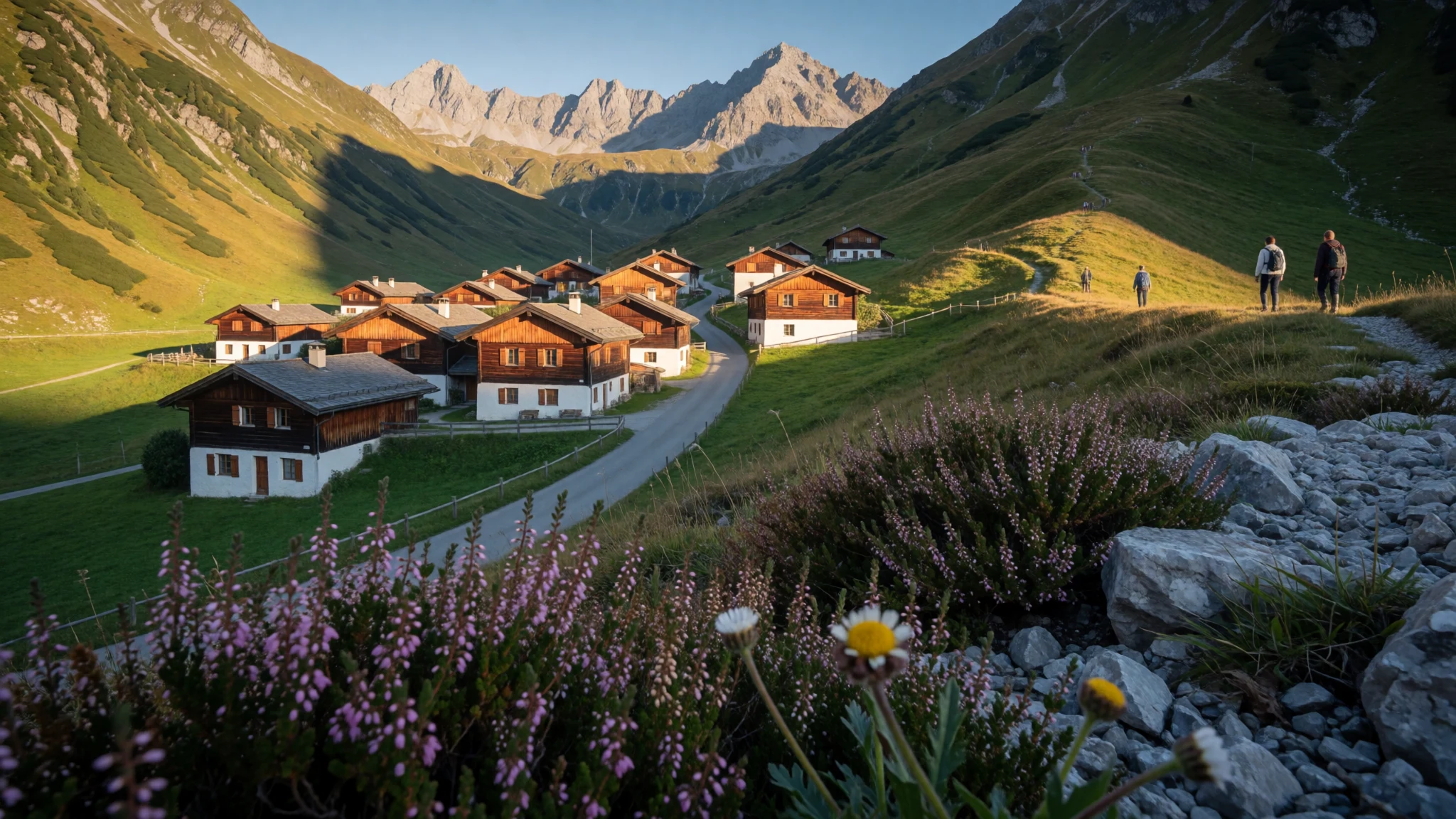
Malbun is a compact alpine village in Liechtenstein where skiing, short walks, and quiet chapel stops fit easily into one trip.
The place
Malbun is a small ski resort village sitting in the Alps at an elevation of 1,600 metres in Liechtenstein’s Oberland region. It sits within an exclave of the municipality of Triesenberg, and the geography shapes everything: the views are high and close, the weather can shift quickly, and the village feels more like a mountain base than a town.
The settlement is built along the access road running towards Steg and Vaduz, and it’s also very close to the Austrian border (less than two kilometres). That border proximity shows up in the feel of the place—mountain-lodges, visitors arriving for either winter snow or summer hiking, and a steady rhythm that’s more about outdoor days than city sightseeing.
Malbun is Liechtenstein’s only resort for skiing, which means the core identity is pretty clear. In practice, that also keeps logistics simple: most of the action clusters around the village centre and lift/route access, while longer walks and viewpoints sit just outside the main hub. Even if skiing isn’t the goal, Malbun works well as a peaceful break with chapels, local history, and countryside paths.
Crowds tend to be seasonal rather than constant. In peak snow periods the village and surrounding slopes can feel lively, while shoulder months are quieter for strolling and photography—just plan for colder air at altitude and for mountain conditions that don’t always care about the calendar.
Its story
Malbun’s story is the story of an alpine place trying to stay itself, even when the outside world interrupts. The village developed as a skiing destination in Liechtenstein, and because it’s the country’s only ski resort, Malbun carries a disproportionate amount of expectation. In a small country, that concentration makes winter feel communal: the mountains become the main meeting place.
For a sense of how Malbun has held onto its identity, the Walser history is a useful starting point. The Walser people immigrated to Triesenberg in the 13th century, and Malbun’s Walsermuseum tells that story alongside parish history and customs. It’s the kind of museum that doesn’t try to overwhelm visitors—more a clear explanation of where the community came from and how mountain life shaped daily routines.
There’s also a darker, more surprising episode remembered in Malbun’s landscape. In 1968, five Swiss artillery shells accidentally hit the village, damaging chairs that had been set outdoors. It’s a reminder that remote mountain resorts can still be affected by events far beyond the valley.
After that, the village leans back into what it does best: living with the mountains. Even the chapels and parish buildings feel integrated into the daily pattern of the resort—places for quiet reflection when the weather turns, and landmarks for slow walks when the day is calm.
What to see
- Walsermuseum — Malbun village centre
Walsermuseum in Malbun brings together local layers: it’s housed in the tourist-office building and focuses on Walser life after the community moved to Triesenberg centuries ago, plus parish history and customs.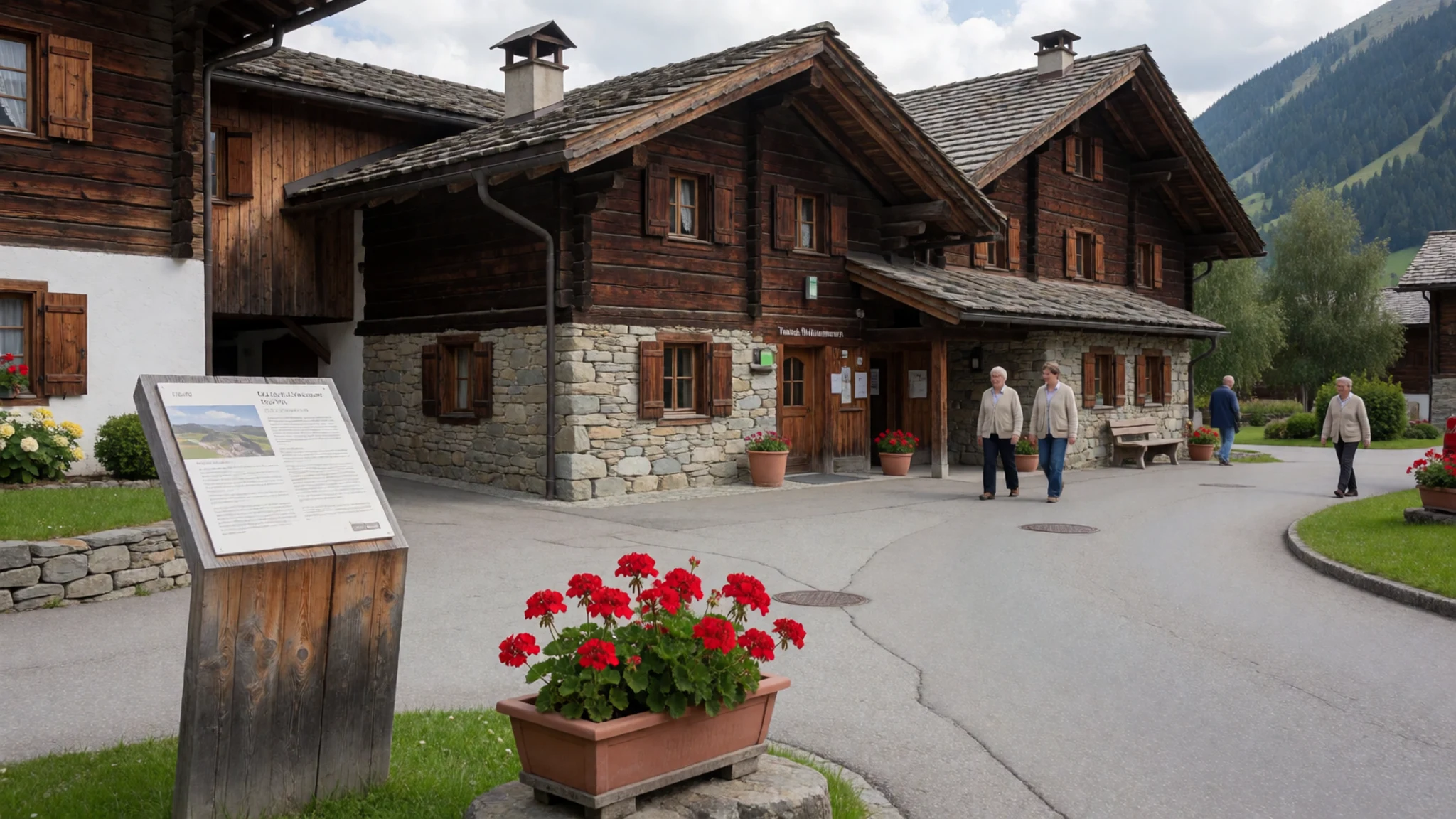
- Peace Chapel Malbun — High in the Malbun area
Peace Chapel Malbun sits high and quiet, and it’s known as the highest church in the principality. Built in the years after the war, its name links to gratitude for Liechtenstein being spared the atrocities of the Second World War.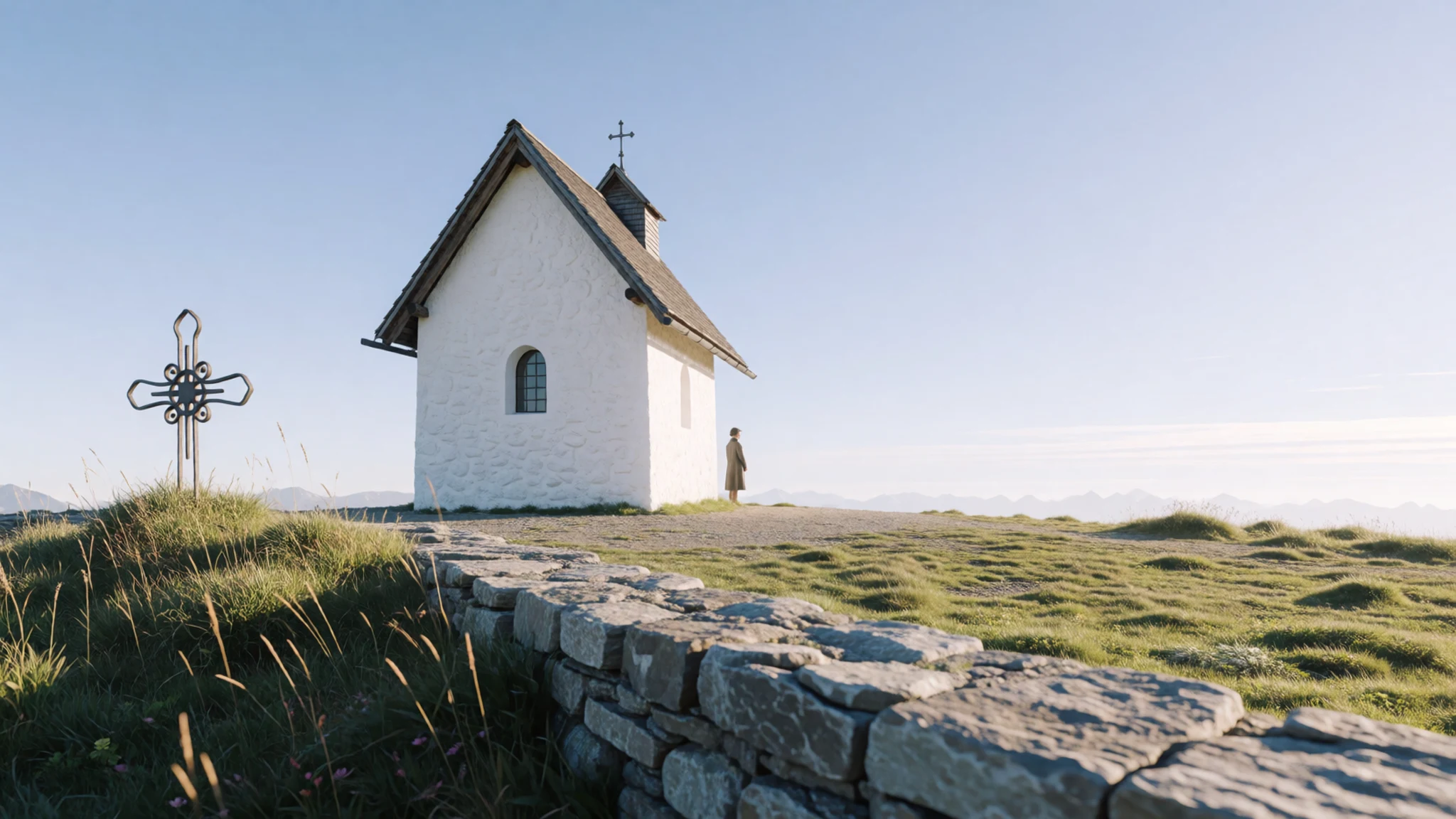
- Parish Church of St Joseph — Malbun village centre
The Parish Church of St Joseph reflects Malbun’s parish rebuilding. A newer church was constructed on the site of the older parish church, and the building anchors local religious life during both summer and winter seasons.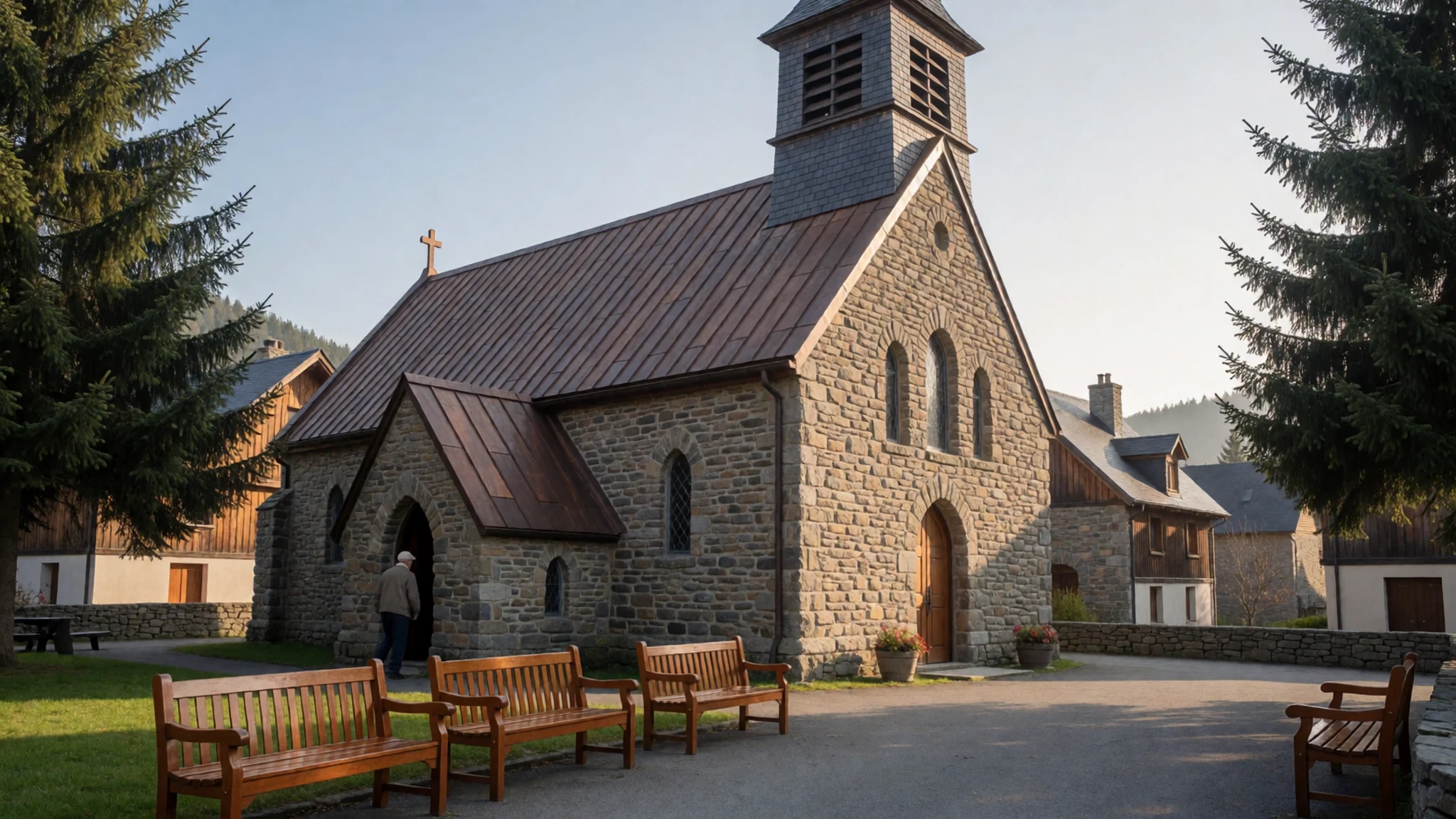
- Chapel of St Mary — Around Malbun
The Chapel of St Mary offers a small, contemplative stop within the Malbun landscape. It’s the sort of place that suits a pause between walks—brief, peaceful, and connected to the village’s network of chapels.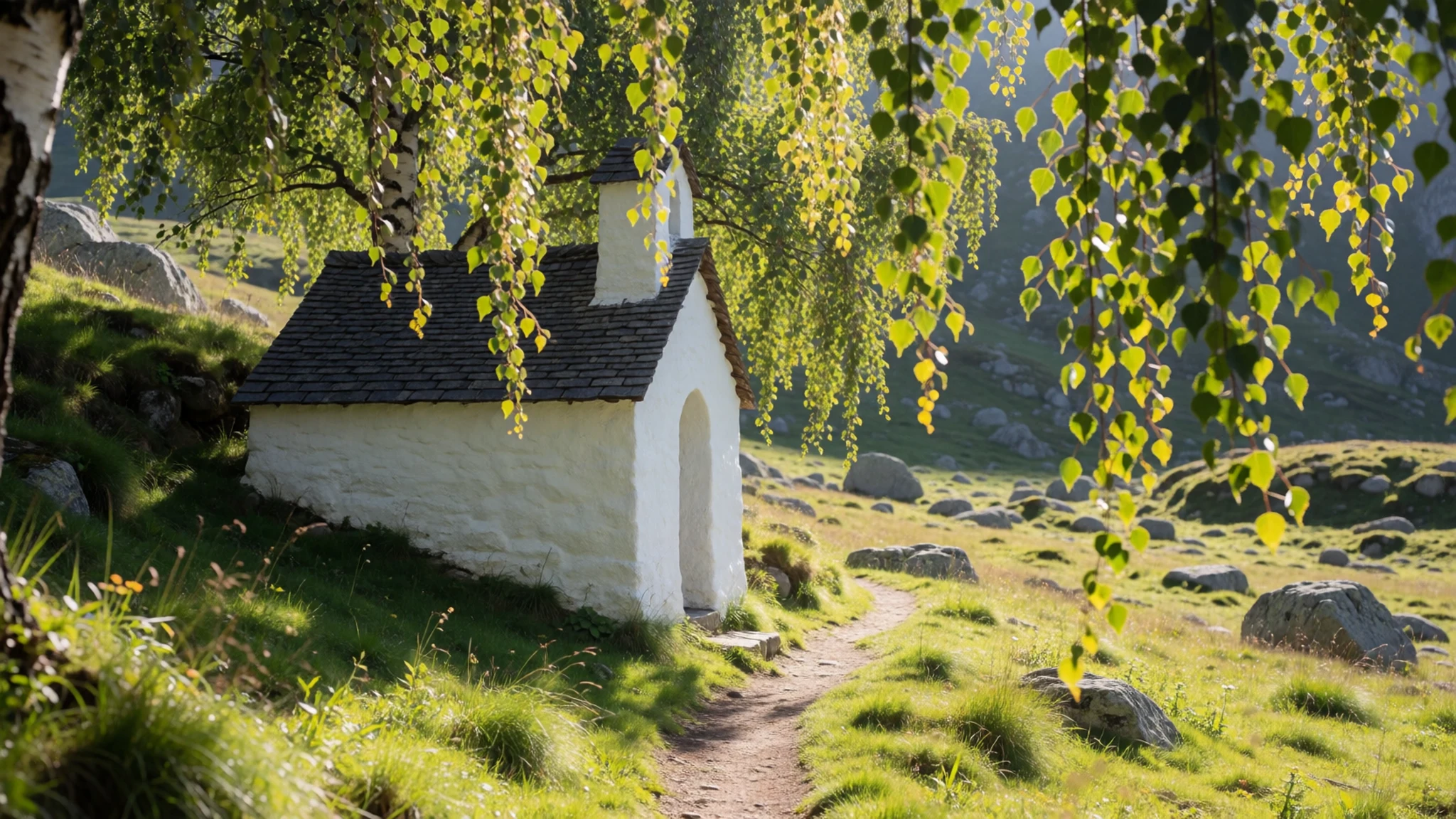
- Chapel of St Wendelin and Martin — Around Malbun
Chapel of St Wendelin and Martin is one more reason Malbun feels more than just lifts and slopes. It fits naturally into a chapel-hopping stroll, where short routes connect religious landmarks with mountain scenery.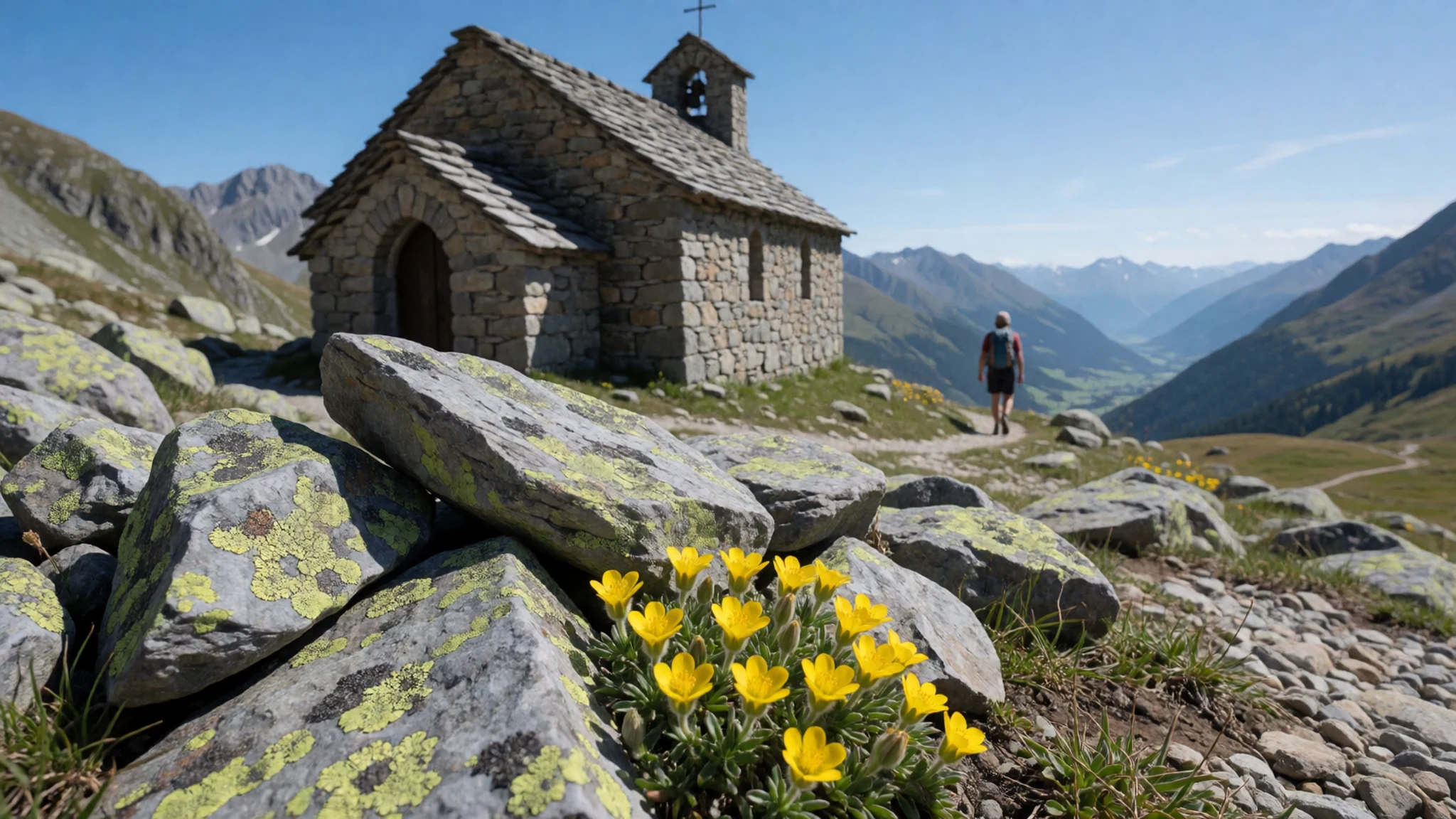
- Augstenberg viewpoint (seen from above) — Augstenberg area above Malbun
A viewpoint route on the Augstenberg gives the ‘from above’ view of Malbun, looking down at the compact resort and the surrounding Alpine ridges. It’s a satisfying detour for clear days when the valleys feel close.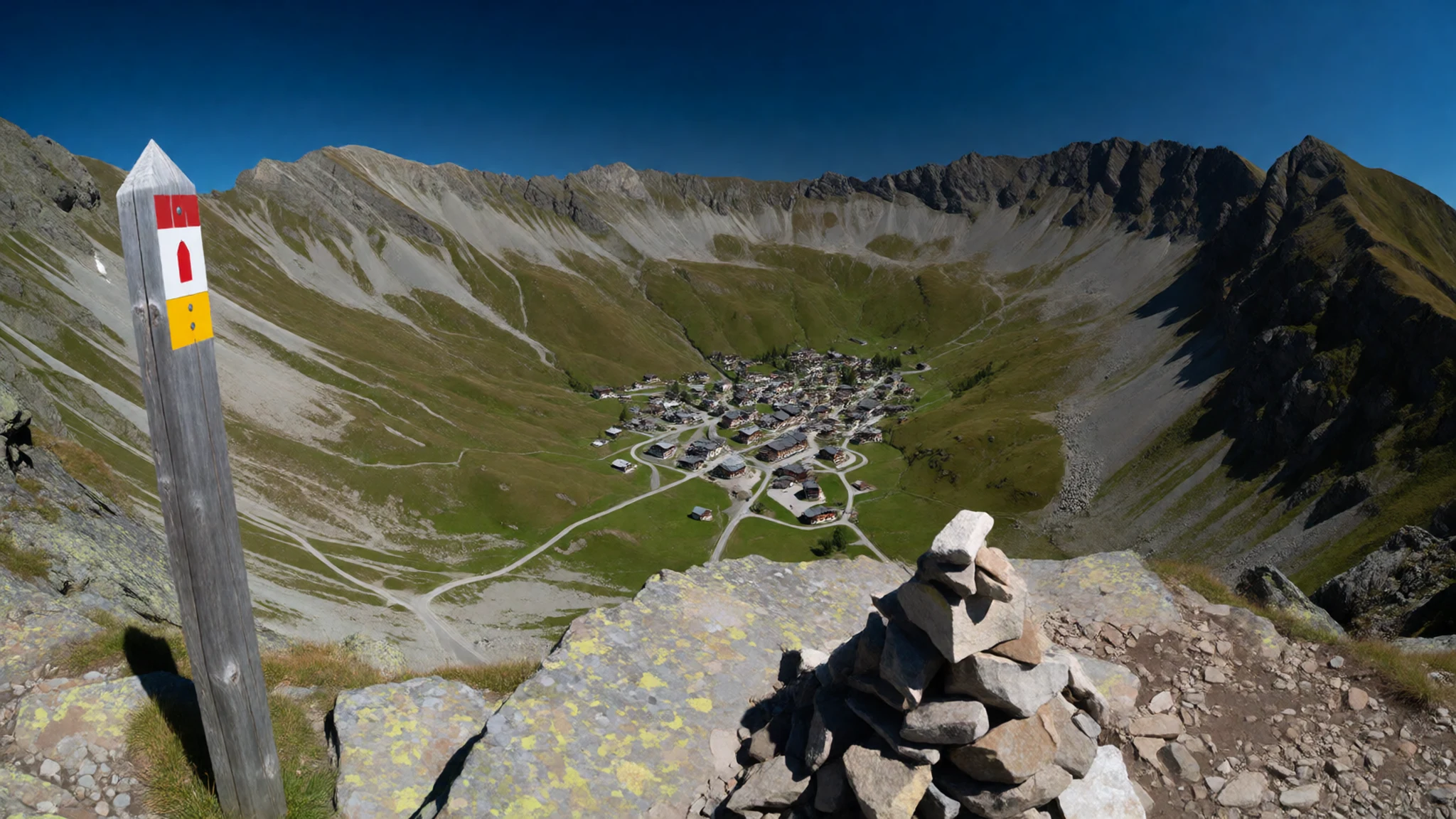
Culture
Malbun’s culture is small-scale and strongly tied to the mountain rhythm. The Walsermuseum is the easiest entry point: it explains how the Walser people shaped life in the Triesenberg area after their migration, and it pairs that with parish history and local customs, which helps explain why chapels and church buildings feel woven into everyday routines.
Religious sites matter here, not as tourist set pieces but as points of quiet in a landscape that can be windy and changeable. The Peace Chapel in particular carries a story of gratitude after the Second World War, and that historical context gives the architecture extra weight when the weather forces a slower pace.
On the practical side, Malbun stays comfortable because it’s compact, but that doesn’t mean it’s casual about manners. In winter, people often move around in proper outdoor clothing and sensible footwear, and in summer the same respect for terrain continues with clean, careful steps on paths.
Try to keep an unhurried pace: the best moments here are often the pauses—when the slopes are quiet, when a chapel offers shelter, and when the light turns the ridge lines sharp and clear.
When visiting chapels, keep voices low, dress modestly, and avoid walking through prayer areas.
What to wear
Malbun’s traditional feel comes through in alpine textiles and the plain practicality of mountain clothing. The Walser heritage is part of the local identity, and while visitors won’t usually see full traditional dress daily, the look of the area is rooted in sturdy materials—wool, knit layers, and weather-ready fabrics suited to high-altitude conditions.
What people wear now depends on season. In winter, expect thick insulated jackets, hats, gloves, and proper ski or snow boots with good grip. In summer and shoulder months, layering is still key: a light waterproof layer, a warm mid-layer, and sturdy walking shoes handle both sunny spells and sudden cloud.
For visitors, dress for the Alps rather than for the village. Bring a warm hat and gloves even on milder days, because the altitude at Malbun means the air can feel sharp. If chapels are on the plan, a slightly more covered outfit helps—think long sleeves or a light layer over bare arms. Footwear matters: trails and chapel approaches can be slick, so choose shoes that feel secure on uneven ground.
What to eat
- Regional alpine meals at Berggasthaus Masescha — Malbun slopes area (Berggasthaus Masescha)
Berggasthaus Masescha is known for regional, rustic cuisine in the Malbun area, the kind of hearty post-walk food that suits cold weather. It’s a good stop when a warm bowl and something filling feel more appealing than light bites.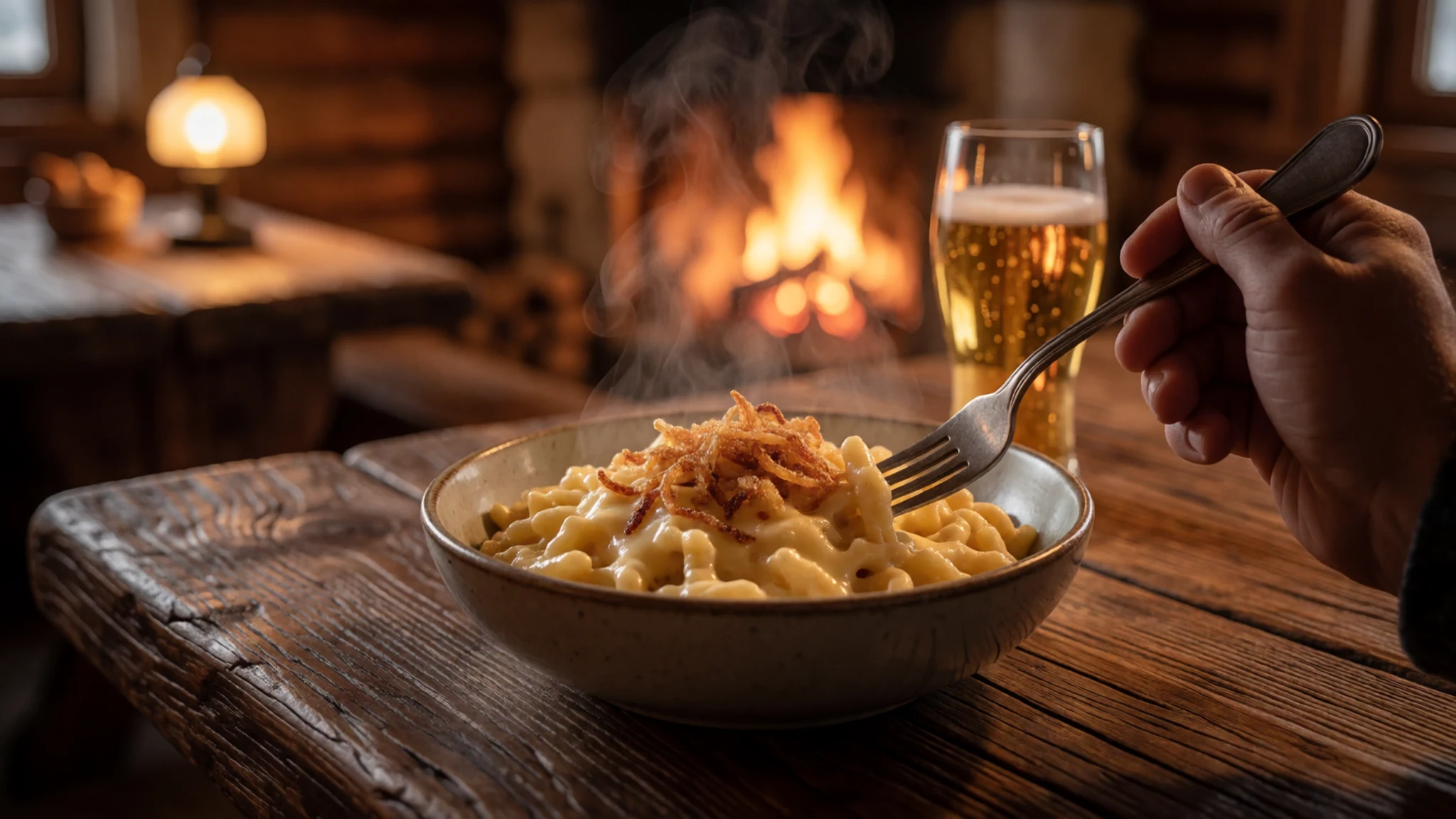
- Comforting meals at Restaurant Kainer — Malbun village area (Restaurant Kainer)
Restaurant Kainer is one of the places to head for a proper sit-down meal. In a small resort, it’s the sort of option that works whether the plan is skiing first or sightseeing first, especially when the weather limits long outdoor time.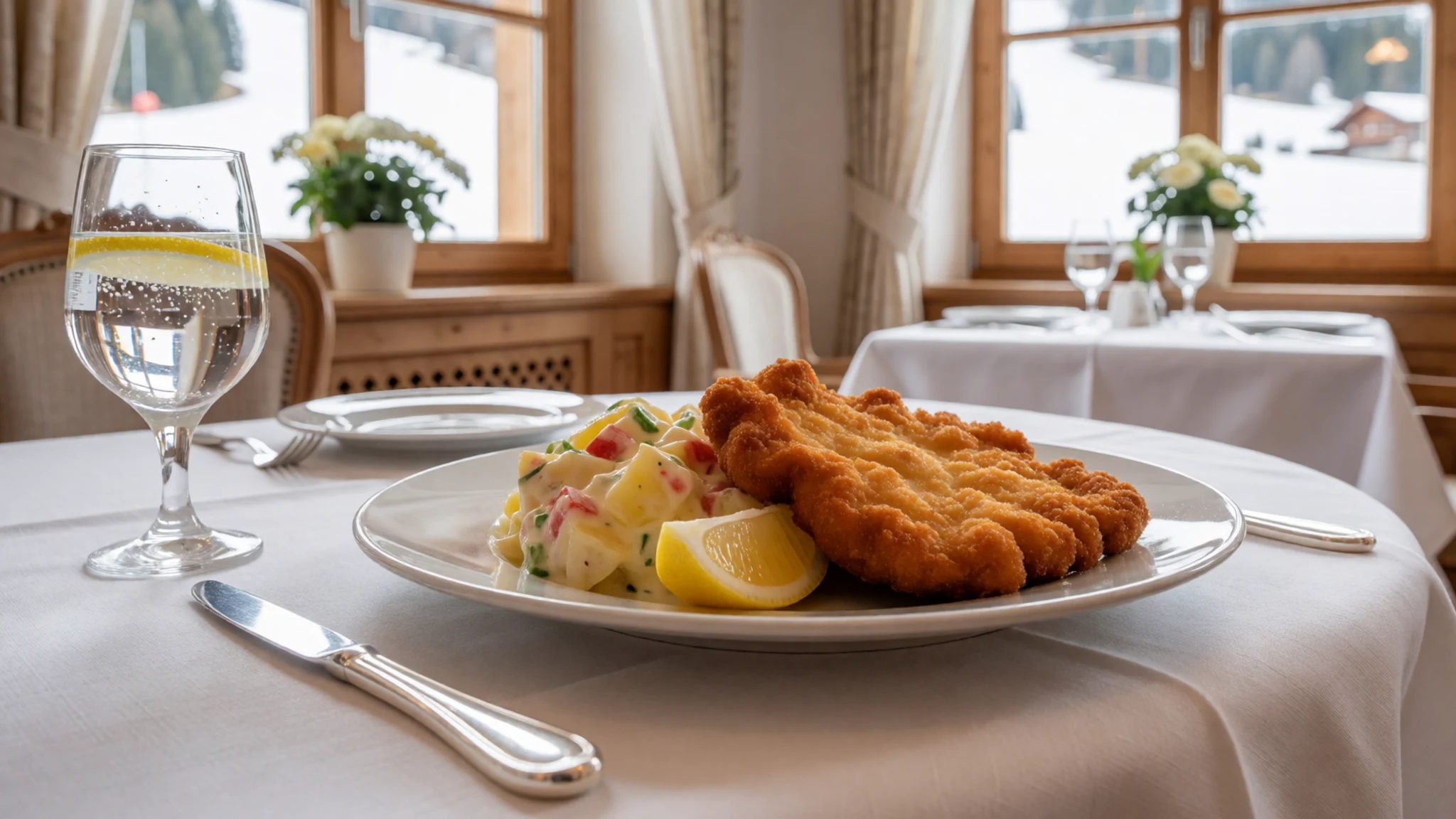
- Coffee and cakes at Café Guflina — Near the centre of Malbun (Café Guflina)
Café Guflina is a handy pick for a lighter break—coffee, warm drinks, and a pause between chapel walks or viewpoint detours. It’s the kind of café stop that helps turn a busy day into something calmer.
Plan it
Best time. March–April for snow-to-spring conditions and comfortable temperatures; late October–November for autumn-to-winter scenery, while summer months can be pleasant but still feel cool at altitude.
How long. 3–4
Getting there. Get to Liechtenstein via the nearest major international hub, then use the local bus network: Triesenberg is on bus route 21, with Malbun reached from there. Timetables are listed at liemobil.li.
Budget. mid
Tips
- Start outdoor days early on clear mornings for better visibility over the ridges.
- Pack layers: Malbun’s altitude means warmth can change fast even within a day.
- Use the village as a base and schedule viewpoint walks around weather windows.
- Bring a waterproof layer for sudden mountain showers or mist.
- Check liemobil.li for up-to-date bus timings before heading out.
Etiquette
- Keep noise down near chapels and church entrances.
- Dress modestly when entering religious buildings.
- Move carefully on slopes and paths—mountain terrain can be slippery.
Nearby
Sources
- Wikidata Q2251899 (CC0)
- Wikipedia (rev 1378770627) (CC BY-SA 4.0)
- Wikivoyage (rev 5420509) (CC BY-SA 4.0)
- Photo photos/01-malbun-fl.jpg (CC BY 4.0)
- Photo photos/02-malbun-seen-from-augstenberg-valo139.jpg (CC BY-SA 4.0)
- Photo photos/03-alpenhotel-malbun.jpg (CC BY-SA 4.0)
- Photo photos/04-berge-bei-malbun-2026-07-10-1.jpg (CC BY-SA 4.0)
- Photo photos/05-berge-bei-malbun-2026-07-10-2.jpg (CC BY-SA 4.0)
- Photo photos/06-berge-bei-malbun-2026-07-10-3.jpg (CC BY-SA 4.0)
- Photo photos/07-commemorativeplaque-hansebersberger-romandeckert25012023.jpg (CC BY-SA 4.0)
- Photo photos/08-galinakopf-ochsenkopf.jpg (CC BY-SA 4.0)


