Balzers
Balzers, Liechtenstein
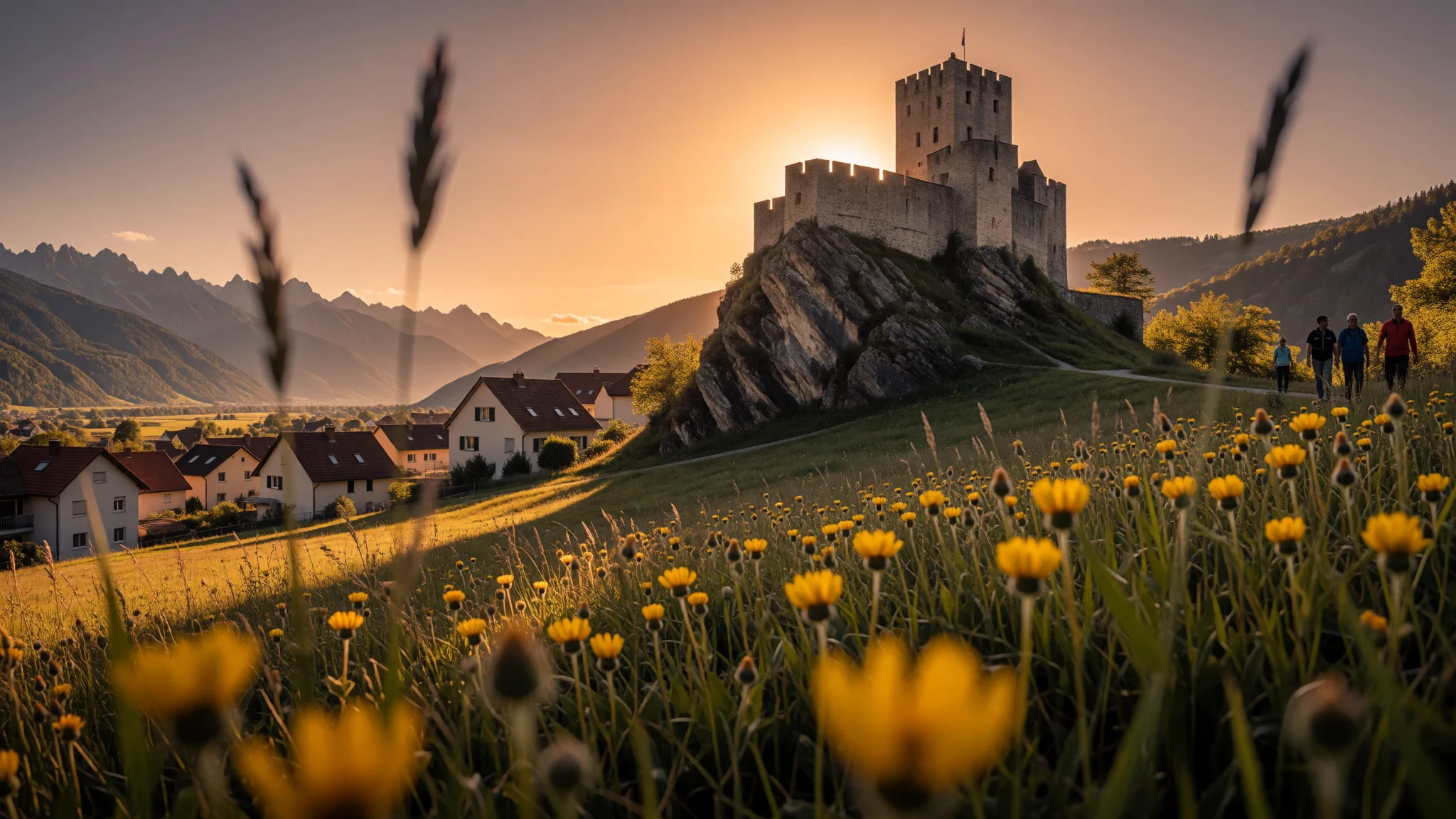
Balzers is a small Liechtenstein village below a rocky castle hill, where the Rhine valley meets alpine pasture and an open border.
The place
Balzers sits at the southern tip of Liechtenstein, on the eastern bank of the Rhine, at an elevation of 472 m. Its population is 4,688, so it is a village in scale even though it is a full municipality. Across the river lie the Swiss municipalities of Wartau and Sargans, in the canton of St. Gallen. To the south are Fläsch and Maienfeld, in Graubünden. The only Liechtenstein neighbour is Triesen, to the north and east. The border with Switzerland is open, and most arrivals barely notice the crossing.
The municipality is really two villages joined together: Balzers proper in the east and Mäls in the west. Between them rises a rocky hill crowned by Gutenberg Castle, which works as a reference point from almost anywhere in the built-up area.
Beyond the houses, Balzers reaches into the mountains in an unexpected way. It has two exclaves. One holds the alpine pasture of Gapfahl, above the Valüna valley. The other runs along the country's western edge and holds the Zegerberg forest reserve and the pastures of Guschgfiel, Matta and Güschgle. Two alpine cooperatives, one for Balzers and one for Mäls, manage the pastures, while the Bürgergemeinde, the citizens' community, owns the forest at Zegerberg. The municipality even owns forest, grazing land and the ruins of Grafenberg Castle over the border in Graubünden.
Balzers is not a sightseeing town in the usual sense. It has a castle, a large church, a few restaurants and paths up towards the slopes. It is also the headquarters of Oerlikon Balzers, a thin-film coating and vacuum technology company, which adds to the working-village feel. Crowds are not a concern here; what the place offers is a quiet, lived-in corner of the Rhine valley a short bus ride from Switzerland.
Its story
Balzers enters the written record in 842 as Palazoles, a name that goes back to the Latin palatiola, a small palace. The village seen today grew from two separate settlements, Balzers in the east and Mäls in the west. Nothing on the street marks the join, yet locals still feel it, and the two halves keep up a half-serious rivalry. Each celebrates its own Funken, the spring bonfire ritual with pre-Christian roots, rather than sharing a single fire.
Between the two halves rises the rocky hill where Gutenberg Castle was built in the high Middle Ages. It passed into Habsburg hands and stayed there for several centuries, a reminder that this corner of the Rhine valley was long part of much larger dynastic maps.
War came through in 1799, during the War of the Second Coalition. French troops camped in Balzers for 20 days, and in October of that year Russian soldiers under Alexander Suvorov marched through after his unsuccessful Swiss campaign. For a village of farmers and herders, those weeks must have been a heavy burden on food and fodder.
The twentieth century added a quieter grievance. In 1949 the strategically important Ellhorn mountain was handed to Switzerland in exchange for an area of equal size, to the dismay of the people of Balzers. South of the village, the St. Luzisteig Pass still holds a Swiss Army training area, a sign that this border country has mattered to soldiers as well as shepherds.
What to see
- Gutenberg Castle — Castle hill, between Balzers and Mäls
Gutenberg Castle stands on its rocky hill between Balzers and Mäls, and it is the first thing most visitors photograph. Accounts describe a well-kept courtyard and a small chapel, and the climb from the village is short. It is preserved rather than ruined, so it reads as a proper castle. Check the municipal website for opening arrangements.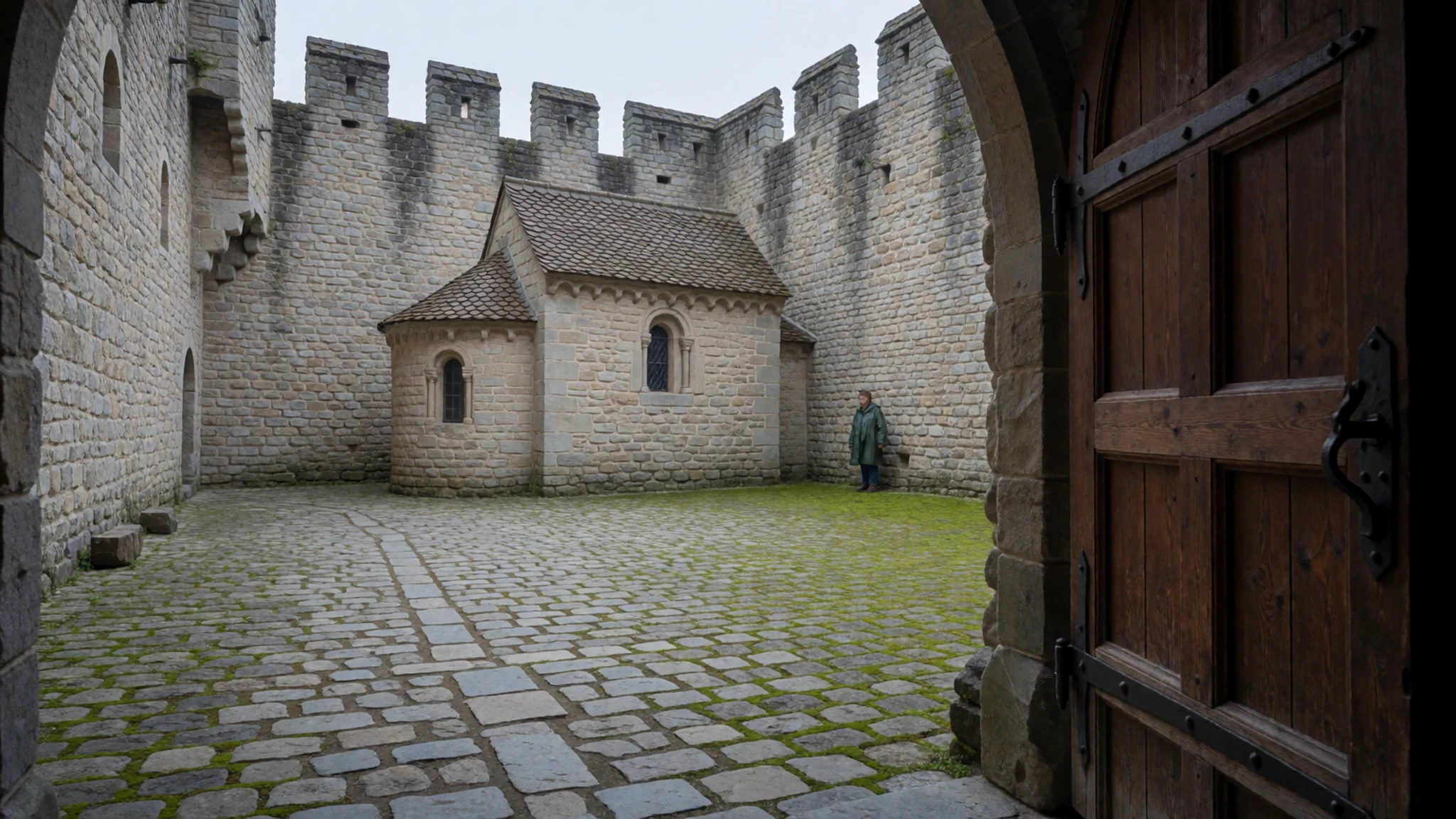
- Jubiläumskirche — Village centre, near the castle hill
The Jubiläumskirche is a Romanesque Revival church, completed shortly before the First World War to mark a jubilee of Prince Johann II's reign. The interior is plain, and the real pleasure is the exterior, with its round arches and solid stonework. It lies close to the castle hill, so the two pair easily on foot.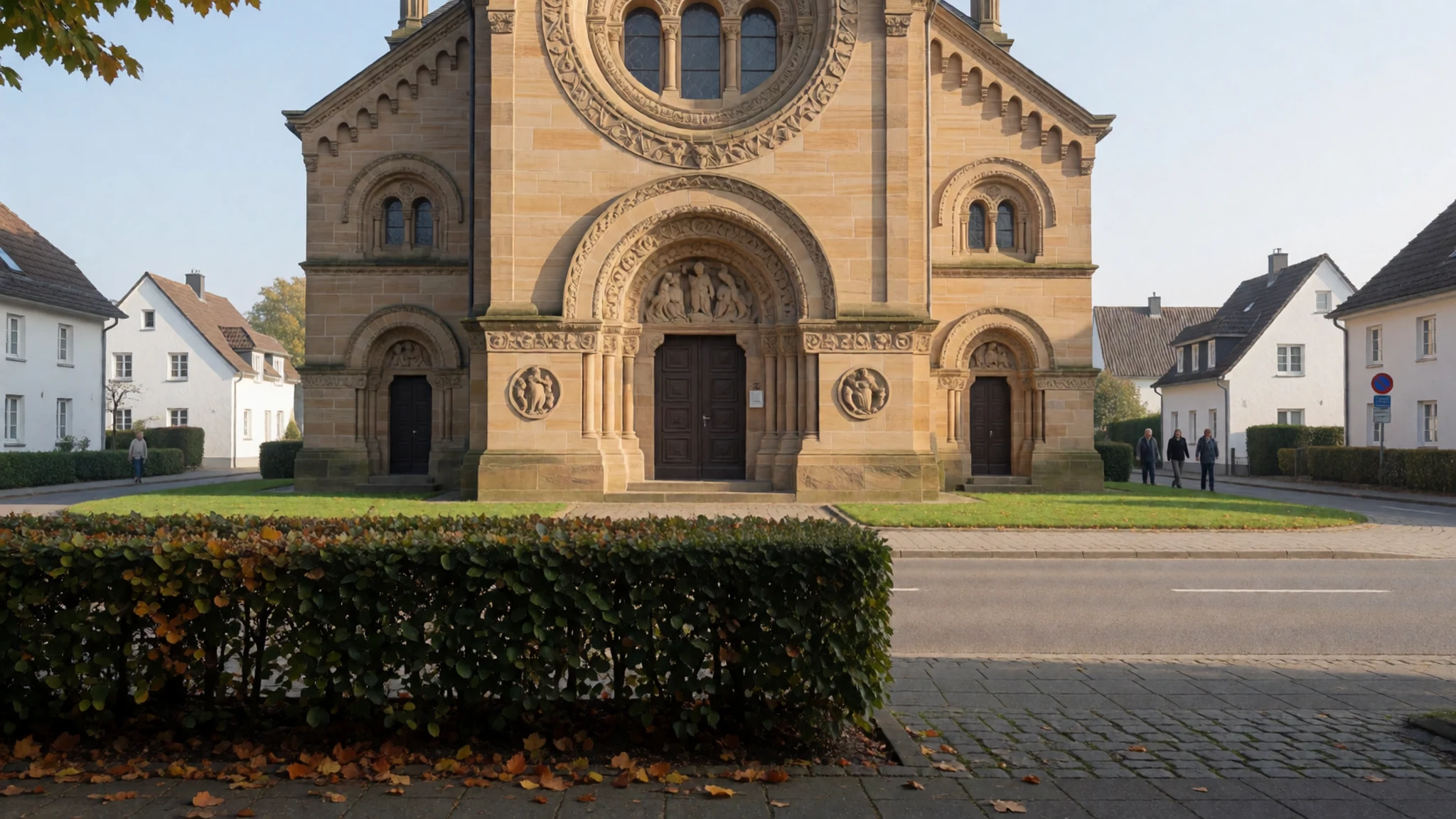
- The view over the Rhine valley — Castle hill
From the castle hill, Balzers spreads out below with the Rhine beyond it and the Swiss slopes of St. Gallen on the far bank. It is a good way to understand how the village fits onto its narrow strip of valley floor. Mornings tend to give clearer air and quieter paths.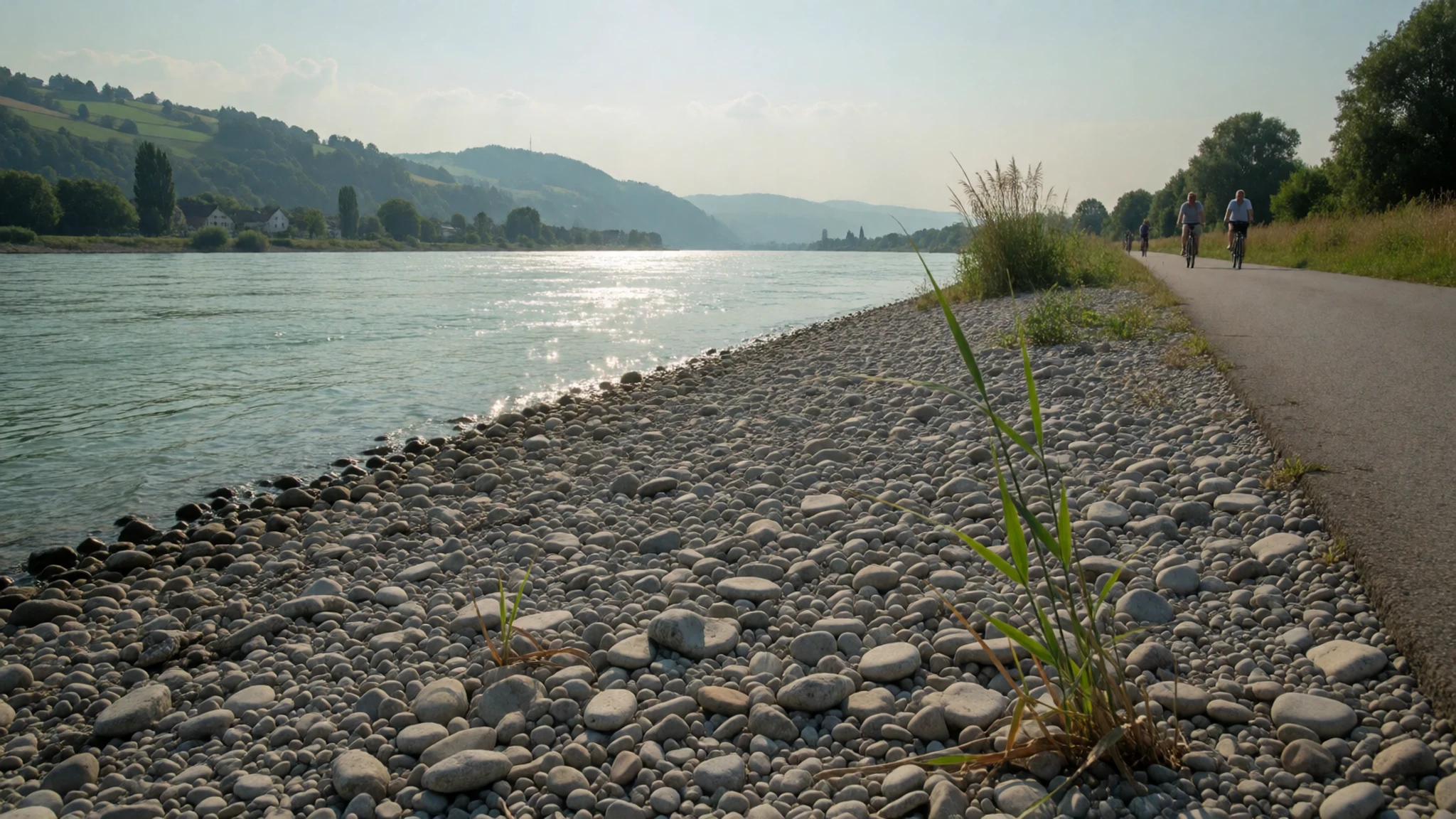
- Mäls — Western part of the municipality
Mäls is the western half of the municipality, separated from Balzers proper by the castle hill. Walking between the two shows where the local rivalry comes from, since each has its own centre and its own bonfire tradition. It is ordinary village life rather than a list of sights: lanes, houses and views up the slope.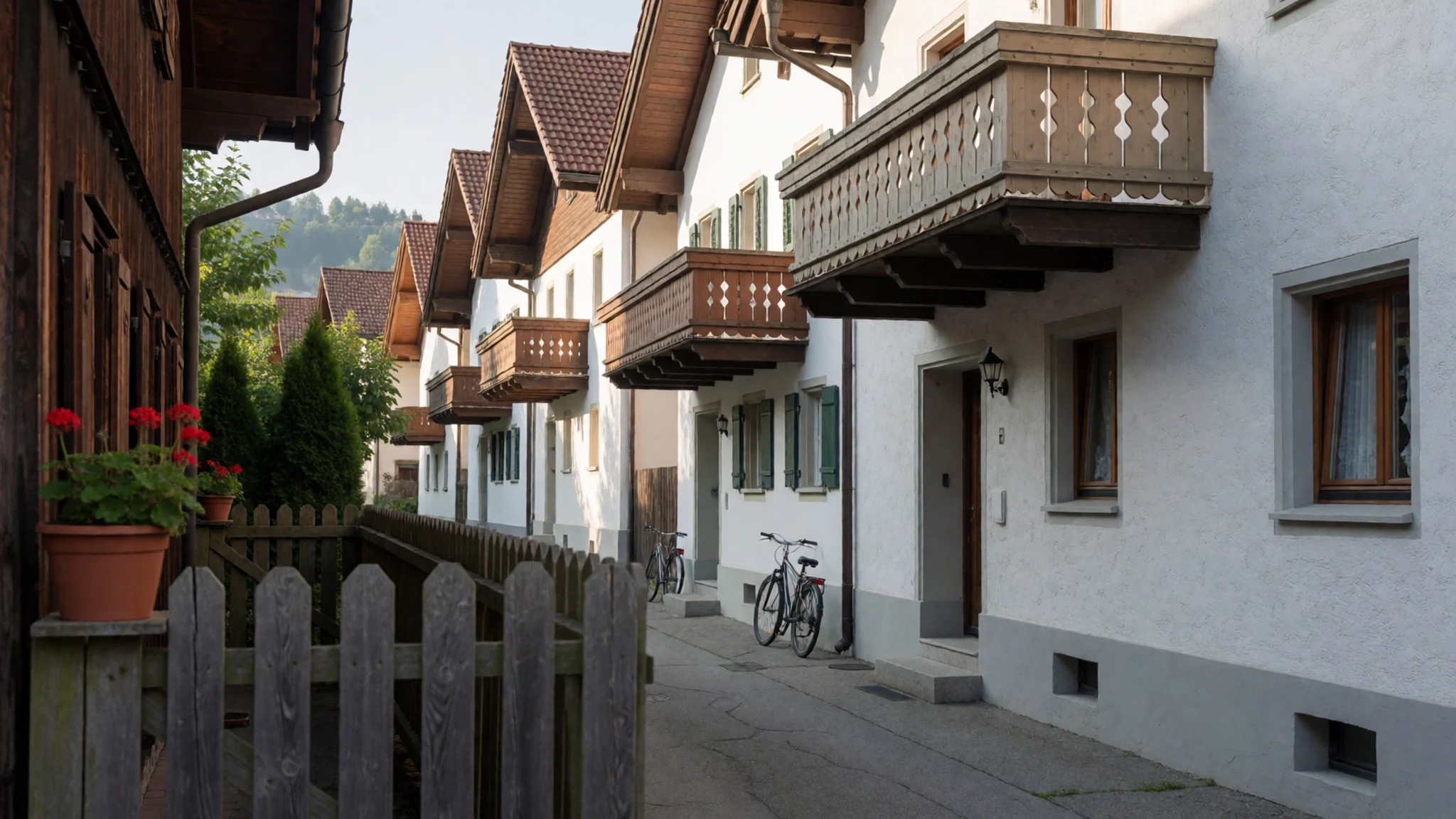
- Alpine pastures and walks — Slopes above the village and the exclaves
Balzers owns pastures and a forest reserve well above the village, in exclaves above the Valüna and along the western border. Gapfahl, Guschgfiel, Matta and Güschgle are worked by alpine cooperatives, and Zegerberg is now a forest reserve. The Höfle bus stop is a pleasant place to start a walk; check the municipal website for route advice.
Culture
Balzers keeps its identity in small, practical things. The strongest is the divide between Balzers and Mäls. Nobody would notice it from a street, but each half has its own character and its own spring Funken, a huge bonfire ritual whose roots lie before Christianity. Locals treat the rivalry as a joke with a little truth in it, and an outsider does best to listen rather than pick a side.
Shared ownership is another thread. The alpine cooperatives of Balzers and of Mäls manage the high pastures, and the Bürgergemeinde, the citizens' community, owns the forest reserve at Zegerberg. These institutions make the village feel less like a commuter suburb and more like a place where land is a common responsibility, handed down and looked after.
Liechtenstein is a principality, and the large church in the village was built to mark a jubilee of Prince Johann II's reign, so the ruling family is part of everyday civic memory. The language is German, spoken locally in an Alemannic dialect, and Swiss-style greetings are normal. People tend to be reserved but polite, and a little effort with a greeting goes a long way. Because the Swiss border is open and the nearest railway station is across it, daily life here is closely tied to the neighbouring Swiss villages, with people crossing for work, shopping and school without a second thought.
Say a friendly "Grüezi" when entering a shop or restaurant or passing walkers on a path, and keep to marked paths and close gates around pasture land.
What to wear
Balzers has no single costume worn day to day, but the Alpine and Rhine-valley Tracht tradition is the reference point for festive dress. In general terms that means wool and linen, a fitted bodice and full skirt with an apron for women, and a dark jacket and waistcoat for men. It appears at parades, church occasions and folk events rather than on ordinary streets.
What people wear now is practical and understated. Locals dress in smart-casual clothes for the village and for work, with outdoor gear close at hand: fleeces, walking boots and waterproofs are normal sights, since pastures and paths begin at the edge of the built-up area. Even on a weekday, a neat, plain style is more common than anything showy.
For a visitor, layers are the sensible answer. Valley mornings and evenings can be cool even when the day warms up, and mountain weather changes quickly, so bring a waterproof jacket in any season. Sturdy shoes with a good grip suit the castle path and the slopes, and a sun hat helps in summer. Warm clothing is needed in winter. For the Jubiläumskirche or any chapel, covered shoulders and knees are a courteous choice, and if a Funken or village event is on, ordinary neat clothes are fine; no one expects costume from guests.
What to eat
- Käsknöpfle — Traditional restaurants in the village centre
Small cheese dumplings, usually served with fried onions, are a staple of Alpine Rhine cooking and a good test of a kitchen. Look for them on the menus of traditional village restaurants, where they are often offered as a hearty main course.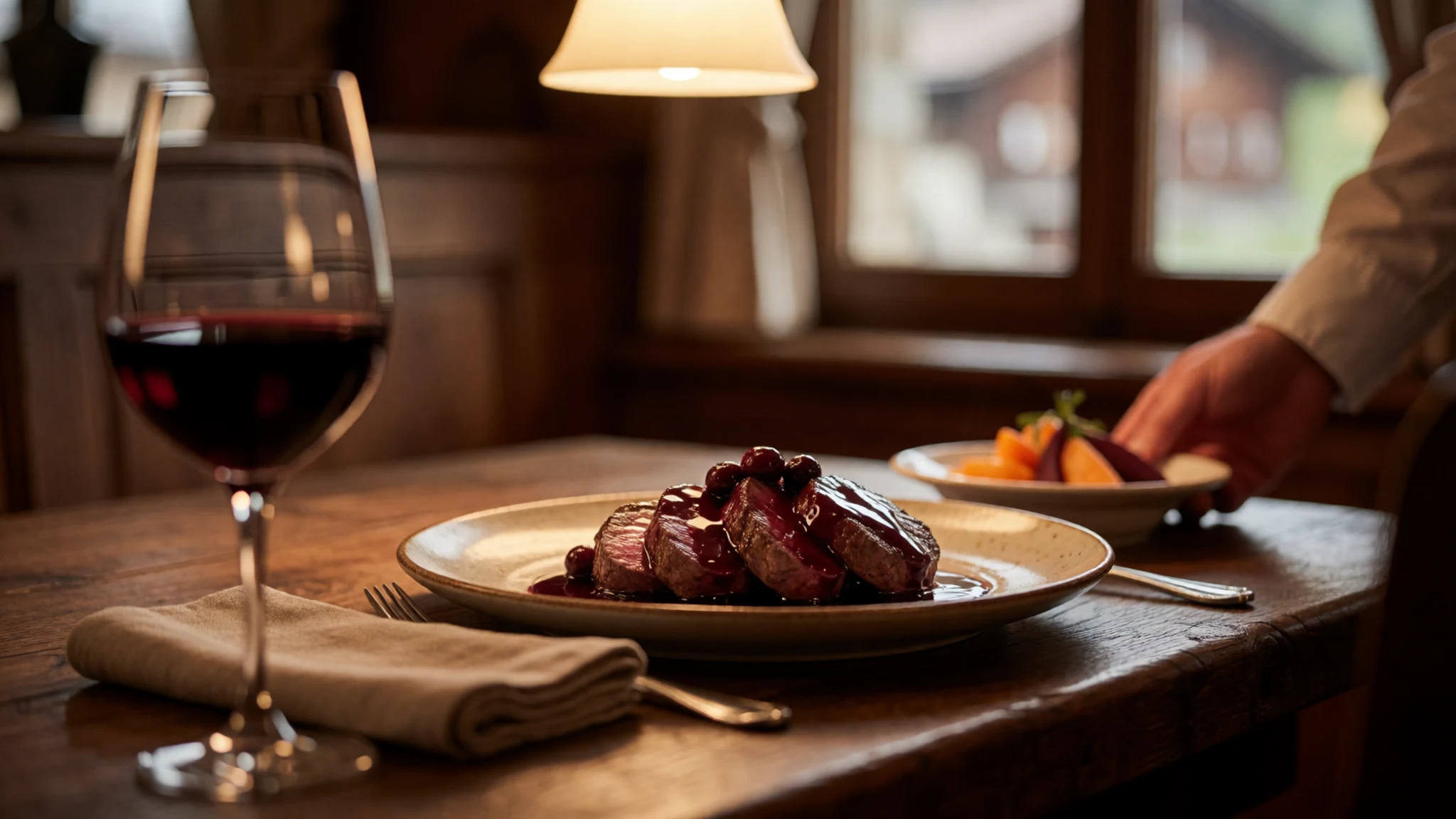
- Ribel — Restaurants serving regional dishes
Ribel is a crumbly dish made from coarse maize semolina, cooked and broken up in a pan. It is eaten with coffee or with stewed fruit, and it belongs to older farming cooking. Ask at a local restaurant whether it is on offer that day.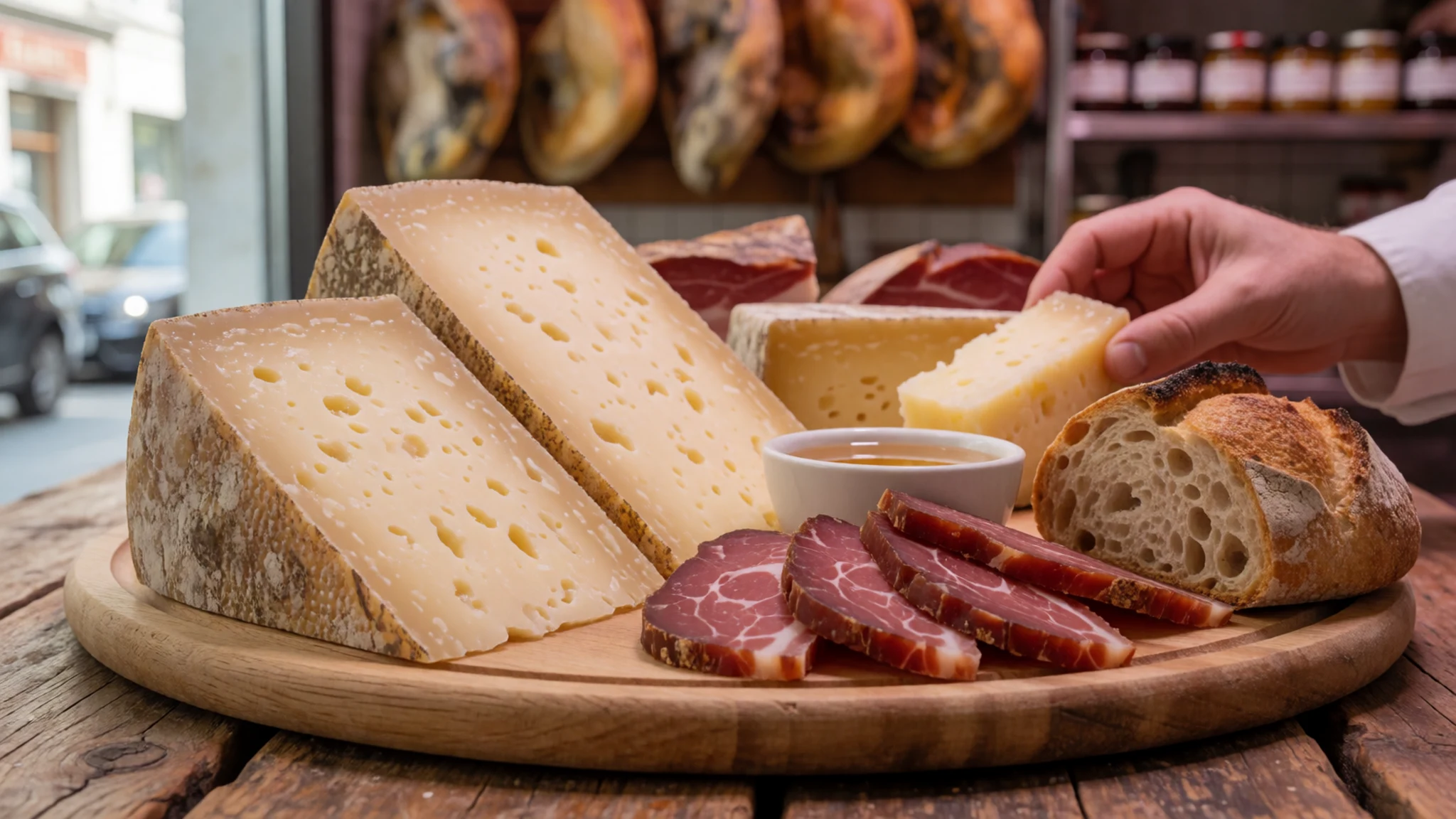
- Funkenküchle — Bakeries and cafés in spring
Funkenküchle are fried pastries linked in this region with the spring bonfire season. They are best eaten fresh and warm, around the time of the Funken. Availability depends on the season, so ask in bakeries and cafés rather than expecting them year-round. - Butcher's sausages and cold cuts — Restaurants with a Metzgerei attached
A restaurant with its own butcher's counter is a good place for local sausages and cured meats, served simply with bread and mustard. The Metzgerei tradition is strong in German-speaking Europe, and a plate of cold cuts makes a quick, filling lunch. - Coffee and cake — Village cafés in the centre
A village café stop is part of the daily rhythm here, and a slice of cake with coffee suits the end of a castle walk. Selections change with the season and the baker, so choose from what is on the counter.
Plan it
Best time. May–June and September–October, when walking is pleasant and the valley is green; spring also brings the Funken bonfires. Summer can be warm on the valley floor, and snow limits the high pastures in winter.
How long. 1–2
Getting there. Zürich Airport is the usual gateway, with trains to Sargans in Switzerland and then a local bus to Balzers in about 15 minutes. The nearest railway station is in the Swiss village of Trübbach, just across the Rhine.
Budget. high
Tips
- Check bus times in advance, especially in the evening and at weekends
- Carry photo ID, because the border with Switzerland is open but still a border
- Start walks early and carry a waterproof; mountain weather changes fast
- Check the official site, https://www.balzers.li/, for castle and event details
- Bring a card and a little cash, as Swiss francs are widely used nearby
Etiquette
- Greet people when entering shops and restaurants
- Keep to marked paths and close gates on pasture land
- Keep noise down in the village in the evening
Nearby
Sources
- Wikidata Q49663 (CC0)
- Wikipedia: Balzers (rev 1385093746) (CC BY-SA 4.0)
- Wikivoyage: Balzers (rev 5394348) (CC BY-SA 4.0)
- Photo 01: Burg Gutenberg, Balzers, Liechtenstein (St9191) (CC BY 3.0)
- Photo 02: Balzers, town entry from Trubbach (Michielverbeek) (CC BY-SA 4.0)
- Photo 03: Gutenberg Castle panorama (Michael Weinold) (CC BY-SA 4.0)
- Photo 04: Ballrechten-Dottingen, harvest cart in vineyard (Willy Pragher) (CC BY 4.0)
- Photo 05: Ballrechten-Dottingen, red tractor (Willy Pragher) (CC BY 4.0)
- Photo 06: Ballrechten-Dottingen, vine stakes (Willy Pragher) (CC BY 4.0)
- Photo 07: Balzer Colonel Z Disc Blinker (Oleg Yunakov) (CC BY-SA 4.0)
- Photo 08: Balzer Colonel Z Disc Blinker (Oleg Yunakov) (CC BY-SA 4.0)


