Quetta
Quetta, Pakistan
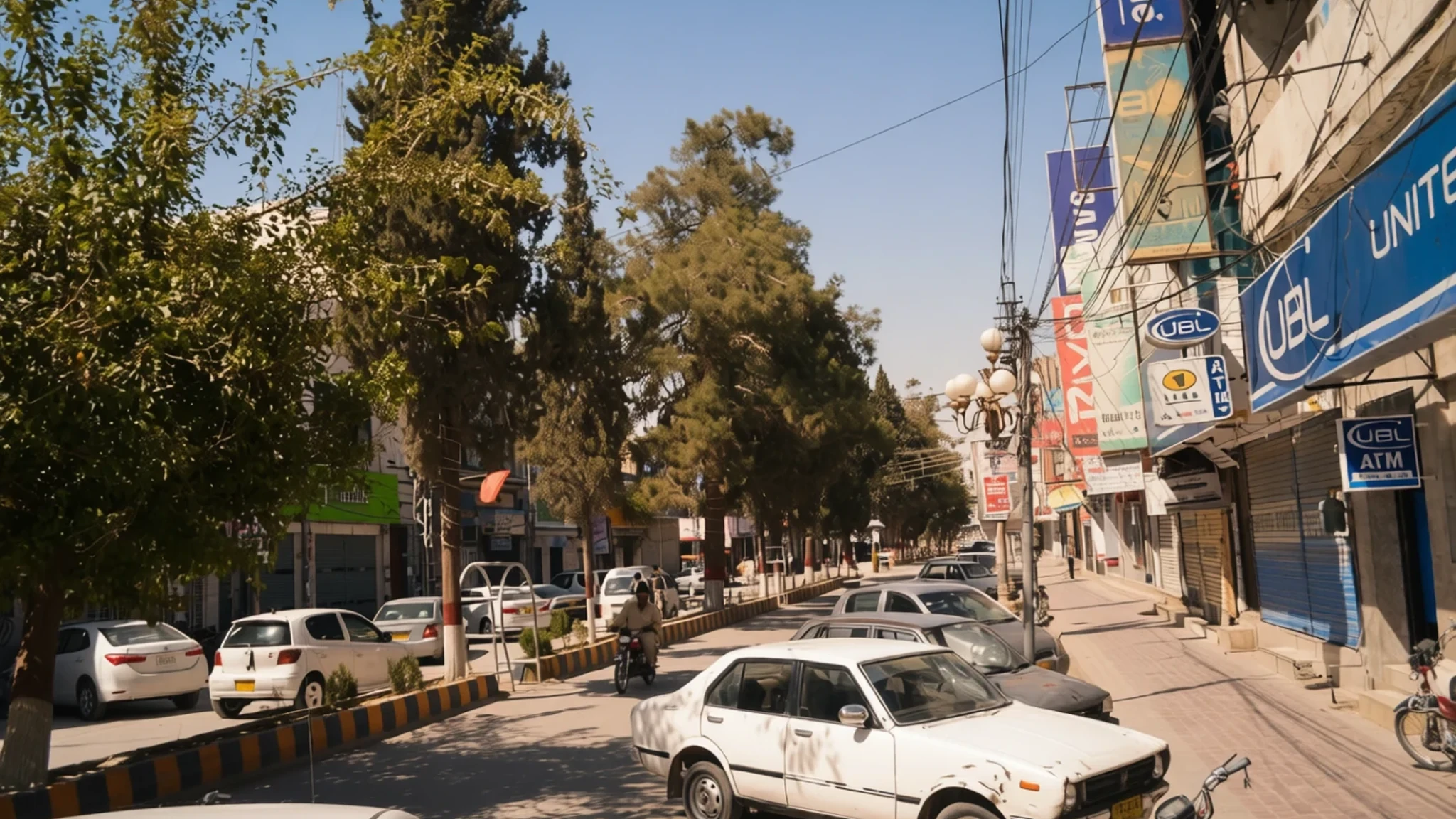
Quetta pairs mountain-city views with museum finds, old bazaars, and a real feel for borderland Pakistan.
The place
Quetta sits in the Quetta Valley of Balochistan, surrounded by mountains that ring the city from almost every direction. That setting is the whole mood: you feel the altitude in the air, you notice how winter can bite, and you see how the landscape shapes daily life and travel routes.
As the province’s capital, Quetta is also practical. It’s the kind of place where trade and communication matter—near the Pakistan–Afghanistan border and on the road toward Kandahar—so you get a steady mix of locals, travellers, and people passing through. The city’s identity leans on agriculture too: the region is known for fruit orchards and for both fresh and dried produce, and it shows up in how markets and eating places do business.
Historically, Quetta’s story is tied to fort-like defences and to the old movement of armies and powers across the region. The name itself points that way, and the city’s earliest settlement is often linked to the naturally defensible character of the valley.
Expect a city that’s busy in places, quieter in others, and often very seasonal. Summer can be hot, but Quetta is a place with marked seasons all the way through winter. If you’re travelling for views, the surrounding hills and viewpoints are part of the plan; if you’re travelling for history, the museums and old collections give you a solid base without needing a long day-trip.
Crowds aren’t the main story here. Instead, it’s weather, altitude, and the day-to-day realities of a border-proximate city that make Quetta feel different from the big, coastal or plains destinations.
Its story
Quetta’s history reads like a map of routes: valley, passes, fortifications, and then the steady pull of trade across borders. The name Quetta is linked to Pashto for “fort”, reflecting how the valley naturally lends itself to defence, and references are often traced back to the mud-walled citadel known as Miri Fort.
Long before modern borders, the Quetta Valley was already part of larger campaigns. An early recorded mention places the region within the movements of Mahmud of Ghazni in the 11th century, and later periods include passages through the area by major powers. When you walk around Quetta today, you’re not looking at ancient ruins everywhere, but you do feel the strategic logic: mountains funnel movement, and Quetta sits where roads and travellers have to make decisions.
The valley’s social history also matters. It was traditionally tied to Pashtun tribal landholding, especially the Kasi group, who were recognised as key cultivators and landholders and were associated with agricultural systems and irrigation—locally regulated arrangements that made the valley function.
Quetta’s more recent role is tied to the big connector routes through the region, including the Bolan Pass linking Central Asia and South Asia. That strategic geography helps explain why the city became a major hub and why large institutions and out-of-town installations are part of the landscape.
Even geology has a starring role: the area has evidence of long human presence in the valley, and today that interest shows up in museums where fossils, rocks, and archaeological objects help connect the present to deep time.
Put simply, Quetta isn’t just a capital city. It’s a borderland valley city—shaped by defences, farming life, and the constant movement of people and goods through mountain corridors.
What to see
- Quetta Archeological Museum — City centre
Quetta Archeological Museum is a good starting point if the aim is “what was here first”. Expect collections that include prehistoric material such as tools and pottery, alongside other finds like antique guns, swords and manuscripts. It’s compact enough to fit into a city day.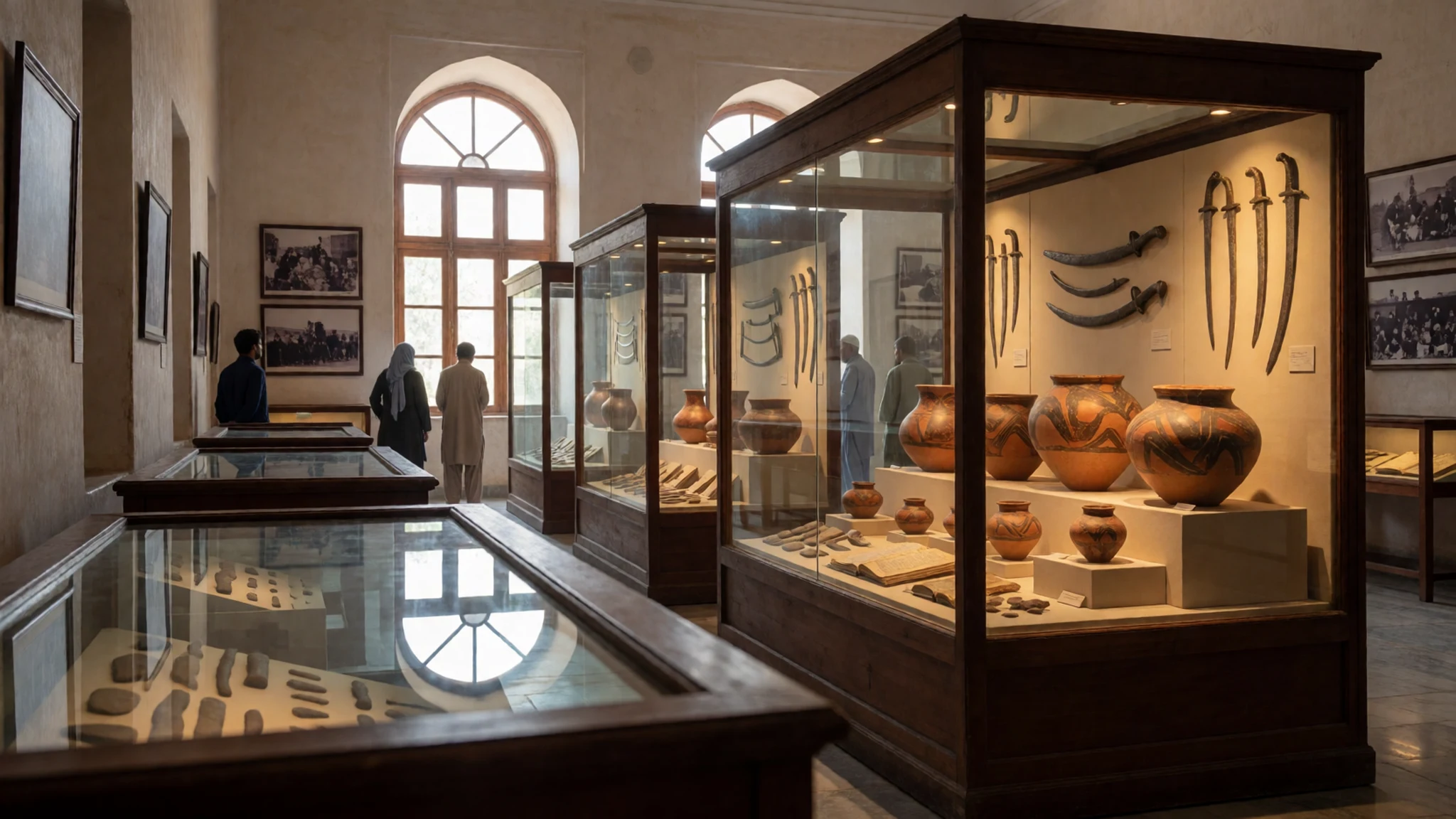
- Geological Museum — City area
For rocks, fossils and the wider story of Balochistan’s landscapes, head to the Geological Museum. It’s the kind of place that makes Quetta’s altitude and mountain setting feel more than just scenery—especially if you like natural history. The Command and Staff College Museum nearby is worth considering too.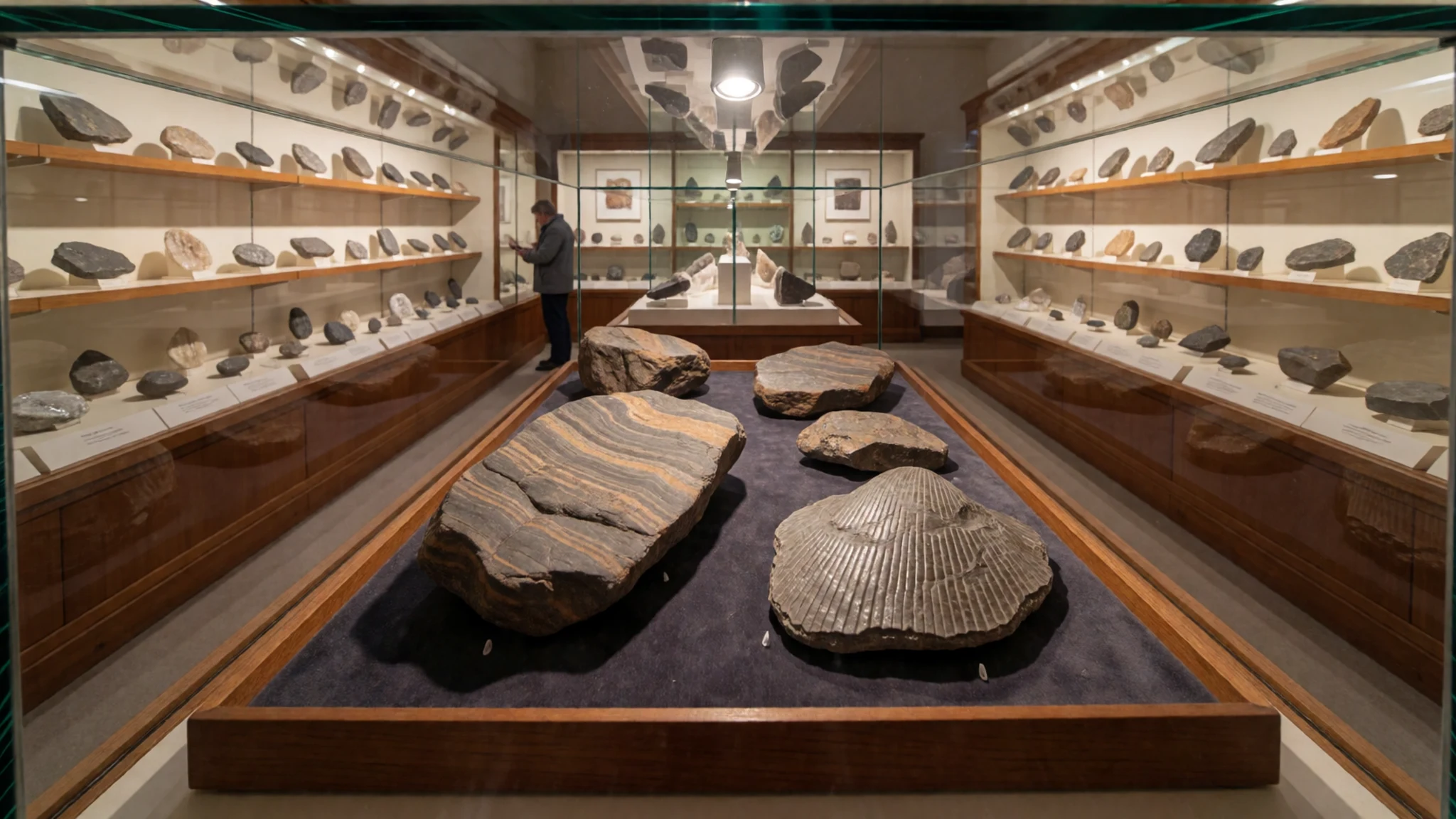
- Hanna Lake — Urak area (near Quetta)
Hanna Lake is a mellow escape outside the main bustle, overlooking Quetta and typically reached via the Urak area. The setting includes pavilions and terrace seating, and there’s a simple, pleasant quality to watching activity near the water. Golden fish reportedly come right to the edge, which makes it feel lively.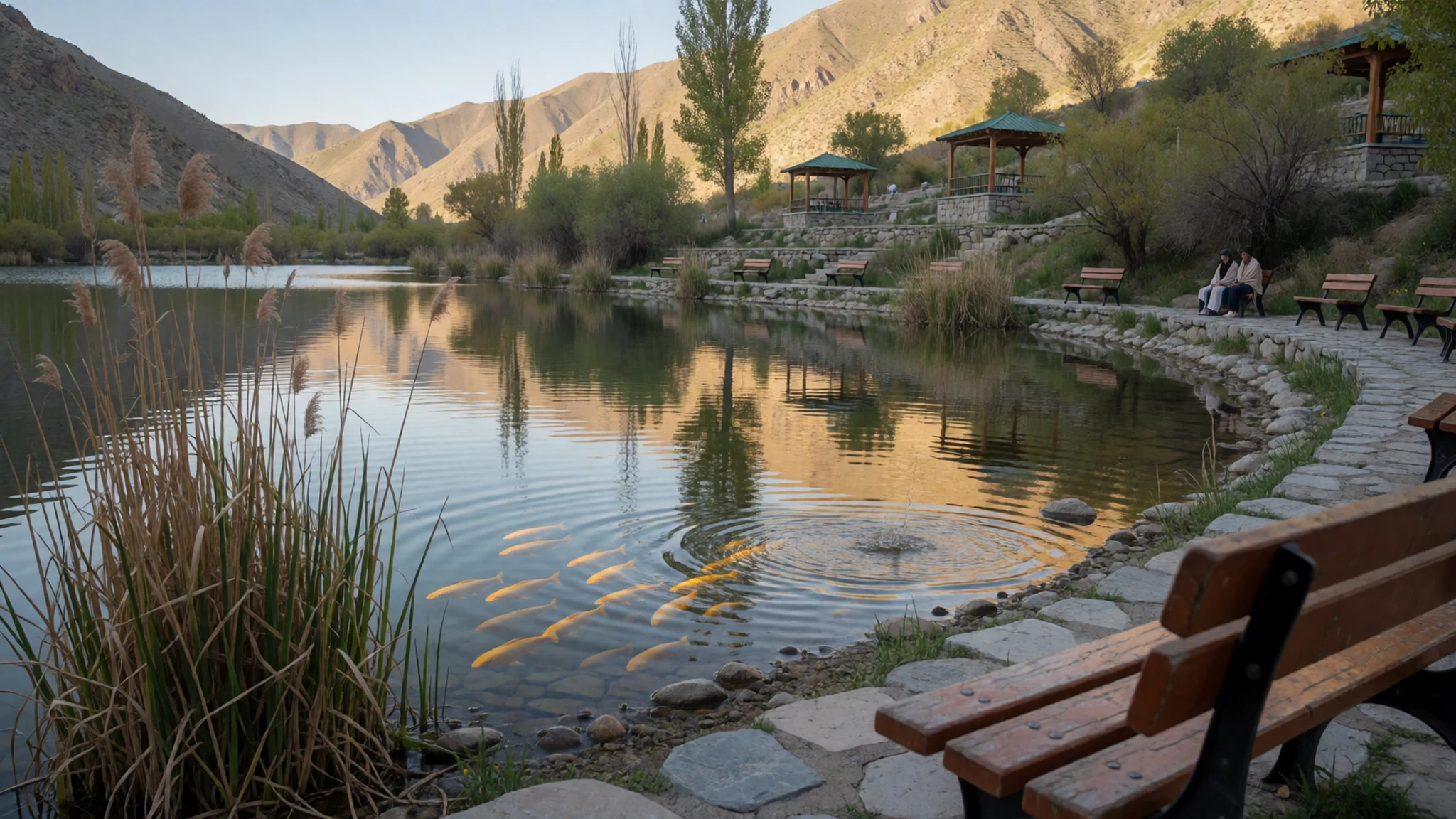
- Hazarganji Chiltan National Park — Chiltan / Hazarganji hills
Hazarganji Chiltan National Park combines mountain scenery with an outdoorsy, exploratory feel. Hazarganji means “of a thousand treasures”, and local legend points to treasures hidden in the folds of the mountains. It’s a strong choice for viewpoint time and for getting out of town while still staying within the Quetta region.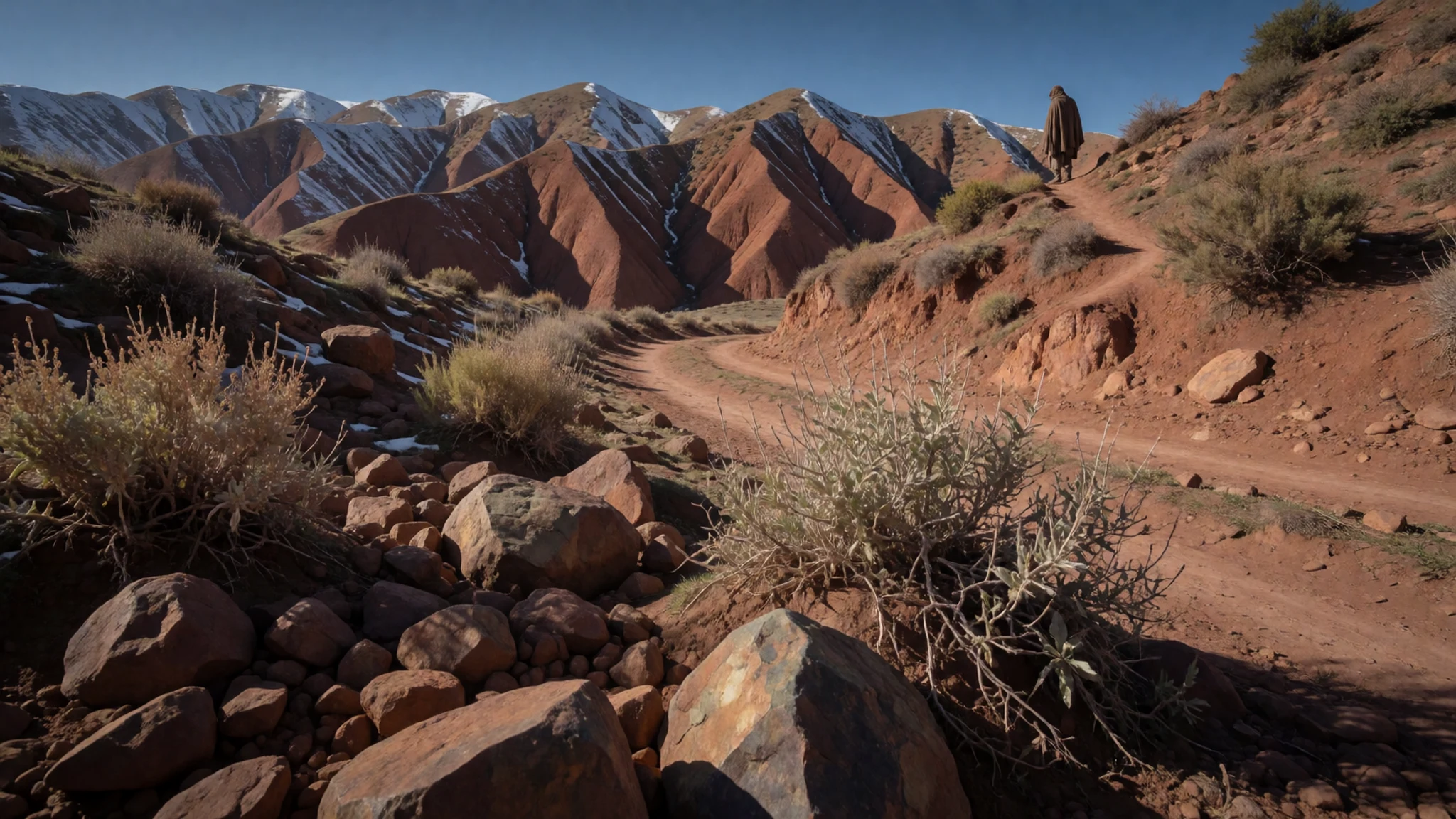
- Chiltan Hill viewpoint — Chiltan hills (viewpoint)
If there’s a “quick hit” option, it’s Chiltan Hill viewpoint. It’s set up for panorama-style looking, with views over the city and the surrounding ridges. Go when the light is kind and you want to see Quetta’s valley layout—especially on clearer days.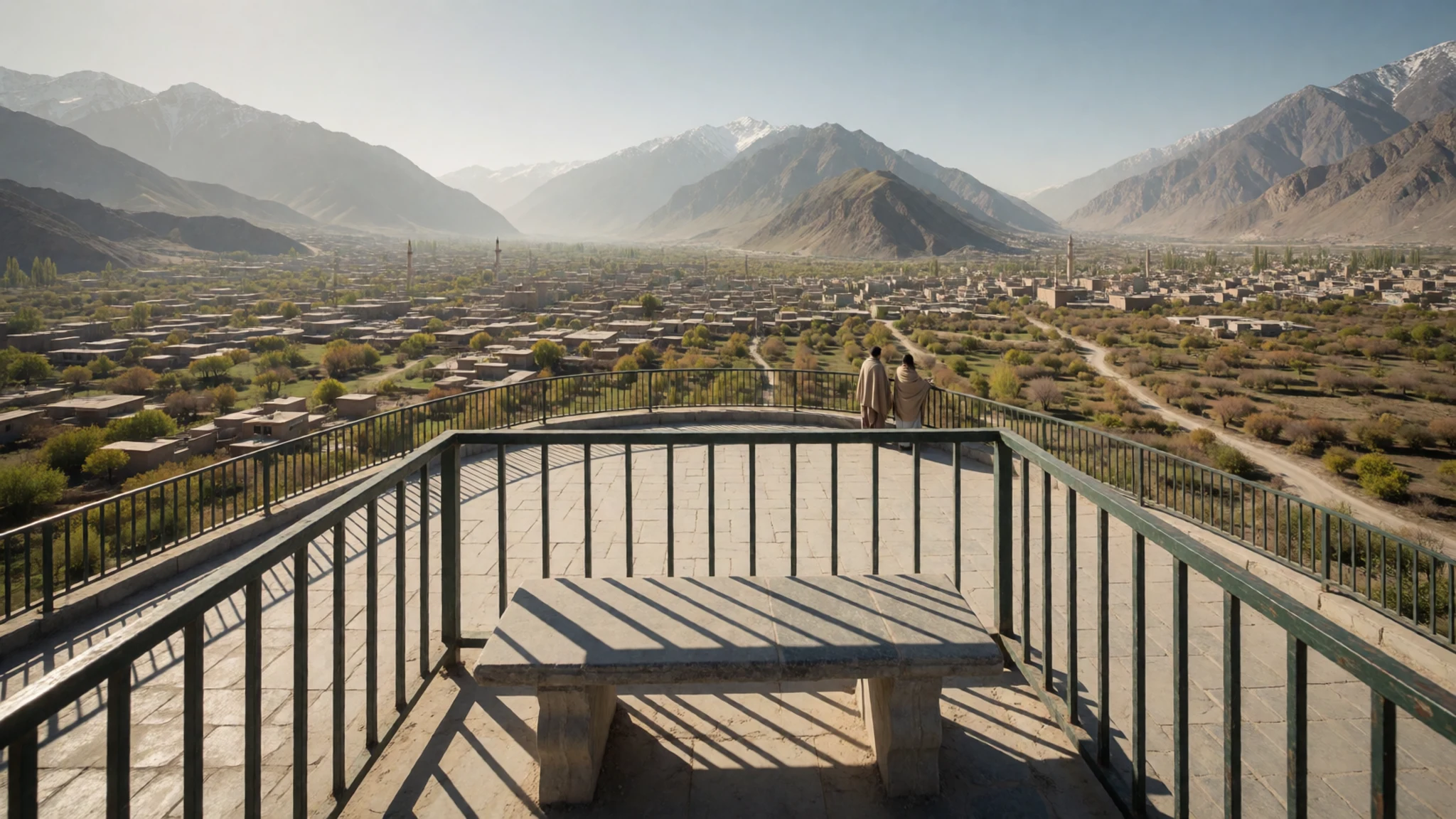
Culture
Quetta’s culture is a blend of long-standing tribal and community traditions, plus a modern city rhythm shaped by its position near major routes. One of the easiest ways to understand Quetta is through everyday social spaces: old tea-shops in the bazaars often act like local clubs, where people meet, talk and unwind between errands. Food culture also acts as a social connector, with eating houses serving the kind of hearty meat dishes that suit the cooler months.
Religiously and socially, Quetta follows the calendar in a visible way. Major festivals include Eid-ul-Azha and Eid-ul-Fiter, when people decorate their homes, wear new clothing, cook special dishes, and visit each other. That means the city can feel noticeably different around festival periods—busier, more dressed-up, and louder in the best way.
Because Quetta is an altitude city with a cold semi-arid climate, seasonal habits matter too: in winter, being outdoors is a shorter, more purposeful affair; in warmer months, parks and lake areas become more comfortable day-spots.
Practical note: planning should include current travel guidance. As of January 2024, permission from the police is required to travel to Quetta due to the security situation and kidnapping risk.
Visitor etiquette: Dress modestly in public and at religious sites, and keep voices low in indoor spaces like shrines and museum rooms.
What to wear
Quetta’s fashion has a strong traditional base, especially among older generations and during religious and social festivals. Traditional outfits in the region often revolve around modest, long silhouettes. You’ll see styles aligned with South Asian wear—loose fabrics, shirts and trousers for men, and longer, layered garments for women—chosen for comfort in both hot spells and cooler winter days.
During Eid-ul-Azha and Eid-ul-Fiter, new clothing is a clear signal: people dress up, and the city’s streets look more festive because of fresh colours and more formal fabrics. Even outside festivals, modesty is a consistent norm in many everyday spaces.
What people wear now is practical: in daylight, lightweight layers can work in summer, while winter calls for warmer coats and gloves because temperatures can drop very low. Footwear matters in Quetta because you may move between city pavements and uneven ground around parks and viewpoints.
What should a visitor wear? Plan for layering: breathable clothing for the warmer months and a warm jacket for winter. For visiting religious or conservative spaces, choose clothing that covers shoulders and knees, and avoid anything too tight or transparent. Bring comfortable walking shoes; they’ll help on museum visits, market lanes, and trips to hill viewpoints.
What to eat
- Sajji (leg of lamb) — Old bazaars and eating houses around Quetta
Sajji is a whole leg of lamb marinated with local herbs and spices, then cooked on an open fire. It’s commonly found at traditional eating houses, including those clustered around the old bazaars and along main restaurant strips.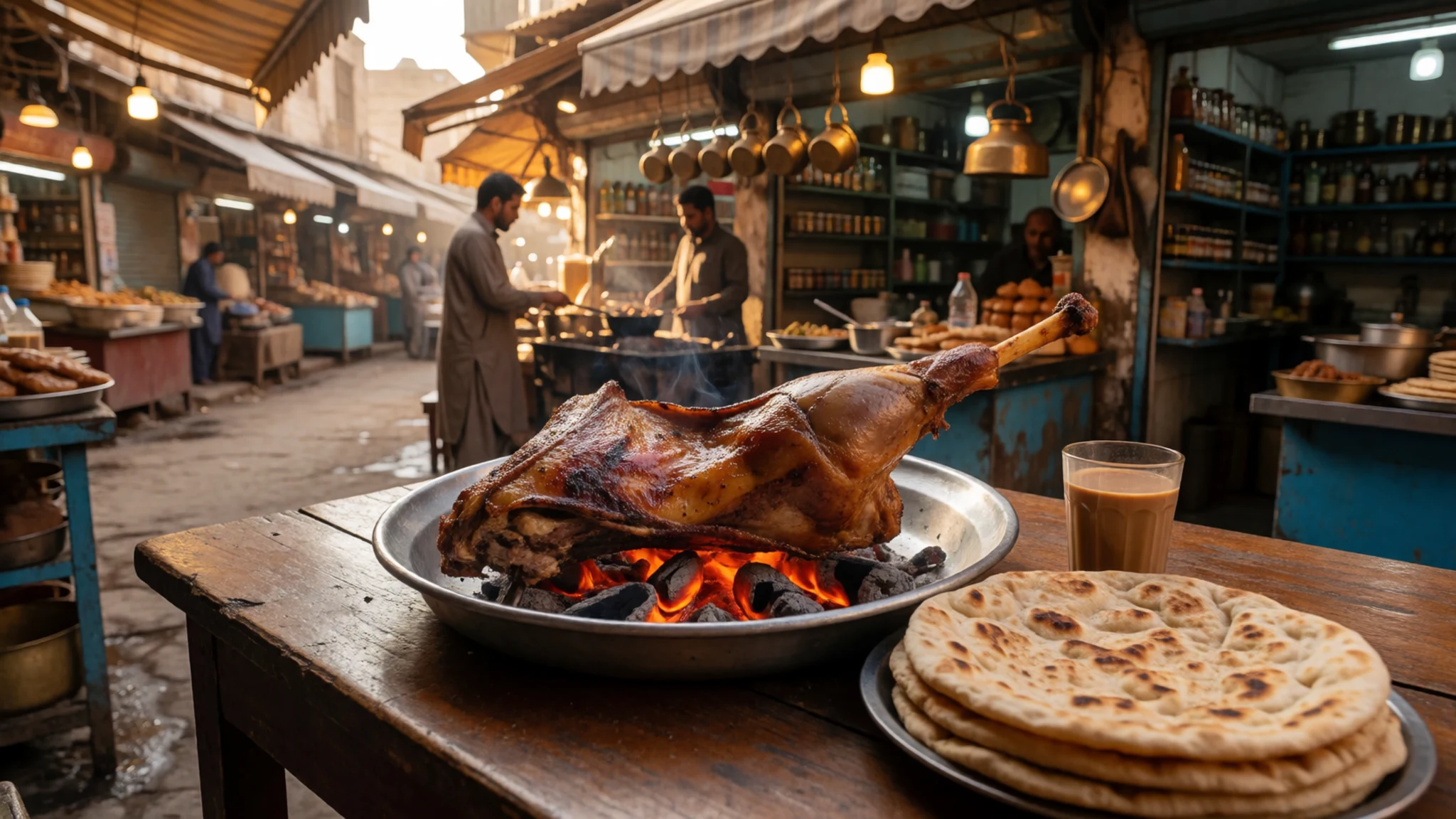
- Landi (whole lamb, shade-dried style) — Meat-focused eateries and kebab shops in Quetta
Landii is associated with whole lamb preparations linked to local winter tastes. You’ll usually encounter it as part of the heavier, meat-forward repertoire in kebab and karahi-style places that serve Pathan valley favourites.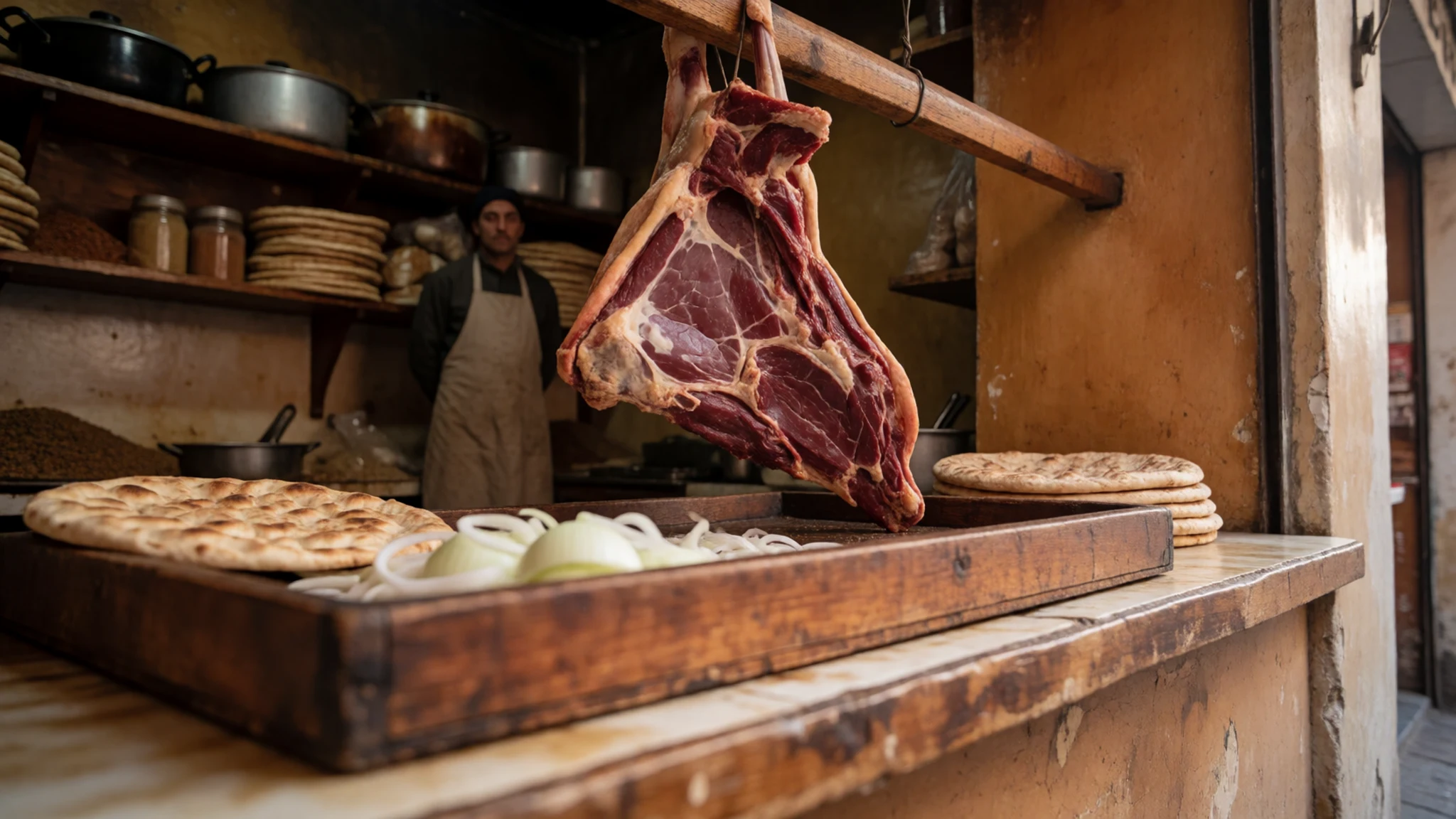
- Khandi Kebab — Kebab shops in the city’s older restaurant strips
Khandi Kebab is another lamb-based option tied to the valley’s traditional grilling and shared-dish meals. For an authentic hit, look for kebab shops in Quetta’s busy restaurant areas where grills are a core feature. - Karahi and mutton mains — Main restaurant lanes such as Jinnah Road
Karahi-style cooking—where meat is cooked with strong flavours and served hot—shows up often in Quetta. The city is known for mutton raised around the area, so many eateries lean into rich, lamb-centred plates. - Pulao from local eating houses — Local eating houses across Quetta
Pulao is one of the go-to dishes around Quetta, especially where mutton is the star. It’s the kind of meal that turns up in many eating houses, often served as a filling shared-course option after a day of sightseeing.
Plan it
Best time. June–September is the wettest stretch, with the most rain in July and August; July and August are also the warmest months. The most comfortable weather is usually from May to September, when highs sit in the mid-to-high 30s without the worst cold snaps. Winter is the coldest season, with the harshest lows in January; spring (March–April) and autumn (October–November) feel milder and drier by comparison.
How long. 3–4
Getting there. Fly into Quetta via local connections (nearest practical airport is Quetta’s own airport), then use taxis for the city. If coming overland, approach by road via Balochistan routes connected to the Kandahar corridor.
Budget. mid
Tips
- Plan museum time early in the day when it’s easier to move around
- Treat viewpoints and parks as half-day outings so you can adapt to winter cold or summer heat
- Keep an eye on security guidance and any local permissions required before you travel
- Carry water and dress in layers for the altitude swings between morning and afternoon
- Use cash for small purchases in bazaar areas, where card acceptance may be limited
Etiquette
- Dress modestly when visiting mosques and religious spaces
- Ask before photographing people, especially in crowded market lanes
- In crowded festival settings, expect queues and follow local guidance
Nearby
Sources
- Wikidata Q185458 (CC0)
- Wikipedia (rev 1380705169) (CC BY-SA 4.0)
- Wikivoyage (rev 5415445) (CC BY-SA 4.0)
- Photo photos/01-jinnah-road-quetta.jpg (CC BY 3.0)
- Photo photos/02-quetta-cantt.jpg (CC BY-SA 4.0)
- Photo photos/03-quetta-fort-mirri.jpg (CC BY-SA 4.0)
- Photo photos/04-hanna-lake-quetta.jpg (CC BY-SA 4.0)
- Photo photos/05-quetta-city-flag.png (CC BY-SA 1.0)
- Photo photos/06-pakistan-relief-location-map.jpg (CC BY 3.0)
- Photo photos/07-quetta-map-before-1935.jpg (CC BY-SA 4.0)
- Photo photos/08-quetta-railway-station-40311.jpg (CC BY-SA 2.5)


