Marsaxlokk
Marsaxlokk, Malta
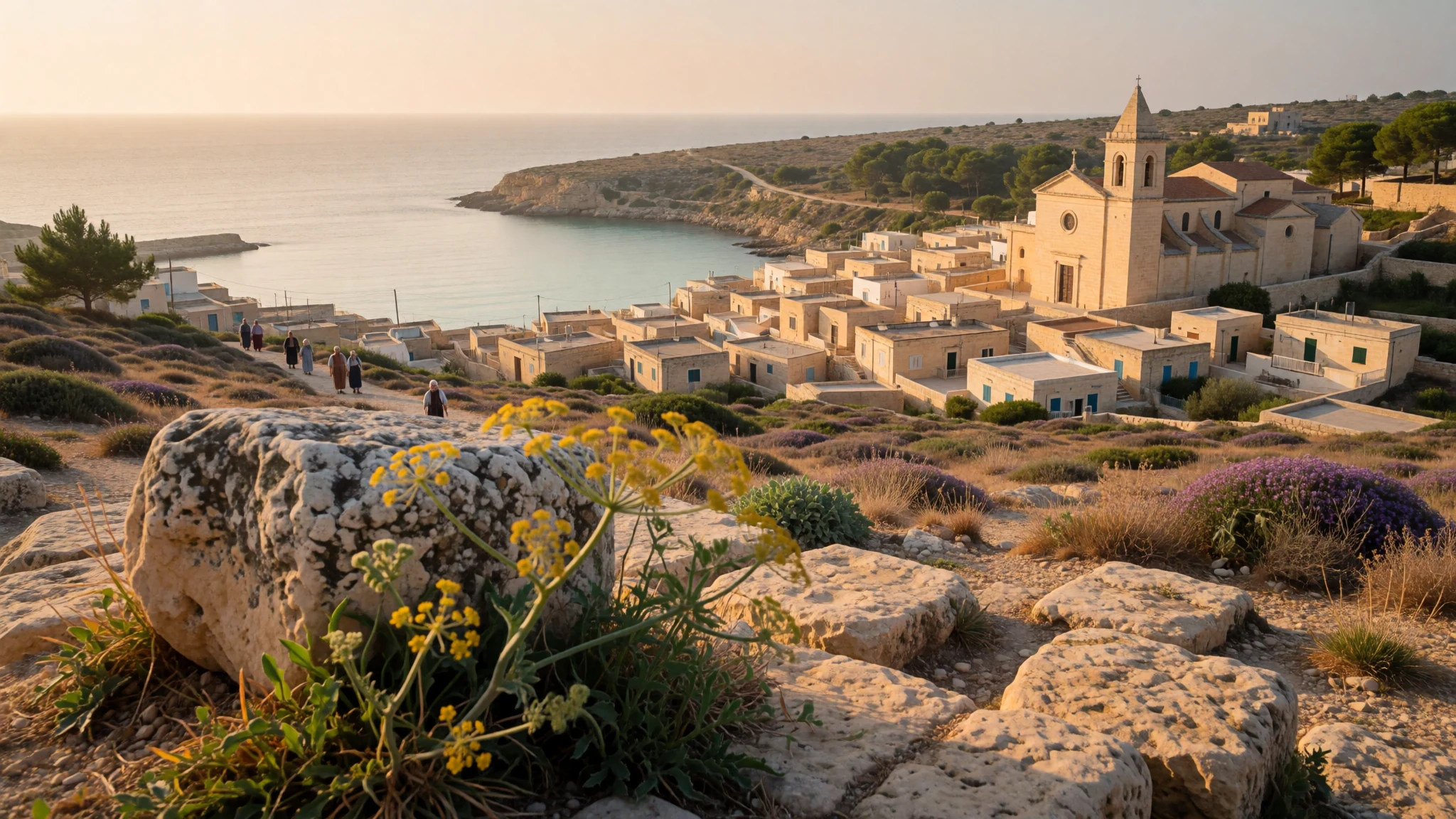
Marsaxlokk is a working fishing harbour in south-east Malta, where painted luzzi bob below a parish church and Sunday brings the fish market.
The place
Marsaxlokk is a fishing village on the south-east coast of Malta, home to 4,245 people and a harbour that still earns its living. The water is sheltered and shallow, and the inner basin is crowded with luzzi, the small wooden boats painted in blues, yellows, reds and greens, many with an eye on the bow. Behind the quay the parish church rises over low stone houses, and the scene reads best from the waterfront promenade or from a pontoon at the edge of the harbour. The village sits only about 8 m above sea level, so it is flat and easy on the feet, with restaurants on one side of the promenade and boats on the other. The wider bay is not all postcard. A container port lies toward Birżebbuġa, a power station stands toward Delimara, and a small repair yard serves the fishermen. That mix of industry and tradition is part of the honest picture, and it does little harm to the view from the quay. Sunday is the day to plan around. A fish market fills the seafront, and the village fills with Maltese families as well as visitors. On other days a smaller market of souvenir stalls takes over and the pace is calmer. Summer brings heat, glare off the water and coach parties around midday. Early mornings and evenings are gentler, when the light softens and the fishermen are mending nets.
Its story
Marsaxlokk has been a harbour for a very long time. Phoenician and Carthaginian sailors used the bay, and the remains of a Roman-era harbour survive. The bay is sometimes called Portus Herculis, a name tied to the Punic and Roman remains on the nearby hill of Tas-Silġ. That hill, north-east of the village, held a sanctuary that people kept using from prehistoric times into late antiquity, ending with a Byzantine basilica and monastery. Three separate temples left scattered stonework, some of it megalithic. The Roman writer Cicero, in his case against the governor Verres, describes a temple of Juno in Malta that held fine ornaments, among them an ivory statue of Victory, and scholars have long linked that temple with Tas-Silġ. Studies of the pottery suggest the sanctuary doubled as a trading point for local and imported goods. Little of this can be seen in the village itself, so the ancient past here is something to know rather than something to photograph. The Middle Ages are thinly recorded. Villages along this south-eastern coast were exposed to raids by pirates, later by raiders from the North African shore, and the land between Żejtun and the bay was mostly scrub and pasture. Sailing guides from as early as the 13th century name the anchorage in spellings such as marza sinocho. Marsaxlokk began as part of Żejtun and became a parish in its own right in the late nineteenth century.
What to see
- The harbour and its luzzi — Waterfront
The inner harbour is the reason most people come. Rows of luzzi, the traditional wooden fishing boats, sit tightly moored, each painted in its owner's colours. Walk the full length of the quay slowly, looking at the carved prows and the painted eyes, and notice which boats are working and which are for show.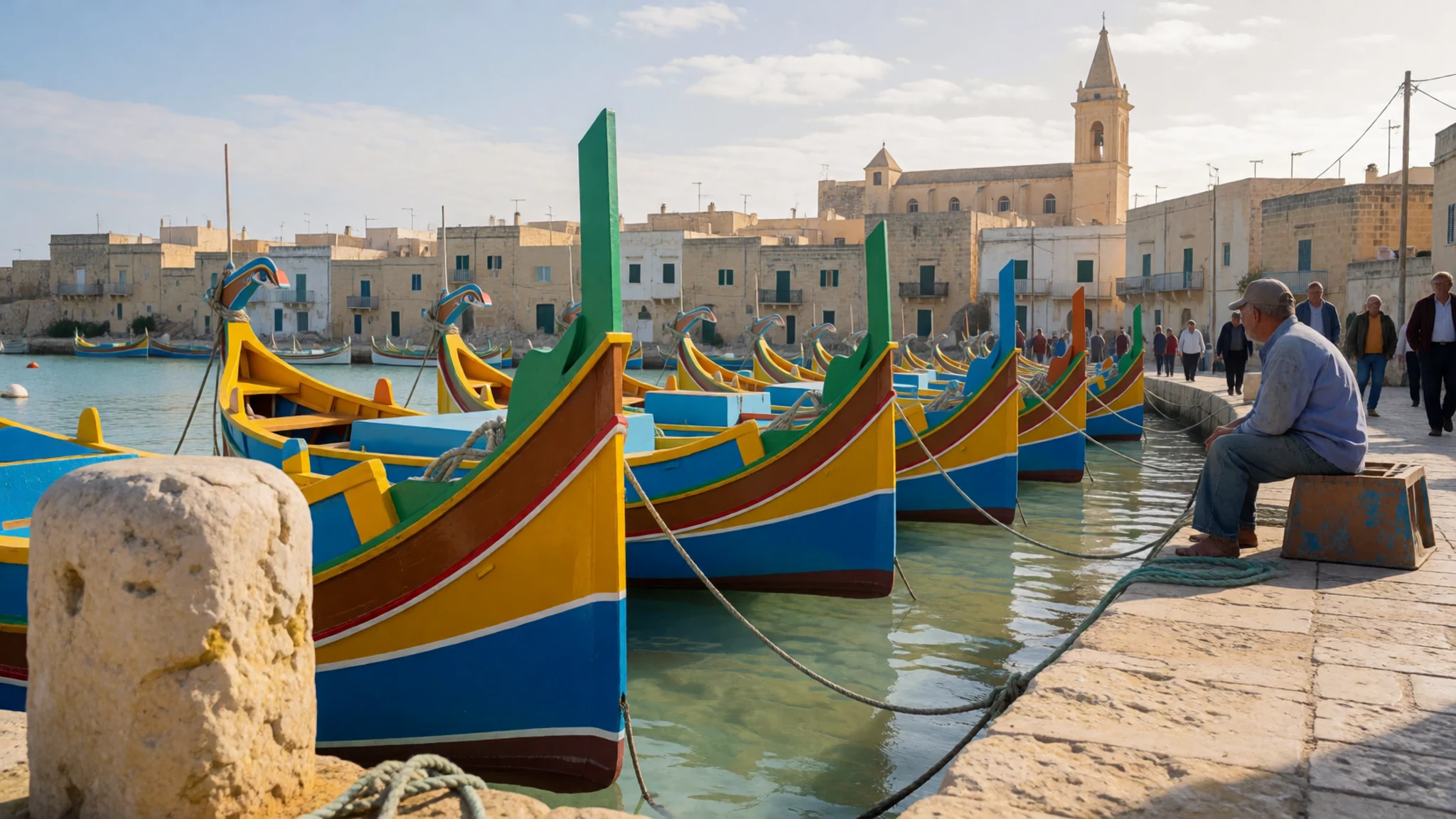
- Sunday fish market — Seafront promenade
On Sundays the seafront becomes a fish market, with stalls of the day's catch on ice alongside souvenir sellers and food vendors. It is lively and crowded, and the best stretch is the early part of the morning. Even if you buy nothing, it shows what the harbour is still for.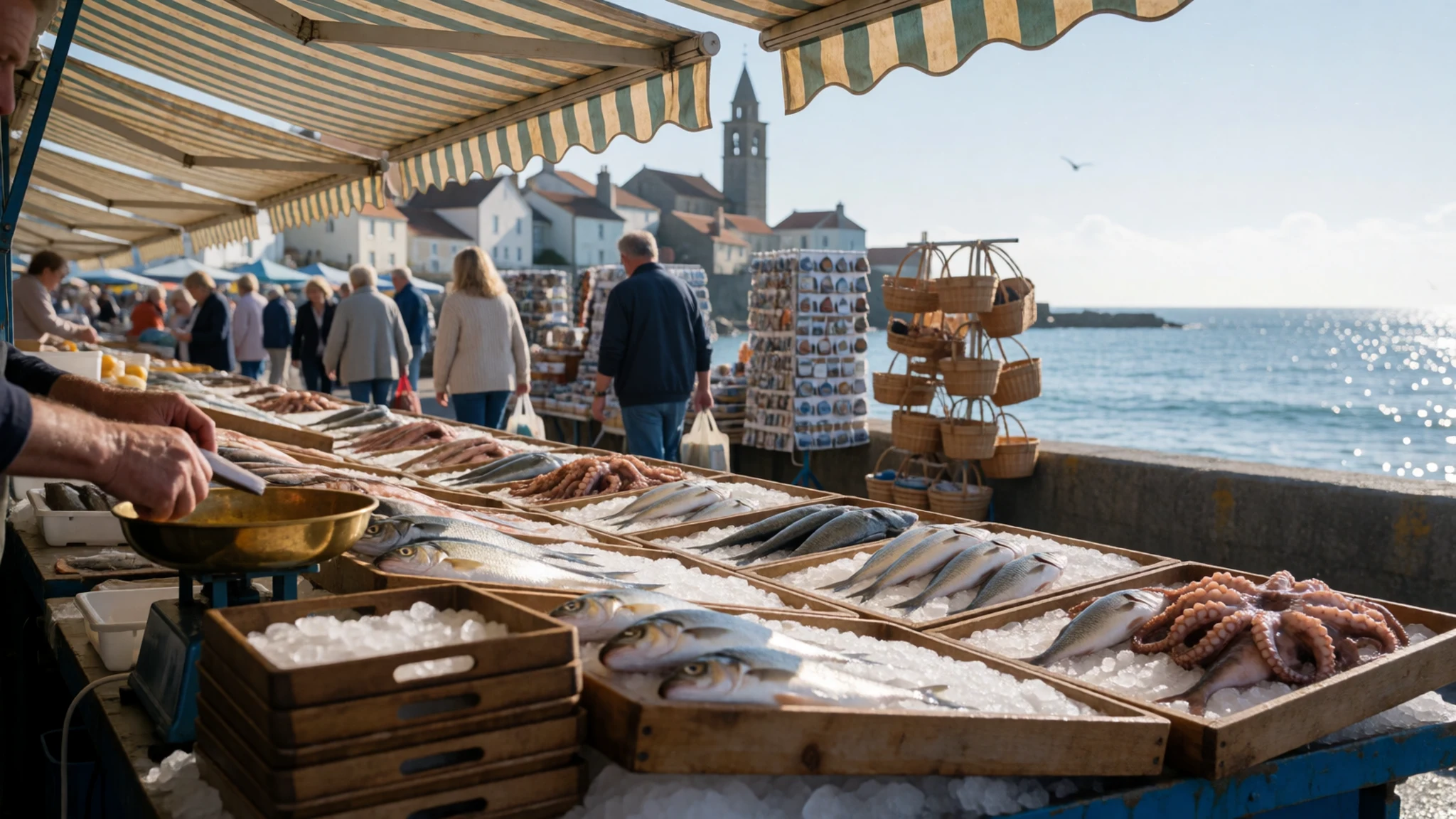
- Parish church and Xatt is-Sajjieda — Village centre
The parish church anchors the village skyline, and the quay known as Xatt is-Sajjieda gives the classic view of church, boats and water together. A pontoon at the edge of the harbour is a good place to stand for photographs, especially in softer light early or late in the day.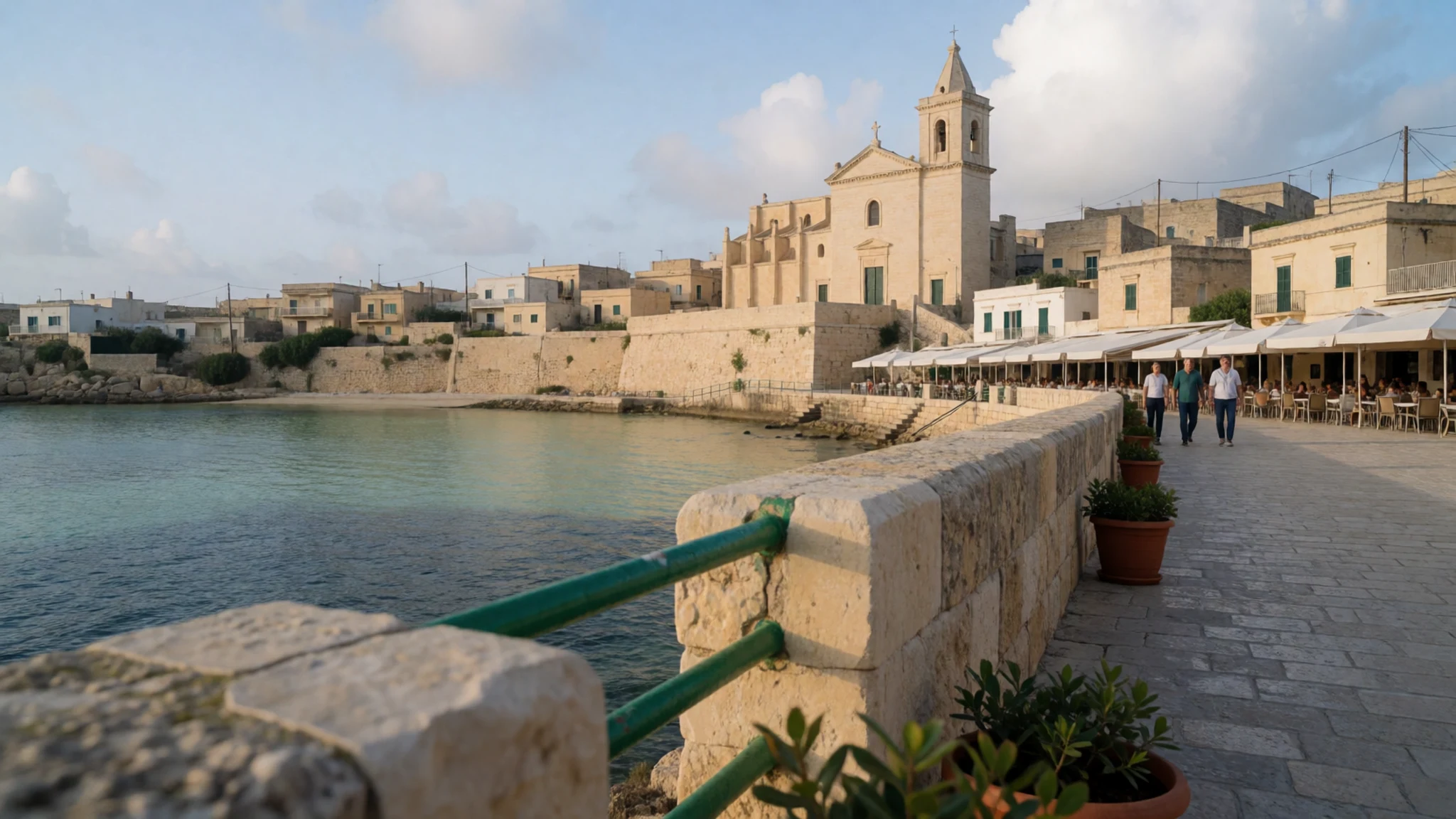
- Fort Delimara — Delimara headland
Fort Delimara is a British polygonal fort from the Victorian era, built to guard the entrance to the bay. It still keeps its muzzle-loading guns in place, which makes it a good stop for anyone curious about the coast's defensive history. Check the current access arrangements before setting out, as the fort sits on the headland away from the village.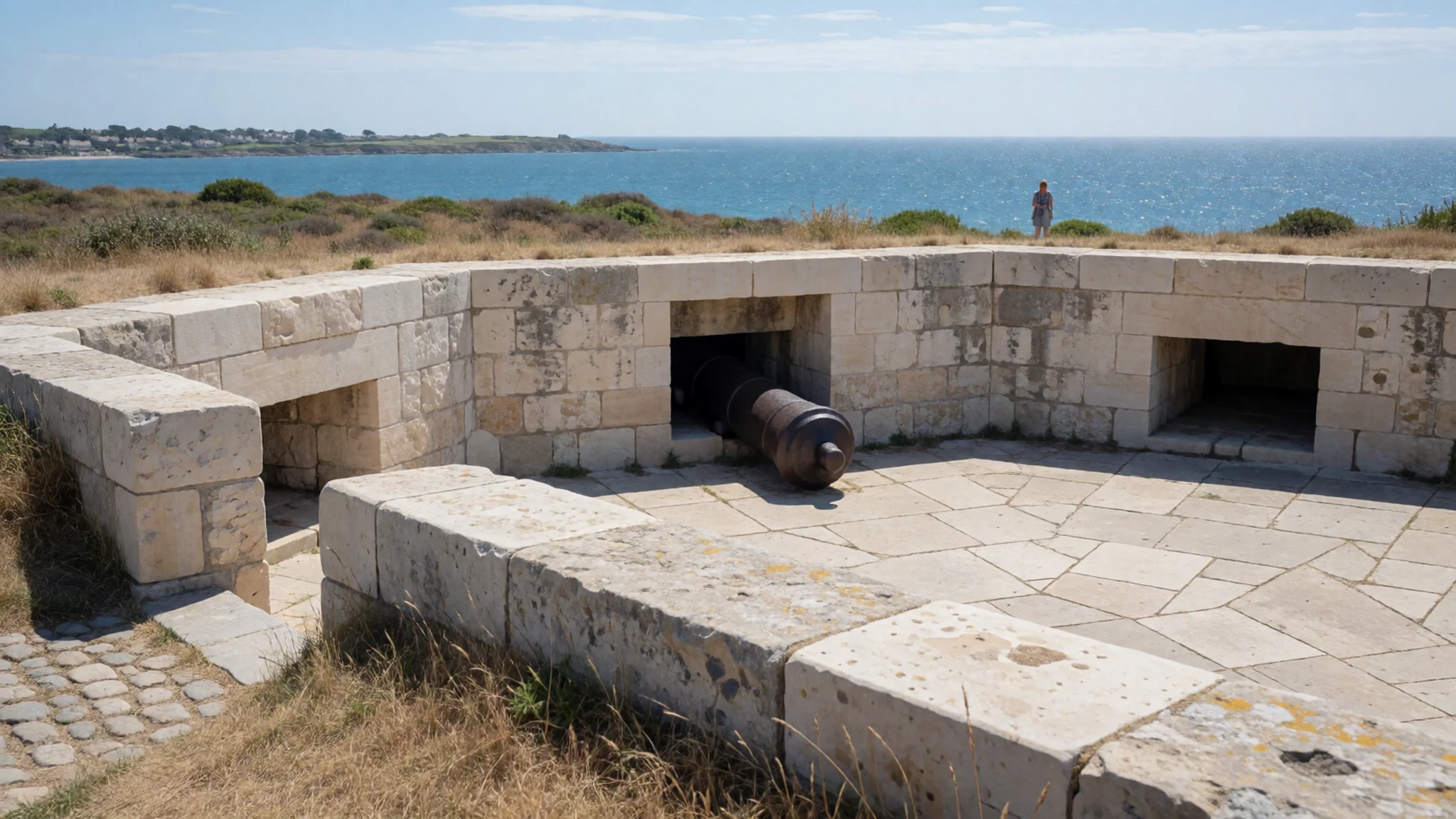
- St Peter's Pool — Delimara coast
A rocky swimming spot beyond the village, popular with Maltese and visitors alike. It can be crowded in summer, though other small rocky coves lie nearby. Swimming shoes help on the stone. Small boats run from the harbour, or it is a walk over the hill, which suits cooler months better than midsummer.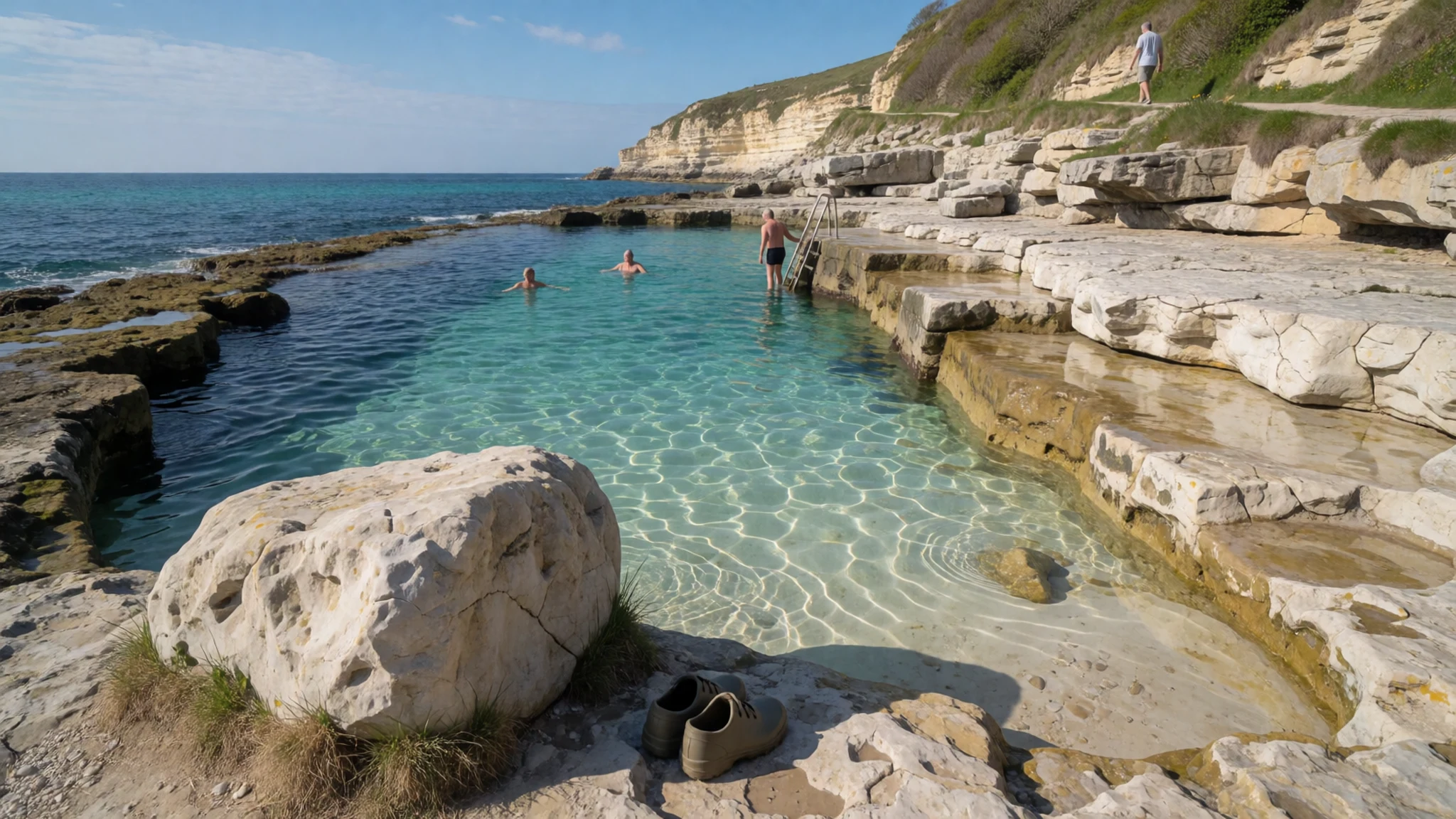
- Tas-Silġ hill — North-east of the village
The rounded hilltop north-east of the village is the site of the ancient sanctuary, with traces of megalithic, Punic, Roman and Byzantine phases. It is an archaeological site rather than a showpiece, so expect scattered stonework and long views. Check official sources before visiting, since access can change.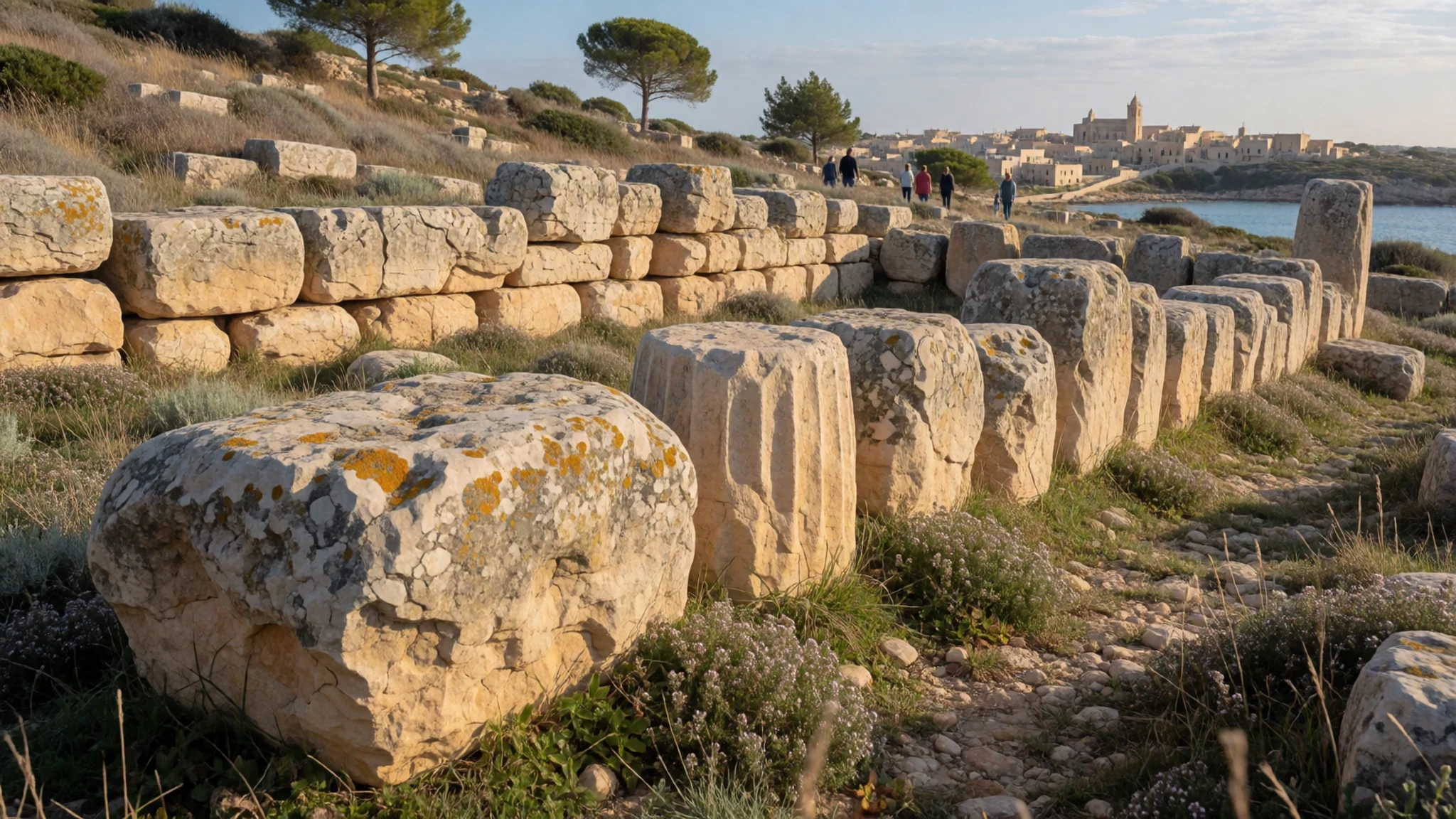
Culture
Marsaxlokk is a place where fishing is still part of daily life, and the rhythm of the village follows it. Boats go out, nets are mended on the quay, and the catch reaches the market and the restaurants within hours. The luzzi are the clearest cultural marker. Their bright colours and the painted eye on the bow are traditionally said to watch over the crew, and many owners repaint their boats with care. Malta is a strongly Catholic country, and the parish church is the centre of village life. Festa season in summer brings processions, bands, decorations and fireworks, and each parish celebrates its own patron. Sunday is the main day for families to come to the waterfront for a long lunch, and the village feels like a social meeting place as much as a market. Maltese is the local language and English is widely spoken, so visitors rarely struggle, but a simple greeting in Maltese is warmly received. Residents live here all year, and the boats and nets along the quay are working equipment rather than props. The village is used to visitors, but it appreciates those who treat it as a living harbour. Ask before photographing a fisherman at work or stepping onto a moored boat, and keep clear of nets and ropes on the quay.
What to wear
Traditional Maltese dress survives mainly in heritage displays, folklore performances and festa processions rather than in daily life. The best-known piece is the għonnella, a hooded cloak once worn by women, and Maltese lace and silver filigree remain recognised crafts that appear in souvenir stalls and shops. Fishermen's working clothes were always practical, built for sun, salt and wet decks. What people wear now is simple and casual. Locals dress in light cotton, shorts and shirts in summer, with a jacket or jumper for breezy winter days. Fishermen wear work clothes and waterproof boots, and families dressed for Sunday lunch tend to look neat but relaxed. Visitors should dress for sun and walking. Light, breathable clothing, a hat, sunglasses and high-factor sun cream matter far more than style, especially on the open quay with little shade. Flat shoes with grip suit wet stone, and sandals are fine for the promenade, though swimming shoes help at rocky coves such as St Peter's Pool. Bring a thin layer for evenings and for winter wind off the water. Beachwear is fine at the shore but not in the church or on village streets away from the water, where covered shoulders and knees are the polite choice. For any church visit, carry a scarf or light shirt to cover up.
What to eat
- Grilled catch of the day — Waterfront restaurants
Fish is the point of eating here. Restaurants along the waterfront grill or bake whatever the boats brought in, often simply with olive oil, lemon and herbs. Ask what is freshest that day rather than choosing from a fixed list.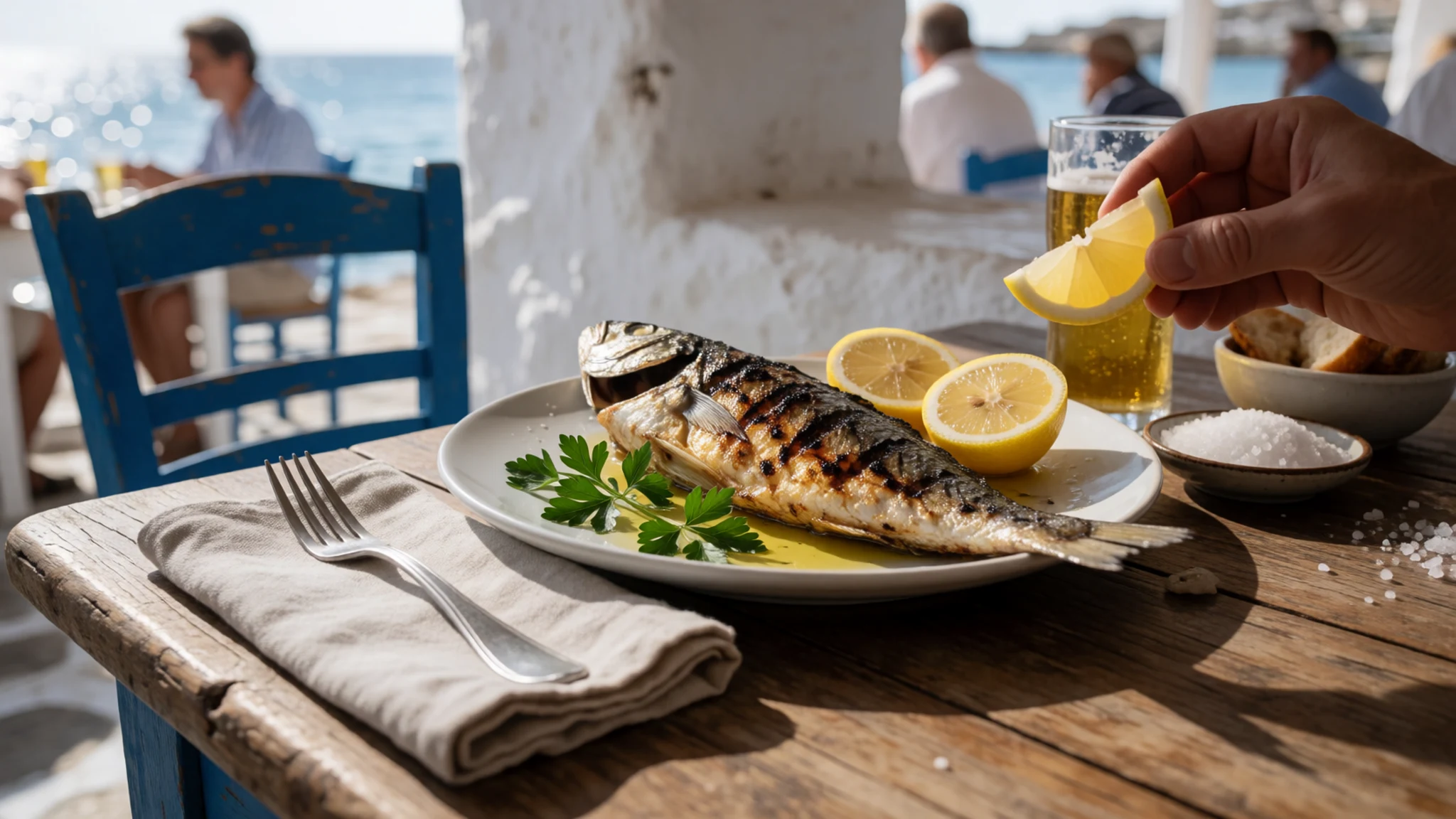
- Aljotta — Harbourfront restaurants and village eateries
A Maltese fish soup, light and tangy, with garlic, tomato and herbs, often finished with rice. It is a good first course on a cool day and a way to taste the local style without anything heavy.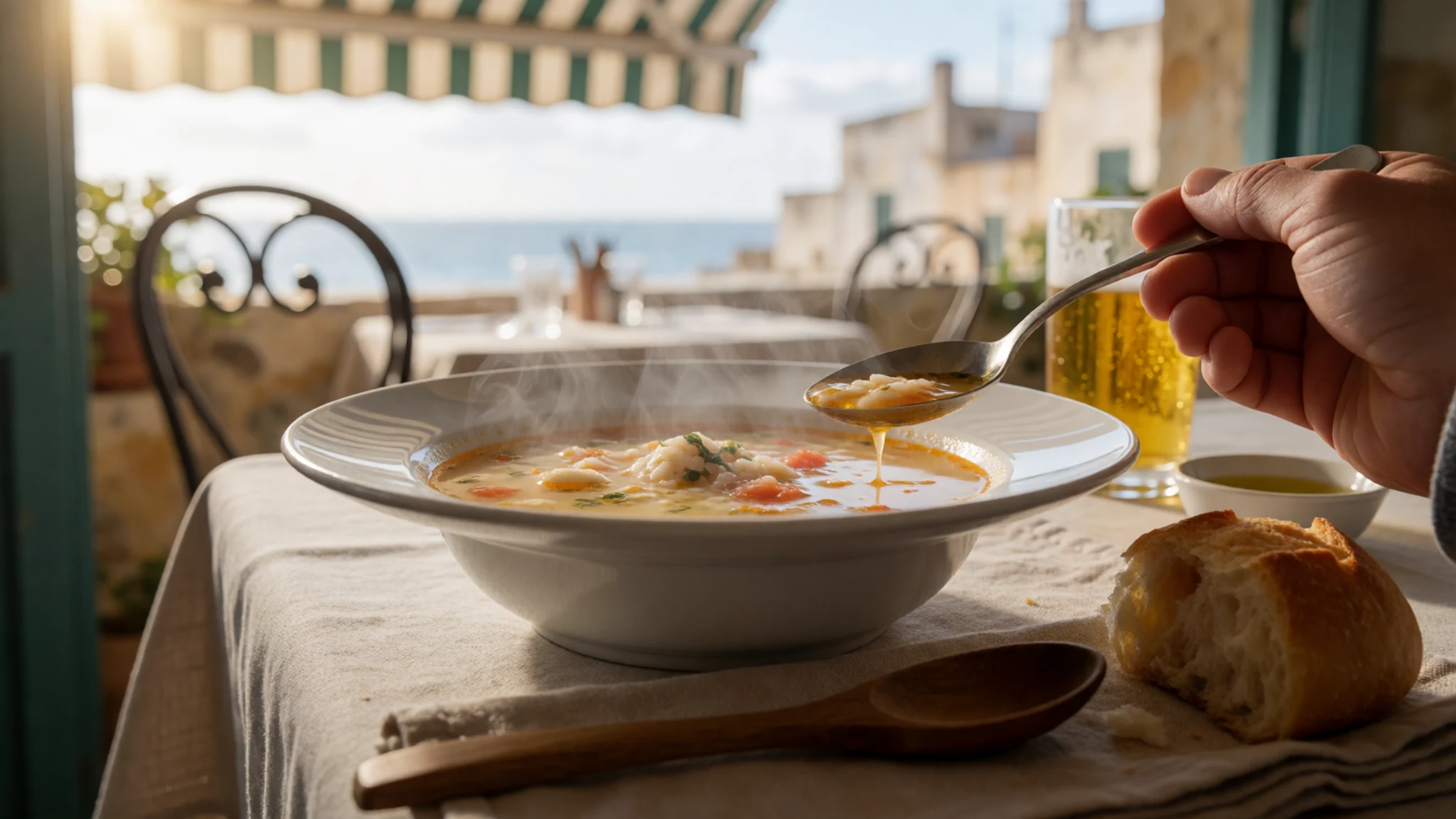
- Lampuki pie — Village restaurants in autumn
Lampuki, or dolphinfish, is a seasonal catch in the autumn months and turns up baked in pies and stews. Ask whether it is in season, since other times of year the pie may use different fish. - Fried calamari and octopus — Seafront restaurants
Squid and octopus appear fried, stewed or grilled on most menus. Stewed octopus in a rich tomato and wine sauce is a traditional Maltese way, best eaten with bread to soak up the sauce. - Ħobż biż-żejt and ftira — Bakeries and cafés in the village
Maltese bread rubbed with tomato, olive oil, capers and tuna is a casual lunch that suits the heat. Ftira, a flat ring-shaped loaf, is often split and filled in the same way. - Pastizzi and a cold Cisk — Bakeries and waterfront bars
Pastizzi are flaky pastries filled with ricotta or peas, eaten as a quick snack. Afterwards, a glass of Cisk, the local lager, on the waterfront among the boats is a simple pleasure.
Plan it
Best time. May–June and September–October, when it is warm enough to swim and the heat is easier to bear than in July and August. Summer is hot, bright and crowded around midday; winter is mild but windier and quieter. Sunday is the day for the fish market, if you can face the crowds.
How long. 1
Getting there. Fly to Malta International Airport, then take a taxi or a bus via Valletta. Regular buses link Valletta with Marsaxlokk in about 30 minutes, and an extra route runs on Sundays. Check the Malta Public Transport site for current routes and timetables.
Budget. mid
Tips
- Visit on a Sunday morning for the fish market, but arrive early to beat the crowds
- Eat lunch at a waterfront table and ask what the day's catch is
- Bring sun cream, a hat and water, as the quay has little shade
- Carry some cash for small stalls, though most restaurants take cards
- Pair the village with a walk or boat trip to St Peter's Pool in cooler months
Etiquette
- Ask before photographing fishermen at work or stepping onto moored boats
- Keep clear of nets, ropes and working areas along the quay
- Cover shoulders and knees if you step into the parish church
Nearby
Sources
- Wikidata Q781921 (CC0)
- Wikipedia: Marsaxlokk (rev 1379581115) (CC BY-SA 4.0)
- Wikivoyage: Marsaxlokk (rev 5429719) (CC BY-SA 4.0)
- Photo: Marsaxlokk port and parish church (Seancarlgrech) (CC BY 3.0)
- Photo: Marsaxlokk montage (Xwejnusgozo, Felix Koenig, Ies, Kritzolina) (CC BY 3.0)
- Photo: Luzzi at Marsaxlokk (Brian Harrington Spier) (CC BY-SA 2.0)
- Photo: Marsaxlokk 1883 (unknown author) (Public domain)
- Photo: Marsaxlokk harbour (G.Mannaerts) (CC BY-SA 4.0)
- Photo: 2018 in Marsaxlokk 05 (Continentaleurope) (CC BY-SA 4.0)
- Photo: 2018 in Marsaxlokk 06 (Continentaleurope) (CC BY-SA 4.0)
- Photo: 2018 in Marsaxlokk 07 (Continentaleurope) (CC BY-SA 4.0)


