Valletta
Valletta, Malta
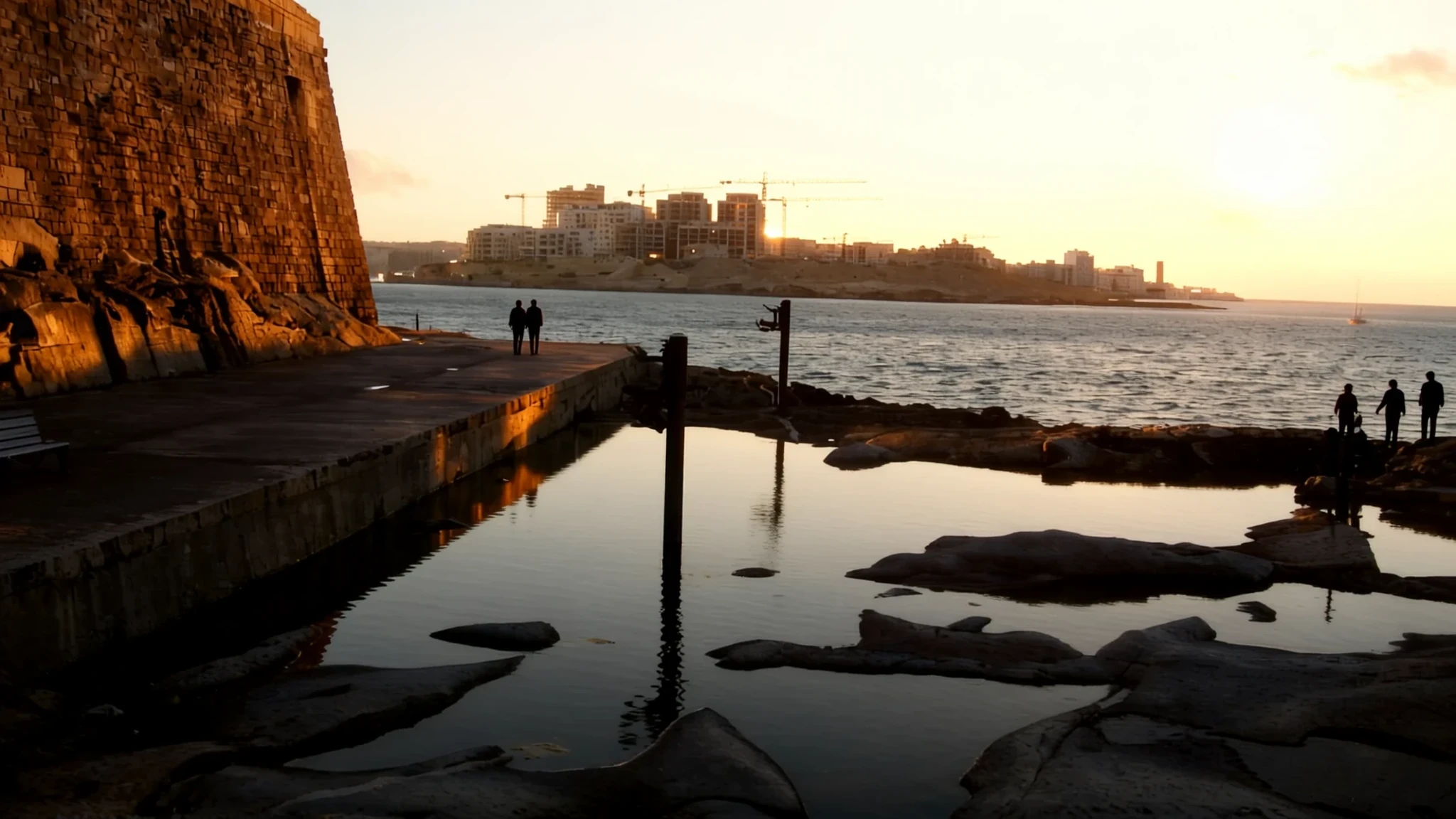
Visit Valletta to explore a concentrated Baroque masterpiece of fortifications, gold-leafed cathedrals, and sun-drenched harbours.
The place
Valletta is a compact, limestone-hewn city perched on a peninsula between the Grand Harbour and Marsamxett Harbour. As the southernmost capital in Europe, it feels less like a sprawling metropolis and more like a refined, open-air museum. The city is defined by its Baroque character, though you will spot Mannerist and Neo-Classical touches throughout its grid of steep streets. Walking through Valletta, the first thing you notice is the honey-coloured stone and the traditional balconies that overhang the narrow roads.
Despite its small size, the city is incredibly dense with history, featuring hundreds of monuments within a very limited area. While the Second World War left visible scars—most notably the ruins of the Royal Opera House—the city has retained its stately elegance. Today, it serves as the commercial heart of Malta, where high-end shopping and quiet cafés coexist with government offices. Because it is so small, the entire city is walkable, though the hills can be tiring in the midday sun. It is a place of dramatic contrasts: the austere, massive bastions on the perimeter give way to some of the most lavishly decorated interiors in the Mediterranean.
Its story
The story of Valletta begins with the Knights Hospitaller. Before the city existed, the peninsula was known by names like Xagħret Mewwija or Sceberras, terms linked to its sheltered nature and its position as a headland. After the Knights of Saint John held off the Ottoman attack on Malta in 1565, they moved to construct a walled new city on this strategically important site. They named it after Jean Parisot de Valette, the Grand Master who led the defence.
For centuries, the city was the stronghold of the Knights, acting as a bridge between Europe and North Africa. This era left a legacy of military architecture and religious opulence. However, the city's fortunes shifted as empires clashed. The French Republic took control briefly at the end of the 18th century, followed by a long period as a British protectorate and later a Crown Colony. These layers of influence are still visible in the city's planning and its eclectic architectural styles.
Throughout these transitions, Valletta remained a sentinel over the Mediterranean. The transition to the State of Malta and eventually the Republic of Malta in the latter half of the 20th century brought a new era of autonomy. Today, the city stands as a testament to the resilience of the Maltese people and the strategic importance of this small rocky outcrop in the middle of the sea.
What to see
- St. John's Co-Cathedral
While the exterior is understated, the interior is a masterclass in Baroque extravagance, with every inch of the walls and ceiling covered in gold and intricate carvings. It houses chapels dedicated to different nationalities of knights and serves as the city's spiritual centre.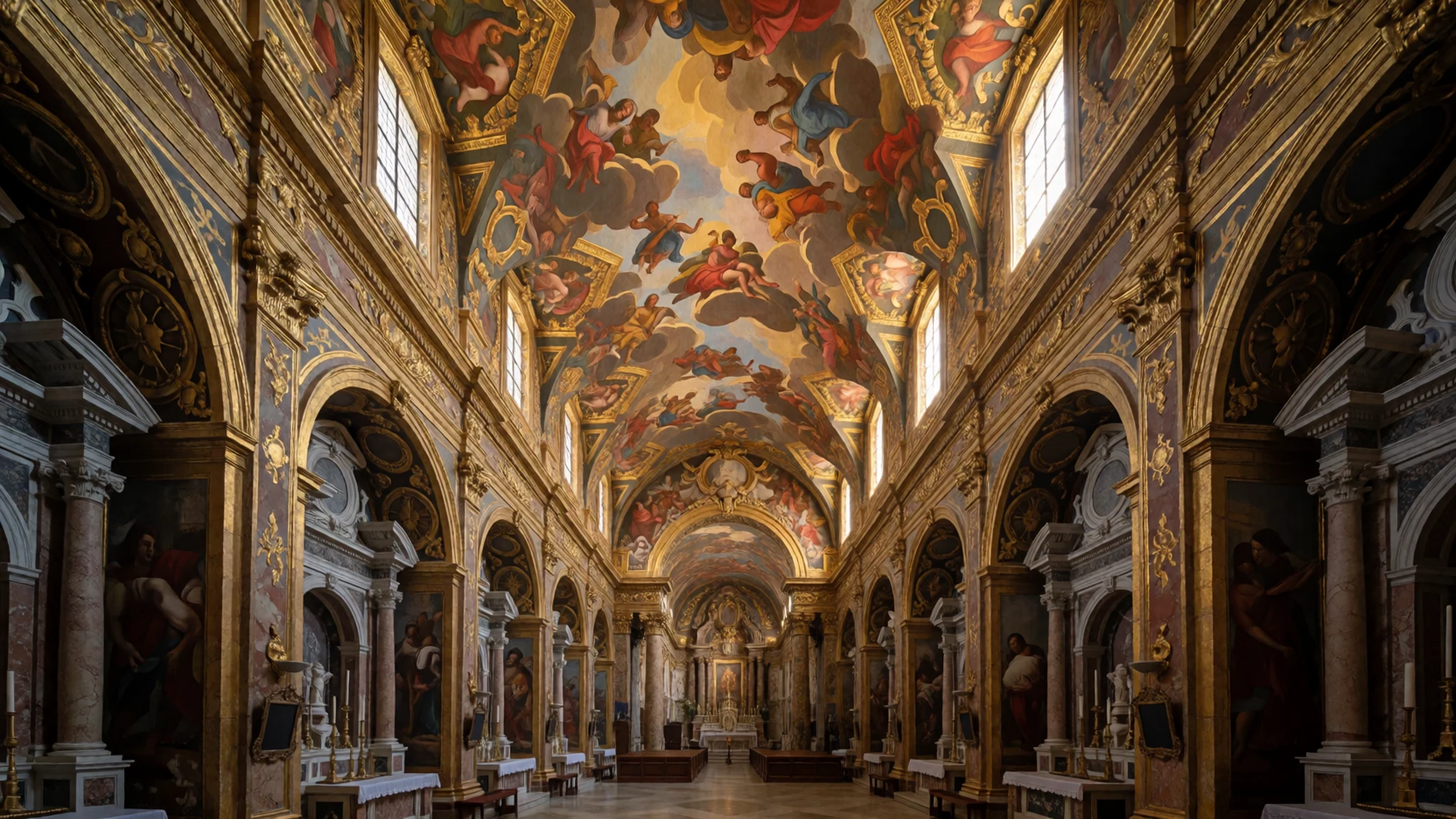
- Caravaggio Works
Within the Co-Cathedral, you can find two works by the master Caravaggio. The most famous is the large-scale 'Beheading of St. John the Baptist', which is complemented by a modern light show that explains the painting's context.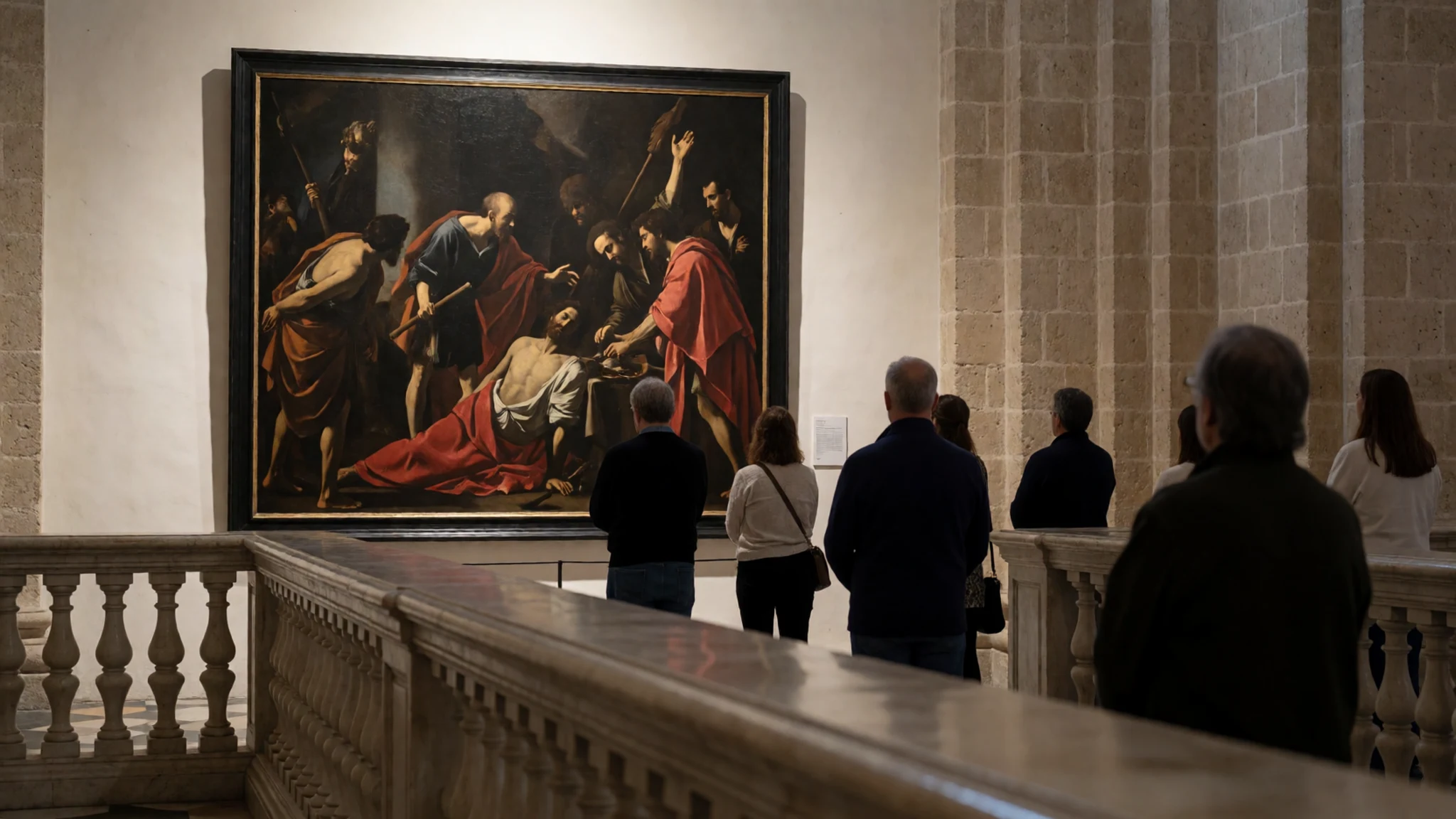
- Palace of the Grand Masters
This imposing building now houses the President's office, while the Maltese parliament meets at a purpose-built Parliament House near the city entrance. Its state rooms are magnificent examples of the wealth and power the Knights once held, offering a glimpse into the administrative heart of the Order.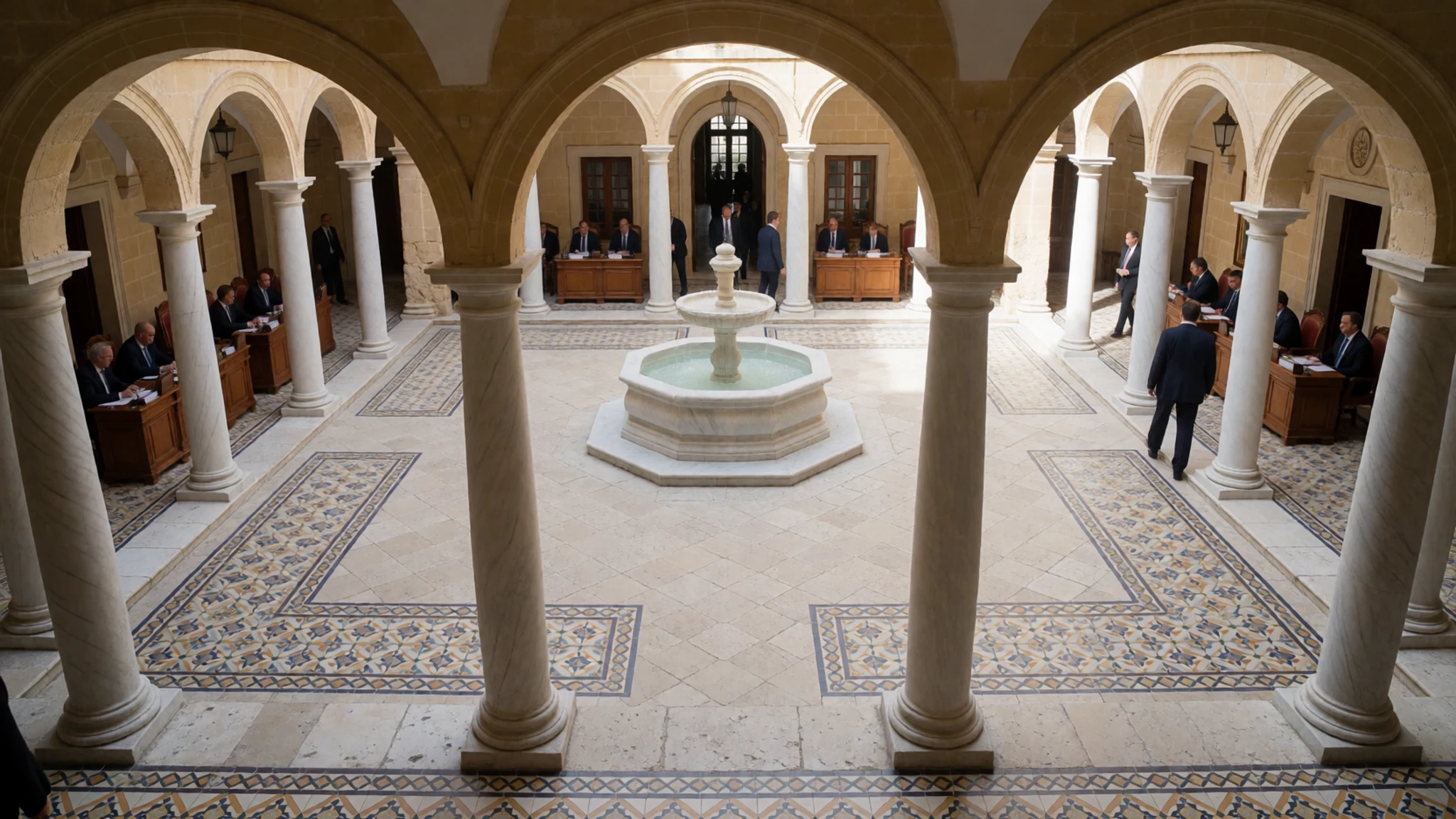
- The Belfry Tour
For a different perspective, this tour takes you through the cathedral's gallery and up to the roof. It provides an excellent view of the cathedral's structure and a wider look across the limestone rooftops of the city.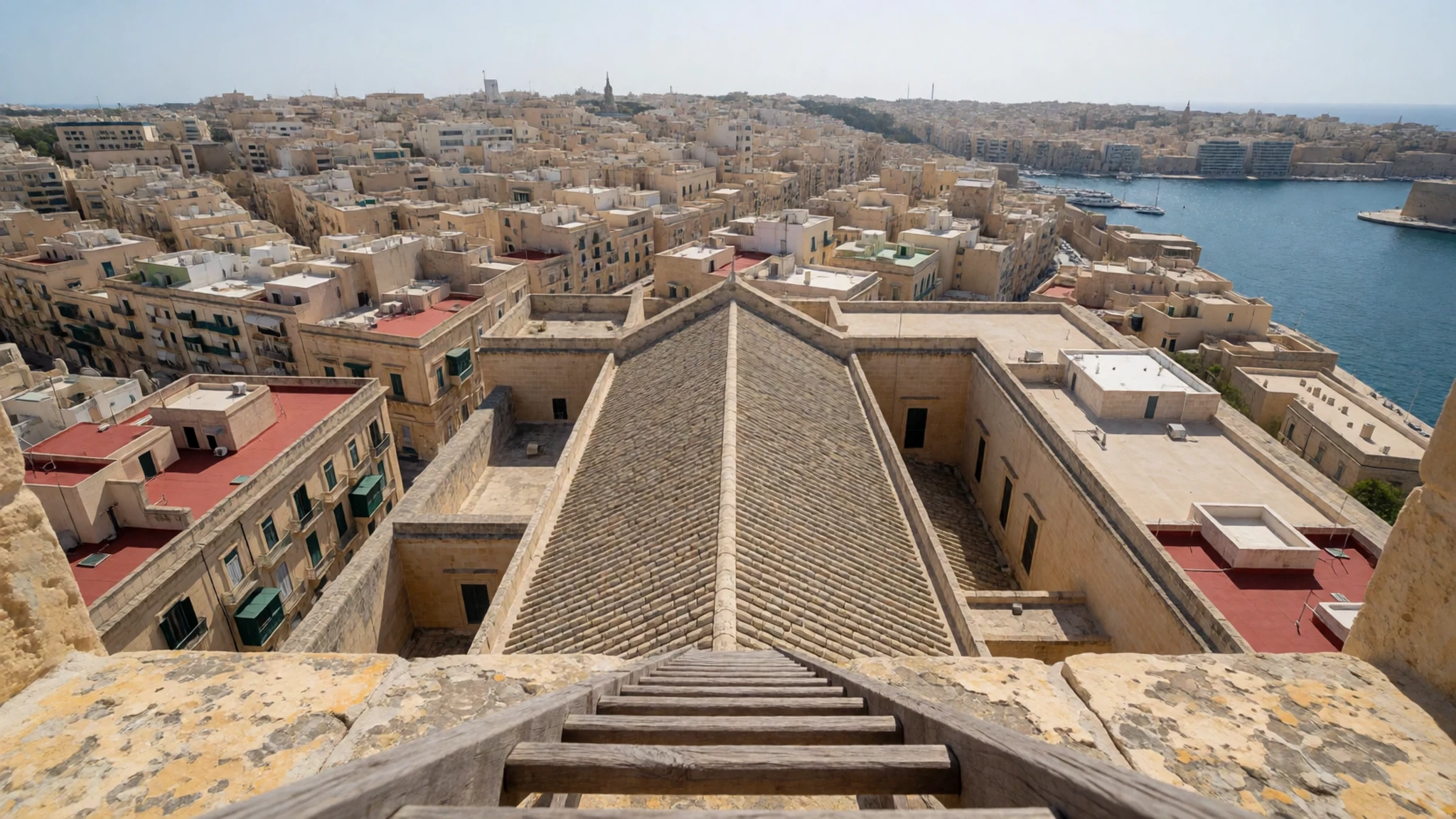
Culture
Valletta's culture is a blend of deep Catholic tradition and a modern, creative spirit. The city's identity was highlighted when it served as the European Capital of Culture in 2018, which saw public art installations and performances across its main squares, such as St. George's and Castille Square. This creative energy continues at Saint James Cavalier, a former gun platform turned centre for cinema, theatre, and art galleries, which attracts a diverse crowd of locals and artists.
Music also plays a central role in the city's seasonal life, particularly during the International Baroque Festival every January, which brings the echoes of the 16th century back to the city's plazas. There is a strong pride in the Maltese language, often seen in public art that celebrates local proverbs and idioms. Life here moves at a slower pace in the side streets, where elderly residents still chat from their balconies, contrasting with the bustling energy of the harbour front. When visiting religious sites, please ensure your shoulders and knees are covered.
What to wear
Historically, Maltese dress was influenced by the Mediterranean's varied rulers, with textiles reflecting a mix of Arabic and European styles. While traditional folk costumes are now mostly reserved for cultural festivals and historical reenactments, the legacy of craftsmanship remains in the local lace and embroidery.
Nowadays, residents of Valletta dress in a modern European style. In the commercial districts, you will see sharp business attire, while the café culture favours a smart-casual look—linen shirts and light trousers are common due to the heat.
For visitors, the key is adaptability. Comfortable, sturdy walking shoes are essential because the city's limestone streets can be slippery and are often steeply inclined. Because of the intense Mediterranean sun, lightweight, breathable fabrics like linen and cotton are highly recommended. When visiting the Co-Cathedral or other churches, a scarf or light jacket is useful to cover shoulders, as modesty is expected in these sacred spaces. In the winter months, a windproof jacket is necessary to guard against the salty breeze coming off the harbours.
What to eat
- Ftira — traditional Maltese bars
A traditional Maltese sourdough bread, often stuffed with potatoes, capers, olives, and tuna. You can find authentic versions at the Museum Cafe.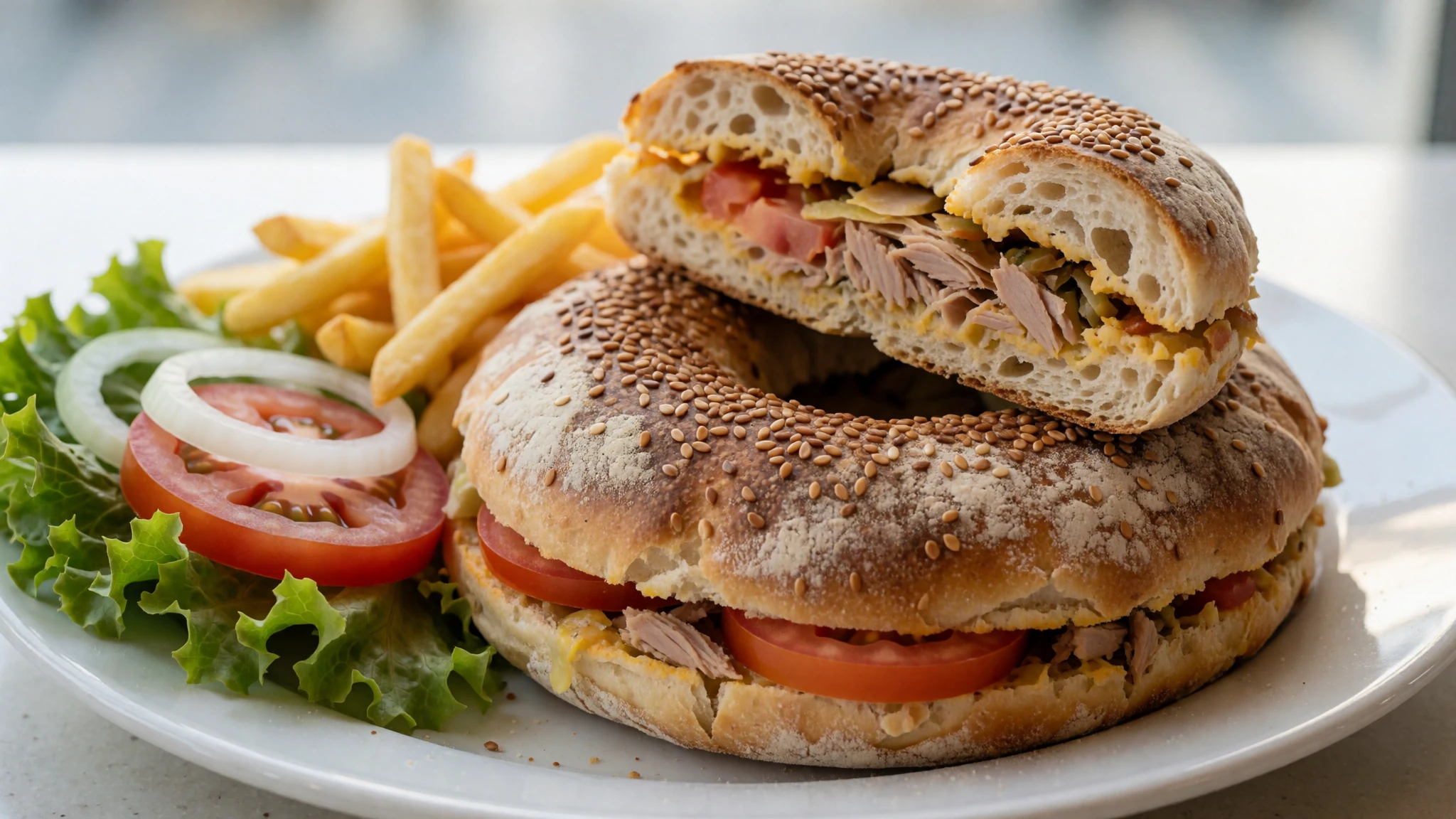
- Porchetta Sandwich — sandwich shops in the city centre
Slow-roasted pork with a crisp crackling, served in a fresh roll. The version at The Submarine is highly regarded for its quality.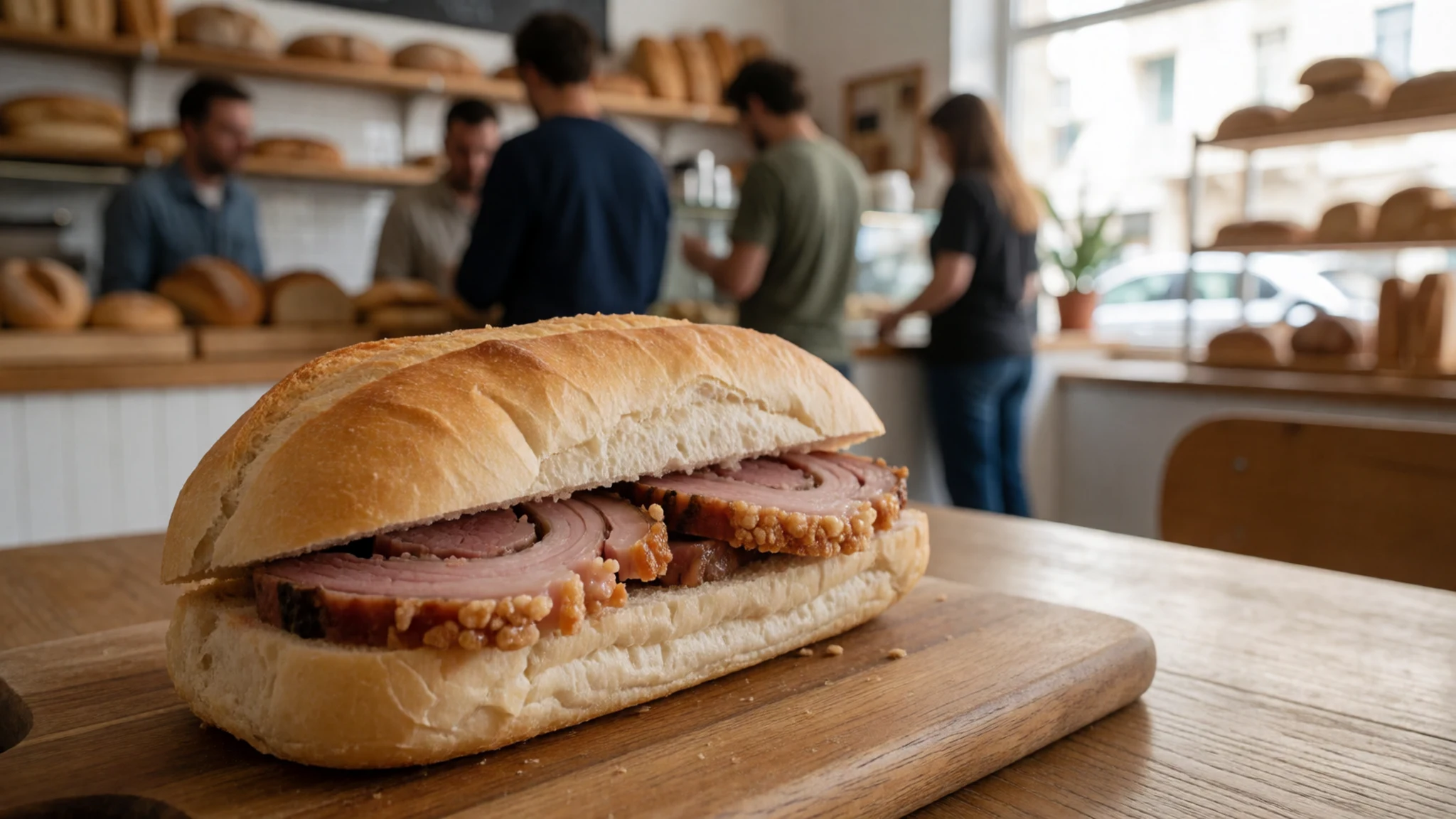
- Fresh Homemade Cakes — city cafés
Sweet treats and slices that pair perfectly with a coffee in the morning. No.43 is a great spot for these alongside fresh salads. - Wood-fired Pizza — small pizzerias near the gates
Freshly made pizzas using a traditional wood oven, offering a simple but satisfying meal. Try Old Bakery's Pizza e Pasta for this. - Traditional Maltese Breakfast — secluded city cafés
A hearty start to the day with local flavours and friendly service. Croce Bonaci Caterers provides a more secluded, authentic experience.
Plan it
Best time. April and May are ideal, with mild temperatures and little rain, avoiding the peak summer heat and the heaviest cruise crowds.
How long. 2–3
Getting there. Fly into Malta International Airport, then take a bus or taxi to the city gate; alternatively, take a ferry from Sliema across Marsamxett Harbour.
Budget. mid
Tips
- Use the ferry from Sliema for a scenic and cheap entrance to the city
- Wear very comfortable shoes for the steep, limestone slopes
- Visit the Co-Cathedral early to beat the tour groups
- Check the official site for timed tickets to the Belfry Tour
- Park your car in the Floriana multi-storey car park to avoid city traffic
Etiquette
- Dress modestly when entering churches
- Keep noise levels down in residential side streets
- Be patient with the one-way traffic system if driving
Nearby
Sources
- Wikidata Q23800 (CC0)
- Wikipedia (CC BY-SA 4.0)
- Wikivoyage (CC BY-SA 4.0)