Megalithic Temples of Malta
Megalithic Temples of Malta, Malta
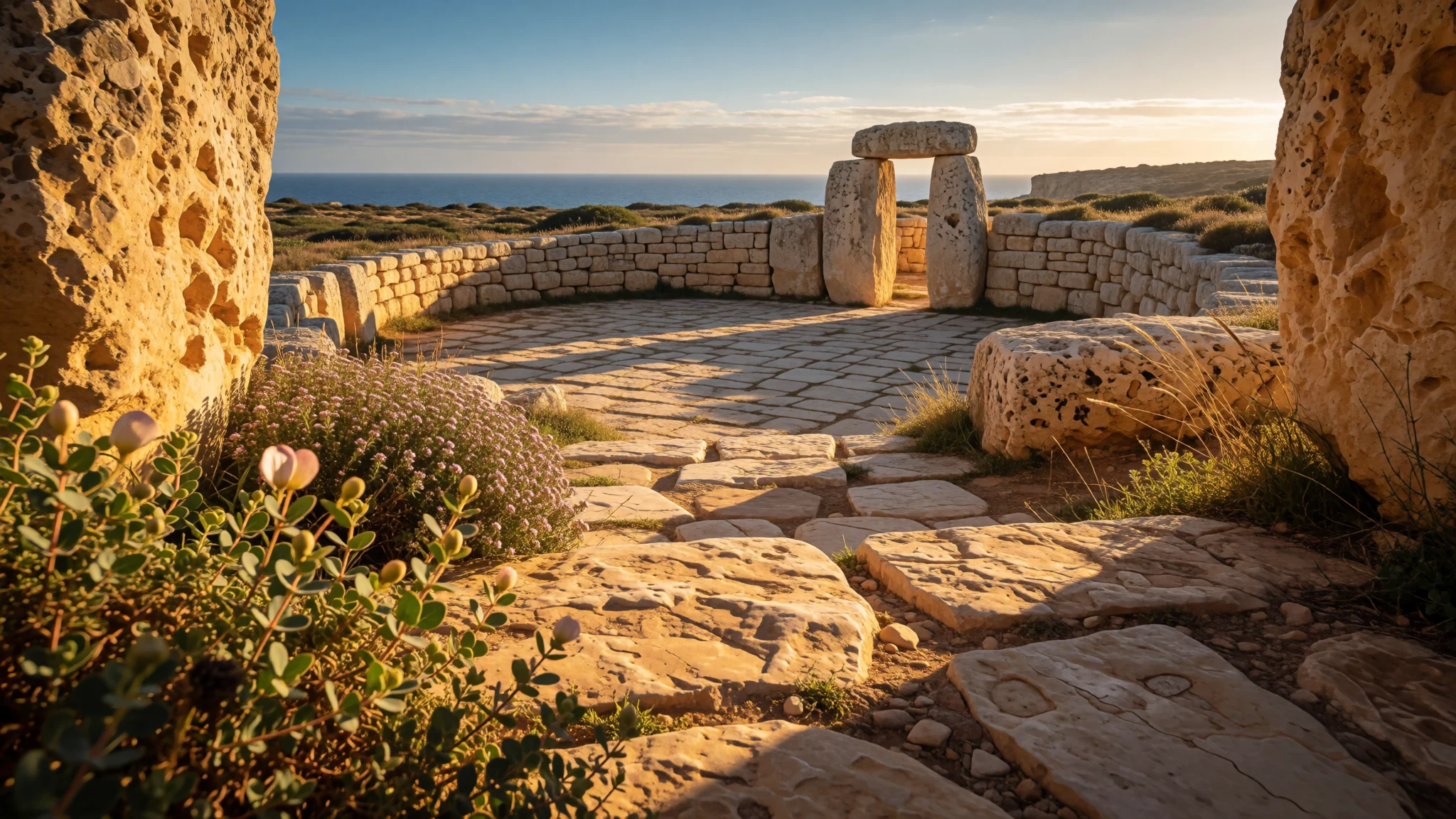
Megalithic Temples of Malta feel like stepping into deep time—stone architecture shaped by generations, then preserved for modern visitors.
The place
Megalithic Temples of Malta (Maltese: It-Tempji Megalitiċi ta' Malta) are clusters of prehistoric temples scattered across Malta, with related sites across the islands. They’re often visited as a “temple circuit”: different complexes, different settings, but the same unmistakable idea—massive, carefully placed stone forming spaces for ritual life.
What makes Malta’s temples special is how they read on foot. The structures aren’t just big rocks in fields; they have ordered plans, courtyards, and entrances that still guide the eye. The sites also sit in very Maltese landscapes—sun-warmed limestone, low vegetation, and views that shift with each approach road.
A useful way to think about the experience is by atmosphere. Some temple areas feel open and breezy, ideal for long, slow looking. Others feel more enclosed, so you notice the rhythm of doorways and the way light falls across worn stone. Modern interpretation helps, but the core impact stays physical: the weight of the blocks, the logic of the layout, and the sense that the building culture lasted long enough to refine its own methods.
These temples are managed by Heritage Malta, with ownership of the surrounding land varying from site to site. Plan for time on-site: you’ll want to pause, read the on-site explanations, and walk the paths more than once. On busy days the courtyards can feel crowded, and in warm months the sun turns stone into a heat-holder—bring water and aim for earlier hours when you can.
Its story
The story of Malta’s megalithic temples is really a story of long experimentation. Archaeologists link the complexes to local innovation: as communities learned what worked, temple design evolved rather than appearing fully formed. Evidence suggests repeated building phases over a very long span, with the overall temple-building tradition eventually ending.
Dating is part of the challenge. The temple sites themselves are “evolutionary” in feel—later construction could modify or build over earlier phases—so researchers have had to interpret layers with care. There are also cases where later peoples created their own sites on top of earlier Neolithic structures, which can blur what belongs to which period.
Work by historians and archaeologists shaped how these timelines were understood. In the late nineteenth century, Maltese archaeologist Sir Temi Żammit proposed Neolithic temples and a later phase with dates that were later questioned. Over time, more precise approaches such as radiocarbon testing helped resolve the dispute by favouring Żammit’s broader dating rather than the reduced estimates that some scholars preferred.
Within the bigger picture, the temple-building sequence is often described through named phases, culminating in large complexes associated with the Ġgantija era and later developments seen at sites like Tarxien. After that phase of building, the culture responsible for erecting these temples appears to have disappeared. What remains—stone chambers and courtyards—reads like the fossil record of a whole way of organising belief and community life.
What to see
- Central Temple, Tarxien
Central Temple at Tarxien gives a strong sense of scale and plan, with stonework arranged into meaningful interior spaces. It’s a good first stop because the layout helps you “read” the rest of the sites later.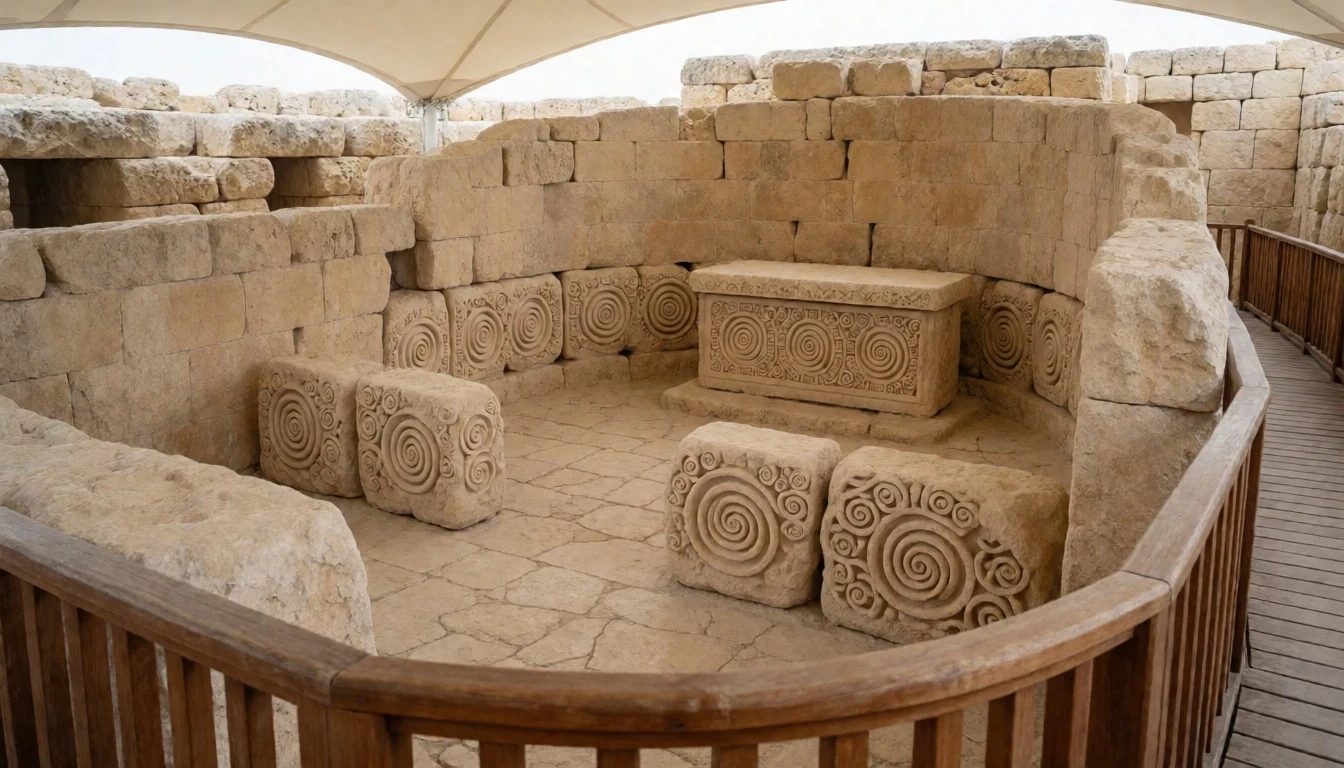
- Ġgantija Temples (Gozo)
On Gozo, Ġgantija presents an immediate silhouette of heavy megaliths and courtyards. The setting on the island feels quieter than the main island’s busier roads, so it’s easier to linger and look closely at junctions and openings.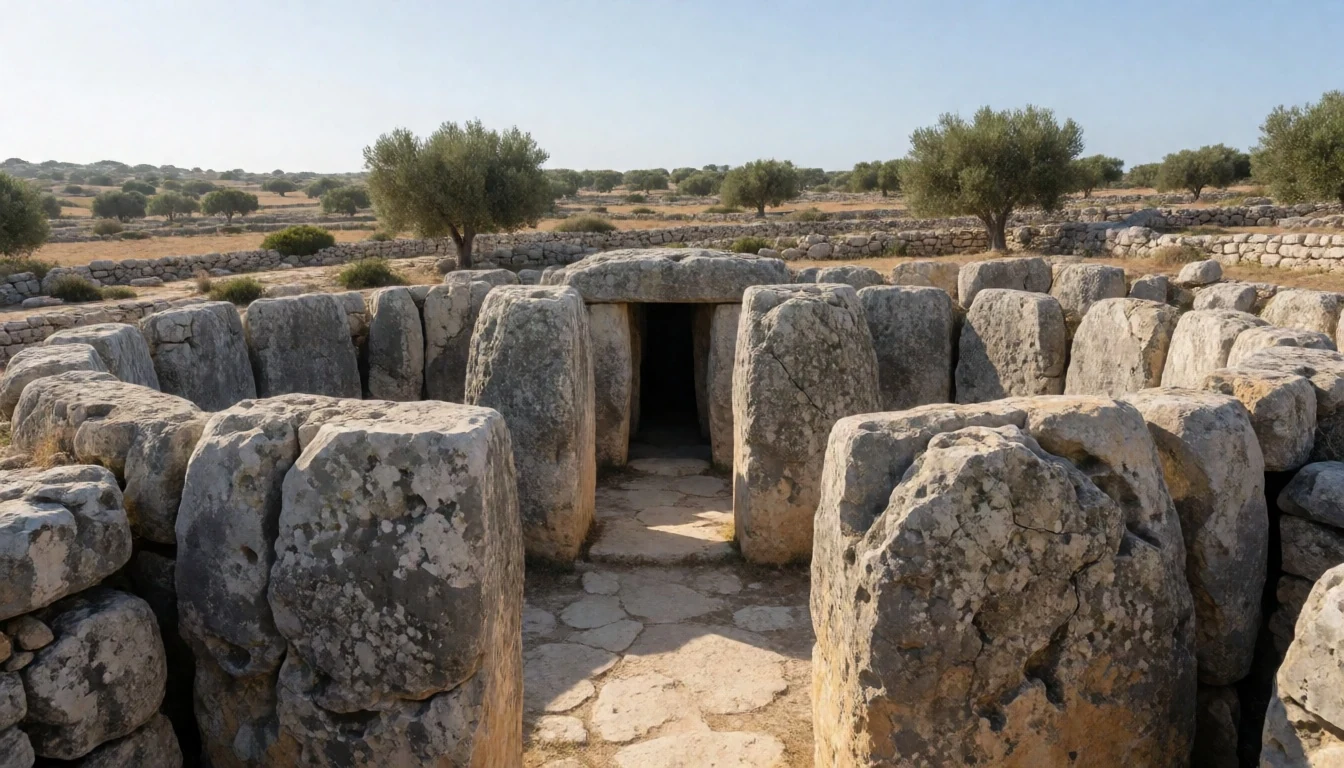
- Ħaġar Qim
Ħaġar Qim is approached through open ground where the stone stands out against the sky. Walk the main paths slowly: the way entrances frame views makes you notice how architecture and landscape were treated as one composition.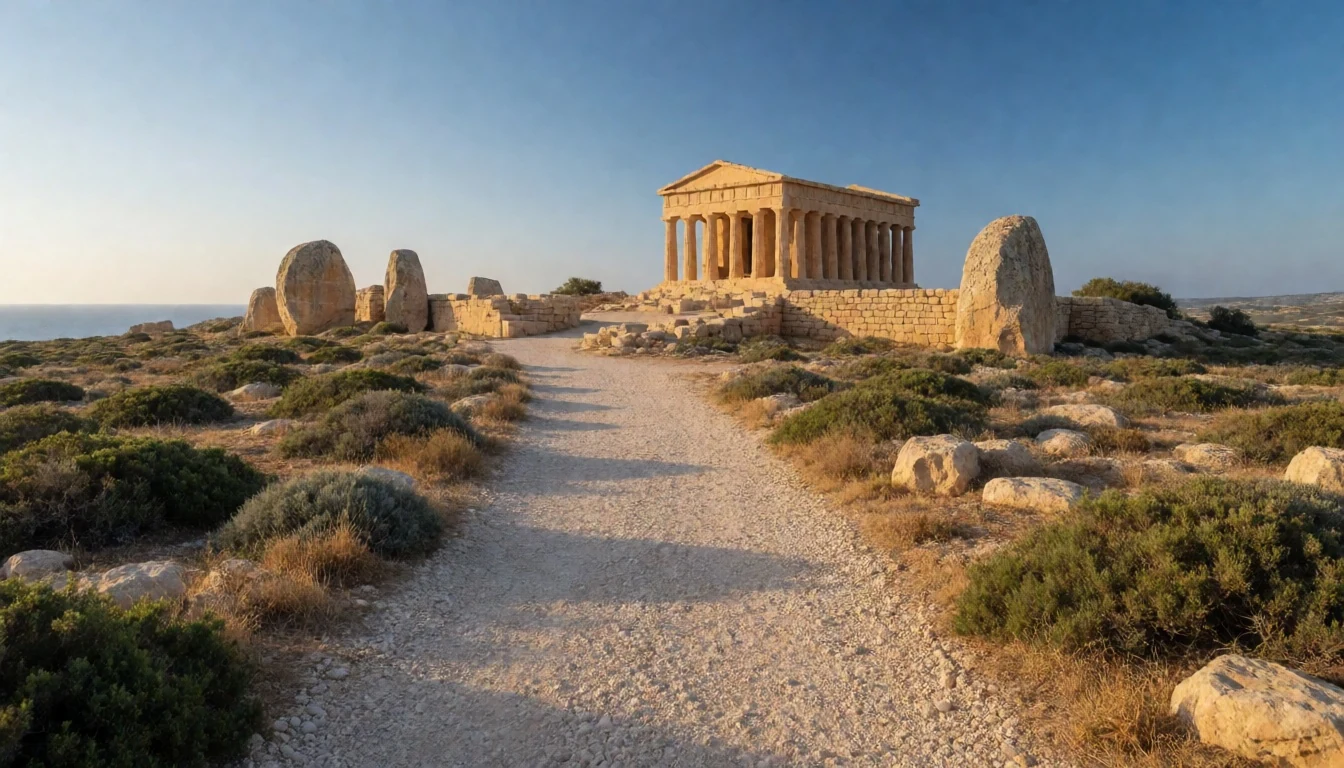
- Mnajdra Temples
Mnajdra is known for its coastal feeling, with the temples fitting into a sculpted, weathered hillside. The atmosphere is best understood on foot, moving between viewpoints to see how the stone plan sits in its environment.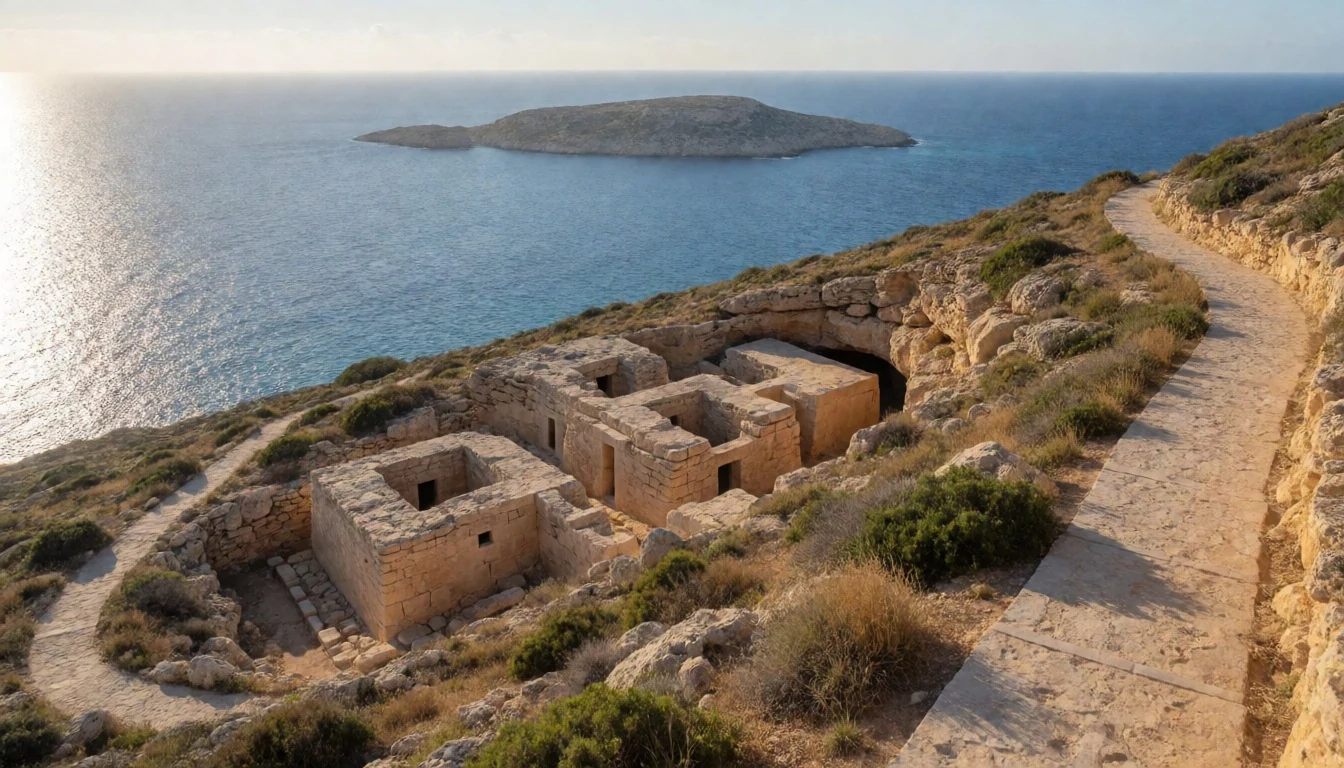
- Skorba Temple
Skorba’s temple grounds feel calmer and more compact, which can make the megaliths feel even more intimate. It’s a good choice when the larger sites feel busy, because you still get meaningful detail and quiet looking time.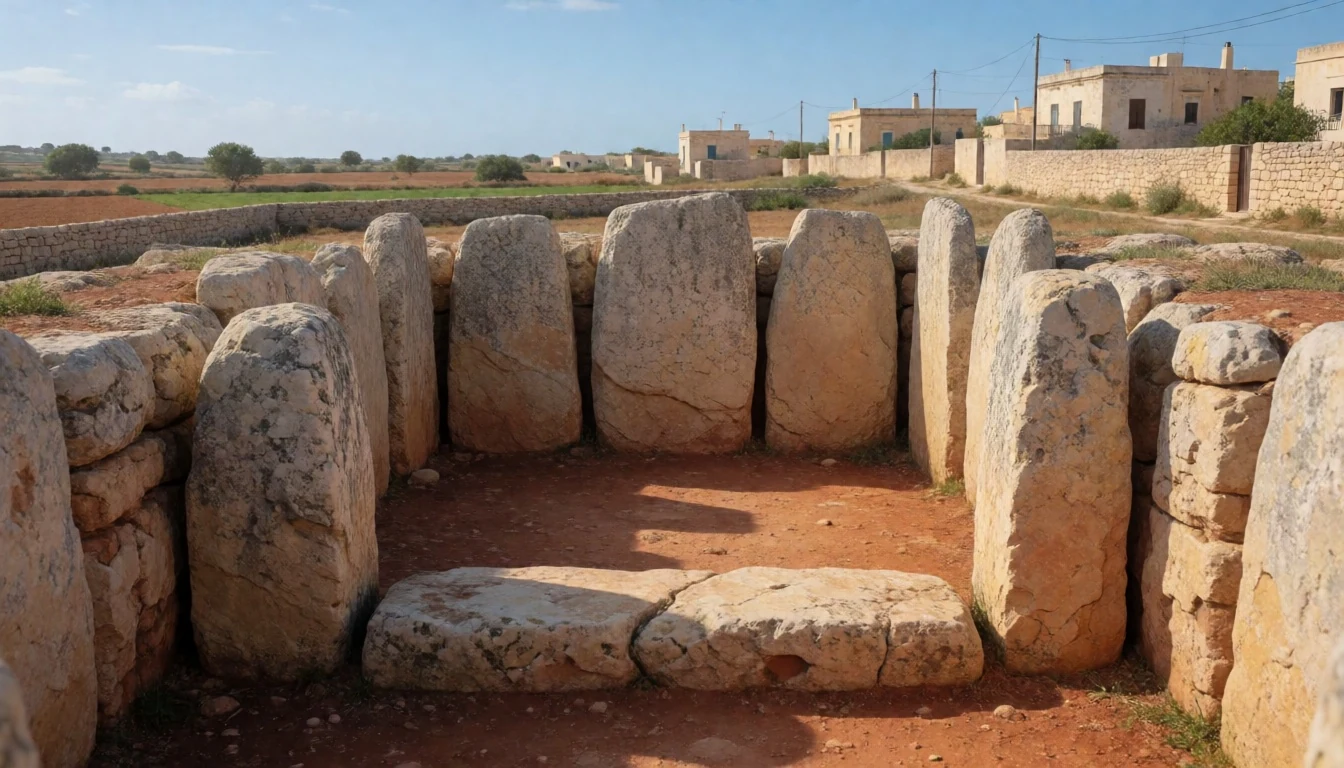
Culture
Malta’s temple sites are set in a strongly Roman Catholic country, and that shows in everyday behaviour and expectations around religious spaces. Maltese people are often friendly and helpful, but they can come across as louder than visitors from mainland Europe, so don’t read every raised voice as tension.
When visiting temples and other heritage sites, keep the tone respectful and remember that these places function as cultural and public spaces, not just photo backdrops. Dressing for comfort is practical—especially in warm months—but modesty and neat presentation help at any site with religious or ceremonial associations.
Some churches can restrict entry when a Mass has started, and that same idea of timing matters at heritage sites too: arrive promptly for a smooth visit, and don’t treat signage as optional. If a site’s paths feel narrow, queue and move calmly.
Visitor etiquette matters for how other people experience the stone—stay on marked routes, avoid blocking doorways for photos, and keep voices low in enclosed chambers. At UNESCO-designated areas, the expectation is simple: look carefully, walk thoughtfully, and don’t touch what’s meant to be preserved.
Visitor-etiquette: keep to marked paths, avoid climbing on or touching temple stones, and keep voices low in enclosed areas.
What to wear
At Megalithic Temples of Malta, the main “dress code” is about weather and practical terrain. In warmer months, limestone can feel hot underfoot, and open courtyards can catch strong sun, so lightweight breathable clothing helps. In cooler months, evenings can feel fresher, so a light layer is useful.
There isn’t a single strict traditional outfit required for visitors at the temple sites, but Malta’s everyday clothing is a mix of Mediterranean casual and, for religious spaces, more modest choices. Locals commonly wear summer-weight tops and dresses in hot weather, and people dress more conservatively when visiting churches.
For visitors, a sensible combo is comfortable walking shoes with grip (the ground can be uneven), long trousers or a knee-covering option if moving between sites with any religious context, and a top that doesn’t feel overly revealing. If you’re also planning church visits, men may need to remove hats and sunglasses and ensure shoulders and knees are covered; some churches may provide shawls or skirts for those who arrive dressed inappropriately.
Sun protection matters: bring sunglasses, a hat, and water, especially when the day is bright and your route includes several sites across the islands.
What to eat
- Pastizzi — local snack shops and market stalls
Pastizzi are small savoury pastries that you’ll see everywhere, especially around neighbourhood food stalls and everyday bakeries. They’re easy to grab during a temple day and work well as a quick snack between sites.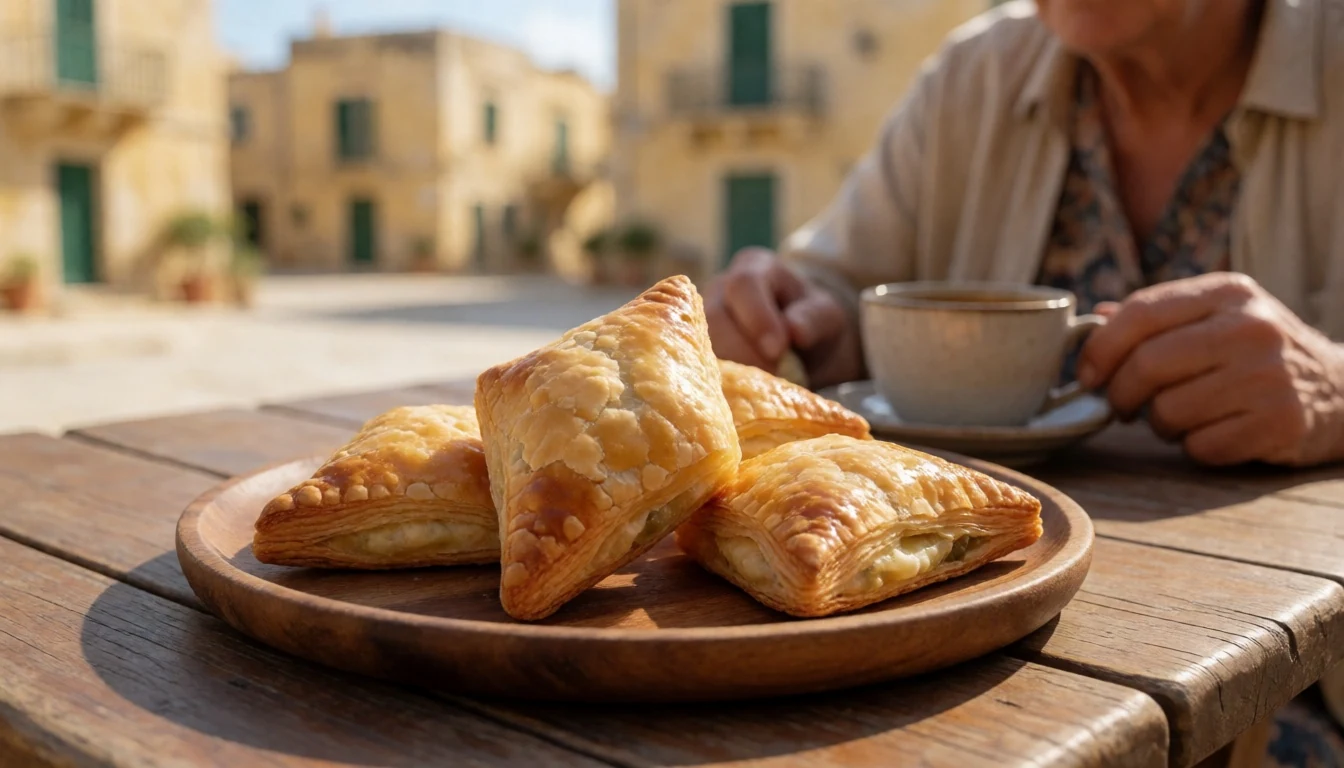
- Kinnie — shops and cafés across the islands
Kinnie is Malta’s well-known fizzy, non-alcoholic drink made from bitter orange extract. It’s a refreshing stop when walking between temples, particularly in warmer months when you want something light but not plain water.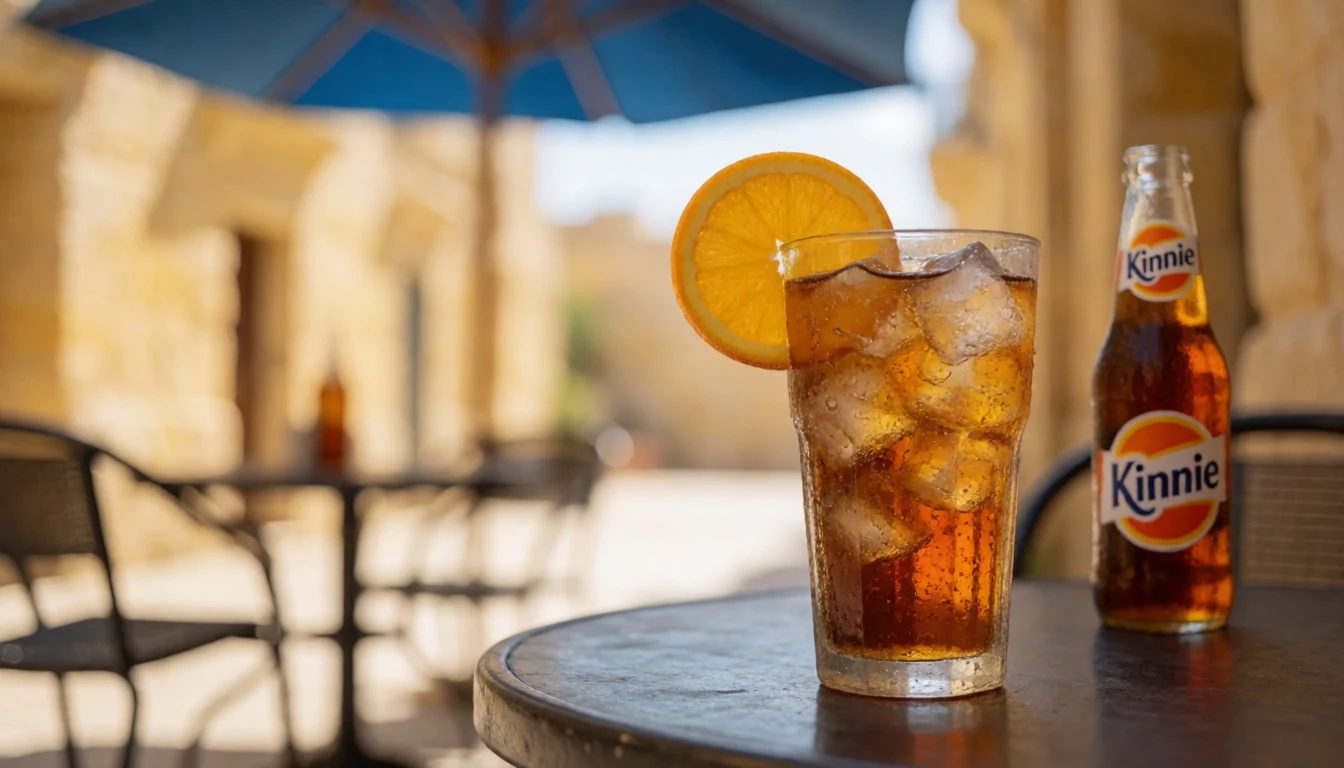
- Ċisk (local beer) — pubs and restaurants in resort towns
Ċisk is a premium lager style beer made in Malta. If you want a local drink to round off an evening after temple visits, look for it on tap or in bottles at casual bars and restaurants in main tourist areas. - Fenek (rabbit stew or fried) — restaurants that focus on Maltese cuisine
Rabbit is a Maltese speciality (fenek), often served stewed or fried depending on the kitchen. It’s the kind of dish you’re more likely to find by seeking out Maltese-leaning places rather than strictly international menus. - Fenkata (rabbit feast) — special events and local feast occasions
A fenkata is a celebratory meal built around rabbit marinated overnight in wine and bay leaves. It’s typically a set, community-style feast, so consider it if you’re travelling with friends or during a local gathering.
Plan it
Best time. March–April and October–November are comfortable for walking, with less oppressive heat than summer; December–February can feel cooler for long stone-courtyard days. June is the rainy season and August is hot and humid, which makes midday temple visits tougher.
How long. 3–4
Getting there. Fly into Malta International Airport, then arrange local transport for Malta’s sites; for Gozo, use the ferry crossing and connect to the Ġgantija area by local road. Build in time for the crossing rather than treating it like an add-on.
Budget. mid
Tips
- Start early to beat crowds and reduce time in strong midday sun.
- Group sites geographically (and separate Gozo for a dedicated day) to avoid wasting time on transfers.
- Carry water and a light layer; stone courtyards can feel much hotter than the surrounding streets in summer.
- For any time-sensitive visits or church-linked stops nearby, arrive early and check onsite guidance.
Etiquette
- Stay on marked paths and do not climb on or touch temple stones.
- Keep voices low in enclosed chambers and avoid blocking entrances during photos.
- If a site is connected to religious activity nearby, be punctual—entry may be restricted when services start.
Nearby
Sources
- Wikidata Q753383 (CC0)
- Wikipedia (rev 1374148370) (CC BY-SA 4.0)
- Wikivoyage (rev 5342385) (CC BY-SA 4.0)
- Photo photos/01-central-temple-tarxien-ta17.png (CC BY-SA 4.0)
- Photo photos/02-ggantija-temples-xaghra-gozo.jpg (CC BY-SA 4.0)
- Photo photos/03-skorba1.jpg (CC BY 3.0)
- Photo photos/04-malta-hal-tarxien-bw-2011-10-04-12-42-32.jpg (CC BY 3.0)
- Photo photos/05-temple-layout.png (CC BY-SA 4.0)
- Photo photos/06-gantija-2014-003.jpg (CC BY-SA 4.0)
- Photo photos/07-ta-hagrat2.jpg (CC BY 3.0)
- Photo photos/08-sudika-mgarr-skorba-temple.jpg (CC BY 3.0)


