Mdina
Mdina, Malta
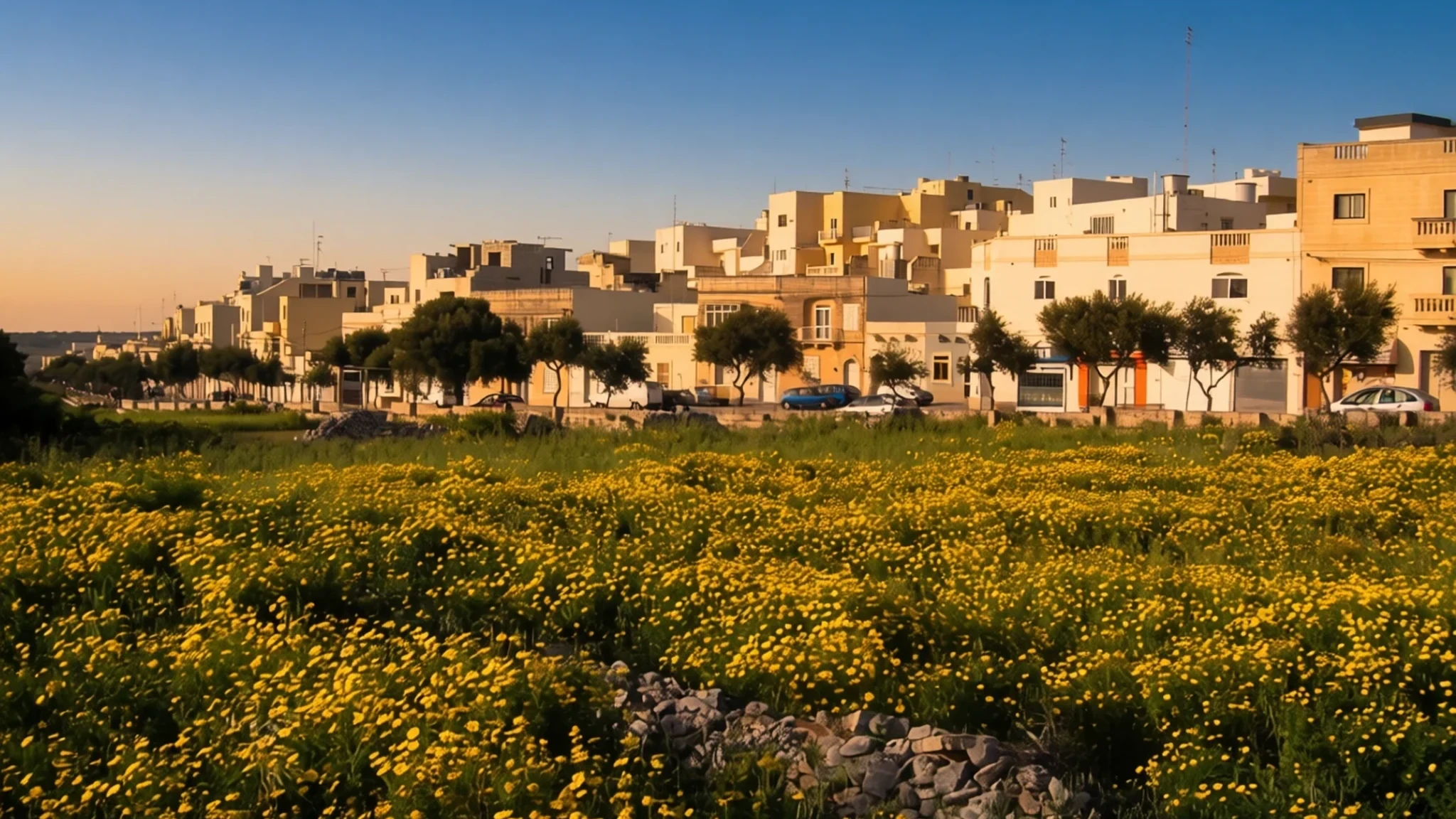
Step through ancient golden stone gates into a silent medieval citadel that once ruled the island from its hilltop perch.
The place
Mdina rests quietly upon a high plateau in the Western Region of Malta, holding fast to its character as a fortified island citadel. Often called the Silent City or remembered by its historical Italian epithets Città Vecchia and Città Notabile, the settlement occupies a natural redoubt that has remained bounded by its ancient stone perimeter walls. Visitors stepping past the grand entrance gate find a labyrinth of narrow, honey-coloured limestone alleys flanked by heavy timber doors, aristocratic palazzi, and quiet convent courtyards. Despite its rich administrative heritage, the municipality is remarkably intimate, supporting a tiny resident population that preserves an atmosphere of profound stillness, particularly after day visitors depart. Perched at an elevation of two hundred metres, the ramparts grant sweeping vistas across the terraced fields and rolling valleys of the Maltese countryside stretching toward the coast. Motor traffic is heavily restricted inside the perimeter, meaning that wandering the winding lanes is exclusively an unhurried, pedestrian experience where the loudest sound is typically the echo of footsteps on ancient paving slabs. At night, traditional iron street lanterns cast a warm amber glow over the Baroque facades, heightening the timeless feel of a place largely untouched by modern urban sprawl. It stands as an architectural time capsule, preserving centuries of layered fortifications, ecclesiastical grandeur, and noble residences within a compact footprint that can be explored entirely on foot.
Its story
Mdina has a remarkably deep history rooted in the natural defensibility of its elevated plateau, which attracted inhabitants as early as prehistory and served as a Bronze Age refuge. During the eighth century BC, Phoenician traders established a colony here named Ann, which likely functioned as the island's capital. When the Roman Republic acquired the territory during the Punic Wars in the second century BC, they renamed the settlement Melita after the ancient name for the island. The classical Greco-Roman city was expansive, stretching far beyond the limits of the modern citadel into what is now the neighbouring town of Rabat. Following the fall of the Western Roman Empire and subsequent periods of Byzantine and Arab rule, the settlement underwent a drastic retrenchment. A defensive wall was constructed across the middle of the old city, reducing its footprint to its present size. Following a severe ninth-century massacre, the area lay largely deserted until it was refounded in the eleventh century as Madīnah. Throughout the medieval period under Norman, Aragonese, and Spanish rule, Mdina remained the proud administrative capital of Malta, housing the island's noble families and governing council. This era of supremacy ended when the Order of St. John arrived and chose to establish their administrative seat closer to the harbours at Birgu, leaving Mdina to retain its aristocratic independence and quiet dignity away from the bustling maritime trade routes.
What to see
- St Paul's Cathedral — Pjazza San Pawl
Dominating the central square, this magnificent religious structure was designed by architect Lorenzo Gafà in the grand Baroque style after a devastating earthquake shattered the original twelfth-century Norman building. A single admission ticket grants entry to both the sacred interior, with its ornate ceiling paintings and marble floor tombs, and the adjoining museum.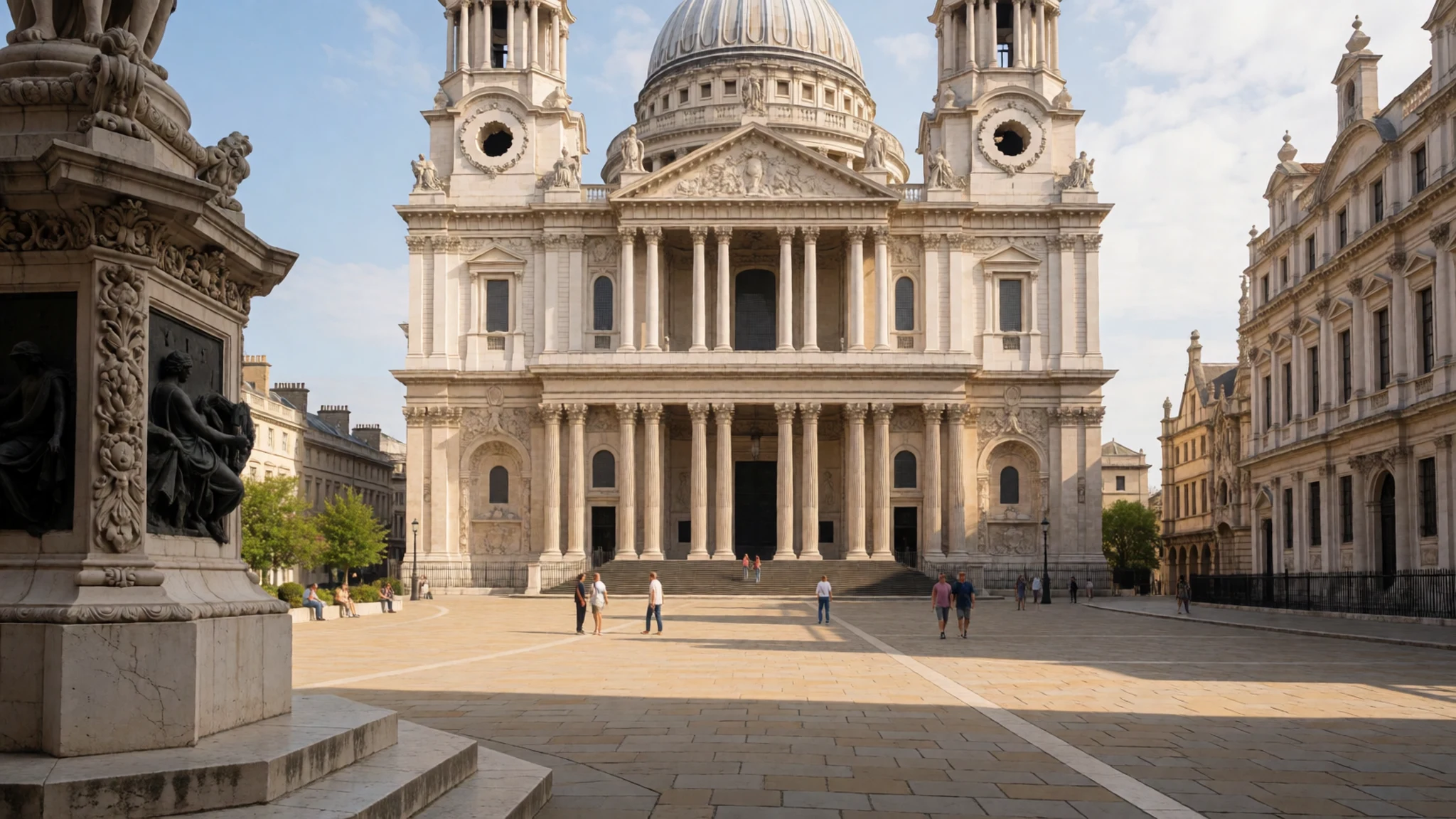
- Cathedral Museum — Pjazza San Pawl
Tucked away near the main square, this quaint cultural institution occupies a grand building and houses a diverse assortment of intimate collections. Visitors can examine historic religious vestments, fine ecclesiastical silver, illuminated manuscripts, and an impressive gallery featuring woodcuts and engravings by European masters including Albrecht Dürer.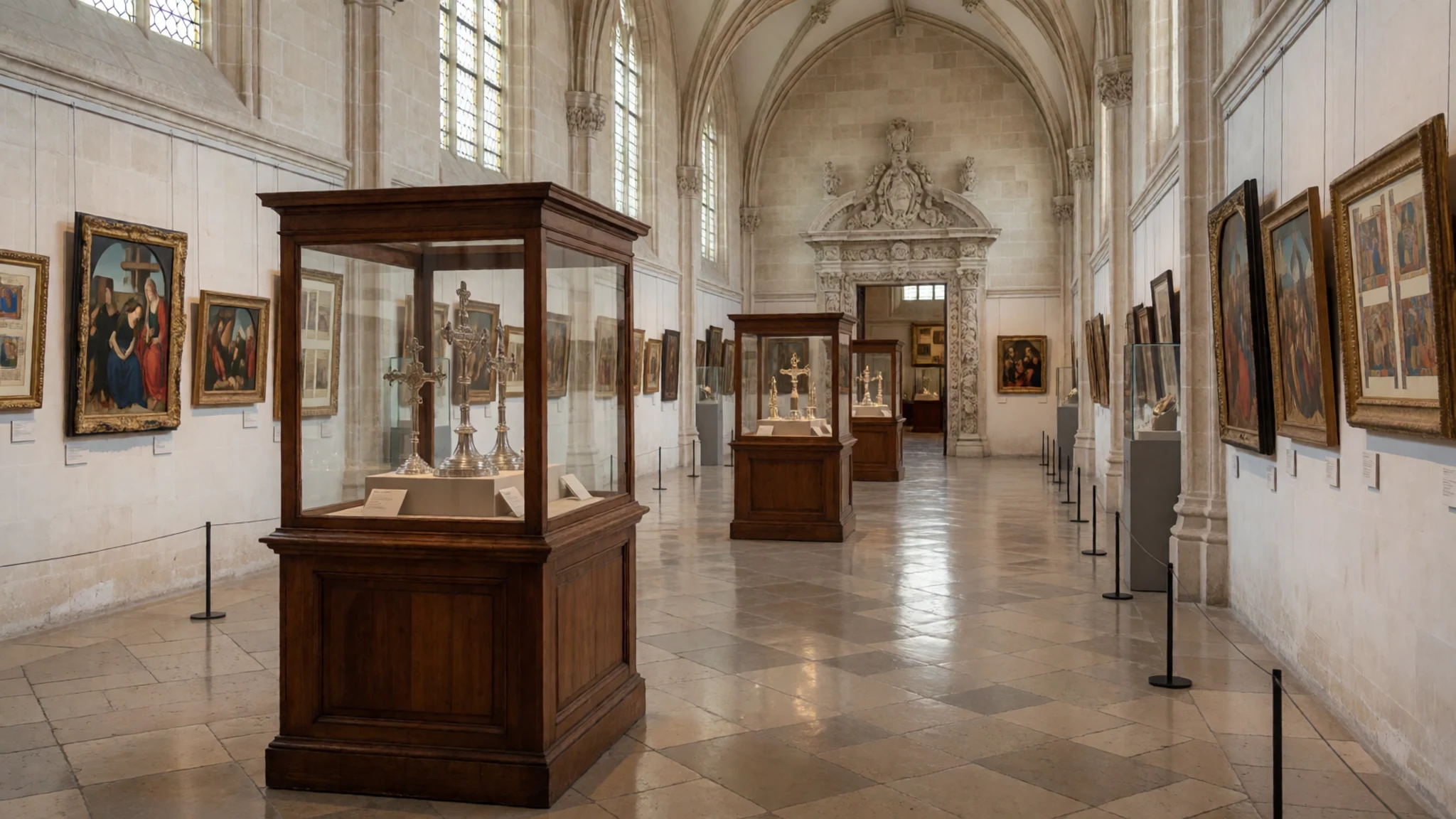
- National Museum of Natural History — Vilhena Palace
Housed within an eighteenth-century palace crafted in the sophisticated Parisian Baroque architectural style, this institution explores the natural sciences of the Maltese archipelago. The extensive exhibition halls feature comprehensive displays dedicated to local geology, palaeontology, marine fauna, insects, exotic mammals, and regional bird species set within historic state rooms.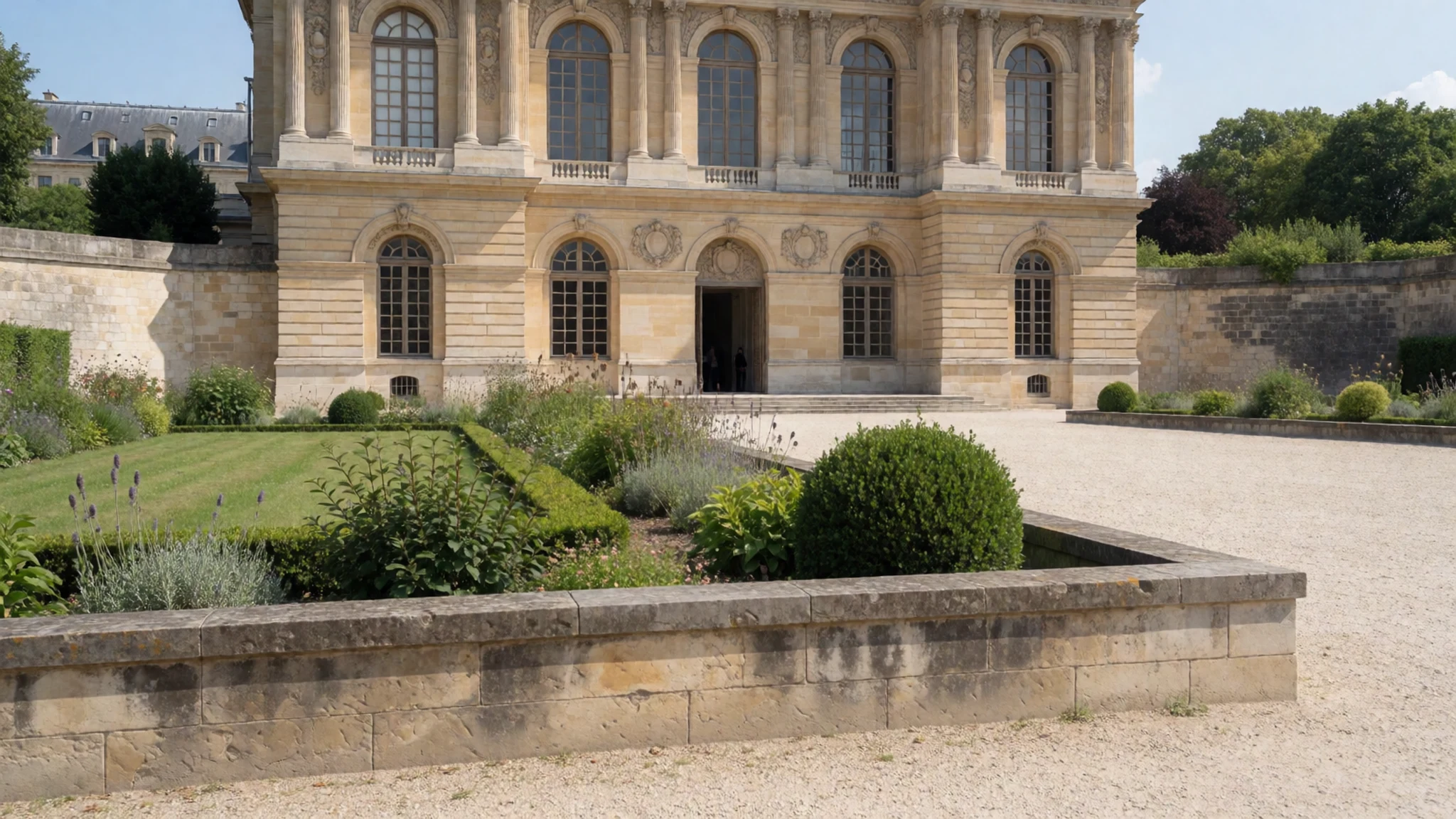
- Medieval Museum — Magistral Palace
Located inside a historic defensive bastion, this atmospheric exhibition space brings the turbulent middle ages of the Maltese islands to life. Through detailed tableaux, authentic weaponry, and suits of armour, visitors gain insight into the garrison life, feudal conflicts, and noble families who once governed the fortified settlement from behind these massive stone ramparts.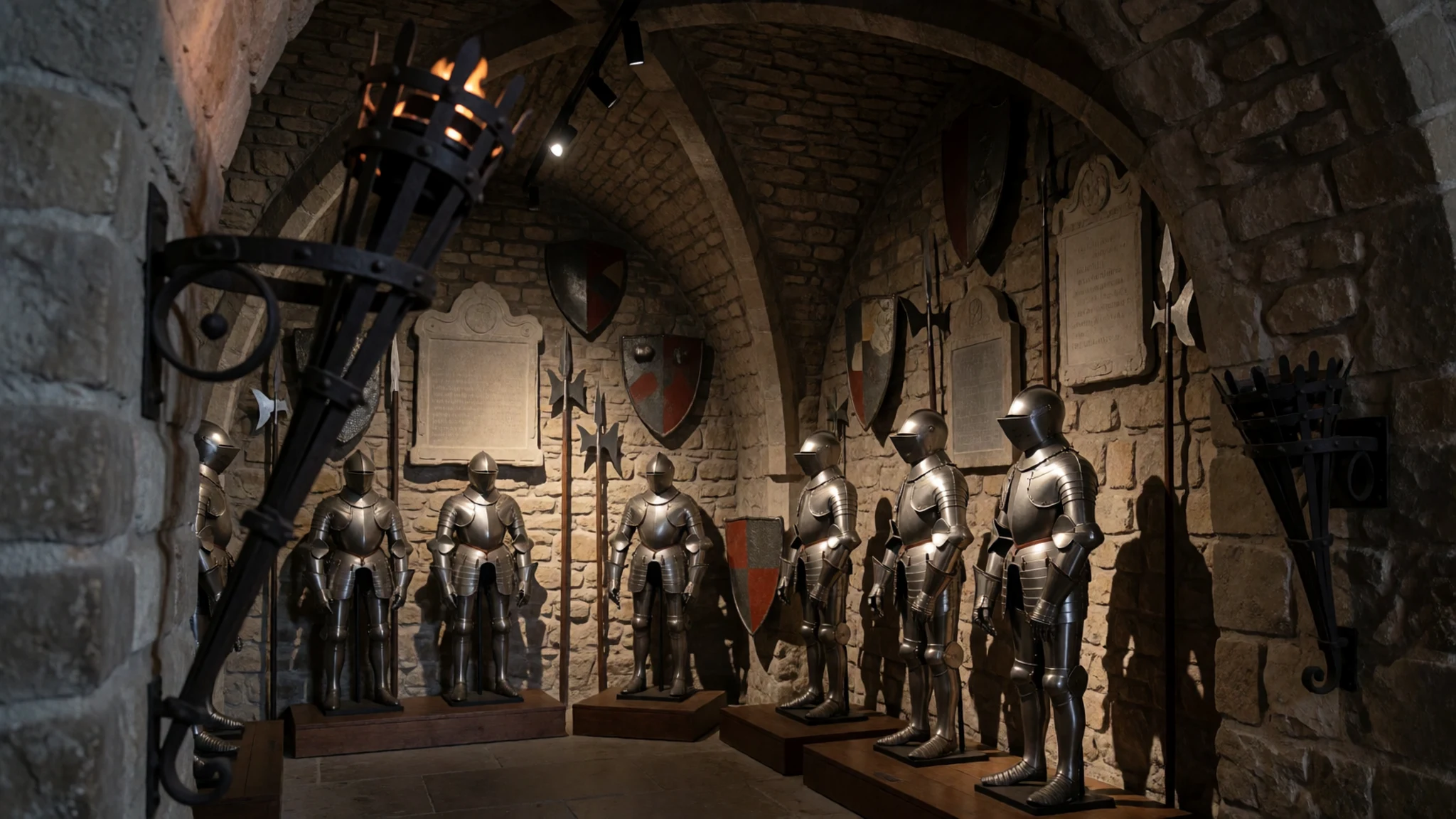
- St Peter's Monastery Museum — Monastery Courtyard
Operated within the contemplative enclosures of an active Benedictine monastery, this specialized cultural space offers a rare glimpse into centuries of monastic life. The collection highlights sacred art, antique furnishings, and intricate needlework created by generations of cloistered nuns who have maintained a continuous presence on this holy site.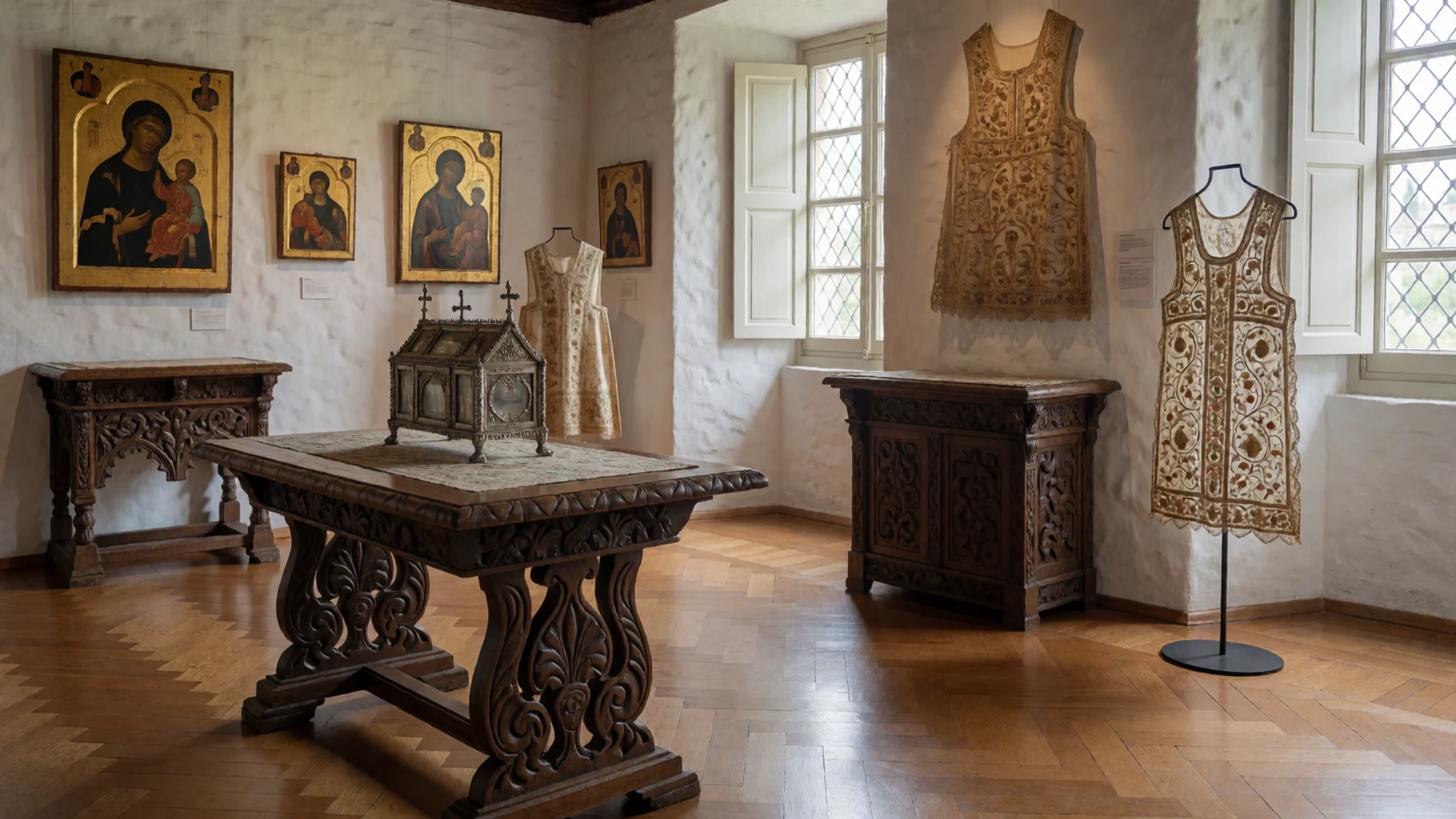
- The Knights of Malta — Bastion Street
Positioned just inside the defensive battlements, this immersive visitor attraction details the origins and heritage of the Sovereign Military Hospitaller Order of St. John. Guests walk through a sequence of dramatic life-size tableaux accompanied by a multi-lingual audio-visual presentation illustrating the military campaigns and charitable works of the crusading knights.
Culture
Mdina holds a profound place in the cultural memory of Malta, serving as a living monument to the island's aristocratic lineage and deep Catholic faith. The local community is fiercely proud of the citadel's heritage, maintaining a quiet, reverent atmosphere that distinguishes the settlement from the lively coastal towns. Traditional feasts, solemn religious processions, and local celebrations still follow ancient liturgical calendars, bringing solemn music and candlelit crowds to the limestone squares. Visitors will notice an overarching emphasis on decorum and respect, particularly near the active monastic houses and within sacred spaces where tradition is strictly observed. Because residents value their peace and privacy within the narrow lanes, keeping voices subdued and respecting residential doorways is customary. When entering churches or religious sites in Mdina, ensure your shoulders and knees are covered as a sign of respect.
What to wear
Traditional Maltese attire historically reflected a blend of rural practicality and Mediterranean influences, famously exemplified by the ghonnella—a distinctive black silk hood and cloak worn by women for centuries to provide modesty and shelter from the elements. While traditional dress is now reserved entirely for historical pageants and cultural festivals, everyday modern fashion in Mdina mirrors contemporary European trends, with residents favouring neat, practical clothing suited to the shifting climate. Visitors should dress comfortably for walking on uneven medieval stone paving, opting for sturdy flat footwear rather than heels or sandals with thin soles. Because the citadel experiences intense sunshine during the warmer months, lightweight, breathable fabrics such as cotton and linen are essential, alongside sun hats and sunglasses. Layering is advisable during cooler winter days when winds sweep across the high plateau. When visiting religious buildings like St Paul's Cathedral, both men and women must wear modest clothing that covers the shoulders and knees.
What to eat
- Bacchus — Roman vaults beneath the city walls
Set within authentic Roman vaults located directly under the front of the city walls, this atmospheric eatery serves a refined menu of Mediterranean dishes inside historic stone chambers carved centuries ago.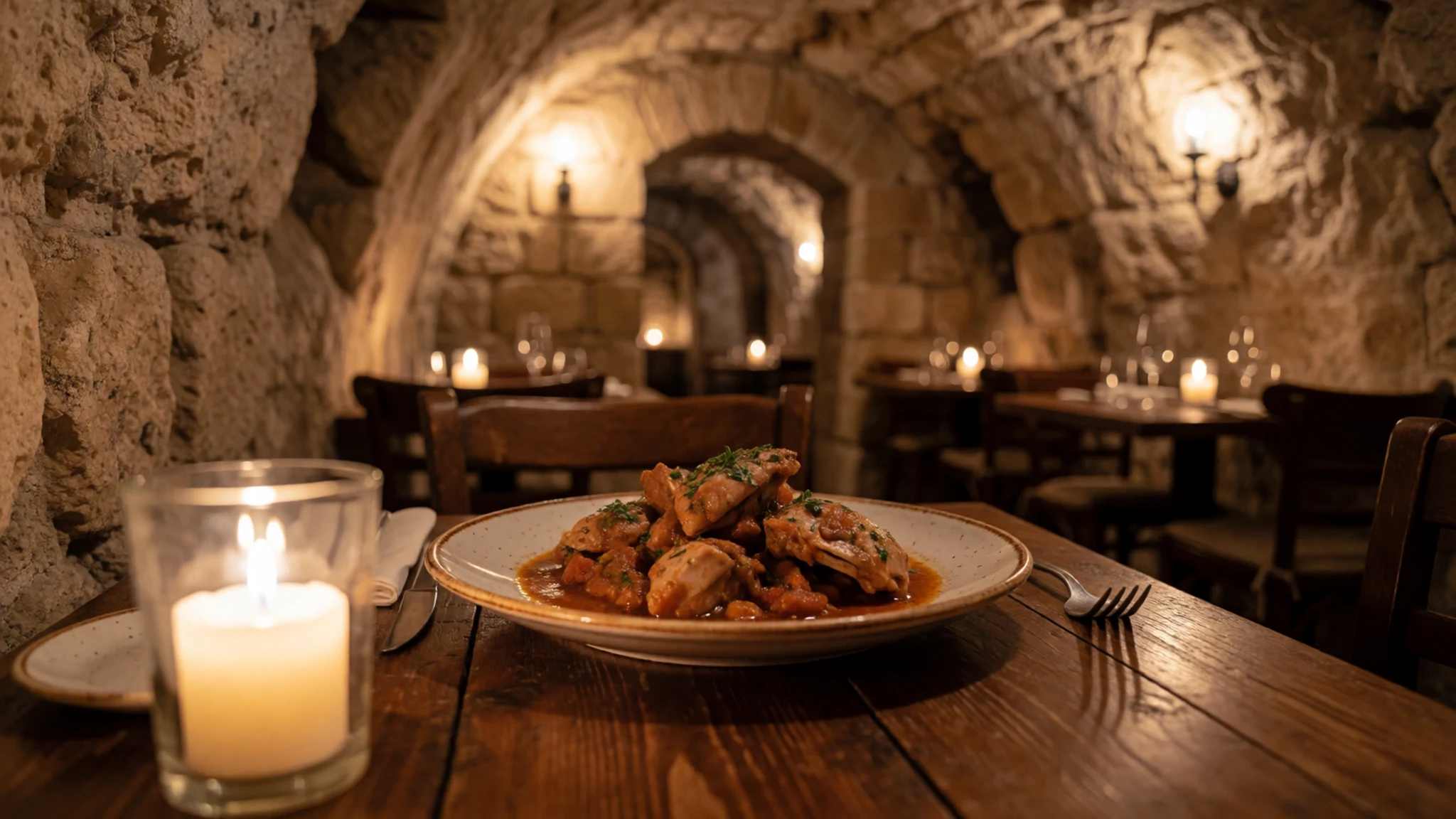
- Ciappetti — Inner residential lanes
Housed in a charming historic townhouse featuring rustic stone interiors and a quiet interior courtyard, this restaurant specializes in authentic local recipes crafted from seasonal Mediterranean ingredients.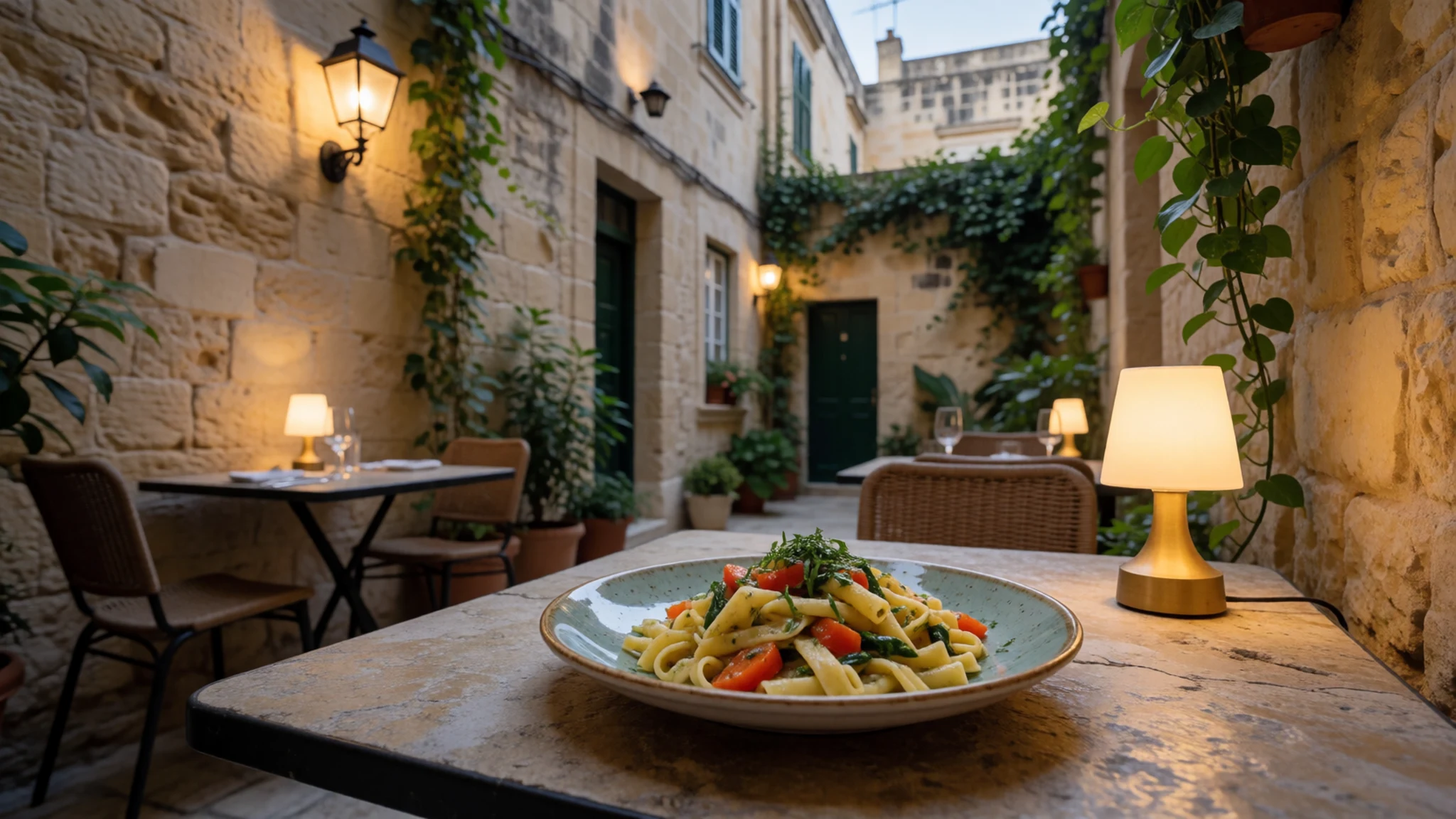
- Coogi’s Pizzeria @ Palazzo Costanzo — Palazzo Costanzo
Located inside a magnificent historical palazzo, this family-friendly establishment offers an extensive menu of Italian pizzas, burgers, and occasional Maltese specialities, complete with dietary-inclusive allergen options. - Fontanella Tea Garden — Bastion rampart terrace
Perched directly on top of the high city fortification walls, this legendary spot is celebrated for its panoramic valley views and exceptionally decadent homemade cakes, pastries, and afternoon tea.
Plan it
Best time. March to April for pleasant spring warmth and wildflowers, or October to November for mild weather away from the heavy summer heat.
How long. 1–2
Getting there. Regular public buses connect the capital and coastal hubs directly to the citadel gates; check local transport schedules for the most up-to-date routes.
Budget. mid
Tips
- Arrive early in the morning before day-tripper crowds fill the narrow alleys
- Wear flat, sturdy shoes to navigate the slippery medieval limestone paving
- Carry a light sweater or jacket, as winds on the elevated plateau can feel cool
- Respect the residential quiet by keeping noise levels low in the narrow streets
Etiquette
- Cover your shoulders and knees before entering churches or monastic sites
- Ask permission before photographing local residents in the private residential lanes
Nearby
Sources
- Wikidata Q207277 (CC0)
- Wikipedia (CC BY-SA 4.0)
- Wikivoyage (CC BY-SA 4.0)