Comino
Comino, Malta
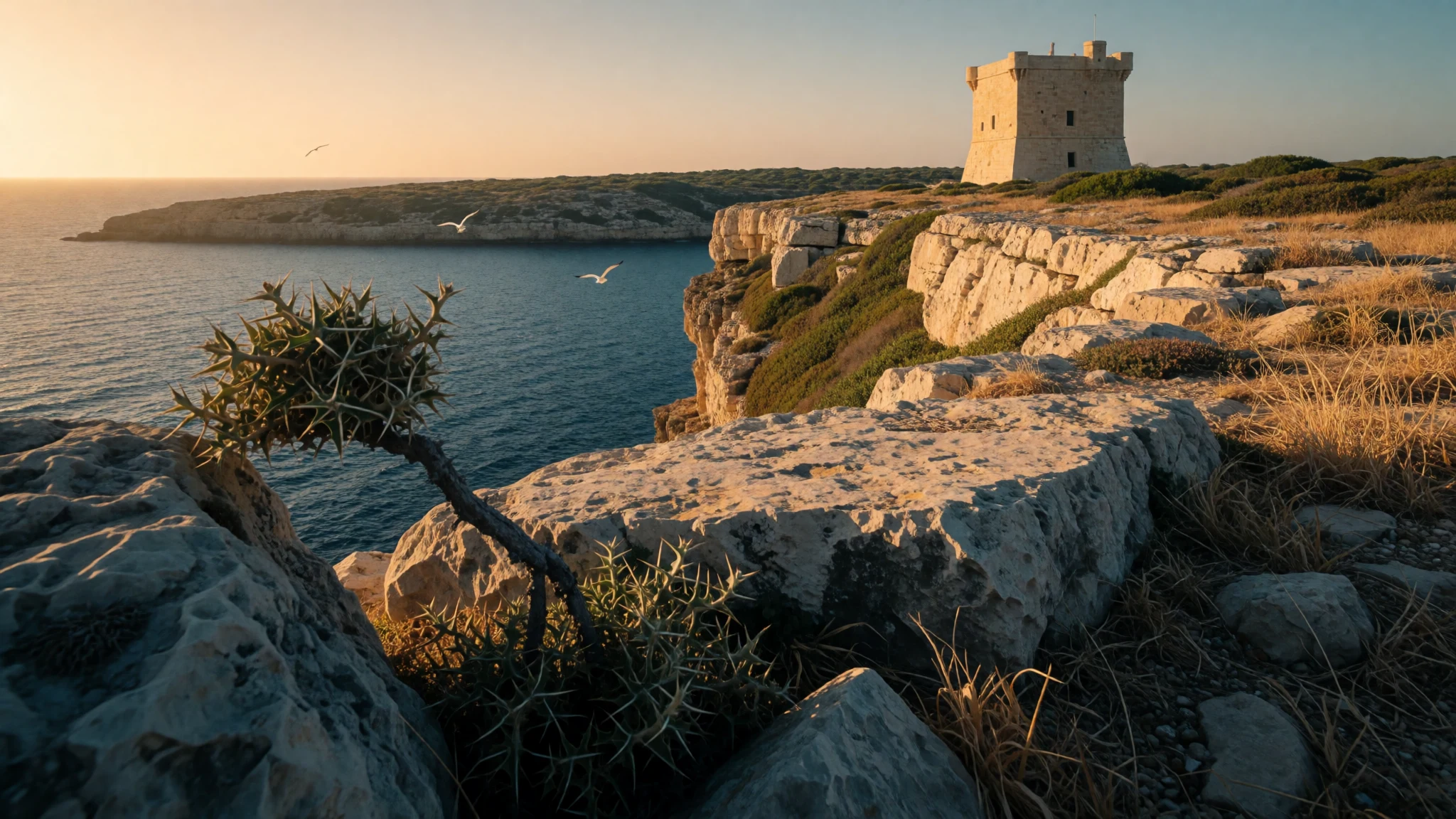
Comino is a bare, windswept islet where a sandy-bottomed turquoise lagoon, a Knights' tower and clear dive water sit a short boat ride from Malta and Gozo.
The place
Comino (Kemmuna in Maltese) is a small, mostly bare limestone island in the channel between Malta and Gozo, and it takes its name from the cumin plant. Official records give it a population of 3, and it belongs to the Gozitan municipality of Għajnsielem. The land rises to about 75 m, but nothing about it feels mountainous: it is low, scrubby and wind-scoured, with cliffs on the exposed side and a few sandy coves on the sheltered one. It is a bird sanctuary and a Natura 2000 marine protected area, which is why it has rough tracks rather than roads. Buildings are few: a clifftop tower built by the Knights, a chapel, a police station, a former quarantine station that locals now use as housing, one resort with its bungalows, and a campsite. Almost every visitor comes for the Blue Lagoon, the water between Comino and the islet of Cominotto, where a pale sandy floor turns the sea a vivid cyan. That draw is also the problem. On summer days tour boats arrive in numbers, loungers and umbrellas claim the sand early in the morning, and unlicensed kiosks have been a source of dispute. The quieter Comino shows itself away from the lagoon: tracks to the tower, the bays of Santa Maria and St Nicholas, and rocky ledges where the water is deep and clear. The island rewards an early start or a late-afternoon arrival far more than a midday one, and summer heat, with very little shade, decides how comfortable the day is.
Its story
Comino has been more of a stopover than a settlement for most of its past. The ancient Greeks knew it as Ephaestia, and farmers worked it in Roman times, yet long stretches followed when it was empty, privately owned or simply left alone. Its limestone cliffs hide deep caves, and in the Middle Ages these sheltered pirates and raiders who waited for boats crossing between Malta and Gozo. Around 1285 the Jewish mystic Abraham Abulafia arrived in exile and stayed some years, writing works that include the Sefer ha-Ot. Later the Knights of St John treated the island as a private hunting reserve. They guarded the wild boar and hares so strictly that a convicted poacher could face three years as a galley slave. The Knights also built St Mary's Tower in the 17th century, and used the island to confine unruly members, some of whom were posted to the tower as a lonely punishment. Under the French, existing buildings served as an isolation hospital and a holding place for prisoners. The British later set up a leprosy colony, chosen for its remoteness, and that building now houses the people who live on the island. In March 1889 the battleship HMS Sultan struck an unmapped rock in the channel, flooded slowly and sank in a gale, though a salvage firm refloated her by August. In the 1920s the colonial government leased Comino to the Zammit Cutajar family, who ran it as the Comino Farming Company.
What to see
- St Mary's Tower — Comino, southern clifftop
St Mary's Tower stands on a clifftop and looks like a mid-sized fortress from a distance, then turns out to be quite compact once reached. The Knights of St John built it to guard the island, and it now serves as a lookout and staging post for the Armed Forces of Malta. The outlook over the channel and across to Gozo is the real reward, and the walk up is exposed, so carry water.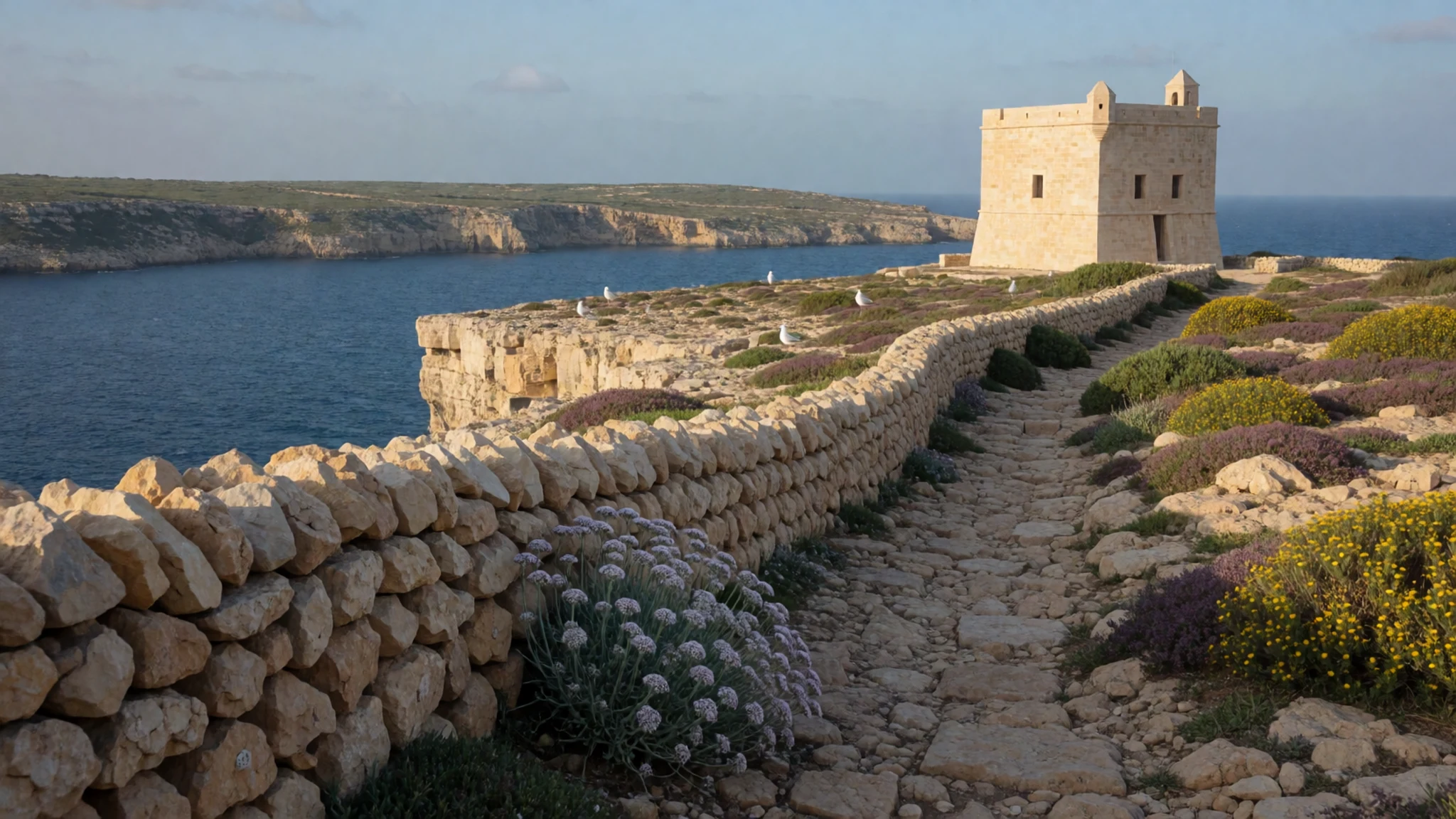
- Blue Lagoon — Comino, north-west coast
The Blue Lagoon is the channel of shallow water between Comino and Cominotto, where a pale sandy floor makes the sea glow turquoise. It is the reason most visitors come and the reason the island feels crowded in summer. Swimming and snorkelling are excellent, but boats arrive in numbers and loungers appear early, so the calm hours are first thing or late afternoon.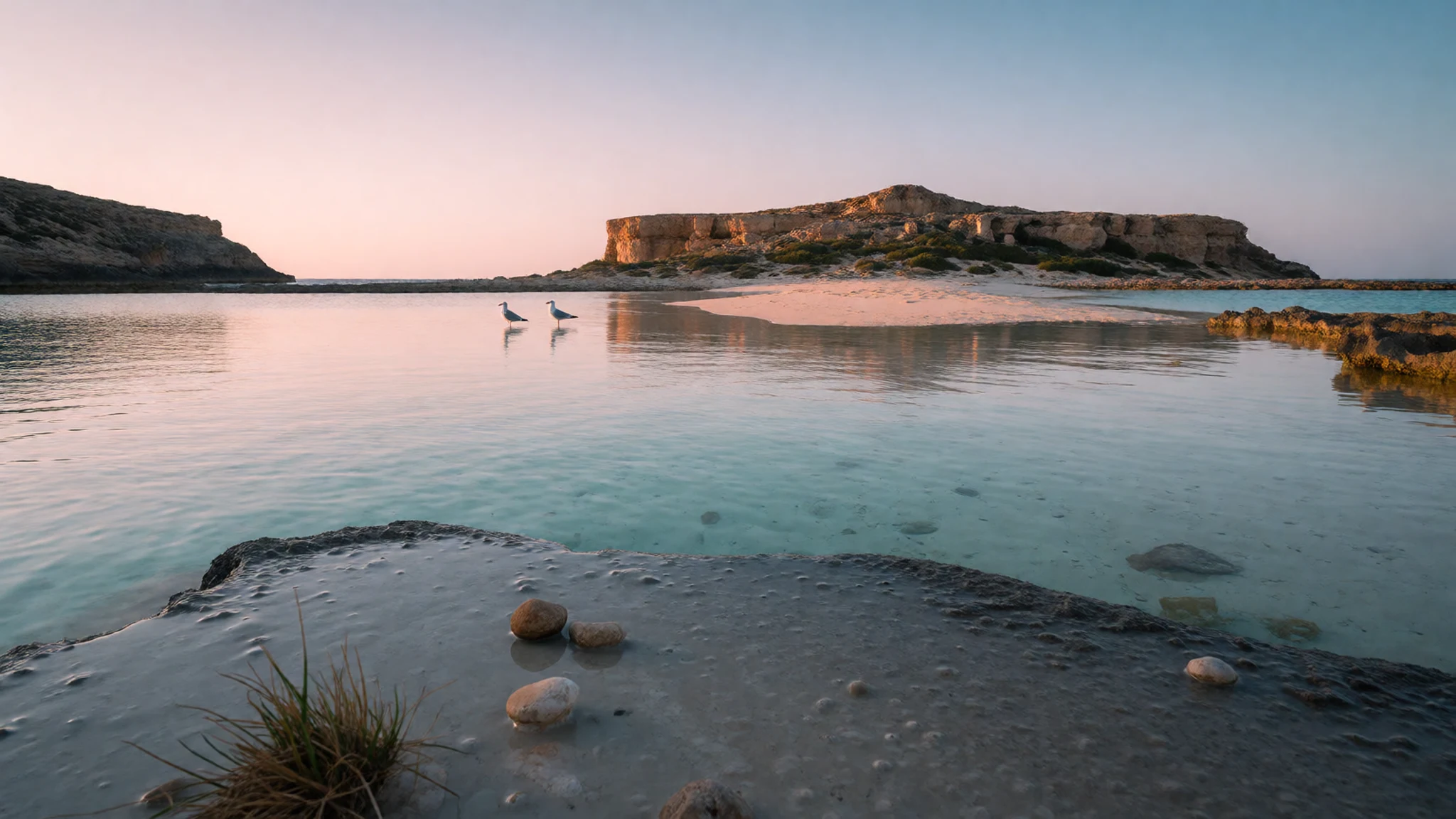
- Crystal Lagoon — Comino, coast away from the Blue Lagoon
The Crystal Lagoon on Comino is the less visited neighbour, with emerald-green water that is nearly as striking as the Blue Lagoon. Cliffs surround it, so there is little chance to swim straight from the shore. It suits a slow look from the edge and a photograph, and makes a calmer stop for anyone avoiding the main lagoon crowds.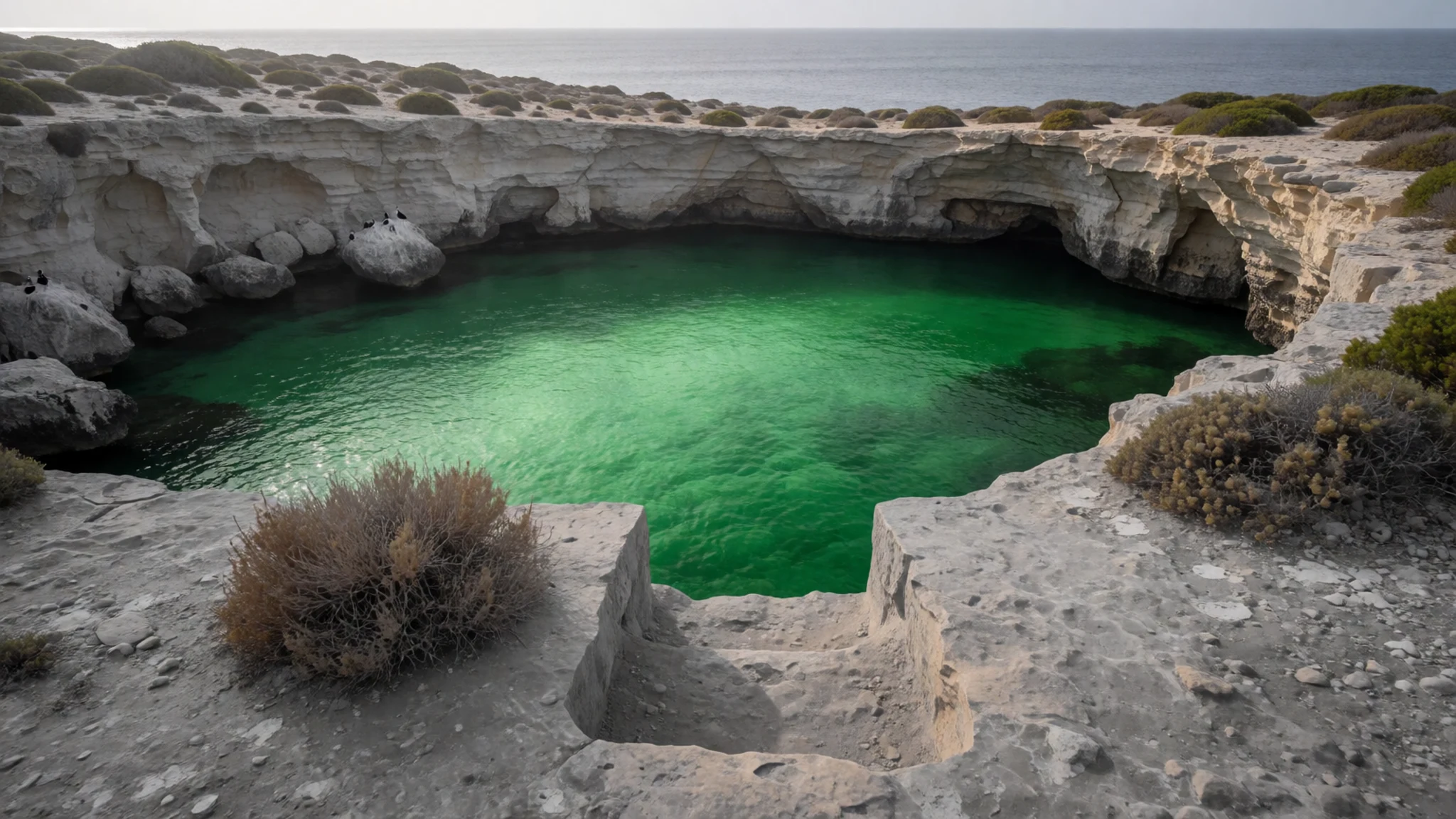
- Cominotto — Just off Comino's north-west coast
Cominotto (Kemmunett) is the small islet lying just off Comino, forming the far side of the Blue Lagoon. A tiny beach opens onto the lagoon, and the islet's low rock gives a quieter vantage over the bright water and the boats. It sits within the same protected waters, so keep off the vegetation and take your litter away.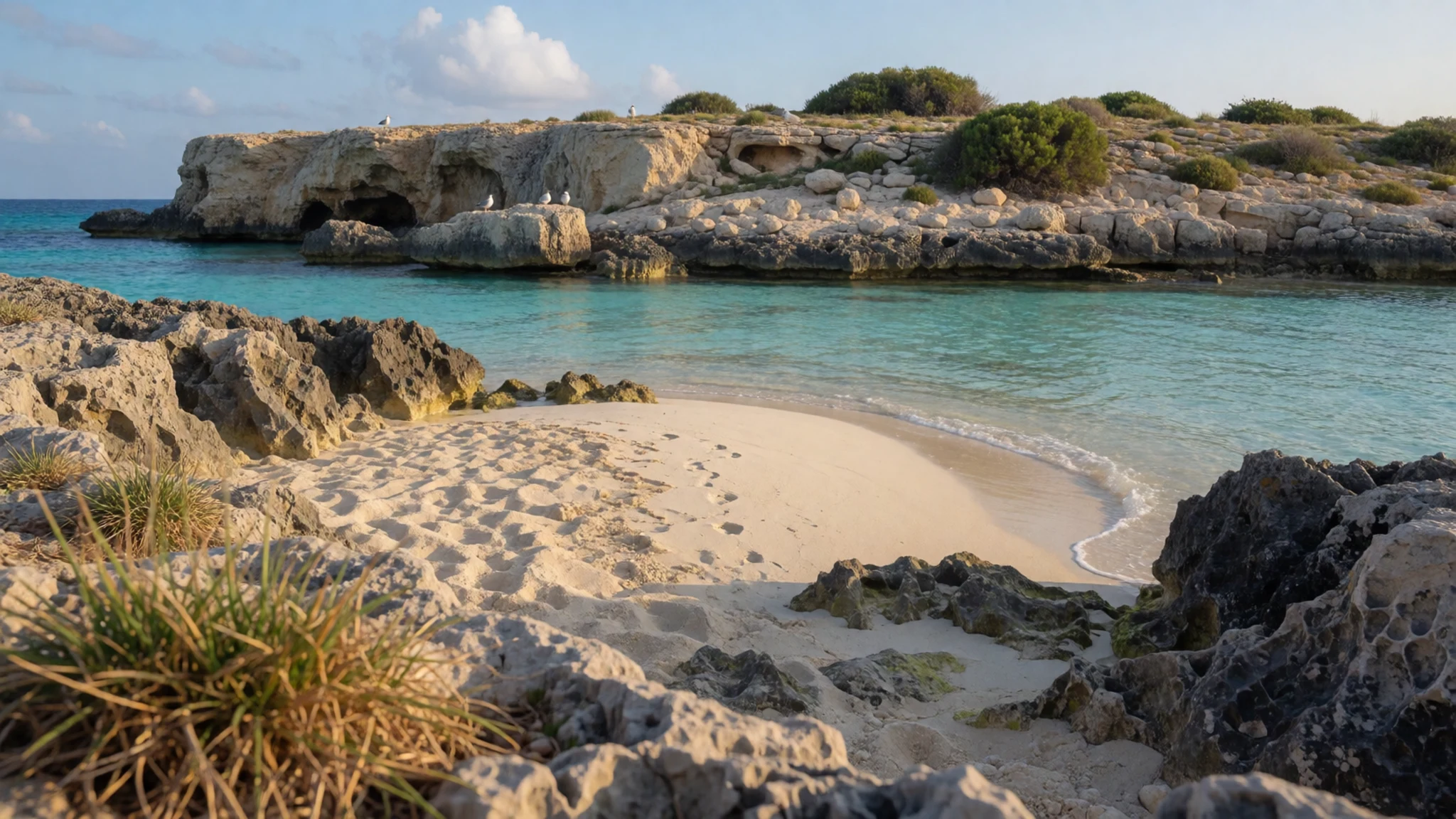
- Santa Maria Caves and diving — Comino, western cliffs and surrounding waters
The Santa Maria Caves, in the cliffs of Comino, are a known dive site, with usually good visibility and plenty of marine life, especially in August and September. A dive centre is attached to the island's resort, and other operators run trips from Malta and Gozo. Check an operator's credentials and the sea conditions before booking.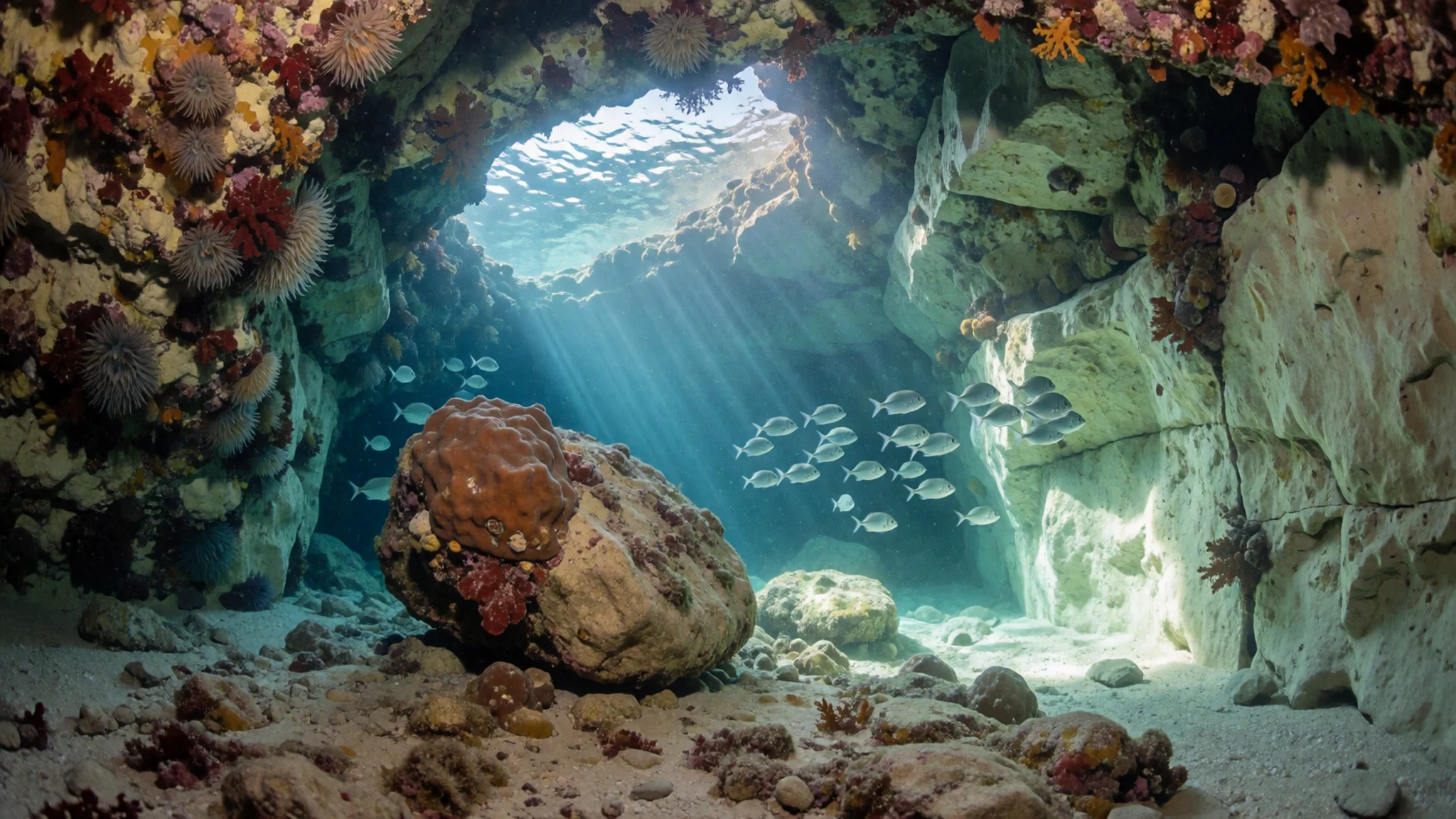
Culture
Comino has almost no community of its own, so its culture is really that of Malta and Gozo seen from a small island. Maltese is the everyday language (the island's local name is Kemmuna), English is widely used, and Catholic life is visible in the small chapel, served by a priest who travels over from Gozo, much as the island's police officer does. The few people who live here make their homes in the former quarantine building, a reminder that Comino has long been a place apart: refuge, hunting ground, prison, hospital. The pirate and knight stories belong to how Maltese people think about the waters around them, and the exile of the scholar Abraham Abulafia adds a quieter strand of Jewish intellectual history. Today the island is a bird sanctuary and a marine protected area, so the shared social norm is care for the place: keeping to tracks, taking rubbish away and not treating the shoreline as a private beach. Local argument over kiosks, deckchairs and boat numbers shows how mixed feelings are about mass tourism, and that mood affects how the island is run. Quiet mornings and evenings are when Comino feels closest to its everyday self. If you step into the island's chapel, dress modestly and keep your voice low, and never leave litter or pick plants anywhere in the nature reserve.
What to wear
Comino has no costume of its own, so the traditional dress is the wider Maltese and Gozitan one. The best-known piece is the għonnella, a long dark hooded cloak that women once wore outdoors and to church, made from cotton or silk and now rarely seen outside museums and folklore shows. Gozo is also associated with hand-made lace and cotton weaving, and both turn up in shops on the main islands as souvenirs. On Comino itself, what people wear is entirely beach and boat: swimwear, light shirts, hats and sandals, with the odd walker in trail shoes. Residents and staff dress for sun and work. Visitors should plan for strong sun, a breezy boat deck and a rough, stony shoreline. Pack a hat, sunglasses, high-factor sunscreen, a light long-sleeved top and a towel, plus water shoes or sandals with grip for rocky entries and the tracks. Trainers or walking shoes help on the path to the tower. Carry a cover-up for the chapel and for towns such as Victoria, where churches expect covered shoulders and knees. A light windproof layer is worth packing for the crossing, and in winter.
What to eat
- Pastizzi — Pastizzerias and bakeries in Victoria, Mellieħa or Sliema
Flaky pastry parcels filled with ricotta or seasoned peas, sold warm in paper bags. Buy a few in the morning at a pastizzeria in a town such as Victoria, Mellieħa or Sliema, then carry them to the lagoon as a simple, filling snack.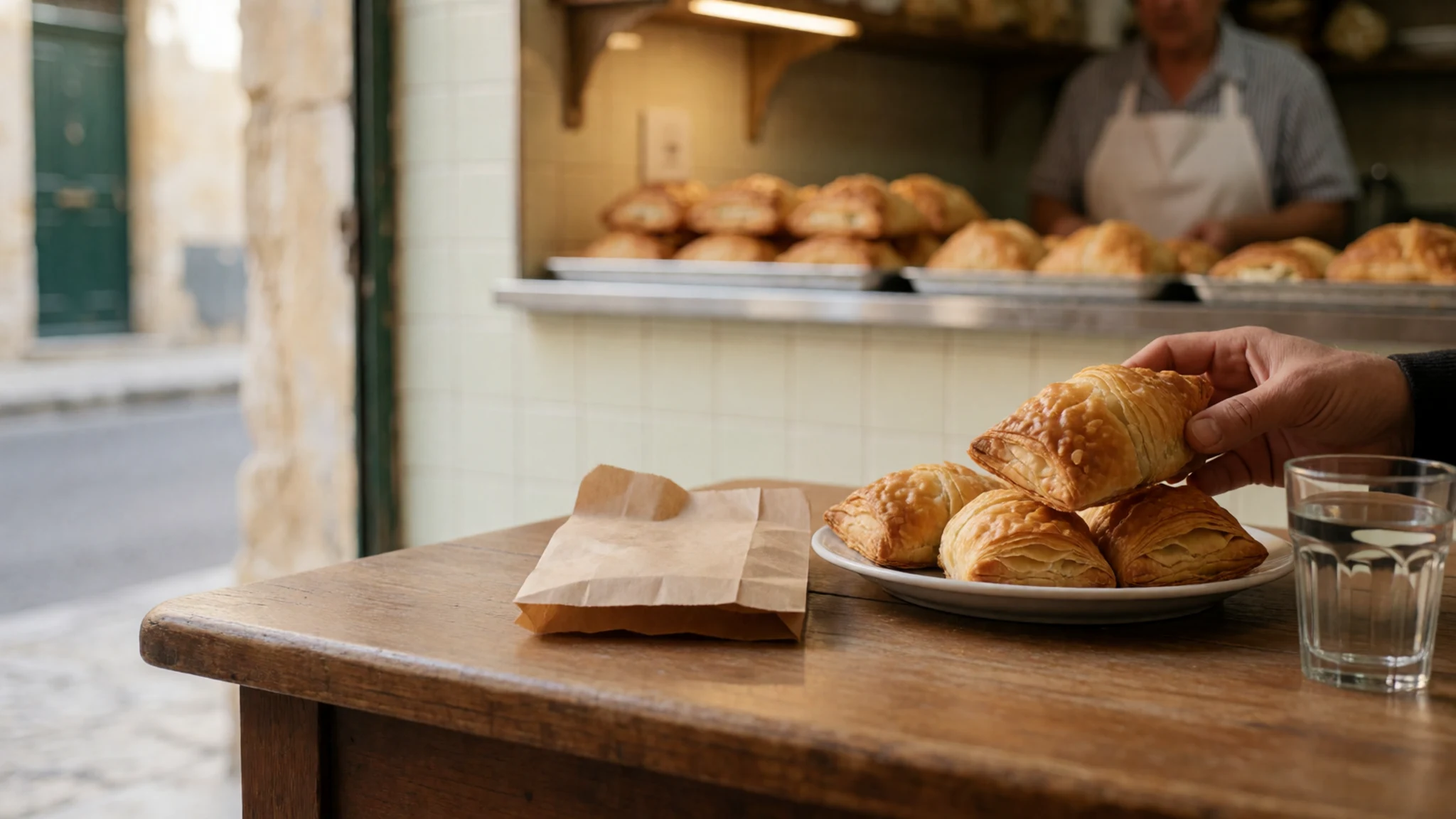
- Ftira — Bakeries in Victoria and around the Mgarr ferry area on Gozo
A chewy, ring-shaped Maltese loaf, often split and filled or baked with toppings such as tomato, potato, olives, anchovies and local cheese. The Gozitan version makes a sturdy picnic for a day on a bare island where shade and shops are scarce.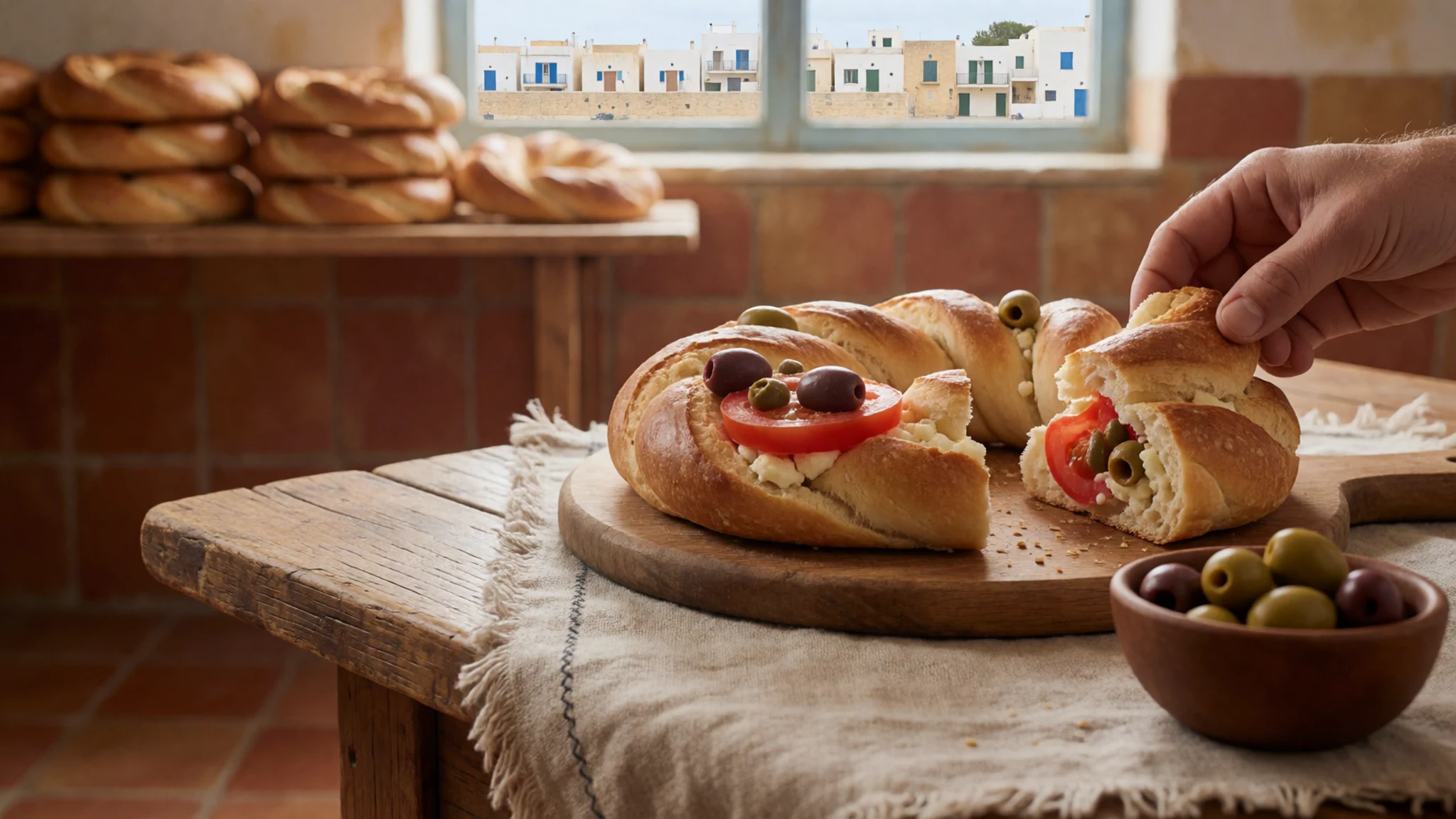
- Stuffat tal-fenek — Family-run restaurants and trattorias in Gozo and northern Malta
Rabbit stewed slowly with garlic, wine and tomato, usually served with chips or spaghetti. The dish fits an island whose past includes hunting grounds for hares, and it is best eaten at the end of a day, not before swimming. - Ġbejniet — Farm shops and the market in Victoria, Gozo
Small rounds of Gozitan cheese made from sheep or goat milk, eaten fresh, semi-dried or coated in pepper. They go well with bread, tomato and olive oil, and travel better than most local foods if kept cool on a boat. - Lunch at the island's resort — The resort restaurant on Comino
The resort on Comino serves lunch to non-guests, so day visitors can eat on the island without carrying everything over. Availability and sailing times vary with the season, so check ahead rather than assuming a table will be free.
Plan it
Best time. May–June and September–October for comfortable temperatures, long daylight and thinner crowds than the peak. July and August are the hottest months, with almost no shade and the lagoon at its busiest. Winter is the wettest season but mild and windy, and boat sailings become less reliable.
How long. 1
Getting there. Fly to Malta International Airport, then go by bus or taxi to Ċirkewwa on the north-western tip of Malta, where small ferries to Comino leave, or reach Mgarr in Gozo for the same crossing. Tourist boats also run from Bugibba, Mellieħa and Sliema. Sailings can be irregular, so confirm with the operator or the Comino Hotel.
Budget. mid
Tips
- Arrive early or stay late: loungers and umbrellas fill the Blue Lagoon sand from about 7 am in summer
- Bring water, sun protection and your own snacks, as shade and shops are scarce
- Wear grippy sandals or water shoes for rocky entries and rough tracks
- Confirm return sailing times before you land, since services can be irregular
- Carry some cash as well as a card, as facilities are few and may not take cards
Etiquette
- Take all rubbish back to Malta or Gozo
- Keep to marked tracks and do not pick plants, as the island is a nature reserve and bird sanctuary
- Dress modestly and speak quietly if entering the chapel
Nearby
Sources
- Wikidata Q191098 (CC0)
- Wikipedia, Comino (rev 1371215357) (CC BY-SA 4.0)
- Wikivoyage, Comino (rev 5311883) (CC BY-SA 4.0)
- Photo: Luftbild der Insel Comino, Malta — Martin Galea De Giovanni (CC BY-SA 4.0)
- Photo: Bird's eye view of Kemmuna (Comino) island, Malta — Sudika (CC BY 3.0)
- Photo: View from St. Mary's Tower to the quarantine station — Frank Vincentz (CC BY 3.0)
- Photo: Kirche auf Comino — Rolf gastler (CC BY 3.0)
- Photo: Cannons of Santa Marija Battery — Dreizung (CC BY 3.0)
- Photo: View from the Keppel to the Comino Hotel — Frank Vincentz (CC BY 3.0)
- Photo: The Blue Lagoon — Yulia K (CC BY 3.0)
- Photo: Blue Lagoon Harbour, Comino — Frank Vincentz (CC BY 3.0)


Wildlife
- Wild boar (animal)
The wild boar is simply a wild pig, one that lives free and looks after itself. It is at home across much of Europe, Asia and North Africa, and copes well in many kinds of country. Comino's past is part of its story: those who once guarded the island's game protected boar so fiercely that poachers faced years of punishment rowing in a galley. Should you hope to glimpse one, go with a guide, keep your distance, stay quiet, and never offer food.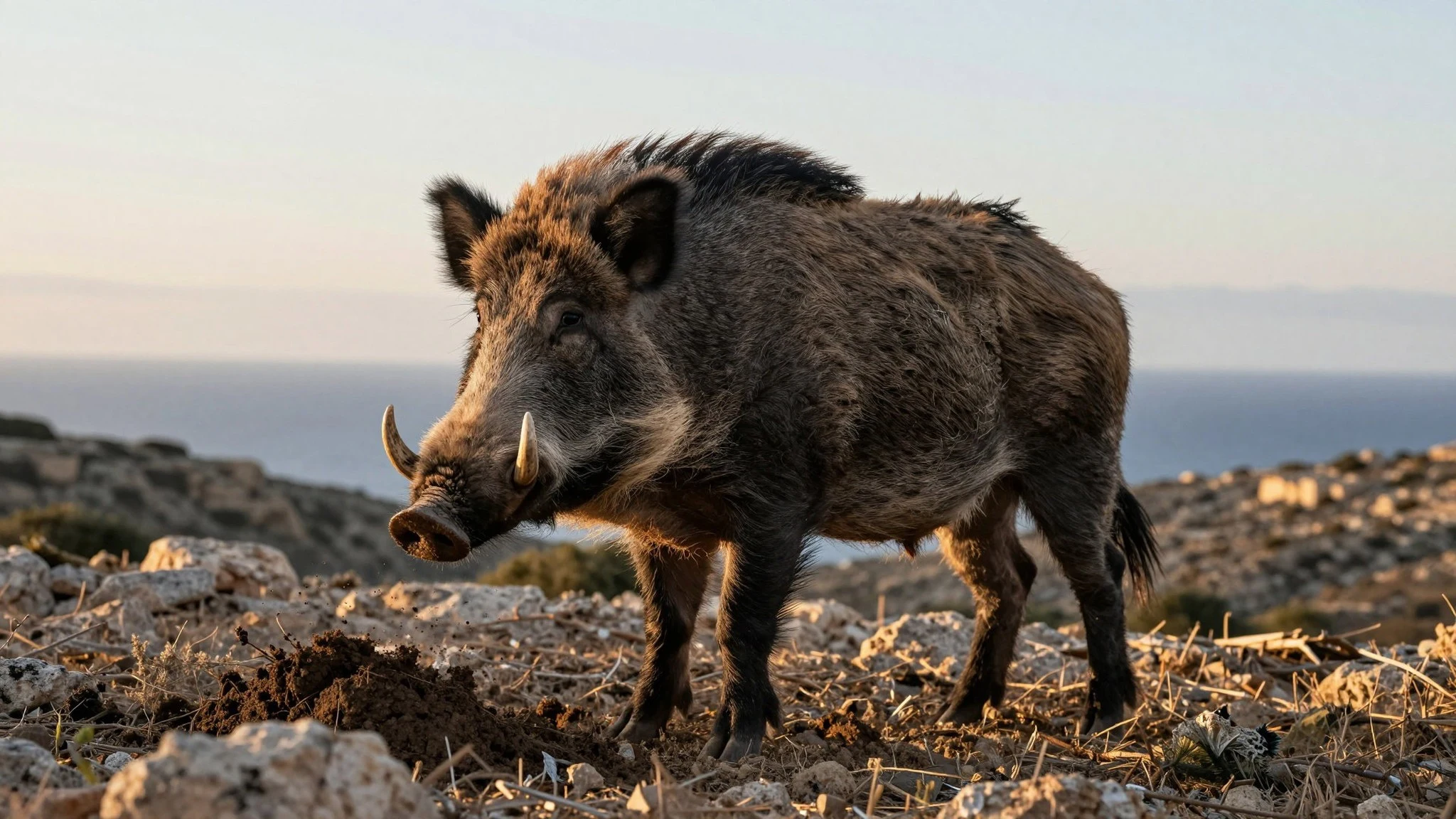
- European hare (animal)
The European hare, also called the brown hare, is a big, long-legged animal built for racing away from trouble. It likes open country and nibbles grasses and herbs, turning to twigs, buds and bark in winter. On Comino it was once guarded as closely as the boar, with poachers harshly punished. To watch one well, go with a guide, keep a good distance, stay still and quiet so it is not startled, and never feed it.