Hingol National Park
Hingol National Park, Pakistan
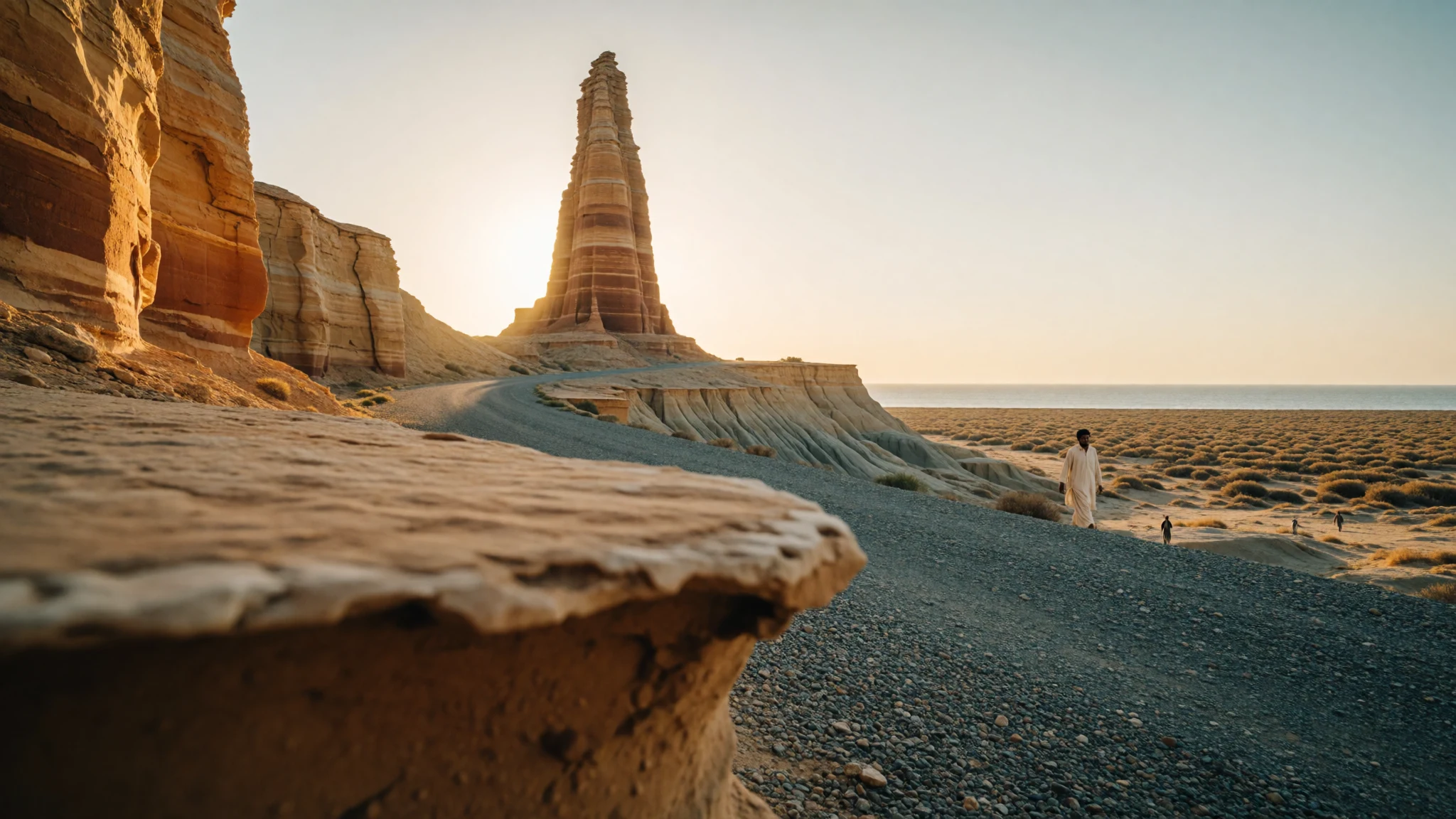
Hingol National Park pairs wind-sculpted sandstone, a mangrove estuary and migrating birds along the Arabian Sea, reached by one long coastal road from Karachi.
The place
Hingol National Park lies on the Makran coast of Balochistan, where the Arabian Sea meets dry hills, sandstone badlands and the lower course of the Hingol River. The park covers about 6,100 square kilometres across the districts of Gwadar, Lasbela and Awaran, roughly 200 km northwest of Karachi. It holds several landscapes rather than one: arid subtropical scrub to the north, bare ridges to the south, open desert and plains in between, and a river that widens into an estuary before it reaches the sea. The estuary is the softer side of the place. Mangroves line the water, marsh crocodiles live along the river, and thousands of migratory birds use it in the cooler months, while dolphins and sea turtles are found offshore. Birdwatchers value the park for 14 species of special conservation concern, among them the critically endangered sociable lapwing, the endangered saker falcon and several vulnerable pelicans, eagles and bustards. Most visitors, though, come for the rock. Wind and water have cut the cliffs into towers, ridges and shapes that travellers have given nicknames. The Makran Coastal Highway runs through the park, so the main formations can be seen from a vehicle, but distances are long, services are thin and the heat is serious. Hingol rewards planning far more than spontaneity.
Its story
Hingol National Park is a young protected area on a very old coast. The Hingol River has long cut a route from the interior to the Arabian Sea, and the park takes its name from it. Formal protection came in 1988, when the river's lower course, its estuary and the dry country on either side were declared a national park. For years afterwards the landscape stayed remote, known mainly to local communities, fishers and the pilgrims who travel to Hinglaj. That shrine, a Hindu temple to the goddess called Hinglaj Mata or Hinglaj Devi, also known as Nani Mandir, sits in a canyon on the Makran coast. An annual yatra brings worshippers, many of them from Sindh and some from India, to a place that is otherwise very quiet. Then, in 2004, the Makran Coastal Highway was completed. The strange rock forms beside the road became a long day out for people from Pakistan's cities, and photographs of the named formations spread widely. Conservation and tourism now sit slightly awkwardly together. The road that brings visitors also brings vehicles, litter and pressure on the estuary where birds and crocodiles live. The park's story is therefore layered: an old pilgrim route, a recent national park, and a highway-age attraction still working out how many people it can comfortably take.
What to see
- Hingol River estuary — Lower Hingol River, Makran coast
The Hingol River ends in a tidal estuary fringed with mangroves before it reaches the Arabian Sea. This is the best place in the park for wildlife: waterfowl and migratory birds in the cooler months, marsh crocodiles along the banks, and dolphins sometimes seen from the shore. Go early, bring binoculars and keep a respectful distance from the water's edge.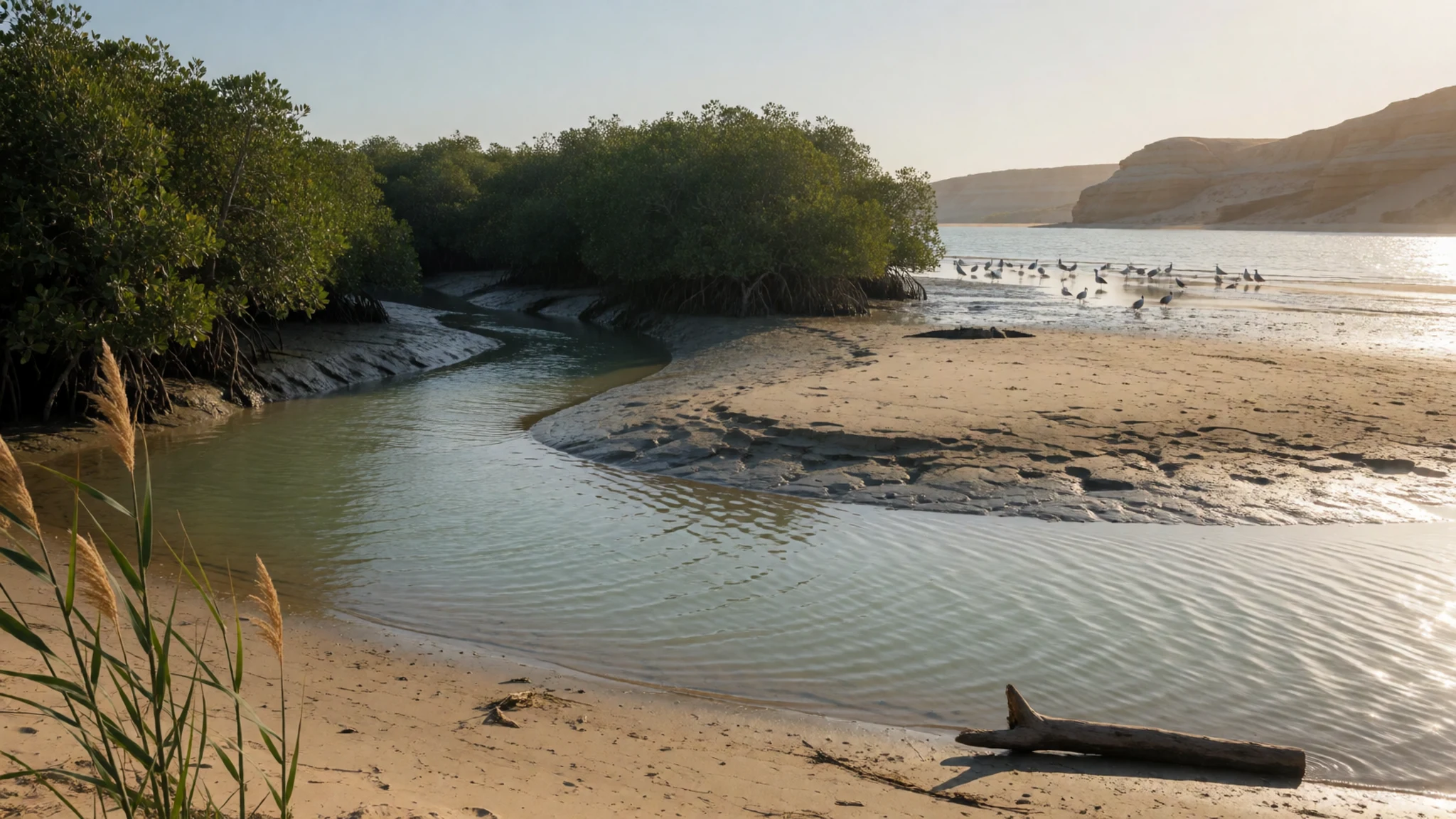
- Princess of Hope — Makran Coastal Highway, Hingol National Park
A tall, slender natural rock figure on the skyline, nicknamed the Princess of Hope, stands beside the coastal highway and is the park's most photographed shape. It is best in low morning or late-afternoon light, when the sandstone turns warm and the surrounding cliffs cast long shadows. Stop at a safe pull-in, not on the carriageway.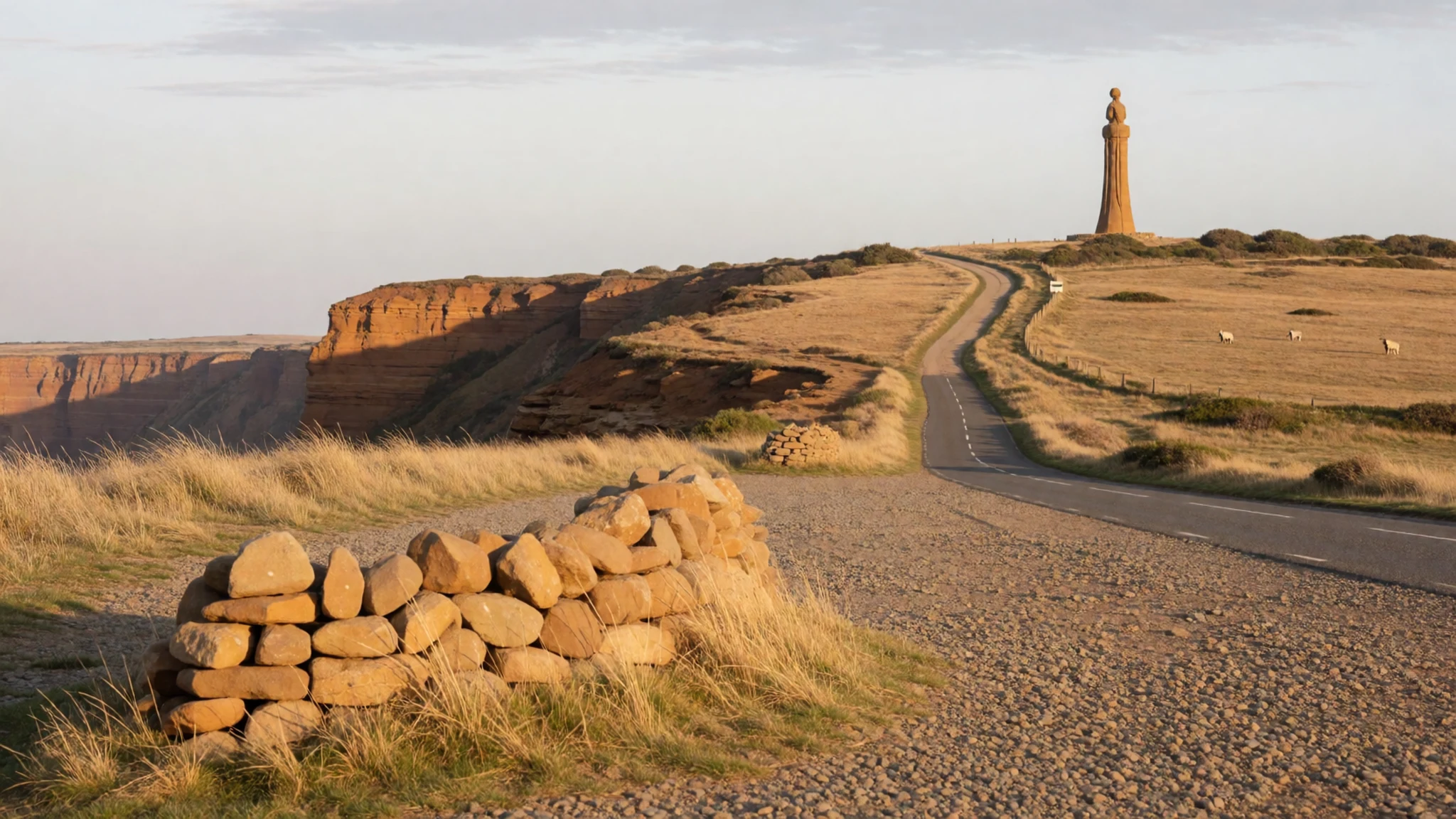
- Natural Sphinx — Makran Coastal Highway, Hingol National Park
Further along the highway, an eroded sandstone outcrop reads as a crouching sphinx, head raised toward the sea. It is a natural formation, shaped by wind and occasional rain, and it looks best from a distance across the flat ground. Allow time to wander the nearby ridges, where other rock shapes appear and fade.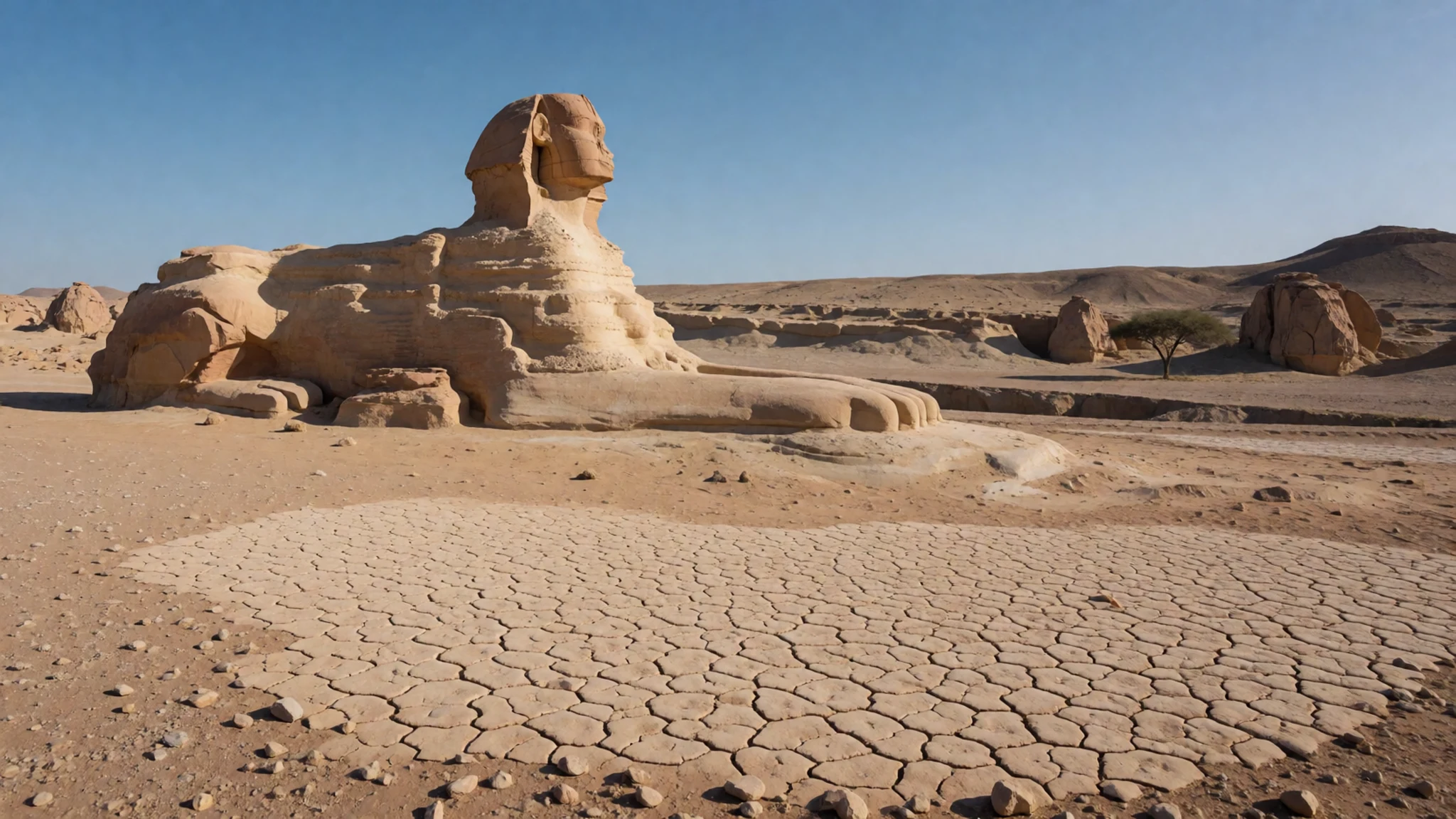
- The Makran Coastal Highway drive — Between Karachi and Gwadar
The road itself is an attraction. Completed in 2004, it crosses desert, canyon country and stretches of open coast, with the sea appearing and disappearing on one side. Fuel, food and signal are patchy, so fill the tank and carry water before leaving Karachi. Plan the drive as the day's main event, not a transfer.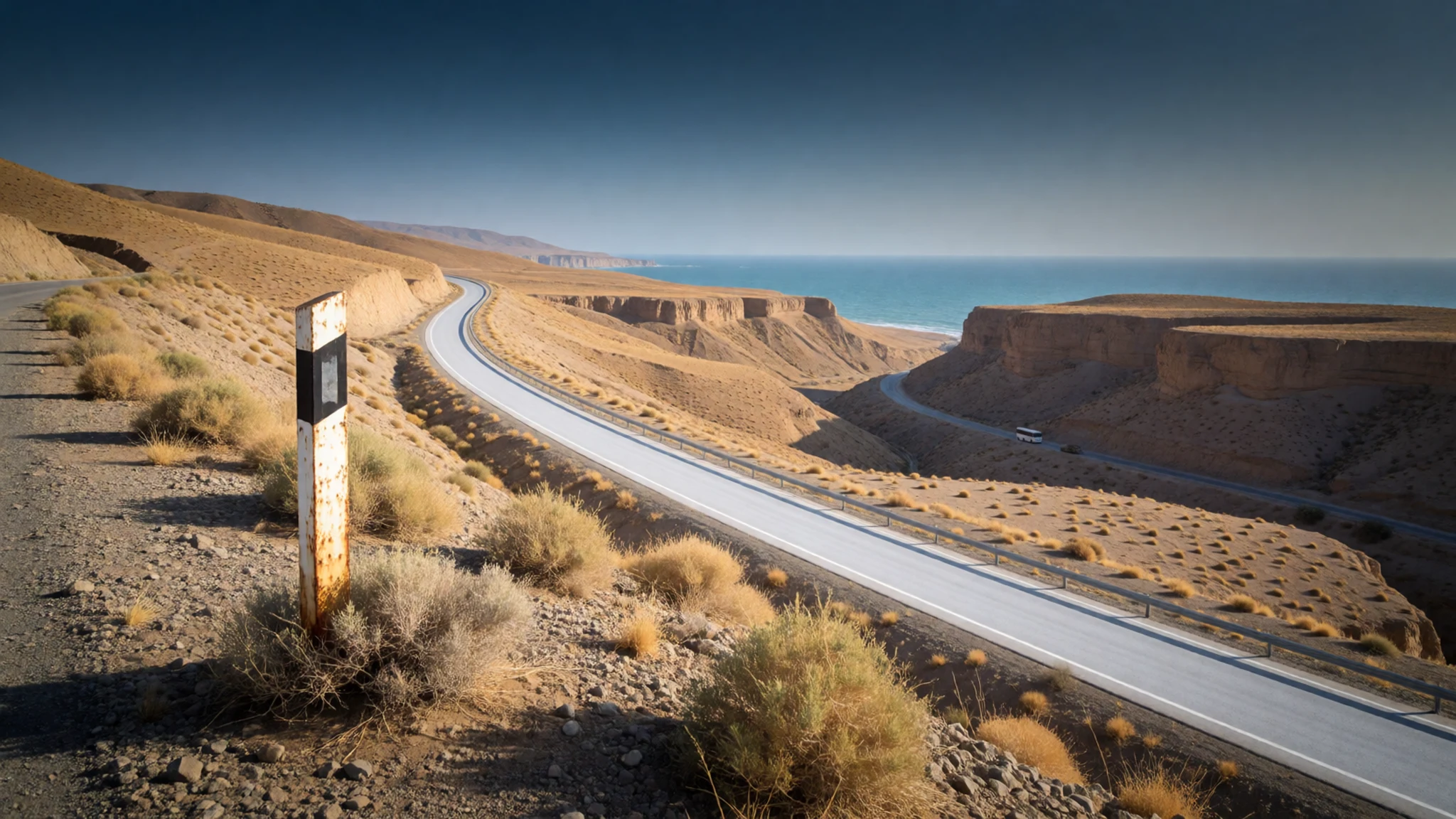
- Hinglaj Mata temple — Hinglaj, Makran coast
Hinglaj Mata, also called Hinglaj Devi or Nani Mandir, is a Hindu shrine in a canyon on the Makran coast, reached through rugged, dry country. It is a working place of worship and a pilgrimage destination, busiest during the annual yatra. Visit with a local guide or group, and check current access and security conditions first.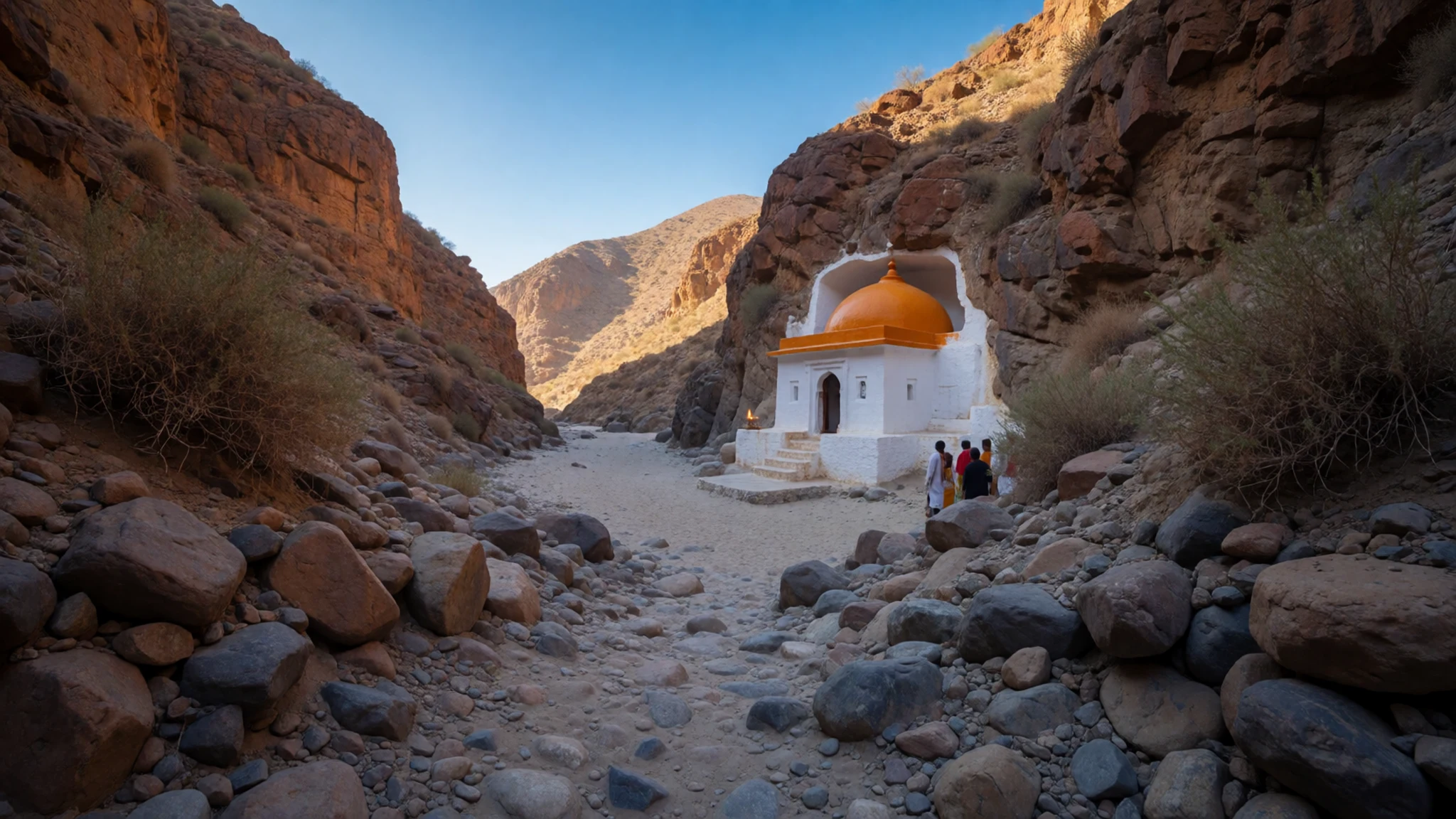
Culture
Hingol National Park sits in Balochistan, a region with its own language, customs and strong traditions of hospitality. The Baloch communities of the Makran coast have long lived by fishing, herding and small-scale trade, and a visitor arriving by the coastal highway passes through that working landscape rather than an empty wilderness. Tea is offered readily, conversation is courteous, and guests are treated with real generosity, though plans often move more slowly than a timetable suggests. The coast is largely conservative, and family and privacy matter, especially for women. The park also touches a quite different tradition. At Hinglaj, a Hindu temple draws pilgrims who regard the goddess Hinglaj Mata as a powerful protector, and the annual yatra turns a remote canyon into a place of prayer, music and shared meals. Muslim and Hindu visitors, local families and travellers from Pakistani cities may all share the same road in the same season. That mix is part of what makes the park more than a set of rock shapes. Respect for local customs, patience at checkpoints and a willingness to hire local drivers or guides all make a trip smoother. Travel here is best treated as a visit to somebody's home region, with the dry country and the sea as the setting. At Hinglaj, remove your shoes before the shrine area, dress modestly, and ask before photographing worshippers or their rituals.
What to wear
Hingol National Park lies in Baloch country, where traditional dress is practical for sun, dust and wind. Men wear a long, loose shirt over wide shalwar trousers, usually in cotton, often in white, cream or muted colours, with a turban or length of cloth wound around the head and shoulders against heat and sand. Women's dress is brightly embroidered, with dense stitching on the bodice, cuffs and front panel, often worked in mirror and thread on cotton or silk, and worn with a large headscarf. These garments appear at weddings, festivals and family gatherings, and in everyday life in villages. In towns and along the highway, plain shalwar kameez is common, with western-style shirts, trainers and caps seen among younger people. Pilgrims at Hinglaj often wear simple, clean clothing suited to prayer. A visitor should dress for heat and modesty together: loose cotton or linen with long sleeves and trousers or long skirts, a hat or scarf for sun, and sunglasses. Women travellers may prefer a light dupatta or shawl that can cover the head when needed. For the terrain, closed shoes with a good grip suit rocky ground and sand; sandals are fine near the estuary but poor on scree. A light layer helps for cool winter evenings.
What to eat
- Sajji — Roadside grill eateries along the Makran Coastal Highway and in Karachi
A Balochi speciality of lamb or chicken, seasoned simply with salt and roasted slowly over an open fire, often served with rice or flatbread. The meat is tender and smoky rather than spicy. It is a sit-down meal, usually shared among a group.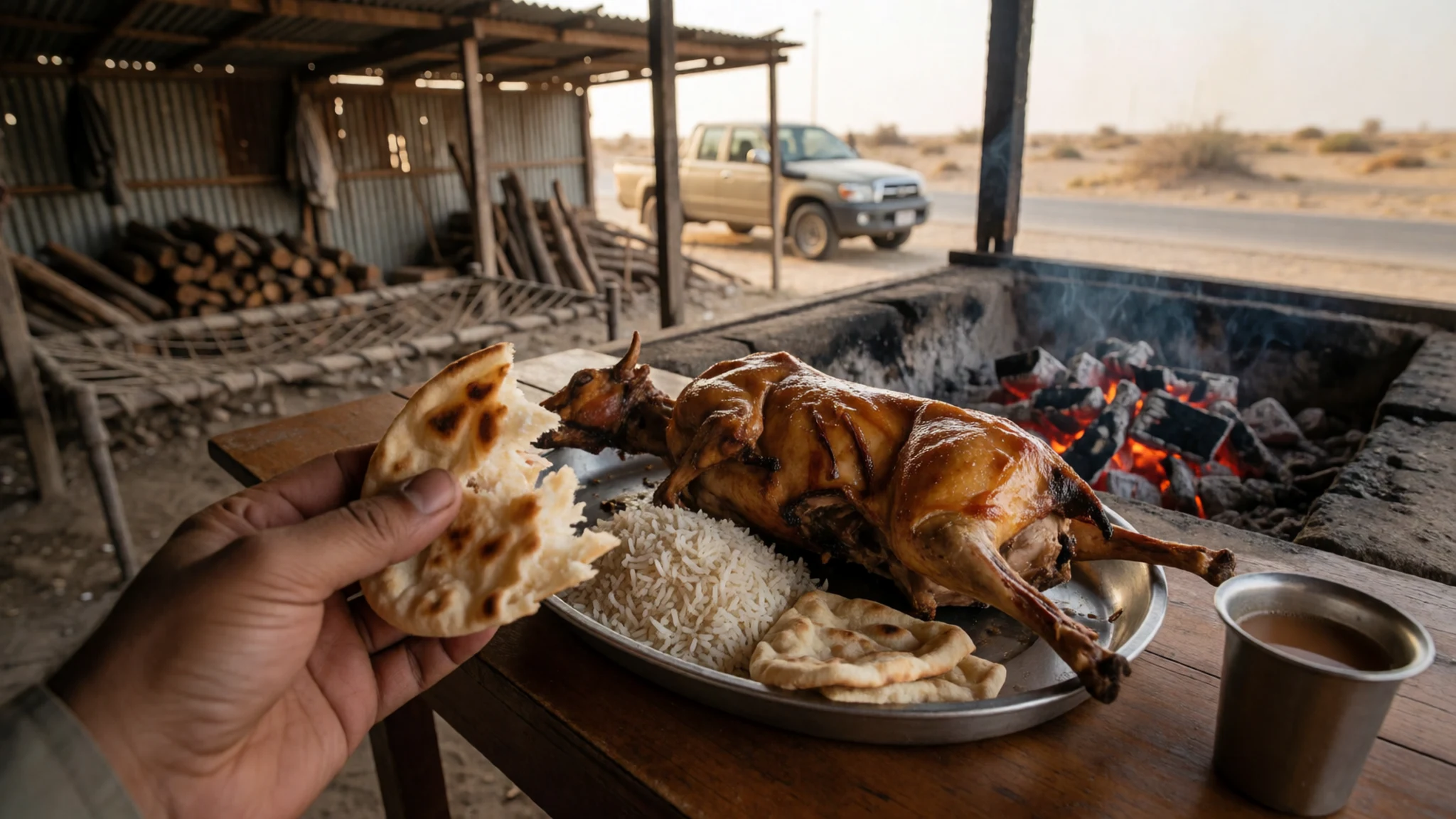
- Dampokht — Local family-run eateries in towns on the Makran coast
A slow-cooked mutton or lamb dish, steamed in its own juices with minimal spice so that the flavour of the meat comes through. It is typically a home or celebration meal, and is eaten with bread or rice. Ask whether it is available that day.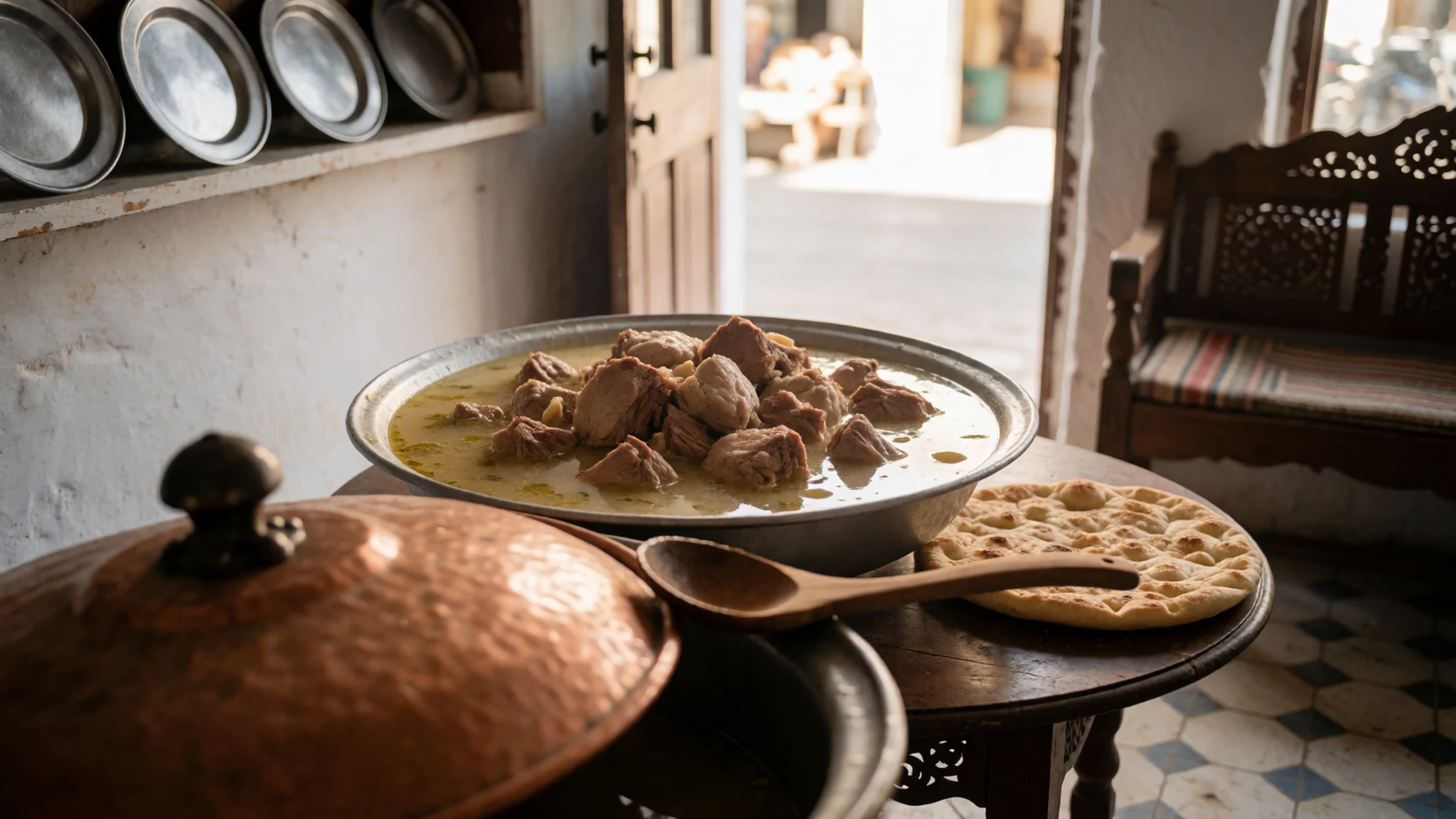
- Grilled or fried fresh fish — Fishing villages and small beachside eateries near the coast
The coastal villages catch fish daily, and the simplest way to eat it is grilled or fried with a little spice and lemon. Choose what is freshest that morning and check where it came from. Eat it with flatbread or rice and a cup of tea. - Kaak — Roadside bakeries and village kitchens
A hard, dense bread baked on hot stones or in a buried pit, rather than in a conventional oven. It stays edible for days, which makes it useful for travel. Eat it with tea, meat or dal, and expect a chewy, smoky crust. - Doodh patti chai — Roadside tea stalls and truck stops along the highway
Strong tea boiled with plenty of milk and sugar, served in small cups at almost every stop along the road. It is the usual way to rest, wait out heat and talk with drivers and locals. Ask for less sugar if you prefer.
Plan it
Best time. November to February, when the days are cooler and migratory birds are around the estuary; the coast is very hot for much of the rest of the year, so midday outings are tiring and sometimes unsafe.
How long. 2–3
Getting there. Fly to Karachi, the nearest major airport, then travel west along the Makran Coastal Highway into the park, a long road journey of around 200 km. A hired vehicle with a driver who knows the route is the practical choice, as public transport is limited. Check current road and security conditions before you go.
Budget. mid
Tips
- Check current government travel advisories and local security conditions for Balochistan before booking, and travel with a trusted local driver or guide
- Start early: the light is better on the rock formations and the heat is lower before midday
- Carry more drinking water and fuel than you think you need, and keep cash in small notes since cards are rarely accepted
- Mobile signal is patchy, so download maps offline and tell someone your route
- Plan for the long drive as part of the trip, leaving margin for checkpoints and delays
Etiquette
- Dress modestly and cover shoulders and legs, especially in villages and at religious sites
- Ask before photographing people, and do not photograph security posts
- Take all litter with you and keep a respectful distance from wildlife and the estuary's nesting birds
Nearby
Sources
- Wikidata Q1619398 (CC0)
- Wikipedia: Hingol National Park (rev 1385401983) (CC BY-SA 4.0)
- Wikivoyage: Lasbela (rev 3769365) (CC BY-SA 4.0)
- 'Princess of Hope', Hingol National Park — wetlandsofpakistan (CC BY-SA 2.0)
- Hingool National Park and Makran Coastal Highway — Asad.aman83 (CC BY-SA 4.0)
- Physical location map of Pakistan — Carport (CC BY 3.0)
- Pakistan Natural Sphinx — Bilal Mirza (CC BY 2.5)
- Princess of hope, Hingol National Park — Aareez Asif (CC BY-SA 4.0)
- Hawan at Hinglaj Mata (Rani ki Mandir) — Aliraza Khatri (CC BY-SA 4.0)
- Baluchistan Canyons — Uzair189 (CC BY-SA 4.0)
- Moola Chotuk, Khuzdar, Balochistan — Furqanlw (CC BY-SA 4.0)


Wildlife
- Marsh crocodile (animal)
The mugger, or marsh crocodile, is a broad-snouted reptile that swims powerfully and eats mostly fish. In Hingol it lives along the river, though the notes do not say which season or hour is best. In the hot season it may stroll overland hunting for water, and it shelters in burrows when the weather turns too harsh. Watch from well back, keep quiet, go with a guide, and never feed it. - Sociable lapwing (animal)
The sociable lapwing is a wading bird that makes an enormous yearly journey, nesting in Kazakhstan and spending winter far to the south, including the Indian subcontinent. Birdwatchers prize Hingol for this critically endangered visitor, and migrants use the park in the cooler months, so look then. The notes give no exact spot or hour. Keep your distance, stay quiet, use a guide, and never feed it. - Sociable lapwing (bird)
The sociable lapwing is a wading bird that makes an enormous yearly journey, nesting in Kazakhstan and spending winter far to the south, including the Indian subcontinent. Birdwatchers prize Hingol for this critically endangered visitor, and migrants use the park in the cooler months, so look then. The notes give no exact spot or hour. Keep your distance, stay quiet, use a guide, and never feed it. - Saker falcon (bird)
The saker falcon is a large bird of prey, a hunter of open skies. Some sakers migrate, and those that pass through Pakistan face illegal trapping, which is one reason this endangered falcon matters so much. Birdwatchers value Hingol for it, though the notes do not say where in the park or at what season or hour. Watch from afar, stay quiet, go with a guide, and never feed it.