Ordino
Ordino, Andorra
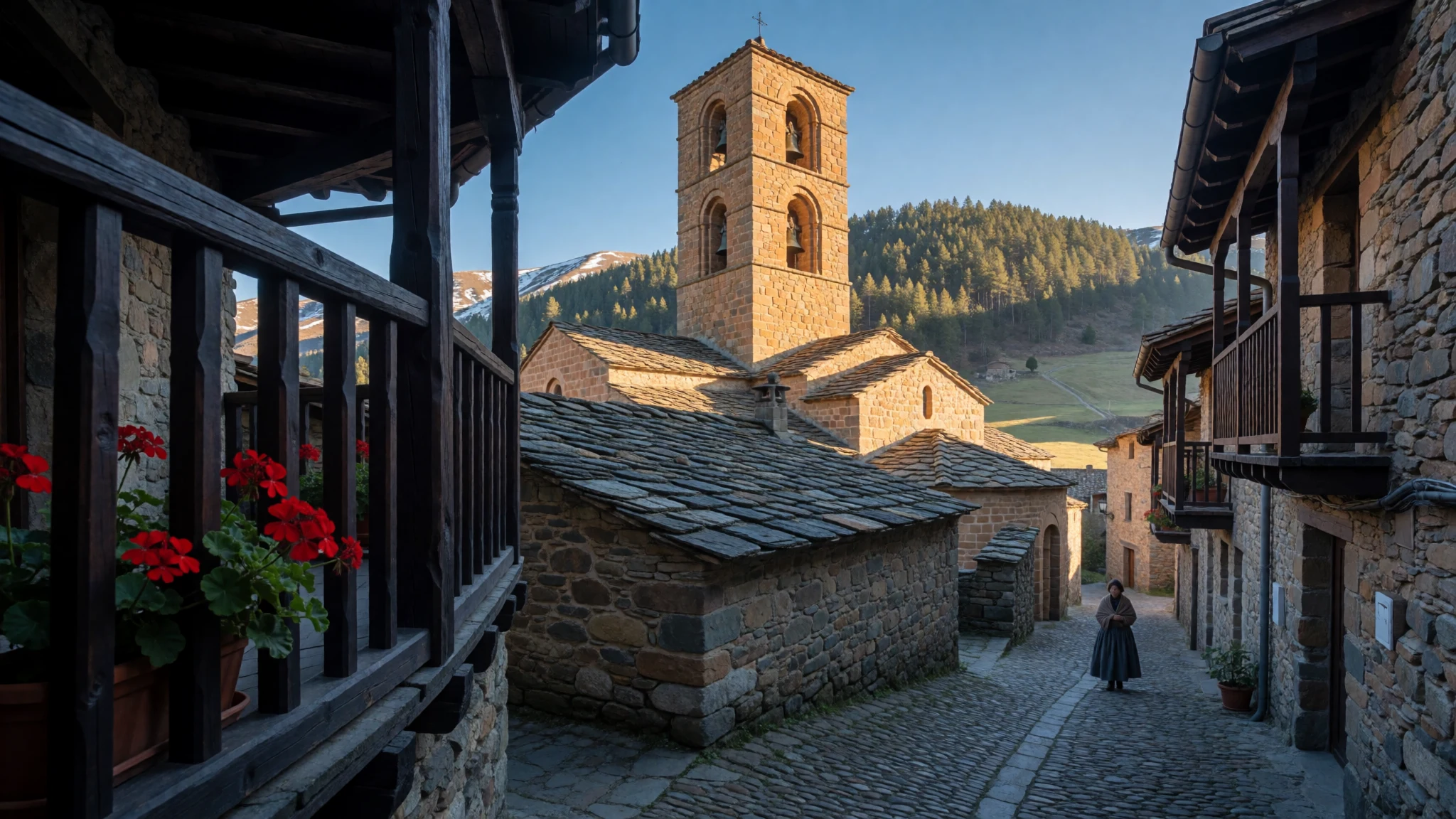
Ordino is a quiet Pyrenean parish of stone lanes, a Romanesque church and high valleys that turn to ski slopes in winter.
The place
Ordino sits in the northern valleys of Andorra, a small stone town where the mountains close in and the parish capital has not turned into a resort strip. The settlement gathers along a short main street and a few lanes, with the parish church above dark roofs and the wooded slopes of the Valira del Nord behind them. Houses are local stone, many with wooden balconies, and the centre is small enough to cross on foot without a plan. Above the roofs the land changes quickly: pasture and pine, then higher cirques and summer grazing and, once the snow settles, the ski terrain of Arcalís.
The parish is larger than the town. Hamlets and bordes, the old mountain farmsteads, scatter up side valleys, including Sorteny and the approaches to the Tristaina lakes. Those hollows are why the place still feels rural, even though Andorra's busier roads and shops lie south through La Massana. Everyday Ordino is parish business, walkers in the warm months, and skiers when the upper slopes are open.
The day follows the height of the land. Mornings in the village can be cool and clear while cloud sits on the ridges; summer afternoons warm the stone streets while the higher paths stay fresh. Winter reverses it: the town is quiet, and the traffic heads uphill towards the snow. Catalan is the language of signs, the comú and conversation. Anyone arriving from a duty-free avenue finds a slower parish capital, with its old houses, its church square and a direct view into the Pyrenees.
Its story
Ordino's story is that of a mountain parish which ran its own affairs long before snow became a reason to visit. The town grew on a shelf above the northern valley, where water and pasture were close and the river could be kept at a distance. What mattered was the parish, the comú: households shared the high grazing, maintained the tracks and settled their arguments here rather than in a far-off court. That habit is still visible in the parish house and in the way the land above the village is treated as common high country, not only as a view.
Iron made the families who still mark the centre. Ore from the surrounding mountains was smelted at fargues, the Catalan forges, and those who controlled that trade built houses that still dominate the streets. The Areny-Plandolit and the Rossell were ironmasters, speaking for these valleys in Andorran affairs. The Areny-Plandolit house on the main street can be walked through as a family record: rooms added across generations, and a household that sat in both parish life and the wider politics of the valleys. When the forges went quiet, the houses remained, some of them opened as museums.
The church of Sant Corneli and Sant Cebrià held the other half of that life. Feasts, burials and promises around it tied the outlying bordes to the parish capital. When a remote valley was no longer valued for metal, Ordino changed its work rather than its site. Summer grass became walking country, winter snow became the ski slopes at Arcalís, and the stone centre stayed the place where the parish meets. The conversation now is about visitors, cars on the high road and how to keep the old streets lived in.
What to see
- Església de Sant Corneli i Sant Cebrià — parish centre
The parish church of Ordino stands over the old centre, a Romanesque building dedicated to Sant Corneli and Sant Cebrià. Its stone bell tower marks the lanes, and the interior keeps the plain character of a mountain church. The square around it fills for the patronal festa.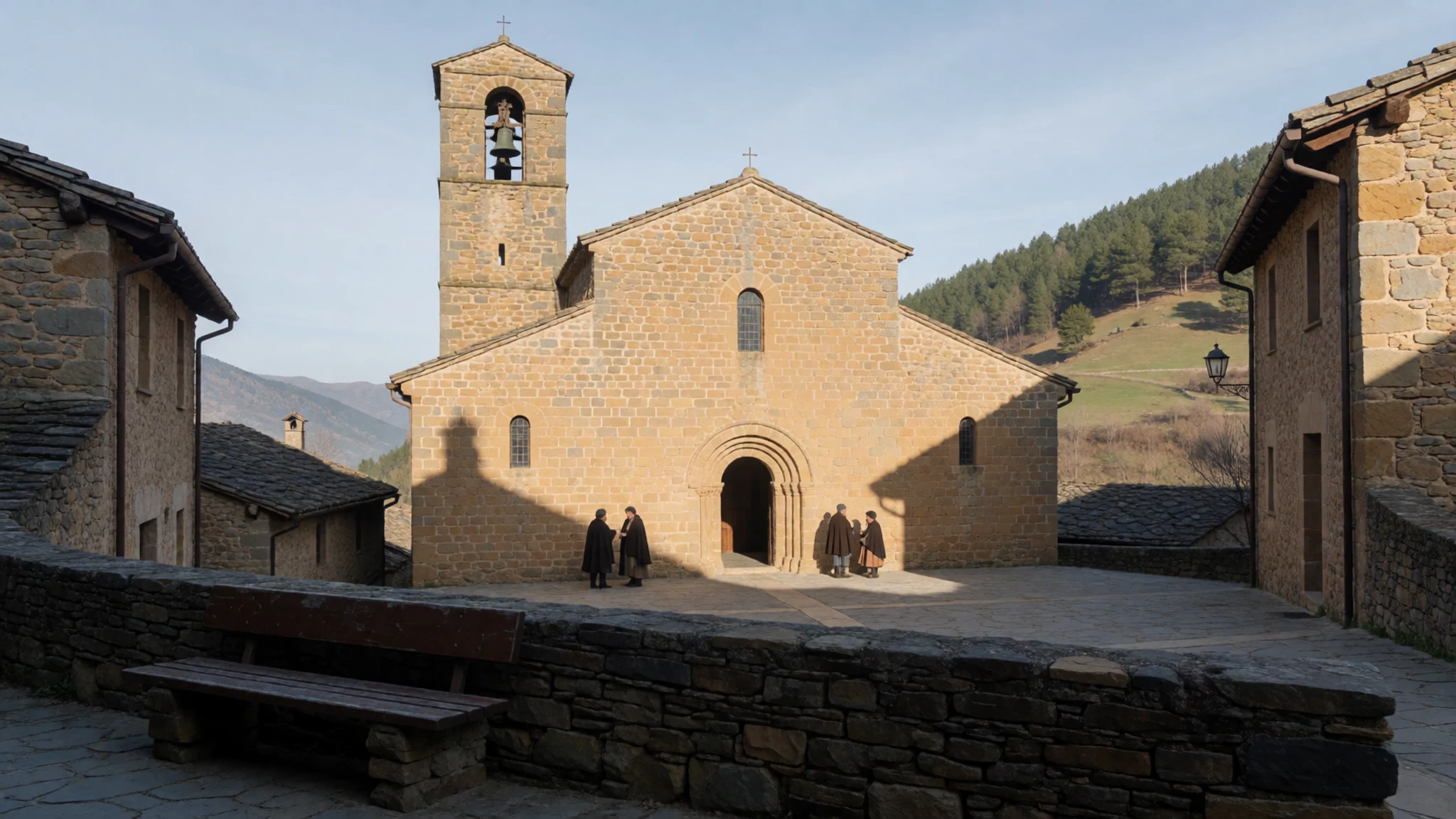
- Casa d'Areny-Plandolit — Carrer Major
Casa d'Areny-Plandolit, on the main street of Ordino, is a town mansion of ironmasters. The house grew across generations, and the rooms still read as a family home rather than a bare display: furniture, papers and the scale of a household that lived from forges and politics.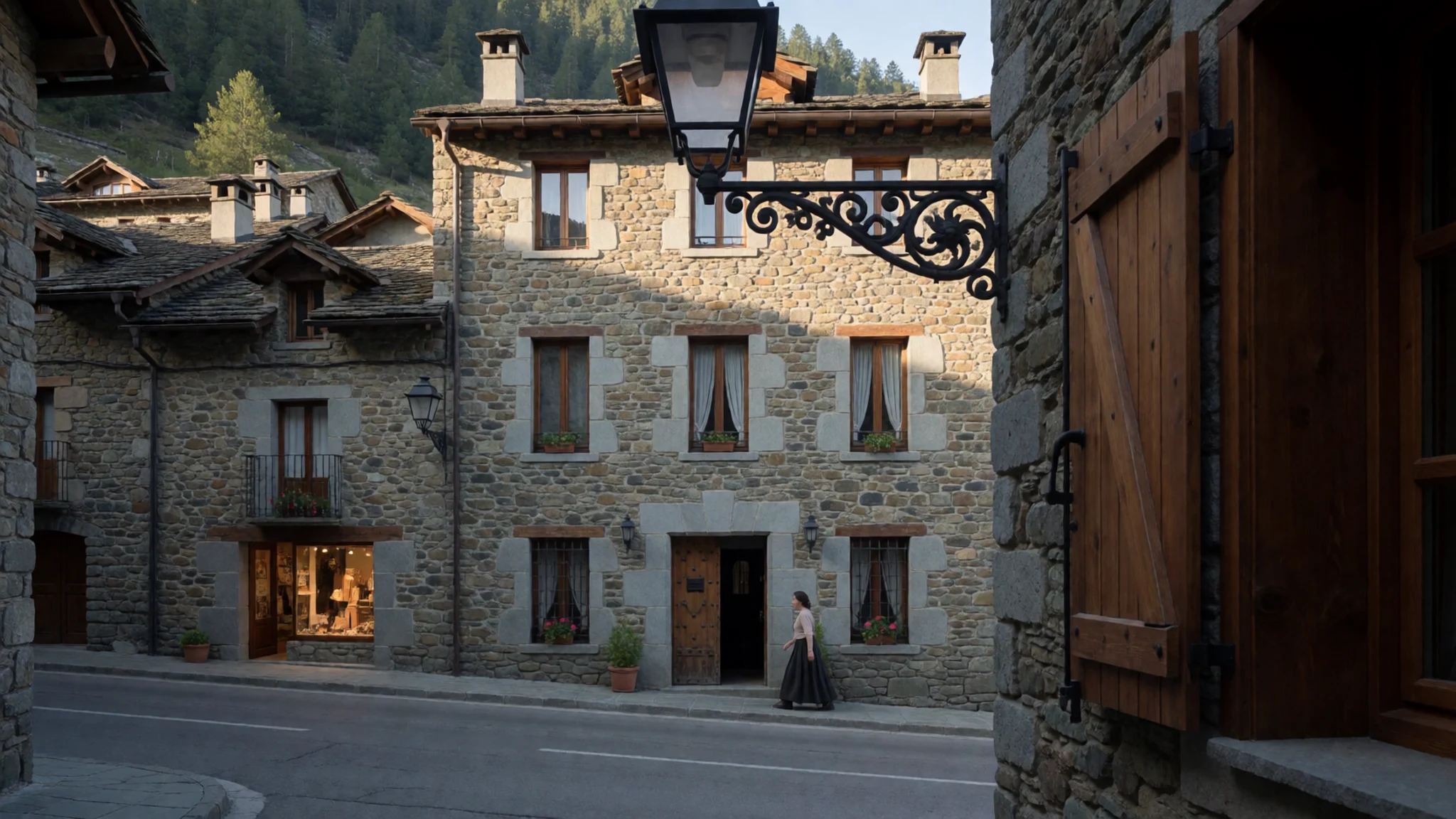
- Comú and the old centre — parish square
The old centre of Ordino is stone houses, balconies and small shops around the parish square. The comú, the parish hall, is where local government still speaks for the town. Ground floors mix homes, a bakery, a grocery and the house-museums, a quieter pattern than Andorra's commercial avenues.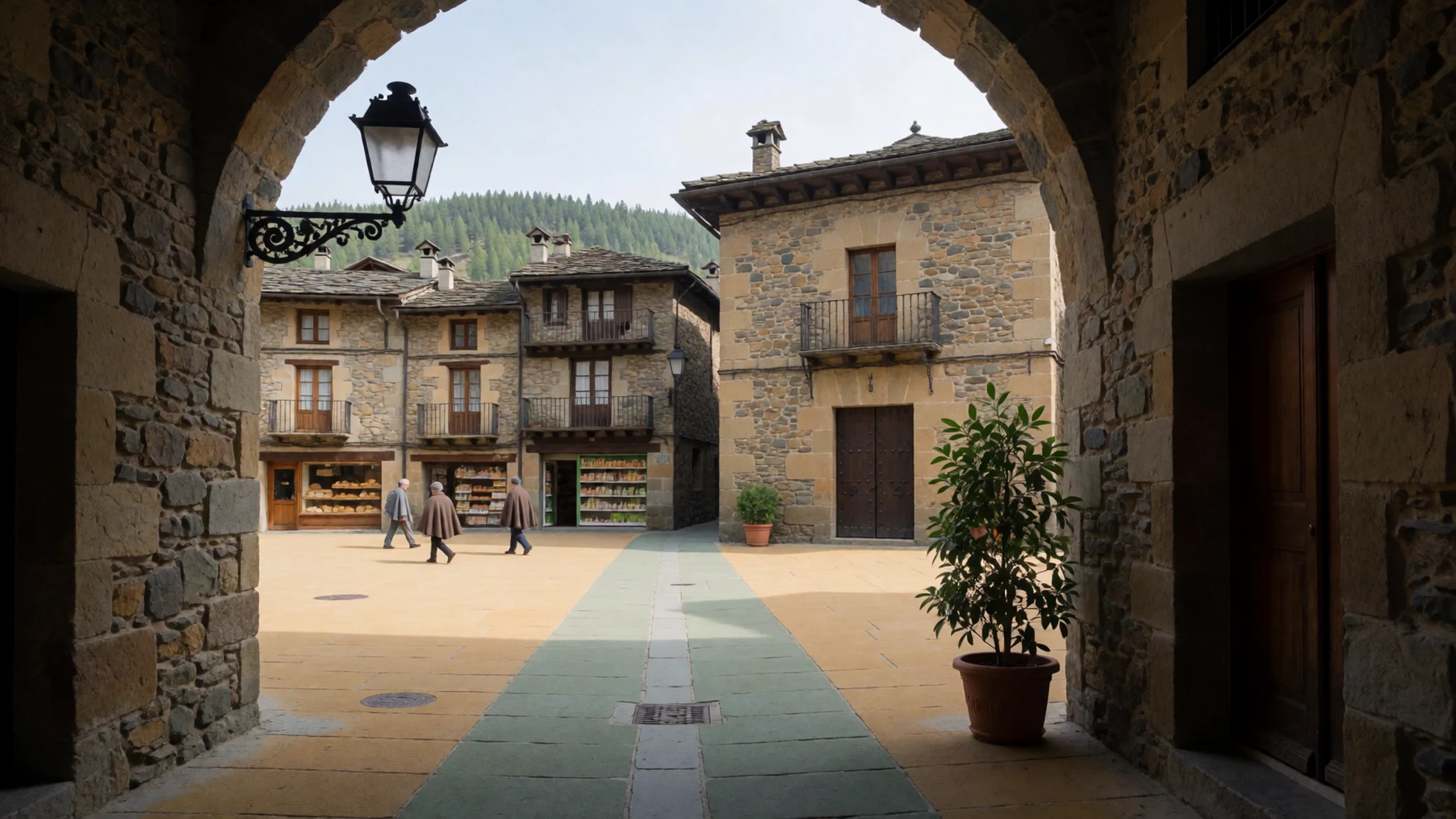
- Vall de Sorteny — Sorteny valley
The Sorteny valley, in the parish of Ordino, is a high side valley of meadows, pine and a river. Waymarked paths cross pasture still in use, so the route is a working landscape. Paths begin above the village, and cloud on the cols is a reason to turn back.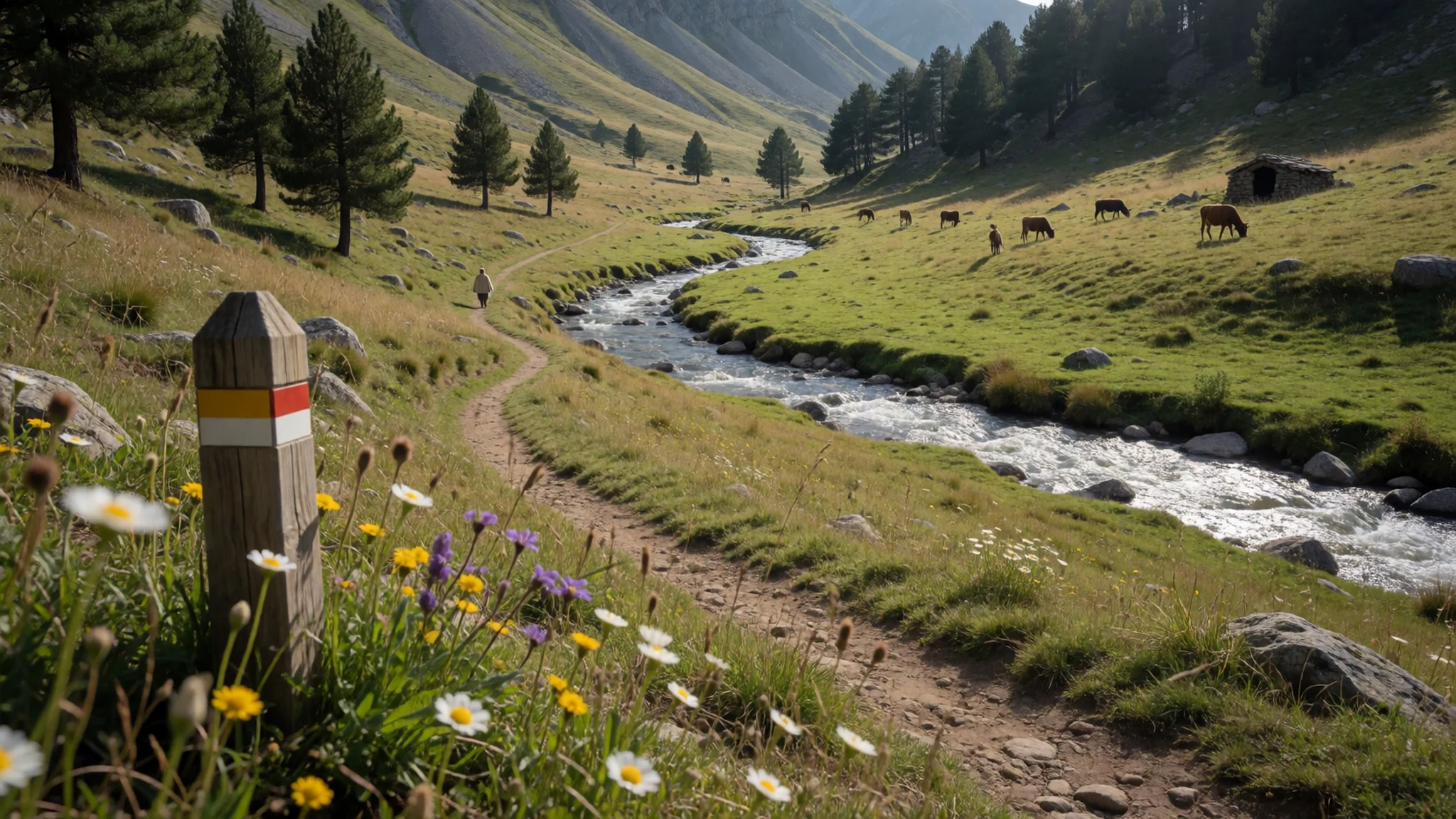
- Ordino-Arcalís — Arcalís
Ordino-Arcalís is the ski ground at the head of the parish, reached by a road that climbs out of the village. In winter it is chairlifts and snow; in summer the same road leads to open slopes, pleta pastures and views over La Coma. Check the resort's own site for whether the lifts are running.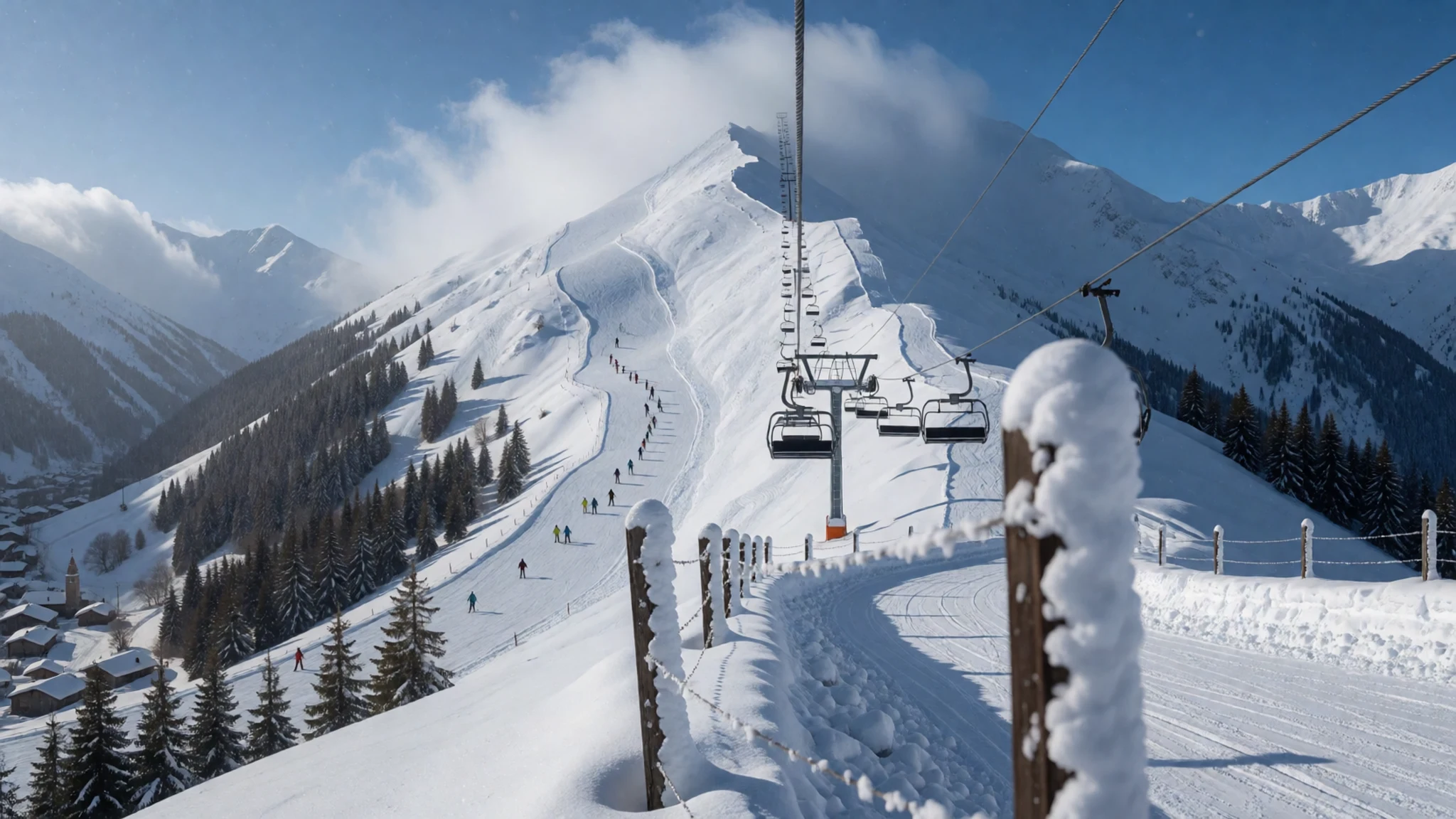
- Estanys de Tristaina — above Arcalís
The Tristaina lakes sit in a high cirque above Arcalís, in the parish of Ordino, dark pools under steep rock. A marked path reaches them in the snow-free months; in winter they lie inside the ski domain. The walk is the point: the colour of the water, the scale of the bowl, and the weather decides it.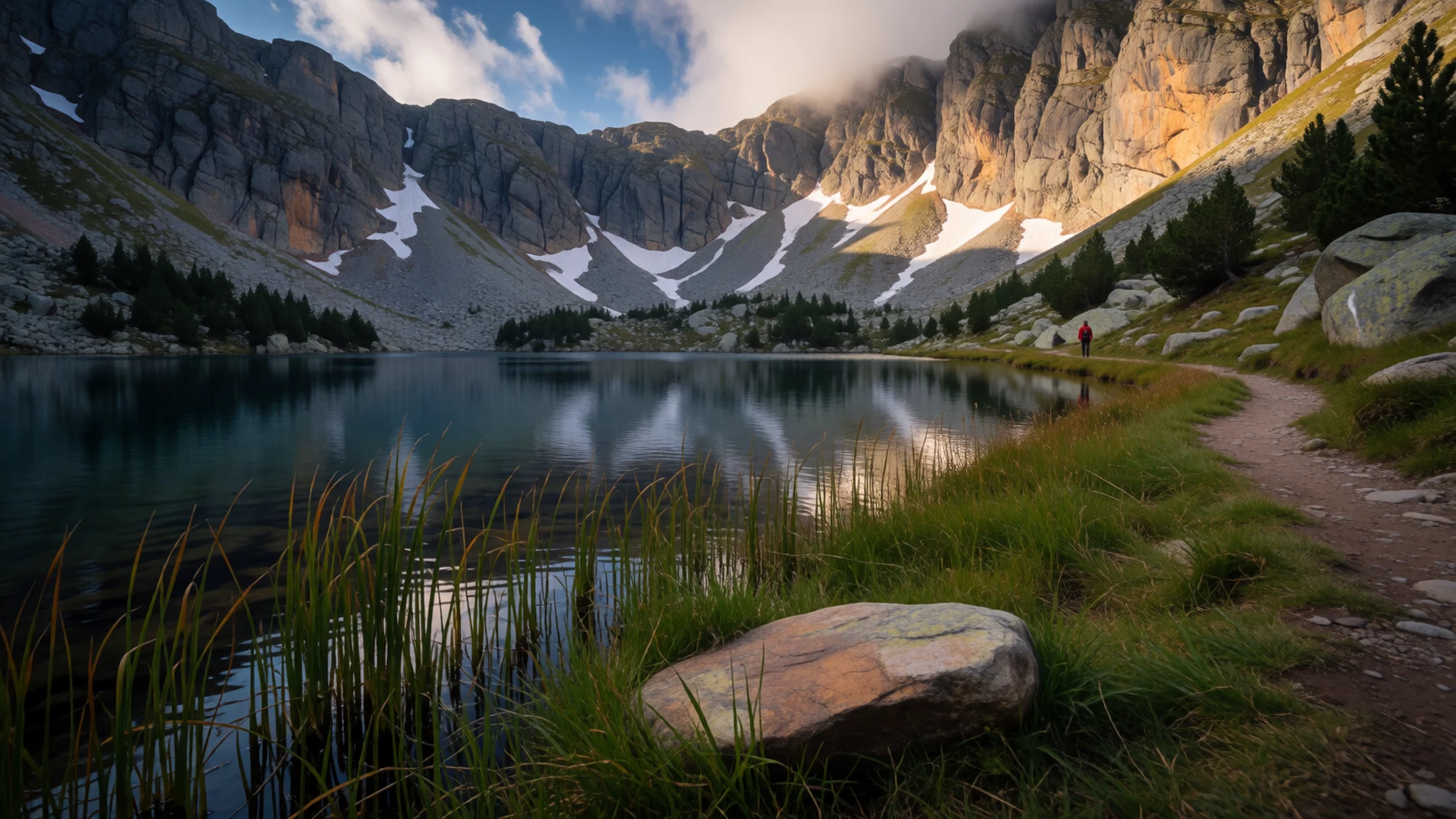
Culture
Ordino keeps the habits of a Catalan mountain parish inside a very small state. The language of the street, the school and the comú is Catalan, and the year still turns on parish feasts as much as on the ski calendar. The patronal celebration of Sant Corneli and Sant Cebrià brings the town together with a mass, a communal meal and dancing in the square; families who have moved down-valley come back for it. On ordinary weeks the cultural life is quieter: the house-museums on the main street and small exhibitions.
The high country is part of that culture, not only a playground. Bordes, dry-stone walls and pasture gates are the working landscape of people who still move animals with the season. In summer the paths fill with walkers; in winter the same slopes belong to skiers and the resort staff who live between the village and Arcalís. None of this has erased the parish. The comú remains the local authority people mean when they say the town, and its building on the square is a civic landmark as much as an office. In Ordino, cover your shoulders and knees in the church, speak softly, and silence your phone if a service is under way.
What to wear
Ordino dresses for weather and work before it dresses for show. Traditional clothing in these valleys is Pyrenean and Catalan, and wool was the cloth that earned its place: heavy skirts, waistcoats, capes and blankets spun from local sheep. Men wore the barretina, a long woollen cap, with a faixa sash and espardenyes, the rope-soled shoes, unless the forge or the pasture called for heavier boots. Women wore full skirts, aprons and shawls, and covered their heads for church and feast days. Those clothes now appear at folk dances and the patronal festa. Striped woollens, dark felt and the red of the barretina turn up in the house-museums and on festival mornings, not on a weekday errand.
On an ordinary day Ordino wears mountain kit. Winter streets fill with ski jackets, soft shells and snow boots, because plenty of people work at Arcalís or ski around a shift. Summer is light trousers, sun shirts and trail shoes, with a fleece at the waist for the ridge wind. The village is casual; nobody is dressing for a city dining room.
A visitor should follow that lead. Layers, a waterproof shell and shoes fit for wet stone matter more than a smart outfit. For the church in Ordino, shoulders and knees should be covered. Winter needs gloves and a hat before the chairlift, and summer still needs a warm layer, since the main street can feel mild at noon while the higher paths do not.
What to eat
- Trinxat — main street eateries and bordes towards the high valleys
Trinxat is cabbage and potato fried until the edges catch, usually with pork belly or sausage on top. Ordino kitchens along the main street and bordes towards the high valleys serve it as a cold-weather supper, not a dainty starter.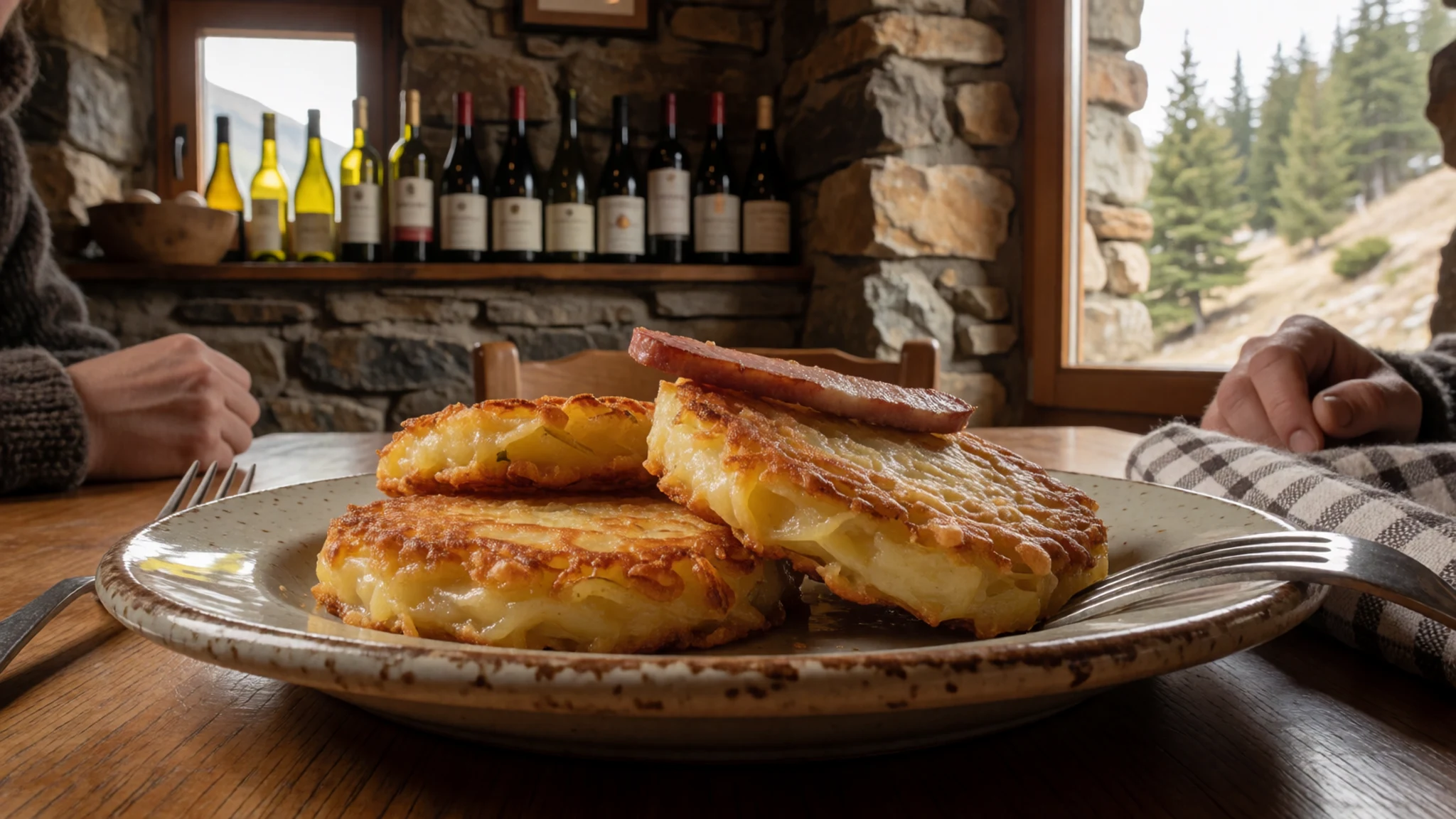
- Escudella — traditional eateries in the old centre
Escudella is the Catalan pot Andorra still cooks in winter: broth of meat, bones and winter vegetables, with pasta or rice in the bowl and the meats served alongside. In Ordino, traditional eateries in the old centre serve it on cold weekdays.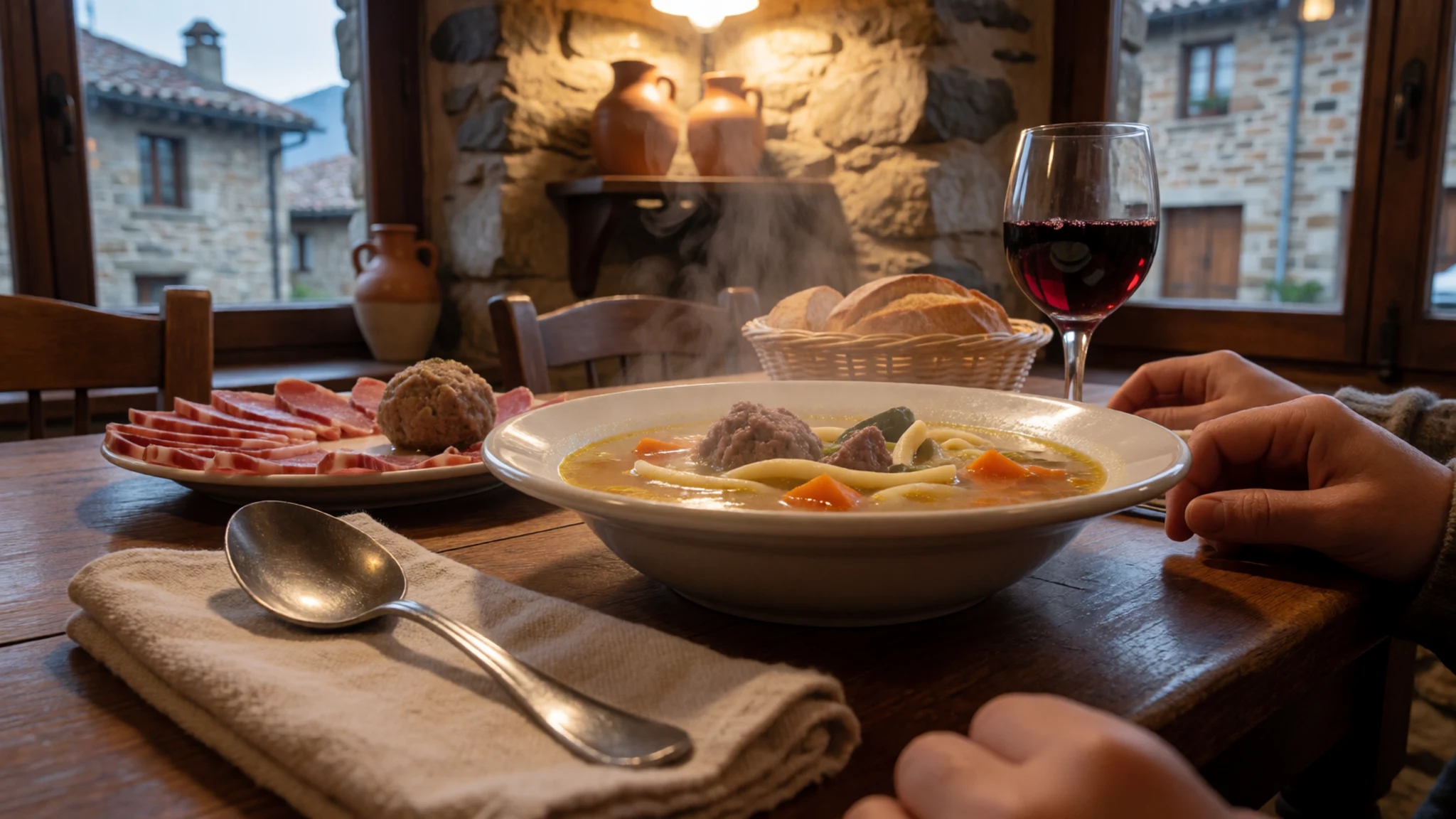
- Truita de riu — bordes towards Sorteny or Arcalís
Truita de riu is river trout, grilled or pan-fried with a little garlic, sometimes with ham. It belongs on menus here because of the streams above the parish. A borda on the way towards Sorteny or Arcalís is the right kind of kitchen: plain fish, plain meat, no ceremony. - Xai a la brasa — bordes above the village and traditional eateries in the centre
Xai a la brasa is lamb grilled over wood, often with allioli and grilled vegetables. Shepherd cooking became Sunday food, and it still anchors a long meal in Ordino. A borda above the village or a traditional eatery in the centre is the place, particularly when ovens are lit. - Embotits and mountain cheese — groceries in the centre and bordes towards the valleys
Embotits with mountain cheese make a simple local lunch: cured pork, a firm Pyrenean cheese and country bread. Charcuterie counters and small groceries in the centre of Ordino sell them to take away, and bordes towards the valleys serve the same plate at a table. - Crema cremada — bakeries and shops on the main street
Crema cremada is Catalan burnt cream and it closes a long meal. Bakeries in Ordino also sell coca, a flat sweet or savoury cake, by the slice. Both belong to a shop on the main street, not to a counter on the snow.
Plan it
Best time. Ordino suits June to September for valley walking, when high paths are mostly free of snow, and December to March for skiing at Arcalís. April, May, October and November are quieter and less predictable, with snow possible on the upper road.
How long. 2–3
Getting there. Andorra has no railway. The usual airports are Barcelona and Toulouse; from either, the last leg is by road up the Valira valley, through Andorra la Vella and La Massana, into Ordino. A car, a hired transfer or the national bus will do that climb.
Budget. mid
Tips
- Book lodging ahead for winter weekends and for August, when the valleys are busy.
- Begin walks early; afternoon cloud and storms build on the ridges.
- Walk the village, and take a car or the local bus for Arcalís and Sorteny.
- Cards work in most village shops; carry cash for small bordes.
Etiquette
- Cover shoulders and knees in the church at Ordino, and keep quiet if a service is under way.
- Close every pasture gate behind you on the paths above Ordino.
- Stay on marked paths in the high valleys and leave flowers, stone and animals alone.
- Ask before photographing people at a festa or inside a working borda.
Nearby
Sources
- Wikidata (CC0)
- Wikipedia (CC BY-SA 4.0)
- Wikivoyage (CC BY-SA 4.0)