Coma Pedrosa
Coma Pedrosa, Andorra
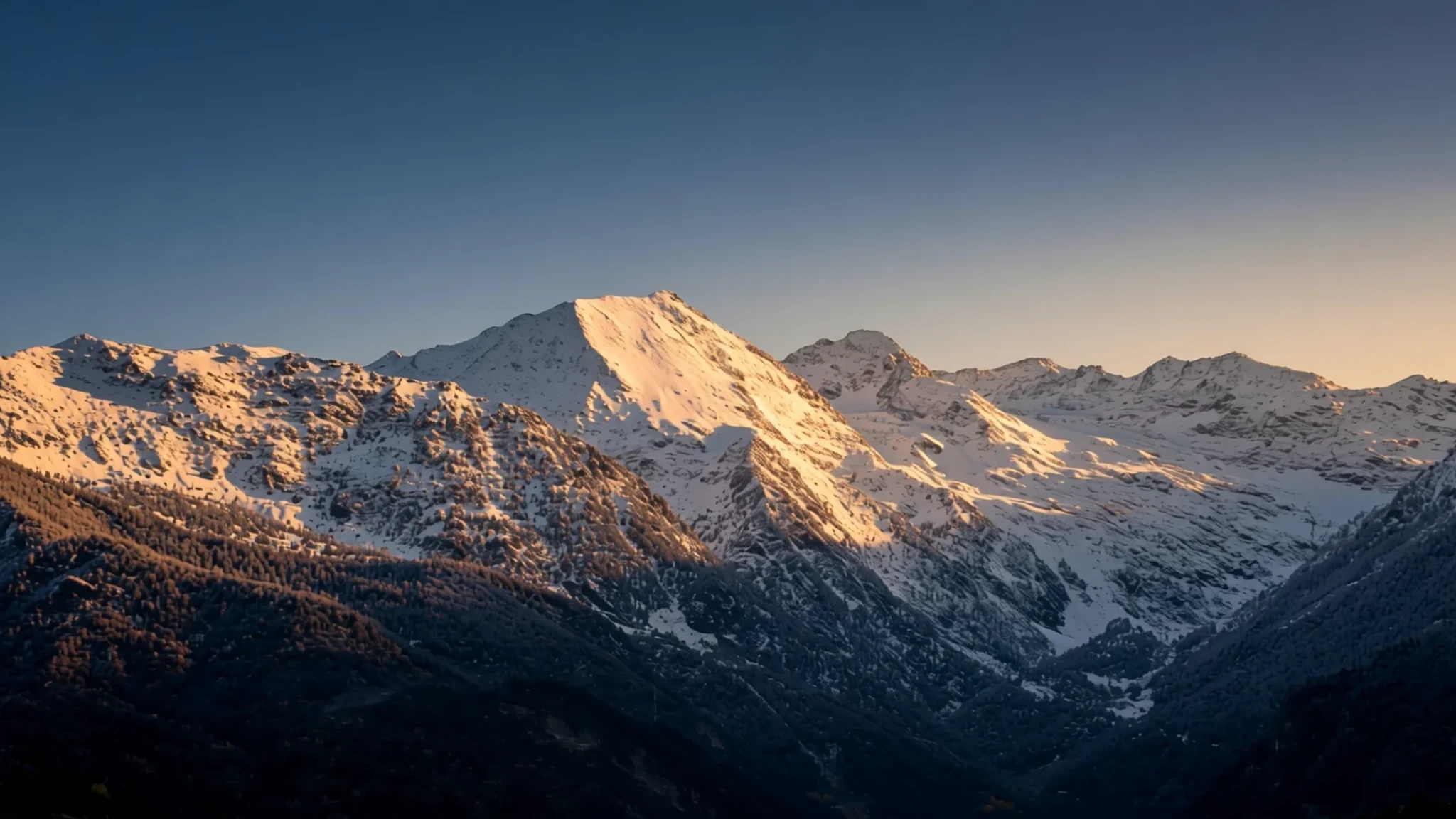
Coma Pedrosa is a stony Pyrenean combe above Arinsal, with dark tarns and a crest walk over Andorra's high border ridge.
The place
Coma Pedrosa rises in north-western Andorra, above Arinsal in the parish of La Massana, on the high ridge of the Pyrenees. The Catalan name describes the ground itself: a coma is a mountain hollow, and pedrosa means stony. That is the character of the place. It is not a needle of rock seen from far off, but a broad crest set behind ski pastures, pine woods and a string of small tarns. The walk is a steady climb through those layers, and the mountain only fully shows itself once the trees have been left behind. Below, Arinsal and the neighbouring slopes of Pal are a winter sports valley that turns back into a walking valley when the snow retreats. Summer pasture and dry-stone walls still mark the older use of the land. The path then crosses open hillside towards the Basses de l'Estany Negre, dark pools held in the combe under the final slopes. Scree, short turf and slabs replace the forest. From the crest the view runs along the border ridges, into Spain, and towards the French Pyrenees beyond, a long line of peaks rather than a single backdrop. Cloud builds quickly here, and a bright start in the village is no promise at the tarns. Wind on the top is part of the walk, and there is no road and no settlement on the summit. Coma Pedrosa is the high country of a very small state made visible in a single walk: a parish valley, cold water, and a stony rim on the border with Spain.
Its story
Coma Pedrosa entered local memory as a name for a piece of high grazing, not as a sporting prize. In the Catalan speech of the Andorran parishes, a coma is the hollow where snow lies late and where animals are sent once the lower grass is finished, and pedrosa simply warns that the hollow is full of stone. For a long time that was the whole story: a hard pasture at the back of La Massana, useful in high summer, empty when the weather turned, known to the people who walked cattle and to almost nobody else. The modern life of the mountain began when Arinsal and Pal became a winter resort. Lifts, a road and a village of apartments put visitors at the foot of a slope that shepherds had treated as ordinary working ground. Summer found a new use for the same infrastructure. Walkers started from the top of the ski area or from the valley floor and followed the combe towards the crest, and the summit changed from a herder's landmark into the usual high objective of a trip to Andorra. Waymarks and a natural park over the communal valleys of Comapedrosa followed. What has not changed is the logic of the place. Coma Pedrosa still sits on a border ridge, Spain close on the far side and the French Pyrenees in the wider view. Andorra's old standing as a mountain co-principality is why the crest feels like the edge of a whole country. The story of the peak is the shift from pasture to path. The stones were always there. Climbing them for their own sake is recent, and it still depends on the weather and on the valley below letting people through.
What to see
- Summit of Coma Pedrosa — La Massana parish, above Arinsal
The summit of Coma Pedrosa is a broad stony crest rather than a sharp tower, reached by a final pull over scree and slabs. On a clear day the ridge looks straight into Spain, with the longer Pyrenean chain, France included, standing further off. There is no building on the top, so the turnaround is the weather. Wind is the usual companion.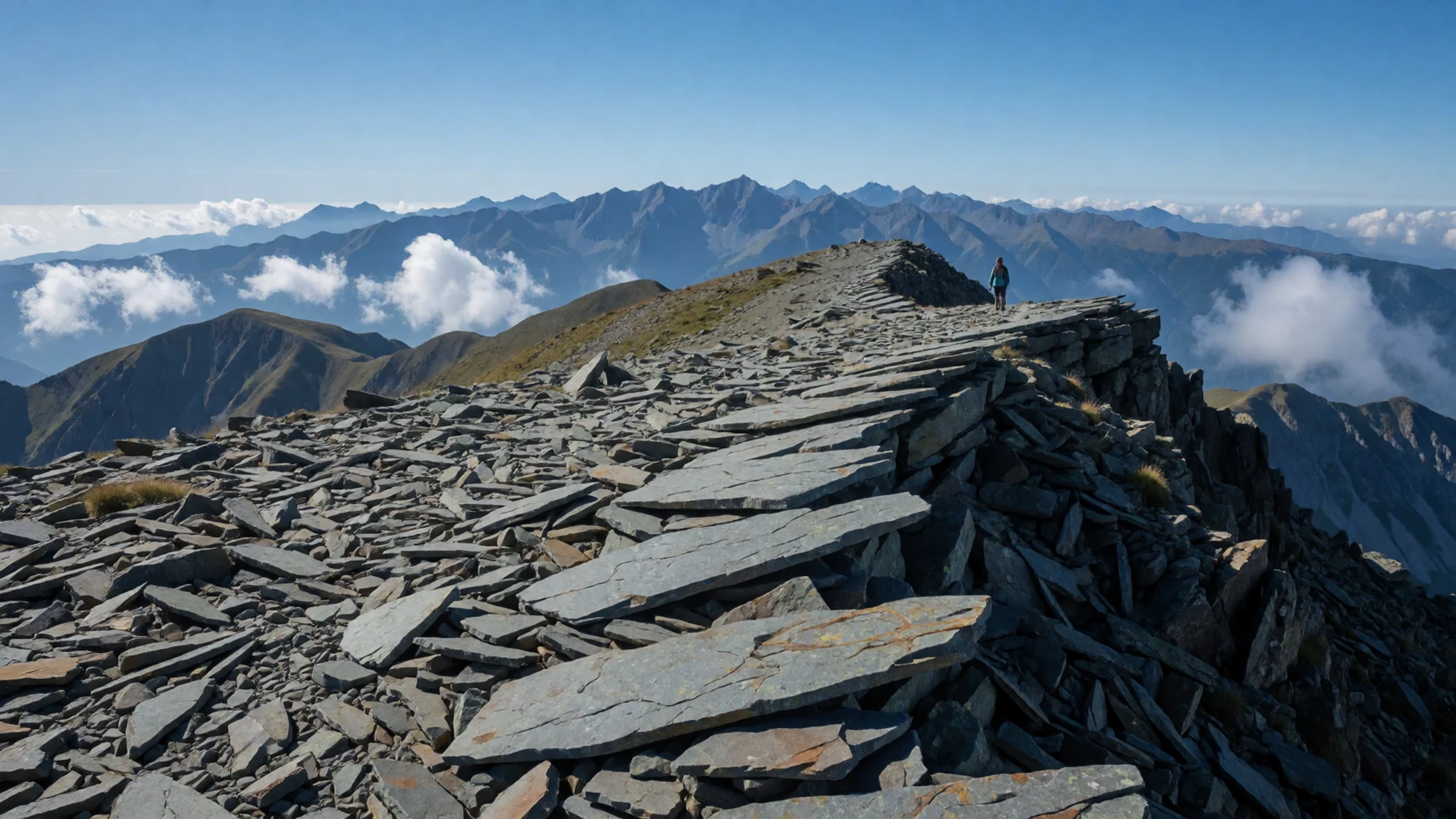
- Basses de l'Estany Negre — the combe under the summit
The Basses de l'Estany Negre sit in the combe directly under Coma Pedrosa, a chain of dark tarns that gives the upper walk its character. The water is cold and often still, held against rock and short grass, and the peak rises behind it in a single stony wall. This is the natural place to rest, refill a bottle and judge the cloud before the final slope.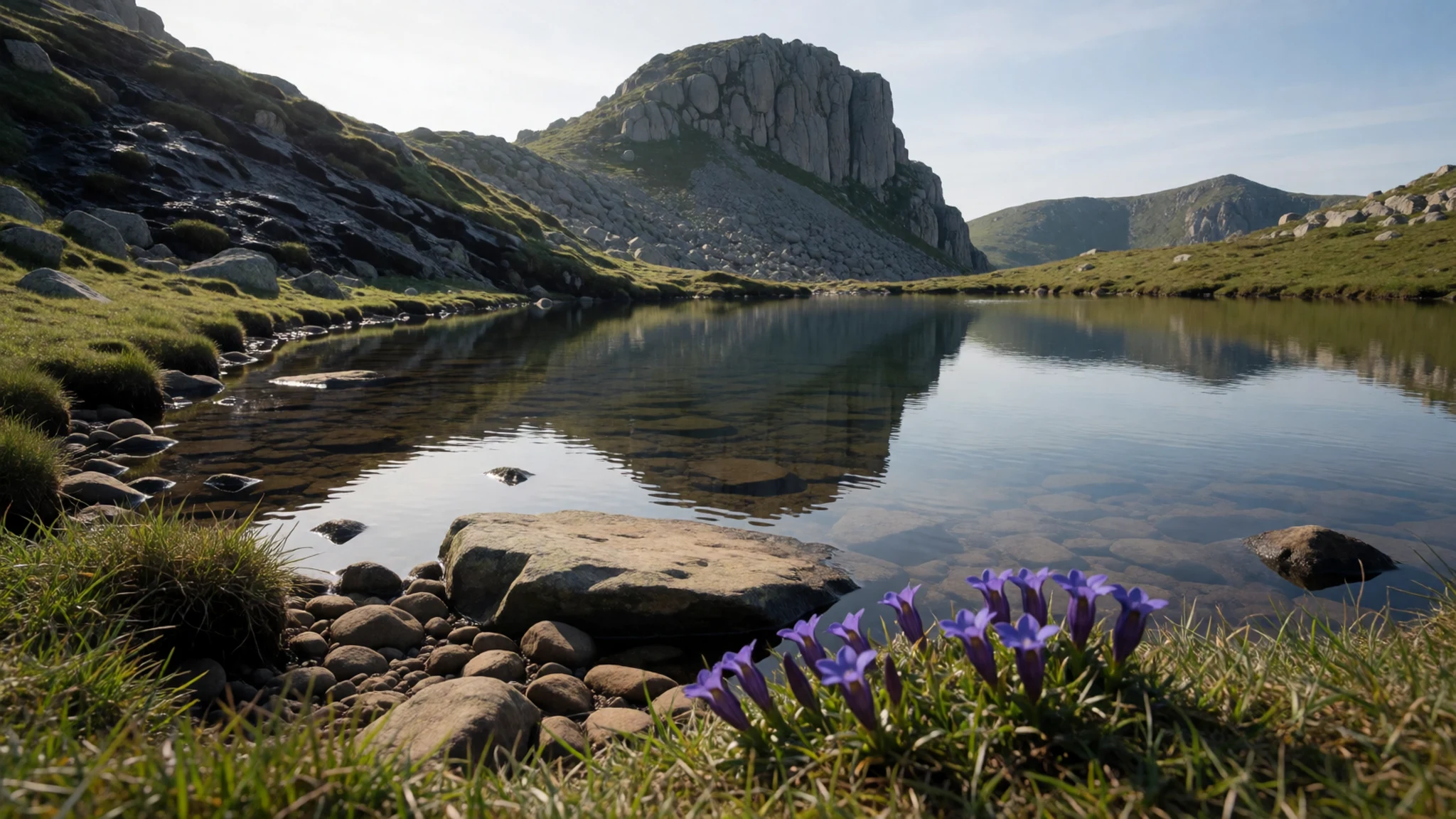
- Arinsal — Arinsal, La Massana
Arinsal is the valley town under Coma Pedrosa and the usual place to start. In summer the ski lifts may or may not be running; the reliable route is the footpath that leaves the upper village and climbs through pasture towards the combe. The peak is visible from the slopes above town, a grey crown beyond the green benches. Shops and cafés in Arinsal are the last stop for water.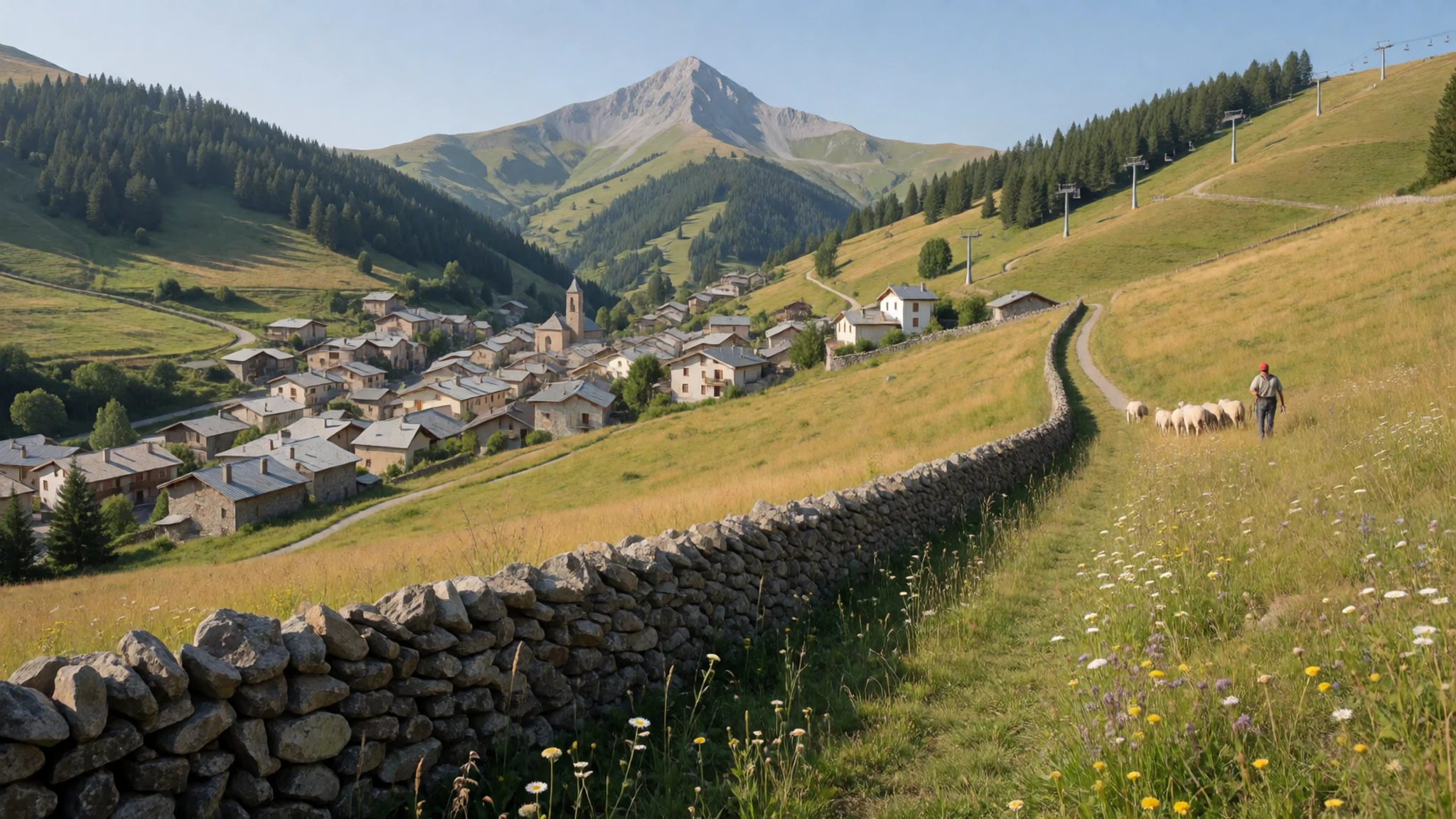
- Coll d'Ordino — between Canillo and Ordino
Coll d'Ordino is the high road pass east of Coma Pedrosa, between Canillo and Ordino, and a clear place to see the peak without climbing it. The mountain sits across the parish boundary as a long ridge rather than a close cliff. Cyclists and drivers use the pass in summer; in winter the road can close, so it is a fair-weather viewpoint.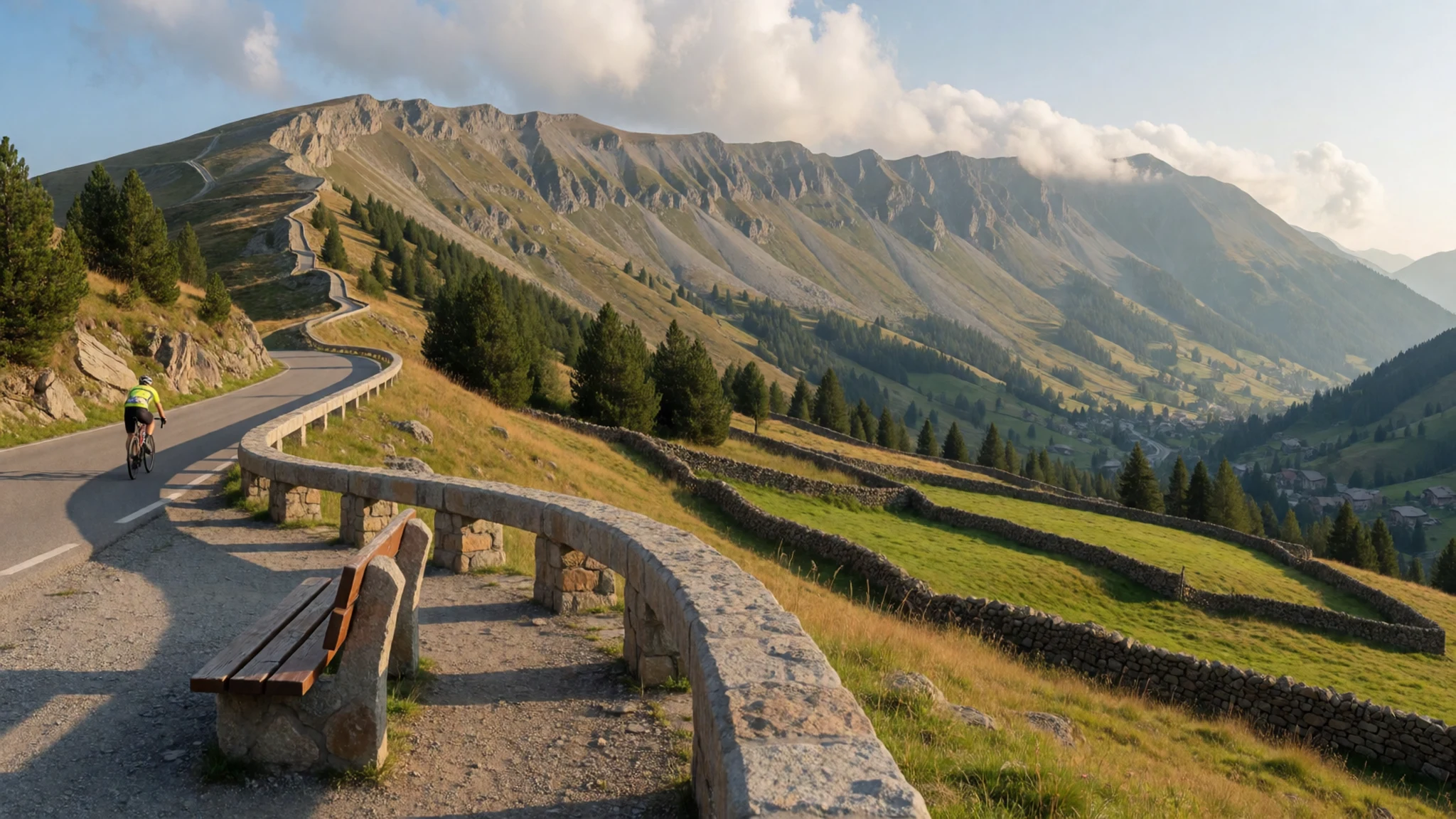
- Cataperdís — the ridge near the combe
Cataperdís is a neighbouring summit on the ridge near Coma Pedrosa, and the view back from its top shows Coma Pedrosa across a gulf of pasture and rock, with Medacorba in the same skyline. Reaching it is a separate walk, not a short extra on the main path, and the terrain is the same mix of grass, stone and sudden cloud. There are no facilities on the crest.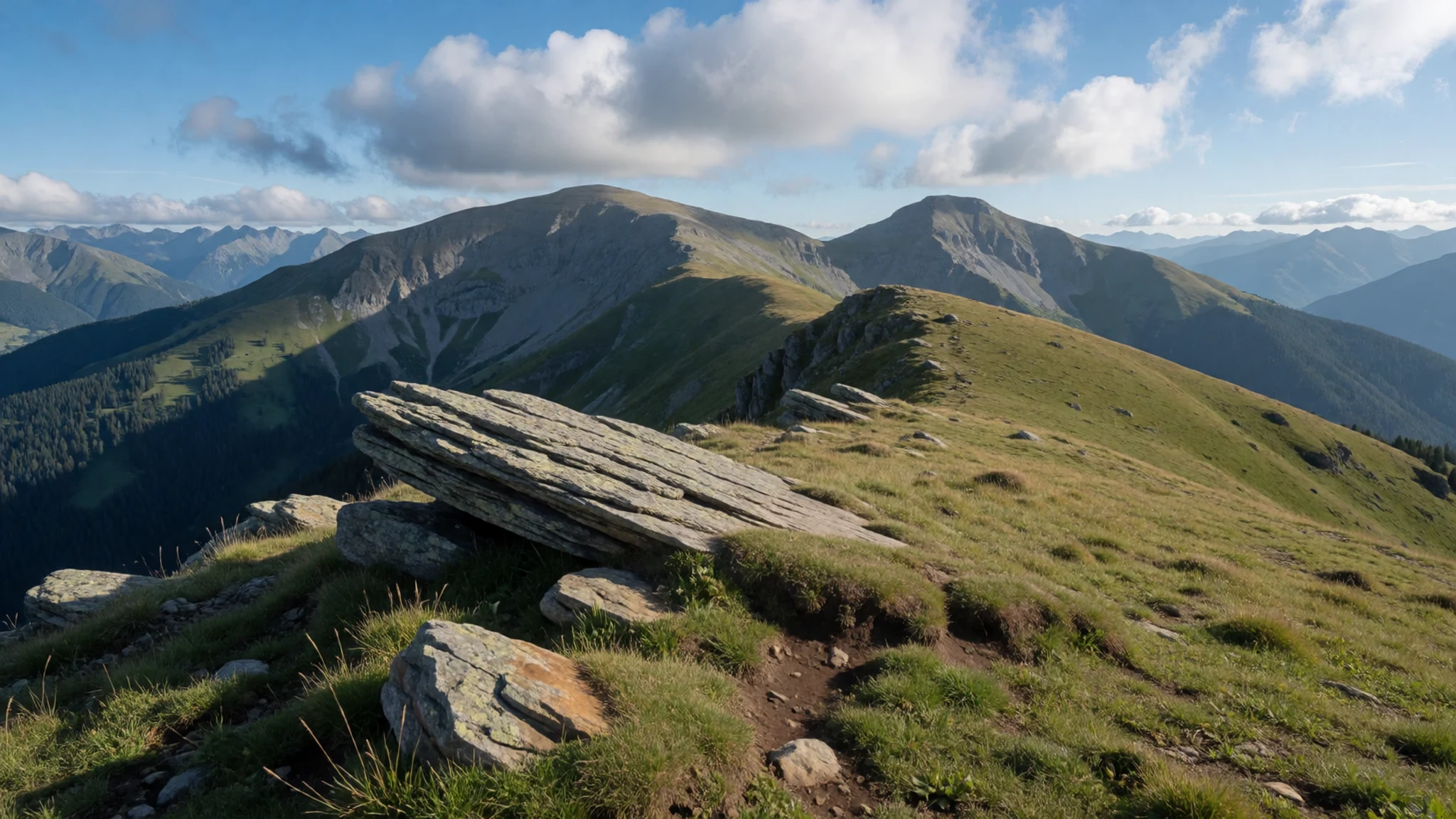
Culture
Coma Pedrosa belongs to the communal high country of La Massana, and the culture around it is still a parish culture rather than a resort culture. Andorra's language is Catalan. In the valley people use it in signs, place names and family life, and switch readily to Spanish or French with visitors. The mountain's own name is a piece of that speech, not a label invented for a brochure. Parish identity matters more here than a national costume or a single foundation myth: La Massana, Ordino and the other parishes keep their own feast days, Romanesque churches in the lower villages, and a long memory of shared grazing. The high valleys were working ground. Families sent animals up when the snow released the grass, and the right to those pastures was held in common, which is why the protected land around the peak is spoken of as a communal natural park. That history is quiet. It is not performed on the summit. It shows up in stone walls, in the way paths respect meadows, and in the expectation that a walker is a guest on someone else's summer ground. Winter sport changed Arinsal's economy, but it did not replace the older idea that the mountain is a shared resource with rules. On Coma Pedrosa, keep to the marked path, give cattle a wide berth, and carry your rubbish back down to Arinsal.
What to wear
Coma Pedrosa has no costume of its own, but the valleys below share the old Catalan festive dress of the Pyrenees. At parish feasts a man may still wear a barretina, the red knitted cap, with a faixa sash at the waist, a white shirt and dark trousers, sometimes with espardenyes, the rope-soled shoes. Women dress in long skirts, aprons and shawls, with a lace or linen head covering for the more formal dances. These clothes are wool, cotton and linen, brought out for a saint's day, a wedding or a folk group, not for the mountain. Day to day, Arinsal dresses for sport and for weather. In winter the village is ski jackets, helmets and heavy boots. In summer it is lighter: trail shoes in town, T-shirts, and a layer tied at the waist because the valley can be warm while the crest is in wind. Shoppers in Andorra la Vella, down the valley, wear ordinary European city clothes; the difference shows as soon as the road starts to climb. A visitor on Coma Pedrosa should dress for a high walk. Sturdy boots with a firm sole, a windproof shell, a warm mid-layer and a sun hat matter more than style. Early snow patches and wet scree make smooth-soled shoes a poor choice. Shoulders and knees can stay uncovered in the valley; there is no shrine dress code on the summit, only the practical demand of a mountain that changes temperature as the path climbs.
What to eat
- Trinxat — family restaurants in Arinsal and La Massana
Trinxat is the mountain plate of the valleys under Coma Pedrosa: cabbage and potato mashed and fried with salted pork. Restaurants in Arinsal and La Massana serve this winter dish to walkers who come down cold from the ridge. It is rustic and filling, greens and pork together.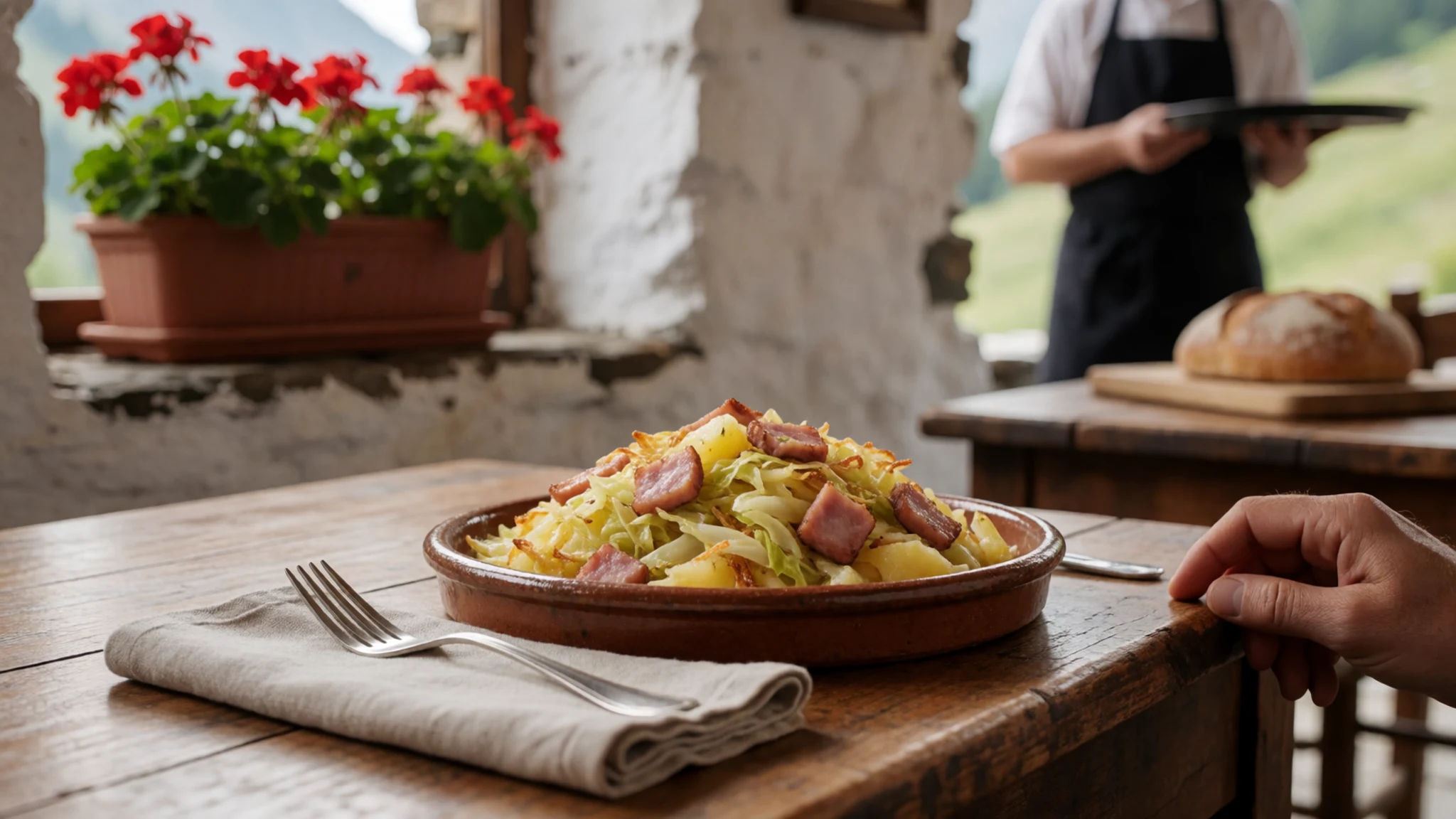
- Escudella — parish restaurants in La Massana and Ordino
Escudella is the Catalan pot of broth, beans, potato, cabbage and pork served in parish restaurants around Coma Pedrosa. The bowl is a full meal, often with a pilota meat dumpling, and it suits a cold evening in La Massana or Ordino once the ridge has been left behind.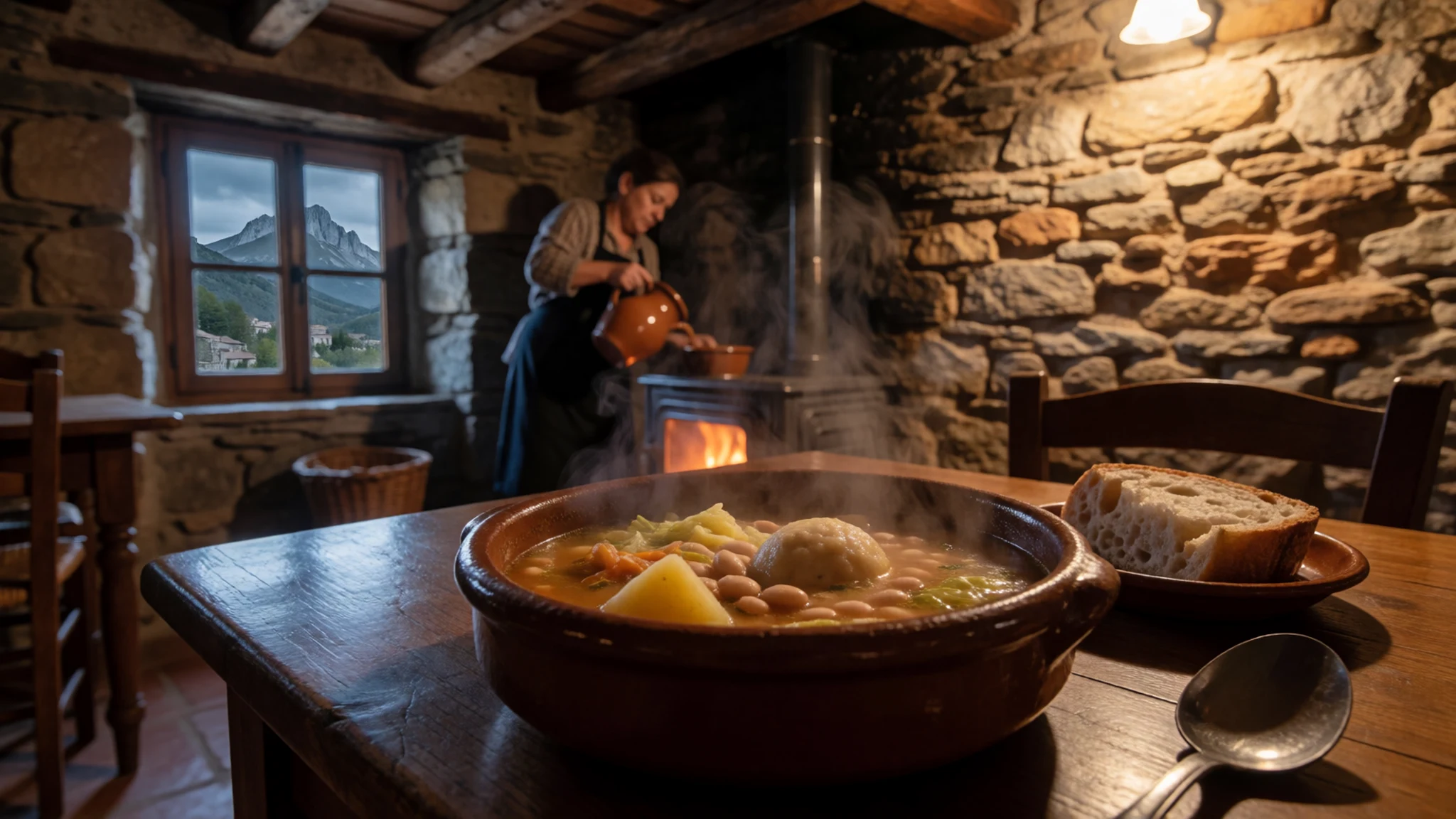
- Xai a la brasa — village grill restaurants in Arinsal and Ordino
Grilled lamb, xai a la brasa, is the festive meat of the parishes below Coma Pedrosa. Shoulders and chops come off the grill with salt or alioli, and the point is the grazing flavour rather than a heavy sauce. Village grill restaurants in Arinsal and Ordino serve it at weekends. - River trout — riverside eateries between La Massana and Ordino
River trout is the fish of the Valira valleys, and restaurants near Coma Pedrosa grill it with herbs or a light pan sauce. It is lighter than the pork plates and suits a hot day in Arinsal. Riverside eateries between La Massana and Ordino are the place to find it. - Embotits and mountain cheese — provision shops in La Massana and Andorra la Vella
Cured sausage and mountain cheese are the food that travels up Coma Pedrosa. Embotits such as botifarra, with a firm cow's or sheep's cheese from the pastures, keep well in a bag and need no kitchen. Provision shops in La Massana and Andorra la Vella sell them for the path.
Plan it
Best time. Coma Pedrosa is best walked from July to September, once the high path is mostly clear of snow. June can still hold drifts in the combe. July and August bring more people and afternoon storms. September is often quieter, with cooler air and a shorter day.
How long. 2–3
Getting there. Reach Coma Pedrosa via Barcelona or Toulouse, then by road through the Valira valley to La Massana and Arinsal. The last leg is on foot by the marked path into the combe. Buses and tour coaches also run from Barcelona into Andorra; check the operator for the current timetable.
Budget. mid
Tips
- Start at first light and leave the crest before afternoon storms.
- Carry water; do not treat the tarns as a tap.
- Take cash for small shops in Arinsal.
- Read the mountain weather notice in the morning.
- Assume the whole climb is on foot.
Etiquette
- Stay on the marked path through the pastures.
- Give cattle room and do not feed them.
- Take all rubbish back to the valley.
- Keep noise down near the tarns.
Nearby
Sources
- Wikidata (CC0)
- Wikipedia (CC BY-SA 4.0)
- Wikivoyage (CC BY-SA 4.0)