Grandvalira
Grandvalira, Andorra
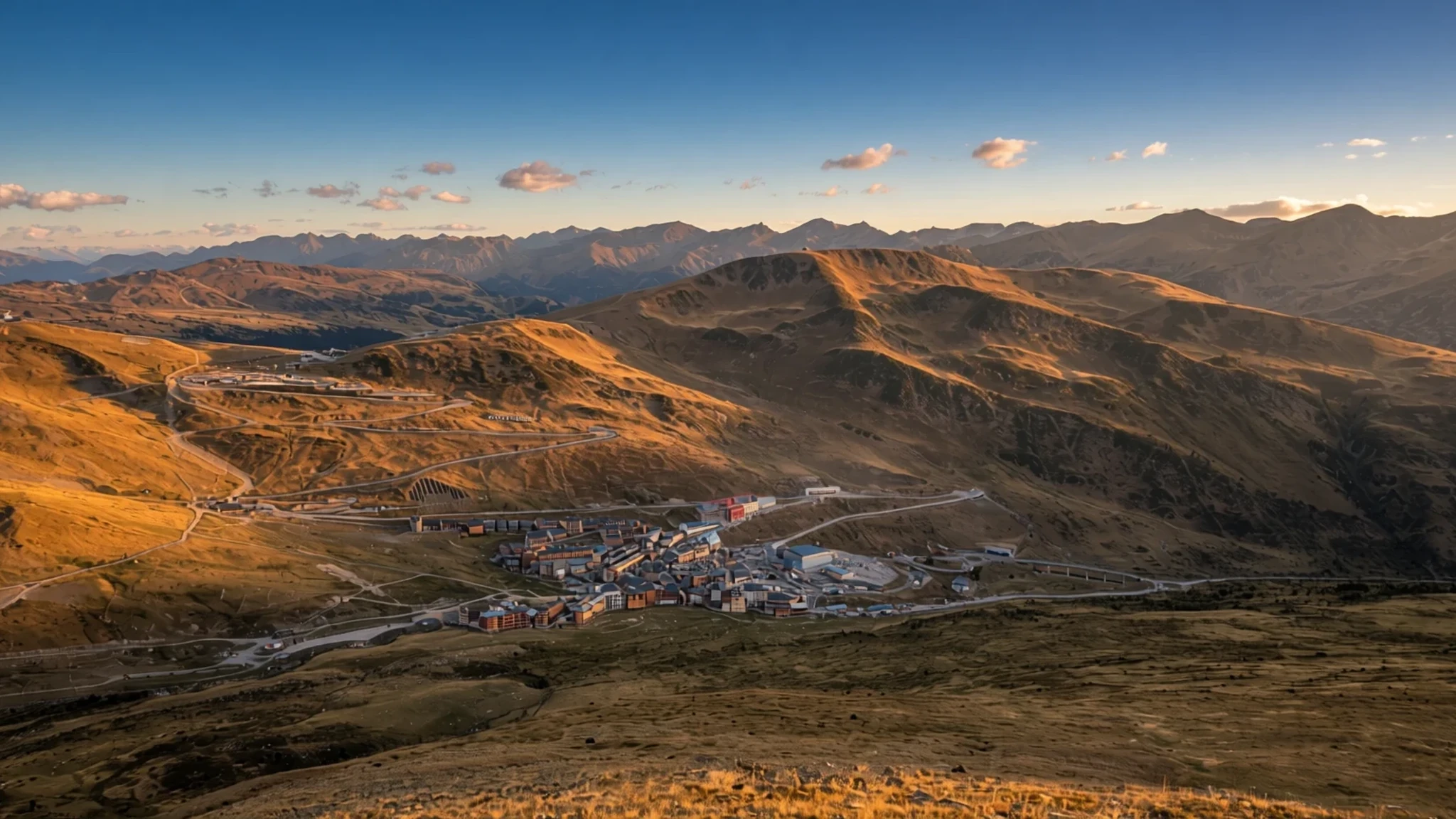
Grandvalira is Andorra's linked high-mountain ski domain, strung between French-border Pas de la Casa and the valley villages below.
The place
Grandvalira is the linked ski domain of the eastern Andorran Pyrenees, a chain of sectors rather than a single resort village. Pas de la Casa stands at the French border under the Envalira pass; Grau Roig occupies the high bowl beside it; Soldeu, El Tarter, Canillo and Encamp step down the Valira valley toward the rest of the country. Shared lifts and a shared trail map hold them together in winter. When the snow goes, the same ground returns to pasture, rock and walking paths, and the villages settle back into a smaller, local life.
The terrain changes with height. Above the trees the runs are wide, open and often windy. Lower down they narrow through larch and pine and finish among apartment blocks, hire shops and, here and there, a stone church that belongs to the parish rather than to the ski business. Pas de la Casa feels like a border post that grew a town around duty-free trade and nightlife. Soldeu and El Tarter are valley bases, with the river and the road at the bottom of the slope. Encamp is a real town at the lower end of the system, where a gondola joins everyday Andorra to the high domain.
Andorra is a small Catalan-speaking co-principality lodged between France and Spain, and Grandvalira takes its crowd from that position. French visitors come over the pass, Spanish and Catalan visitors come up the valley, and lift queues mix the languages. Holiday weeks are crowded; ordinary weekdays are easier. Wind on the cols, flat light after a storm, and a wait at a busy chairlift are normal, not a failed day. The practical pleasure is being able to ski from a village toward another and still find a street, a meal and a bed when the lifts close.
Its story
Grandvalira's story is the joining of separate parish ski hills into a single domain. The valleys of Canillo, Encamp and Soldeu, and the high hamlet that became Pas de la Casa, lived for a long time on herds, on the pass trade between France and Spain, and on routes that officials called smuggling. Winter was a closed season. Skiing gave those slopes a cold-weather job, and each community built lifts and beds of its own before anyone offered them as a single map.
The domain visitors use now came from linking those areas, so a skier could leave the French border and work down toward Encamp without changing resorts. Pas de la Casa, once little more than a customs stop on the Envalira road, turned into a packed resort town. Soldeu and El Tarter grew along the valley road. Grau Roig filled the high ground between the border and the valley villages. Grandvalira is the name of that union: several bases, a single trail system, a shared commercial identity laid over old parishes.
The earlier country still shows through. Stone houses, parish churches and Catalan sit beside apartment blocks built for ski weeks. Andorra remains a co-principality of the Bishop of Urgell and the President of France, which is why French and Spanish influence both feel local. Winter sport turned a poor mountain economy into a service one. Walking and shopping cover the months without snow, but visitors still meet the winter version: early lifts, a long lunch, and villages organised around the hill.
What to see
- Pas de la Casa — French border, top of the domain
Pas de la Casa is Grandvalira's high border village, stacked on the slope under the Envalira pass. Streets are given over to ski hire, supermarkets and a loud après-ski strip, and the runs home are open and exposed, with links across to Grau Roig. It suits visitors who want shops at the door and can tolerate weather that sometimes shuts the high road.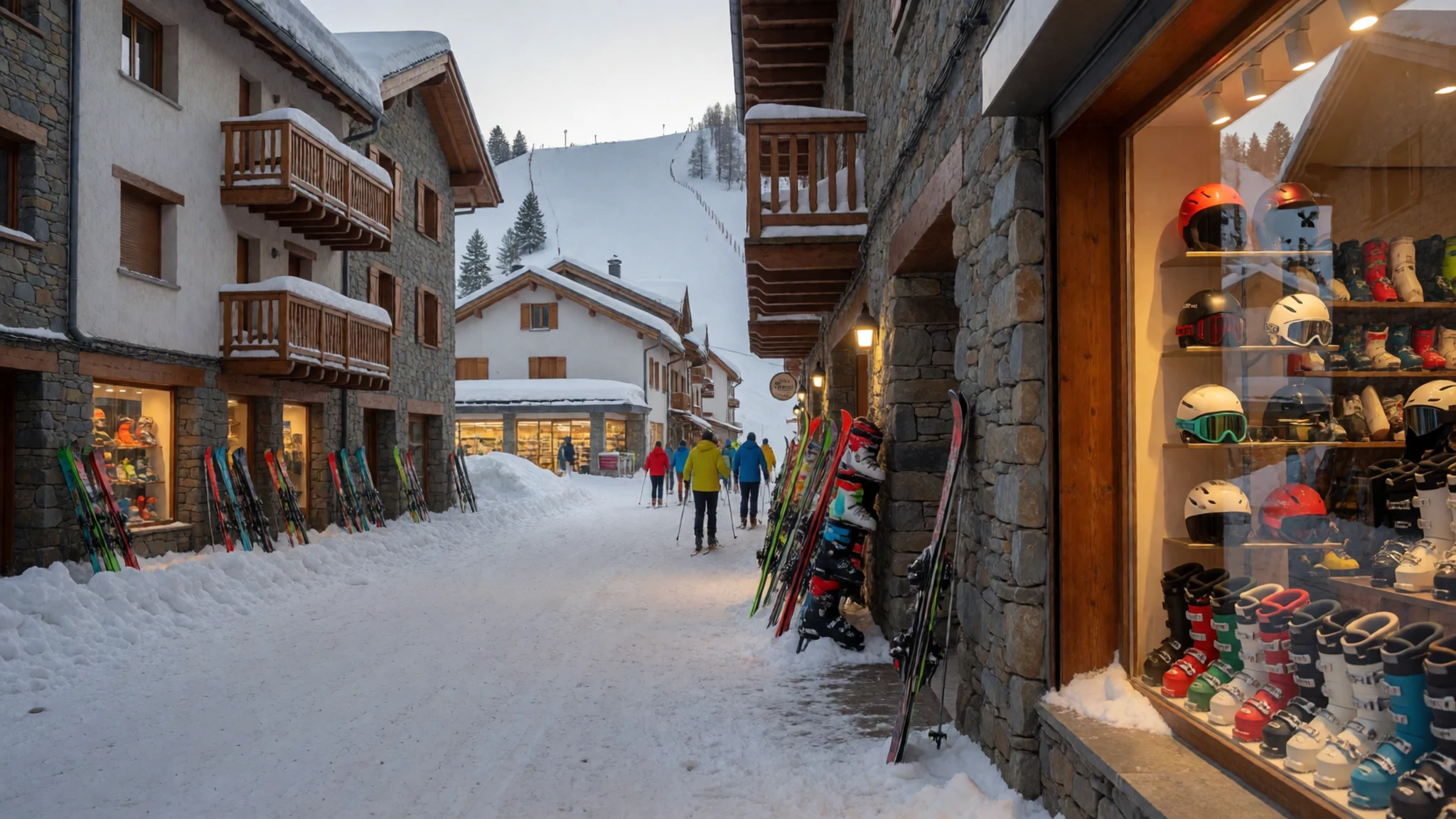
- Grau Roig — High bowl between the border and the valley
Grau Roig is Grandvalira's high bowl between Pas de la Casa and the valley resorts, quieter than the border town and given over to the mountain. Regulars come for freeride terrain and a snow park, on wide runs that stay high instead of dropping to a street. Lodging is thin, so many people ski through and sleep in another sector.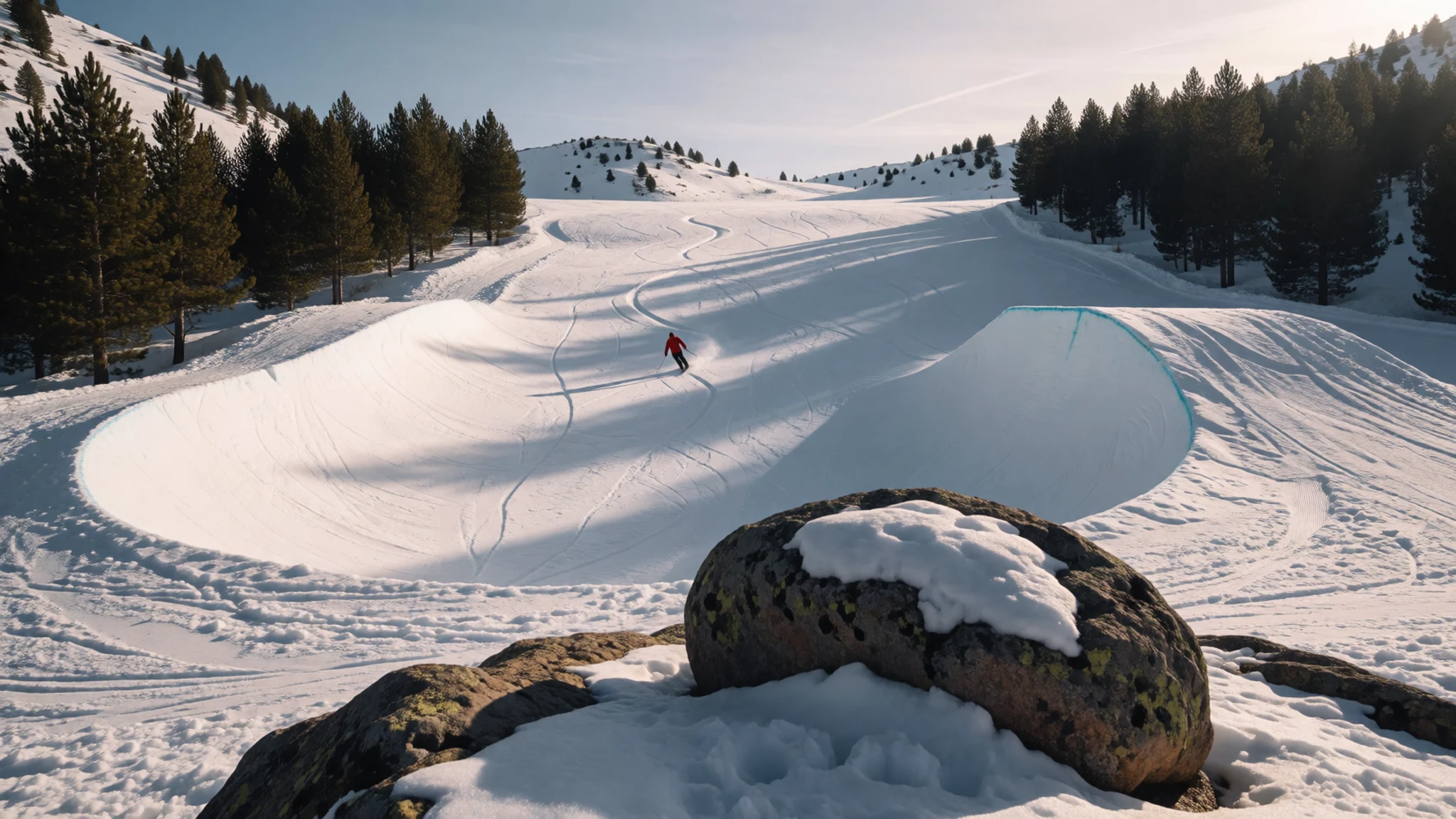
- Soldeu and El Tarter — Valira valley
Soldeu and El Tarter form Grandvalira's valley heart, neighbouring bases along the road with a river below and lifts rising from the street. The villages are smaller and calmer than Pas de la Casa, with apartment blocks, restaurants and slopes that finish in town. Skiers use them as a home base for the high bowls and the lower links toward Canillo.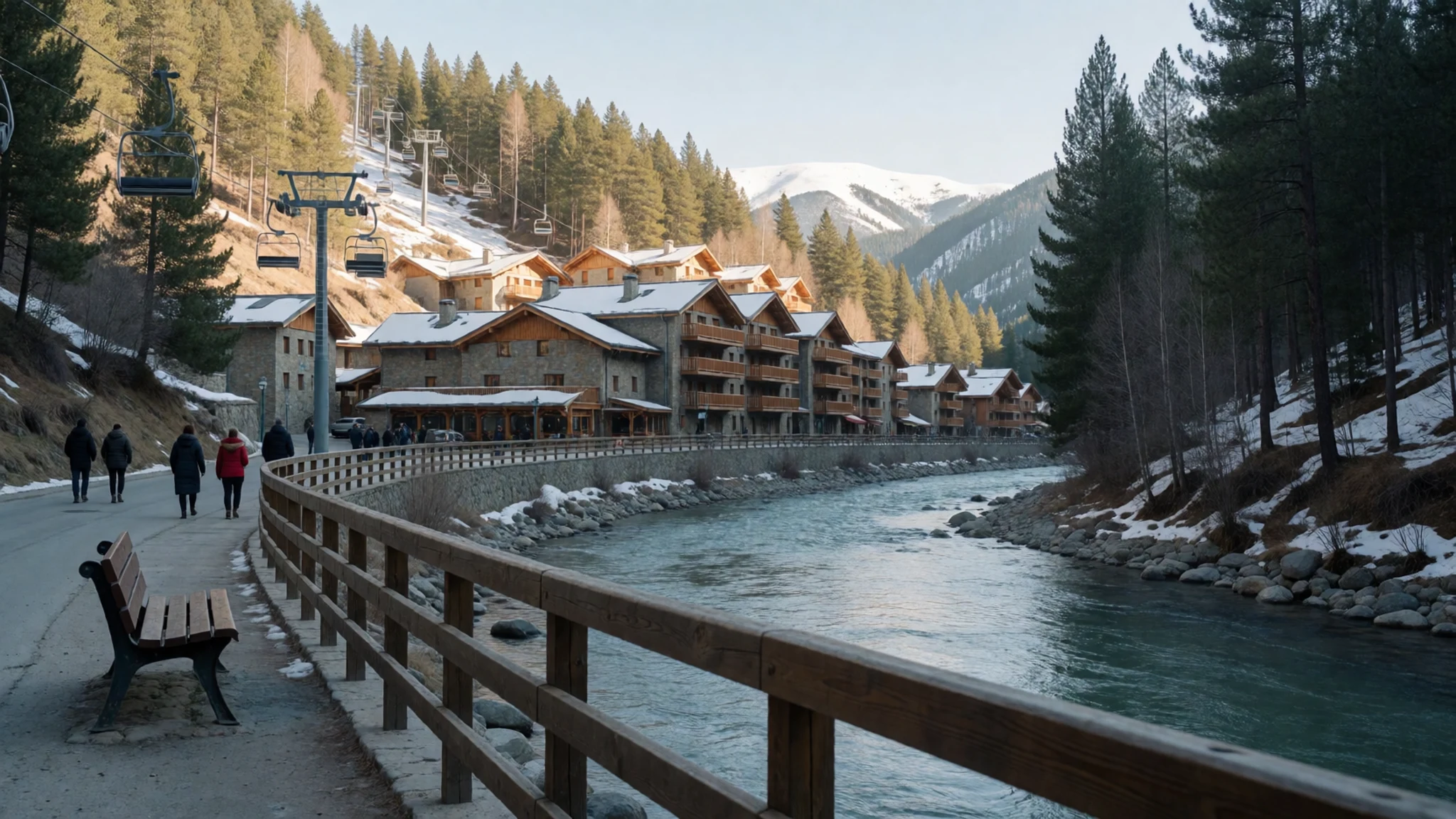
- Encamp — Lower end of the domain
Encamp is the town at Grandvalira's lower end, where the ski domain meets everyday Andorra. A gondola lifts people toward the higher sectors, so visitors base themselves here and ride up, returning to streets that are not only apartments and hire shops. The skiing above is the start of the system rather than its high heart. It suits travellers who want an Andorran town around them once the lifts close.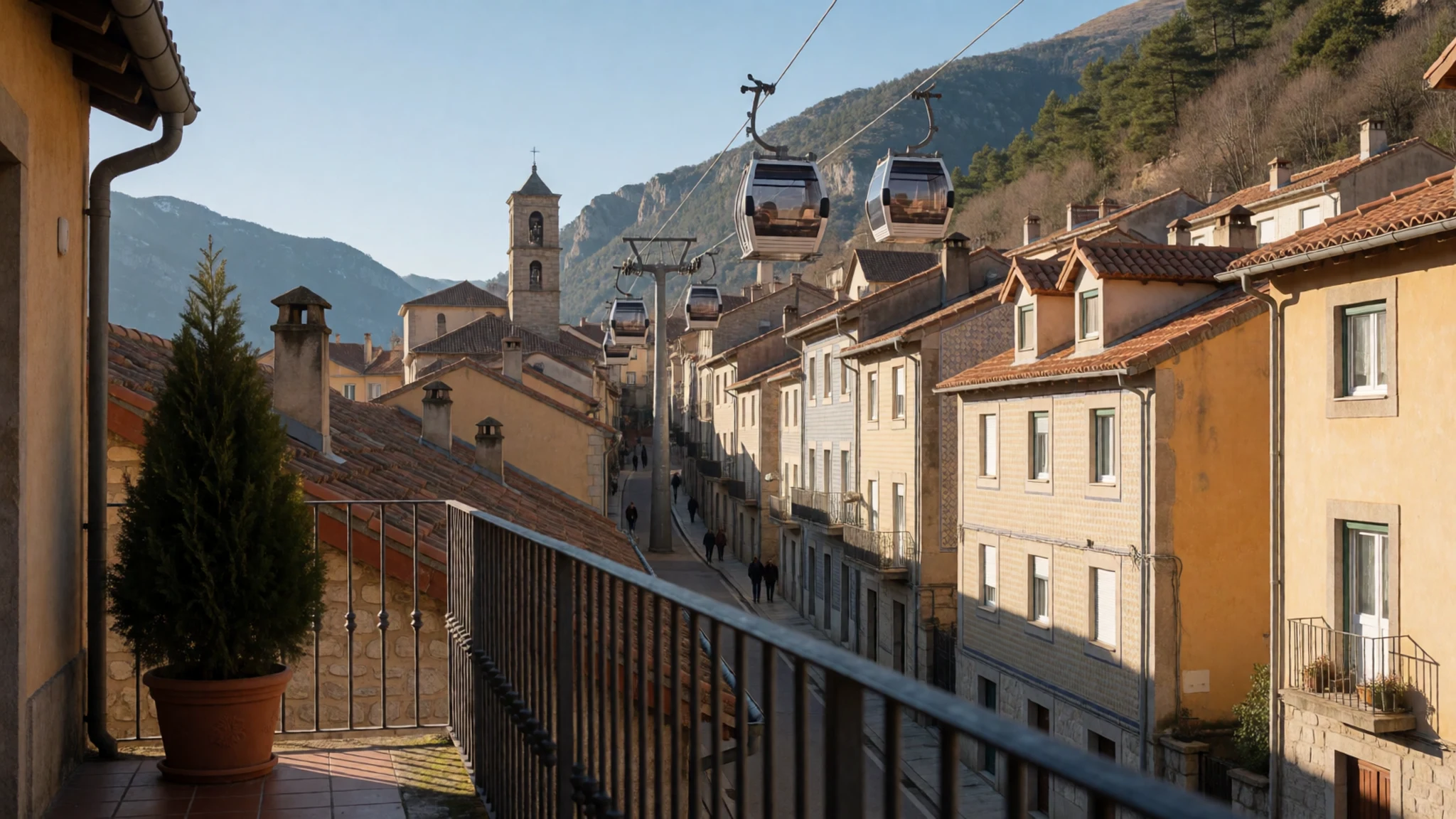
- Envalira pass — Above Pas de la Casa, on the French approach
The Envalira pass is the high road that ties Grandvalira to France and gives Pas de la Casa its reason for being. In winter it is a mountain crossing: snow, wind and traffic share the carriageway, and the upper slopes rise on either side. Views from near the top take in village roofs and open ski ground. When the weather closes in, this is the link that shuts.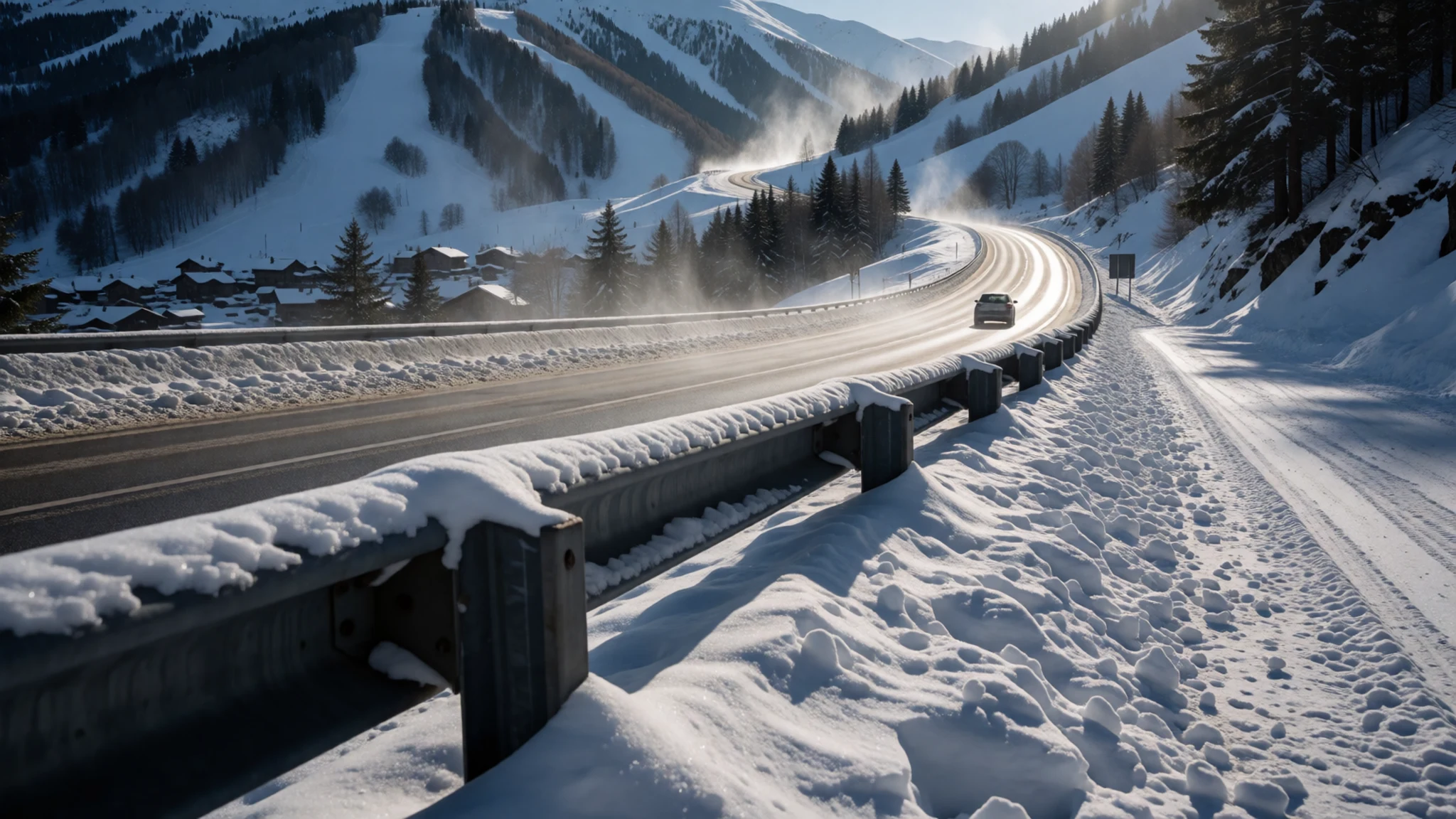
- Canillo — Valira valley, below Soldeu
Canillo sits down-valley from Soldeu inside the Grandvalira orbit, a parish town with a quieter pace and old stone churches among the newer lodgings. Skiers pass through it on the mountain link or drop to it for a calmer evening. The Romanesque chapels are the visible trace of Andorra before winter sports, small and plain beside the apartment blocks.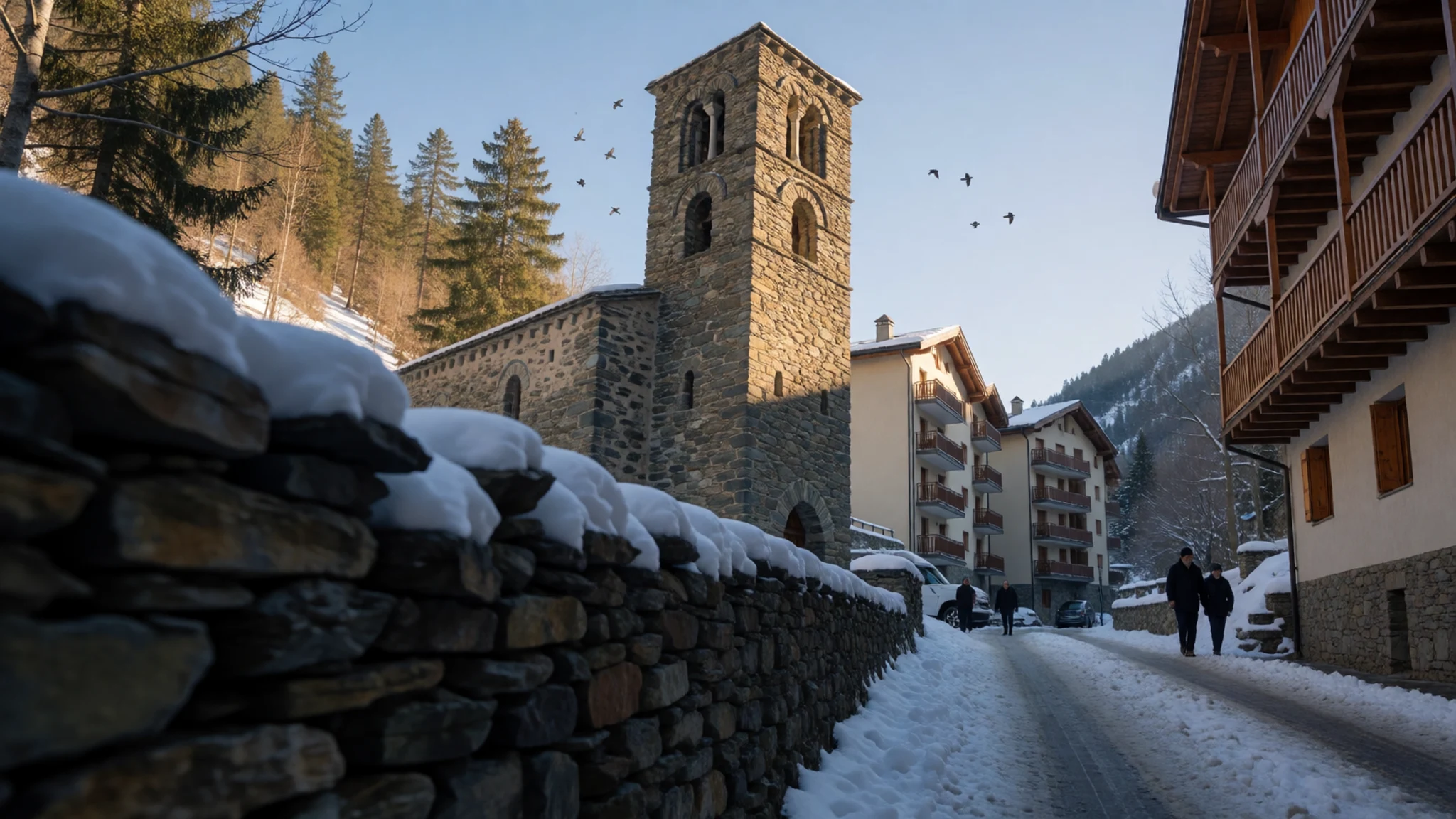
Culture
Grandvalira sits inside a Catalan culture older than the ski business, and that culture still sets the tone of the valleys. Catalan is Andorra's official language; Spanish and French carry daily life in the resorts, and English shows up on lift signs and in hire shops. The names on the trail map are real places — Soldeu, El Tarter, Grau Roig, Pas de la Casa — rather than labels invented for a brochure. A winter day has a familiar shape: an early lift, a long midday table, and a return to the village when the slopes close. Parish life has not vanished. Feast days can still fill a church in Canillo or Encamp while the bars above Pas de la Casa stay loud.
The mountain habits are those of the wider Pyrenees. Après-ski belongs to Pas de la Casa; Soldeu, Canillo and Encamp keep a calmer evening. Border shopping is the other local custom, and many visitors come to the French end of Grandvalira for supermarkets and ordinary goods as much as for the runs. Beneath the holiday trade, public life stays small and Catholic, with parish festivals, plain Romanesque churches and the habit of greeting the person behind a counter.
On the mountain, join the back of a lift queue, leave room for anyone downhill of you, and do not walk up the middle of a piste in street shoes.
What to wear
Grandvalira's traditional dress belongs to the Catalan valleys, not to the ski shop. For festivals, men still bring out the barretina, a long woollen cap in red or purple, with a dark waistcoat, a sash and sturdy trousers; women wear a full skirt, an apron, a shawl and a lace or linen head covering. Wool, linen and cotton are the usual textiles, chosen for mountain cold and for church, and the costume appears at parish feasts in Canillo, Encamp and the other old villages rather than on the pistes. It stays in the cupboard on an ordinary ski day.
What people wear now is technical mountain clothing. Locals and regulars ski in synthetic shells, insulated jackets, helmets and goggles, then walk the villages in those boots or in trainers once the lifts stop. Pas de la Casa adds a nightlife layer, and many people change into ordinary going-out clothes even when the pavement is icy. In the months after the snow has gone, walkers wear light layers and keep a warmer piece for the evening, because the high ground cools quickly.
Visitors should pack for cold, wind and strong sun together. A waterproof shell, warm mid-layers, ski trousers, gloves, a helmet and goggles cover a day on Grandvalira; boots with grip matter on icy streets. For a church in Canillo or Encamp, cover the shoulders and take off a hat or helmet. Festival dress can be watched rather than copied: a plain, warm outfit is the right visitor choice.
What to eat
- Escudella — Traditional restaurants in Soldeu, Canillo and Encamp
Escudella, a slow pot of broth, vegetables and meats, is the mountain stew served at Grandvalira on a cold day. It turns up in traditional restaurants in Soldeu, Canillo and Encamp, often as the midday meal.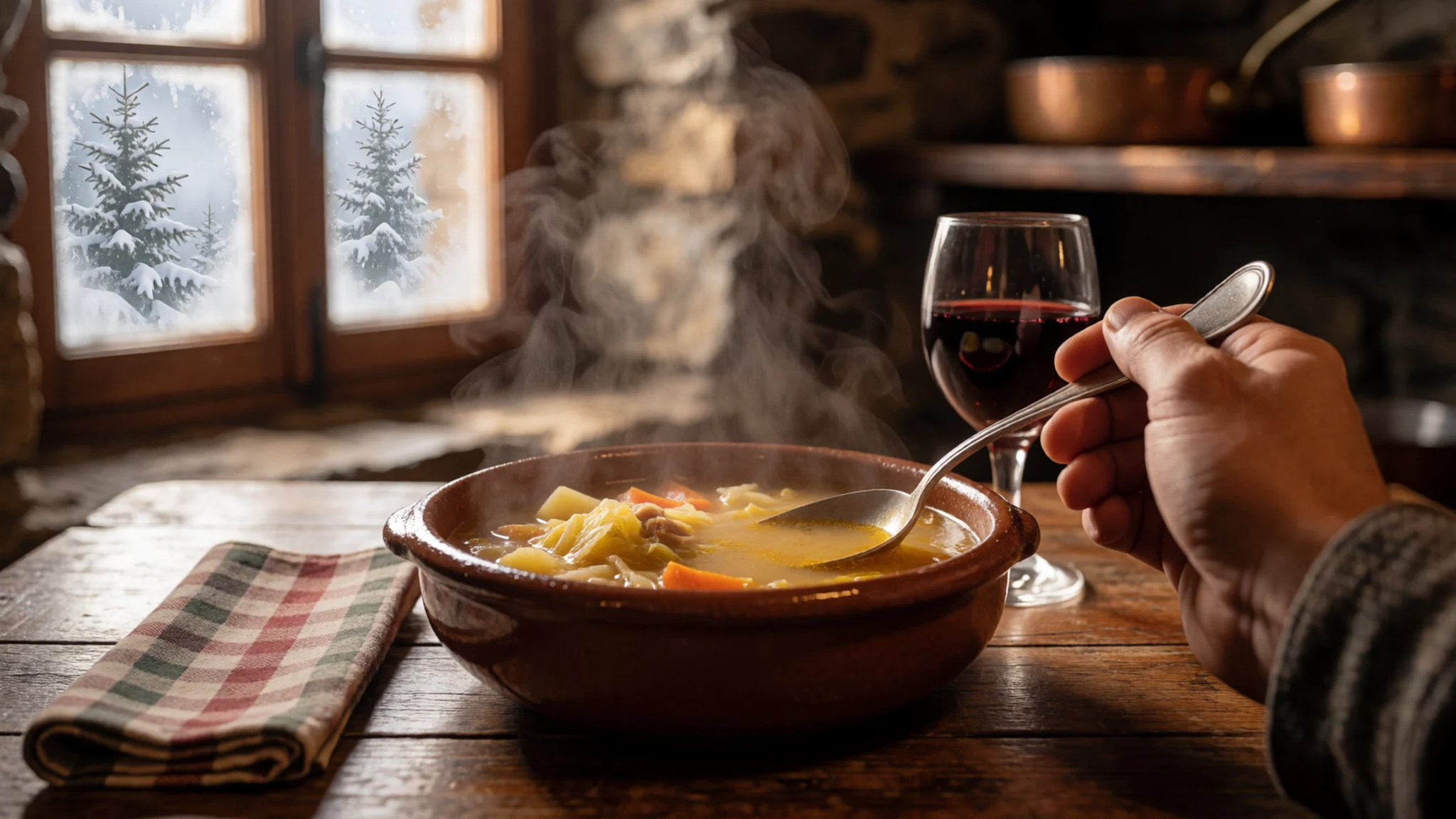
- Trinxat — Valley restaurants below the high lifts
Trinxat is a Cerdanya and Andorran farm dish of cabbage and potato mashed with pork, served around Grandvalira in winter and often finished with bacon or sausage. Valley restaurants below the high lifts carry it, rather than the cafeterias at the top of a chairlift.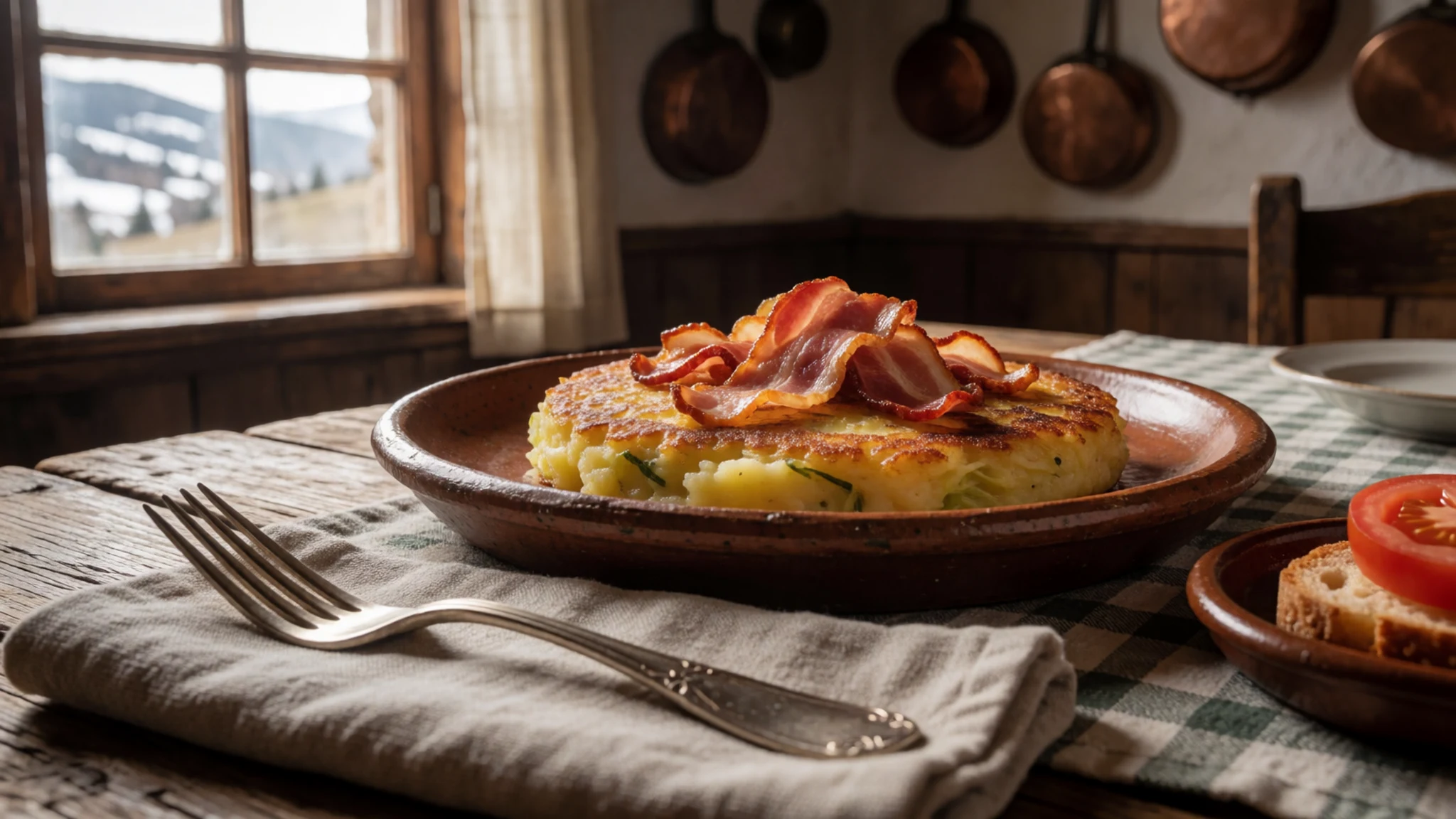
- River trout — Eateries on the valley floor in Soldeu, Canillo and Encamp
Trout from the mountain rivers is a standard dish in Grandvalira's valley restaurants, usually grilled or pan-cooked and served simply with potato or vegetables. It shows up in eateries in Soldeu, Canillo and Encamp, rather than in the high-slope cafeterias. - Conill — Sit-down eateries in Encamp, Canillo or Soldeu
Braised rabbit with herbs, garlic or allioli is a home-cooking special that valley restaurants at Grandvalira still put on winter menus. It belongs in a sit-down eatery in Encamp, Canillo or Soldeu, not at a piste snack bar. - Brossat — Traditional restaurants and village shops in the valley
Brossat is a fresh soft cheese, close to a simple curd, eaten with honey at Grandvalira as a country dessert. Traditional restaurants and village shops in Canillo, Encamp and the valley serve it, sometimes beside cured meats.
Plan it
Best time. Winter into early spring is ski season at Grandvalira, with the high sectors open and the villages at full pace. After the snow, the valleys suit walking. Confirm dates on the resort's official site, because the season shifts.
How long. a few days to a week
Getting there. Andorra has no airport. Fly to Spain or France, then take a coach or car to Pas de la Casa from the French side, or to Soldeu, Canillo and Encamp up the valley. Heavy snow can close the Envalira road.
Budget. high
Tips
- Book lodging and lift passes before holiday weeks.
- Ride up early to avoid long chairlift queues.
- Pack sun cream; the light is strong in clear cold.
- Carry a little cash for huts; cards cover the villages.
Etiquette
- Queue in order at the lifts.
- Yield to anyone downhill of you.
- Ask before photographing people.
- Keep late-night noise down in apartment lodgings.
Nearby
Sources
- Wikidata (CC0)
- Wikipedia (CC BY-SA 4.0)
- Wikivoyage (CC BY-SA 4.0)