Madriu-Perafita-Claror Valley
Madriu-Perafita-Claror Valley, Andorra
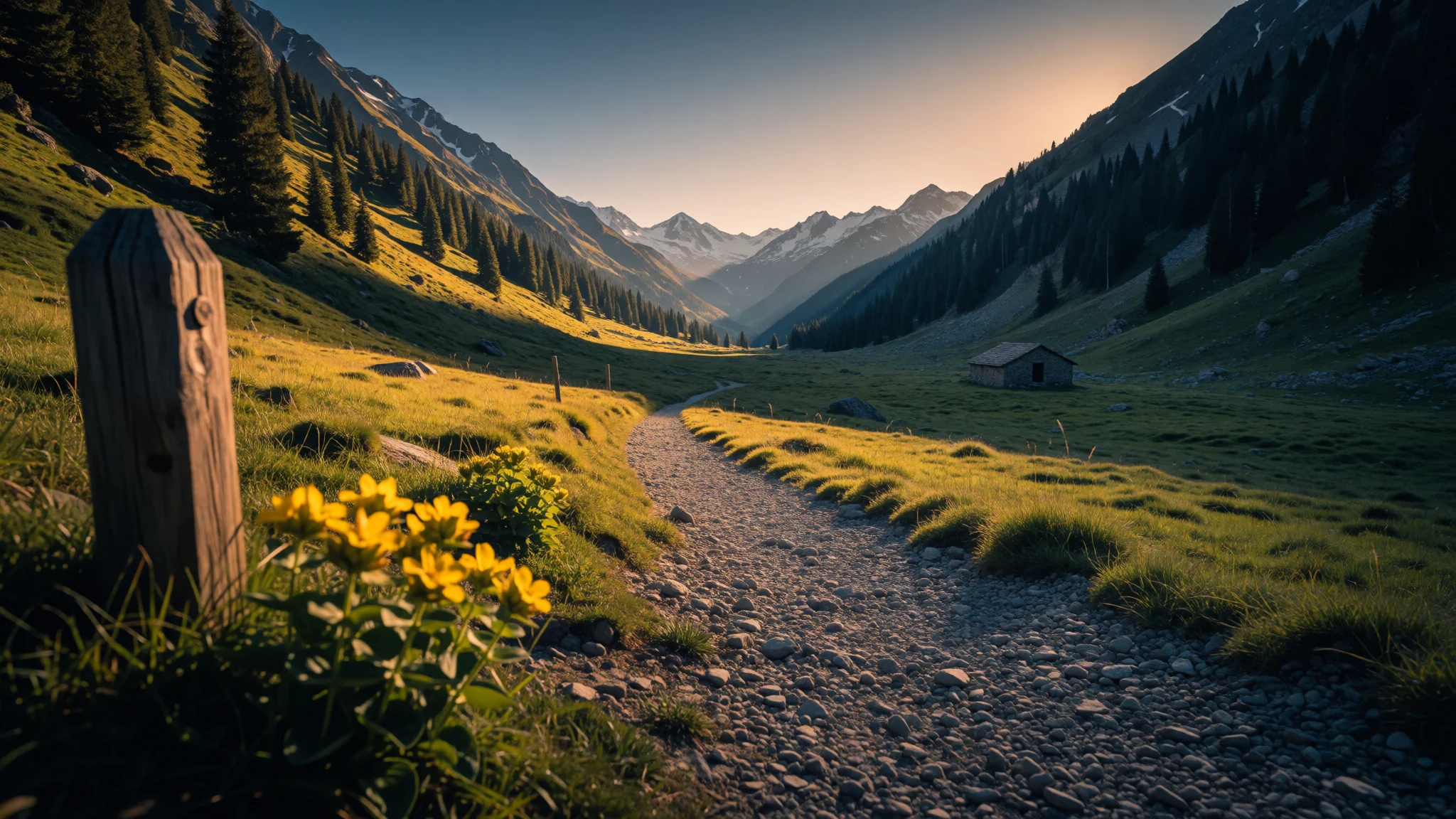
Madriu-Perafita-Claror Valley is Andorra’s UNESCO-listed glacial landscape—quiet hiking, high-country views, and wildlife-minded trails.
The place
Madriu-Perafita-Claror Valley (Vall del Madriu-Perafita-Claror) sits in the southeast of Andorra, carved by glacial forces long ago. It’s a remote valley that feels more “open landscape” than “place-town”: big slopes, narrow corridors of greenery, and the sense that the terrain is doing most of the talking.
Part of the valley’s charm is its low development. Access roads are limited, so what you do there tends to be slow and route-based—more walking and short stops than hopping between viewpoints. That also affects the atmosphere: you usually won’t get the same bustle you see in larger European city centres.
The valley is tied to Andorra’s cultural story as well as its natural one. It became Andorra’s first (and only, at the time) UNESCO World Heritage Site in 2004, with a small extension in 2006. In practice, that means the route is not just scenic; it’s also about how people lived and worked in a difficult mountain setting over time.
Wildlife is another reason the valley is talked about with care. The landscape’s isolation helps keep it relatively undisturbed, so expect a place that rewards quiet observation rather than constant photo stops.
Best experiences come from matching expectations: the valley is about time on foot, weather-aware planning, and making peace with limited facilities. The payoff is a calmer Andorra—mountain-focused, grounded, and a little untamed.
Its story
Madriu-Perafita-Claror Valley is one of those rare places where the “journey” is the main event. Instead of arriving at a single landmark, visitors typically enter a wider system of paths and altitude, with the day feeling shaped by the valley walls and the way the land opens out.
Historically, mountain life here meant adapting to slopes and limited access. Even the way the valley is managed today echoes that reality: there aren’t convenient road networks that let you treat it like a drive-and-pull-off attraction. The result is a quieter rhythm—smaller groups, more spacing on trails, and more time looking closely at what’s around rather than rushing forward.
There’s also a cultural layer that makes the valley feel lived-in. UNESCO recognition gives it an official status, but what stands out on the ground is how the landscape carries history through buildings, churches, and older structures found along routes.
From hiking routes that connect the valley’s different areas to the sense of isolation that comes with being tucked away in southeast Andorra, the valley encourages a particular kind of travel: fewer photos, more pauses; less checklist sightseeing, more reading the terrain. On a clear day, the high points feel rewarding; on a misty or changeable day, the valley becomes mysterious, almost cinematic—still beautiful, just less forgiving.
It’s not “big-city easy”. It is, however, very Andorra in its own way: mountain-first, modest in development, and a place that makes you slow down.
What to see
- Perafita refuges — Perafita valley area
Perafita is the valley area where mountain shelters and high-country routes are part of the landscape. Refuges help turn long walks into manageable sections, and the setting makes it easy to grasp how the valley’s remoteness shapes hiking plans.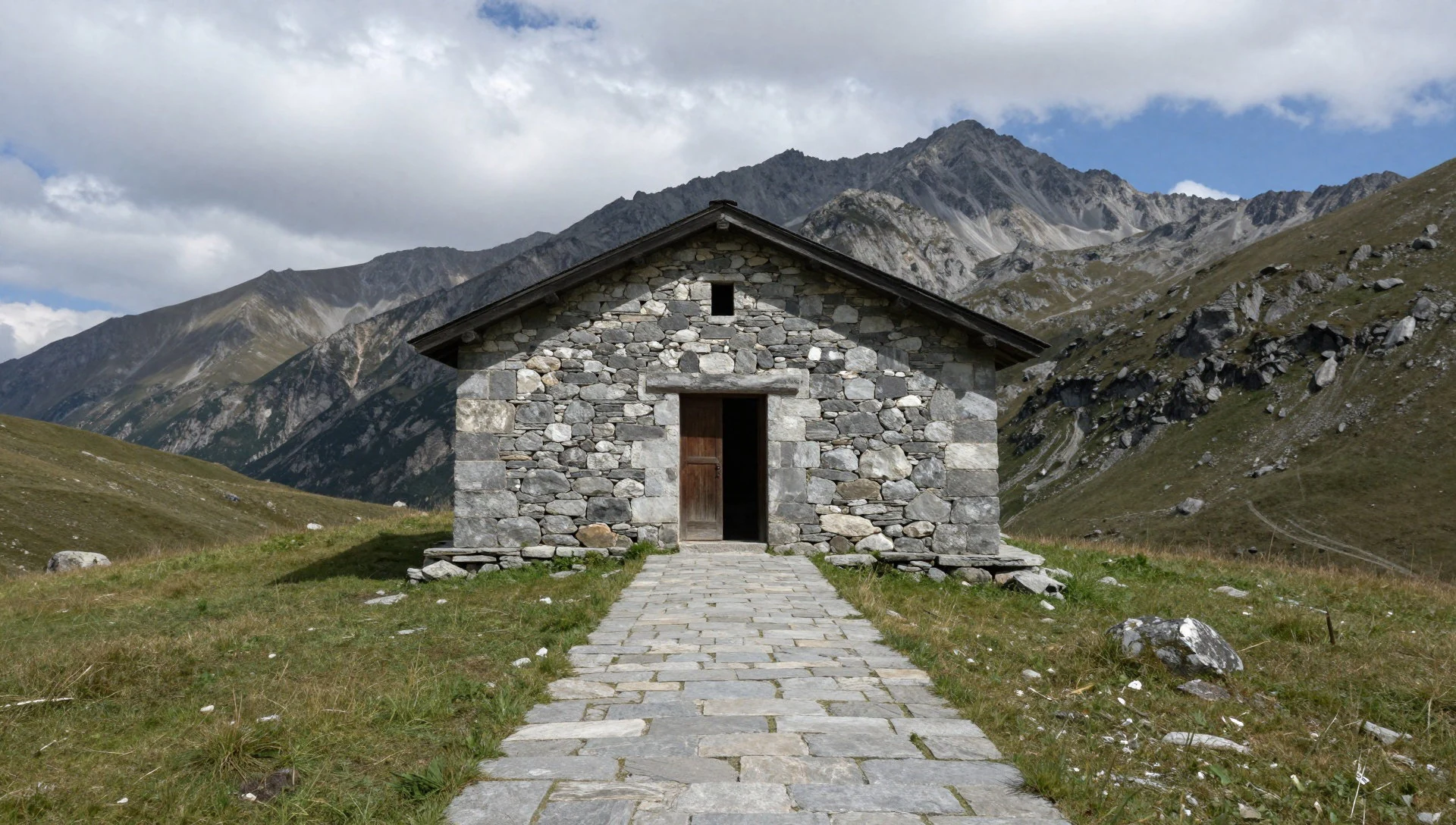
- Entremesaigües — Madriu-Perafita-Claror valley interior
Entremesaigües sits within the wider Madriu-Perafita-Claror landscape and is the sort of place you tend to reach by being patient on a route. It’s less about a single monument and more about the feel of the valley—open air, steep edges, and changing light.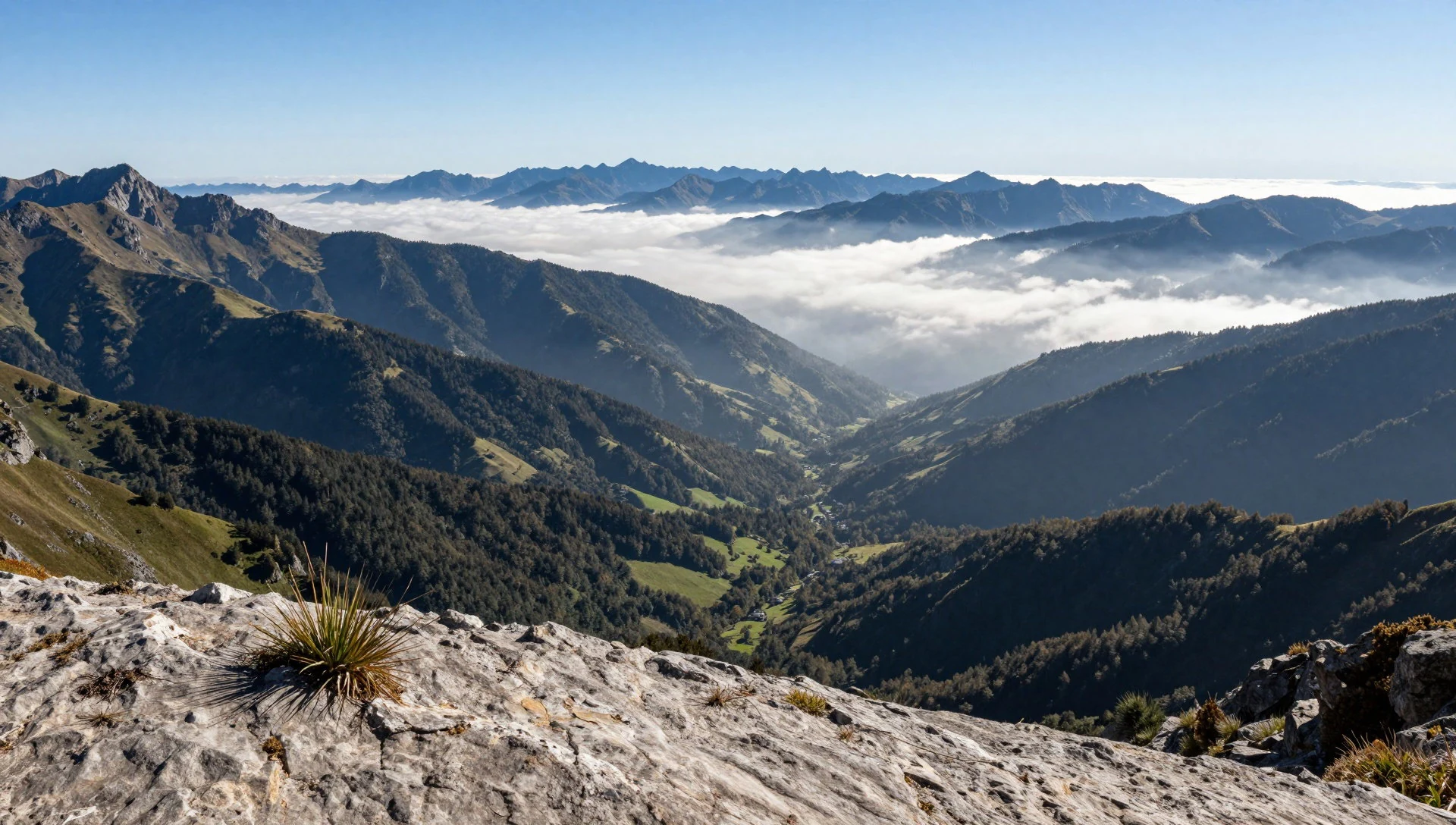
- Historical Complex at les Bons (Sant Roma de les Bons) — les Bons (ruins and church complex)
Les Bons includes Sant Roma de les Bons Church, a Romanesque building from the Lombard period, plus remnants such as a defence tower and a water tank with an irrigation channel cut into the rock. It’s now in ruins, and in July and August free guided tours are available.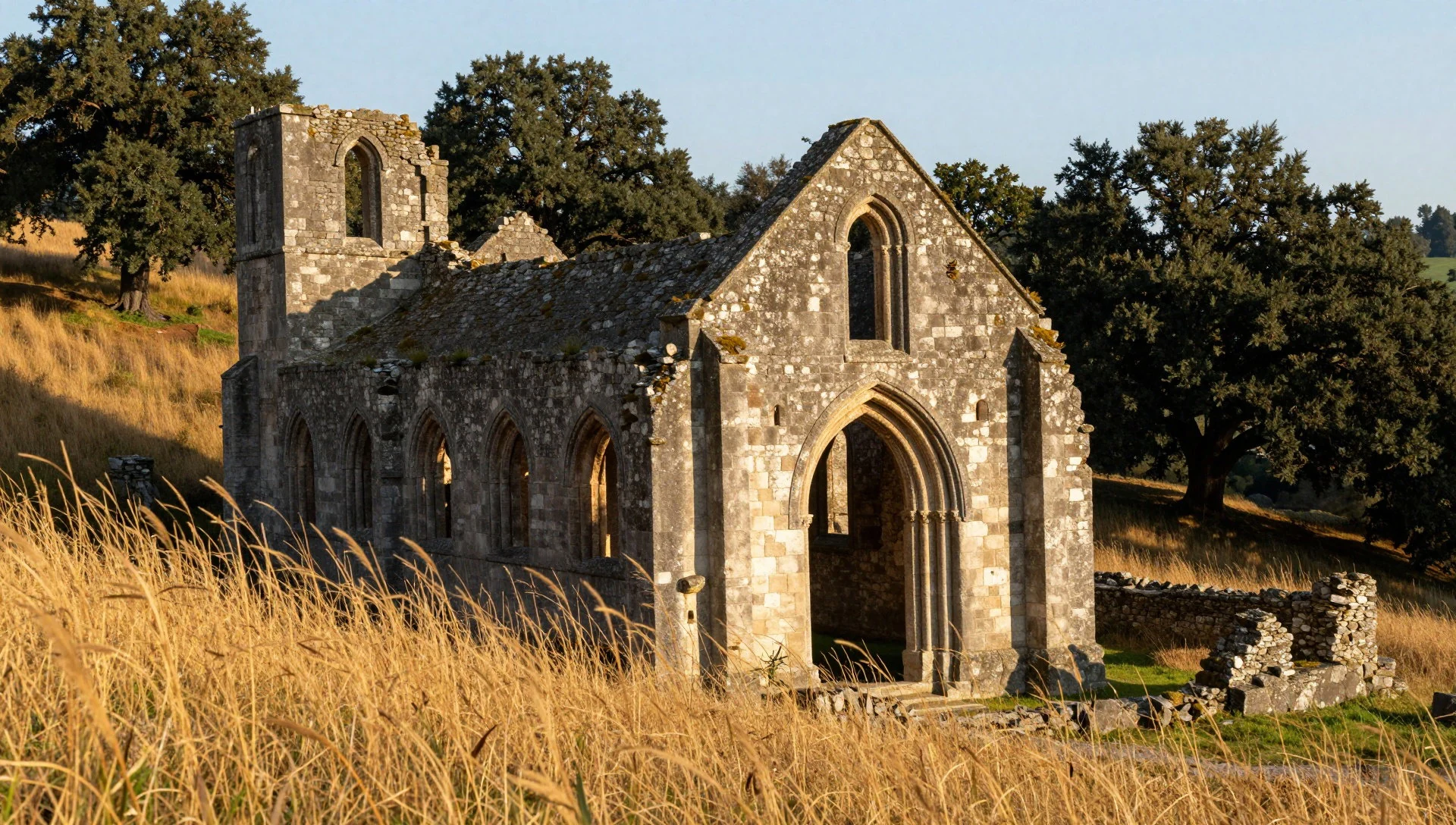
- Museums that give context (Encamp area) — Encamp (museum cluster area)
If the valley day feels too big to “place” in your head, museum stops can help. Museu d’Art Sacre de Santa Eulàlia and Museu Etnogràfic Casa Cristo give cultural context near churches and historic interiors, while other museum options in Encamp explore technology and local life patterns.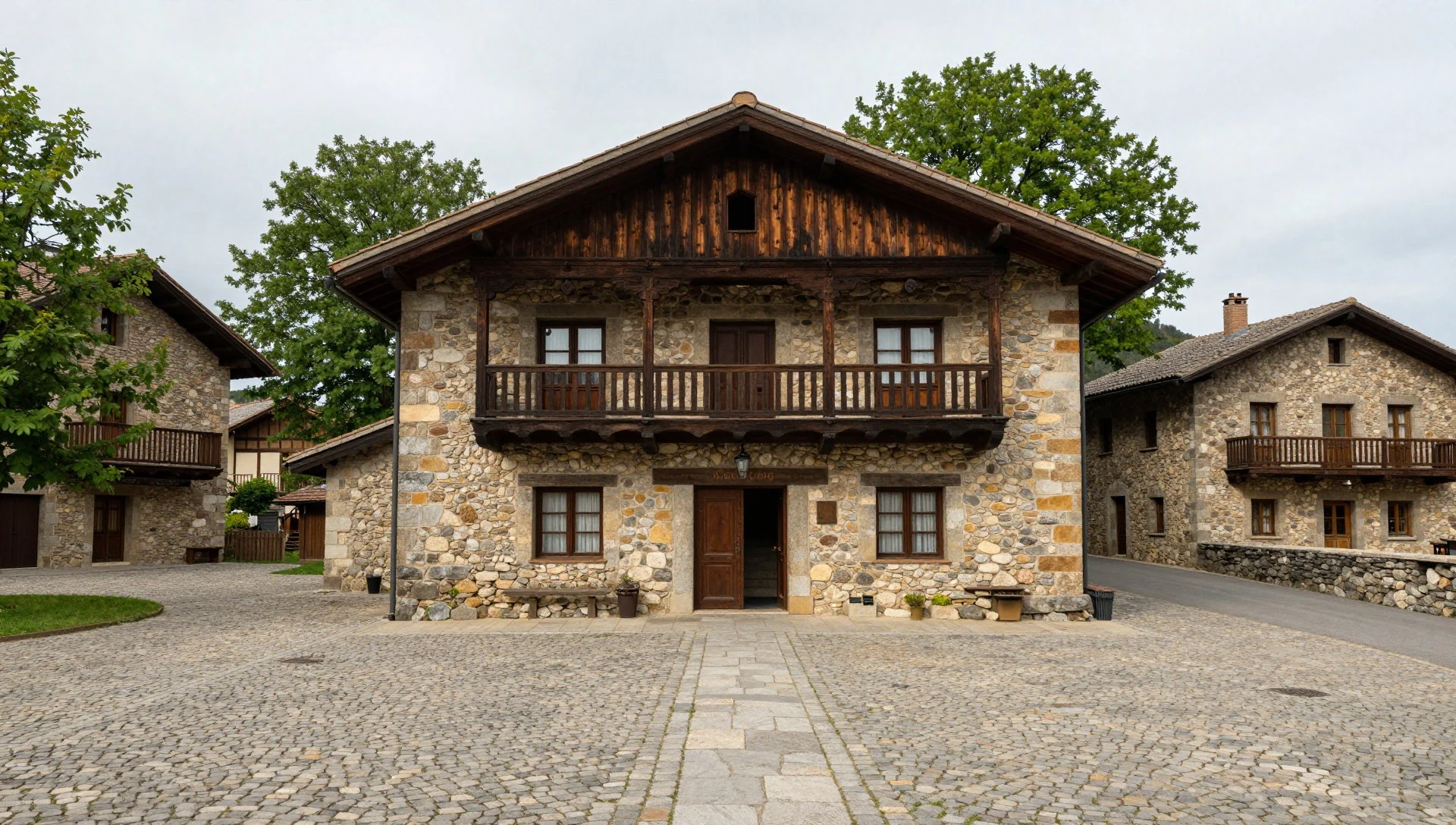
- Edifici Radio Andorra — Encamp (radio building area)
Edifici Radio Andorra is listed among the area sights. Even when it’s not the main reason for coming to the valley, it’s a useful contrast: a reminder that while the Madriu-Perafita-Claror landscape stays quiet, Andorra also preserves modern cultural landmarks in town areas.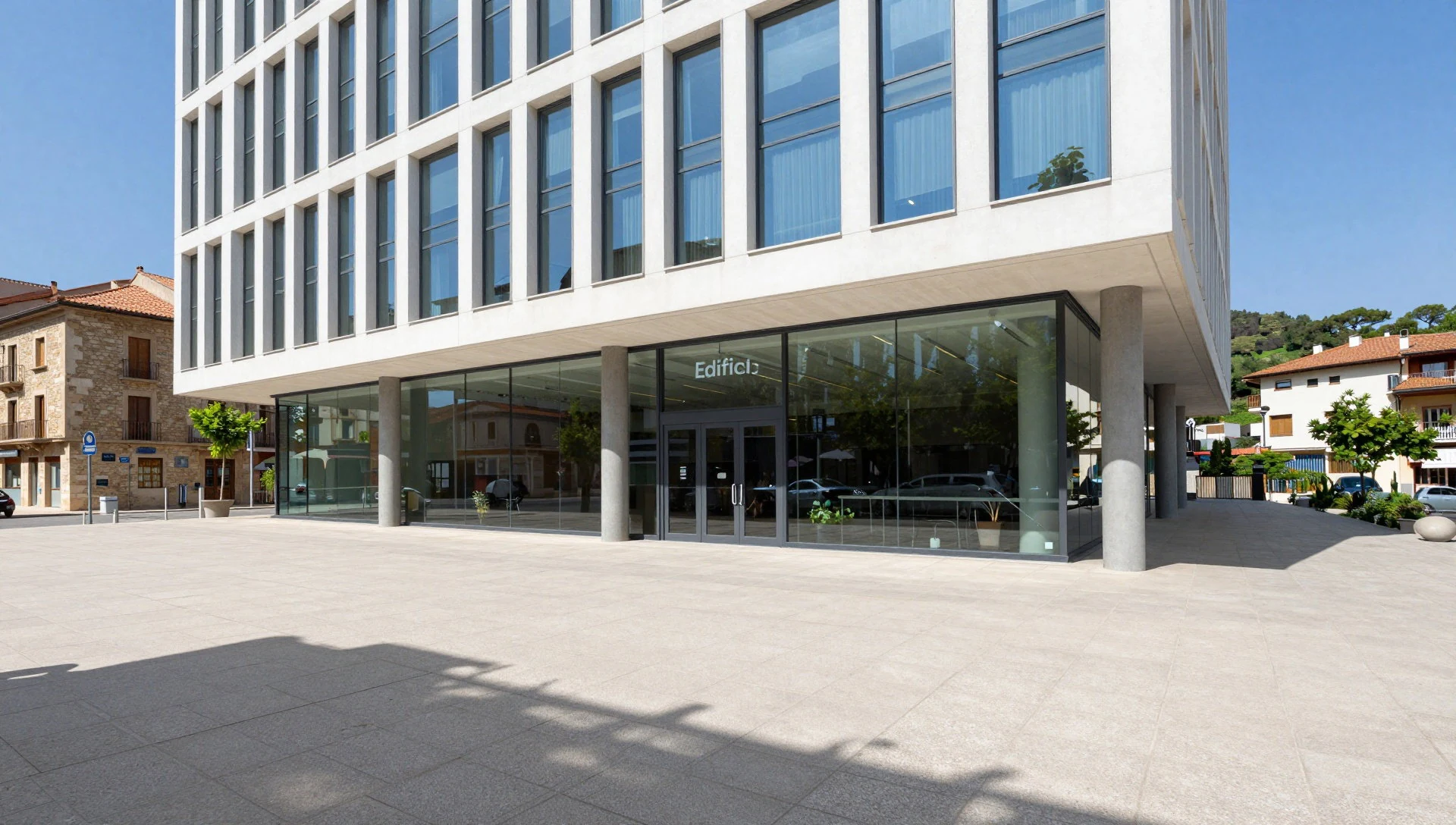
Culture
Madriu-Perafita-Claror Valley is a UNESCO World Heritage Site in Andorra, recognised for both cultural and landscape value. Because access roads are limited, the valley tends to be visited on foot and in sections rather than as a quick “drive-by”. That means the culture of the place is less about formal performances and more about respectful movement through a fragile, high-country environment.
You’ll also notice how routes and small structures anchor the story of the valley. Places like Sant Roma de les Bons carry older architectural forms, while the broader landscape makes clear how hard it would be to live here without a mountain-focused rhythm. The overall effect is that the valley feels like a working landscape as much as a scenic one.
In conversation, people often bring up wildlife and the idea of keeping disturbance low. The best way to support that is simple: stick to marked paths, keep noise down, and avoid wandering into sensitive areas.
For visitors, the cultural “win” is being quiet enough to notice details—water channels, rock cuts, vegetation changes—without treating the valley like an open-air stage.
Visitor etiquette: keep to marked paths and keep voices low so wildlife and other hikers aren’t disturbed.
What to wear
Madriu-Perafita-Claror Valley is all about outdoorswear, but Andorra’s mountain weather can shift fast. Traditional dress isn’t the norm on the trail, yet the region’s culture shows up in how people dress modestly around churches and heritage spots. If visiting areas connected to religious buildings, choose clothing that covers shoulders and keeps things reasonably neat.
What most people wear now is practical: hiking boots with grip, layered fleeces or light insulated jackets, and weather-resistant outer layers for rain or wind. In shoulder seasons (often the sweet spots for comfort), temperatures can feel chilly in exposed valleys, so pack a warm mid-layer even if mornings start mild.
For footwear, prioritise traction—slopes and uneven ground are part of the experience, and a slip ruins the day quickly. Bring sun protection too: clear mountain light can be strong even when it doesn’t feel “hot”. A hat or cap and sunglasses help.
If there’s any “rule” here, it’s layering and modest practicality: bring layers, wear proper hiking shoes, and cover up a bit when stepping into heritage or church-adjacent areas.
What to eat
- Mountain trout or river fish plates — town-centre restaurants and casual mountain eateries in Encamp/Andorra la Vella area
Fish-forward meals show up around Andorra in casual mountain-eatery styles, often simply cooked so the flavour stands out. Look for local menus in town centres on the way to the valley trails.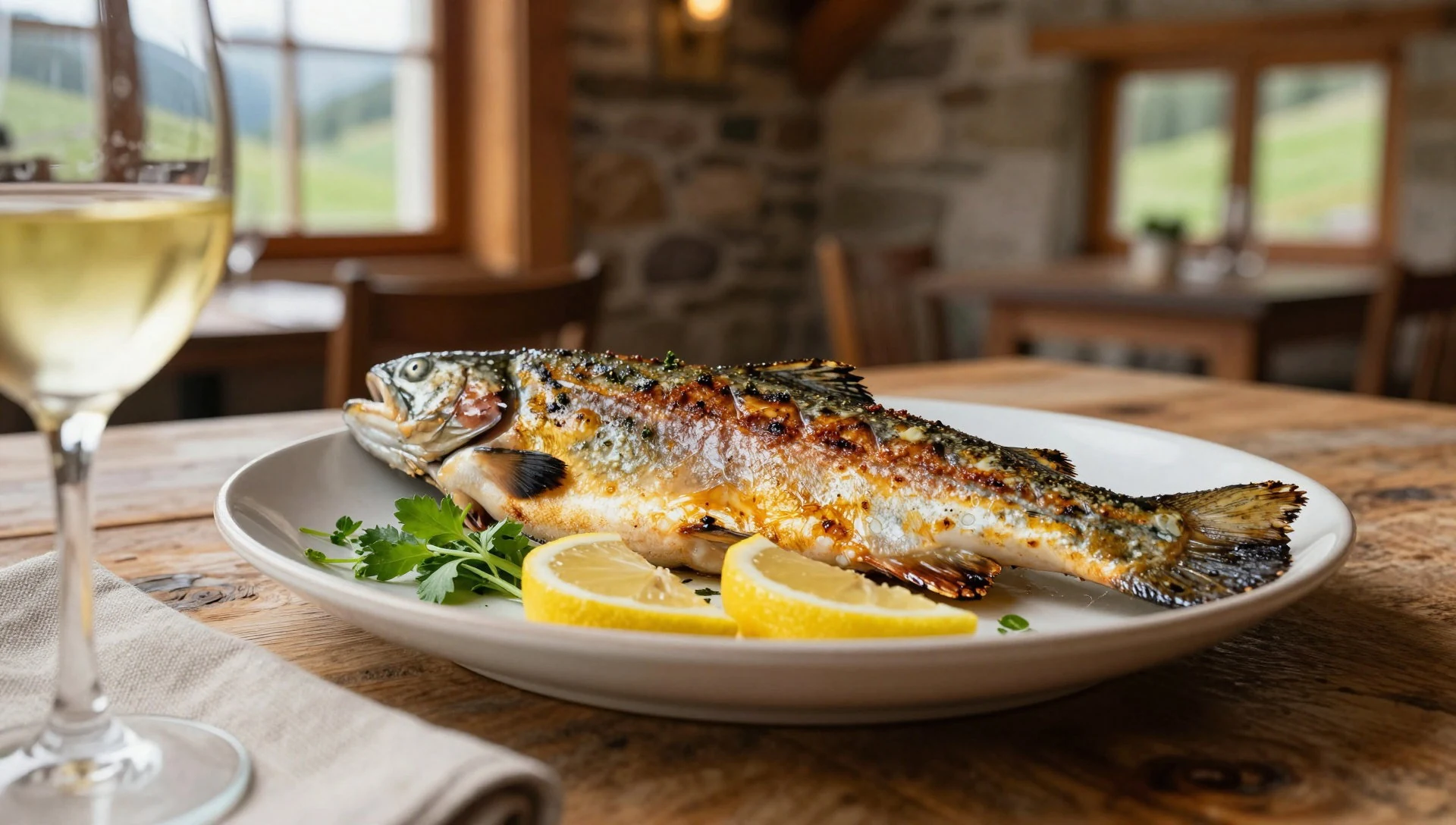
- Mountain-style cured meats — casual eat-in places and local food stops in Encamp/Andorra la Vella
Cured meats are a common starter option in Andorra, served in small plates that work well before a long walk. Choose something simple and pair it with bread.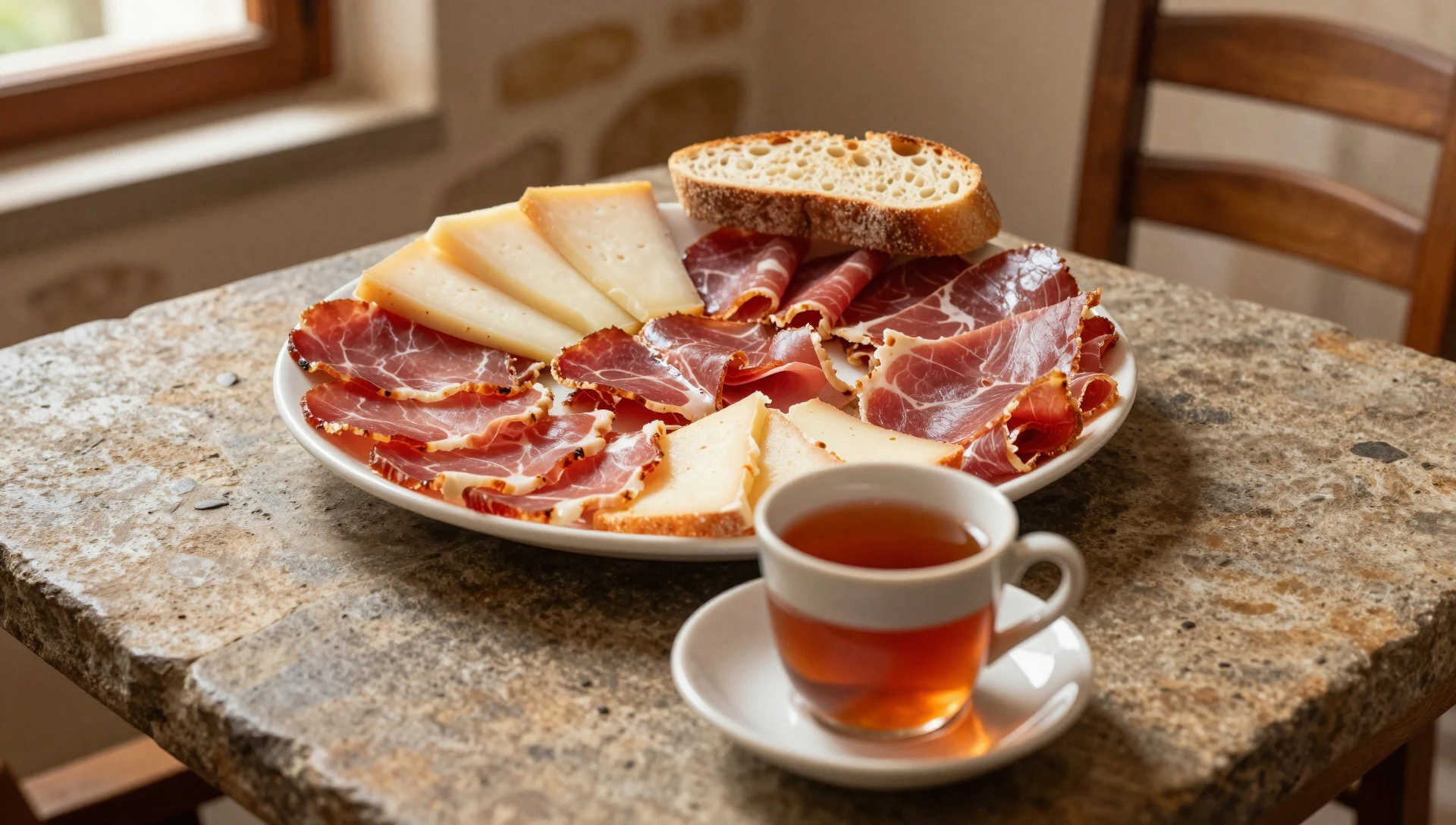
- Cheese and dairy boards — local cafés and restaurants offering cheese-and-snack plates in town areas
Expect Andorran dairy to show up as cheese boards or snack plates, usually with bread or simple sides. These make an easy mid-journey bite when there’s limited time between hikes and museums. - Hearty lentil or bean stews — sit-down restaurants in Encamp and Andorra la Vella
Warm stews—often based on lentils or beans—are a comforting option when the mountain air feels colder. They’re typically served at sit-down restaurants after a hike or museum day. - Warm bread with simple spreads — bakeries and quick cafés in Andorra’s main towns (around Encamp)
A practical pre-trail or post-trail option is warm bread with basic spreads, easy to grab without turning it into a long sit-down. Seek out bakeries and quick cafés in the main town areas. - Seasonal vegetable sides — traditional restaurants in Encamp/Andorra la Vella
Seasonal vegetables show up as side dishes, sometimes lightly cooked or roasted, alongside other mountain classics. These balance heavier portions and help keep energy steady for walking days.
Plan it
Best time. May and June are among the warmest and driest months for day hiking (especially from May through June), while the wetter period tends to fall around January through March and again in October; July and August are the hottest, but keep an eye on rain chances in the high season.
How long. 2–3
Getting there. From Toulouse or Barcelona, buses connect through Encamp to Andorra la Vella; once in Andorra, the L2 bus runs frequently between Encamp and Andorra la Vella and helps with the final legs into trail areas.
Budget. mid
Tips
- Plan around limited access: expect the valley experience to be route-based rather than road-hop sightseeing.
- Start early on hiking days to fit daylight to the terrain and changing mountain weather.
- Use Encamp as a practical hub for museum context and transit connections.
- Carry water and snacks for stretches where facilities are limited.
- Check the official Madriu-Perafita-Claror Valley site for current access guidance before heading out.
Etiquette
- Stay on marked paths and don’t cut across sensitive ground.
- Keep noise down—quiet movement is part of protecting the valley’s wildlife character.
- If visiting heritage buildings, dress modestly and follow any on-site guidance.
Nearby
Sources
- Wikidata Q332800 (CC0)
- Wikipedia (Madriu-Perafita-Claror Valley) (CC BY-SA 4.0)
- Wikivoyage (Encamp) (CC BY-SA 4.0)
- Photo photos/01-perafita.jpg (CC BY 3.0)
- Photo photos/02-refuge-perafita-andorra.jpg (CC BY-SA 2.5)
- Photo photos/03-andorra-29729022868.jpg (CC BY-SA 2.0)
- Photo photos/04-andorra-43552022062.jpg (CC BY-SA 2.0)
- Photo photos/05-andorra-1991-05.jpg (CC BY-SA 4.0)
- Photo photos/06-benvinguts-madriu-perafita-claror.jpg (CC BY-SA 2.0)
- Photo photos/07-entremesaigues.jpg (CC BY 3.0)
- Photo photos/08-vall-del-madriu-01.jpg (CC BY 3.0)


