Zhoukoudian site
Zhoukoudian site, People's Republic of China
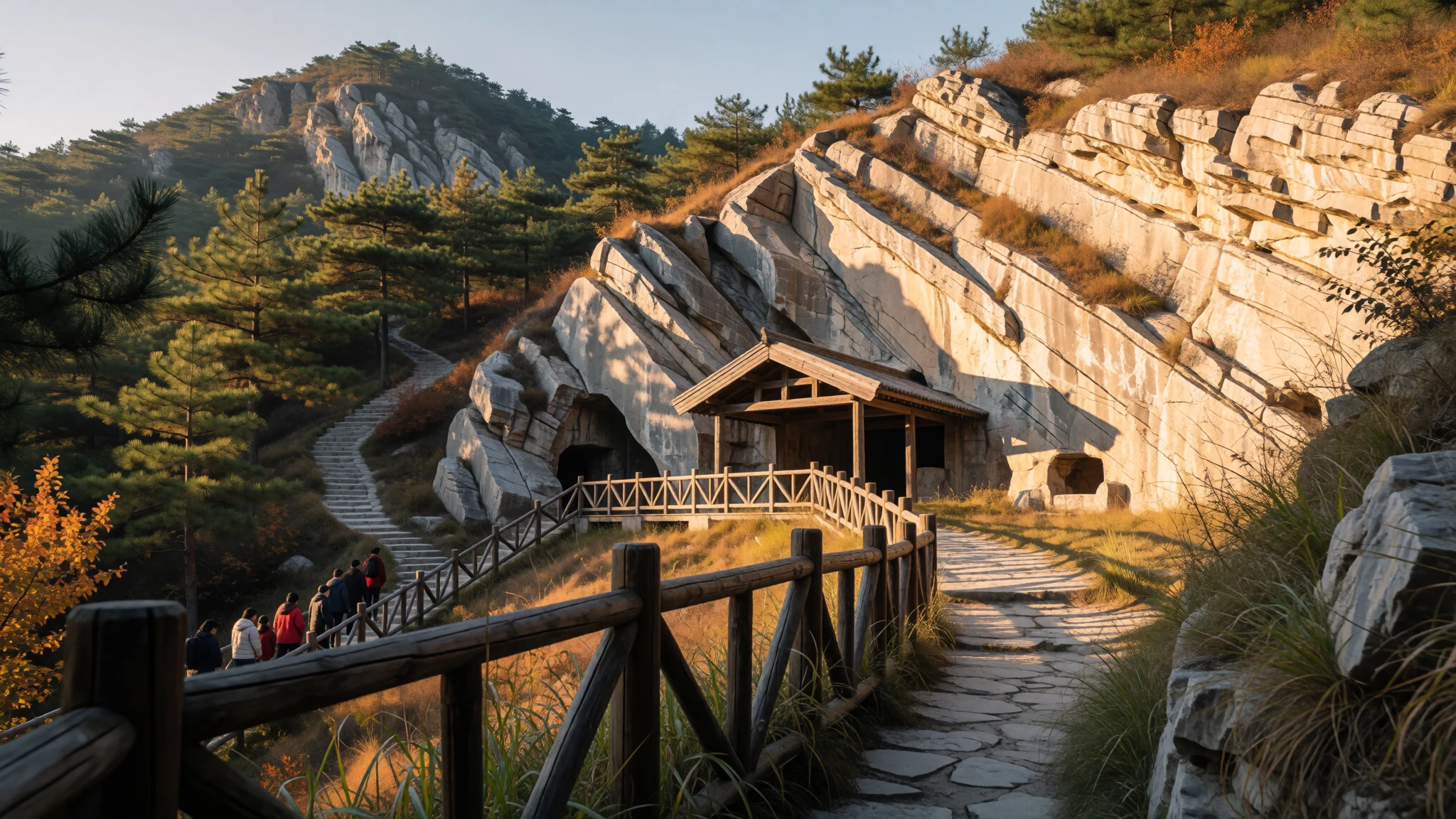
Zhoukoudian turns deep time into something physical: caves and museums that made “Peking Man” real.
The place
Zhoukoudian site sits in suburban Fangshan District in Beijing’s south-west, in a limestone landscape of caves and fissures where prehistoric remains were deposited and then rediscovered. The headline is the so-called “Peking Man” finds—human fossils that helped define early stages of Homo erectus studies—and the surrounding animal and tool evidence, which gives the site its forensic feel rather than a simple “ruins only” vibe.
Practically, the visit is split between excavated cave areas (where you can sense the geography that trapped bones in old deposits) and a museum component that helps connect what was recovered to how palaeontologists interpret it. The name “Peking Man” comes up again and again, but the story is bigger than one species: animal remains and stone tools show repeated use of the area across long stretches of time, with different periods overlapping in the ground.
What’s also distinctive here is how unresolved parts of the timeline still are. Proposed dates for when “Peking Man” lived at Zhoukoudian vary widely, and that disagreement is part of why people come—this is a place where evidence leads to debate, not just certainty. Expect a calmer atmosphere than central Beijing, but do not expect crowds to be tiny: weekend visitors often mix families, school groups, and older travellers who want a tangible link to early human research.
Go with sensible shoes and a bit of patience for documentation boards—this is a thinking-person’s day trip, not a fast photo-stop, especially if the weather turns hot or damp.
Its story
Zhoukoudian’s modern fame began in the early 1920s, when Johan Gunnar Andersson discovered the site and excavations followed soon after. Otto Zdansky’s early digs uncovered two human teeth, and later work by Davidson Black identified them as belonging to a previously unknown species—an announcement that helped “Peking Man” become a shorthand for early human history.
From there, the discoveries widened beyond fossils into a whole mix of deposits: bones, stone tools, and animal remains. The site’s limestone-containing middle Pleistocene deposits include fissures that preserved remains, with excavations yielding material associated with roughly dozens of individuals, alongside many animal bones and worked stones. The result is an archaeological record that feels layered—different types of evidence in the same general zone.
Chronology has always been the tricky part. The finds span periods that some sources place hundreds of thousands of years apart, and competing interpretations have proposed different ranges for when the evidence associated with “Peking Man” fits. The site also shows a later chapter: during the Upper Palaeolithic, Homo sapiens remains and stone and bone tools have been recovered from the Upper Cave.
That mix—new discoveries, evolving analysis, and disagreement about dates—keeps Zhoukoudian relevant even for visitors who have no background in palaeontology. In a way, the site’s “story” isn’t just what was found, but how understanding changes when more careful evidence comes in.
What to see
- Peking Man Site — Zhoukoudian / Fangshan District
Peking Man Site is the core exhibition area where the excavated cave locations connect the geology to the fossils and tools. It’s tied to the UNESCO listing and is the best place to orient the visit—read the interpretive panels slowly and then look at the cave settings with fresh eyes.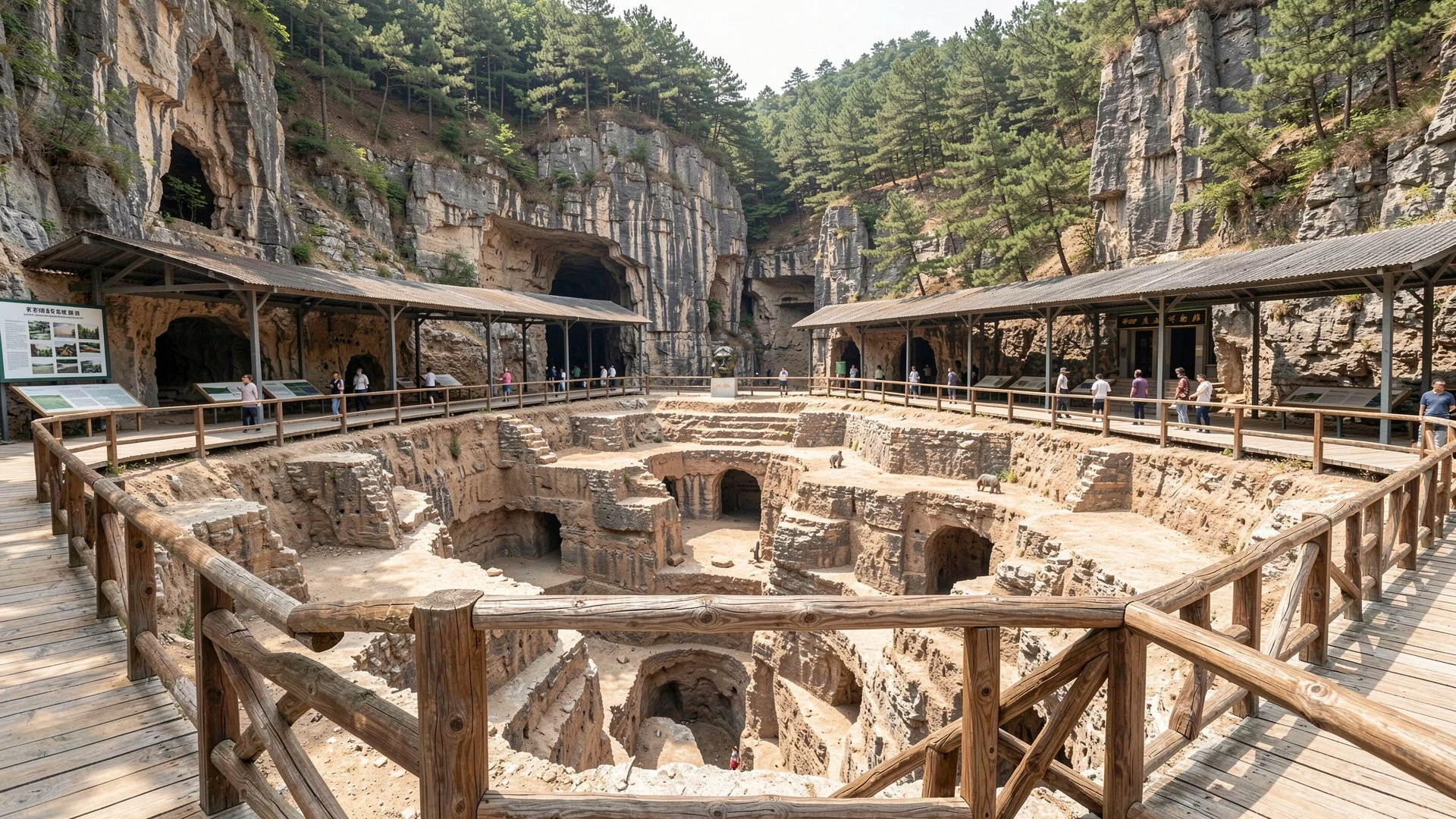
- Peking Man Museum (casts and recovered-material displays) — Zhoukoudian / Fangshan District
The Peking Man Museum adds context to Zhoukoudian by showing collections related to the recovered remains, with displays designed to explain the different fossil parts and what researchers compared them to.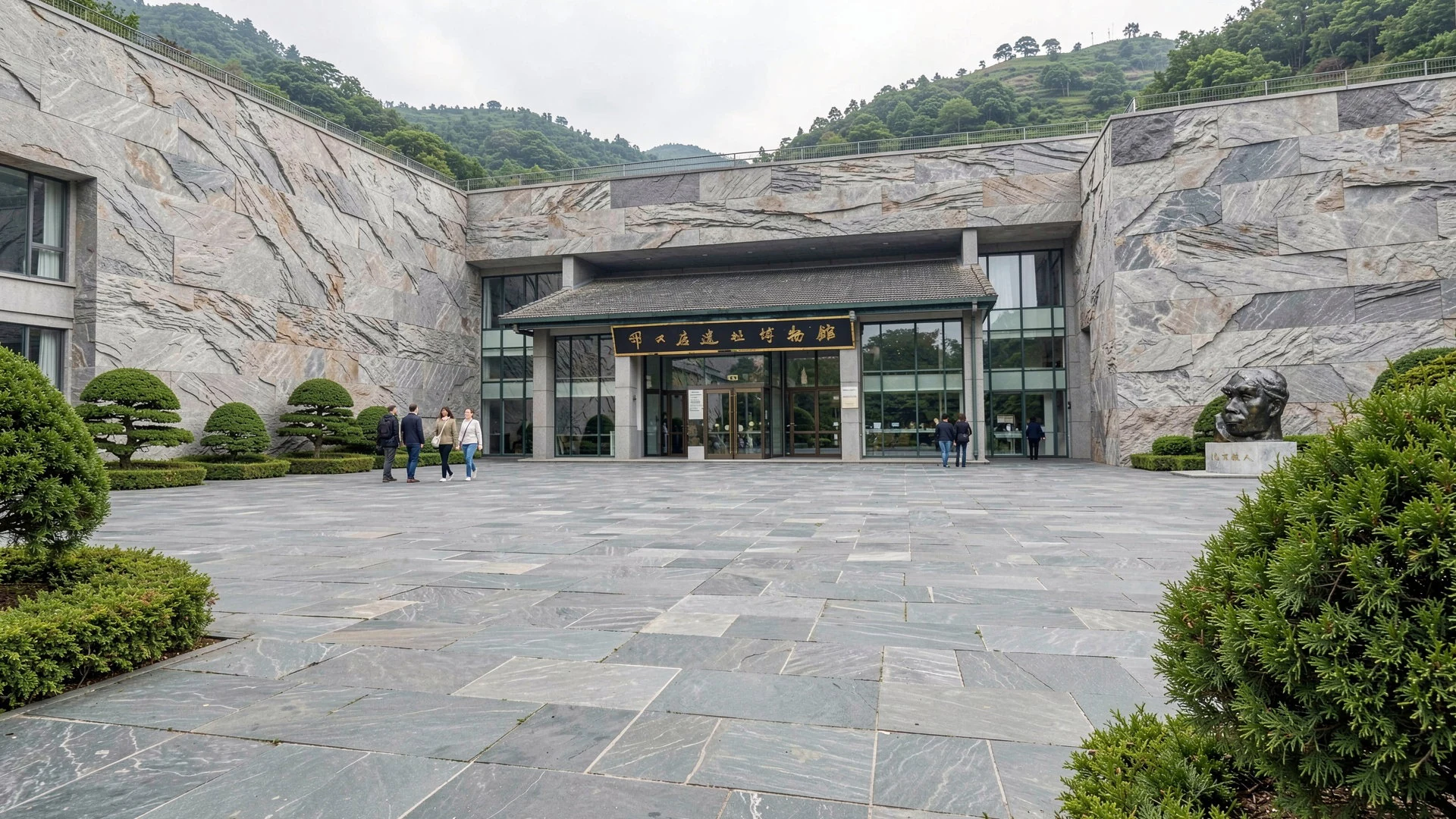
- Cropping: Peking Man skulls display — Zhoukoudian / Fangshan District
A museum-focused view of “Peking Man” skull material helps visitors grasp how palaeontologists study shape and differences across parts of the remains. Seeing the display alongside cave location information makes the evidence feel less abstract and more grounded.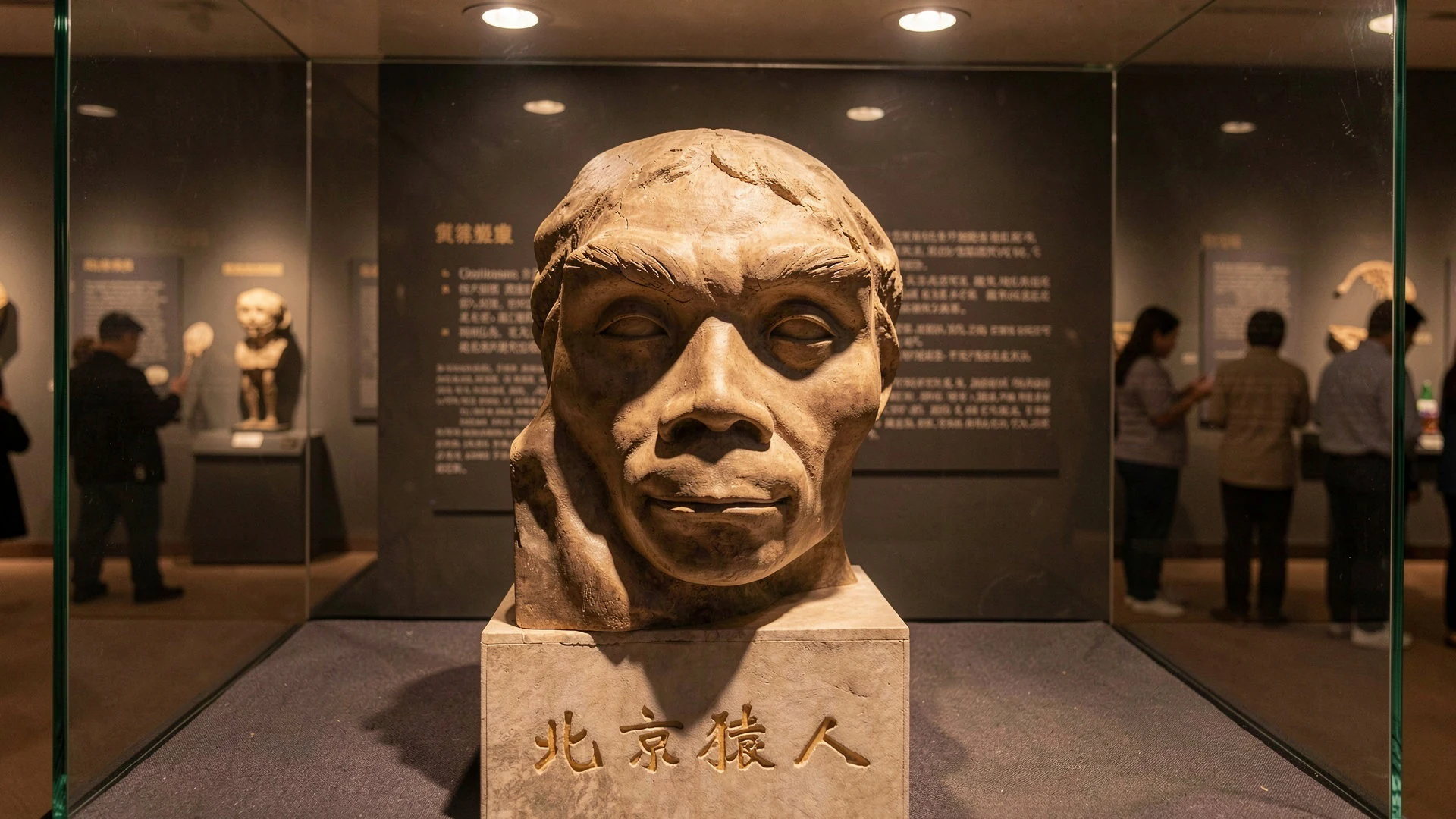
- Locality 1 (周口店第一地点) — Zhoukoudian / Fangshan District
Locality 1,周口店第一地点, is one of the named excavation localities within the broader Zhoukoudian cave system. It’s a good stop to understand that this isn’t a single “dig pit” but multiple zones where deposits preserved different kinds of evidence.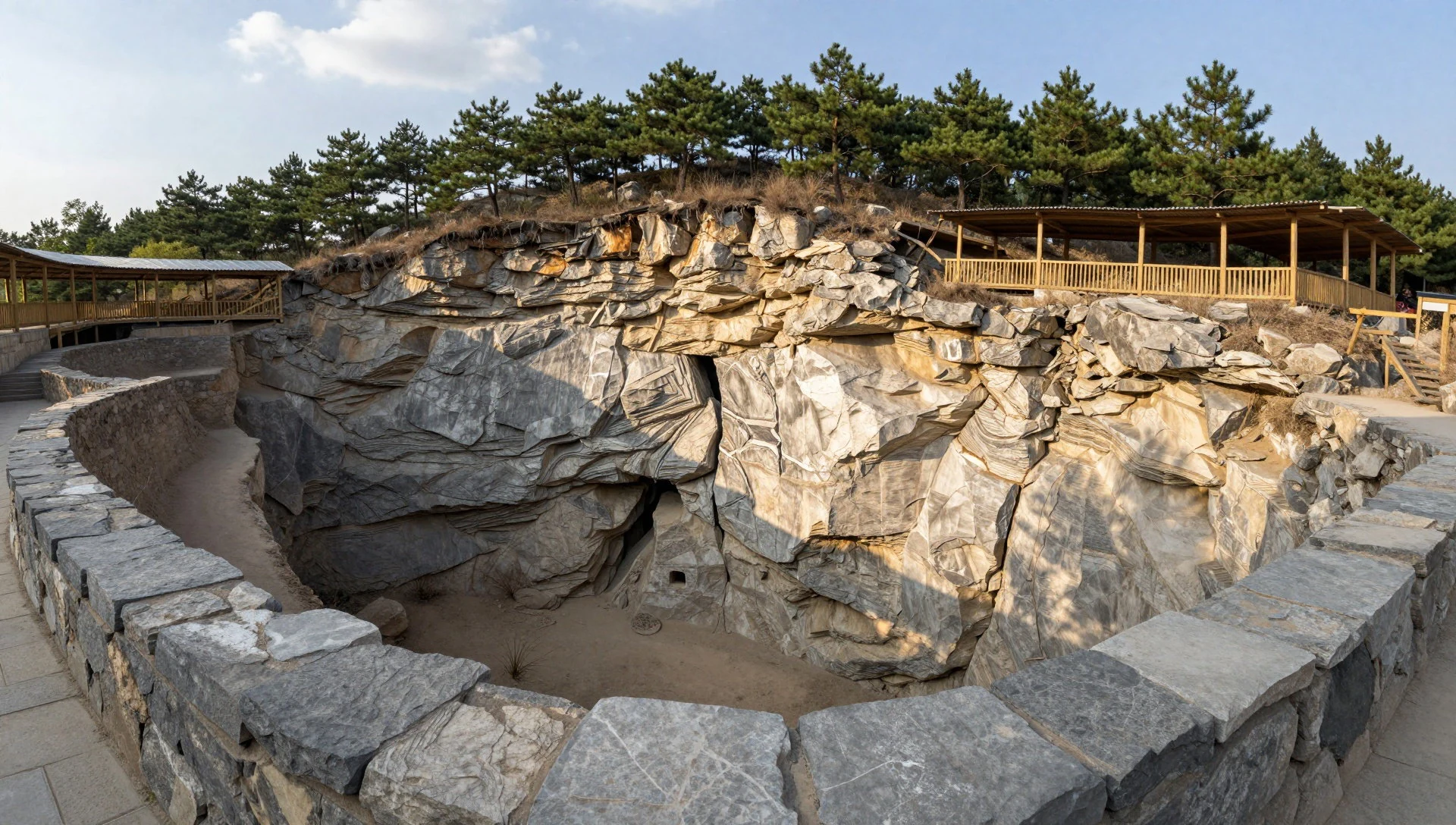
- Locality 3 and Locality 4 (周口店第3地点 / 周口店第4地点) — Zhoukoudian / Fangshan District
Locality 3 (周口店第3地点) and Locality 4 (周口店第4地点) are both part of the larger excavation map that researchers use to describe where material came from. Walking between signage and viewpoints makes the “many deposits” idea tangible.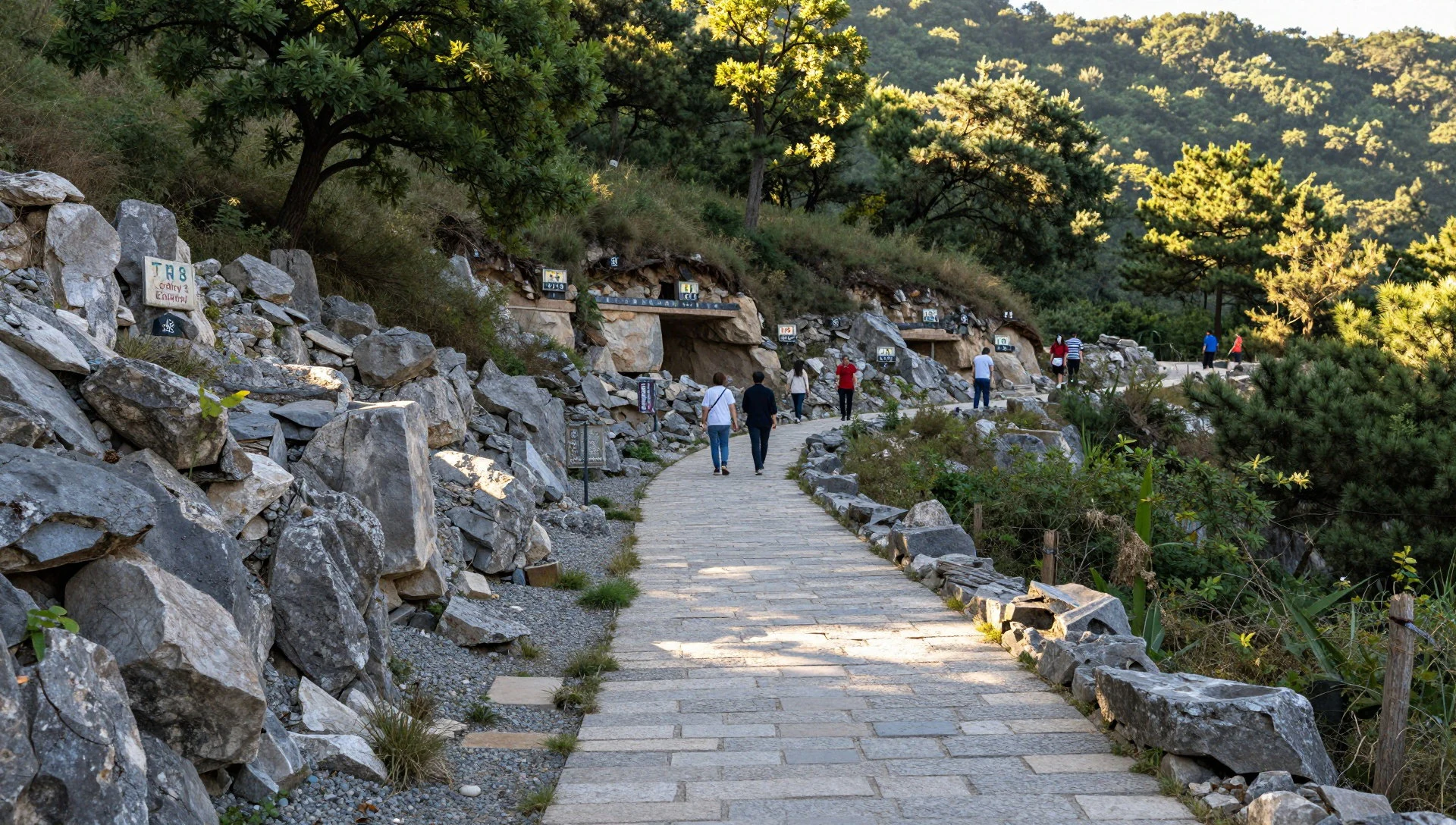
Culture
Zhoukoudian site is a UNESCO-listed archaeological landscape, but the on-the-ground visitor experience is more practical than ceremonial. You’re moving through outdoor cave areas and reading panels that relate geology to finds—so the most important “local culture” is simply how people behave in a research setting that also functions as a public attraction.
On busy days, school groups and families can create the classic bottleneck: everyone wants the same vantage points for photos, and people linger to read the same captions. That’s normal. The best strategy is to keep an unhurried pace, give others space at the viewpoints, and then return for photos once groups have moved on. The site is also a place where visitors sometimes rush because they only recognise the headline “Peking Man”—but the exhibits and locality names reward patience.
If weather is warm, cave-area shade doesn’t always mean cool air, so take breaks and keep water handy. Inside, expect exhibit lighting and glass cases—leaning too close blocks the view for others, and flashes are rarely useful in museum displays.
Visitor etiquette at Zhoukoudian: keep to marked paths and avoid blocking signage and display views while photographing.
What to wear
Zhoukoudian is a mix of outdoor cave landscaping and indoor museum rooms, so clothing works best in layers. Traditional dress isn’t a requirement here—most visitors dress like they’re on a day out around Beijing—but you may see people wearing more formal or traditional outfits on holidays.
For context, traditional Chinese clothing is commonly seen in places like festivals: hanfu-style garments often use woven textiles in plain or patterned fabrics, and changes in the cut and layering reflect regional tastes. Visitors wearing such clothing usually do it for comfort and celebration, not because it’s needed for entry.
What people wear now is straightforward: breathable T-shirts, light jumpers, and comfortable trousers or skirts with trainers. In warmer months, a hat helps, while in cooler months a thin warm layer makes museum rooms feel less chilly.
For visitors, the key is footwear. Some areas around the cave localities involve uneven ground and steps, so choose shoes with decent grip. If visiting in weather that’s humid or damp, quick-dry layers and a small umbrella are useful, because the outdoors is part of the experience here.
What to eat
- Beijing-style noodles — Fangshan District eateries and local street food stops
Look for noodle stalls around Fangshan/Beijing-daytrip areas where wheat noodles come in soups or stir-fry versions. The typical experience is fast, comforting, and easy to share between visitors coming from the site.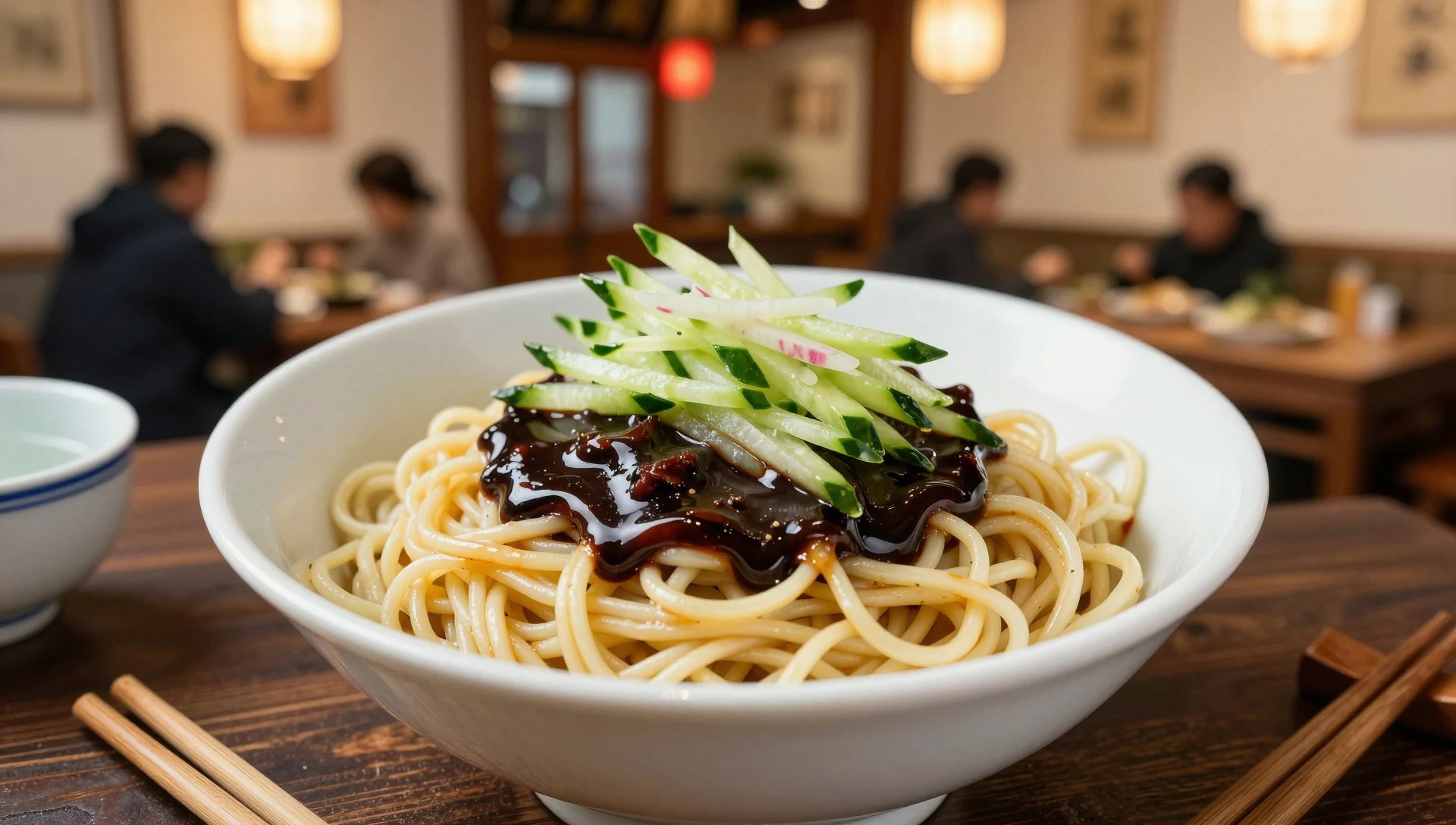
- Jiaozi (dumplings) — Local eateries and street-food markets around Fangshan
Jiaozi are commonly sold at casual eateries and food streets in Beijing-area suburbs, where they arrive boiled or pan-fried. Order a mix so there’s something for everyone after a long walk.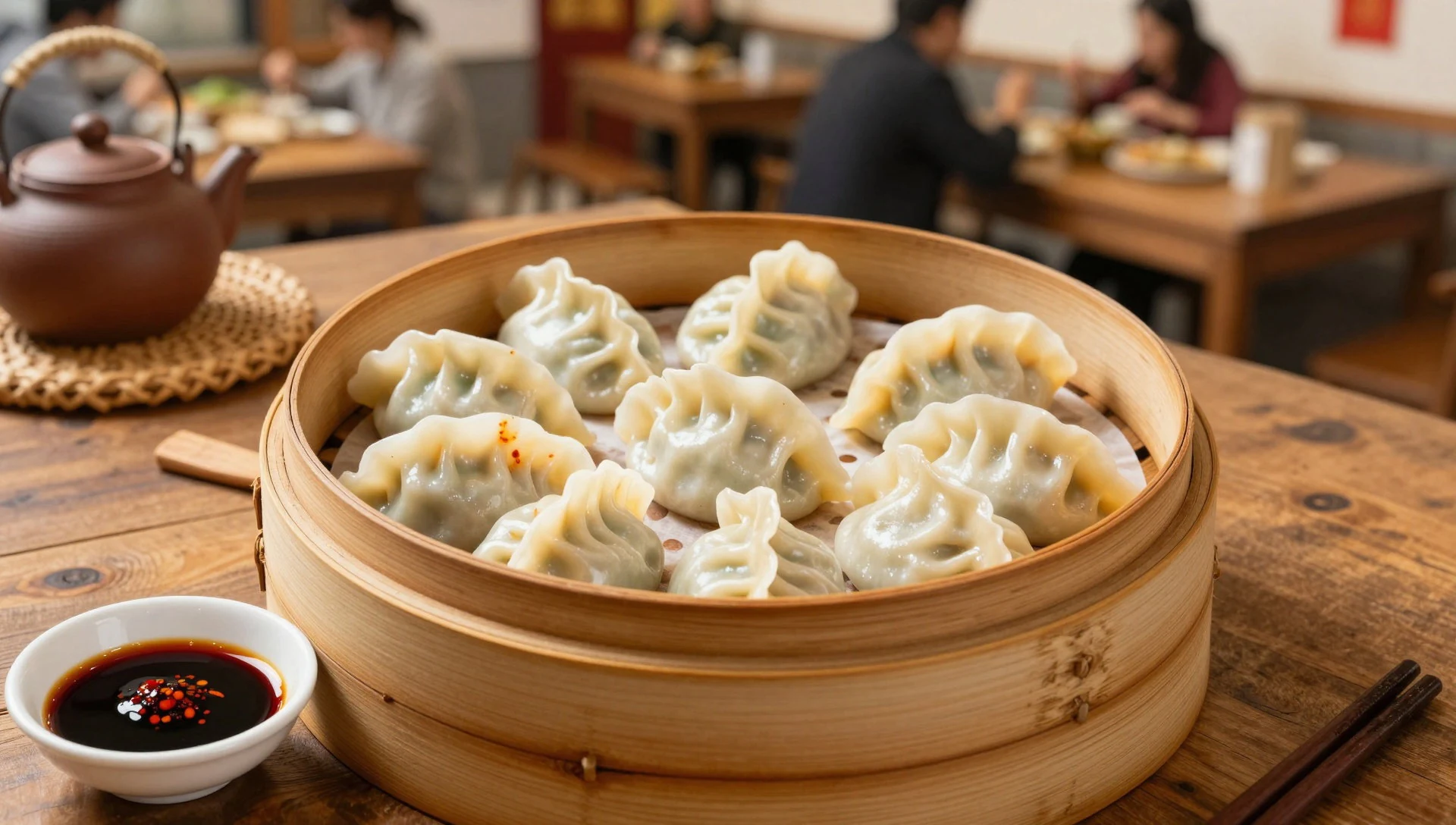
- Fresh fruit and tea stops — Snack kiosks and small tea shops near visitor entrances
Between exhibits, grab fruit and a warm or iced tea at simple kiosks or small cafés nearby. It’s an easy way to cool down in heat or perk up when the museum air feels a bit dry. - Hotpot-style grilled bites — Evening street-food lanes and casual restaurants in the area
Many Beijing day trips end with hotpot-style or grilled small plates—think skewers, marinated vegetables, and simple meats. It’s filling without requiring a formal restaurant booking. - Local rice or congee bowls — Neighbourhood restaurants and convenience-friendly eatery strips
For something lighter, try rice bowls or congee at neighbourhood restaurants. It’s a solid choice if the day has been busy and there’s still time to travel onward into central Beijing.
Plan it
Best time. April and late October–November for comfortable walking; these months combine mild temperatures with lower rain, which makes a longer day in the outdoor cave areas easier. June can be rainy, and summer heat can make museum-and-outdoors pacing feel tiring.
How long. 2–3
Getting there. Head to Beijing first, then use local transport to reach Fangshan District and the Zhoukoudian area. The last leg is by car or taxi/bus connection from central Beijing.
Budget. mid
Tips
- Start early to get easier light for outdoor cave viewpoints and fewer crowds around key localities.
- Build the day around museum context first, then return for slower “evidence reading” once the layout makes sense.
- Carry cash for small snack stops and any low-key vendors; card acceptance can vary at neighbourhood places.
- Bring water and a light layer; cave areas and museums can feel different temperatures compared with the open air.
Etiquette
- Stay on marked paths around excavation areas and don’t step into restricted sections.
- Keep noise down in indoor galleries and avoid leaning on display glass.
- Let school groups and families pass at bottlenecks rather than forcing a photo line.
Nearby
Sources
- Wikidata Q499552 (CC0)
- Wikipedia (rev 1381940149) (CC BY-SA 4.0)
- Wikivoyage (rev 5394689) (CC BY-SA 4.0)
- Photo photos/01-zhoukoudian-entrance.jpg (CC BY-SA 1.0)
- Photo photos/02-66036-peking-man-site-28430388510.jpg (CC BY 2.5)
- Photo photos/03-peking-man-skulls.jpg (Public domain)
- Photo photos/04-zhoukoudian-peking-man-site.jpg (CC BY-SA 1.0)
- Photo photos/05-zhoukoudian-upper-cave.jpg (CC BY-SA 1.0)
- Photo photos/06-zhoukoudian-1.jpg (Public domain)
- Photo photos/07-zhoukoudian-3.jpg (Public domain)
- Photo photos/08-zhoukoudian-4.jpg (Public domain)


