Xanadu
Xanadu, People's Republic of China
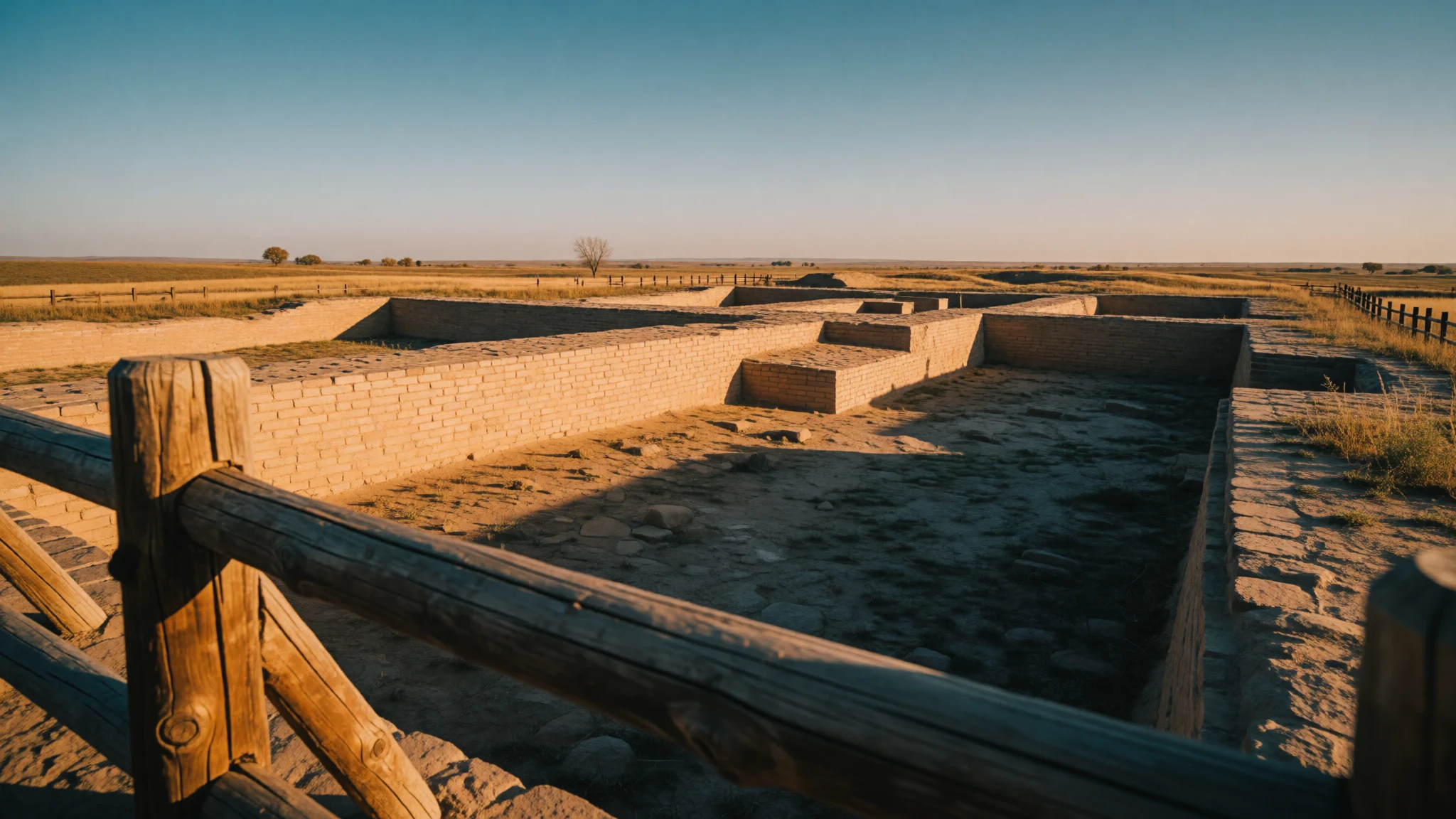
Xanadu feels like a city that time forgot—Yuan-era ruins on the Inner Mongolian steppe with a legendary literary afterlife.
The place
Xanadu is the Western name for Shangdu (上都, “Upper Capital”), the summer capital of the Yuan dynasty in Inner Mongolia. On the ground, it’s not a living old town with shops and streets—it’s archaeological remains spread across a wide, open landscape. The setting is part of the experience: the steppe air, big sky, and long views make the old palace grounds feel both grand and strangely exposed.
The city’s layout is usually described in layers—outer city, inner city, and the central imperial palace—reflecting influences from different worlds. The Yuan court used it as a seasonal retreat and as a place for politics and ceremonies, so the site isn’t only “pretty ruins”; it was built to function. Over time, the story took on extra weight far beyond China: the journey connected it to travellers’ tales (including Marco Polo), and later it became a poetic reference point through Samuel Taylor Coleridge.
As a visitor, the practical reality is that Xanadu works best when expectations are set: there isn’t the same density of daily bustle you’d get in Beijing or Shanghai. Instead, it’s about space, interpretation, and taking your time with the remains. Expect a quieter pace, and plan for weather swings typical of inland northern China. The hottest months are June, July, and August; the wettest months are July and June, with August also bringing significant rain.
Its story
Xanadu (Shangdu) starts as a planned capital project in the mid-13th century, before it ever became a legend. The city’s design is often described as combining Chinese-style planning with the demands of the steppe.
Kublai Khan made Shangdu the Yuan dynasty’s summer capital. The idea wasn’t just to get away from the heat of court life—it also created a seasonal centre where Kublai Khan could host envoys and run ceremonies. That dual purpose helps explain the site’s internal structure: it’s arranged to support both administration and the rhythms of a retreat.
At its peak, sources describe a population over 100,000 and a complex that included gardens, hunting grounds, temples, and administrative areas. When you stand among what’s left, it’s easy to see why later writers latched onto the place. Marco Polo’s visit gave the name overseas reach, and Samuel Taylor Coleridge’s use of the word turned “Xanadu” into shorthand for a far-off, idealised world.
Today the city survives as archaeological traces rather than a restored metropolis, but that’s part of its power. The story becomes less about walking through rooms and more about reading a landscape—trying to imagine where ceremonial movement happened, where visitors were received, and how a nomadic-meets-urban court expressed authority in stone, earth, and symmetry.
What to see
- Xanadu / Shangdu ruins — Zhenglan Banner, Inner Mongolia (Xanadu site area)
The main site is spread over open ground, with excavated foundations and the overall footprint of the outer, inner, and central palace areas. Walk slowly and look for the way the layout reads across the landscape—ruins here feel best from a few different angles rather than one spot.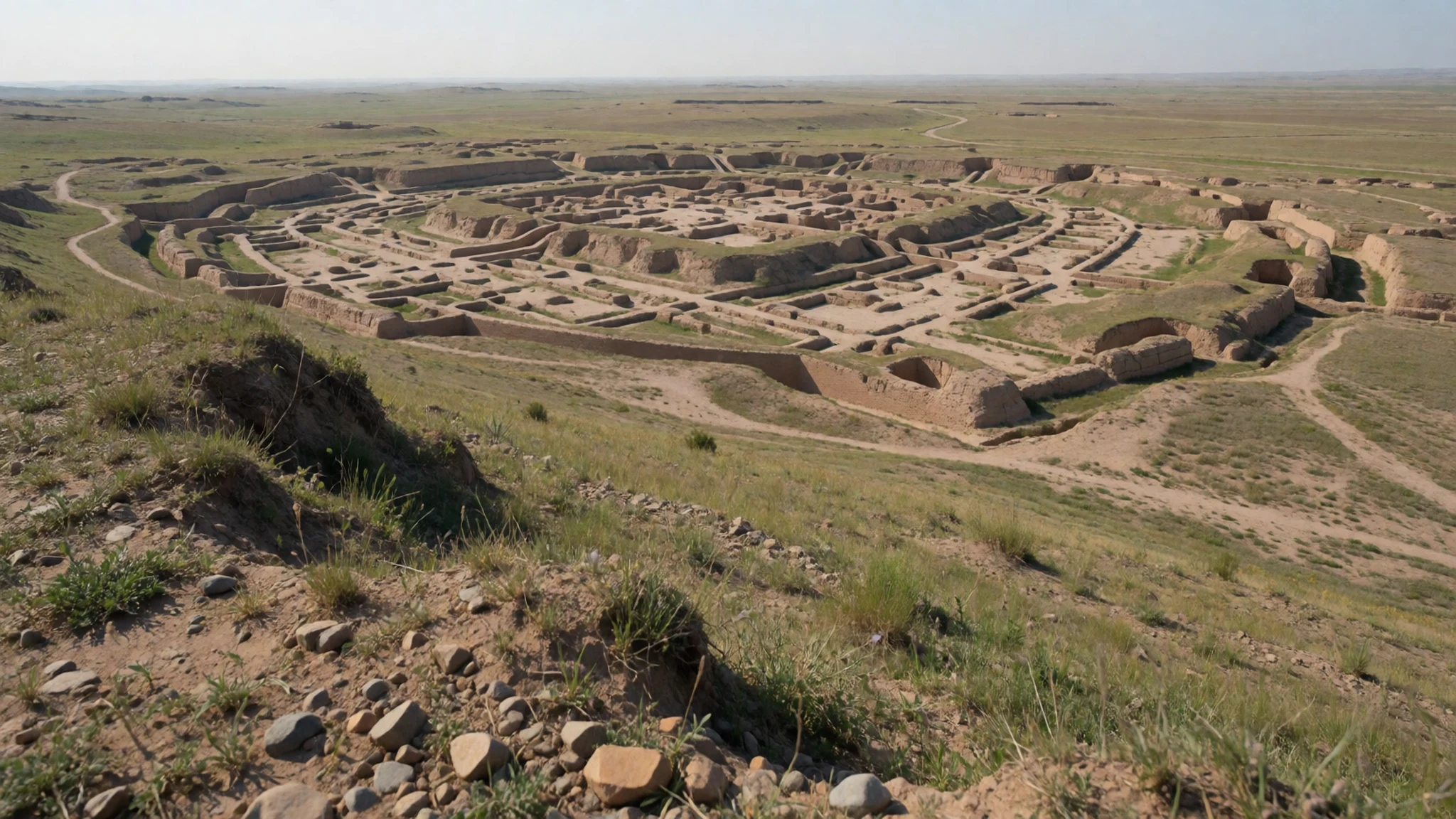
- Central palace area (within the site footprint) — Xanadu site area (central enclosure zone)
Among the remains, the palace zone is the area most visitors try to mentally “rebuild”. It’s less about intact walls and more about spatial clues: how the most controlled, ceremonial part of the complex would have been separated and focused.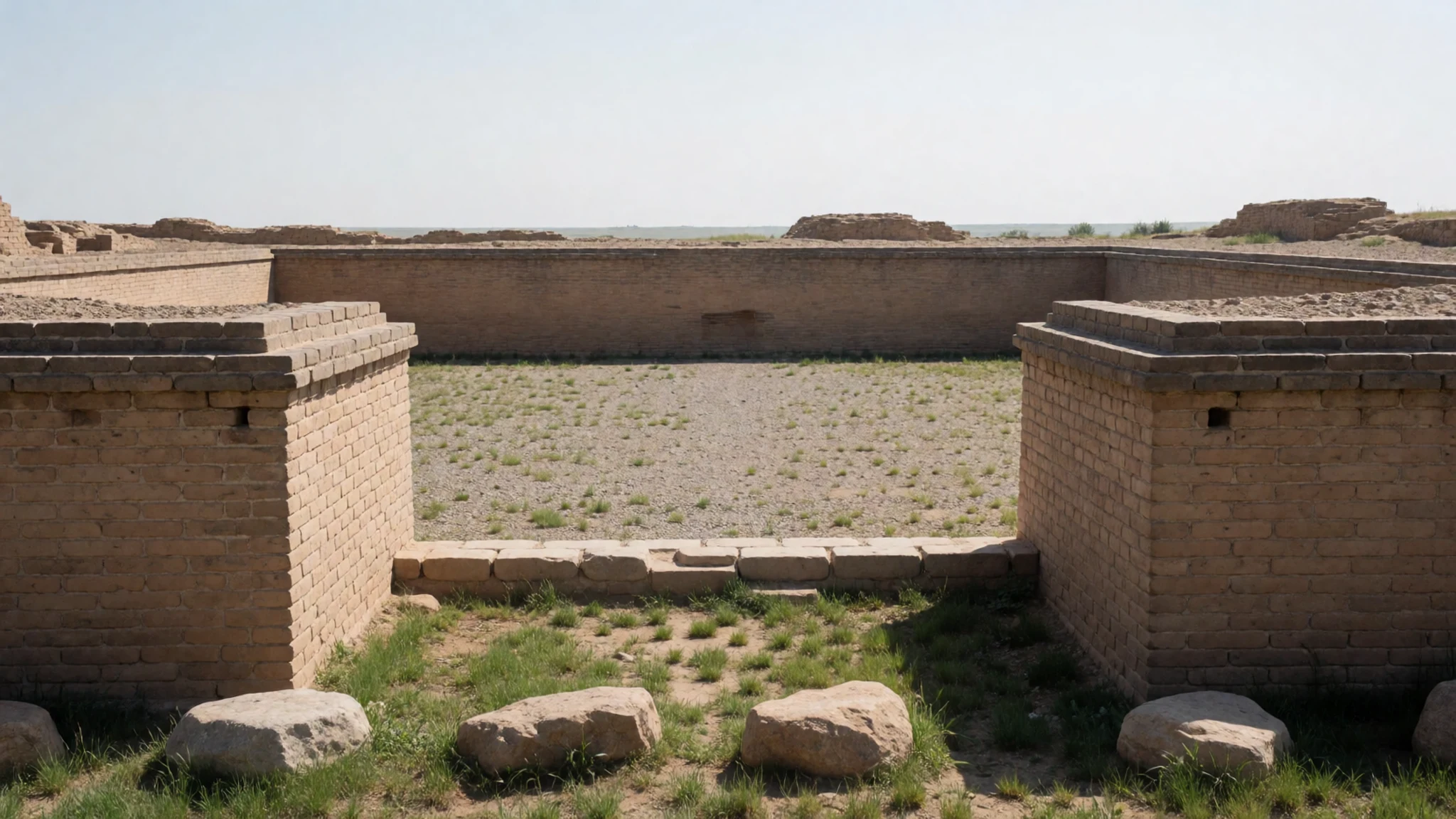
- Inner-city remains — Xanadu site area (inner enclosure zone)
Between broader outer-city traces and the central imperial core, the inner zone is where the city would have handled daily movement and controlled access. Even without buildings standing, the remains help explain the layered structure described for Shangdu.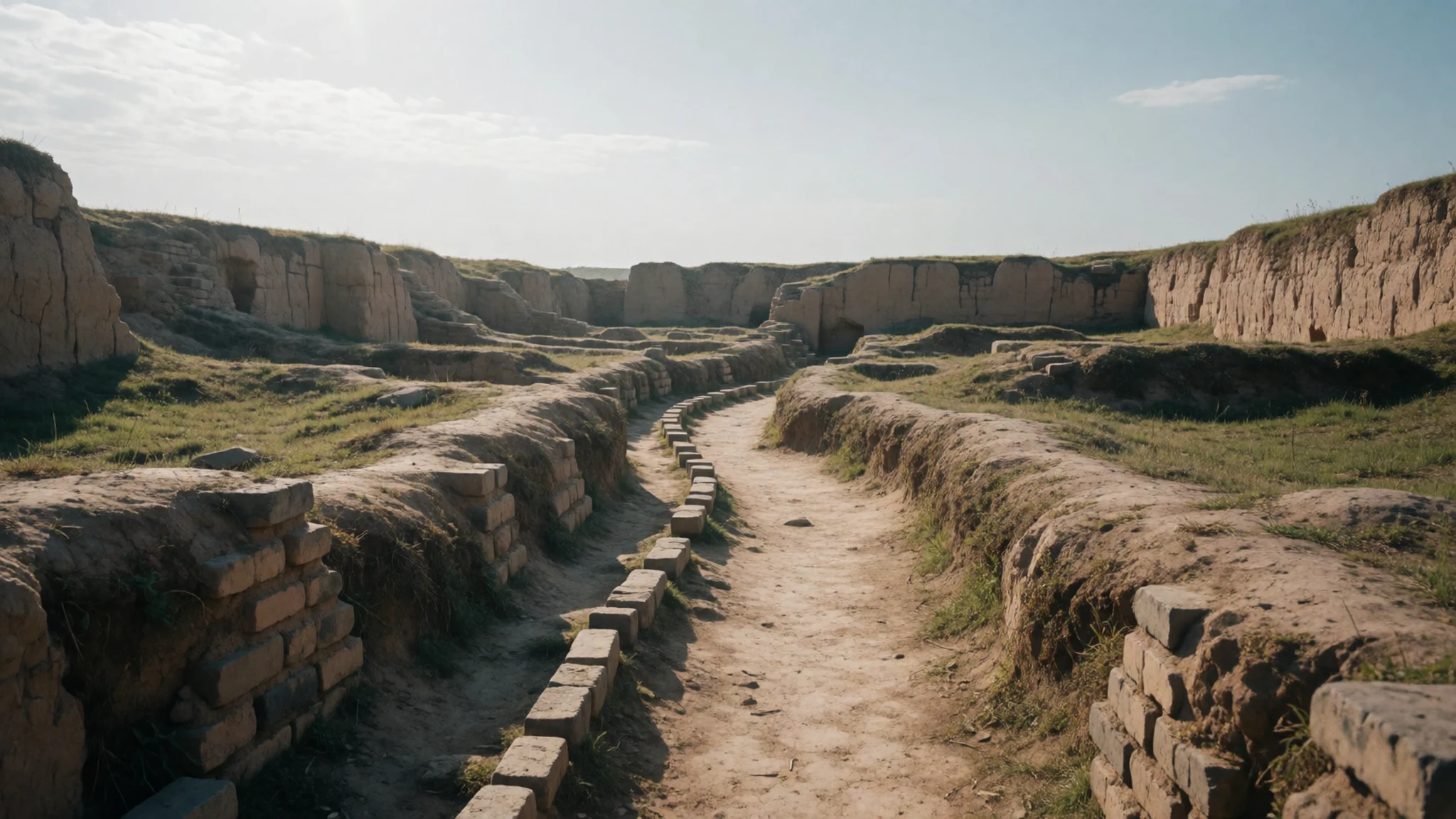
- Outer city footprint — Xanadu site area (outer enclosure zone)
The outer city is where the settlement scale becomes obvious. It’s often the most quiet-feeling part of the visit, with plenty of wind and sky, and it’s a good place to linger if the rest of the site feels too fast. Think in terms of boundaries and approach routes.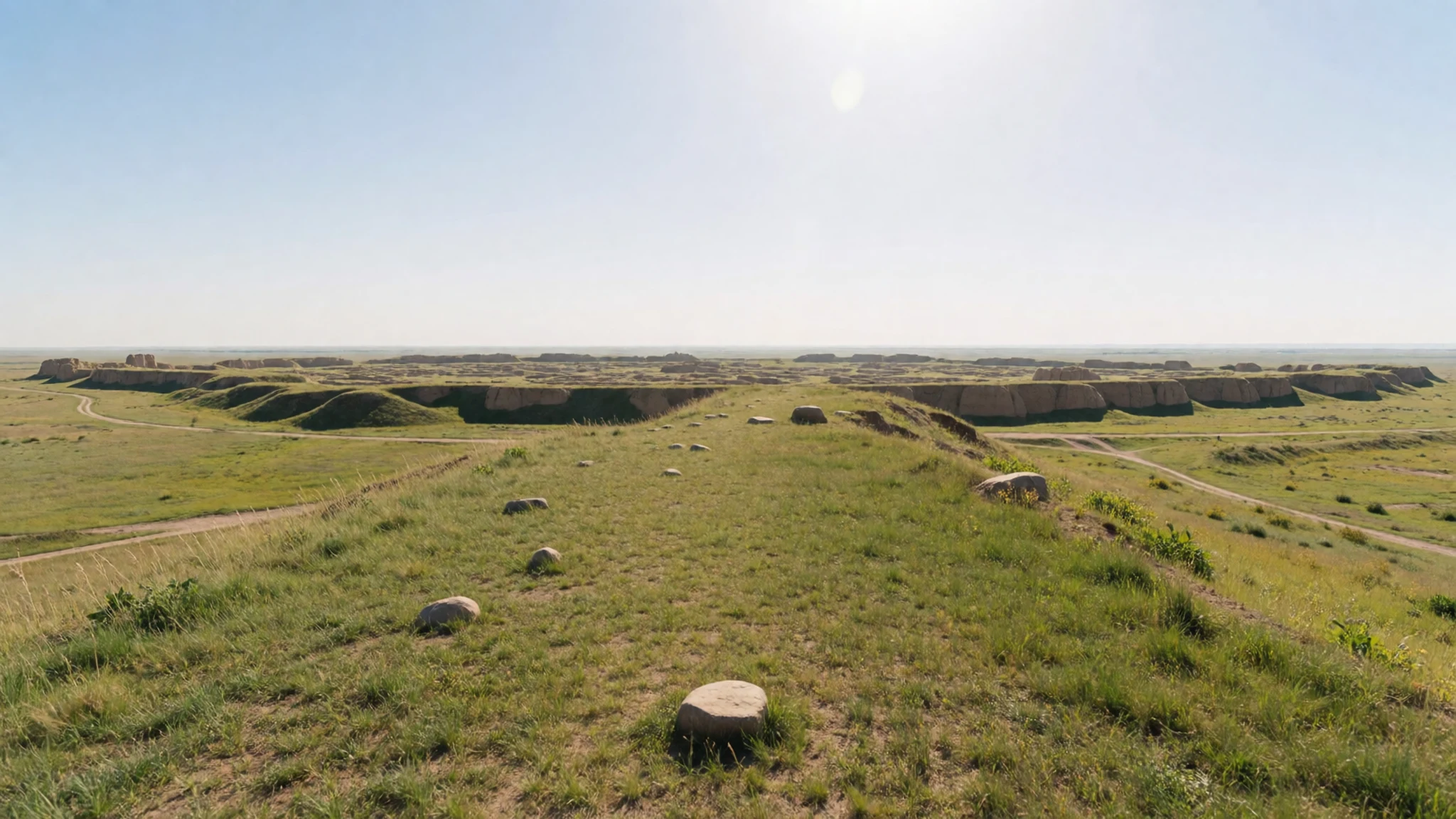
- UNESCO-listed context — Xanadu site area (interpretation points)
The experience is partly about interpretation, so it helps to connect what you’re seeing to the Yuan-era idea of a summer capital. Look for site materials or guided explanations to connect what you’re seeing to the Yuan-era idea of a summer capital.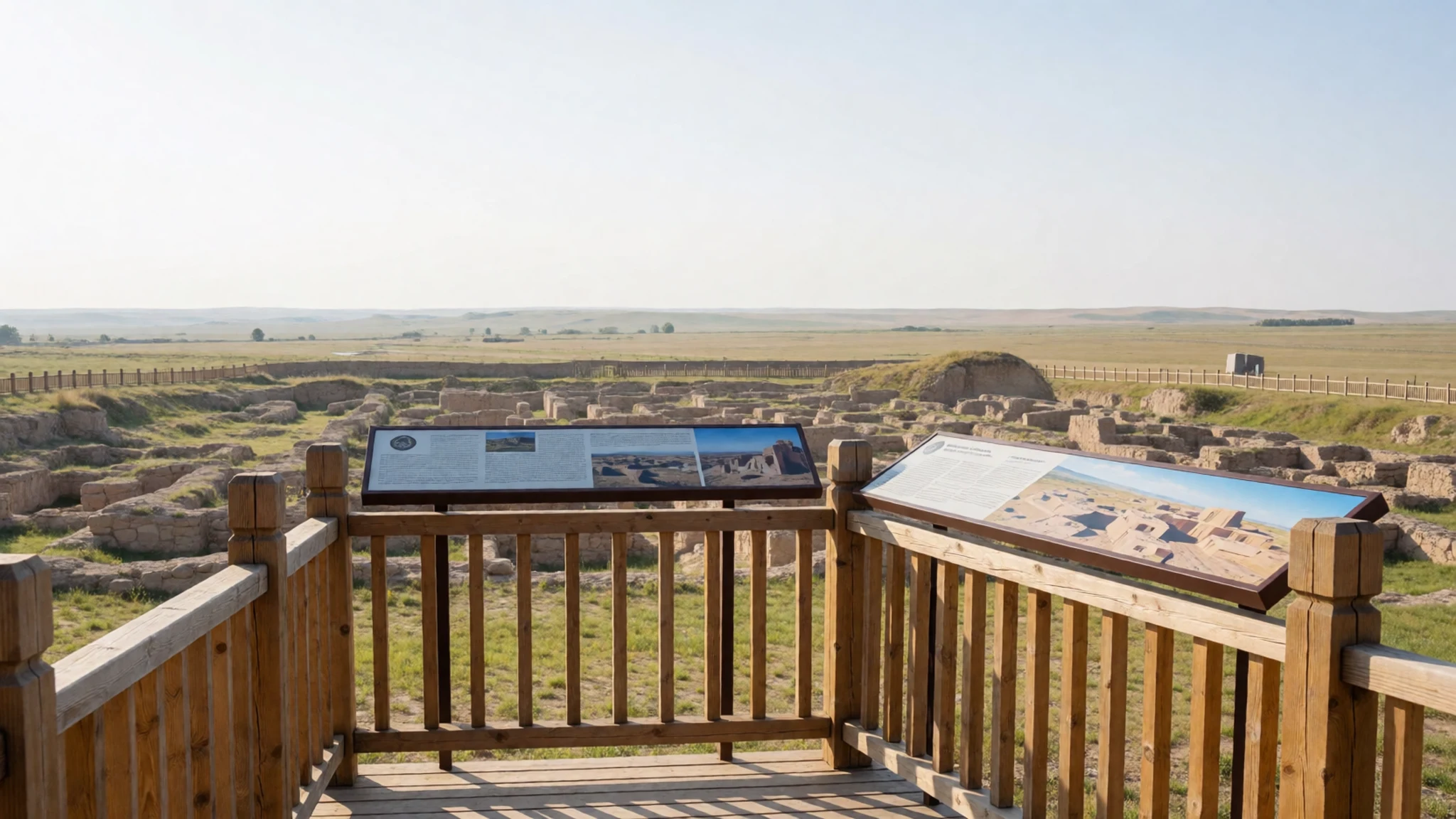
Culture
Xanadu sits in Inner Mongolia, a place with its own identity. One of the biggest culture traps for visitors is treating Inner Mongolia as if it were just “part of Mongolia”. Even when the steppe lifestyle overlaps, reducing it to a different country can land badly, and it can be read as having separatist connotations.
When the conversation shifts to ethnic Mongols and local customs, it helps to be respectful with language and references. The region can be influenced by Mongolian heritage in daily life, but it’s also firmly Chinese in governance and wider context. A good approach is simple: keep curiosity in your questions, avoid sweeping statements, and don’t frame local identity as something that “should” match your preconceptions.
At the site itself, respectful behaviour is mostly about how you treat a place of ruins and interpretation—keeping to paths where they exist, giving others space for photos, and not climbing on delicate foundations. If you’re chatting with staff or guides, ask what’s meaningful locally rather than trying to force a “Mongolia vs. China” narrative.
Visitor etiquette: Keep your tone neutral about local identity, and follow site guidance about where visitors should walk and photograph.
What to wear
In Xanadu (Shangdu), fashion is less about “traditional dress” on-site and more about dressing for Inner Mongolia’s climate and respectful visibility around historical remains. Traditional Mongolian influences include long deel-style robes made for warmth and mobility, often associated with patterned textiles and practical layering. Historically, such clothing suited the steppe lifestyle, and you’ll still see Mongolian-inspired outfits at times in the region.
What many people wear now is typically modern travel or local everyday clothing—light layers for spring and autumn, and more breathable pieces in warmer months. Even when people dress casually, it’s still worth choosing modest, comfortable outfits for a cultural site: clothing that covers shoulders and avoids anything too flashy helps the visit feel more appropriate.
For a visitor trip, aim for practical footwear with grip because you may walk over uneven ground around ruins, and bring a light jacket because wind can change how warm or cool it feels quickly. If visiting in cooler months, layering matters more than one heavy coat. Sunglasses and sun protection are useful on clear days, and a small scarf or hat can be handy if the steppe wind picks up.
What to eat
- Mongolian milk tea — Hotels and breakfast counters across Inner Mongolia
A distinctive regional hot drink served with breakfast in some hotels, made around dairy flavours. It’s a comfort-food style stop when the weather is cool and the steppe wind makes everything feel sharper.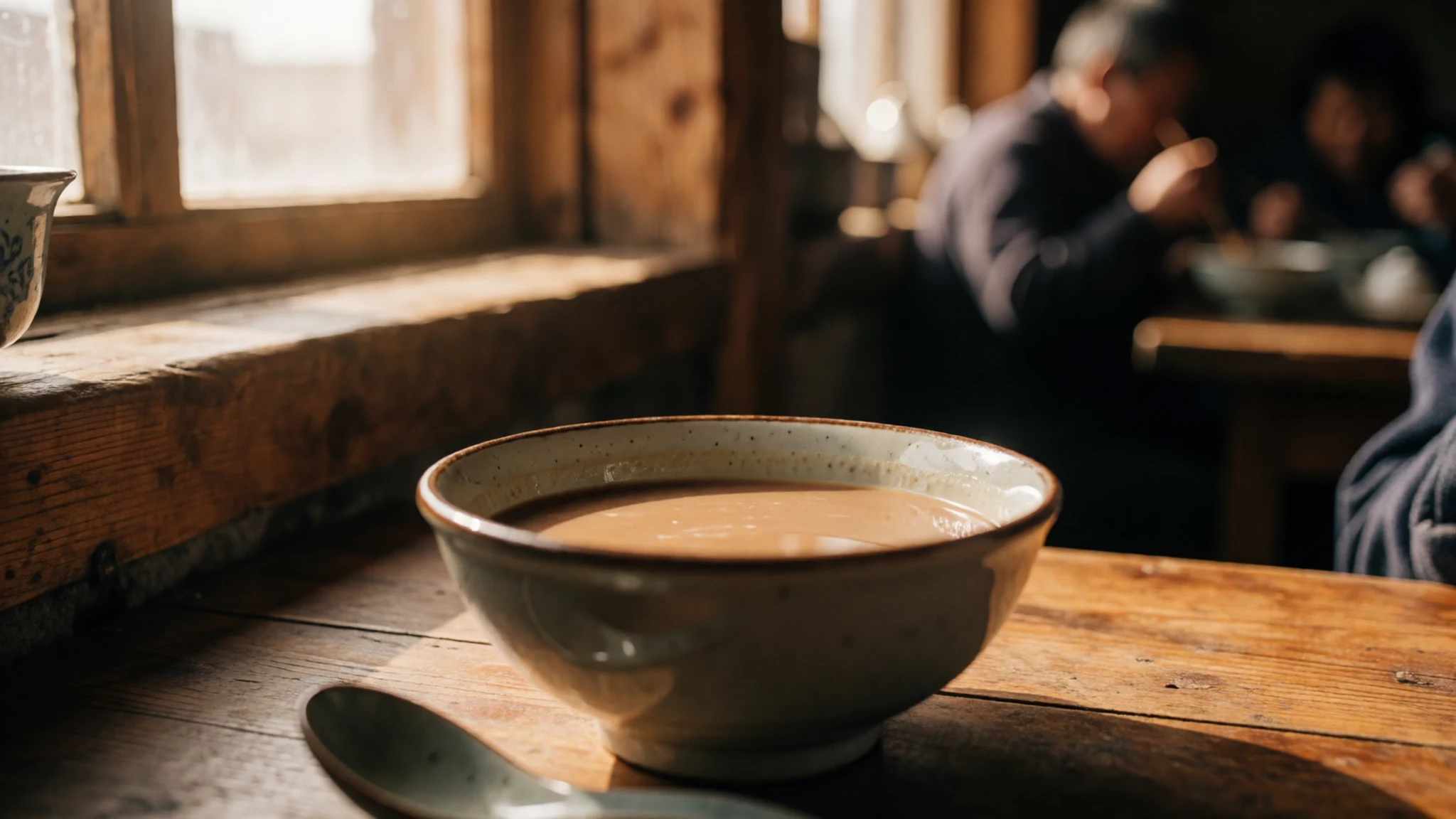
- Dairy-heavy Mongolian staples (milk, yoghurt, cheese) — Local eateries serving Mongolian-style meals
Inner Mongolia’s traditional food leans heavily on dairy: milk, yoghurt and cheese show up often in local meals. Even if the exact dishes vary by family and season, the dairy backbone is a reliable part of what to look for.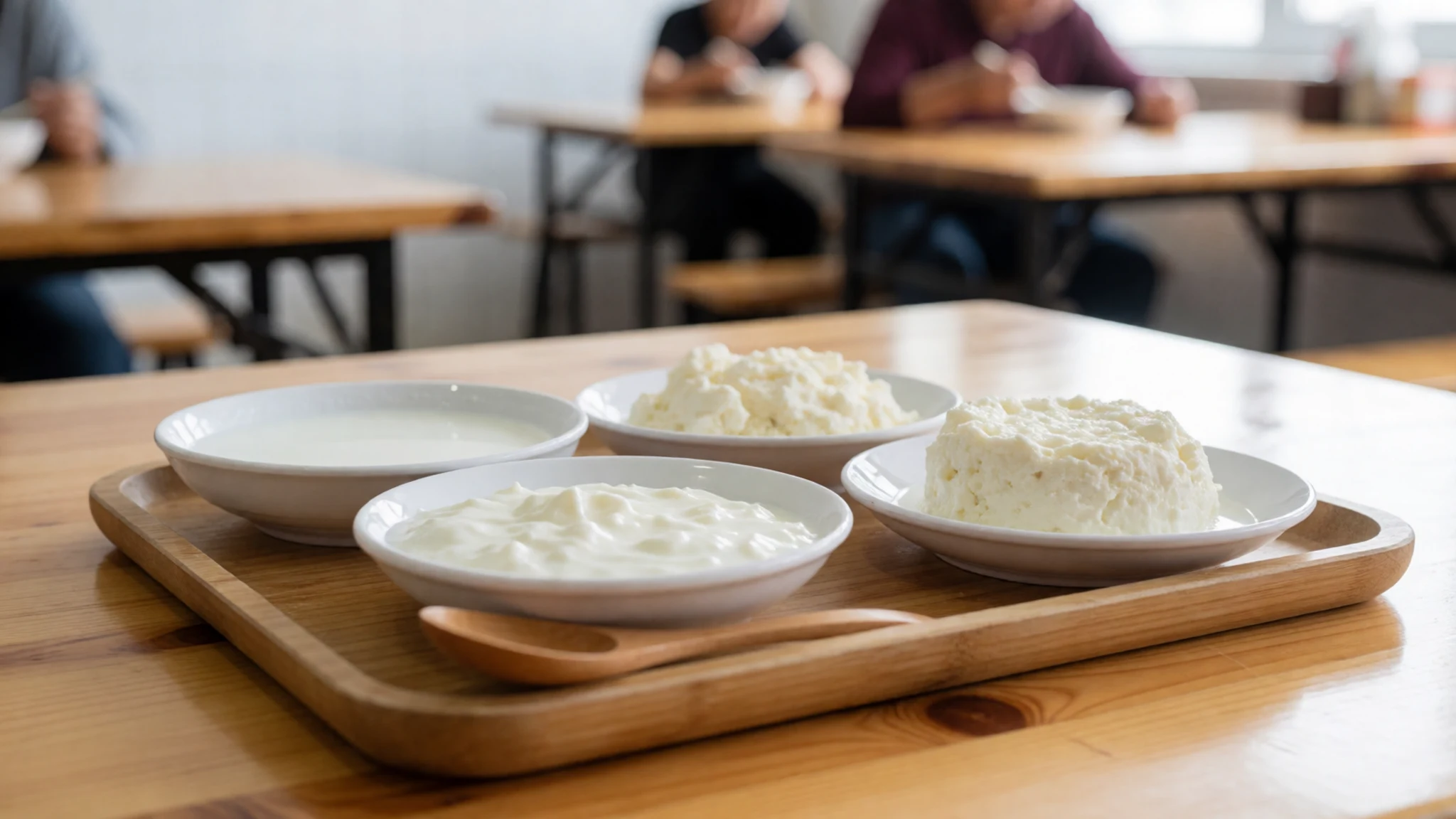
- Lamb dishes — Mongolian restaurants and everyday eatery menus
Meat—especially lamb—forms a core part of many meals. You’ll commonly find lamb prepared with spices and cooked until the flavour is bold rather than subtle, reflecting the steppe appetite for rich, warming food. - Mongolian hotpot (dairy-and-savoury style) — Hotpot restaurants and group meal spots in Inner Mongolia
Hotpot is common, and Mongolian hotpot tends to rely on a well-flavoured soup rather than the very hot, chilli-forward style seen elsewhere. It’s sociable and works well after a long day of walking outdoors. - Spiced roasted meat — Markets and casual food stalls that serve roasted dishes
Roasted meats often come with a coating of spices for a strong, distinctive flavour. If lamb feels too heavy, look for other roast options, but expect seasoning to be a feature rather than an afterthought.
Plan it
Best time. March–April for comfortable temperatures and blossom light, and October–November for clearer autumn days; these months generally balance cold nights with good daytime walking conditions. June and August bring the most rainfall, with July the wettest month.
How long. 2–3
Getting there. Fly into one of Inner Mongolia’s public airports (most require domestic connections via a major Chinese city); from there, continue by local transport to the Xanadu area. If travelling by train, use connections into the Chinese rail network, with broader access via routes linked to Beijing and onward through Inner Mongolia.
Budget. mid
Tips
- Start early to make the most of softer daylight over the ruins and to avoid peak heat when conditions are warm
- Build in time for interpretation—Xanadu reads best when there’s context for the layered city layout
- Carry water and snacks for site time, since you may be in a less dense area than bigger cities
- Expect travel connections to take longer than the headline route suggests, especially if flights require transfers
- Dress for wind and temperature swings; steppe weather can feel changeable in a short window
Etiquette
- Keep to marked areas around ruins and avoid stepping onto fragile foundations
- Be mindful with photography—don’t block walkways, and share space with other visitors
- Be neutral and respectful when discussing identities in Inner Mongolia; avoid treating it as simply “part of Mongolia”
Nearby
In a traveller's words
Xanadu (Shangdu) was the summer capital of the Yuan dynasty in Inner Mongolia.
— Author, Brief, 2026
Sources
- Wikidata Q471765 (CC0)
- Wikipedia (rev 1383773379) (CC BY-SA 4.0)
- Wikivoyage (rev 5293903) (CC BY-SA 4.0)
- Photo photos/01-xanadu-54565367991.jpg (CC BY 2.5)
- Photo photos/02-yuan-shangdu.jpg (CC BY-SA 4.0)
- Photo photos/03-xanadu-54564485512.jpg (CC BY 2.5)
- Photo photos/04-xanadu-54564490442.jpg (CC BY 2.5)
- Photo photos/05-xanadu-54565358461.jpg (CC BY 2.5)
- Photo photos/06-xanadu-54565359276.jpg (CC BY 2.5)
- Photo photos/07-xanadu-54565361266.jpg (CC BY 2.5)
- Photo photos/08-xanadu-54565364151.jpg (CC BY 2.5)
- Gutenberg book (Xanadu/related source) (Public domain)


