Wineglass Bay
Wineglass Bay, Australia
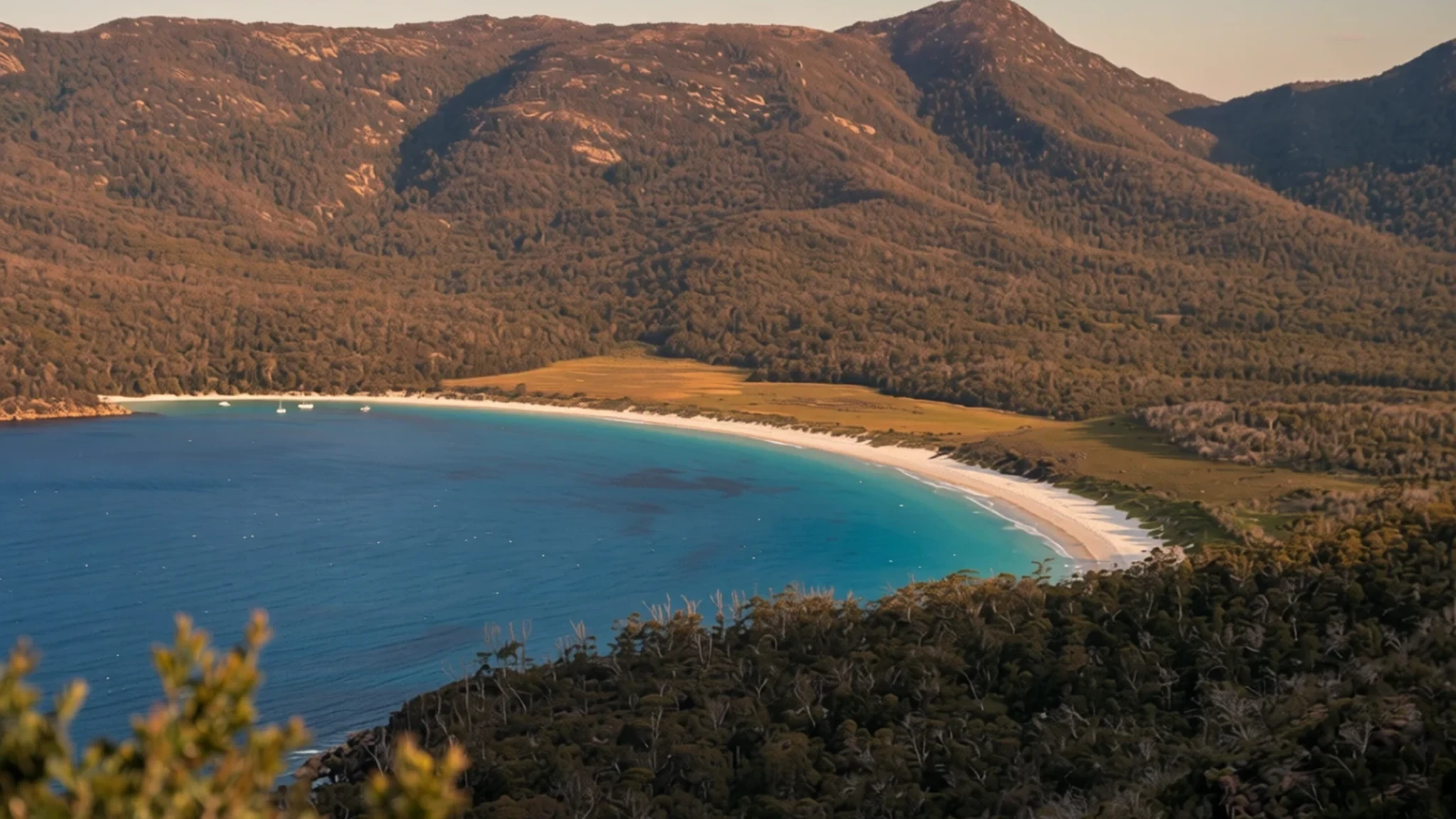
Wineglass Bay offers a stunning crescent of white quartz sand framed by dramatic pink granite peaks along Tasmania's isolated east coast.
The place
Wineglass Bay sits within Freycinet National Park on the east coast of Tasmania, Australia. Occupying a large portion of the Freycinet Peninsula, the park protects a rugged coastal landscape defined by its distinctive red and pink granite formations. The mountains and coastline derive their characteristic rosy tint from orthoclase, a pink feldspar found throughout the local Devonian granite geology, alongside black micas and white quartz. Coles Bay sits right on the edge of the park, but you'll head to Swansea for a bigger town. The park was established in a past era and shares the distinction of being one of the region's oldest protected natural reserves. Large sections of the local catchment and landscape remain entirely undisturbed by human development, providing a crucial sanctuary for rare and endemic flora and fauna species. The surrounding waters and coastal environments draw visitors from far afield, forming an essential component of the eastern region's nature-based economy. Beyond the famous curved shoreline, the peninsula features a series of jagged granite peaks known as The Hazards, standing in a sharp, striking line above the sea. The isolation and rural character of the peninsula create an atmosphere of remote wilderness, where visitors find sweeping coastal vistas, quiet bush tracks, and protected bays untouched by major commercial intrusion. The combination of colourful geology, sheltered waters, and native wildlife makes this coastal enclave one of the most distinctive natural landmarks in the southern hemisphere, drawing travellers who seek raw coastal beauty.
Its story
Wineglass Bay carries layers of human history that stretch from ancient Indigenous custodianship through to early European navigation and maritime industries. Long before the arrival of sailing ships, Aboriginal communities lived along the Freycinet Peninsula, managing the coastal lands and utilizing the rich marine resources of the sheltered bays. Many ancient sites across the peninsula remain protected for their cultural significance, bearing witness to generations of traditional life. European presence took shape as sealers, whalers, and explorers charted the rugged Tasmanian coastline. The peninsula itself was named in honor of Louis de Freycinet, a French navigator who mapped portions of the Australian coastline during his maritime expeditions. Early European industries relied heavily on the sea, with shore-based whaling stations operating in the sheltered waters nearby during the nineteenth century. As maritime trades faded, the extraordinary natural character of the peninsula began to draw public attention, leading to the formal establishment of the national park to protect its unique ecosystems and striking geological formations. Today, the management of the park balances conservation with public access, ensuring that both the fragile coastal vegetation and the delicate archaeological sites are preserved for future generations while allowing respectful exploration of this remote maritime frontier.
What to see
- Wineglass Bay Lookout — Freycinet National Park
The short climb from the main car park leads steadily uphill through dry eucalyptus forest before opening onto a famous granite viewing platform. From this elevated vantage point, visitors look down upon the perfect white curve of the beach and the turquoise waters below, framed by the dark stone of the surrounding peaks.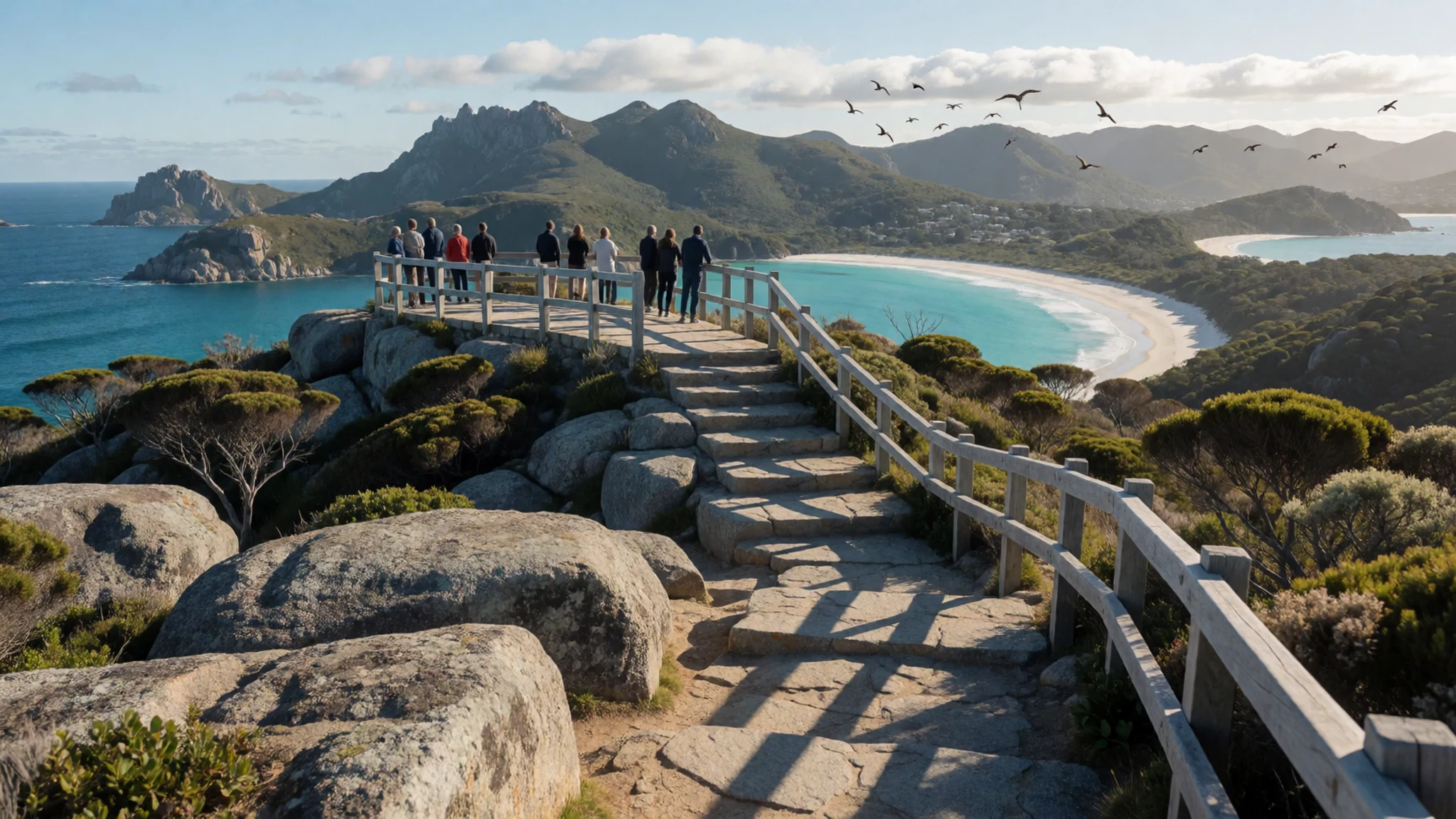
- The Hazards — Freycinet National Park
This dramatic range of jagged granite mountains forms the rugged backbone of the peninsula, glowing with a distinct rosy hue whenever sunlight strikes the rock face. Composed primarily of pink orthoclase feldspar, the peaks create an imposing backdrop to the sapphire waters of the bay and offer challenging routes for experienced bushwalkers.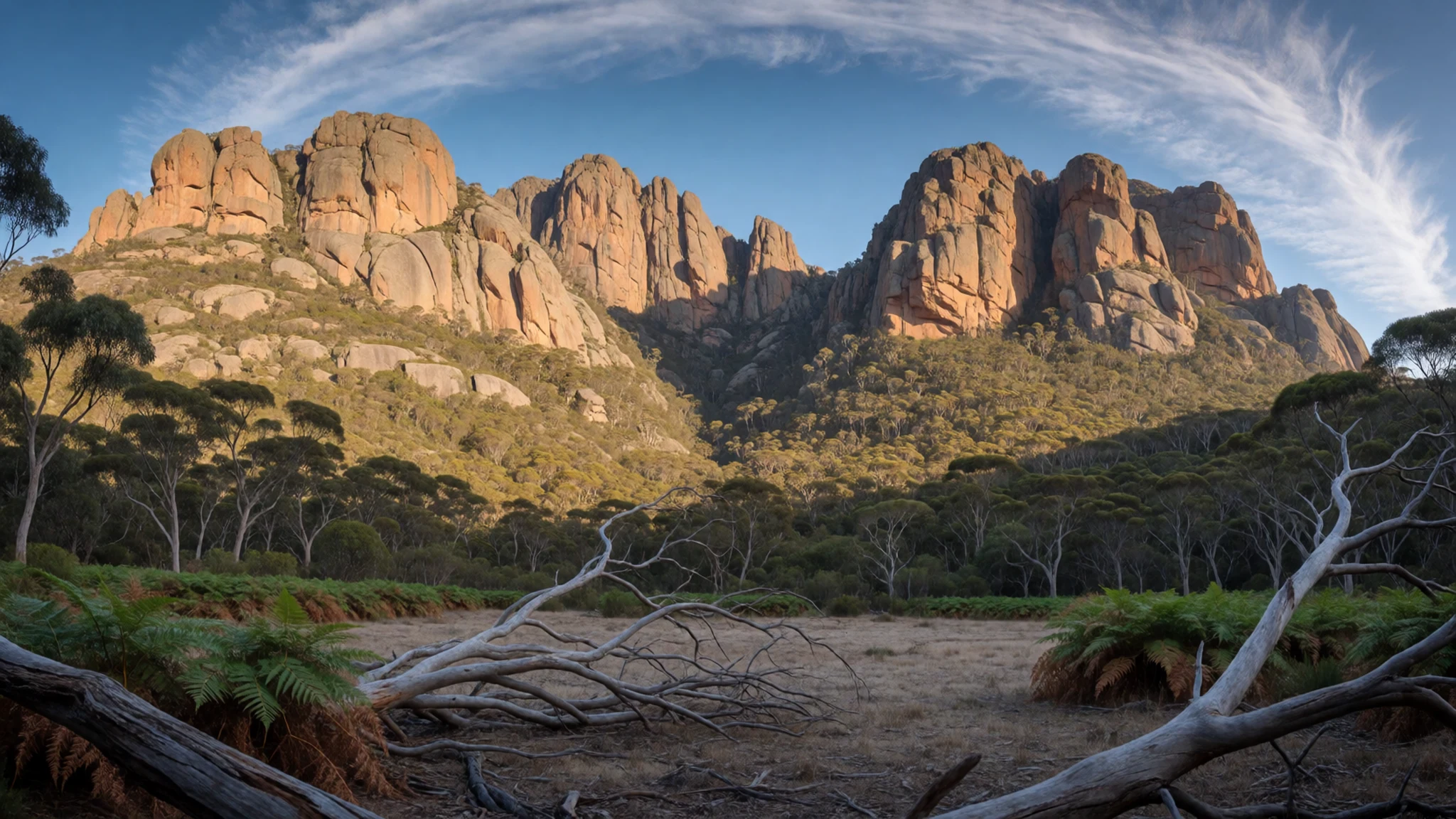
- Cape Tourville Lighthouse and Lookout — Freycinet Peninsula
A short, accessible boardwalk circles the dramatic granite cliffs near the historic cape, offering sweeping panoramic views across the open ocean and nearby Promise Bay. Visitors often spot seabirds wheeling over the crashing waves below, and during migration periods, marine mammals can occasionally be sighted travelling along the coast.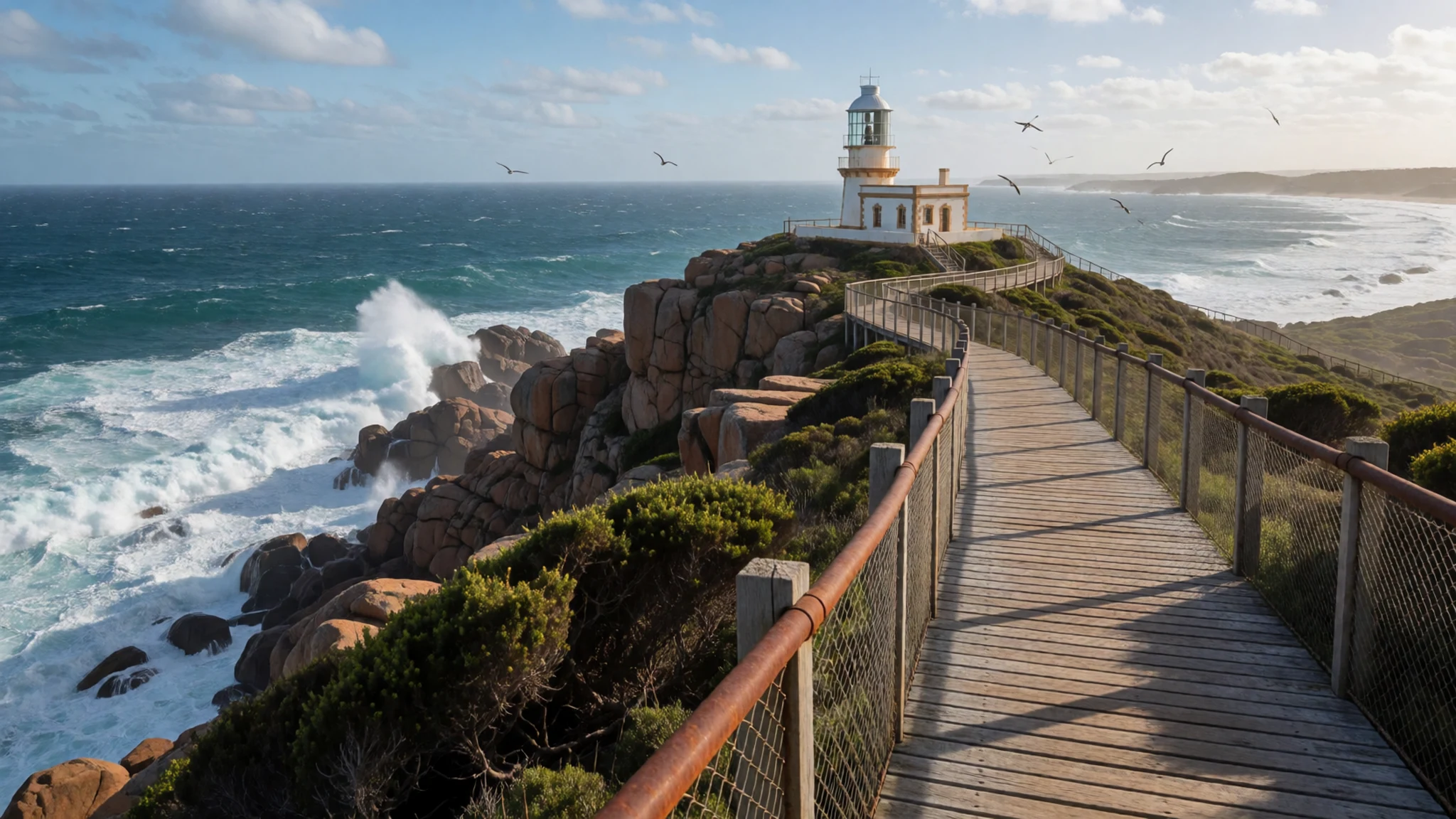
- Hazards Beach Circuit — Freycinet National Park
This extended walking route connects the interior bush tracks with a secluded western coastline, forming a rewarding loop for hikers seeking deeper wilderness. Walkers traverse quiet forest trails, cross low saddles between peaks, and emerge onto long stretches of undisturbed sand where human footprints are rare.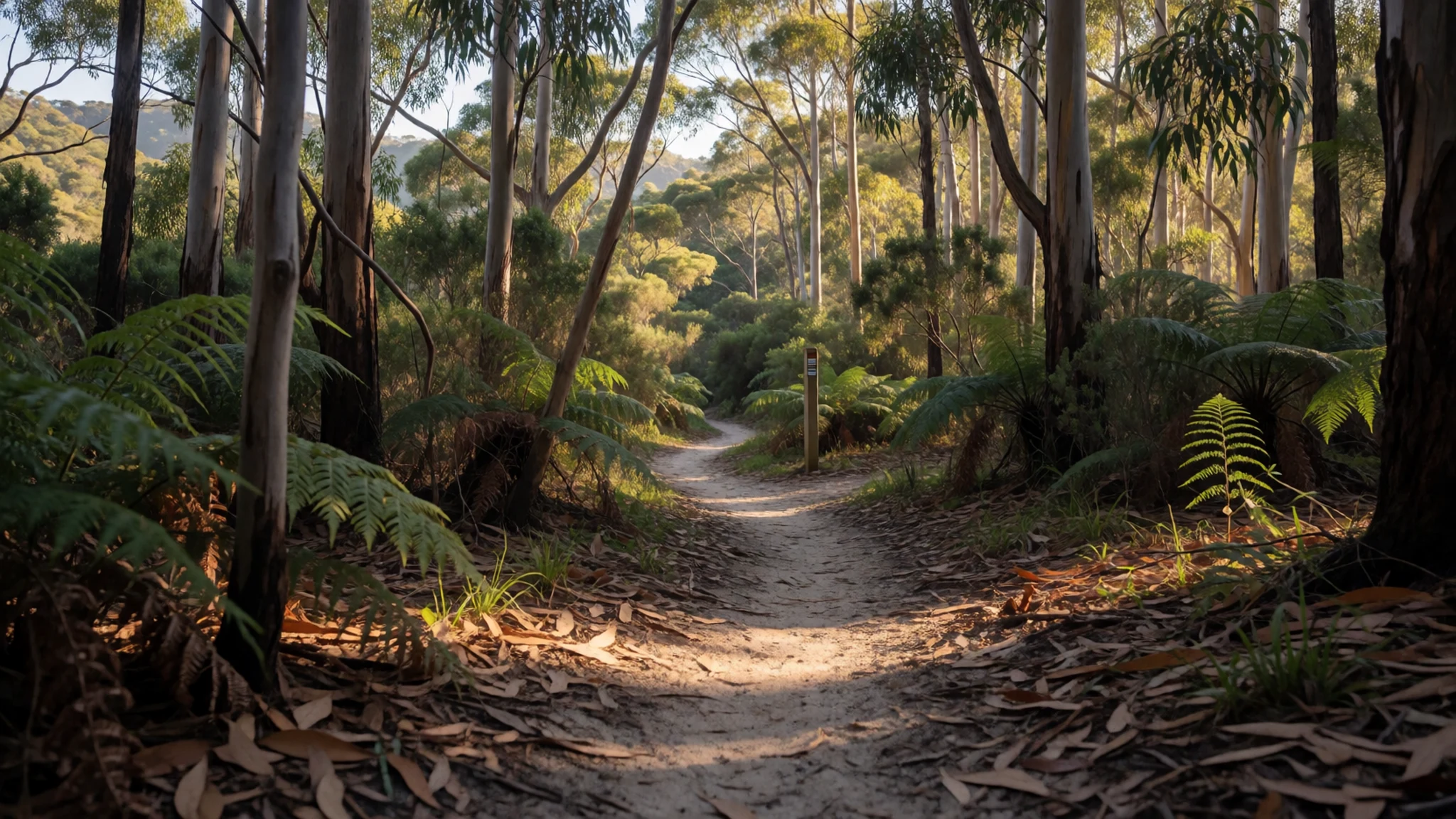
Culture
Wineglass Bay and the wider Tasmanian community reflect a distinctly laid-back, friendly temperament compared to mainland Australia. Local residents are generally approachable and ready to offer directions or share local knowledge with curious travellers. The island's past includes a complex convict history, which locals discuss openly and without discomfort, viewing it as an interesting part of their shared heritage. Conversely, modern tragedies remain sensitive subjects, and visitors should exercise discretion and empathy when discussing sensitive local history. Indigenous heritage is deeply woven into the landscape, with many sacred and archaeological sites protected across the peninsula. When exploring coastal bushland or walking tracks, respect for the natural environment is paramount, as the ecosystem supports delicate endemic flora and vulnerable wildlife populations. Always take your rubbish with you and stay on marked trails to protect the fragile coastal dunes and granite lichen beds from degradation.
What to wear
Fashion around Wineglass Bay is entirely practical, driven by the changeable coastal weather and outdoor pursuits. Traditional dress is absent here; instead, everyday wear for both locals and residents across Tasmania prioritises comfort, durability, and protection from the elements. Standard modern attire includes sturdy outdoor trousers, layered fleece jackets, breathable cotton shirts, and reliable waterproof outerwear to handle sudden shifts in coastal weather. For visitors exploring Freycinet National Park, appropriate gear is essential: sturdy, broken-in walking boots or trail shoes are necessary for the uneven granite terrain and sandy tracks, while a windproof jacket is vital on exposed mountain ridges and lookouts. Sun protection is equally important due to high ultraviolet levels in the region, making wide-brimmed hats and sunglasses standard daily accessories for anyone heading out onto the beaches or walking trails.
What to eat
- Fresh Coastal Seafood — Coastal restaurants and seafood eateries
Tasmania's surrounding seas yield an exceptional variety of marine produce, including Atlantic salmon, rock lobster, abalone, mussels, and wild oysters. These delicacies are featured prominently at dedicated seafood eateries and local dining spots throughout coastal towns and fishing harbours across the island.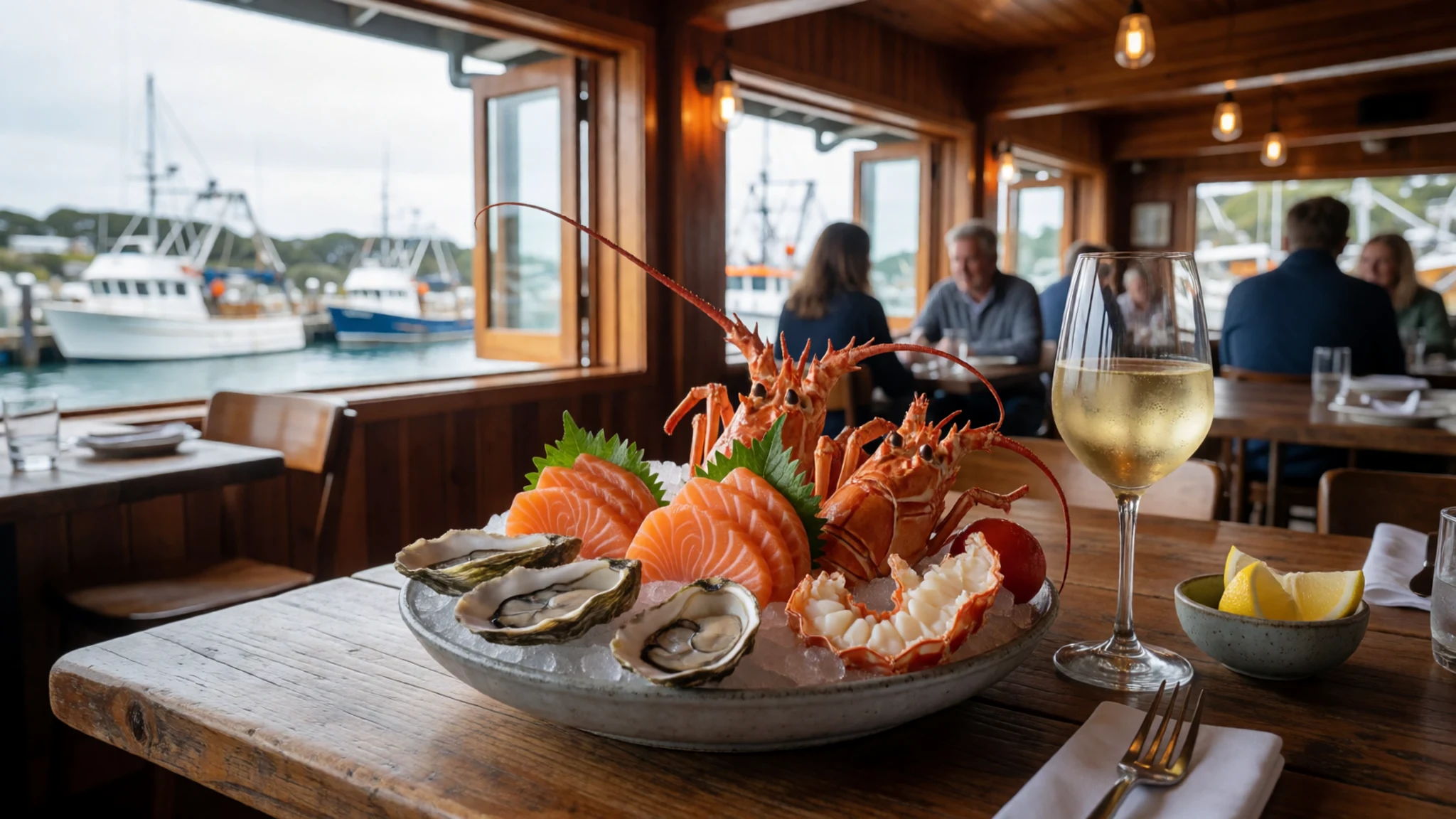
- Curried Scallop Pies — Local bakeries across Tasmania
A beloved regional specialty found in traditional bakeries across the island, combining tender local scallops in a savoury, gently spiced curry sauce encased within a flaky, golden pastry crust.
- Cool-Climate Wines — East Coast and Tamar Valley wine routes
The eastern coast and other regional river valleys produce acclaimed cool-climate wines, particularly crisp chardonnays and delicate pinot noirs, available through cellar doors and local wine routes. - Artisan Craft Spirits — Local distilleries and tasting rooms
Tasmania has grown into a renowned hub for artisanal distillation, producing world-class single malt whiskies and botanical gins crafted by independent makers scattered across the state.
Plan it
Best time. October through April offers the warmest weather and longest daylight hours, though summer months bring heavier crowds to popular walking trails.
How long. 2–3
Getting there. Fly into Hobart or Launceston from mainland Australia, then rent a car to drive east toward Freycinet National Park and Coles Bay.
Budget. mid
Tips
- Book park accommodation and vehicle passes well in advance during peak summer periods
- Start walking to the Wineglass Bay lookout early in the morning to avoid daytime tour crowds
- Carry sufficient drinking water, as potable supplies are limited along the walking trails
- Prepare for rapid weather changes by packing windproof and waterproof layers
Etiquette
- Stay strictly on marked walking tracks to protect fragile coastal vegetation and granite lichen
- Respect local wildlife by observing animals from a distance and never feeding them
- Take all rubbish with you when leaving national park areas and beaches
Nearby
Sources
- Wikidata Q15639353 (CC0)
- Wikipedia Wineglass Bay (CC BY-SA 4.0)
- Wikivoyage Tasmania (CC BY-SA 4.0)
- Photo 1 (CC BY 3.0)
